Point Cut Ends: V-Shaped Cutting Technique
Have you ever admired a hairstyle that seems to dance with every turn of the head, full of life, texture, and a seemingly effortless shape? Behind that movement often lies a specific and intentional technique performed with the very tips of the shears. It’s not a blunt chop or a simple layer—it’s the art of point cutting. This method, specifically when used to create a soft, V-shaped perimeter, is a hairstylist’s secret weapon for banishing heaviness and injecting personality into hair. If you’ve struggled with ends that look too thick, too flat, or just uninteresting, understanding the point cut ends technique could be the key to your hair transformation.

What Exactly Are Point Cut Ends?
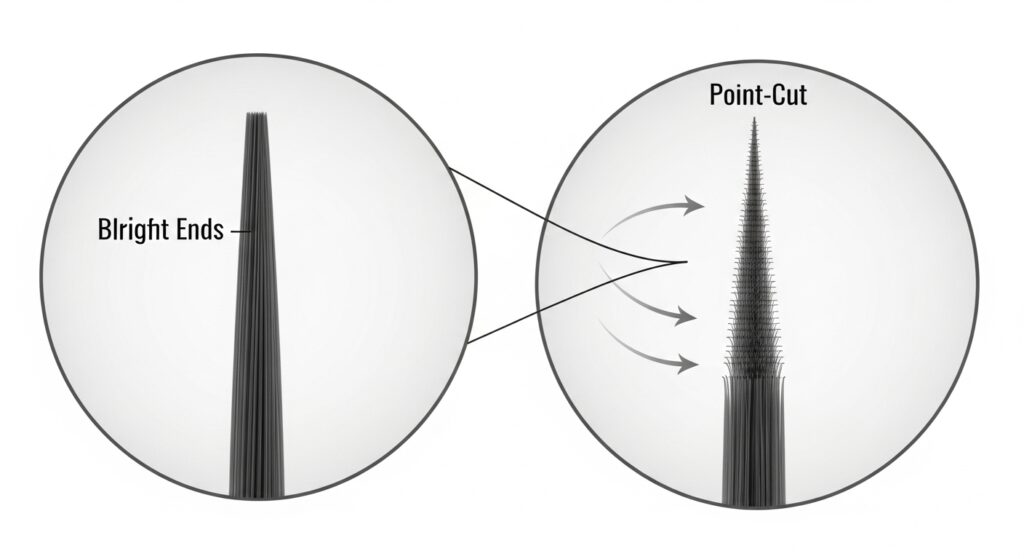
At its core, point cutting is a texturizing technique where the stylist holds the shears vertically (or at an angle) and makes precise, upward cuts into the hair shaft, rather than cutting across it. Imagine taking a single section of hair and, instead of cutting it straight across, you use the points of your scissors to make small notches or chops upwards. This breaks up a solid line, removes bulk, and creates a transition of lengths that is soft and irregular in the best possible way.
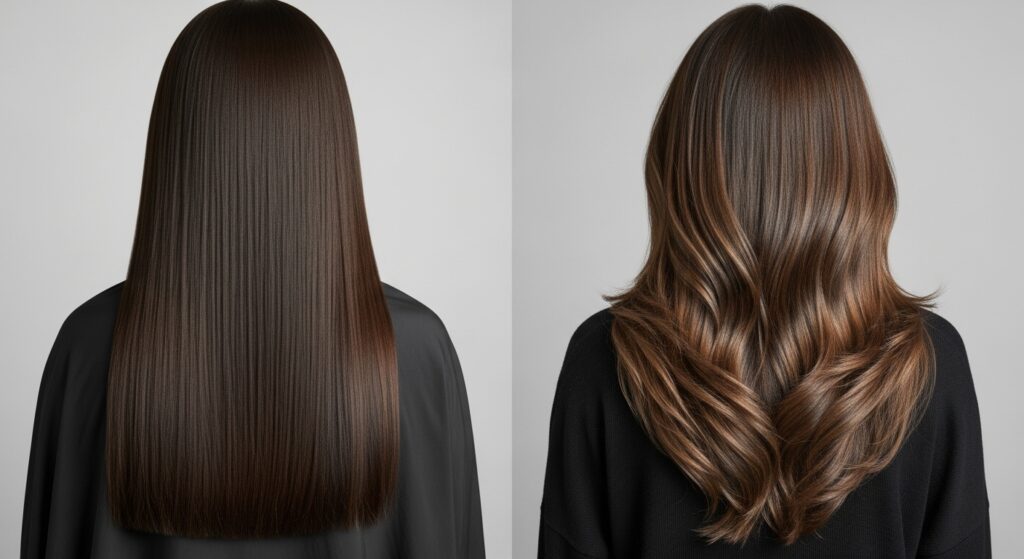
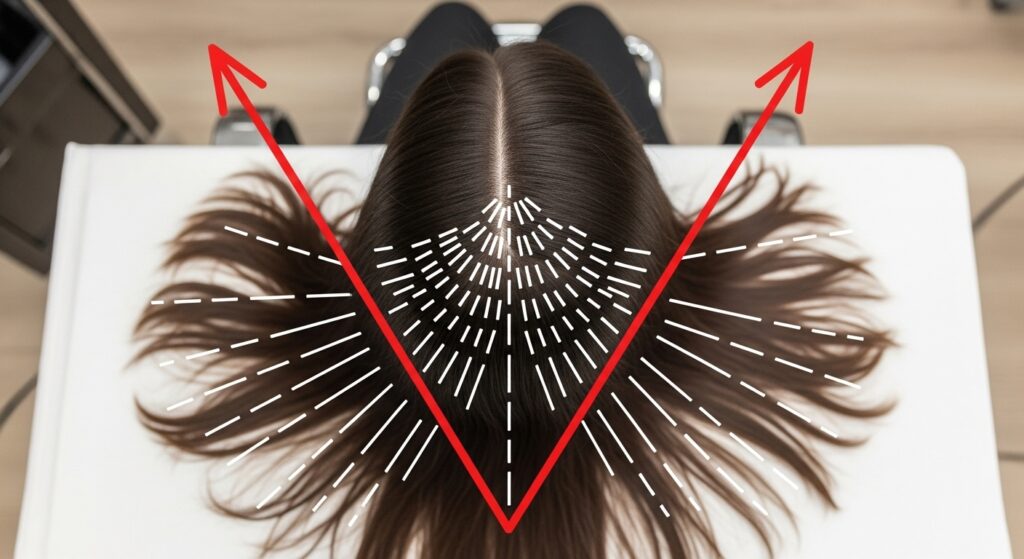
The V-shaped cutting technique is a specific application of point cutting focused on the overall silhouette or perimeter of the hair. When you look at the back of the hair, instead of a straight-across horizontal line (blunt cut) or a strong U-shape, the ends form a subtle, soft V. This is achieved by concentrating point cutting and length removal primarily in the center-back section, tapering the hair longer towards the front. The result is a shape that naturally directs movement towards the face, removes weight from the thickest part of the hair (the nape), and delivers an incredibly modern, lived-in look.
The Magic Behind the Technique: Why It Works
So, why does this specific method create such coveted hair? The benefits are both visual and tactile.
Unmatched Texture and Movement: By creating varied lengths at the ends, point cutting eliminates the “wall” of hair that blunt ends create. This allows individual sections to move independently, catching light differently and creating a dynamic, textured effect. The hair swings freely and falls into place naturally, reducing that “helmet-head” look.
Weight Removal Without Sacrificing Length: For those with thick, heavy hair, losing weight is often a priority. A V-shaped point cut expertly removes bulk from the areas that need it most—typically the back—while preserving length through the sides and front. You get relief from density and a lighter feel without a dramatic shortening of your overall hair length.
A Soft, Face-Framing Effect: The elongated pieces in the front of the V-shape naturally frame the face. When point cut, these ends become wispy and soft, blending seamlessly into the rest of the hair. This is far more flattering and modern than harsh, solid lines around the face, offering a gentle, eye-catching highlight to your features.
Ideal for Layered and One-Length Styles: This technique is incredibly versatile. It can be used as the finishing touch on layered cuts to blend the layers perfectly, preventing any “stair-step” appearance. It can also be applied to one-length (or blunt) cuts to simply soften the ends and add a touch of modernity without fundamentally changing the length structure.
Who is the Ideal Candidate for a V-Shaped Point Cut?
While versatile, this technique is a true game-changer for specific hair types and style goals.
Those with Thick, Coarse, or Dense Hair: If your hair feels heavy, is difficult to style, or tends to look triangular when layered, this cut is for you. The point cutting strategically removes internal bulk and weight, allowing the hair to settle into a more manageable and shapely form.
People Seeking “Lived-In” and Low-Maintenance Styles: The V-shaped point cut grows out beautifully. Because the lines are soft and textured, there’s no harsh line to reveal as your hair grows. This means you can go longer between trims while still maintaining a polished, intentional look. It’s the cornerstone of the “effortless” hairstyle.
Individuals Wanting to Enhance Natural Waves or Curls: Point cutting can be a curl’s best friend. By texturizing the ends without thinning the curl pattern improperly, it helps define shape and reduce bulk that can weigh curls down. The V-shape helps curls spring up more freely, especially at the back.
A Note of Caution: Those with very fine, thin, or severely damaged hair should proceed with caution. Over-pointing can further fragment already delicate ends, making hair look wispy or sparse. A skilled stylist will use a conservative, targeted approach in these cases, perhaps focusing only on the very ends for a hint of softness.

The Stylist’s Toolkit: How the Point Cut is Executed
This isn’t a hack job; it’s a precise skill. A professional stylist will typically follow a process:
1. Foundation Cutting: First, they will establish the basic length and shape of the haircut using traditional cutting techniques—whether it’s a blunt baseline or a layered structure. The V-shape is mapped out at this stage.
2. Sectioning and Pointing: On dry or slightly damp hair (dry cutting allows for the most precision in seeing how the hair moves), the stylist will take small, horizontal sections. Holding the shears vertically, they will work up the section, point cutting into the ends. The depth and intensity of the points vary—deeper cuts remove more weight and create more texture, while light, surface-level pointing simply softens the line.
3. Blending and Checking: The stylist constantly checks the shape from all angles, ensuring the V is symmetrical and the point cutting is blended seamlessly throughout. They may use other texturizing techniques like slithering or notching in conjunction with point cutting for a fully customized result.
The tools matter, too. Sharp, high-quality shears are non-negotiable for clean points. Texturizing shears (with teeth) might be used sparingly, but the hallmark of this technique is done with classic shears for maximum control.
Asking for This Cut: Communication Tips for Your Salon Visit
Walking into a salon and saying “give me point cuts” might not yield the desired result. Clear communication is key.
Instead, use descriptive language: “I’d like to remove some weight and add movement, especially in the back. I love the idea of a soft V-shape in the back with textured, point-cut ends so my hair isn’t so heavy and blunt.”
Bring visual references. Search for terms like “long shag,” “soft V-cut,” “lived-in ends,” or “textured long hair.” These styles almost universally feature point cutting. Show these pictures to your stylist and specifically point out the texture at the ends and the overall shape you like.
Ask questions: “Do you think my hair is a good candidate for point cutting to remove bulk?” or “Can we use point cutting to soften the ends without losing too much length?” This opens a collaborative dialogue.
Remember, a good stylist will also assess your hair’s condition, density, and natural pattern before deciding how aggressively to apply the technique. Trust their professional judgment on what will work best for your specific hair.

Maintaining Your Point Cut Ends at Home
To keep your V-shaped point cut looking its best, your styling routine should enhance texture and protect those delicate ends.
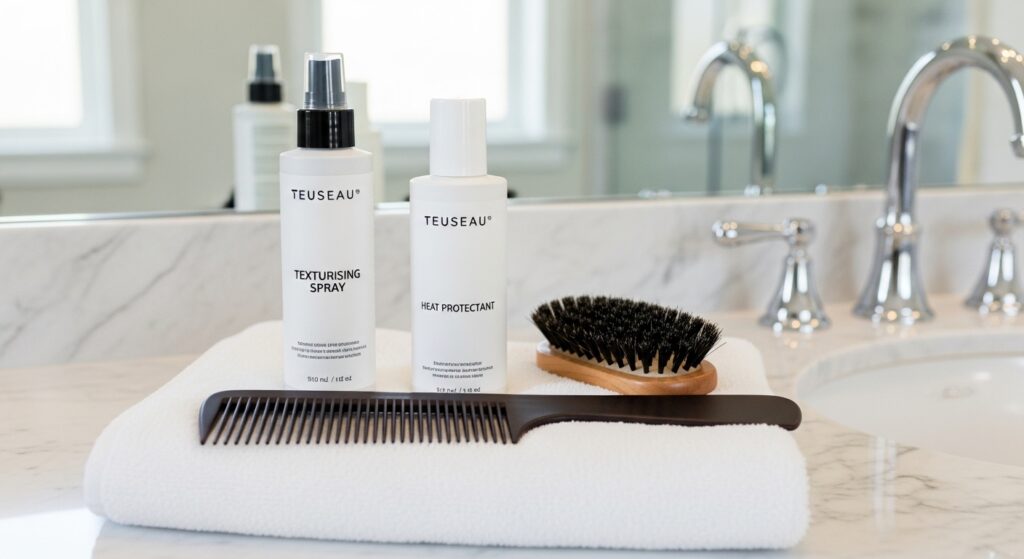
Embrace Texture-Enhancing Products: Lightweight sea salt sprays, texturizing mists, or volumizing foams are your allies. Apply them to damp hair and scrunch or blow-dry for added piecey-ness. Avoid heavy oils or creams on the ends if they tend to weigh hair down easily.
Drying Technique Matters: For maximum volume and movement, blow-dry your hair upside down or use a round brush to lift the roots. Let the ends air-dry naturally or use a diffuser to enhance their textured pattern. A flat iron can smooth the ends, but using it to create slight bends or turns will really highlight the cut’s dimension.
Protect Those Ends: Point cut ends are still ends—the oldest part of your hair. Use a heat protectant before styling and incorporate a weekly hydrating mask to prevent dryness and split ends, which can make the texture look frayed instead of intentional.
Regular Trims are Still Essential: While this cut grows out gracefully, scheduling trims every 10-12 weeks will maintain the shape’s integrity and prevent the V from becoming too elongated or losing its textural definition.
Conclusion: Is the Point Cut V-Shape Right for You?
The V-shaped point cut ends technique is more than just a trend; it’s a fundamental hairdressing method that solves common problems like heaviness, lack of movement, and harsh lines. It represents a shift towards personalized, texture-focused hair that prioritizes how hair moves and feels as much as how it looks in a static photo.
If you’re craving a change that brings lightness, modern shape, and easy, airy texture to your hair, this could be your answer. It bridges the gap between a dramatic chop and a boring trim, offering a sophisticated update that works with your hair’s natural behavior. Armed with the knowledge of what it is, how it works, and how to ask for it, you’re ready to collaborate with your stylist to unlock a new level of movement and style. Say goodbye to blunt, stagnant ends and hello to hair that has a life of its own.