Reverse Balayage: Darker Pieces for Dimension
If you’ve spent the last decade lightening your hair, the latest trend might feel like a rebellious act. Welcome to the world of reverse balayage, where the goal isn’t to lift you to sun-kissed blonde, but to strategically weave richer, darker tones back into your mane. Forget flat, single-process color. This technique is all about creating a multi-dimensional, lived-in look that’s both sophisticated and effortlessly cool. It’s the answer for anyone craving depth, contrast, and a low-maintenance color that grows out gracefully.

What Exactly is Reverse Balayage?
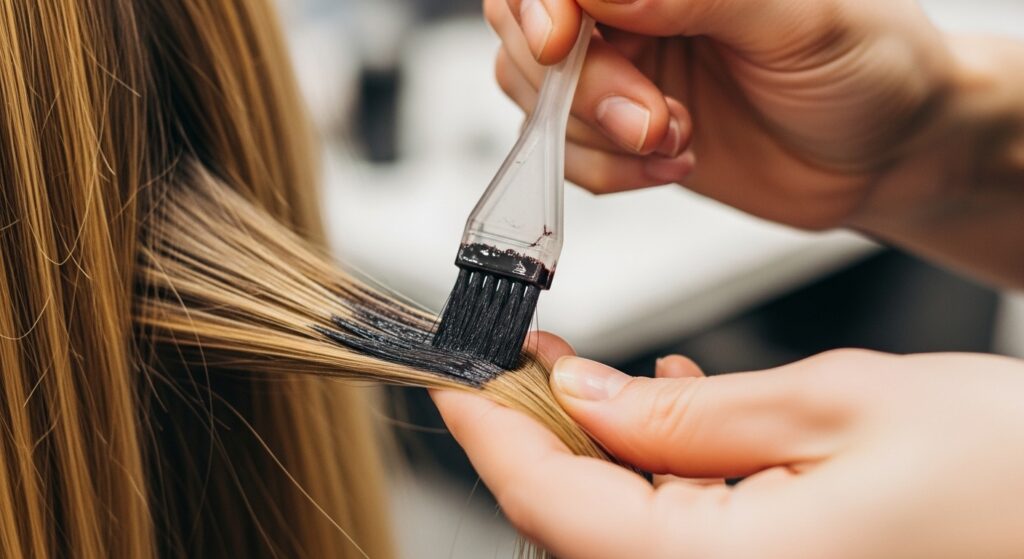
To understand reverse balayage, first recall classic balayage. The French word means “to sweep” or “to paint,” and it involves hand-painting lightener onto sections of hair to create soft, natural-looking highlights. Reverse balayage flips the script. It uses the same freehand painting technique, but with a darker color deposit—think chocolate brown, espresso, ash brown, or even richer caramel tones.
The objective is not to cover up your light ends completely, but to reintroduce depth and shadow where the sun might naturally darken hair or where your natural root color would grow in. The result is a seamless blend from a slightly darker root that melts into a mid-section of blended tones, finishing with lighter ends. It creates an illusion of incredible volume and texture, making hair look thicker and healthier.
Who is the Ideal Candidate for Reverse Balayage?
This technique is remarkably versatile, but it’s a particularly perfect match for a few key profiles. If you see yourself in one of these descriptions, reverse balayage might be your hair’s next best friend.
Former (or Current) Highlight & Balayage Lovers: If you’ve been consistently lightening your hair, you might be dealing with a lack of dimension, brassiness, or hair that feels over-processed. Reverse balayage adds needed depth at the roots and mid-lengths, breaking up the monotony and giving your hair a more natural, healthier appearance.
Brunettes Craving Drama: For those with naturally or colored brunette hair that looks a bit flat, reverse balayage can use even darker shades to create subtle shadowing and contrast. It’s a way to add sophistication and movement without going lighter.
The Low-Maintenance Enthusiast: Because the technique blends darker tones with your existing light pieces, regrowth is far less noticeable. You can extend the time between salon visits significantly, enjoying a style that evolves beautifully.
Anyone Seeking Volume and Texture: The visual play of light and dark creates an instant perception of fullness. Fine or thin hair can particularly benefit from this optical illusion of thickness.

The Consultation: How to Ask Your Stylist for Reverse Balayage
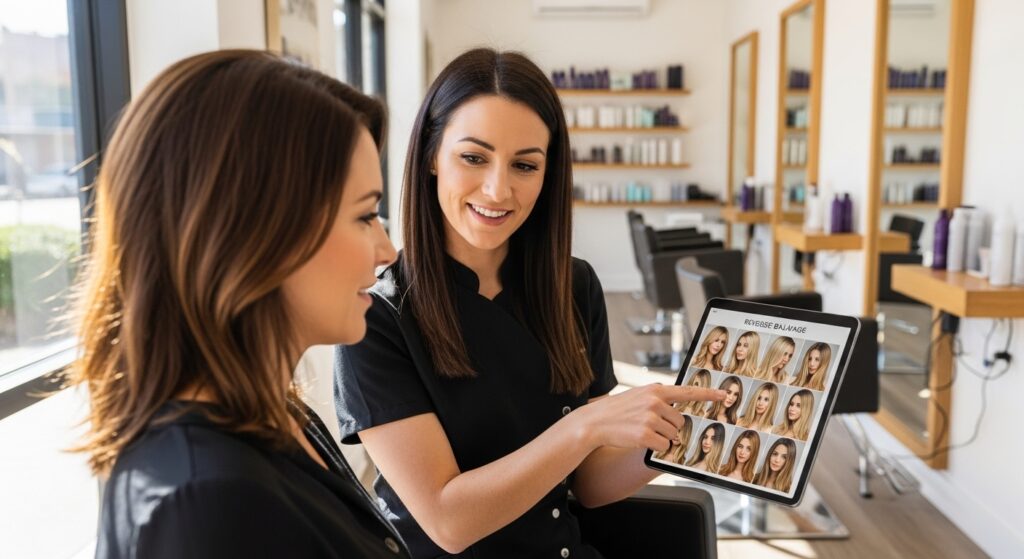
Walking into the salon with the right vocabulary and inspiration is key. Simply saying “I want darker pieces” might not convey the nuanced look you’re after. Here’s how to prepare for a successful consultation.
First, gather visual inspiration. Pinterest and Instagram are goldmines. Look for terms like “reverse balayage,” “shadow melt,” “dimensional brunette,” or “dark balayage.” Pay attention to the contrast level you prefer—soft and subtle or bold and dramatic. Show these pictures to your colorist.
Be clear about your maintenance lifestyle. Say: “I love dimension but need something low-maintenance. I’d like to incorporate darker tones to blend my regrowth and add depth.” Discuss your base color. A good colorist will help you choose a darker shade that complements your skin tone and your existing hair color, ensuring a harmonious result.
Ask about technique. A skilled stylist might combine methods, using traditional balayage for a few face-framing highlights and reverse balayage for depth, a combination often called “balayage melting” or “root smudging.”
Maintaining Your Reverse Balayage Masterpiece
The beauty of this color lies in its graceful aging process, but a little care goes a long way in preserving its vibrancation. Your maintenance routine will shift slightly to protect both the light and dark tones.
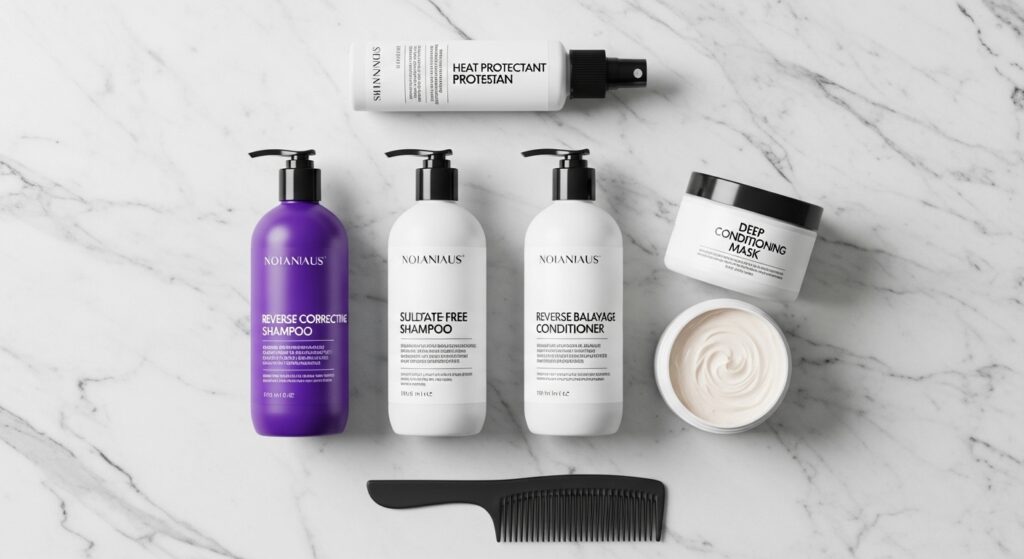
Color-Safe & Sulfate-Free Shampoo: This is non-negotiable. Sulfates strip color quickly. Use a system designed for color-treated hair to keep the dark tones rich and the light tones bright.
Toning Products: If you have blonde or lightened pieces, a purple shampoo used once a week can prevent brassiness. Be careful to apply it mainly to the lighter sections to avoid dulling the new darker pieces.
Deep Conditioning: Any coloring process can be drying. Weekly hydrating masks will keep your hair shiny, soft, and healthy, making the dimension truly pop.
Heat Protection: Always use a heat protectant before styling. Healthy, smooth hair reflects light better, showcasing the beautiful contrast you’ve invested in.
Touch-Up Schedule: Enjoy the extended time between appointments! Most clients can wait 4-6 months for a full refresh, with perhaps a simple gloss or toner appointment in between to boost shine.
Reverse Balayage vs. Traditional Lowlights: What’s the Difference?
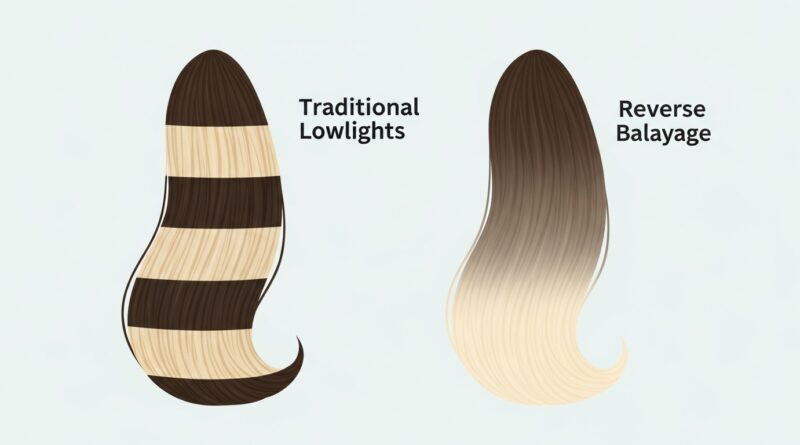
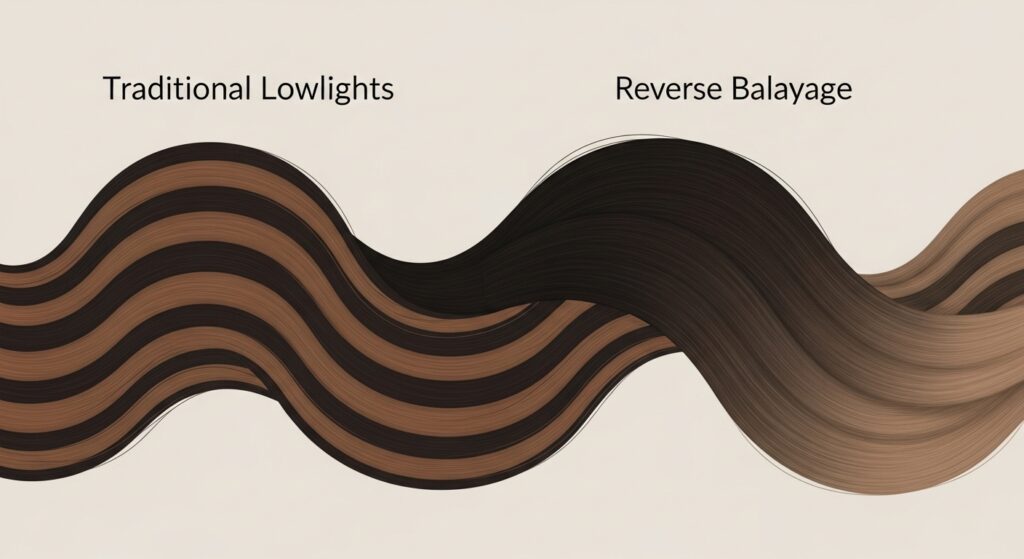
It’s easy to confuse these two techniques, as both add darker pieces. The difference lies in the application and result. Traditional lowlights are often applied with foils, creating more defined, chunkier sections of color that can sometimes look stripey or less natural as they grow out.
Reverse balayage, with its hand-painted approach, creates a much softer, more diffused blend. The transition between the dark and light hues is seamless, mimicking how hair naturally lightens and darkens in the sun. It’s a more organic, less structured look. Think of lowlights as precise strokes and reverse balayage as a soft watercolor painting.
Is Reverse Balayage Right for You? Final Considerations
Embracing darker tones can feel like a big step, but it’s often a rejuvenating one. Consider your personal style—reverse balayage tends to be edgier and more modern than all-over blonde. It frames the face beautifully and can make your eyes and skin tone glow with the right shade selection.
Remember, this is a customizable technique. You can go for a subtle “lived-in” look with tones close to your natural root, or make a bold statement with high-contrast espresso ribbons against honey-blonde hair. The power is in the conversation with your colorist.
In a world of ever-changing hair trends, reverse balayage stands out for its intelligence. It addresses the common complaints of over-lightened hair—lack of depth, high maintenance, damage—and offers a chic, sustainable alternative. It’s not just a color service; it’s a strategy for healthier-looking, dynamic hair that works with your life, not against it.
Ready for a change that’s all about depth, dimension, and drama? Talk to your stylist about painting on the shadows. Your most dimensional hair awaits.