The Memphis Shag: Blues City Soul
In the heart of the American South, where the mighty Mississippi River carves its path and the air hums with a legacy of sound, a different kind of rhythm took root. It wasn’t just in the wail of a saxophone or the pluck of a bass guitar; it was in the swift, precise shuffle of feet on a wooden floor. This is the story of the Memphis Shag, a dance as rich and soulful as the city that gave it birth. More than a series of steps, it is a physical expression of Blues City Soul—a joyous, intricate conversation between partners set to the swinging tempo of jazz and the heartfelt cry of the blues.
Beale Street: The Fertile Ground
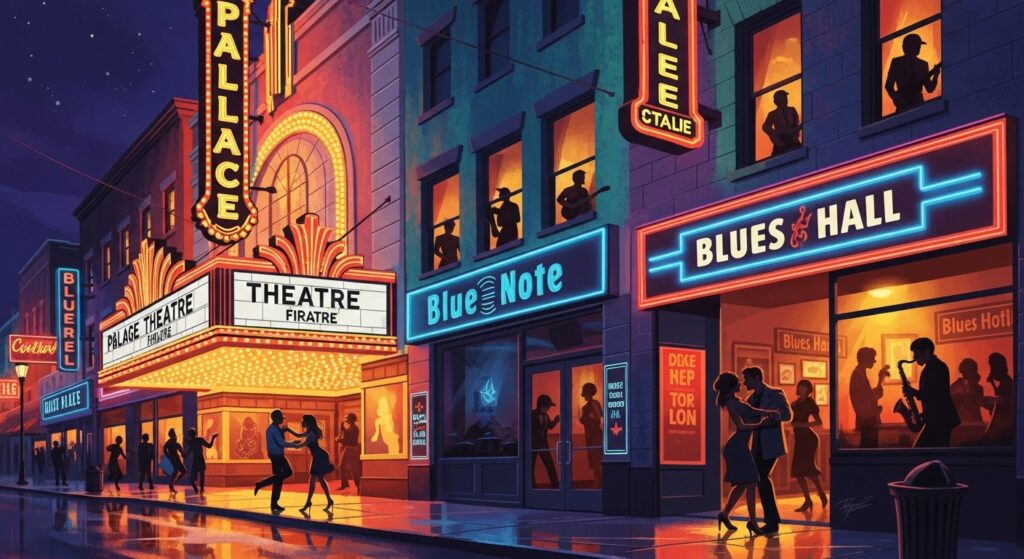
To understand the Memphis Shag, you must first walk down Beale Street in its heyday. From the 1920s through the 1950s, this was the epicenter of African American culture and music in the Mid-South. Juke joints, theaters, and clubs like the Palace and the Daisy Theatre pulsed with live music every night. It was here that W.C. Handy penned the “Memphis Blues,” and where a young B.B. King would later hone his craft.
This environment was a melting pot. Country blues musicians from the Delta came north, big band jazz filtered down from the cities, and gospel harmonies filled the churches. The dancers in these clubs absorbed it all. They took the basic six-count patterns of the jitterbug and began to stylize them, adding faster footwork, sharper kicks, and a tighter, more upright frame. The dance evolved not in formal studios, but in the heat and sweat of the night, a direct response to the music pouring from the stage. The soul of the music—its yearning, its resilience, its joy—became the soul of the dance.
The Anatomy of a Shag: Fast Feet and Close Connection
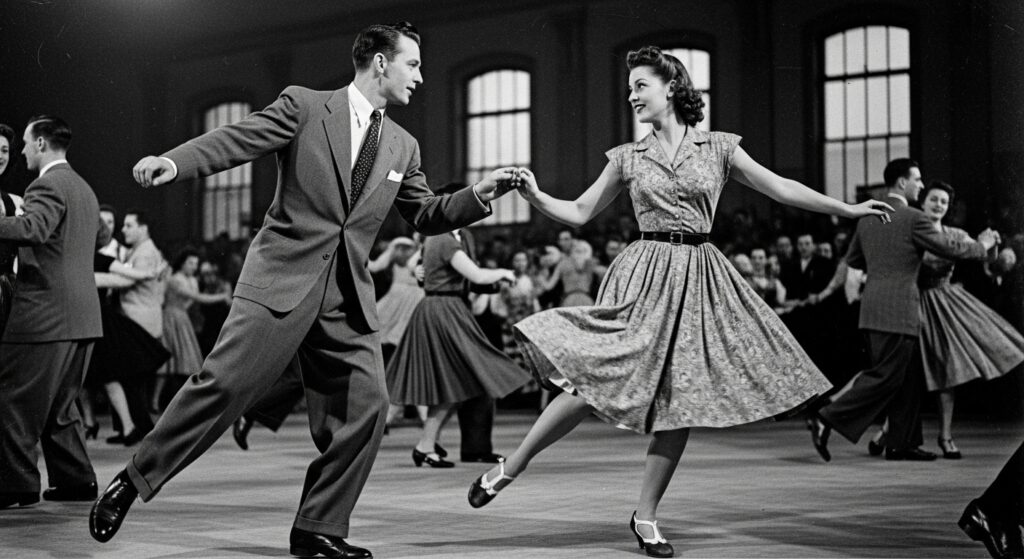
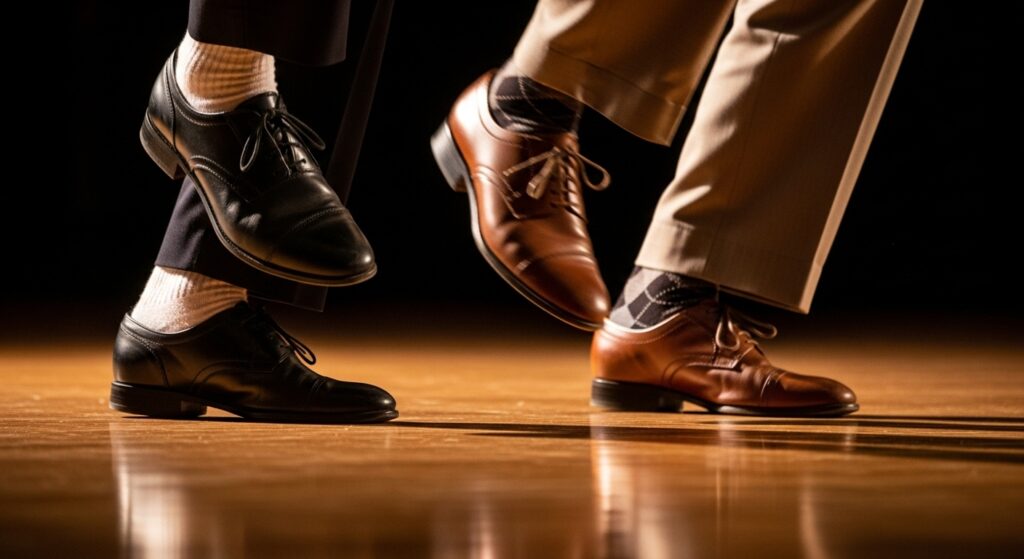
What sets the Memphis Shag apart from its swing cousins? Visually, it is characterized by its remarkable footwork speed and a distinct “hold” or frame. Dancers stand close, with a connected, conversation-like hold that allows for subtle lead and follow signals. The posture is upright, almost regal, with the movement concentrated from the knees down.
The foundational step is a rapid, triple-step pattern (step-step-step, or shuffle-step) done almost in place, creating a dynamic “bounce” against the floor. Dancers execute sharp kicks, points, and cross-behind steps called “flicks” or “taps,” often in dazzlingly fast succession. Unlike the athletic, aerial moves of the Lindy Hop, the Memphis Shag’s brilliance is contained within a small “slot” on the floor, making it perfect for crowded, intimate venues. It’s a dance of precision and control, where the partnership is paramount, and the intricate footwork is a shared, private language.
Keepers of the Flame: The Community That Preserved It
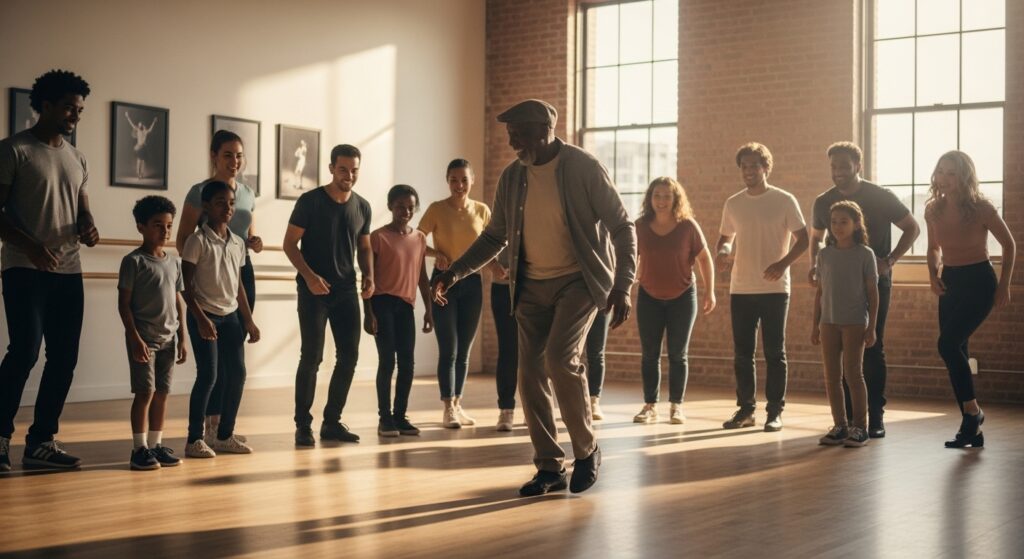
As musical tastes shifted in the 1960s and 70s, social dances like the Shag risked fading into memory. But the soul of Memphis is stubborn. The dance was kept alive not by institutions, but by tight-knit communities of enthusiasts—often families and social clubs who continued to dance at weddings, reunions, and local gatherings. Key figures, like the legendary dancer and instructor Billy “Mr. Shag” Allbright, became repositories of this cultural knowledge, teaching the authentic style to new generations.
The 1990s and 2000s saw a national and international revival of swing dancing, which brought renewed attention to regional styles. Dedicated dancers from Memphis and beyond began to seek out the original practitioners, documenting steps, hosting workshops, and ensuring the Shag was not lost. Today, it is taught at swing dance festivals worldwide, celebrated as a vital piece of American vernacular dance history. This grassroots preservation effort is a testament to the dance’s enduring power and the deep community bonds it fosters.
Dancing the Music: The Perfect Partnership
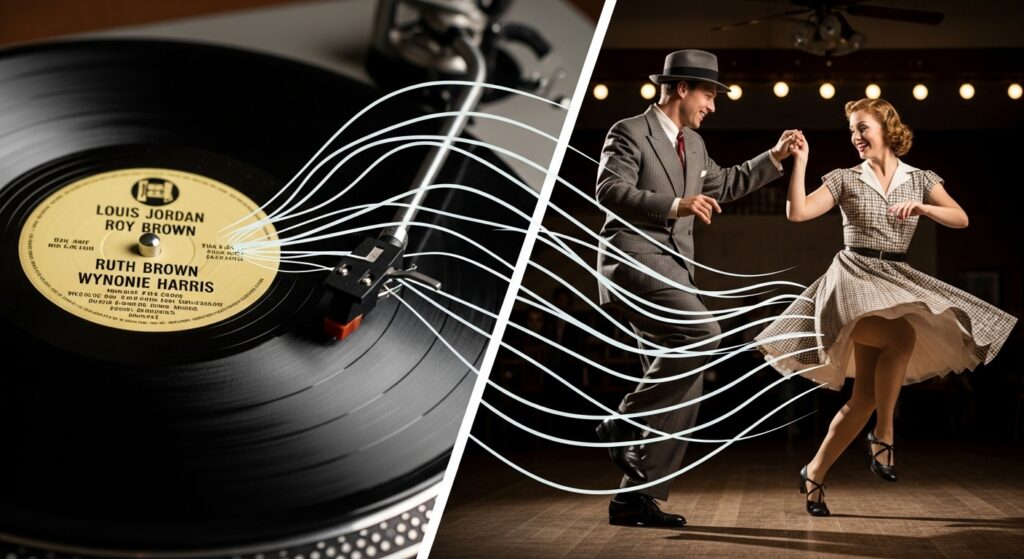
The Memphis Shag didn’t develop in a vacuum; it was crafted to fit a specific sound. It is danced perfectly to jump blues, early rhythm and blues, and swinging jazz with a tempo that’s fast but not frantic—think the music of Louis Jordan, Wynonie Harris, or Memphis’s own Rufus Thomas. The dance’s sharp accents mirror the punch of a horn section, while its flowing triple-steps ride the wave of a walking bassline.
This intrinsic connection to the music is what makes the dance feel so alive. A skilled Shag dancer doesn’t just move to the music; they embody its structure and feeling. The call-and-response nature of the blues is reflected in the lead-and-follow dynamic. The joy in the dance is a direct reflection of the joyous release found in the music itself, creating a full-circle experience of Blues City Soul.
Your First Steps into the Shag
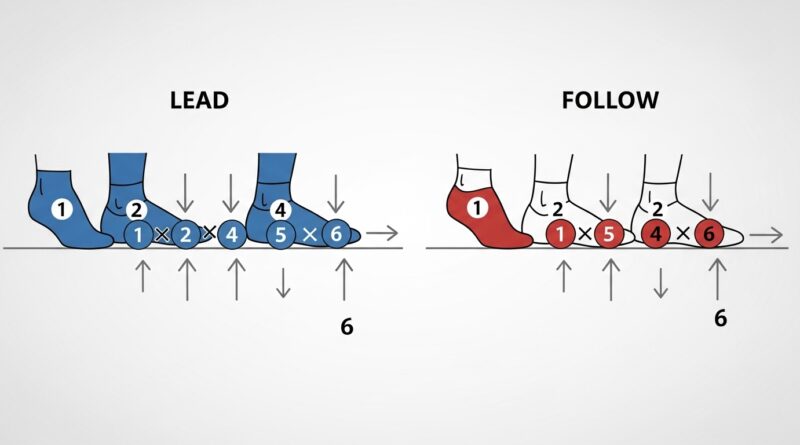
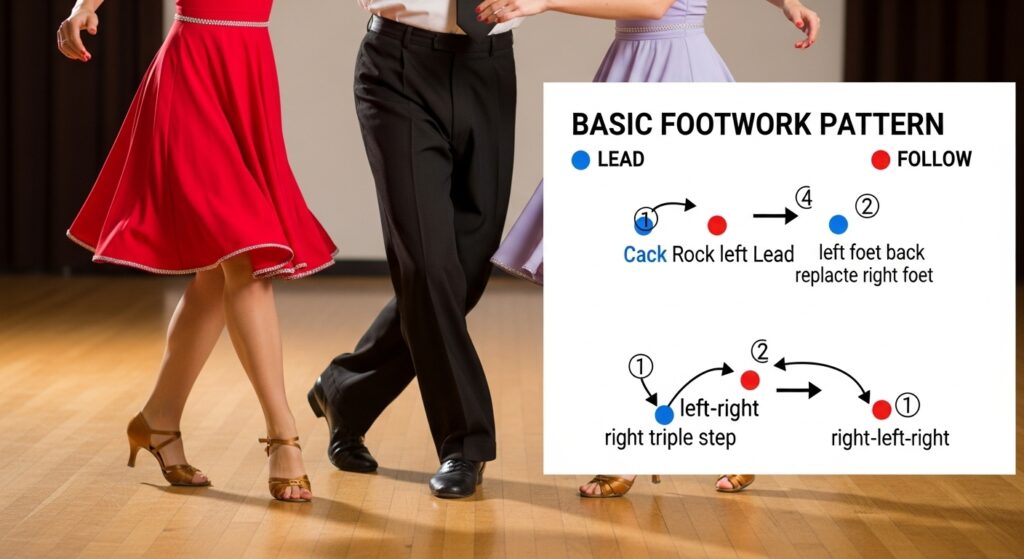
Intrigued? The beauty of the Memphis Shag is that while it takes a lifetime to master, its basic rhythm is accessible. The core is the triple-step, triple-step, rock-step pattern (counted as 1&2, 3&4, 5-6). Start by practicing this rhythm in place, focusing on keeping your upper body calm and your footwork light and quick. The connection with a partner comes next—a gentle, communicative hold that is firm but not forceful.
The best way to learn is to find a local swing dance community that offers Shag workshops. Online tutorials can introduce the concepts, but the true spirit of the dance is learned through human connection, just as it was on Beale Street. Remember, it’s not about performing flashy moves immediately; it’s about finding the groove, listening to your partner, and letting the music guide your feet. Embrace the precision, but don’t forget the soul.
More Than a Dance: A Living Legacy
The Memphis Shag is more than a historical artifact; it is a living, breathing legacy. It represents the creativity and resilience of a community that turned its daily life and musical passion into art. In every quick shuffle and synchronized turn, you can hear the echoes of Beale Street’s golden age. It carries the history of a city that has always been a crucible for American music.
To dance the Memphis Shag today is to participate in that story. It is to connect with a fundamental human impulse—to translate sound into motion, to communicate joy without words, and to find community in a shared rhythm. It is, in its purest form, the embodiment of Blues City Soul: sophisticated, spirited, and utterly unforgettable. So find some swinging blues, grab a partner, and discover for yourself the timeless magic born on the banks of the Mississippi.