The Rochester Shag: Upstate New York Style
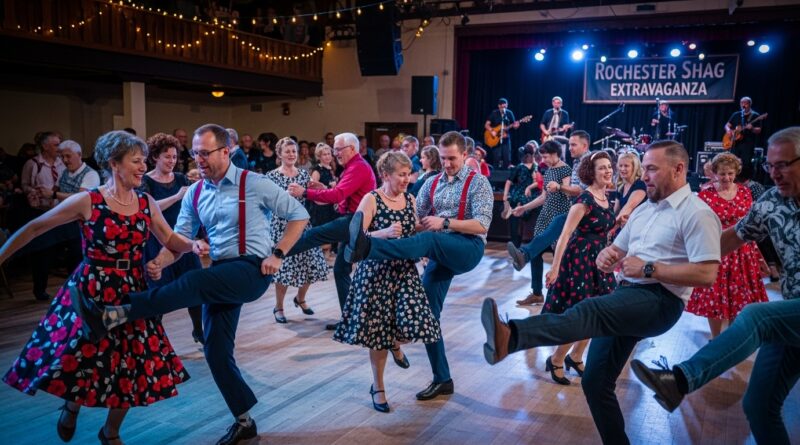
When you think of American swing dancing, the Lindy Hop, Jitterbug, or East Coast Swing likely spring to mind. But venture into the heart of Upstate New York, and you’ll discover a vibrant, regional gem with its own distinct rhythm and flavor: The Rochester Shag. This isn’t the Carolina Shag of beach music fame; this is a faster, closer, and intricately footwork-driven dance that emerged from the ballrooms and clubs along the shores of Lake Ontario. It’s a dance born of local musicians, cold winters, and a community’s need to move. This is the story of a dance style that encapsulates the energy and character of its city.
Roots on the Lake: The Birth of a Regional Style
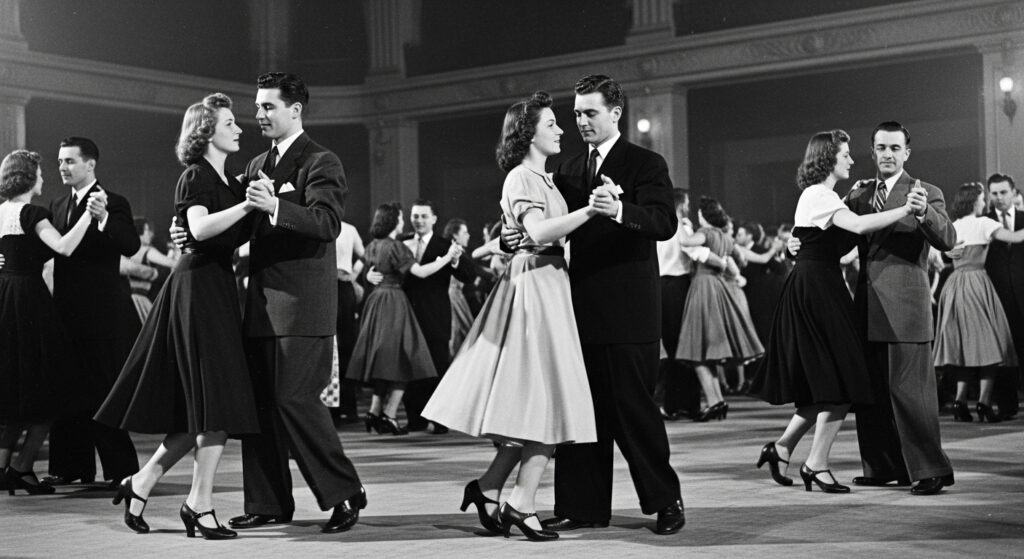
The Rochester Shag’s origins are firmly planted in the mid-20th century, a golden era for social dance. As big band and swing music swept the nation, local scenes adapted the trends to their own tastes. In Rochester, the dance evolved alongside the city’s thriving music scene, heavily influenced by the fast, driving rhythms of “jump blues” and early rock and roll played by bands in venues like the famous Roseland Ballroom.
Dancers found that the popular national styles didn’t quite fit the breakneck tempo of the music they loved. They needed something more compact, with quicker footwork that could be executed in crowded spaces. Thus, the Rochester Shag was born—a dance designed for speed and precision. It’s often described as a “six-count” dance (like East Coast Swing) but is performed almost entirely in a closed position, with partners connected chest-to-chest, allowing for rapid turns and intricate footwork without taking up much floor space.
How to Spot a Rochester Shag: Key Characteristics
What makes the Rochester Shag so distinctive? Once you know what to look for, it’s unmistakable.
The Posture and Hold: Partners stand directly facing each other, upper bodies in firm contact. The lead’s right hand is placed firmly on the follower’s back, often with the follower’s left arm tucked tightly underneath the lead’s right arm. This closed frame is non-negotiable; it’s the conduit for communication and balance at high speeds.
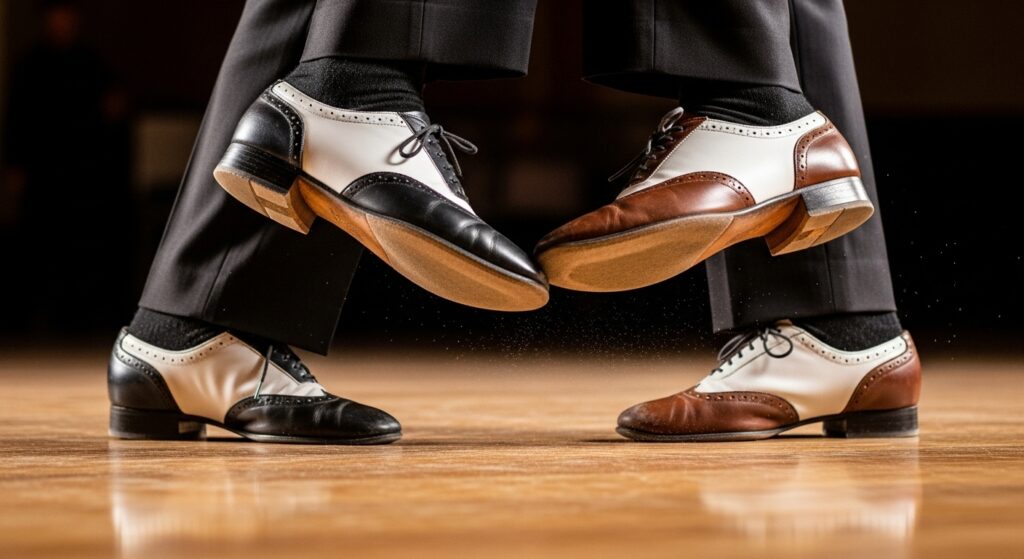
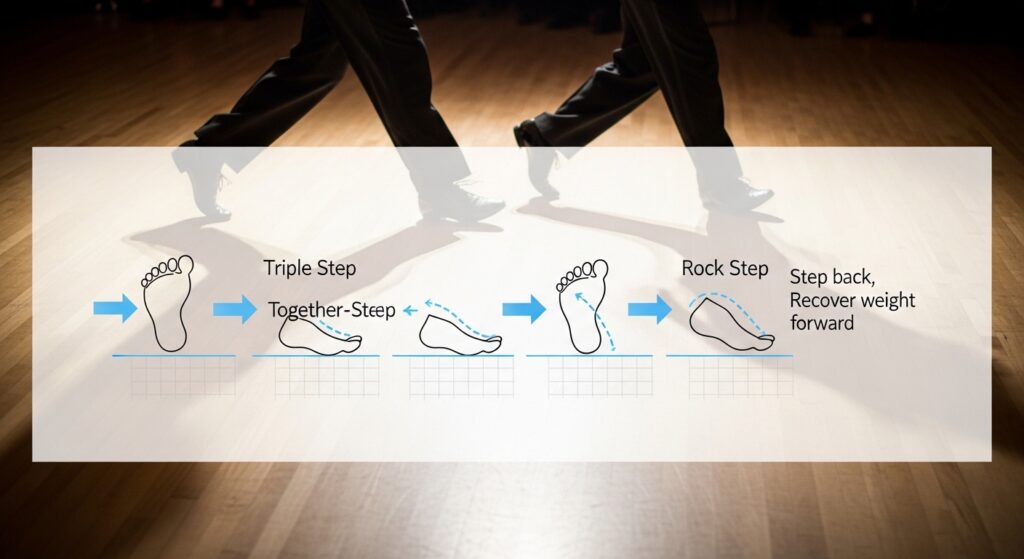
The Footwork Magic: Forget huge, sweeping moves. The magic happens from the knees down. The basic step is a rapid, shuffling triple-step (step-step-step) to the side, followed by a rock step. But the hallmark is the “dig-step” or “kick-step” variation, where the free foot is quickly dug into the floor or given a small, sharp kick before being placed. This creates a dynamic, percussive look that matches the music’s beat.
The Turn: The classic Rochester Shag turn is a quick, continuous rotation under the joined arms, often with both partners executing the shuffling footwork in unison. It’s a tight, efficient spin that maintains the dance’s momentum without breaking the intimate frame.
The Soundtrack: Music That Makes You Move
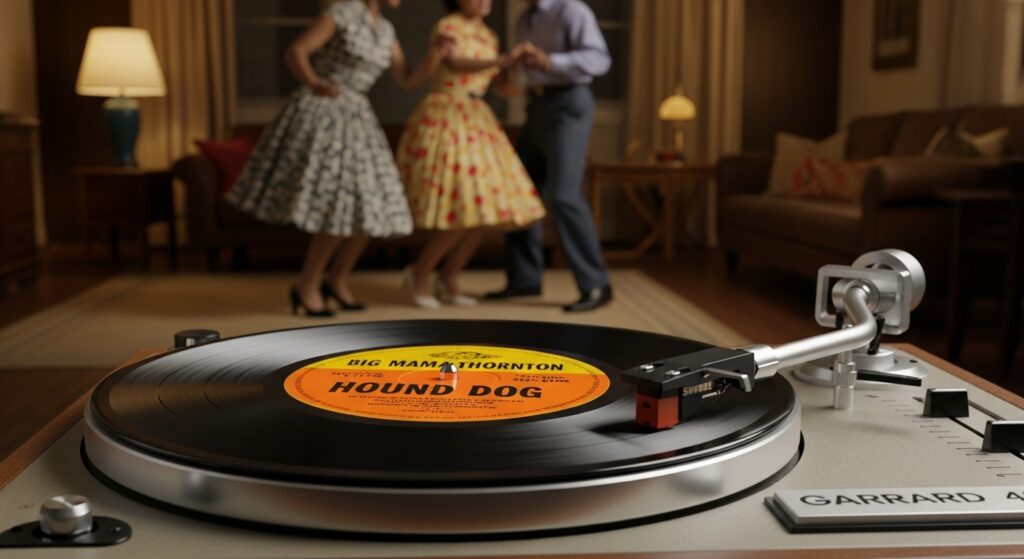
You can’t separate the dance from its music. The Rochester Shag is danced to fast-tempo swing, rockabilly, and jump blues, typically in the range of 180 to 220+ beats per minute. Think of artists like Louis Prima, Big Joe Turner, early Elvis Presley, and Brian Setzer. The music has a strong, clear backbeat and a driving rhythm section that compels the sharp, accented movements of the dance. It’s music that feels both nostalgic and wildly energetic, perfectly suited to the Shag’s demanding pace.
Preservation and Revival: Keeping the Tradition Alive
Like many regional dances, the Rochester Shag faced decline as musical tastes shifted in the latter half of the 20th century. However, its story didn’t end. Thanks to dedicated local dancers and instructors who learned in the ballrooms of the 50s and 60s, the Shag was carefully preserved. Organizations and dance schools in Rochester made a conscious effort to teach the authentic style to new generations.
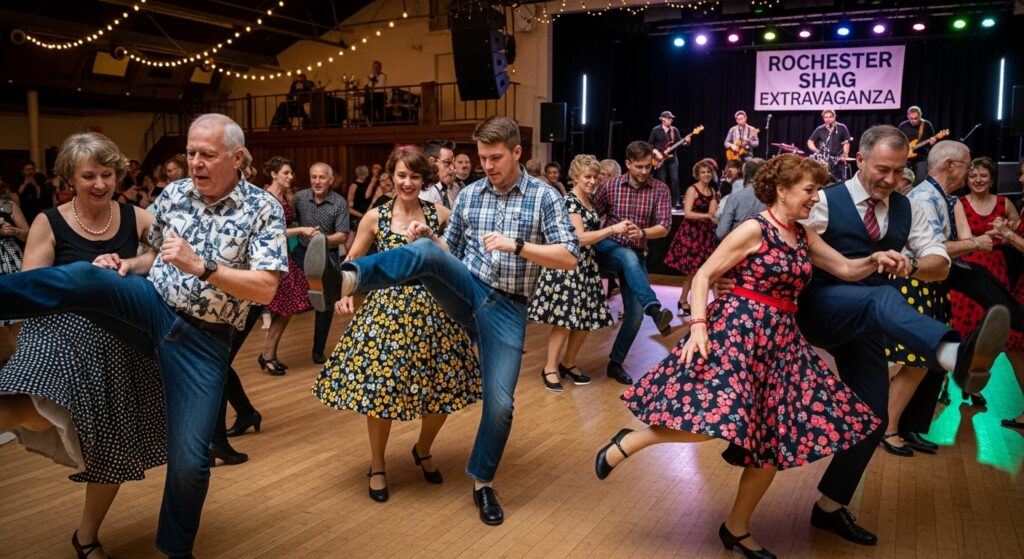
Today, it enjoys a dedicated revival. Weekly dances and annual events in Rochester and across Upstate New York keep the tradition thriving. Workshops attract dancers from across the country curious to learn this unique piece of American dance history. The community is tight-knit and passionate, ensuring that the dance is passed on with respect for its original form, not just as a historical artifact, but as a living, breathing, and incredibly fun social activity.
Why the Rochester Shag Matters
In an era of globalized culture, the Rochester Shag stands as a testament to local innovation. It reminds us that American vernacular dance isn’t a monolith but a tapestry of regional styles, each shaped by local music, spaces, and communities. It’s a dance of efficiency and joy, born from the specific conditions of its time and place.
For dancers, it offers a unique challenge and a profound sense of connection—both to a partner and to a rich local history. It’s physically demanding, mentally engaging (those fast footwork patterns require focus!), and immensely satisfying once you find the rhythm.
So, the next time you find yourself in Upstate New York, listen for the driving beat of a rockabilly song. You might just witness the lightning-fast feet and connected frames of dancers keeping the Rochester Shag alive. It’s more than a dance; it’s a living piece of regional heritage, a burst of kinetic energy straight from the heart of the Flower City.