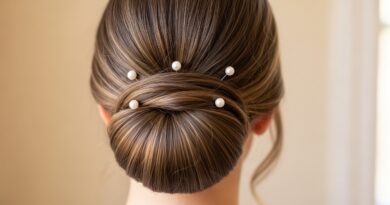
The Grand Rapids Bob: Michigan Modern
In the annals of American style, certain looks transcend mere fashion to become cultural touchstones. They speak of a place, a time, and a particular attitude. In the heart of the Midwest, during the flourishing decades of mid-century modern design, one such icon emerged not from a Parisian salon, but from the barber shops and beauty parlors of Michigan’s furniture capital: The Grand Rapids Bob. More than just a haircut, it was a statement of Michigan Modern—a sleek, sophisticated, and supremely practical aesthetic that mirrored the clean lines and functional beauty of the furniture being crafted in the very same city.
More Than a Haircut: The Philosophy of Michigan Modern
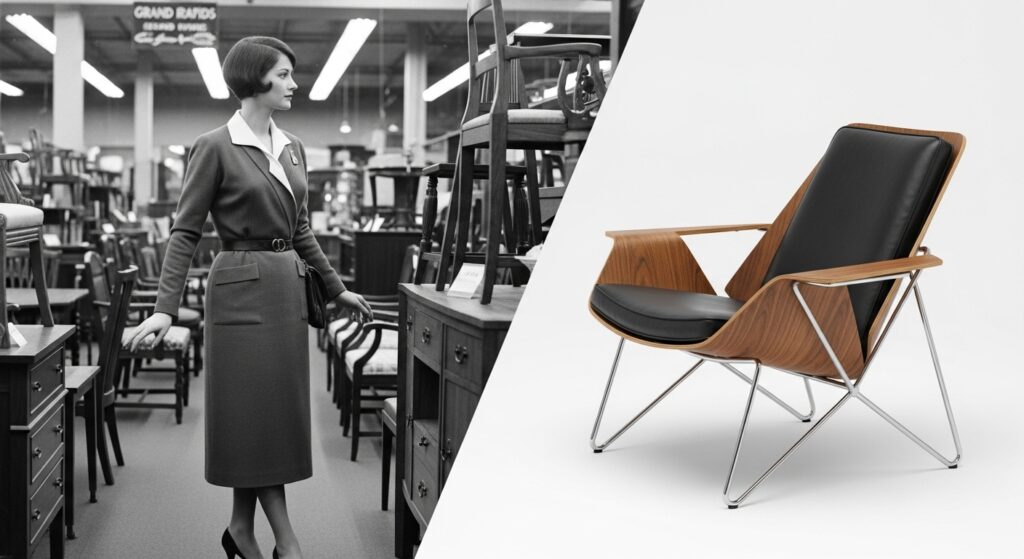
To understand the Grand Rapids Bob, one must first understand the design revolution it accompanied. Post-World War II Grand Rapids was not just any city; it was the epicenter of American furniture manufacturing, pioneering the shift from ornate, historical reproductions to what we now celebrate as mid-century modern. This design philosophy championed clean lines, organic forms, honest materials, and a lack of pretense. It was beauty with a purpose.
The same principles were being applied to lifestyle. The modern Michigan woman—often a professional, a community leader, or a design-savvy homemaker—sought a look that reflected this new ethos. The elaborate, time-consuming hairstyles of the pre-war era felt out of step. What emerged was a haircut that embodied sleek functionality. The Grand Rapids Bob was designed to be elegant yet easy to manage, striking yet suitable for both a gallery opening and a day on the shores of Lake Michigan. It was, in essence, democratic design for the hair.

Anatomy of an Icon: Defining the Grand Rapids Bob
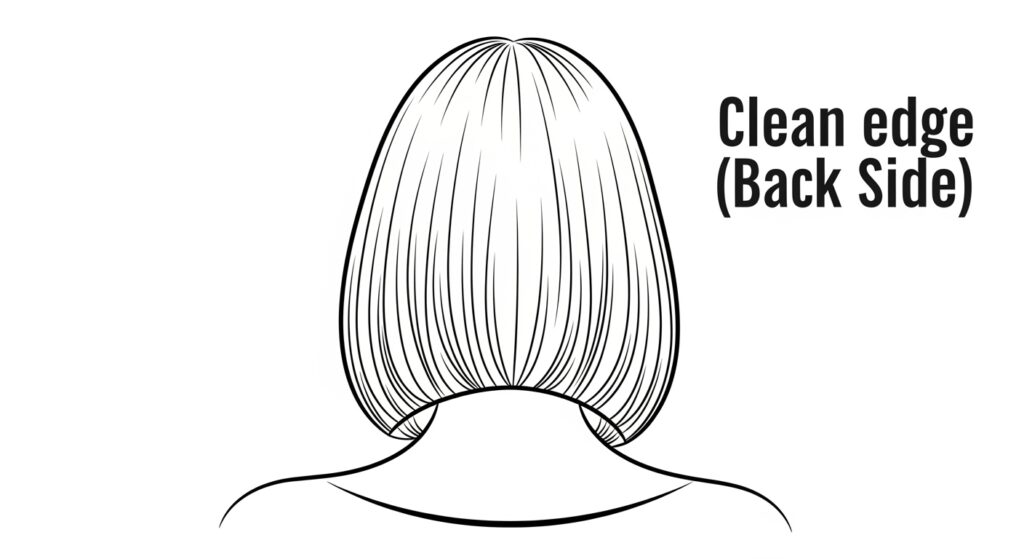
So, what exactly set this particular bob apart from the flapper bobs of the 1920s or the trendy cuts of New York? It had a distinct signature. Typically, it was a chin-length or just-below-the-chin cut, with a clean, unwavering line. The silhouette was paramount—often blunt, but sometimes with a very slight, inward curve. It rarely featured severe, angular points; the influence was more organic and fluid, like the shape of a pebble smoothed by Great Lakes waves.
The part could be center or deep side, but it was always precise. The volume was subtle, often achieved with a gentle roll or curl under at the ends, providing body without bouffant exaggeration. This was not a haircut that shouted. It spoke in a clear, confident whisper. It worked perfectly with the tailored sheath dresses and A-line skirts of the era, framing the face without competing with the bold patterns of modern textiles. It was the ultimate accessory to the Michigan Modern wardrobe.
Ground Zero: Salons and the Social Scene
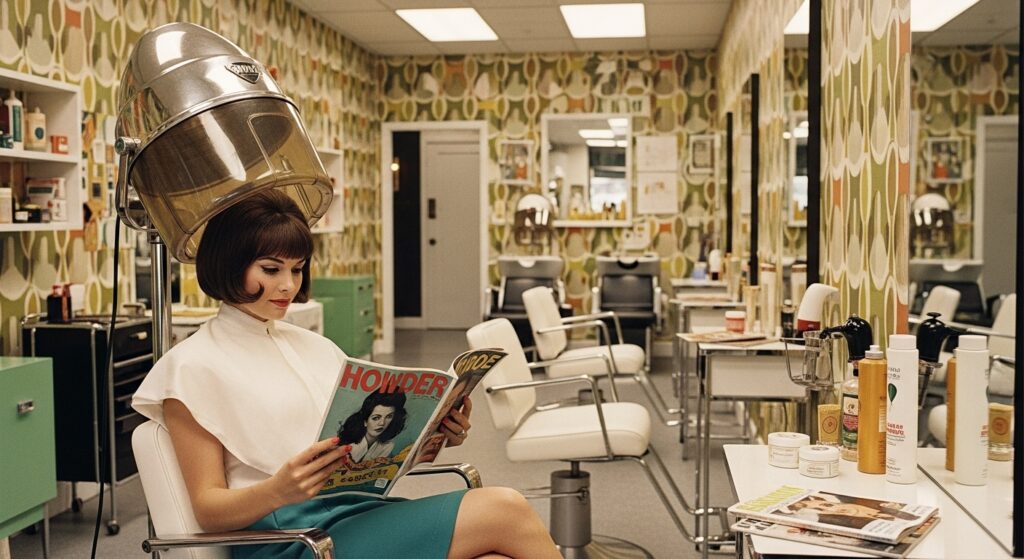
The Grand Rapids Bob was cultivated in specific, influential environments. High-end salons attached to department stores like Wurzburg’s or Herpolsheimer’s became laboratories for this style. Stylists, inspired by the design shows happening in the same city, saw themselves as craftspeople, sculpting hair with the same intention as a woodworker shaping a chair leg.
The social scene also played a crucial role. Charity events, museum openings at the Grand Rapids Art Museum, and parties in the sleek homes of the city’s design elite (furnished, of course, with local creations) provided the runway. The women who commissioned pieces from designers like Milo Baughman or Raymond Loewy were the same women wearing the bob. It became a badge of belonging to a forward-thinking, culturally engaged community—a community that valued innovation, quality, and understated luxury.
A Legacy in Shape: The Bob’s Enduring Influence
While the specific term “Grand Rapids Bob” may not be in every stylist’s lexicon today, its DNA is unmistakable in modern hairstyling. The emphasis on a strong, healthy silhouette, the preference for precision cutting over excessive styling, and the idea of a haircut as a low-maintenance, high-impact element of personal design are all tenets of this Michigan-born style.
You can see its legacy in the “lob” (long bob) favored by modern professionals, in the blunt, glass-like bobs that cycle back into fashion, and in the continued celebration of geometric cuts. The Grand Rapids Bob taught us that a haircut could be both architectural and effortless, a principle that continues to resonate. It reminds us that great design isn’t always born on the coasts; sometimes, it’s shaped in the heartland, influenced by the quiet confidence of the Midwest and the relentless innovation of its industries.

How to Get the Look: A Modern Interpretation
Inspired to channel some Michigan Modern elegance? The key is in the consultation. Ask your stylist for a precision bob at the jawline with a focus on a clean, blunt line. Discuss adding very slight layers or an undercurl only for movement, not for volume. The finish should be sleek and polished—think shine over texture.
To style, embrace its practical roots. A good blow-dry with a round brush to curve the ends under is often all it needs. The Grand Rapids Bob is a celebration of the hair’s natural health and line, a testament to the idea that the best design simplifies, rather than complicates, daily life. It is a haircut that, much like the classic furniture born from the same soil, is built to last, to function beautifully, and to never go out of style.
The Grand Rapids Bob stands as a fascinating chapter in the story of American design. It is a reminder that style is a holistic concept, where the lines of a chair, the cut of a dress, and the shape of a haircut can all harmonize to define an era’s spirit. It was more than just a trend in a Midwestern city; it was Michigan Modern made manifest, one precise, elegant, and enduring cut at a time.