Razored Ends: Blade-Cut Tips for Softness
In the world of hair, the quest for softness often leads down a predictable path: deep conditioners, smoothing serums, and the promise of silky strands. But what if the secret to true, lasting softness wasn’t just in the products you apply, but in the very way your hair is cut? Enter the art of the razor cut—a technique that has moved far beyond its edgy, punk-rock origins to become a master stylist’s tool for creating clouds of soft, touchable, impossibly fluid hair. Forget the harsh, blunt lines of traditional scissor cuts. Today, we’re diving into the world of razored ends and how this blade-cut method is revolutionizing texture and softness from the inside out.
What Exactly Are Razored Ends?
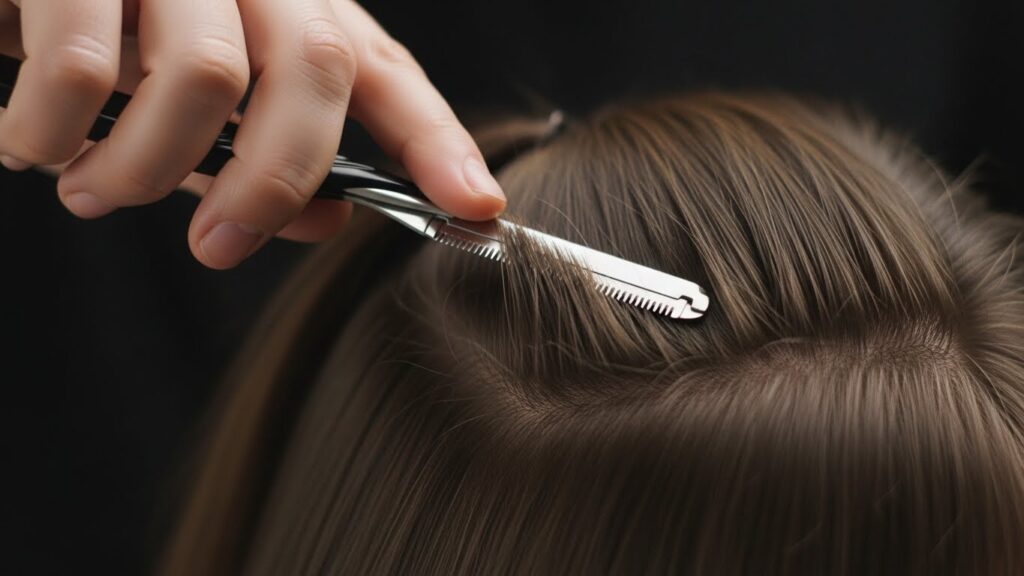
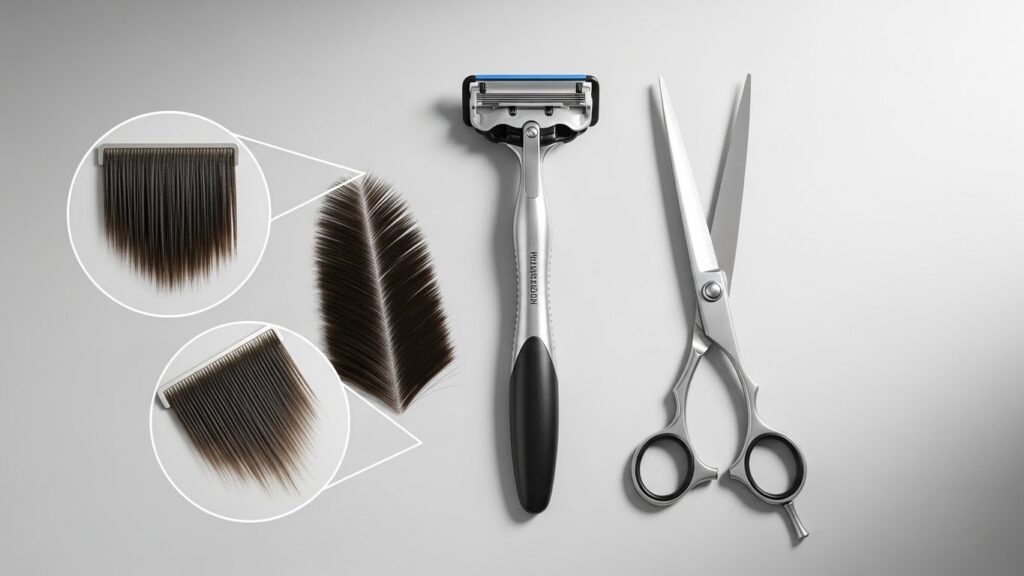
Let’s clear the air first. Razored ends are not about chopping your hair off with a literal razor blade from the drugstore. In professional hairstyling, a razor is a specialized tool with a guarded blade designed to slice into the hair shaft at an angle. Unlike scissors, which create a clean, perpendicular sever, the razor feathers and notches the hair. This action removes bulk internally, thins out sections for better pliability, and creates ends that are tapered and wispy, rather than thick and solid. The result is a tip that is inherently softer to the touch because there’s less dense material at the end of each strand. It’s the difference between the blunt edge of a chopped log and the feathered tip of a whittled piece of wood.
The Science of Softness: Why a Blade Beats a Blunt Cut
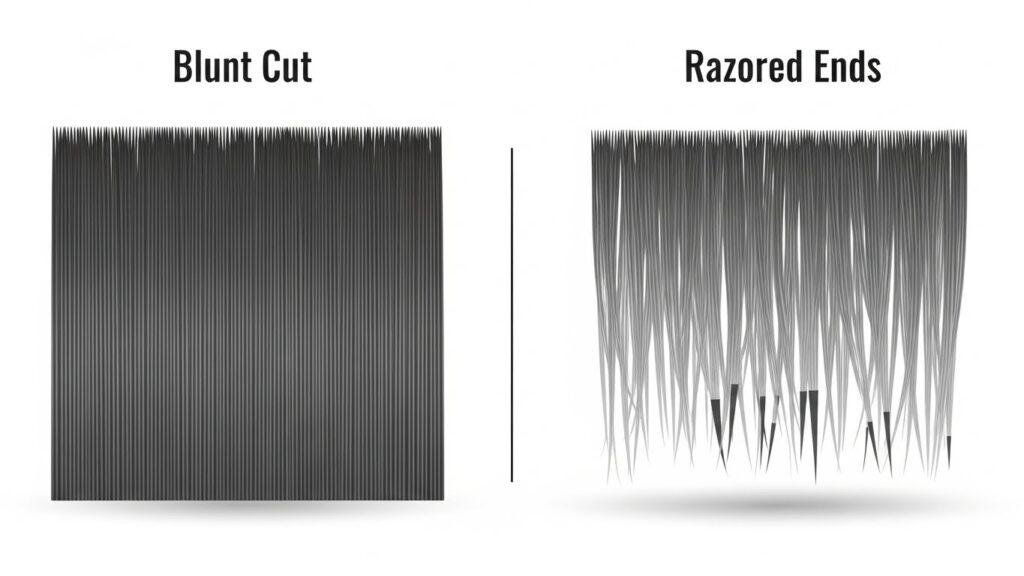
The pursuit of softness is fundamentally about reducing friction and weight. A blunt, scissor-cut end has a high surface area and a dense, collective edge. This can cause ends to clump together, feel heavier, and even create a slight drag or roughness when you run your fingers through your hair. Razoring, by contrast, employs a principle of selective reduction. By strategically removing hair within a section and tapering the ends, the stylist achieves two things: First, they reduce the overall weight pulling on the roots, which instantly allows hair to move more freely and feel lighter. Second, they create a varied, irregular hemline where ends don’t all hit the same point. This irregularity means less collective bulk, which translates directly to a softer, more diffused feel against your skin and between your fingers.
Ideal Candidates: Is the Razor Cut Right for You?
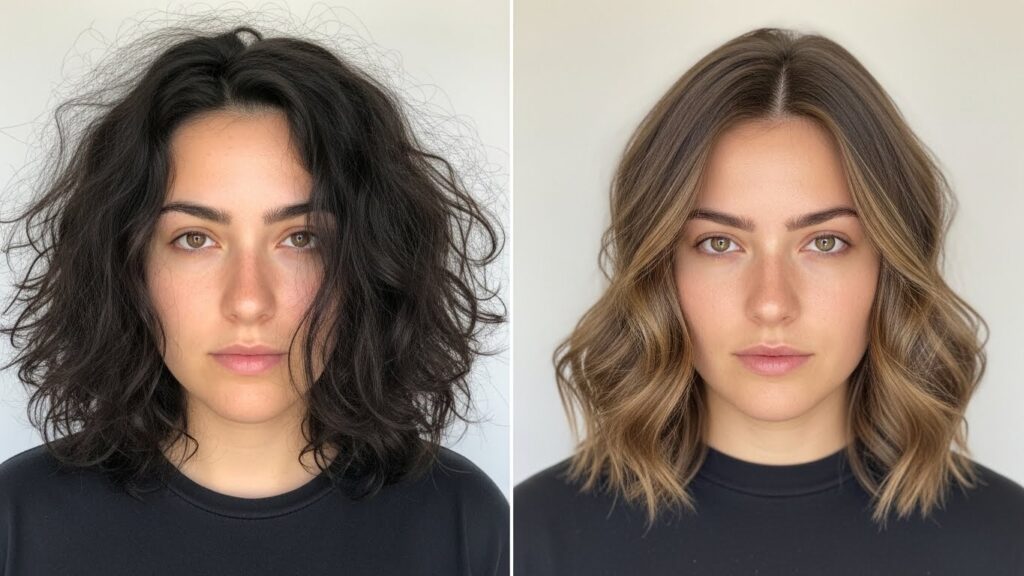
While the promise of softness is universal, the razor technique is a prescriptive service, not a one-size-fits-all. It excels on certain hair types and can be risky on others. Generally, razor cutting is a dream for those with thick, coarse, or dense hair. It’s the perfect solution for removing oppressive bulk without sacrificing length, allowing waves and curls to spring up with newfound freedom. It also works wonders on fine hair that is plentiful—adding movement and preventing the dreaded “triangle” shape. However, caution is advised for those with very fine, thin, or fragile hair, as over-razoring can lead to fraying and breakage. Similarly, chemically treated hair (especially bleached) requires an expert hand, as the razor can stress already compromised strands. The golden rule? Consultation is key. A seasoned stylist will assess your hair’s density, texture, and health before even picking up the tool.
The Stylist’s Playbook: Techniques for Targeted Softness
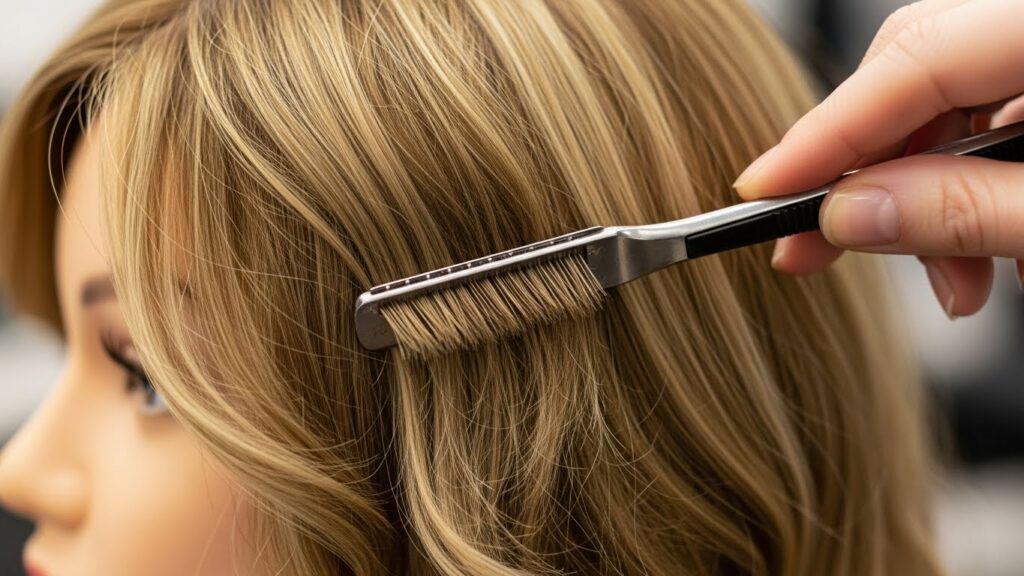
A master stylist doesn’t just razor the entire head willy-nilly. They use specific techniques to target softness where it’s needed most. Point cutting with a razor involves holding the blade vertically and making small, upward nicks into the ends to disintegrate a hard line. Slithering is a gentle, sliding motion down the hair shaft to remove interior weight from the mid-lengths, a game-changer for soft volume. For face-framing pieces, a stylist might use a free-hand feathering technique to create those whisper-soft, baby-hair tendrils that blend seamlessly. The goal is always to enhance the hair’s natural behavior, not fight it. This approach creates softness that grows out gracefully, evolving into a lived-in, effortless style.
Marrying the Cut with Care: Maintaining Your Razored Softness
A perfect razor cut is a masterpiece, but it requires the right canvas and care to last. Because the ends are tapered, they can be more susceptible to environmental stress. This makes a dedicated hydration and protection regimen non-negotiable. Look for leave-in conditioners and light oils that seal the delicate, feathered ends without weighing them down. Heat styling should always be preceded by a thermal protectant. Perhaps most importantly, regular trims are essential. Razored ends grow out beautifully, but to maintain that signature softness and prevent the tapered tips from splitting upwards, a light dusting every 10-12 weeks is ideal. Think of it as sharpening the softness, not removing length.

Beyond Softness: The Unexpected Benefits of Razored Ends
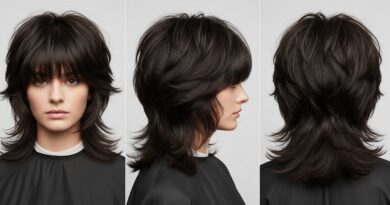
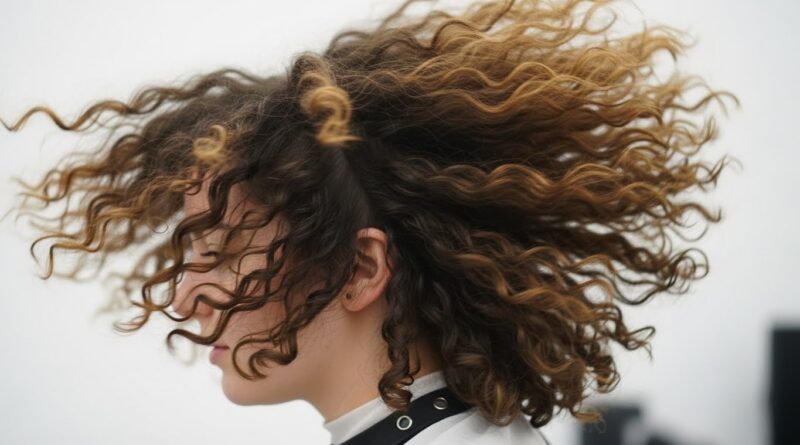
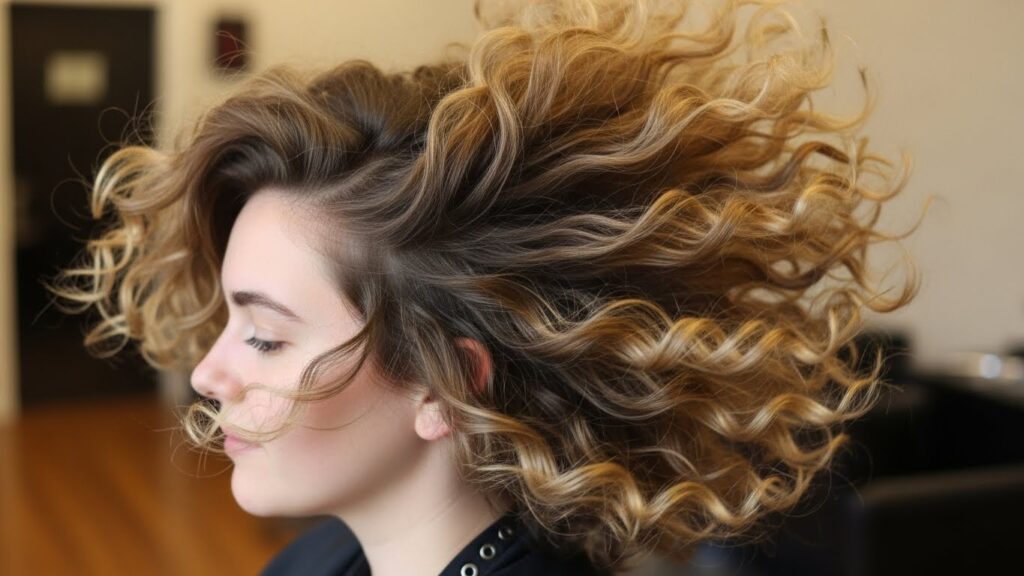
While softness is the headline, the benefits of a well-executed razor cut run deep. That internal weight removal boosts natural volume at the roots, giving fine hair a lift it never thought possible. For wavy and curly textures, razoring helps define and separate curls by removing the bulk that pulls them straight and causes them to clump awkwardly. It also creates a seamless, blended grow-out. There’s no harsh line to grow past, so your style looks intentional for months longer. Ultimately, razored ends deliver a modern, lived-in, effortless aesthetic—the kind of hair that looks amazing after air-drying, a true testament to its health and cut.
Finding Your Razor Master: The Consultation Checklist
Your results hinge entirely on the skill of your stylist. Not every hairdresser is a razor virtuoso. When booking your appointment, do your research. Look at stylist portfolios for evidence of textured, soft, lived-in finishes. In your consultation, be direct. Ask: “Are you experienced with razor cutting?” “Do you think my hair is a good candidate for razored ends for softness?” “Can you show me how you would approach it?” A confident expert will welcome these questions, assess your hair while dry and wet, and explain their plan clearly. Trust is paramount—this is a craft that cannot be undone.
Razored ends are more than a trend; they are a sophisticated approach to haircutting that prioritizes texture, movement, and sensory pleasure. It’s a technique that understands softness isn’t just a surface-level attribute applied from a bottle, but a structural quality woven into the very fibers of your hair. By embracing the blade’s precision, you’re not just getting a haircut—you’re engineering a feeling. The feeling of hair that is irresistibly soft, beautifully light, and effortlessly yours.