The St. Paul Shag: Twin Cities Traditional
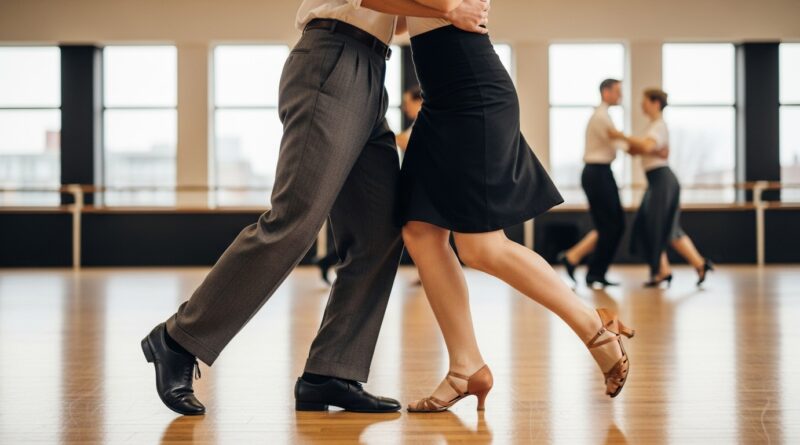
In the vibrant tapestry of American vernacular jazz dance, names like the Lindy Hop, Balboa, and Carolina Shag often take center stage. But nestled in the heart of the Upper Midwest, a unique and rhythmically delightful dance was born from the ballrooms of Minnesota: the St. Paul Shag. More than just a regional variation, this dance is a testament to the creative spirit of the Twin Cities’ social dance scene in the swing era. It’s a piece of living history, a fast-paced, close-hold conversation between partners set to the hot jazz of the 1930s and ‘40s. This is the story of the St. Paul Shag—a true Twin Cities traditional.
Roots in the River City: Origins and History
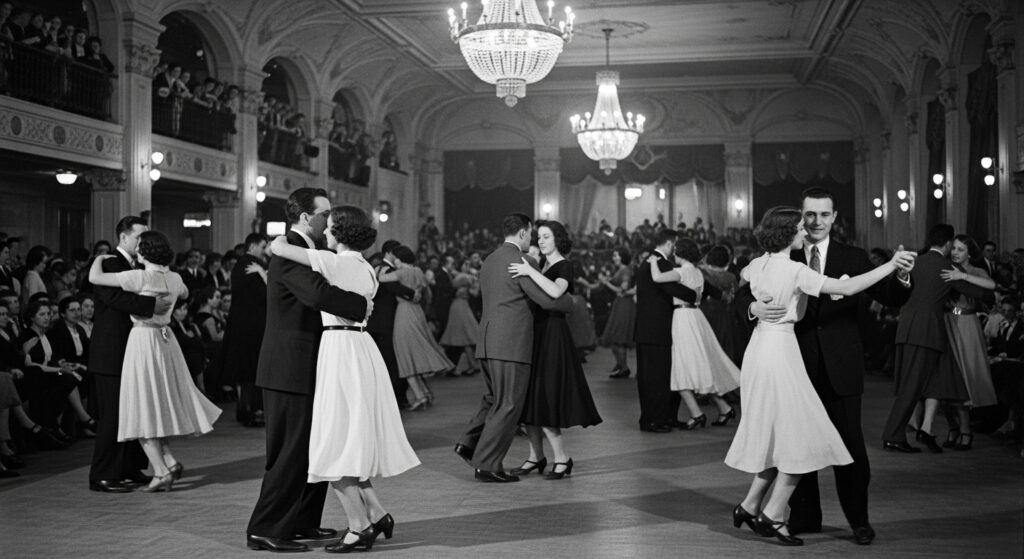
The St. Paul Shag emerged in the late 1930s, reaching its peak popularity in the 1940s. Unlike its East Coast cousins, it developed in the grand ballrooms and dance pavilions of St. Paul, Minnesota. Venues like the Prom Ballroom and the Marigold Ballroom were incubators for this local style. Dancers, inspired by the national swing craze and the music of big band leaders, began to adapt and create steps that suited both the music and the social atmosphere of the region.
It is considered a member of the “shag” family of dances, which are generally characterized by a fast, hopping step and a rhythmic bounce. However, the St. Paul Shag carved out its own distinct identity. It was primarily danced to trot tempo music (around 180-220 beats per minute)—faster than foxtrot but not as blistering as some jitterbug tempos. This specific niche allowed for its unique footwork and style to flourish. The dance was passed down not through formal studios, but socially, from dancer to dancer, creating a strong, localized tradition.
The Anatomy of a Dance: Characteristics and Style
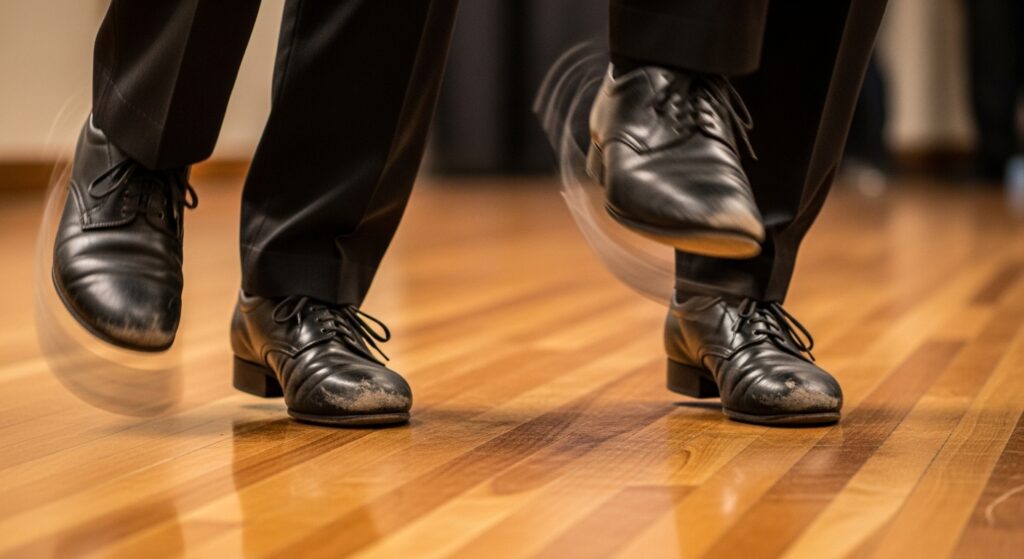
So, what makes the St. Paul Shag visually and technically distinct? At its core, it is a six-count, triple-step dance performed in a closed position. Partners stand directly facing each other, torsos connected, creating a tight axis for rapid turns and rotations. This close hold is a defining feature, differentiating it from the more open and athletic Lindy Hop.
The basic step pattern is often described as: “kick, kick, step, step, step, hold.” The two initial kicks (more like forward touches or brushes) set the rhythm, followed by three quick steps and a hold. The dance has a pronounced upward bounce or pulse, driven from the knees, giving it a light, buoyant quality. The footwork is intricate and fast, with an emphasis on precision and syncopation rather than large, flashy aerials. The lead and follow communicate through subtle weight shifts and body leads, making it an elegant and connected partnership dance.
St. Paul Shag vs. Carolina Shag: A Common Confusion
Given the shared “shag” moniker, confusion between the St. Paul Shag and the Carolina Shag is common. However, they are fundamentally different dances from different eras and regions. The Carolina Shag originated on the beaches of the Carolinas in the 1940s and is danced primarily to beach music and slower rhythm & blues. It is a smooth, slotted dance where partners move back and forth along a line.
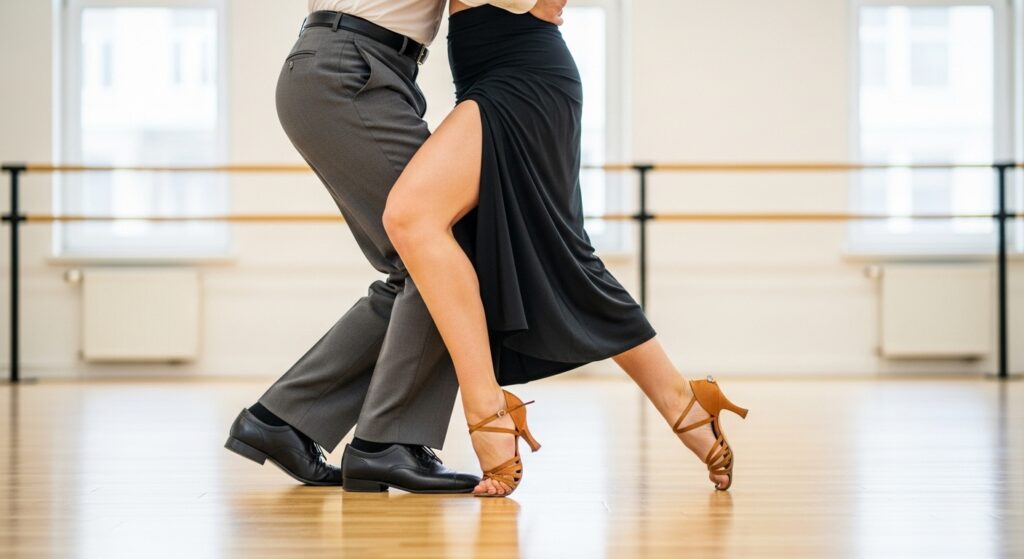
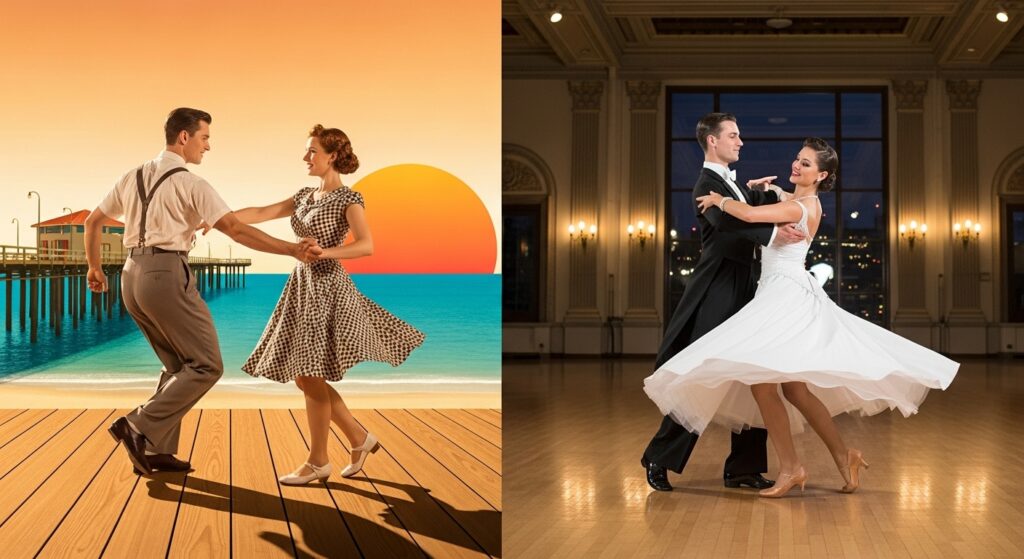
The St. Paul Shag, in contrast, is a rotational, fast jazz dance from the Upper Midwest. It is danced in a tight circle around a common center, not in a slot. The music is hotter, the tempo is quicker, and the hold is closed. Think of it this way: the Carolina Shag is a cool, smooth walk by the ocean; the St. Paul Shag is a brisk, joyful spin on a polished ballroom floor. Recognizing this distinction is key to appreciating the unique cultural pocket the St. Paul Shag occupies.
Keeping the Tradition Alive: Revival and Modern Community
Like many regional dances, the St. Paul Shag faded from widespread popularity after the swing era waned. For decades, it was kept alive by a small, dedicated group of original dancers. However, the modern swing revival that began in the 1990s sparked a renewed interest in this hidden gem. Dance historians and enthusiasts began seeking out the original “Shaggers” to document and relearn the authentic steps.
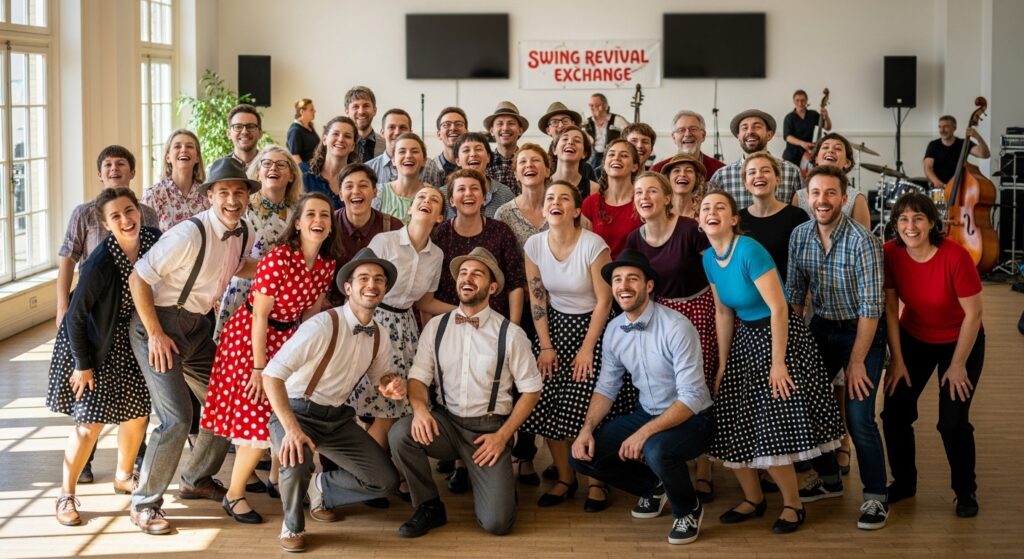
Today, the St. Paul Shag is taught in workshops across the country and at dedicated events in the Midwest. Organizations and dance schools in the Twin Cities, like the TC Swing Project and others, actively work to preserve and promote it. Annual events and exchanges bring together dancers eager to connect with this piece of American roots culture. Learning the St. Paul Shag today is not just about learning steps; it’s about becoming a steward of a living tradition.
How to Experience the St. Paul Shag Today
Intrigued? You can experience the energy of the St. Paul Shag for yourself. If you’re in the Twin Cities area, look for local swing dance organizations that offer beginner workshops or social dances featuring traditional jazz styles. Online, archival footage and modern tutorial videos can give you a sense of the rhythm and style. Search for videos of original dancers or performances by dedicated revival teams.
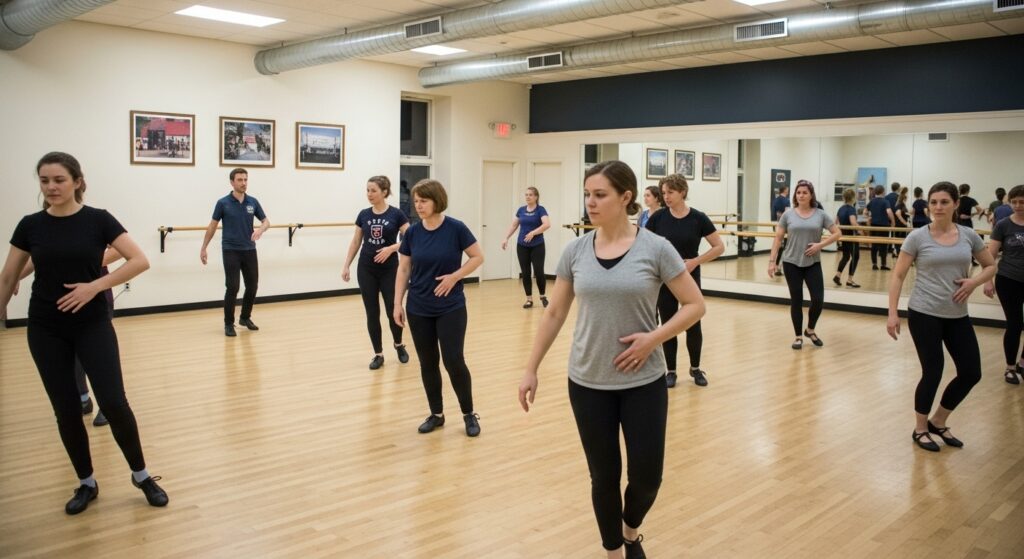
The best way to learn, of course, is to find a class and try it. Start with the basic pulse and the iconic six-count rhythm. Don’t be intimidated by the speed; it’s built up gradually. The joy of the St. Paul Shag is in the connection and the shared, rhythmic challenge. As you learn, you’re literally stepping into the footprints of dancers from 80 years ago, in the very city where it was created.
A Living Legacy
The St. Paul Shag is more than a historical footnote. It is a vibrant, challenging, and joyful dance that embodies the innovative spirit of the Midwest’s swing era. It represents a time when communities created their own cultural expressions in response to the music that moved them. In its fast triple-steps and close embrace, we find a story of place, of social connection, and of pure rhythmic joy. So the next time you hear a hot jazz standard from the 1930s, listen closely. You might just hear the bouncing, infectious rhythm of the St. Paul Shag—a true Twin Cities original, still dancing its way through history.