The Chula Vista Shag: South Bay San Diego
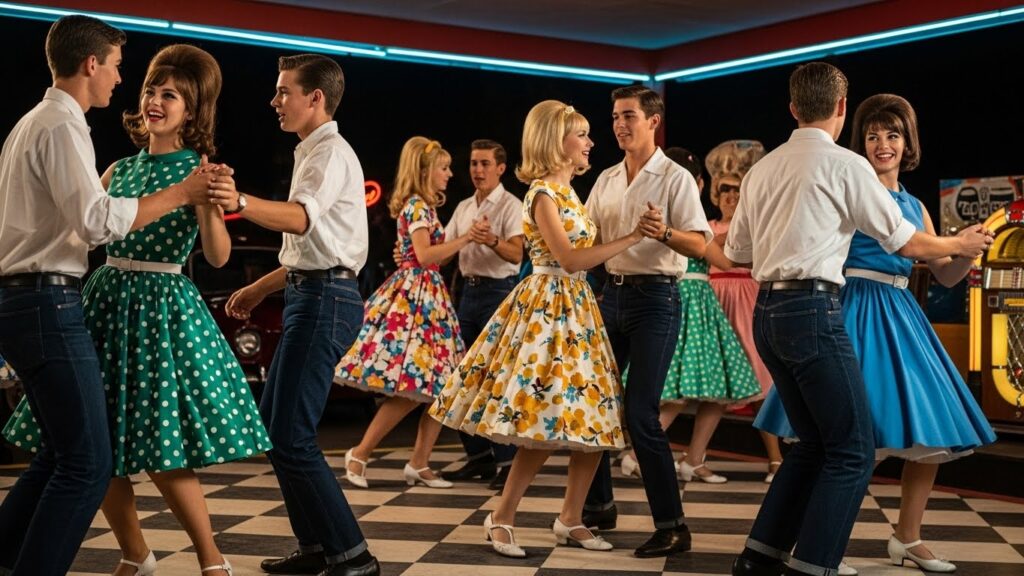
When you think of San Diego’s cultural icons, the sun, the surf, and the craft beer scene likely come to mind. But venture into the vibrant heart of the South Bay, and you’ll discover a rhythmic, energetic, and uniquely local tradition: the Chula Vista Shag. More than just a dance, the Shag is a living piece of community history, a symbol of youthful expression from a bygone era that continues to pulse through the city’s veins. It’s a story of drive-ins, sock hops, lowriders, and a sound that made everyone move. This is the tale of how Chula Vista, and the wider South Bay, created its own signature groove.
Roots in the Rhythm: The Birth of a South Bay Sound
The Chula Vista Shag didn’t appear in a vacuum. Its birth in the late 1950s and early 1960s was fueled by a perfect storm of musical and social currents. As the rock ‘n’ roll revolution swept the nation, San Diego’s South Bay—encompassing Chula Vista, National City, Imperial Beach, and San Ysidro—developed a particular taste for a raw, rhythmic style. This was the era of Doo-wop, Rockabilly, and early Surf Rock. Local bands played at teen centers, church halls, and legendary spots like the Loma Theatre and the Circle Drive-In.
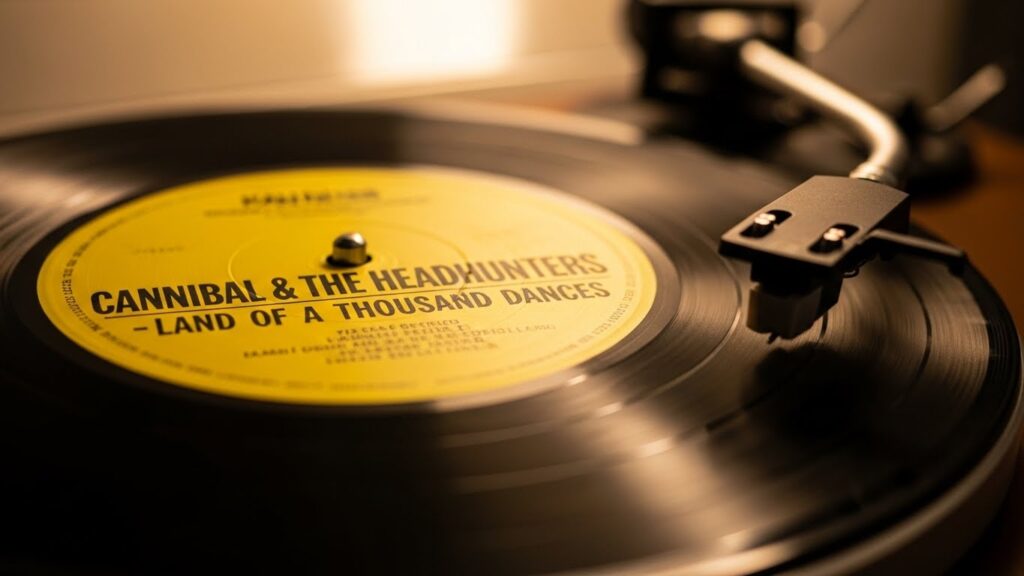
But the key ingredient was the rise of the “Latin Rock” or “Brown Sound” pioneered by bands like ? and the Mysterians (“96 Tears”) and, most importantly, the East Los Angeles sensation Cannibal & the Headhunters. Their hit “Land of a Thousand Dances,” with its insistent, danceable beat, became an anthem. In South Bay, this sound mixed with the prevailing rock styles, creating a fast, shuffling rhythm that demanded a new kind of dance. The existing “West Coast Swing” was too slow and complex. Kids needed something faster, cooler, and their own. Thus, the Chula Vista Shag was born.
The Steps That Defined a Generation
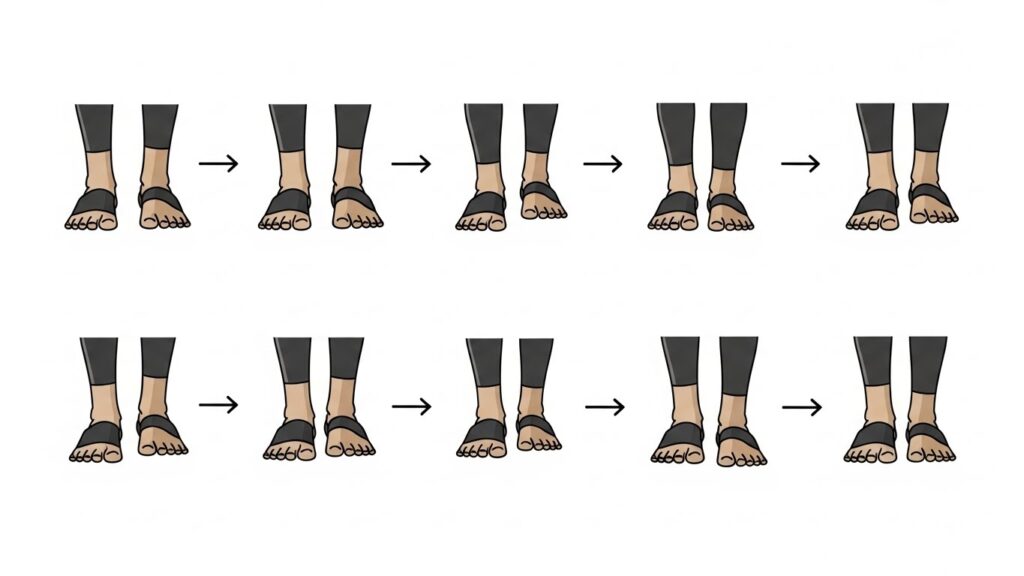
So, what exactly is the Chula Vista Shag? It’s a 6-count, triple-step partner dance performed to fast-paced rock music. While it shares a name with the Carolina Shag, the two are distinctly different. The Chula Vista Shag is all about quick, compact footwork and smooth, connected partner movement.
The basic step is a rhythmic “step-tap-step, step-tap-step” pattern, creating a characteristic shuffle. Dancers stay close, with a firm but flexible frame, allowing for spontaneous turns, wraps, and passes. The lead guides the follow with clear signals through the arms and body, making it a dance of communication as much as choreography. Its beauty lies in its adaptability—it could be performed on a crowded dance floor or a patch of asphalt at a drive-in. It was accessible, energetic, and unmistakably cool.
More Than a Dance: A Cultural Tapestry
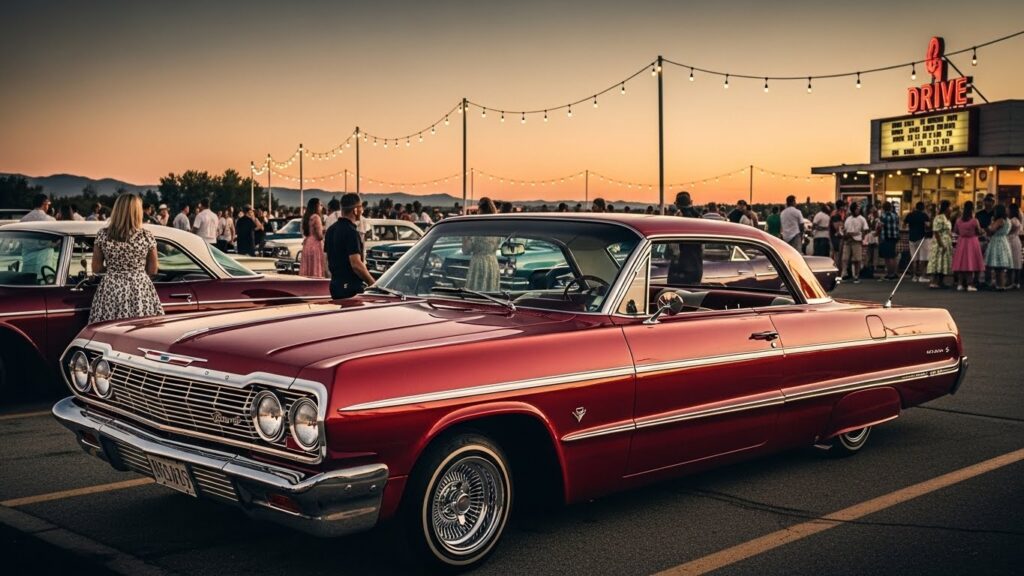
To understand the Shag is to understand South Bay life in the 60s and 70s. It was the heartbeat of a thriving Chicano and multicultural youth scene. Cruising down Third Avenue in Chula Vista or Highland Avenue in National City in a lowered Chevy Impala, then gathering at the drive-in to socialize and dance, was the weekend ritual. The dance halls were melting pots.
The Shag transcended cultural lines, bringing together teenagers from different backgrounds through a shared love of music and movement. It was a point of local pride, a South Bay creation that wasn’t imported from LA or elsewhere. Car clubs would host dances, and knowing how to Shag was a essential social skill. This era fostered a deep sense of community identity, with the Shag as its most joyful expression.
The Fade and the Revival: Keeping the Groove Alive
Like many dance crazes, the Shag’s dominance in popular youth culture waned by the late 1970s and 80s. Disco, punk, and new wave brought new sounds and new moves. The iconic venues changed or closed. For a time, the Chula Vista Shag risked becoming a forgotten memory, kept alive only in yearbooks and family stories.
But the roots were too deep to die. In the 1990s and early 2000s, a dedicated group of original shaggers and new enthusiasts began a concerted revival effort. They started hosting reunion dances, offering workshops, and teaching the steps to a new generation. Organizations like the Chula Vista Shag Club formed to preserve this cultural heritage. Their mission was clear: to ensure that the distinctive shuffle and spin of the Shag would not be lost to time.
Where to Experience the Chula Vista Shag Today
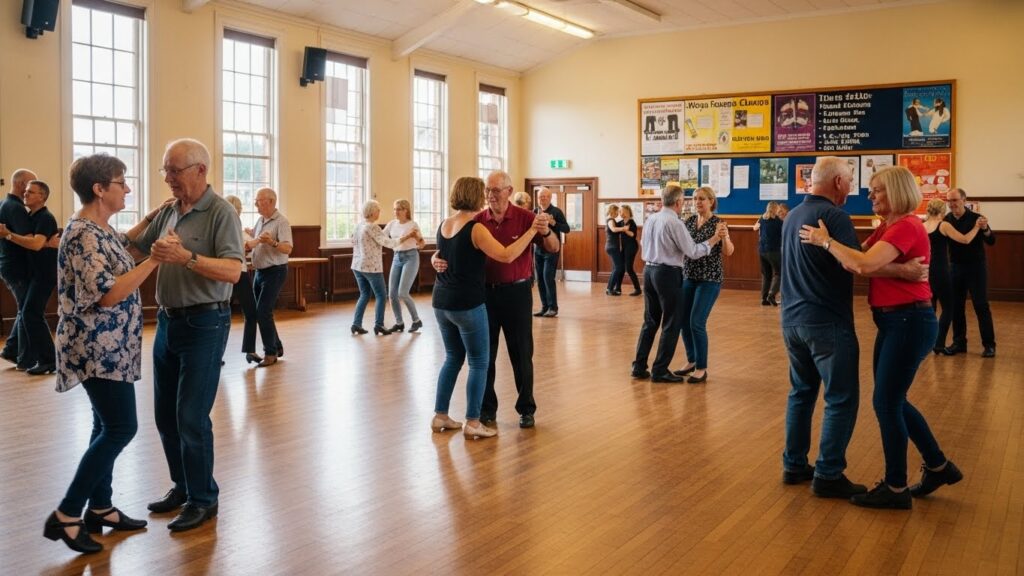
The spirit of the Shag is very much alive in South Bay San Diego. The revival movement has successfully re-established it as a living tradition. If you want to see it, hear the music, or even learn the steps yourself, here’s where to go:
Community Dances & Events: Keep an eye on local community centers, the Chula Vista Heritage Museum, and senior centers (which often host surprisingly lively shag nights). Events like Chula Vista’s Starlight Parade or Fourth of July celebrations sometimes feature dance demonstrations.
Music is Key: Seek out venues or oldies nights that play the classic hits of the era. The soundtrack of the Shag includes not just Cannibal & the Headhunters, but also classic oldies rock, surf guitar instrumentals, and the fast-paced rhythms that defined the local scene.
Talk to the Locals: One of the best ways to connect with this history is to speak with long-time South Bay residents. You’ll find that many have a story—whether they were champion shaggers, or just remember the vibrant scene at the drive-ins. Their personal anecdotes are the true archives of this culture.
The Lasting Legacy of a Local Legend
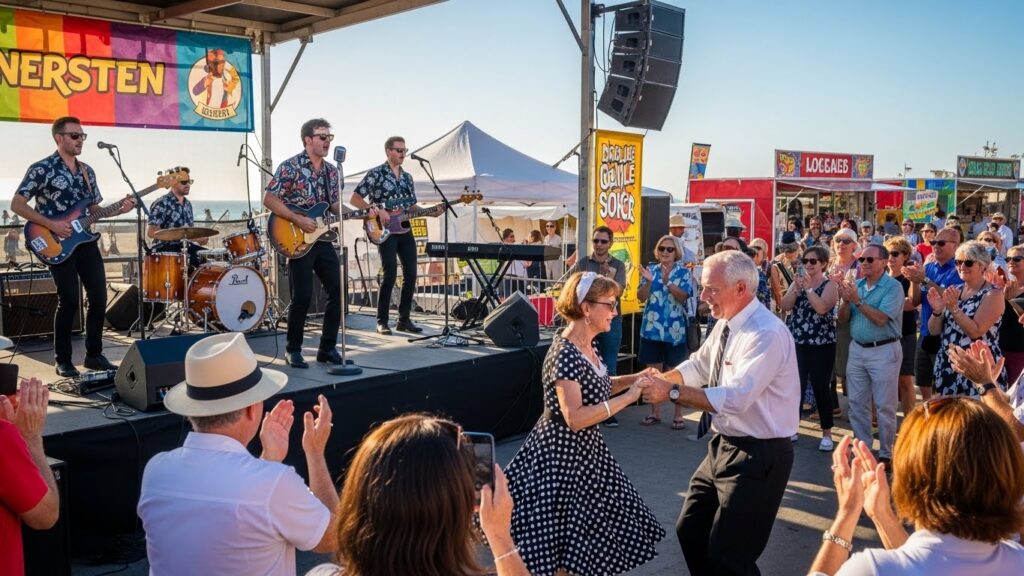
The Chula Vista Shag is more than a retro dance trend. It is a testament to the creative spirit of a community. In a pre-internet age, South Bay teenagers crafted something unique that reflected their specific identity, their musical tastes, and their social world. It fostered connection, pride, and pure joy.
Today, it stands as a powerful reminder of the cultural richness that exists outside of mainstream narratives. It’s a story of homegrown artistry in the suburbs of San Diego. The ongoing efforts to preserve and teach the Shag ensure that this rhythmic piece of history will continue to be passed down, allowing future generations to step, tap, and spin into the legacy of South Bay. So next time you’re in Chula Vista, listen closely. Beneath the modern hum of the city, you might just hear the timeless shuffle of the Shag.