Graduated Surface: Building Texture Throughout
Imagine running your hand across a smooth plaster wall, then over a nubby linen sofa, and finally brushing against the rough grain of a reclaimed wood table. That journey your senses just took? That’s the power of texture. But in interior design, texture isn’t just about a single, striking piece. The most captivating spaces understand a more sophisticated principle: the graduated surface. This is the art of building, layering, and varying texture throughout a room to create depth, harmony, and a profoundly tactile experience. It’s about moving beyond the obvious and crafting a narrative that your eyes and hands can follow.

The Foundation: Understanding Visual and Tactile Texture
Before we build, we must understand our materials. Texture in design breaks down into two key types: tactile and visual. Tactile texture is the actual, physical feel of a surface—the roughness of brick, the cool slickness of marble, the soft pile of velvet. Visual texture, on the other hand, is the illusion of texture. A photograph of wood grain, a wallpaper that mimics concrete, or a flat paint with a subtle pattern all provide visual texture without the physical variation.
A successful graduated surface strategy employs both. The interplay between what we expect to feel (based on sight) and what we actually feel creates a delightful sensory dialogue. The goal is to create a hierarchy, a graduation from one texture to the next, preventing visual noise and instead conducting a symphony of surfaces.

Starting Your Texture Gradient: The Base Layer
Every great composition needs a solid foundation. In your room, this is your largest surfaces: floors, walls, and ceilings. These elements set the stage for your texture gradient. A common mistake is to make all these foundational surfaces monotonous—think smooth paint on every wall and a uniformly flat floor. Instead, choose one or two to carry a subtle texture.
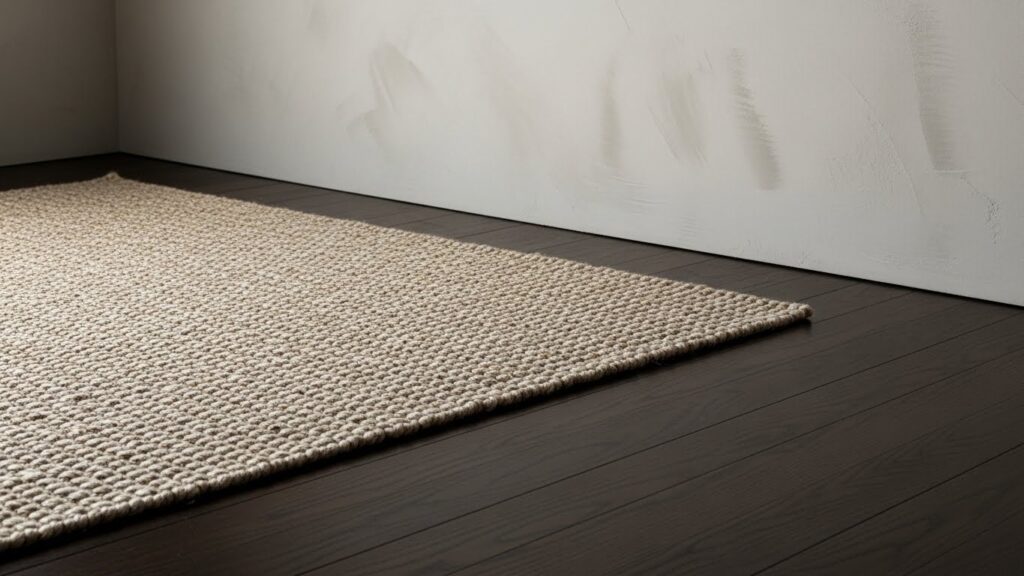
For example, pair smooth, satin-painted walls with a textured natural fiber rug (like sisal or jute) over polished concrete. Or, let your walls be the star with a limewash or Venetian plaster finish, then ground them with a smooth, wide-plank hardwood floor. The ceiling, often forgotten, is a prime candidate for texture—consider wood planks, beadboard, or even a subtly textured paint. The key here is subtlety; the base layer should anchor, not overwhelm.
The Art of Layering: Building the Middle Ground
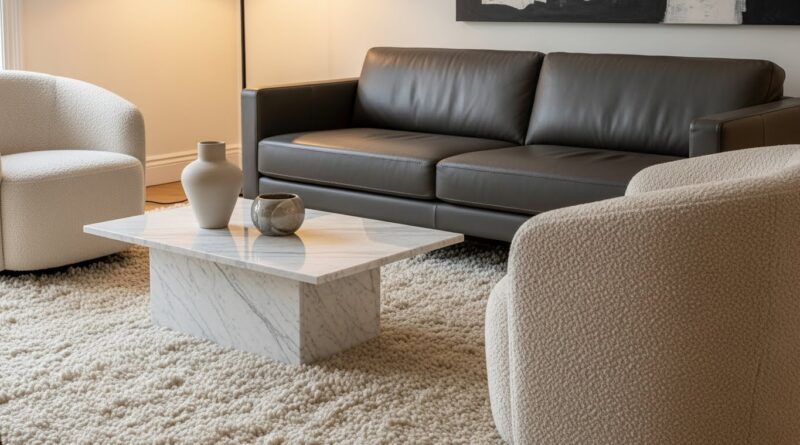
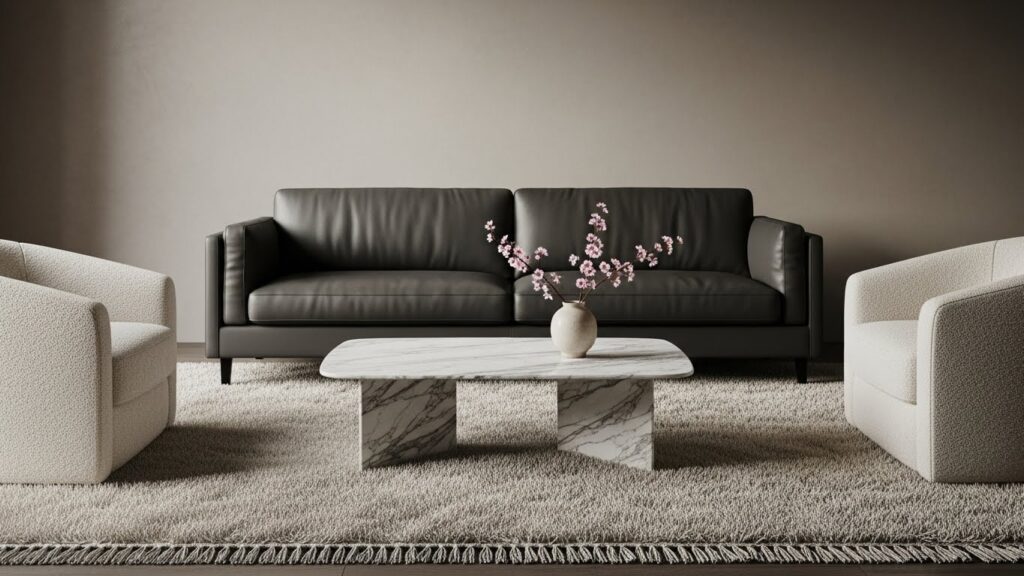
With your foundation set, it’s time to build the middle layers—your furniture and major textiles. This is where you can start to play with contrast and create clear steps in your texture graduation. If your floor is rough (like a thick wool rug), layer on a smooth leather sofa. If your walls are sleek and glossy, introduce a nubby, woven chair or a sofa in a rich chenille or corduroy.
Think in terms of weight and scale. Follow a heavy, solid wood table with light, airy linen curtains. Place a sleek metal side table next to a plush, velvet armchair. This layer is about creating clear, intentional juxtapositions that are pleasing to both the eye and the touch. Each piece should converse with the ones around it, not match them exactly.
High-Frequency Details: The Finishing Textural Touches
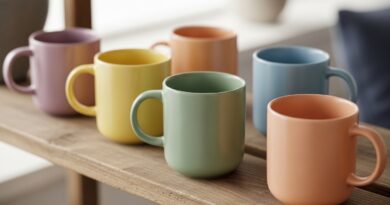
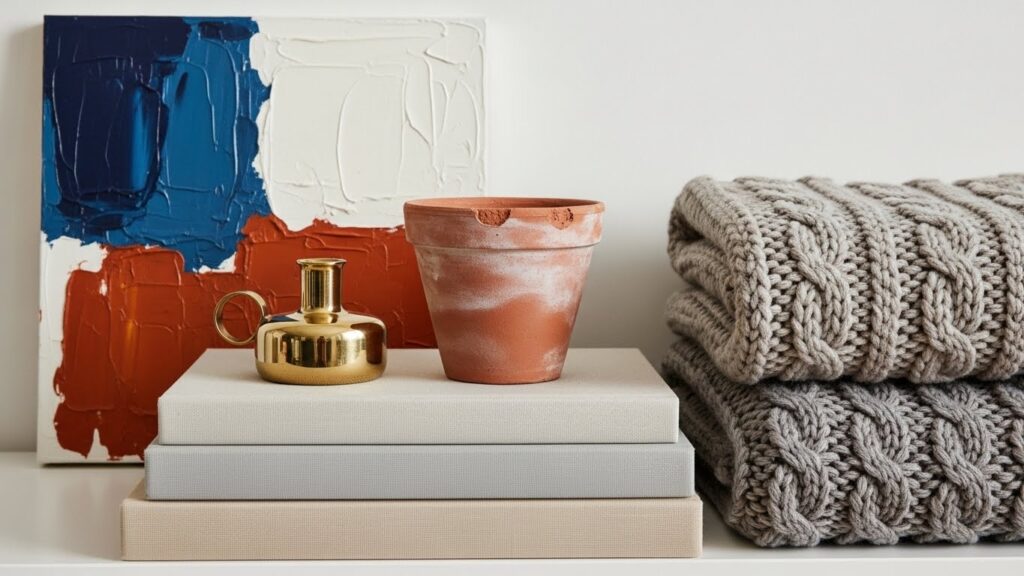
The final, and perhaps most enjoyable, step is accessorizing with high-frequency textures. These are the small-scale, detailed elements that add the final layer of complexity: throw pillows, blankets, baskets, decorative objects, and art. Here, you can be bold and intricate.
Drape a chunky knit blanket over the smooth sofa. Fill a rough-hewn wicker basket with smooth, polished river stones. Place a hammered metal vase next to a glossy ceramic figurine. A piece of art with thick, impasto paint strokes adds incredible visual texture to a flat wall. These details are the punctuation marks in your sentence—they create rhythm, interest, and invite closer inspection.
Avoiding Common Pitfalls: Balance is Everything
While building texture is exciting, it’s easy to tip into chaos. The principle of graduation is your safeguard. Avoid texture overload by ensuring there are moments of visual rest—a smooth surface to offset a rough one. Don’t let every item compete at the same volume.
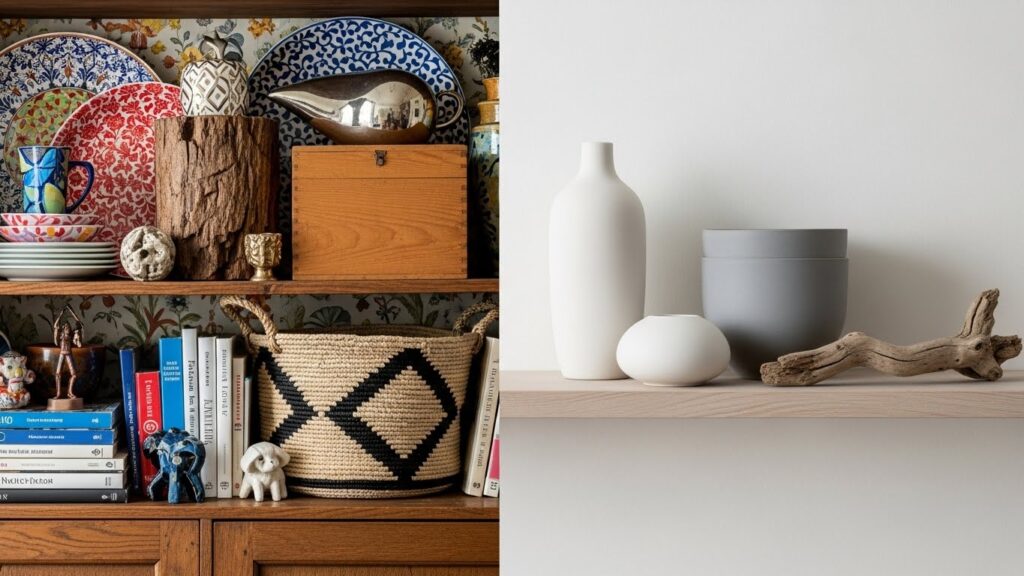
Another key is cohesion. While textures should contrast, they should feel like they belong in the same story. A rustic burlap pillow might clash with a high-tech glossy acrylic table unless carefully mediated by other elements. Use a consistent color palette or material family (like natural materials) to tie disparate textures together. Remember, you are guiding a sensory experience, not creating a warehouse of samples.
Putting It Into Practice: A Room-by-Room Approach
Let’s apply the graduated surface concept to specific spaces. In a bedroom, you might start with smooth walls, a plush, high-pile rug (tactile floor), then layer a linen-upholstered bed (middle ground), and finish with a silk pillowcase, a cable-knit throw, and a rattan nightstand (high-frequency details).
In a kitchen, combine the hard, cool texture of stainless steel appliances with the warmth of a honed marble countertop (smooth but soft), the grain of wooden cabinets, and the weave of a natural fiber runner rug. The graduation here moves from cold and hard to warm and organic.
For a home office, balance the inevitable smooth, hard surfaces of a desk and technology with a textured wool desk pad, a leather desk chair, a felted pendant light, and a gallery wall with mixed-media art. This creates an environment that is both stimulating and comfortable.

The Ultimate Reward: A Space That Feels Alive
Mastering the graduated surface is more than a design technique; it’s a philosophy that leads to spaces with soul. A room built with considered textural layers feels dynamic, inviting, and complete. It engages more than just the sense of sight—it beckons you to touch, to experience, to stay awhile.
It creates light play, casts soft shadows, and evolves throughout the day. It tells a story of careful curation and sensory awareness. So, start looking at your spaces not just in terms of color and shape, but in terms of touch and transition. Build your texture from the ground up, layer with intention, and finish with detail. The result will be a home that doesn’t just look good, but feels profoundly right.