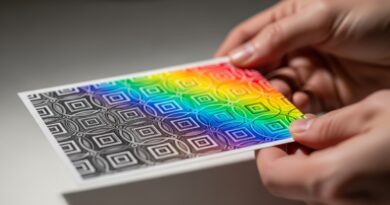
Shattered Texture: Fragmented Surface Interest
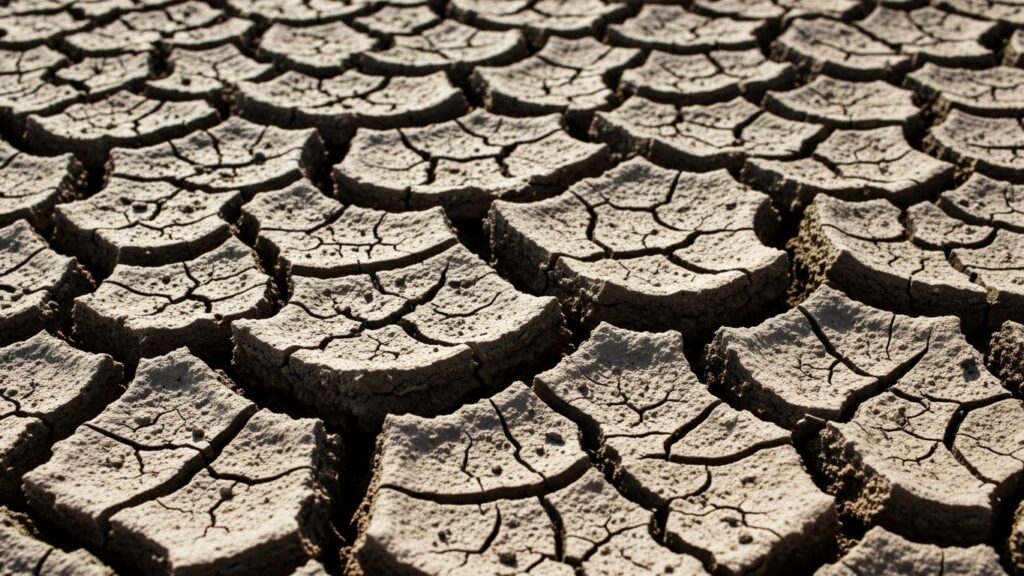
Look closely at a cracked glaze on ancient pottery, the fractured light on a disturbed puddle, or the peeling layers of a weathered city wall. There is a story there—a narrative of time, pressure, and transformation that is far more compelling than a flat, pristine surface. This is the realm of shattered texture, a powerful design principle that harnesses the beauty of fragmentation to create profound visual interest. It’s not about chaos for chaos’s sake, but about controlled disintegration that invites the eye to linger, explore, and piece together a deeper meaning.
Beyond the Whole: The Psychology of Fragmentation
Why are we so drawn to broken things? The appeal of shattered texture is deeply rooted in human psychology. Our brains are pattern-recognition machines, constantly seeking to make sense of the world. A fragmented surface presents a delightful puzzle—a gestalt where the whole is suggested by the sum of its broken parts. This process of visual completion actively engages the viewer, creating a more memorable and interactive experience than a passive glance at a uniform surface.
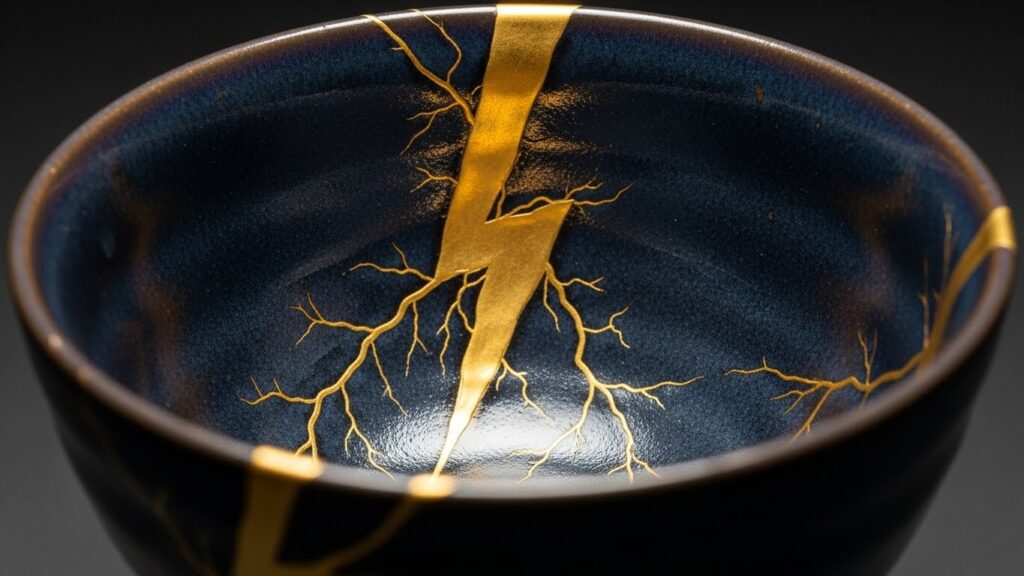
Furthermore, fragmentation evokes powerful metaphors. It can represent time and decay, like the cracks in an old master painting. It can symbolize rebirth and reconstruction, as seen in the Japanese art of Kintsugi, where broken pottery is repaired with gold lacquer, highlighting the breaks. It can express energy and movement, freezing a moment of impact or explosion. This layers conceptual depth onto the visual aesthetic, allowing texture to carry narrative weight.
Manifestations of Shattered Texture: From Art to Architecture
The use of fragmented surfaces is a timeless technique that transcends mediums. In fine art, think of Cubism, where Picasso and Braque shattered perspectives into geometric facets. Or the explosive, dynamic drips and cracks in abstract expressionist works. In contemporary design, shattered textures appear in fractured glass partitions, cracked tile inlays, and deconstructed typography where letters appear broken but remain legible.
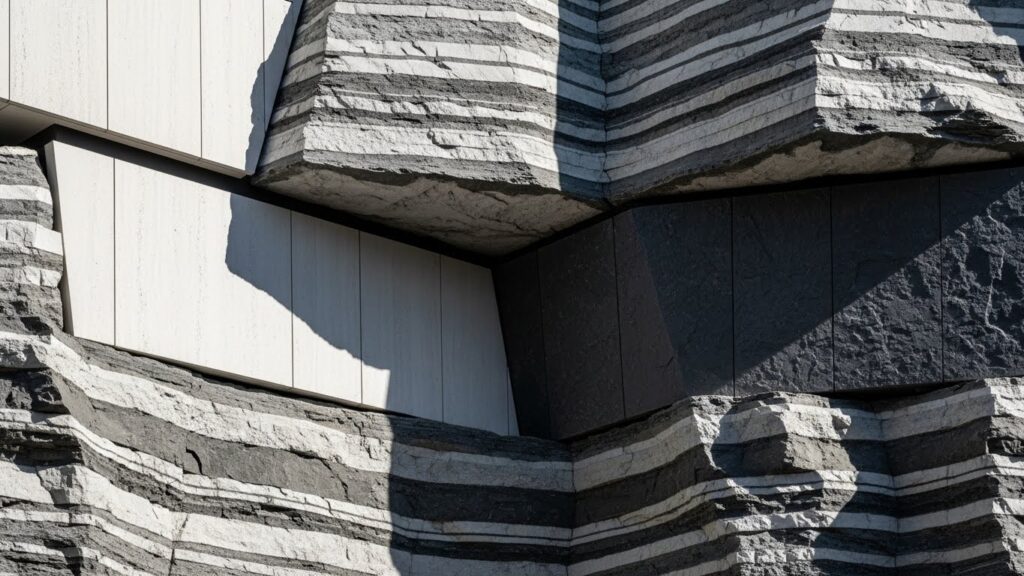
Architecture masterfully employs this concept. The deliberate crumbling of certain walls, the use of irregular, fragmented stone cladding, or facades with geometric panels that create a broken mirror effect all play with this idea. In digital design, UI/UX designers use subtle texture overlays—like a faint, cracked paper background or a glitch effect—to add depth and character to an otherwise flat screen, creating a bridge between the digital and the tactile.
Crafting Controlled Chaos: Principles for Effective Use
Successfully integrating shattered texture requires a balance between order and disorder. It’s not merely about applying a “cracked” filter. Here are key principles to guide you:
Anchor with Contrast: Fragmentation needs a stable counterpoint. A shattered texture element should often be anchored against a solid, calm background or vice-versa. This contrast prevents visual overload and directs focus.
Consider Scale and Rhythm: The size and distribution of the fragments are crucial. A rhythm in the cracking—whether it’s a tight, all-over web or large, isolated fissures—creates compositional flow. Varying the scale of fragments adds naturalism and interest.
Mind the Material Implication: The texture should feel believable. A “cracked” effect on a digital button should hint at a material, like ceramic or dried paint, to feel intentional rather than like a rendering error. Think about what the surface is and how it would realistically break.
Color and Light are Key: Fragmentation is defined by shadow and highlight. The edges of cracks catch light; the depths absorb it. Using color variation within the fragments—like different tones of the same hue or surprising pops of contrast in the fissures—can elevate the effect from simple to stunning.

The Digital Toolbox: Creating Fragmented Textures
Today’s creative software puts the power to create shattered textures in everyone’s hands. High-resolution photography of real-world surfaces—cracked paint, ice, mud, peeling posters—is an invaluable asset. These can be used directly or as displacement maps in programs like Adobe Photoshop to shatter other images realistically.
For more graphic or abstract results, tools like the crystallize and fragment filters can provide a starting point. Vector software like Illustrator allows for the precise construction of geometric fragmentation using the Pen Tool and Pathfinder functions to break apart shapes. 3D software excels here, using shaders and texture maps to simulate cracked materials with incredible depth, controlling everything from the width of the fissures to the roughness inside them.
The most compelling digital textures often blend multiple techniques: a photographic base, enhanced with hand-drawn crack details, adjusted with layer blending modes, and finished with careful lighting effects.

Shattered Texture in Branding and Visual Identity
Forward-thinking brands use fragmented texture to communicate specific values. It can signal innovation (breaking the mold), resilience (beautiful recovery), or raw authenticity. A logo might feature a subtly fractured letterform. Packaging might use a tactile, cracked-ink foil stamp. A website for a craft brewery or an artisanal pottery studio might use background textures of cracked earth or glaze to immediately evoke a handmade, organic quality.
This approach must be used with strategic restraint. The fragmentation should be a nuanced element that supports the brand story, not the entire story itself. It works exceptionally well for brands in creative industries, wellness (evoking natural cycles), or technology (suggesting deconstruction of complexity).

Embracing Imperfection: The Human Connection
At its core, the power of shattered texture is its celebration of imperfection and history. In the Wabi-sabi philosophy of Japan, beauty is found in the imperfect, impermanent, and incomplete. A fragmented surface is a record of events—it has lived, it has endured stress, and it has been transformed. This resonates on a human level because it mirrors our own experiences; we are all, in some way, beautifully fragmented.
By incorporating these textures into our environments, designs, and art, we reject sterile perfection and create spaces and objects that feel more authentic, layered, and alive. We invite touch, curiosity, and emotional connection.
The next time you design a website, compose a photograph, plan a space, or even choose a wall finish, consider the power of the break. Look for opportunities to introduce fragmented surface interest. Start with a small crack, a peeling corner, a deconstructed element. Let it be a deliberate flaw that perfects the whole, transforming a flat statement into a deep, textured conversation.