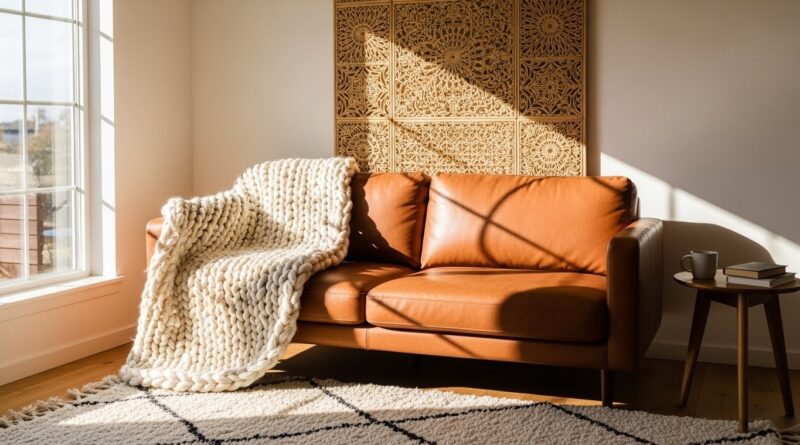
Layered Surface: Multiple Levels of Texture
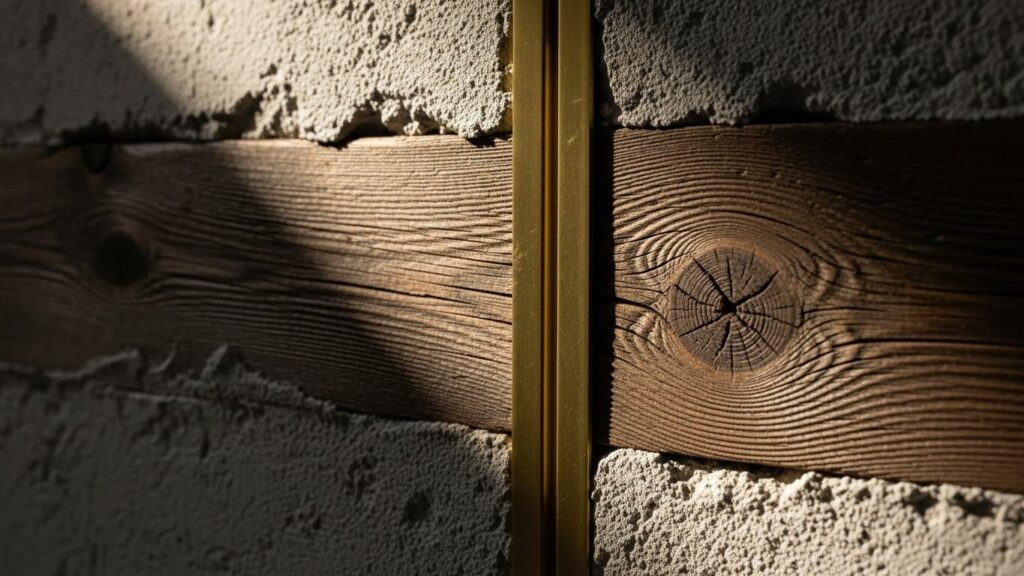
Imagine running your hand across a wall. Your fingers first meet the gritty, uneven kiss of plaster. Then, they trace the subtle, raised grain of weathered wood nestled within it. Finally, they catch on the cool, smooth edge of a polished metal inlay. This isn’t just a surface; it’s a story told in layers, a tactile journey that engages the senses on multiple levels. In the worlds of interior design, art, and even digital experiences, the move beyond flat, one-note finishes is profound. We are seeking depth, history, and soul. This pursuit leads us to the powerful concept of the layered surface.
The Psychology of Depth: Why Layered Texture Captivates Us
Our brains are wired to seek out complexity and pattern. A flat, monotonous surface can be processed in an instant and then forgotten. A layered surface, however, demands attention and exploration. Each level of texture invites the eye to linger, to discover the relationship between materials, and to unravel the sequence of their application.
This process triggers a deeper sensory engagement. Visual texture prompts our sense of touch, even from a distance. We can feel the roughness or smoothness with our eyes. When multiple textures coexist, they create a dynamic visual rhythm—a dialogue between matte and gloss, rough and smooth, organic and geometric. This complexity makes a space feel considered, curated, and rich with intention. It satisfies our innate desire for environments that have depth, both literally and figuratively, moving away from the sterile and toward the authentically experiential.
The Foundation: Building Your Textural Layers
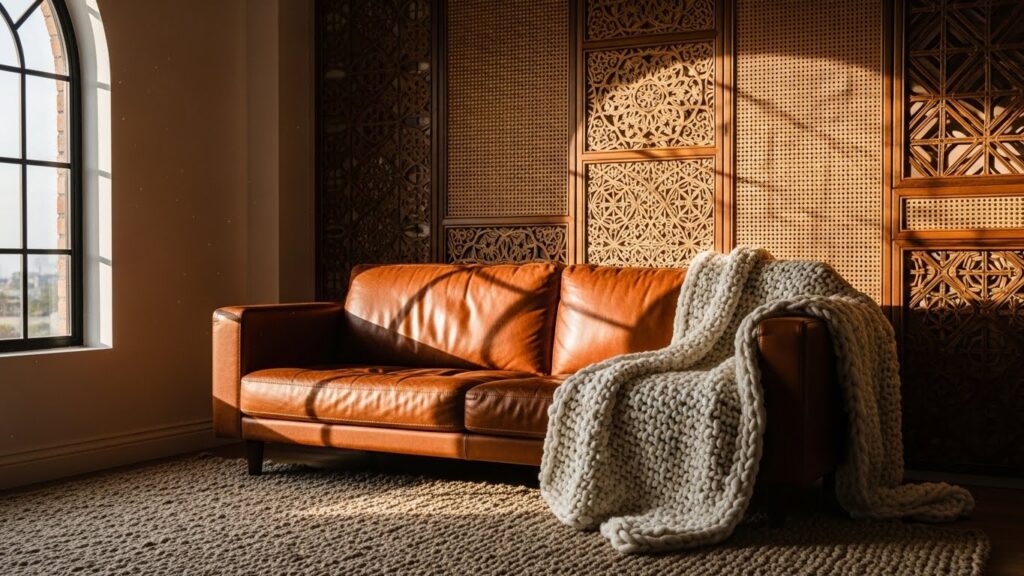
Mastering layered surfaces begins with understanding the hierarchy of texture. Think of it like composing music: you need a bass line, a melody, and accents.
The Base Layer (The Bass Line): This is the foundational texture, often covering the largest area. It sets the overall tone. Think of materials like rough plaster, exposed brick, wide-plank wood flooring, or a large, loop-pile carpet. This layer is typically more subdued in pattern but strong in tactile feel.
The Secondary Layer (The Melody): This layer introduces pattern and medium-scale texture. It interacts with and complements the base. This could be a woven wall hanging, a tile backsplash with relief detailing, furniture with distinct upholstery (like velvet or linen), or patterned area rugs.
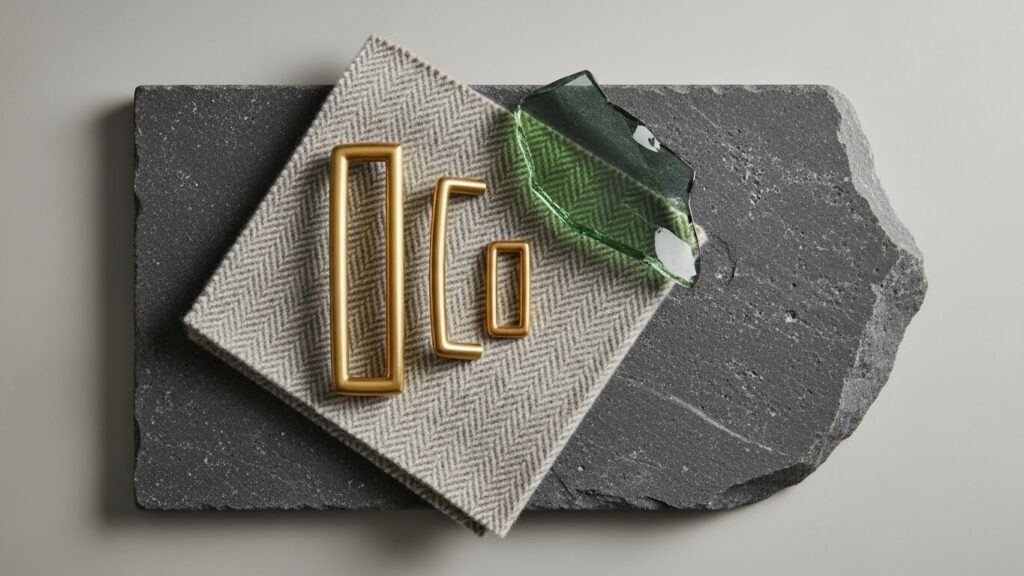
The Accent Layer (The Percussion & Accents): These are the high notes—the small-scale, often unexpected textures that add surprise and detail. Metallic finishes (brushed brass, hammered copper), smooth glass, raw crystal geodes, polished stone objects, or even the glossy leaves of a plant fall into this category. They catch the light and the eye, providing moments of contrast.
Material Alchemy: Combining Textures for Maximum Effect
The magic happens in the combination. Successful layering is about creating harmony through contrast. Here are some timeless pairings that exemplify the principle of multiple textural levels:
Organic & Industrial: Pair the uneven, warm texture of reclaimed wood with cool, sleek polished concrete. The softness of the wood grain balances the hardness of the concrete, creating a space that feels both modern and grounded.
Soft & Hard: Drape a plush, fluffy sheepskin over the clean, rigid lines of a mid-century modern teak chair. Place a nubby, hand-woven basket next to a smooth, glossy ceramic vase. These contrasts are inherently pleasing and inviting.
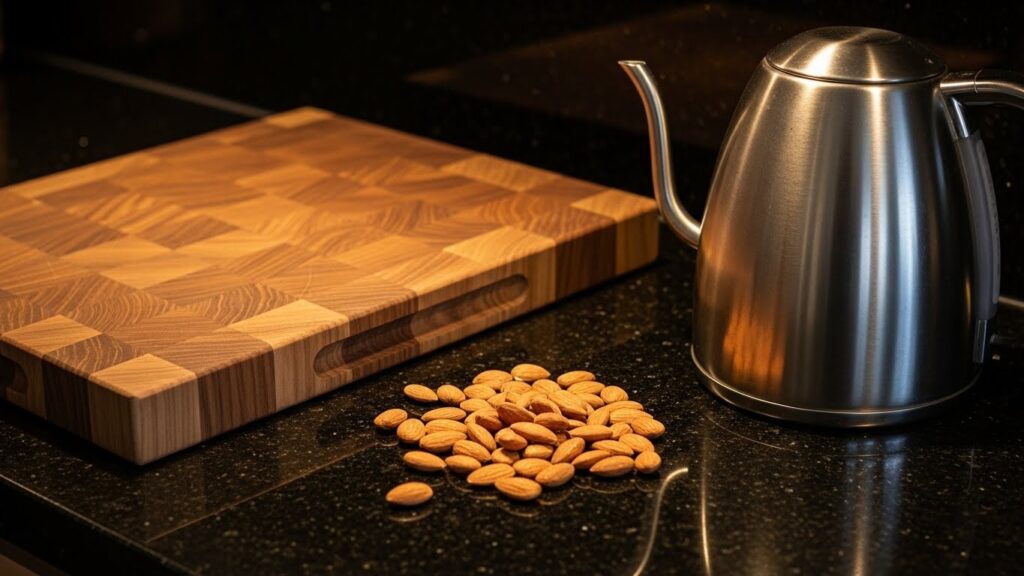
Matte & Glossy: This is one of the most powerful tools. A flat, chalky painted wall becomes a perfect backdrop for high-gloss trim or furniture. A dull, raw clay pot holding a plant with shiny leaves creates a miniature layered scene.
Old & New: Incorporate an aged, patinaed object—a vintage trunk with worn leather straps—into a room with crisp, new textiles and finishes. The old layer adds instant history and narrative depth that new items alone cannot provide.
Beyond the Physical: Visual and Implied Texture
Layering isn’t confined to what you can physically touch. Visual texture plays an equally crucial role. A photograph of a forest, a painting with heavy impasto technique, or a wallpaper with a realistic trompe l’oeil pattern of bamboo all add a layer of perceived texture. They introduce complexity without physical dimension.
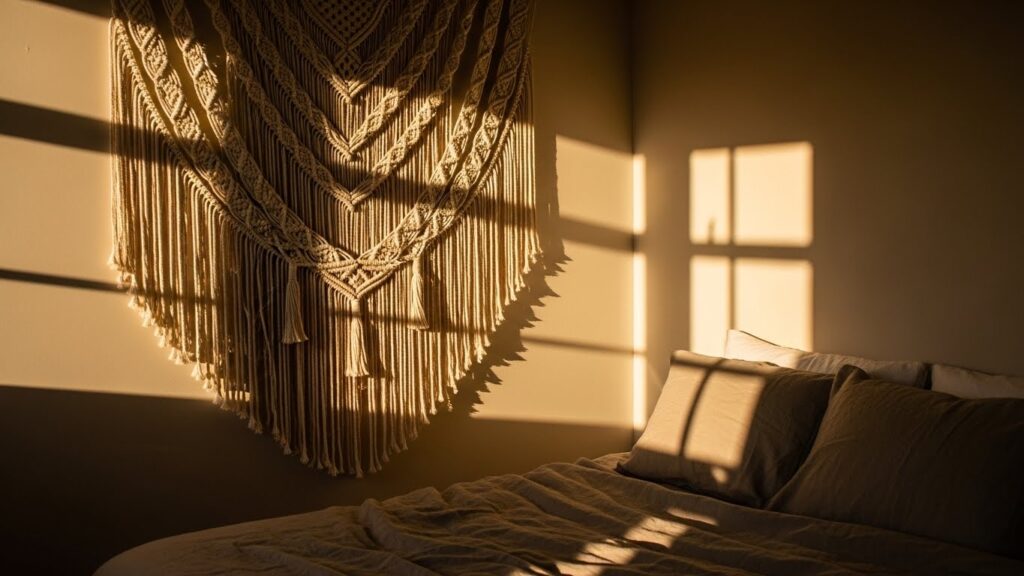
Furthermore, consider the texture of light and shadow. A sculptural light fixture doesn’t just provide illumination; it casts patterned shadows on walls and floors, adding a transient, dynamic layer of texture that changes throughout the day. Sheer, layered curtains filter light, creating a soft, diffused textural effect on the interior space.
Practical Applications: Bringing Layered Surfaces into Your Home
Ready to experiment? You don’t need to renovate to embrace this concept. Start small and build up.
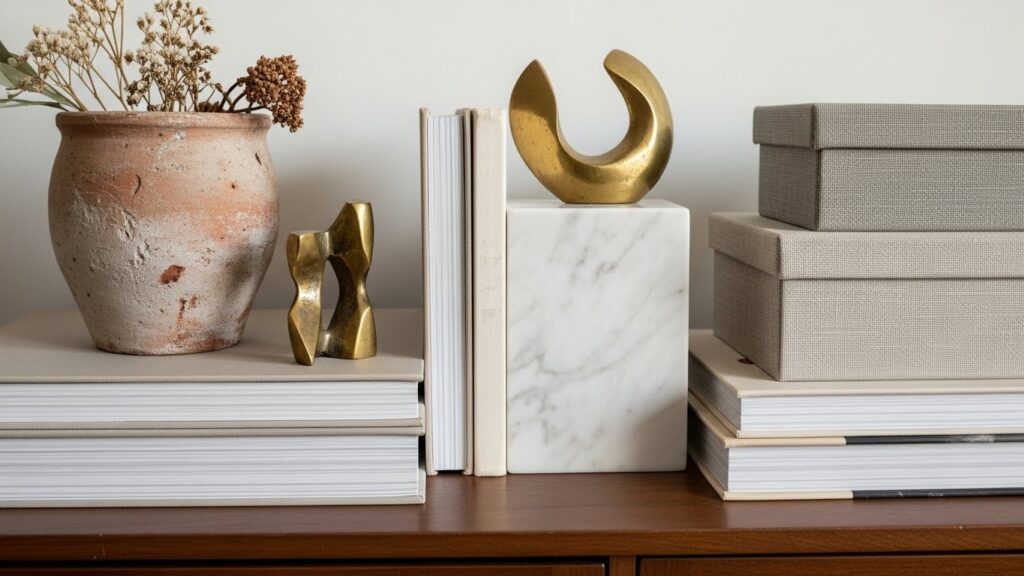
On Your Walls: Avoid flat paint everywhere. Consider a limewash or clay paint for a subtle, mottled base. Add a large woven fiber art piece as a secondary layer. Use floating shelves (in a wood that contrasts with the wall) to hold a collection of objects with varied textures—books (matte paper), smooth pottery, a metallic frame.
In Your Textile Scheme: This is the easiest entry point. On a bed, start with crisp percale sheets (smooth), add a heavyweight linen duvet cover (nubby), a chunky knit throw (loose), and velvet pillows (plush). On a sofa, combine leather (smooth), wool (coarse), and silk cushions (lustrous).
On Your Tablescapes: Create a centerpiece with layers. Use a textured runner (burlap or hemp) as a base. Add a wooden tray (secondary), then group a glossy glazed vase, some rough-cut geodes, and a couple of tapered candles with a slightly wrinkled wax surface.
The key is to touch, look, and edit. Add one layer at a time and assess the balance. Is there enough contrast? Does it feel harmonious, or just busy? Sometimes, subtracting an element is as important as adding one.
The Digital Layer: Texture in UI/UX and Brand Design
The concept of layered surfaces has transcended the physical world. In digital design, creating an interface with multiple levels of visual texture is key to usability and aesthetic appeal. Designers use subtle shadows, gradients, and varied transparencies to create a sense of depth, making some elements appear to float above others.
A button might have a slight gradient (impressing a curved surface) and a soft drop shadow to make it look “pressable.” Backgrounds might have a faint, noise-like grain over a solid color to avoid a sterile, flat look. This skeuomorphic layering—using digital means to mimic physical texture and depth—guides the user intuitively and creates a more engaging and comfortable experience. A brand’s visual identity, too, can use textured layers in its graphics, combining clean typography with organic, painterly strokes or digital “stains” to add warmth and character.

Conclusion: Crafting Stories Through Touch and Sight
A layered surface is ultimately a testament to thoughtful composition. It rejects the simplicity of the single note in favor of a rich chord. Whether in your living room, on a canvas, or on a screen, building multiple levels of texture is an invitation—to look closer, to reach out, and to feel more deeply connected to the space or object.
It transforms a house into a home filled with sensory landmarks, a brand into an experience, and a design from merely seen to truly felt. So, look around your space. Where can you introduce a contrasting layer? Where can you add a story? Start with one texture, and then build upon it. The journey into depth is where true character resides.