Walnut Highlights: Deep Rich Brown Tones
There is a color that whispers of ancient forests, polished antiques, and the first sip of fine coffee. It’s a shade that embodies warmth without being loud, sophistication without being stark, and richness without being overpowering. This is the world of walnut—a spectrum of deep, resonant brown tones that have become a timeless favorite in both beauty and design. Whether you’re considering a hair transformation or seeking inspiration for your home, understanding the power of walnut highlights is to unlock a secret to enduring elegance.
The Essence of Walnut: Understanding the Color Palette
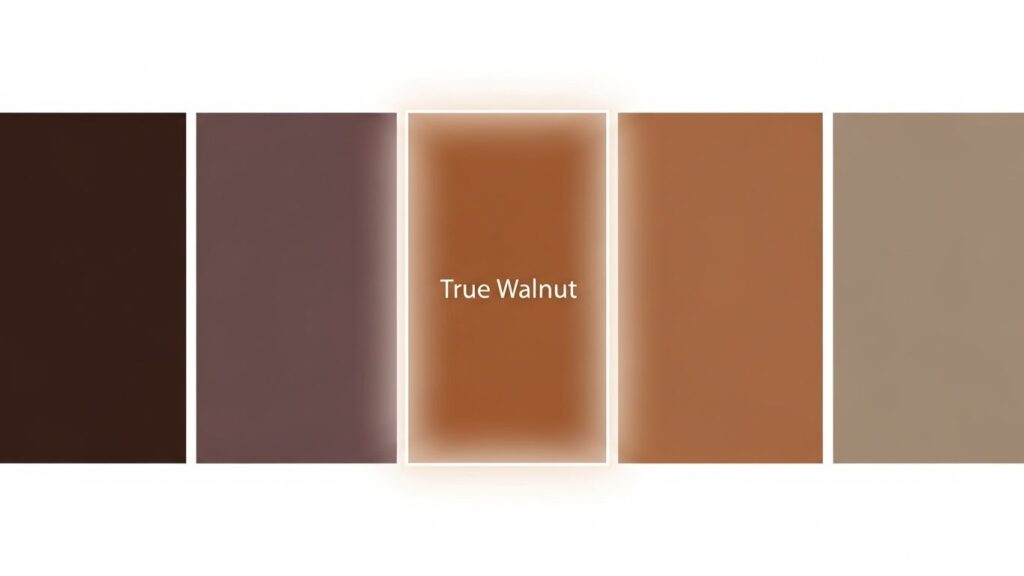
Before we highlight with it, we must understand it. The walnut color palette draws its name and inspiration directly from the heartwood of the walnut tree. Unlike flat, uniform browns, walnut is inherently dimensional. At its core, it is a dark, chocolatey brown, but it is always animated by underlying notes.
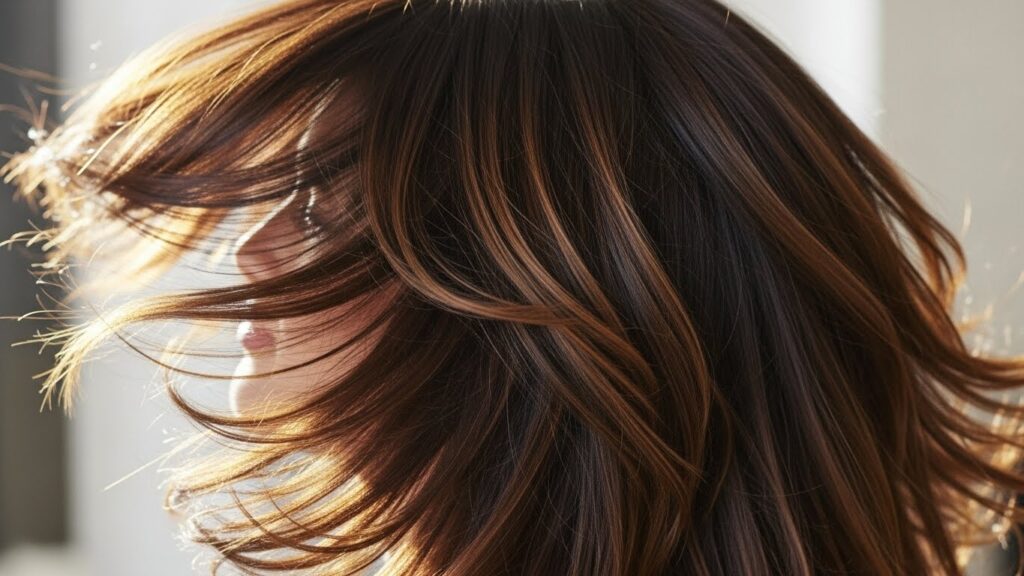
In hair color, a “walnut brown” typically refers to a neutral to cool-toned deep brown. It sits beautifully between a true neutral brown and a softer, ash brown. The magic happens when this base is illuminated with highlights. Walnut highlights are not blonde; they are lighter, warmer, or sometimes even cooler variations of brown itself. Think of ribbons of caramel, chestnut, or even a muted golden brown woven through that darker walnut base. This creates a contrast that is natural, sun-kissed, and incredibly flattering, especially under light where each strand seems to tell its own story.
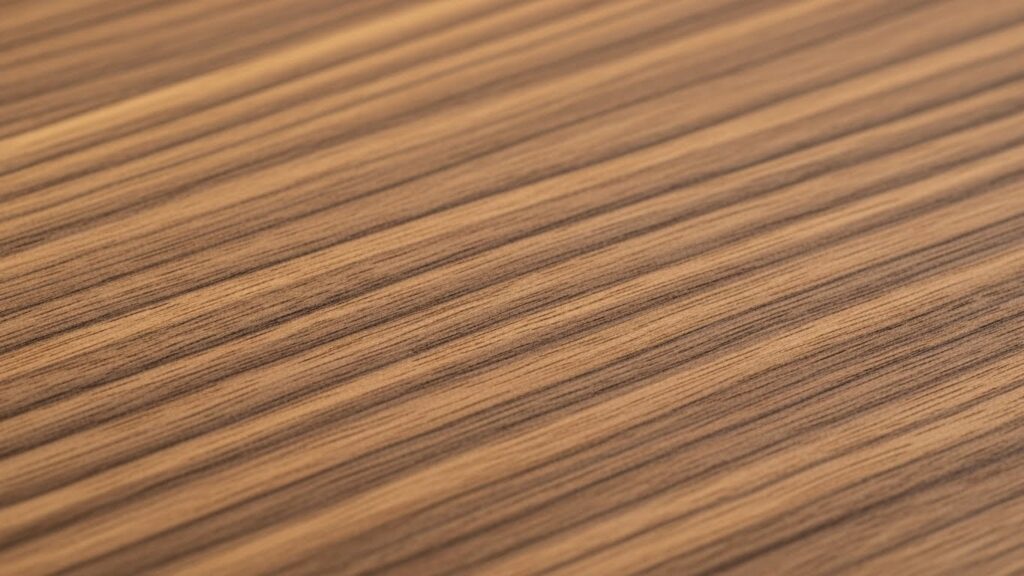
In wood and design, walnut’s richness comes from its natural variation. Its tones can range from a lighter, pale brown sapwood to the iconic dark, purplish-brown heartwood. When finished, it can exhibit a stunning luster that brings out grey, gold, or red undertones, making each piece uniquely captivating.
Walnut Highlights for Hair: Dimension and Sophistication
For those seeking a hair color change that is both striking and wearable, walnut highlights are a premier choice. They are perfect for anyone wanting to break up a solid dark color, add warmth to a mousy brown, or even deepen and enrich naturally lighter hair with lowlights. The goal is a multi-dimensional, healthy-looking mane that captures and plays with light.
Who are walnut highlights for? Fortunately, this versatile color family is remarkably inclusive. It complements a wide range of skin tones. Those with cool or neutral undertones will find the classic, ashier walnut highlights particularly harmonizing, while individuals with warm golden or olive undertones can lean into the caramel-and-honey walnut variations for a radiant effect. It’s also a fantastic choice for covering or blending greys, as the multi-tonal effect makes regrowth less noticeable and the cool tones can neutralize any yellowing in silver hair.
The application techniques vary to create different moods. Balayage or face-framing highlights in walnut tones offer a soft, grown-out, and low-maintenance look. For more uniform dimension, traditional foil highlights can be placed throughout. The key is in the blend—walnut highlights should melt into your base color, creating a seamless gradient rather than a stark contrast.
Walnut in Wood and Interior Design: Warmth and Character
Parallel to its use in beauty, walnut as a material and finish is a cornerstone of sophisticated design. Walnut wood is prized for its strength, fine grain, and, of course, its deep, rich brown tones that seem to grow richer with age. Using walnut in your space is an investment in timeless character.
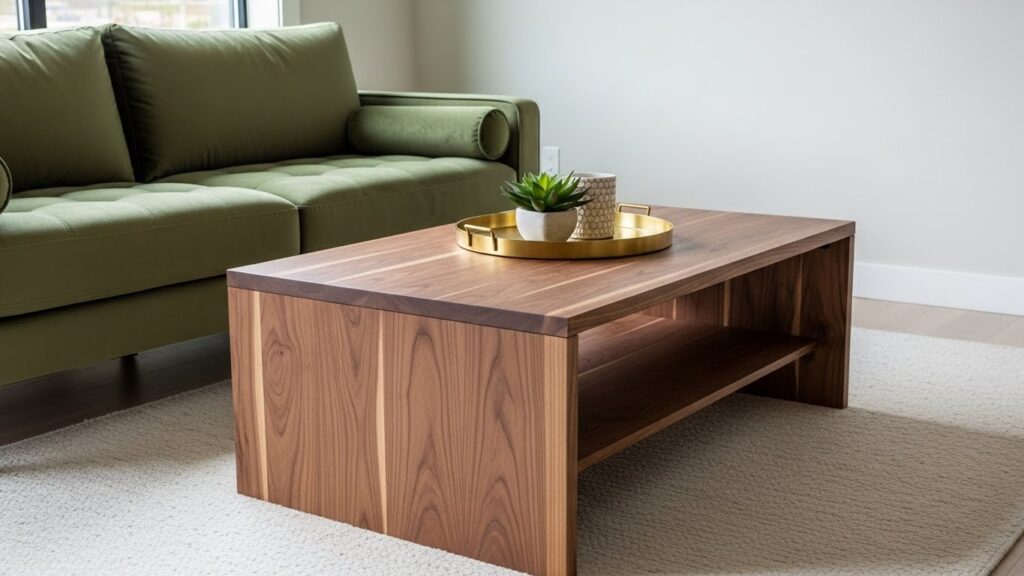
In modern interiors, walnut often acts as the anchor of warmth in a minimalist or monochromatic room. A walnut dining table against white walls, a sleek walnut media console in a grey living room, or walnut kitchen cabinets can instantly elevate a space from cold to inviting. Its natural “highlights” and grain patterns mean that no two pieces are identical, adding an element of organic artistry to your home.
To truly make walnut wood “pop,” consider its pairing. Light-colored walls (whites, creams, pale greys) provide a perfect backdrop that allows the wood to stand out as a focal point. Combining walnut with brass or black metal accents creates a striking contemporary feel. For a more organic, earthy aesthetic, pair it with textiles in cream, olive green, or rust. The deep tones of walnut also look exceptionally luxurious alongside marble or polished concrete.
Caring for Your Walnut Tones: Maintenance and Longevity
Whether on your head or in your home, preserving the beauty of walnut tones requires specific care to prevent fading or dulling.
For Walnut-Highlighted Hair:
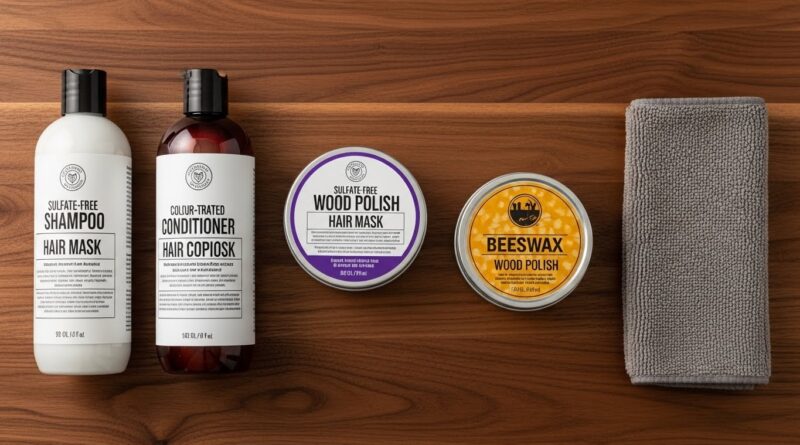
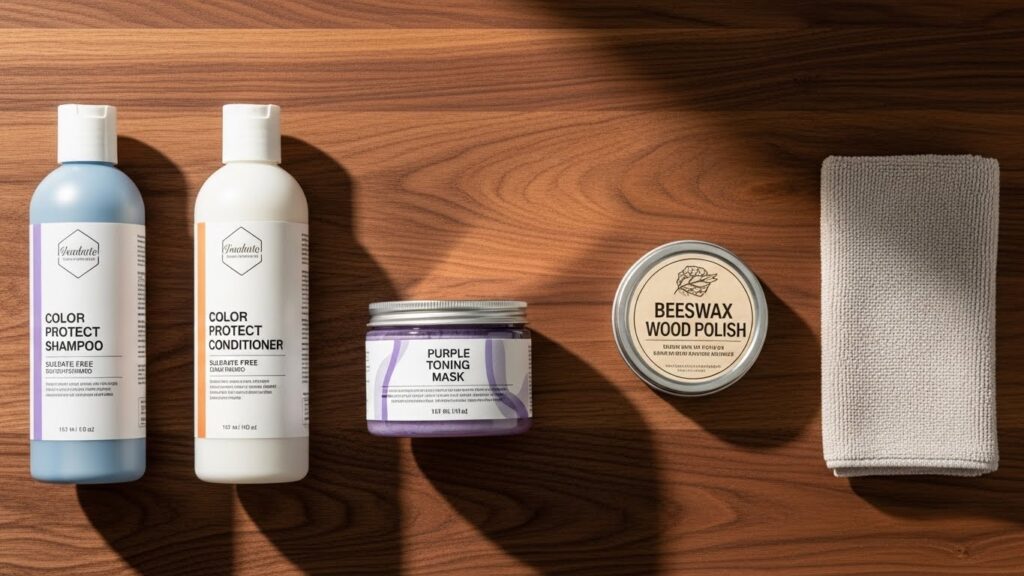
To keep those rich browns vibrant and avoid brassiness, incorporate a color-safe, sulfate-free shampoo and conditioner. Periodic use of a blue or purple-tinted toning mask can help neutralize any unwanted warm or orange tones that may develop, especially if your highlights have cooler undertones. Minimize heat styling and always use a heat protectant. Most importantly, schedule regular gloss or glaze treatments with your stylist—these semi-permanent color treatments add shine, deepen tone, and blend highlights seamlessly for a salon-fresh look longer.
For Walnut Wood Finishes:
Dust regularly with a soft, dry cloth. Clean spills immediately to prevent water marks. Use coasters under all drinks. For cleaning, avoid harsh chemicals and abrasive pads. Instead, use a damp cloth followed by a dry one. To maintain its luster and protect the wood, apply a quality furniture wax or polish designed for hardwoods every few months. Keep walnut furniture out of direct, prolonged sunlight, which can cause the rich brown tones to fade and lighten over time.
Why Walnut Endures: The Psychology of a Rich Brown
The enduring popularity of walnut tones is no accident. Color psychology tells us that brown is associated with stability, reliability, and warmth. It is grounding and comforting. Walnut, with its depth and complexity, takes these attributes and adds a layer of luxury and intelligence. It feels authentic and organic, a welcome contrast in an increasingly digital and synthetic world.
In hair, it suggests a person who is sophisticated and down-to-earth, confident without needing to shout. In design, it conveys a sense of history, quality, and intentionality. It’s a color that doesn’t chase trends but instead establishes a foundation of style upon which trends can come and go. Walnut is the quiet, assured voice in the room that everyone eventually leans in to hear.
From the graceful streaks in a brunette’s hair to the stately presence of a heirloom-quality table, walnut highlights—in all their forms—master the art of subtle drama. They prove that depth and dimension are the true keys to visual interest, and that sometimes, the most powerful statement is made not with the brightest color, but with the richest one.
Ready to embrace the depth? Whether you’re booking a consultation with your colorist or sourcing a statement piece for your home, let the deep, rich brown tones of walnut be your guide to a more warm, dimensional, and timeless aesthetic.