Beveled Surface: Angled Texture Throughout
Look around you. The objects and spaces that feel sophisticated, durable, or simply easier to use often share a subtle secret: a beveled edge. This is not a flat, sharp corner meeting a plane, but a deliberate, angled cut that transforms a mundane intersection into a point of interest, safety, and style. The beveled surface is a design fundamental, a quiet workhorse that has shaped everything from ancient stonework to the glowing icons on your smartphone screen. It is the angled texture throughout our built and digital worlds, and its story is one of elegant utility.
What Exactly is a Bevel? Defining the Angle
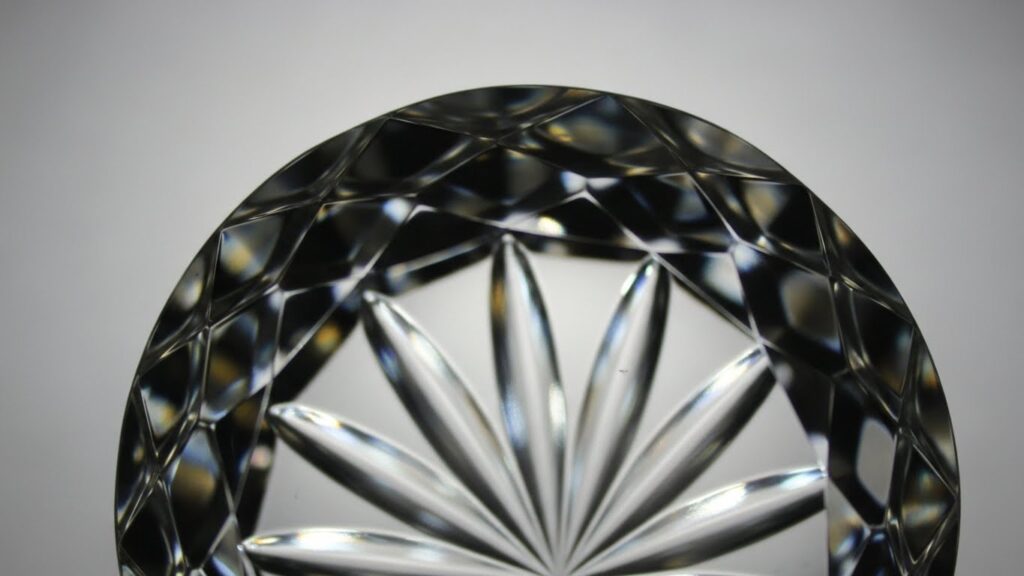
At its core, a bevel is a surface that meets another surface at any angle other than 90 degrees. It is an intentional slope created by cutting, grinding, or molding the edge or face of a material. Unlike a chamfer, which is often a simple, flat cut to remove a sharp corner, a bevel can be more complex and is frequently described by its angle or width. Think of the long, sloping edge of a wood chisel or the angled face of a gemstone. That is a bevel in its purest form.
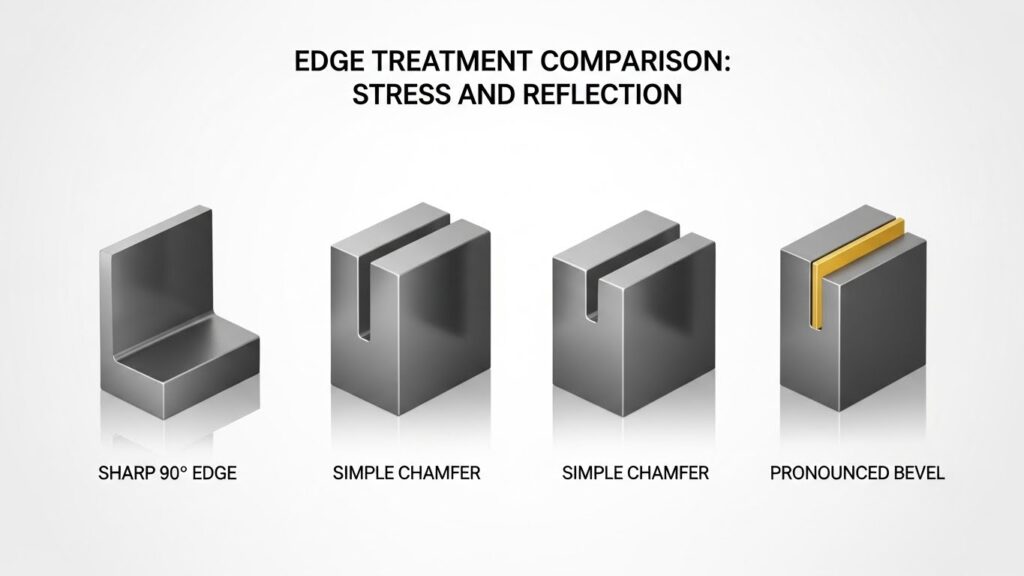
This angled transition serves multiple masters. Primarily, it is a functional guardian against wear and injury. A sharp, 90-degree corner is a point of high stress, prone to chipping, cracking, and snagging. It’s also a hazard to human touch. By introducing a bevel, designers and craftsmen distribute stress more evenly, increase durability, and create a safer, more comfortable interface for hands and bodies. But from this practicality, beauty inevitably emerges. The bevel catches light differently than a flat surface, creating dynamic lines, highlights, and shadows that give an object depth, definition, and a refined profile.
A Slice Through History: The Bevel’s Enduring Legacy
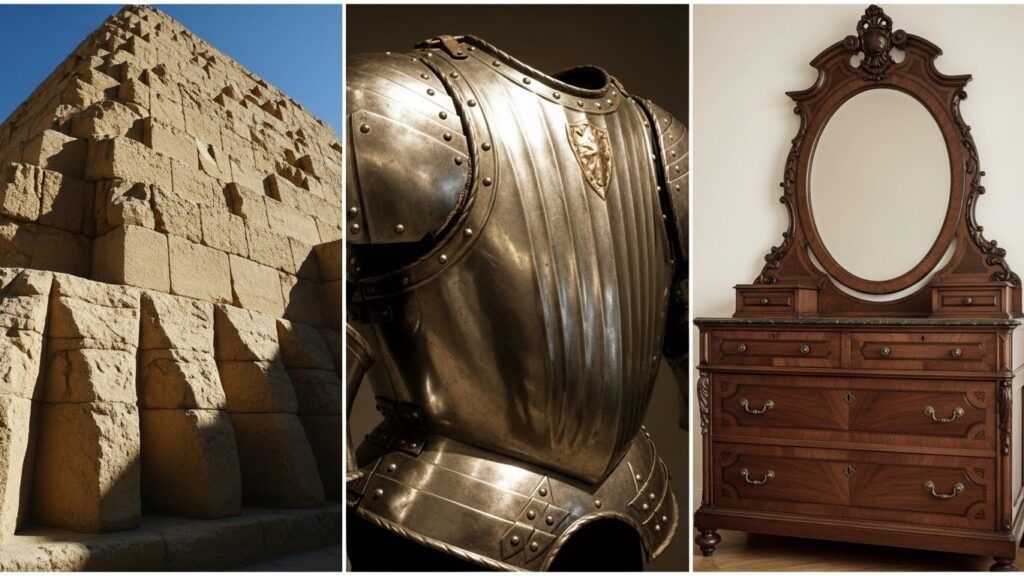
The bevel is no modern invention. Its history is etched into stone and forged in metal. Ancient stonemasons used primitive beveling techniques to dress the edges of building blocks, making them easier to handle and fit together. In medieval armor, bevelled plates were crucial for deflecting blows—a literal application of the angle for survival. The principle was simple: an angled surface can redirect force more effectively than a flat one taking a direct hit.
The bevel truly came into its own during the Industrial Revolution and the Arts & Crafts movement. With the advent of precise machining, beveled edges became a hallmark of quality and craftsmanship. In furniture, bevels on table edges, mirror frames, and cabinet doors prevented splintering and added a finished look. In glassmaking, the bevel evolved from a functional necessity for strengthening window panes to an art form in stained glass and decorative mirrors, where broad, polished bevels refracted light into rainbows.
This historical journey establishes the bevel as a timeless bridge between the need for resilience and the desire for refinement. It proved that what makes an object last longer often also makes it more pleasing to the eye.
Bevels in the Built World: Architecture and Interiors
Step into the realm of architecture and interior design, and the beveled surface becomes a powerful, though often understated, compositional tool. It manipulates light, defines space, and guides movement. Consider the humble baseboard or crown molding: often featuring a beveled profile, these elements create a visual transition between wall and floor or wall and ceiling, softening the hard lines of a room and adding shadow lines that enhance architectural depth.
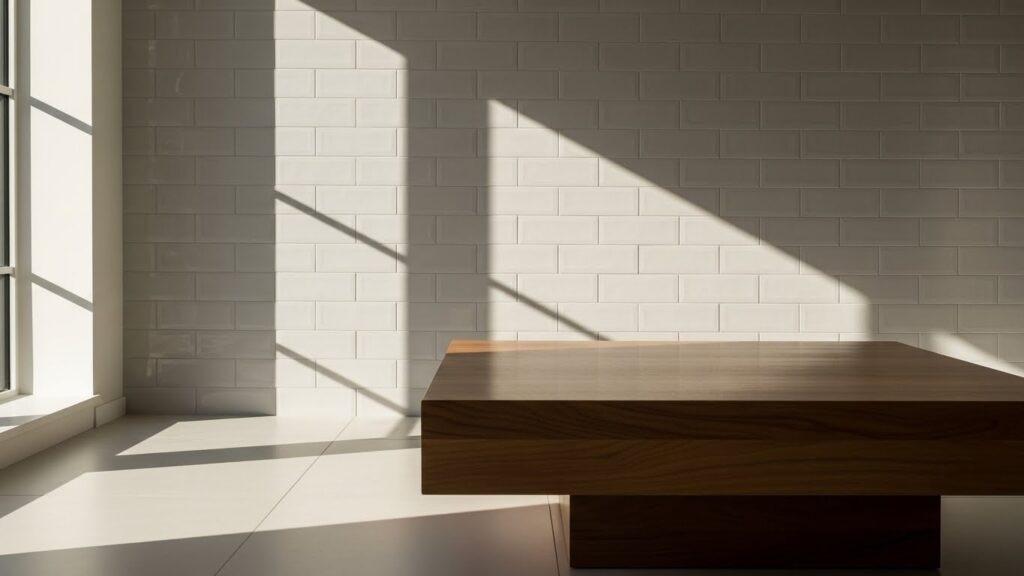
On a larger scale, beveled edges are critical in cladding and tiling. Beveled subway tiles, for instance, create a classic, shadow-lined grid that flat tiles cannot achieve. In modern architecture, bevels on concrete forms or metal panels break up monolithic facades, playing with light and shadow throughout the day to give buildings a dynamic, changing character. Even in urban design, beveled curbs are not just for aesthetics; they provide a gradual incline for accessibility, wheelchairs, and carts, demonstrating the bevel’s inherent user-centric design.
In furniture, the bevel is ubiquitous. It’s the comfortable edge on your dining table, the refined detail on a drawer front, and the safety feature on a child’s bed frame. It turns a plain slab of wood or stone into a considered, inviting object.
The Digital Bevel: From Skeuomorphism to Flat Design 2.0
The transition of the bevel into the digital realm is a fascinating chapter in its story. In the early days of graphical user interfaces, skeuomorphism was king. Designers used heavy bevels, gradients, and drop shadows to make buttons, icons, and windows look like their physical counterparts—clickable, pressable, tangible. The bevel here was a visual language teaching users how to interact with a new, virtual world.
The flat design revolution that followed largely rejected these realistic textures in favor of minimal, two-dimensional shapes and bold color. But pure flat design often suffered from a lack of visual hierarchy and affordance (clues about how an element functions). Enter Flat Design 2.0 or “semi-flat” design. The bevel has made a subtle comeback, not as a faux plastic ridge, but as a delicate use of micro-shadows and angled gradients. A slight, internal bevel on a data card or a tiny angle on a icon’s edge creates just enough depth to separate elements and suggest interactivity without abandoning a clean, modern aesthetic. The digital bevel evolved from imitation to abstraction, retaining its core function of guidance and definition.

Beyond the Edge: Bevels in Typography and Product Design
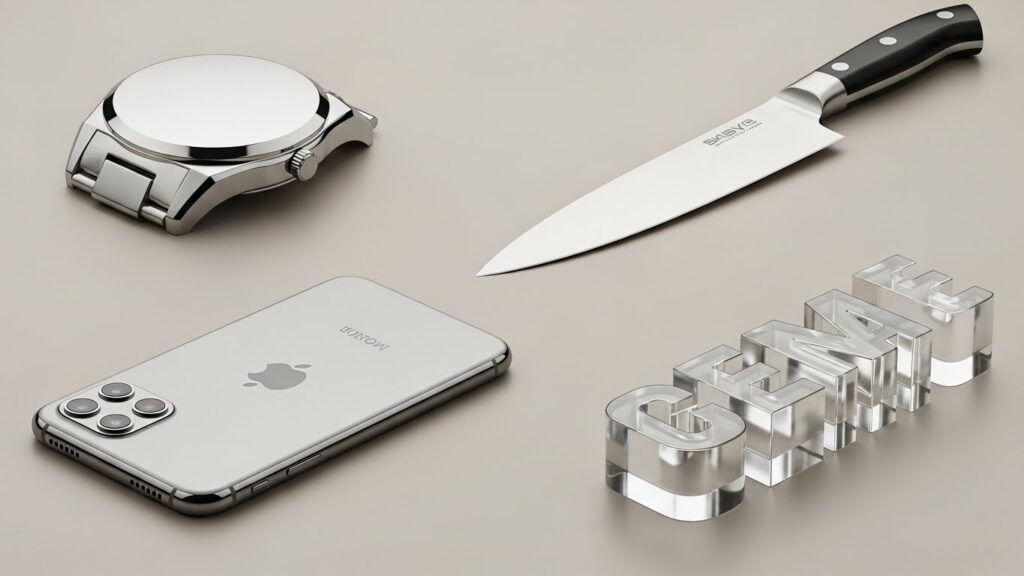
The influence of the bevel extends into surprising corners of design. In typography, beveled letterforms—whether in stone carving, metal type, or digital fonts—use angled planes to create dramatic interplay with light, lending weight and dimension to words. A beveled font on a monument feels eternal and solid; a beveled logo can appear sleek and metallic.
In product design, the bevel is engineering made visible. The angled edge on a smartphone frame isn’t just for looks; it improves grip, reduces perceived thickness, and houses antennas. The bevel on a kitchen knife blade is fundamental to its cutting geometry. On tools, from wrenches to gaming controllers, bevels ensure ergonomic fit and prevent discomfort during prolonged use. Even in packaging, a beveled edge on a box can make it easier to open and less likely to crush.
This proliferation reveals a universal truth: the bevel is a multidisciplinary problem-solver. It answers questions of durability, safety, ergonomics, and manufacturing, all while offering a visual vocabulary for sophistication and intention.
Why the Bevel Endures: A Conclusion on Angles and Intention
From the pyramids to the iPhone, the beveled surface has maintained its relevance across millennia and mediums. Its endurance is a testament to a powerful design principle: the most effective solutions are often those that seamlessly marry form and function. The bevel is never merely decorative; its decoration is a direct byproduct of its practical duty to strengthen, safe-guard, and facilitate.
As you move through your day, start to notice the angled textures throughout your environment. Feel the bevel on your desk, see it in the architecture of your city, and recognize its digital ghost in the apps you use. This simple, slanted plane is a fundamental grammar in the language of design. It reminds us that in the intersection of two planes lies an opportunity—not for a harsh break, but for a considered transition. The bevel teaches us that sometimes, the most impactful detail is the one that softens the edge, catches the light, and guides the hand.