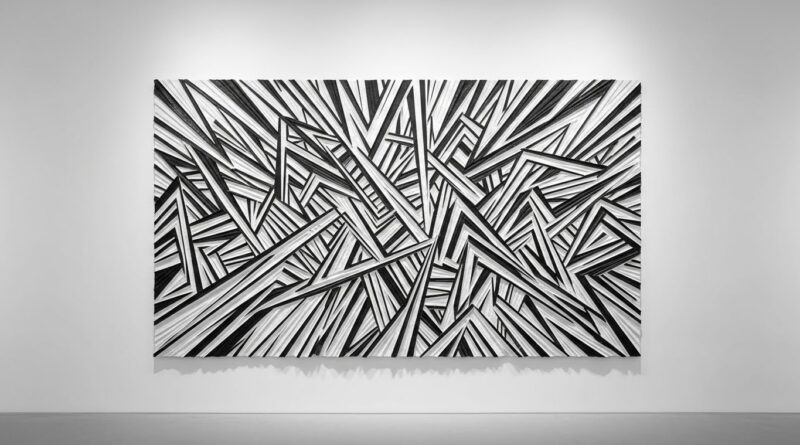
Razored Surface: Blade-Created Texture
In a world increasingly dominated by digital perfection and smooth, seamless finishes, there exists a powerful counter-movement. It is a language of rawness, history, and visceral impact spoken not with pixels, but with the deliberate scrape of a blade. This is the world of the razored surface—a textural realm where knives, scalpels, and gouges are not tools of destruction, but of profound creation. More than just a mark, a blade-created texture tells a story of process, force, and material conversation. It invites the eye to trace its grooves and the mind to imagine the hand that made them. This blog post delves into the compelling aesthetic of razored surfaces, exploring their applications from fine art to interior design and uncovering why this aggressive technique yields such uniquely beautiful results.
The Allure of the Imperfect: Why We Crave Tactile Depth
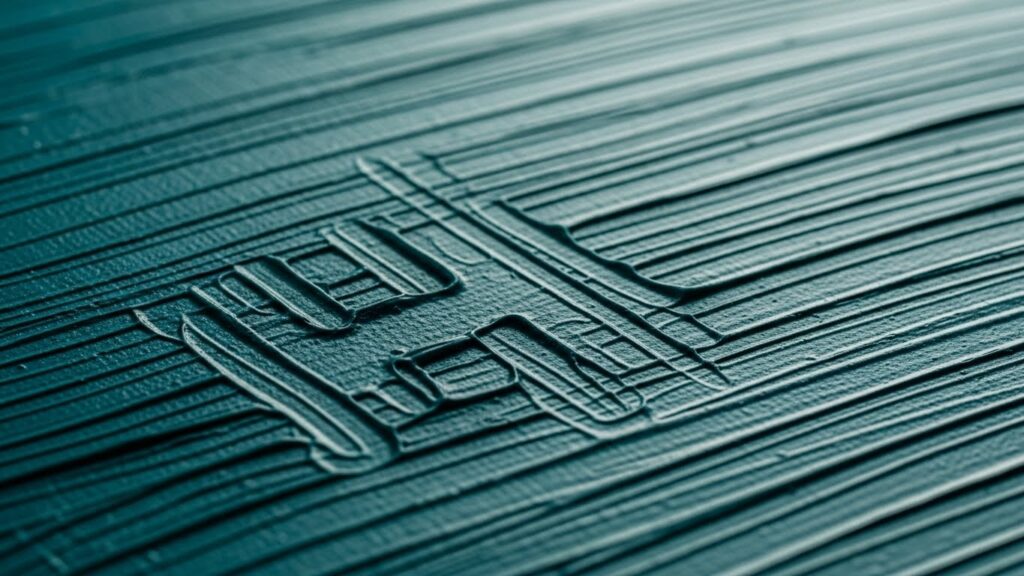
Human perception is inherently multisensory. While a glossy, flat surface may please the eye initially, it often leaves the sense of touch—and by extension, emotional connection—starved. A razored surface, with its complex topography of peaks and valleys, engages us on a deeper level. It creates a dance of light and shadow that changes with perspective, making a static object feel alive. This texture speaks of authenticity and humanity; it bears the unmistakable evidence of the artist’s hand, a quality often lost in mass-produced items. In design psychology, such textures can ground a space, add weight and history to a new object, and create a focal point that demands closer inspection. They satisfy a fundamental craving for the real, the aged, and the storied in our environments.
Tools of the Trade: Beyond the Razor Blade
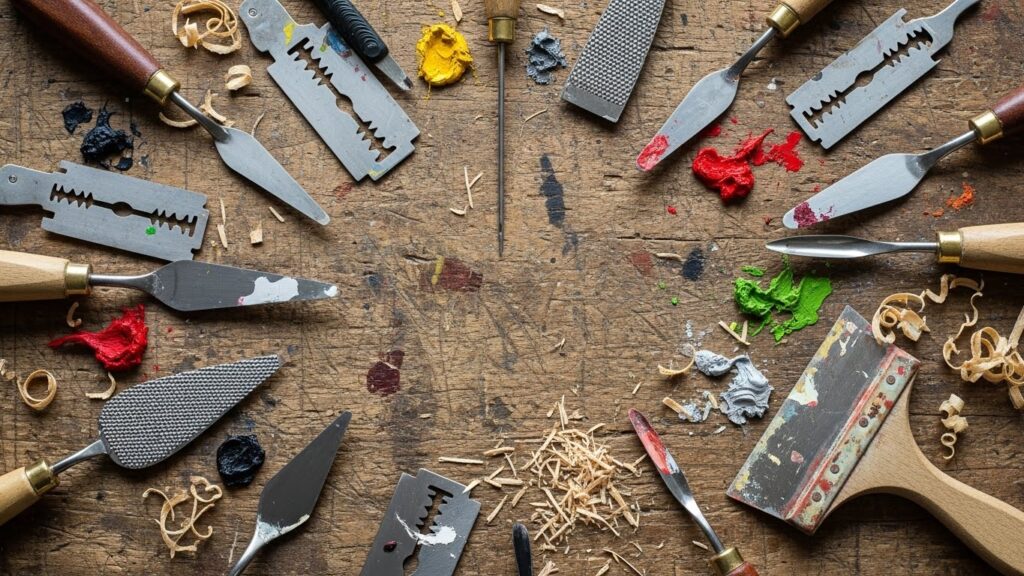
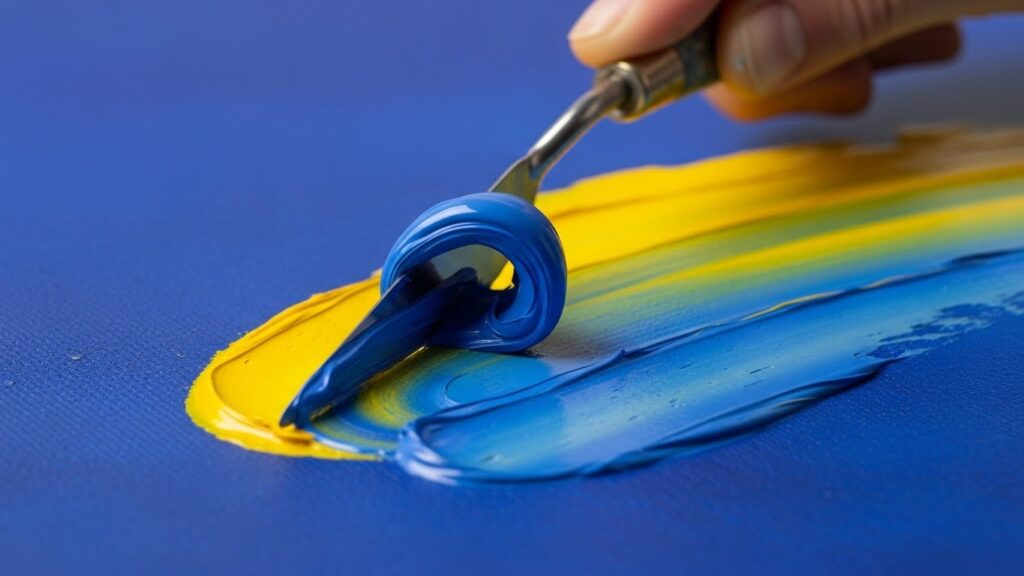
While the term “razored” evokes a specific tool, the technique encompasses a family of sharp implements, each imparting its own signature. The classic utility blade or matte knife offers precision for fine lines and controlled scraping. Painters’ palette knives, with their varied flexible steel shapes, can carve, spread, and lift material to create broader, more expressive gestures. In printmaking, drypoint needles scratch directly into metal or acrylic plates. For woodworkers, gouges and draw knives remove material in controlled chips and curls. Even humble tools like broken pottery shards or custom-notched scrapers can be employed. The key is the interaction between the blade’s edge and the material’s resistance. The choice of tool—its sharpness, width, and flexibility—directly dictates the character of the final texture, from hair-thin scratches to deep, rugged furrows.
Materials That Hold a Scar: Choosing Your Canvas
Not every surface is receptive to a blade’s call. The material must possess a certain plasticity or fragility to be carved cleanly, yet enough cohesion to hold its new form. Heavy-body acrylic paints are a quintessential choice for artists; when built up in impasto layers, they can be cut into at various stages of drying to reveal underlying colors. Oil paints, with their long open time, allow for reworking and subtle scraping. Plaster, clay, and thick paper are also excellent, forgiving substrates. In the realm of interiors, specialized textured plasters and wall compounds are designed to be troweled and then carved back into. Even soft woods like basswood or pine can be selectively scored to create linear patterns. The experimentation lies in timing—cutting into a material when it is leather-hard versus bone-dry yields radically different results, from smooth curls to explosive, fractured edges.
Techniques and Gestures: From Precision to Chaos
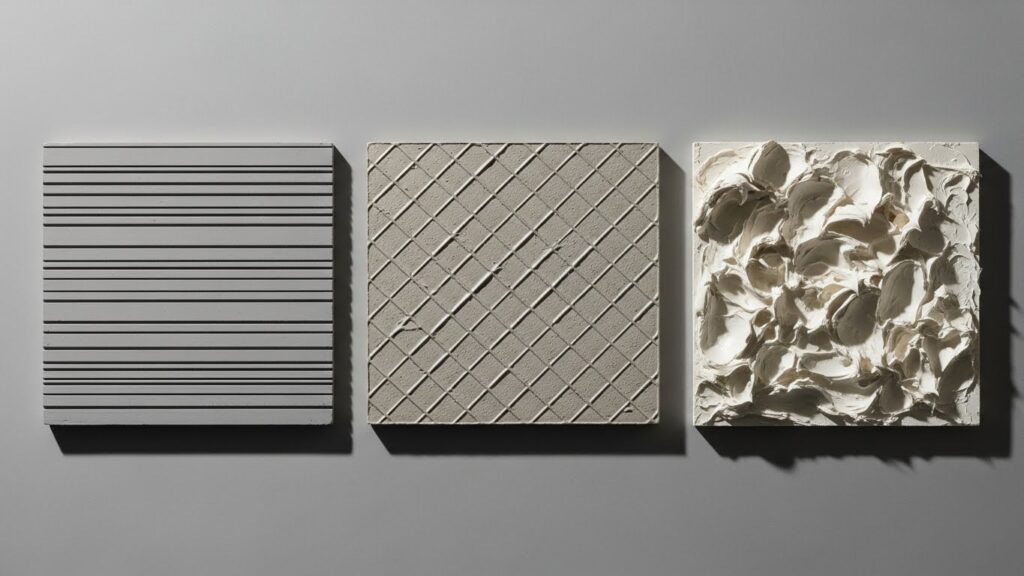
The method behind the mark is where intent transforms into expression. Controlled, parallel lines can create a sense of order, rhythm, or directionality, mimicking natural formations like striated rock or flowing water. Cross-hatching with a blade builds density and shadow, a technique borrowed from drawing. More aggressive, randomized gouging can evoke erosion, decay, or raw emotional energy, reminiscent of a geologist’s core sample or an ancient, weathered wall. Artists often combine techniques: broad areas may be scraped back to a smooth underlayer, while focal points are built up and intricately carved. The pressure, angle, and speed of the blade all contribute to the narrative. A slow, deliberate pull creates a clean groove, while a quick, jagged motion results in a more violent, expressive mark.
Razored Surfaces in Contemporary Art
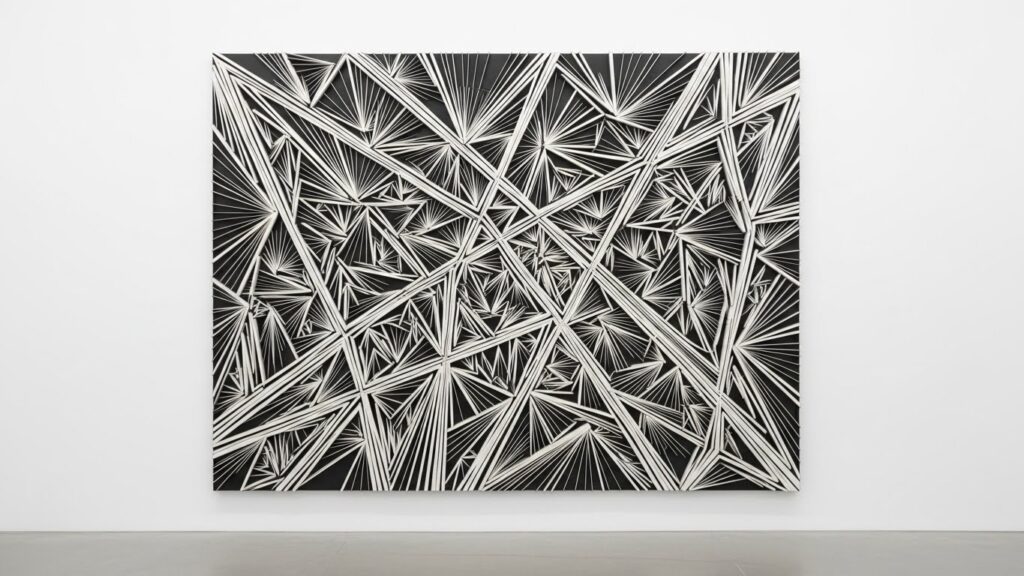
Many contemporary artists have embraced blade-created texture as a central element of their visual language. Artists like Frank Auerbach and Leon Kossoff used thick impasto, scraped and reworked over time, to build haunting, visceral portraits and cityscapes that are as much about the history of their own making as the subject. Abstract expressionists used palette knives to carve through paint, seeking raw, immediate gesture. Today, mixed-media artists might razor into layered maps, books, or posters, using the act of cutting to reveal hidden texts or comment on erosion of memory. The razored surface in art moves beyond mere decoration; it becomes a record of time, labor, and physical struggle with the material, offering a tangible connection to the artist’s process that is compelling and immediate.
Bringing the Edge into Interior and Product Design
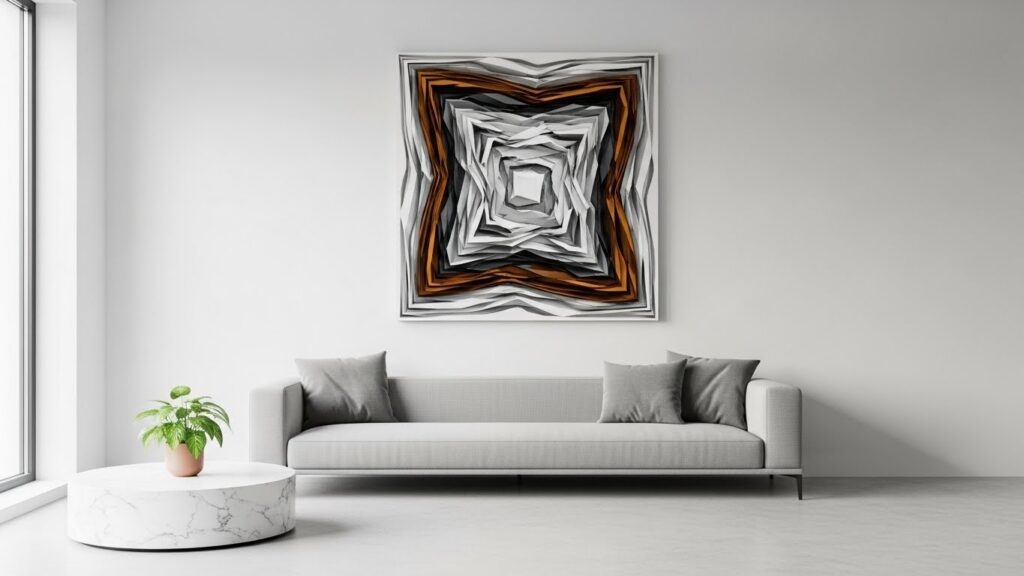
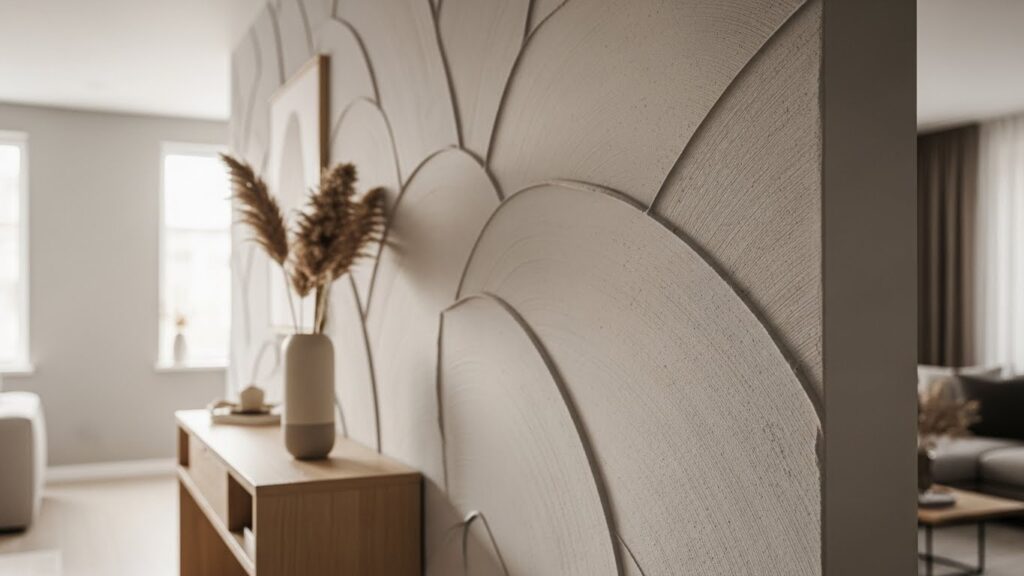
The power of the razored surface has transcended the canvas and entered our living spaces and objects. In interior design, feature walls finished in trowel-applied and blade-textured plaster are a bold alternative to paint or wallpaper. They add unparalleled depth and sensory interest, changing mood with the daylight. Furniture designers incorporate blade-scored details into wooden tabletops or cabinet fronts, creating subtle linear patterns that catch the light. Even in product design, we see influences—ceramic vases with carved, grooved surfaces, or decorative objects cast from molds taken of razored originals. This application brings an artisanal, one-of-a-kind feel into functional items, countering the sterility of factory-perfect finishes and fostering a deeper appreciation for the handmade.
DIY: Exploring Razored Textures Safely and Creatively
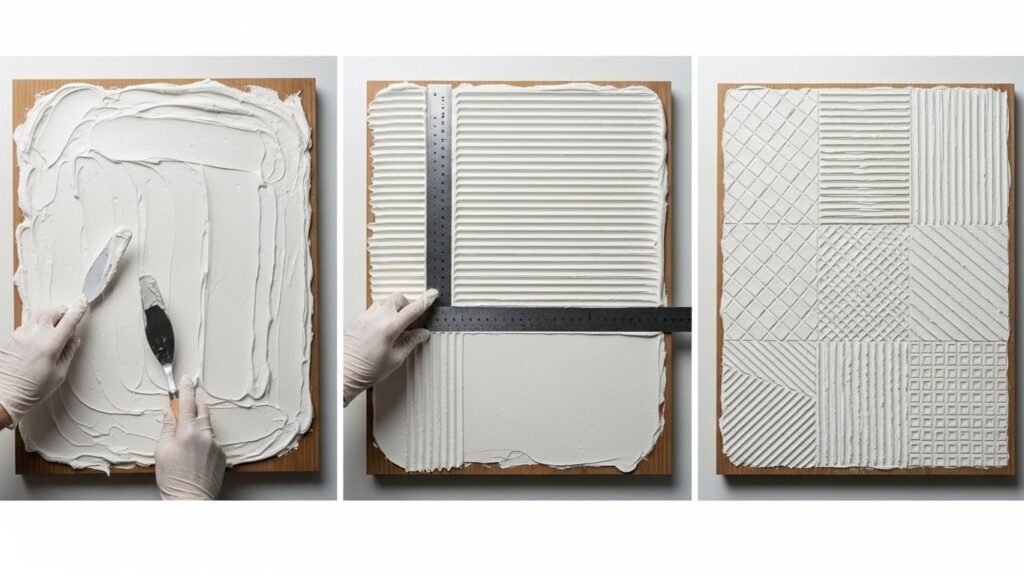
Engaging with this technique is accessible to anyone willing to experiment. Start with simple, safe materials. Apply heavy-body acrylic gel or modeling paste onto a sturdy panel or canvas board with a palette knife. Build up a layer at least 1/4-inch thick. Allow it to dry to a leather-hard state (tacky but not wet). Then, using a variety of tools—always cutting away from your body—begin to explore. Try a comb for parallel lines, a nail for dots, or a piece of cardboard for broad scrapes. Let sections dry fully and add more layers, carving into them to reveal colors beneath. The key is to embrace accident and iteration. Wear a cut-resistant glove if needed, and always secure your working surface. Your first experiments are not about creating a masterpiece, but about learning the conversation between your hand, the blade, and the material.
The Lasting Cut: The Emotional Resonance of Texture
Ultimately, the enduring appeal of the razored surface lies in its power to evoke feeling and memory. It can feel ancient or urgently contemporary. It can suggest landscapes carved by wind and water, the archeological layers of a city, or the emotional scars and triumphs of a life lived. In a tactile sense, it returns a sense of humanity and craft to our objects and spaces. It reminds us that beauty is not synonymous with flawlessness, but can be found in the evidence of making, in the courageous mark, and in the rich, shadow-filled stories that only a blade can tell. As we move forward in design and art, the razored surface stands as a potent testament to the value of the imperfect, the hand-wrought, and the deeply, physically real.


