Point-Cut Surface: V-Shaped Texture Throughout
In the realms of architecture, interior design, and industrial fabrication, texture is more than a visual detail—it’s a functional language. Among the diverse lexicon of surface finishes, one technique stands out for its distinctive character and multifaceted utility: the point-cut surface. Characterized by a consistent, rugged landscape of V-shaped grooves carved throughout the material, this finish is a powerhouse of practicality and style. But what exactly is it, where is it used, and why should you consider it for your next project? This definitive guide dives deep into the world of point-cut texture, exploring its creation, benefits, and transformative applications.
What is a Point-Cut Surface?
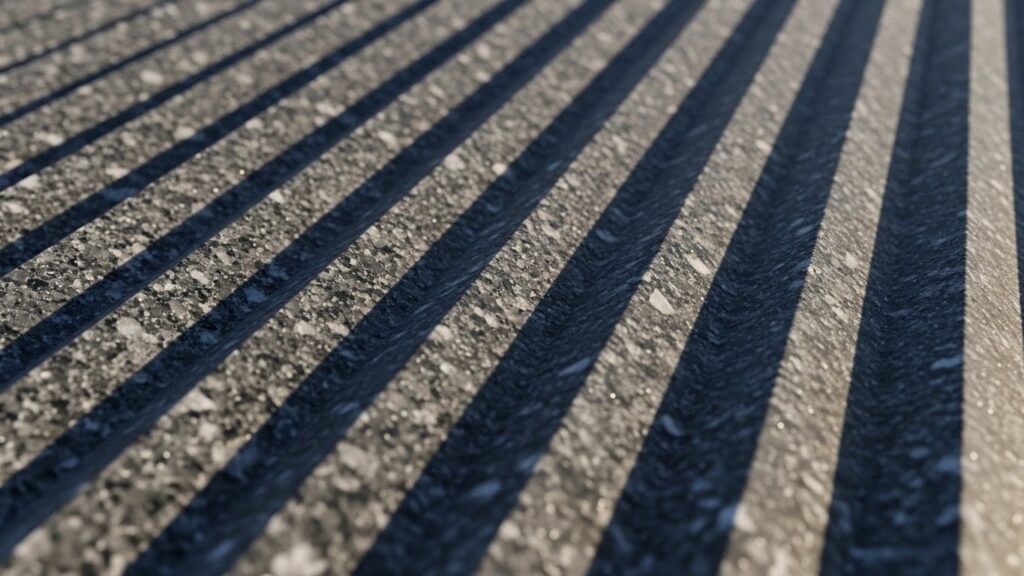
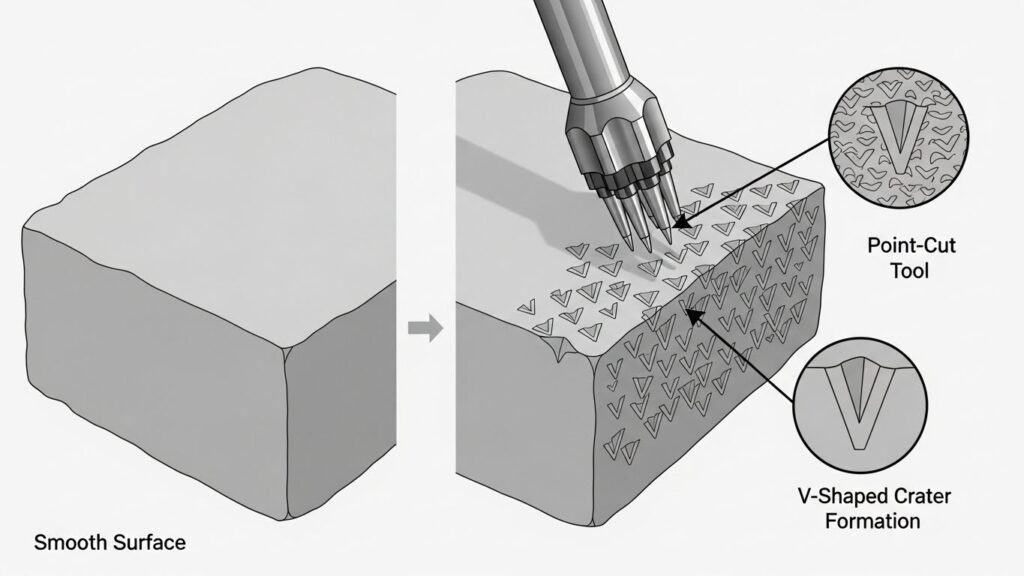
At its core, a point-cut surface is a mechanical finish achieved by systematically striking the material with a pointed tool. Unlike random bush-hammering or smooth polishing, this process is controlled and uniform. Each impact from the multi-pointed chisel or machine head fractures the surface, removing small chips of material and leaving behind a precise, pyramidal indentations. When these indentations are applied densely and consistently across the entire surface, they create the signature “V-shaped texture throughout.” The result is a surface that is aggressively tactile, highly slip-resistant, and rich with shadow-play that changes dynamically with the light.
The key differentiator is the “throughout” aspect. This isn’t an accent texture applied to edges or sections; it is a comprehensive treatment that defines the entire plane. The angle and depth of the “V” can vary based on the tool used and the desired outcome, ranging from a subtle, fine grain to a deep, dramatic quarry-like finish.
The Anatomy of the “V”: How Point-Cut Texture is Created
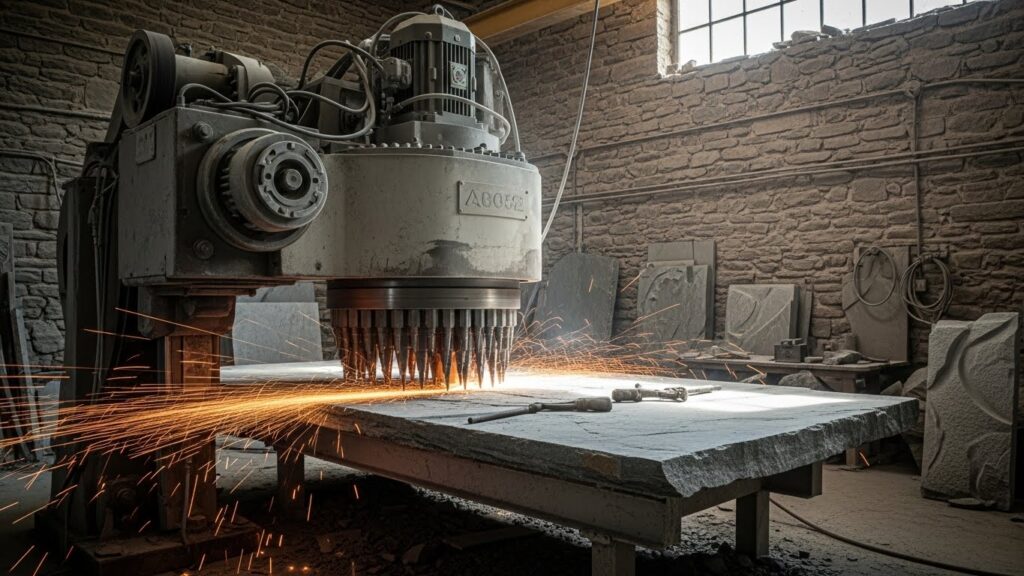
The creation of a point-cut surface is a blend of force and precision. Traditionally, this was a manual process using a point chisel—a mason’s tool with a sharp, pointed end. The craftsman would methodically strike the stone, controlling the spacing and depth to create a uniform pattern. Today, while hand-work is still valued for custom or restoration projects, the finish is predominantly achieved with automated machinery.
Modern point-cutting machines are equipped with rotating heads studded with arrays of hardened steel points. As the head spins and traverses the material—be it granite, concrete, or certain metals—the points percussively fracture the surface. The machine’s speed, pressure, and point configuration are all calibrated to produce the exact depth and density of texture required. This mechanization ensures remarkable consistency, even over large surface areas like pavers, cladding panels, or monumental steps.
Why Choose a V-Shaped Texture? The Unmatched Benefits
The widespread use of point-cut surfaces across industries is no accident. It delivers a compelling suite of benefits that address both functional needs and design aspirations.
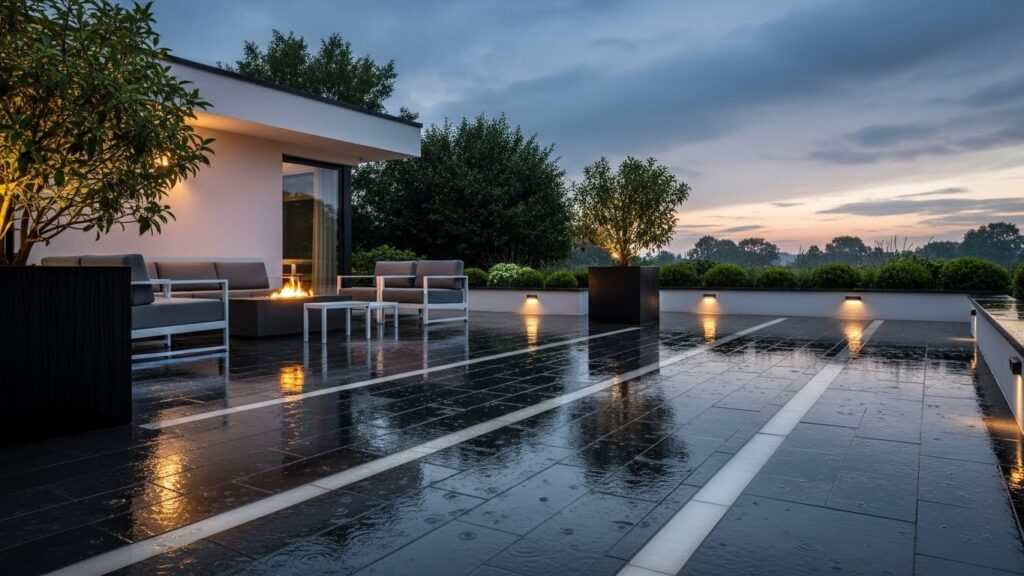
Superior Slip Resistance: This is the foremost functional advantage. The intricate network of V-grooves acts like countless tiny channels, disrupting water films and providing exceptional grip underfoot. This makes it an indispensable choice for wet areas like pool decks, public plazas, stair treads, and commercial kitchens, where safety is paramount.
Durability and Camouflage: The textured surface is exceptionally forgiving. Minor scratches, wear, or weathering are naturally concealed within the complex pattern, allowing the material to maintain its aesthetic integrity over decades with minimal visible aging. It also helps hide dirt and stains better than a smooth, polished surface.
Visual and Tactile Interest: Point-cutting adds a layer of raw, earthy sophistication. It provides a matte, non-reflective finish that absorbs light, giving materials a solid, grounded appearance. The play of light and shadow across the V-grooves creates a dynamic visual that changes throughout the day, adding depth and character to any space.
Versatility: This finish is not limited to one material. While most common on natural stone (granite, limestone, bluestone) and concrete, it can also be applied to brick and certain metals. It works in traditional, rustic, and starkly modern contexts alike.
Applications in Design and Architecture
The point-cut surface finds its home in a vast array of applications, bridging the gap between heavy-duty infrastructure and high-end design.
Landscaping and Hardscaping: This is perhaps its most natural habitat. Point-cut pavers and stepping stones are used for pathways, driveways, and patios. Retaining wall blocks and garden edging with this finish blend durability with natural aesthetics. Its slip resistance is crucial around pools and water features.
Commercial and Public Spaces: For high-traffic areas like train station platforms, museum entrances, stadium stairs, and shopping mall floors, point-cut stone or concrete offers the perfect marriage of safety, low maintenance, and visual weight. It signals permanence and can handle immense foot traffic.
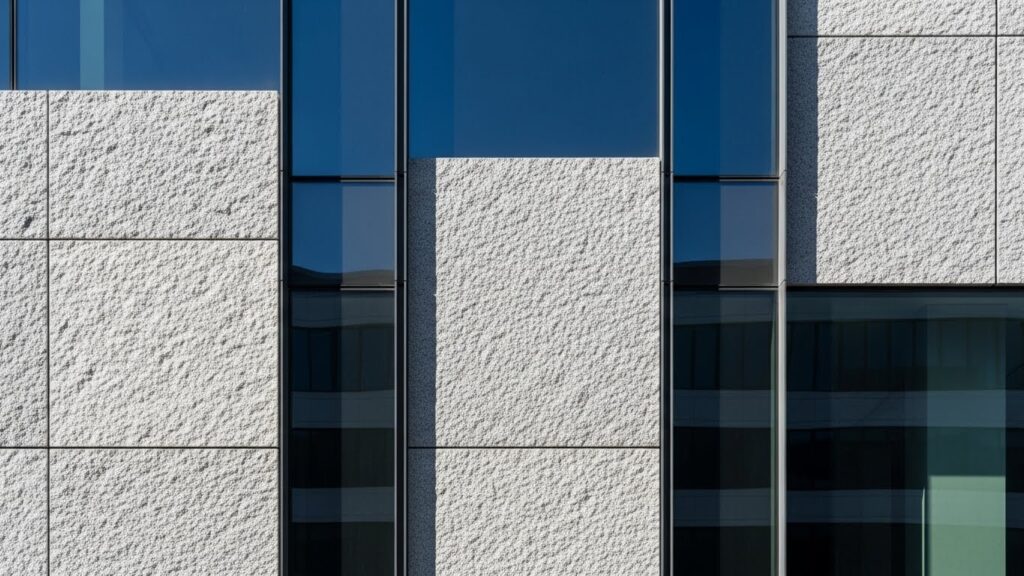
Architectural Cladding and Facades: On building exteriors, point-cut panels break up large monolithic surfaces, adding texture and reducing glare. The finish can give a building a tactile, crafted quality, contrasting beautifully with glass and smooth metal elements.
Interior Design Accents: While less common in full interior floors due to its roughness, point-cut finishes are brilliantly used on feature walls, fireplace surrounds, and kitchen splashbacks. It brings an organic, tactile element indoors, creating a powerful focal point.
Point-Cut vs. Other Stone Finishes
Understanding point-cut means seeing it in context with other common finishes.
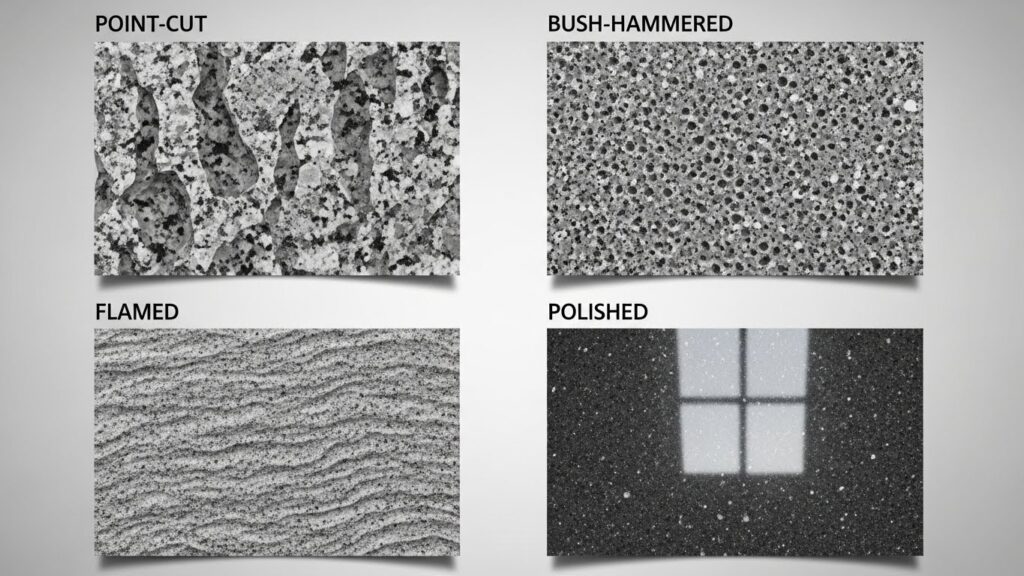
Point-Cut vs. Bush-Hammered: Bush-hammering uses a tool with a grid of flat points, creating a more pitted, uniformly rough surface with small, flat-bottomed craters. Point-cut creates sharper, defined V-grooves, often resulting in a more patterned and less aggressively rough texture.
Point-Cut vs. Flamed: Flaming involves applying a high-temperature torch to the stone, causing crystals to pop and creating a rough, crystalline texture. It’s slip-resistant but often less uniform and more brittle on the surface than point-cut, which is a mechanical, subtractive process.
Point-Cut vs. Honed or Polished: This is the starkest contrast. Honed and polished finishes are smooth, reflective, and sleek. They highlight the stone’s color and veining but offer minimal slip resistance. Point-cut subdues the stone’s color but amplifies its tactile and shadowy qualities, prioritizing function and a matte aesthetic.
Specifying and Maintaining Point-Cut Surfaces
If you’re convinced of its merits, specifying a point-cut surface requires some consideration. Discuss the desired groove depth and spacing with your fabricator or supplier. Sample panels are crucial to ensure the final texture matches your vision for the project context.
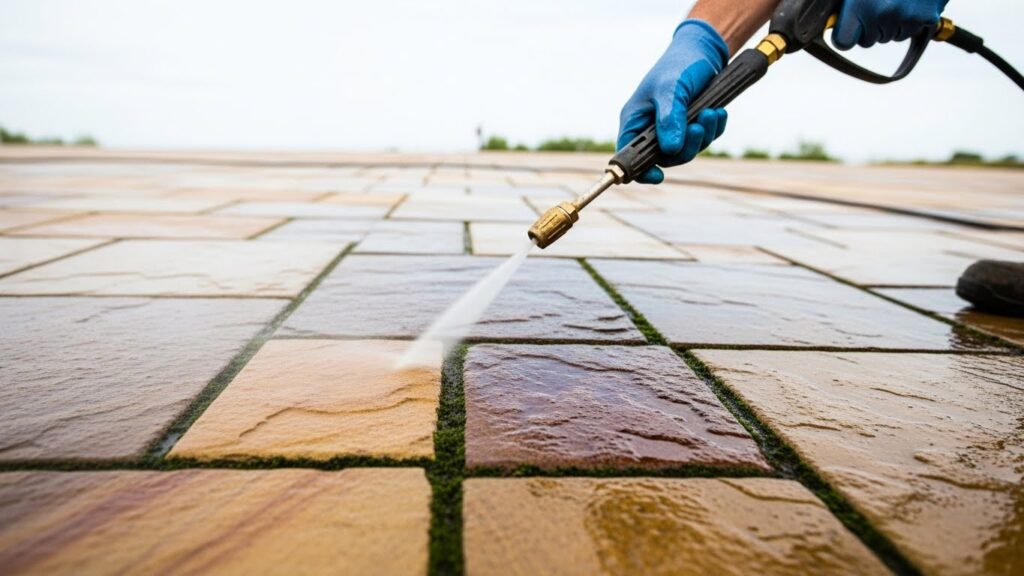
Maintenance is straightforward but important. The textured surface can trap dirt in its grooves. Regular sweeping and occasional washing with a pressure washer (on a moderate setting) are typically sufficient. For interior applications or to enhance color, a penetrating sealer designed for textured stone can be used, though it may slightly reduce the starkness of the texture.
Pro Tip: Always request a “test area” or sample installation in an inconspicuous spot, especially for large projects. This allows you to see the texture at scale and in the actual lighting conditions before committing.
Conclusion: The Enduring Appeal of Crafted Texture
In a world increasingly dominated by smooth, digital surfaces, the point-cut finish stands as a testament to the power of physical texture. It is a finish that you don’t just see—you feel with your eyes and your hands. Its V-shaped texture throughout is more than a pattern; it is a functional solution for safety, a strategic choice for longevity, and a profound design statement that connects built environments to the raw, crafted essence of material.
Whether specifying a public infrastructure project, designing a serene landscape, or seeking a bold interior accent, consider the point-cut surface. It offers a unique dialogue between human craftsmanship, material nature, and functional demand—a dialogue that continues to shape resilient and captivating spaces around the globe.