The Worcester Shag: Massachusetts Central
Nestled in the heart of New England, Massachusetts is a tapestry of revolutionary history, academic prestige, and industrial innovation. But woven into its cultural fabric is a rhythm often overlooked by history books: the infectious, joyful beat of regional social dance. While many have heard of the Lindy Hop or the Jitterbug, far fewer know of a homegrown gem that once pulsed through the dance halls of Central Massachusetts. This is the story of the Worcester Shag, a distinctive swing dance that is as much a part of the region’s identity as the Worcester Art Museum or a diner coffee cup.

Roots in the Rhythm: The Origins of a Regional Style
The story of the Worcester Shag begins in the broader context of the “Shag” family of dances. Originating in the American South, Shag dances are generally characterized by a relaxed, shuffling footwork and a close, rhythmic connection between partners. As big band swing music swept the nation in the 1930s and 40s, regional variations exploded. In the Carolinas, the Carolina Shag evolved with smooth, linear movements. Up north, Massachusetts dancers adapted the form to fit their own spaces, music preferences, and social styles.
The Worcester Shag solidified as its own entity in the dance halls, American Legion posts, and social clubs of Central Massachusetts. It was danced heavily to the music of popular big bands, often those with a strong, driving rhythm section. The dance was less about aerial acrobatics and more about intricate, fast footwork and a playful, bouncy connection. It was perfectly suited for the sometimes-crowded local venues, requiring less space than some of the more expansive swing styles but delivering no less energy.

Stepping It Out: Characteristics of the Worcester Shag
So, what makes the Worcester Shag unique? If you were to see it on a dance floor today, several key features would stand out. First is the distinctive posture and hold. Dancers stand relatively close, with a flexible, communicative frame that allows for rapid weight shifts and lead-follow signals. The overall feeling is upright yet relaxed, with a slight forward lean into the momentum.
The footwork is where the dance truly earns its name. It is built on a fast, triple-step rhythm (step-step-step) that creates a characteristic “shuffling” or “shagging” look. This is combined with a pronounced, rhythmic bounce that comes from the knees, giving the dance a joyful, buoyant quality. Unlike some swing dances that travel wildly across the floor, the Worcester Shag tends to be more stationary or move in a tight, circular pattern, making it ideal for packed dance floors. The turns are quick and compact, often involving underarm passes and quick spins that emphasize the partner connection and musical timing.

The Heart of the Community: Social Significance in Central MA
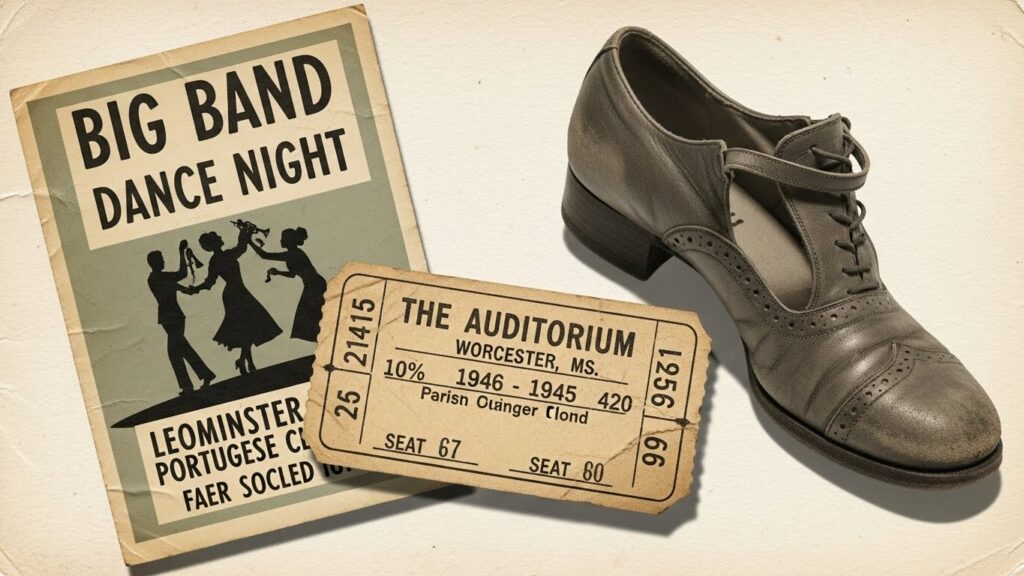
To understand the Worcester Shag is to understand post-war social life in Central Massachusetts. In cities like Worcester, Fitchburg, Leominster, and the smaller mill towns, the dance hall was a cornerstone of community. After a week of work in factories, shops, and offices, people would gather to socialize, court, and blow off steam to live music.
The Worcester Shag was the democratic dance of the people. It didn’t require formal lessons to start; you learned by watching, by being pulled onto the floor by an aunt or uncle, and by feeling the music. It was passed down through generations within families and social circles. Veterans halls, ethnic clubs, and large venues like the famous Worcester Memorial Auditorium thrummed with its rhythm. The dance was a great social equalizer, where skill and joy mattered more than background. It fostered a profound sense of local identity and pride—a Central Massachusetts signature in a world of national trends.
Fading Echoes and Modern Revival
Like many regional social traditions, the Worcester Shag saw a decline from the 1960s onward. The rise of rock and roll, changing social habits, and the closing of many classic dance halls led to a generation gap. The deep knowledge of the dance became concentrated among an older population, risking its disappearance into history.
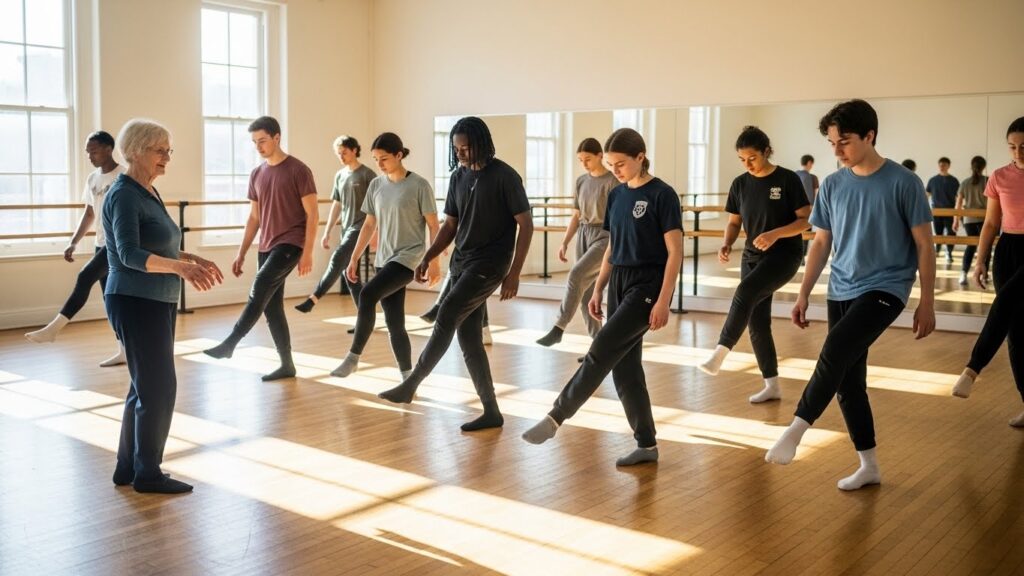
However, the story doesn’t end there. The past two decades have seen a dedicated revival effort by cultural historians and swing dance enthusiasts. Key figures, often the children and grandchildren of original shag dancers, have worked to document the steps, interview elder dancers, and host workshops. Organizations like the Boston Swing Central and local historical societies have played a role in bringing the Worcester Shag back to public awareness. These efforts ensure that the dance is not just a museum piece, but a living tradition being taught to new generations who appreciate its historical roots and sheer fun.
How to Experience the Worcester Shag Today
If this history has you tapping your feet, you might be wondering where you can experience the Worcester Shag for yourself. The revival scene, while niche, is active. Your best bet is to look for specialty swing dance events in New England that focus on regional styles. Some larger Lindy Hop exchanges in Boston or Providence may feature a “Shag track” or a workshop. Periodically, cultural events in Worcester itself, such as historical society celebrations or city festivals, will host demonstrations or beginner lessons.
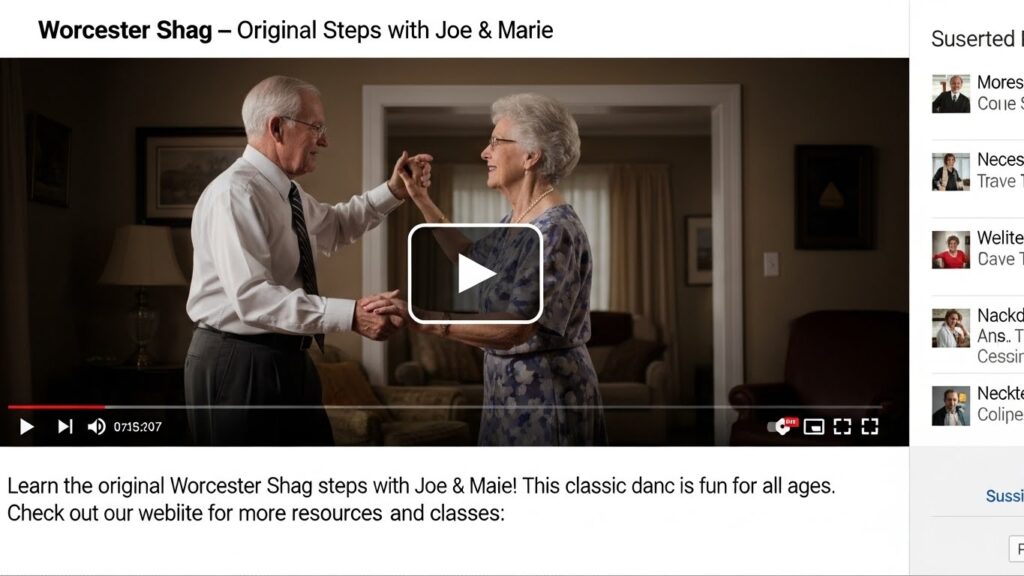
Online, the trail is easier to follow. Search for “Worcester Shag demonstrations” on video platforms, and you’ll find precious clips of original dancers and modern practitioners keeping the style alive. These resources are invaluable for capturing the precise bounce and rhythm that defines the dance. For the truly committed, reaching out to New England swing dance clubs directly can yield information on upcoming opportunities to learn.
A Living Step in History
The Worcester Shag is more than a forgotten dance. It is a kinetic memory of a specific time and place. It tells the story of Central Massachusetts’s industrial community at play, of courtship and camaraderie set to a swinging beat. In its quick triple-steps and joyful bounce, we hear the echoes of big band horns in local auditoriums and feel the collective energy of a community on the dance floor.
In preserving and reviving the Worcester Shag, we do more than save a set of steps; we honor a unique thread in the American cultural quilt. It stands as a testament to the creativity of everyday people, who took a national trend and made it unmistakably, proudly, their own. So next time you’re in Worcester, listen closely. Beneath the modern city sounds, you might just hear the persistent, happy shuffle of the Shag, a rhythm that remains, truly, Massachusetts Central.