
Textured Perimeter: Movement at the Edges
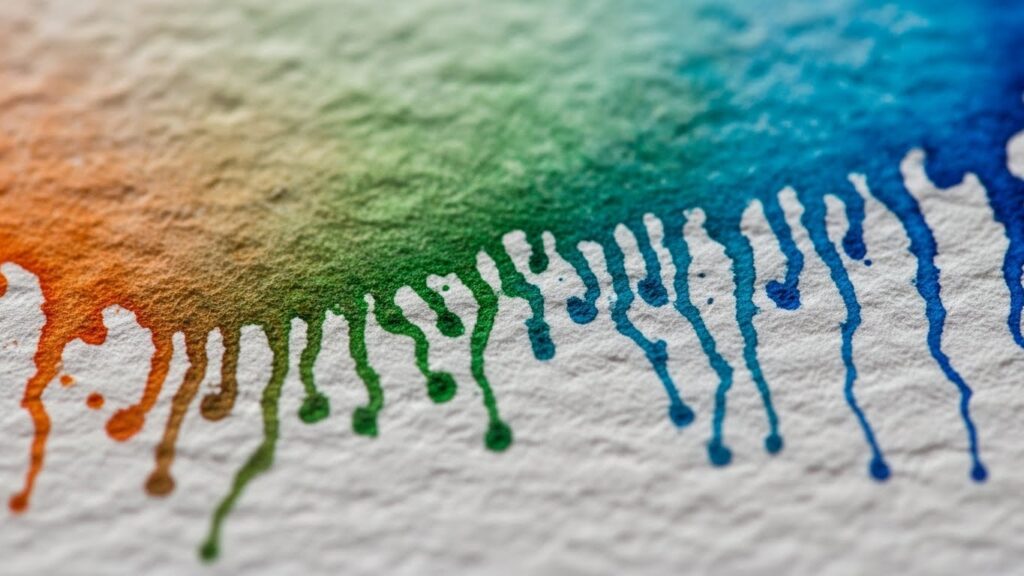
Where does true change occur? Is it in the solid, well-trodden center of a field, or is it out there, along the fraying, uncertain, and dynamic edges? Consider a drop of ink hitting a glass of water. The most fascinating action isn’t at the settled core, but at the ever-expanding, feathering perimeter where pigment meets clear liquid, creating intricate, unpredictable patterns. This is the realm of the textured perimeter: a space not of rigid borders, but of active, fertile, and transformative movement.
Beyond the Border: The Perimeter as an Active Interface
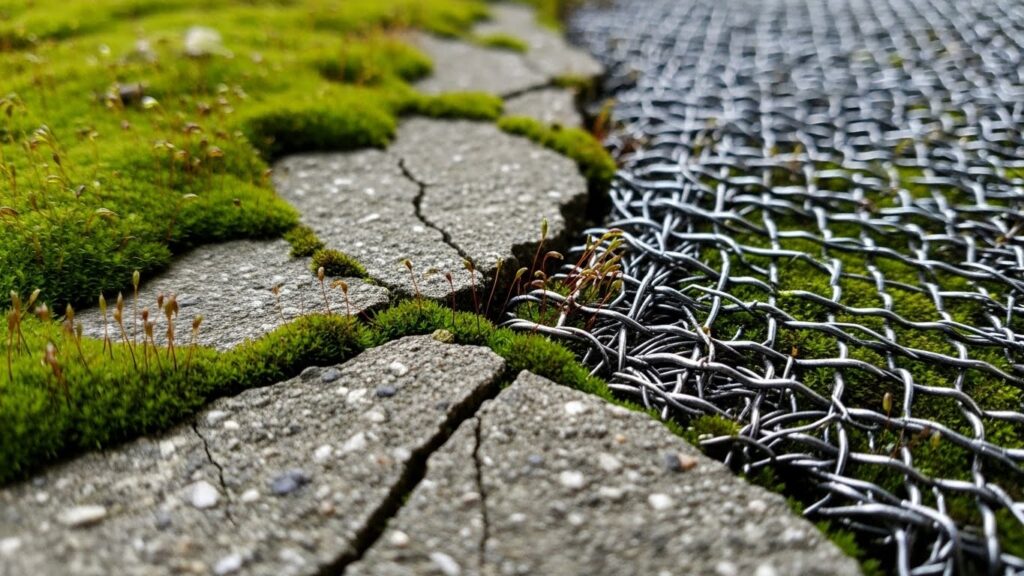
Traditionally, we think of edges as lines of separation. A fence marks the end of one property and the beginning of another. But in nature, design, and thought, edges are rarely so passive. Ecologists study ecotones—the transitional areas between ecosystems, like where a meadow becomes a forest. These zones are not barren dividers; they are often richer in species diversity and biological activity than either adjacent biome. The edge itself becomes a habitat, a zone of mixing and new creation.
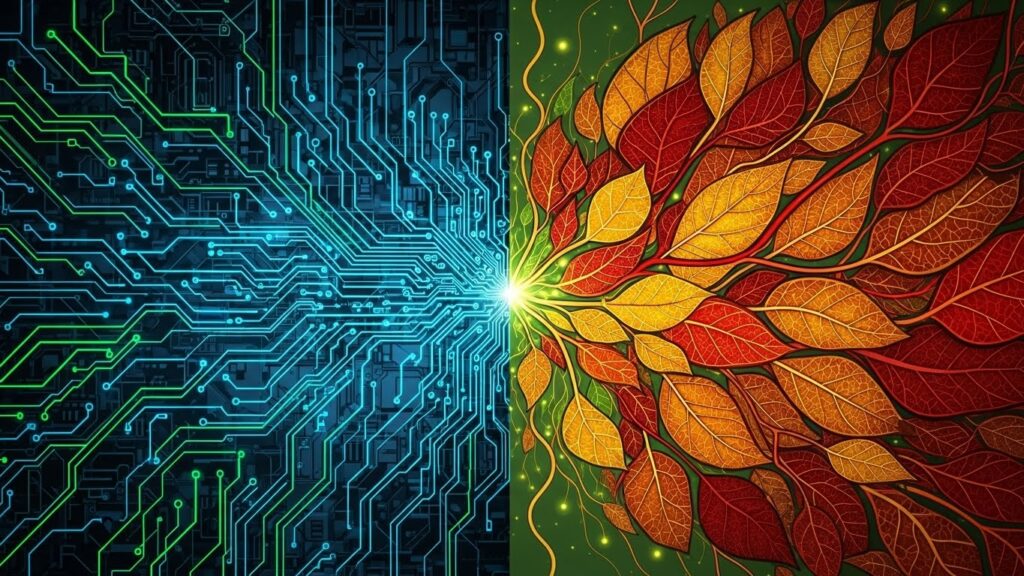
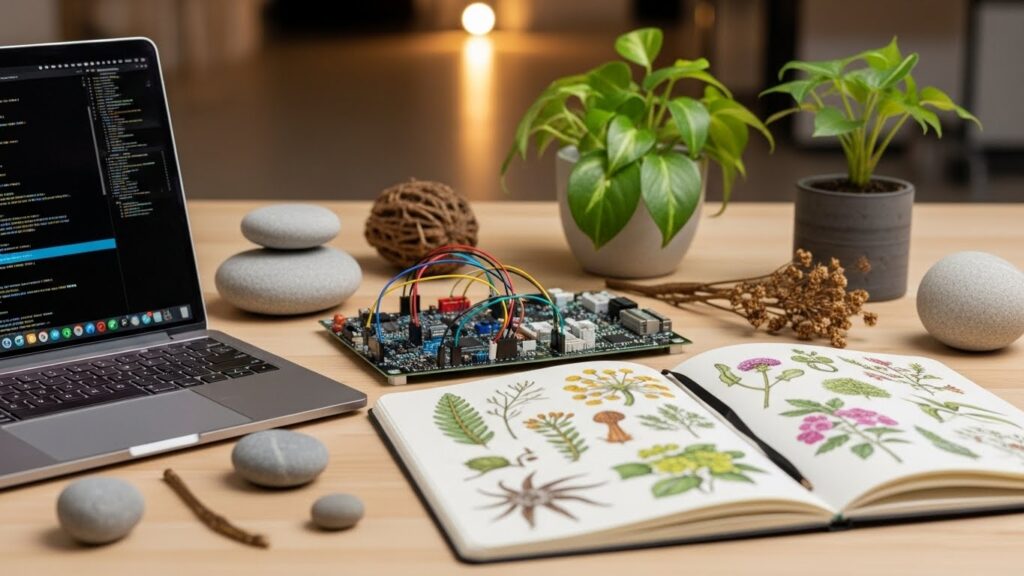
This principle applies directly to human creativity. The most groundbreaking ideas often emerge not from deep within a single specialty, but from the textured perimeter where it intersects with another. Consider bio-mimicry, where engineering meets biology. Or digital humanities, where data science collides with literary analysis. The perimeter here is not a wall but a membrane—semi-permeable, allowing for an exchange of energy and information that fuels movement and growth.
The Texture of Innovation: Why Rough Edges Matter
So what gives a perimeter its “texture”? Texture implies friction, variation, and tactile quality. A smooth, polished edge offers little purchase for change. But a rough, complex, or ambiguous edge? That’s where things get interesting. Texture creates points of contact and resistance. In a conversation, it’s the slight disagreement that deepens understanding. In material science, it’s the uneven surface that allows for adhesion. In culture, it’s the subversive art movement that challenges the mainstream, creating a dynamic cultural edge.
This textured friction is the engine of movement. When a startup challenges an industry giant, it operates at the textured perimeter of that market, leveraging agility and new technology to create movement where the center is slow and settled. When an artist uses a traditional medium in a radically new way, they are exploring the textured perimeter of that art form. The movement isn’t away from the edge, but along it, using its complexity as a landscape for exploration.
Movement at the Margins: A Strategy for Growth
Understanding the power of the textured perimeter offers a powerful strategy, whether you’re an artist, a leader, or a thinker. It encourages a shift in focus from defending the core to exploring the edges. This means actively seeking out intersections, welcoming collaborative friction, and being comfortable with the ambiguity that exists between defined categories.
Ask yourself: Where are the textured perimeters in my work or life? They might be:
The edge of your expertise: What field or skill adjacent to yours do you find intriguing but haven’t explored?
The boundary of your audience: Who is just outside your typical reach, and what are their needs?
The limit of your current process: Where does your workflow break down or become inefficient? That friction point is a perimeter ripe for innovation.
By consciously engaging with these edges, you initiate movement. You allow new influences to permeate, challenge your assumptions, and ultimately, expand the entire system you operate within.

Cultivating Your Own Textured Perimeters
Creating and engaging with textured perimeters is a deliberate practice. It requires a mindset that sees boundaries not as threats but as invitations. Here are a few ways to cultivate this approach:
Practice Cross-Pollination: Regularly consume information and art from fields unrelated to your own. Attend a lecture on astrophysics if you’re a poet. A graphic designer should study architecture. The goal is not mastery, but to gather textures—different patterns of thought—that can adhere to your own.
Embrace Prototyping and Play: Movement at the edges is inherently experimental. It involves low-stakes trying, making rough drafts, and building quick prototypes. The “texture” often reveals itself in the doing, in the unexpected snag or happy accident that occurs when two ideas first meet.
Seek Dialogue, Not Just Echoes: Engage with people who challenge your perspectives. The friction of a respectful debate is a prime texture-generator. It roughens up smooth, unquestioned beliefs, creating new points of intellectual contact.
Reframe Problems as Edges: A problem or constraint is often a signal that you’ve hit a perimeter. Instead of forcing a solution from the old center, ask: “What does this edge connect me to? What new terrain does it make visible?”
The Unfinished Edge: A Conclusion of Openness
The concept of the textured perimeter is ultimately one of optimism and agency. It tells us that the most fertile ground for progress is not some distant, undiscovered country, but all around us, in the margins of our current understanding and practice. The movement at the edges is a constant, quiet revolution against stagnation.
It reminds us that boundaries are not the end of the map. They are where the map becomes most interesting, where “here” meets “there,” and where the known engages in a dance with the possible. By learning to see, touch, and explore these textured perimeters, we commit to a path of continuous growth and reinvention. We accept that the periphery is not a place of lack, but a space of profound abundance, vibrating with the energy of what is trying to become. So, look to your edges. Feel their texture. And dare to move along them.