
Micro Perimeter: Tiny Edge Variations
In the relentless pursuit of excellence, athletes, coaches, and innovators are forever searching for the next breakthrough. For decades, the focus has been on broad, sweeping changes: revolutionizing training regimens, adopting new nutritional philosophies, or mastering groundbreaking mental techniques. Yet, as the margins for improvement shrink at the highest levels, a new paradigm is taking hold. Welcome to the era of the Micro Perimeter—the fascinating realm where victory is no longer found in a single monumental shift, but in the meticulous aggregation of tiny edge variations.

Defining the Micro Perimeter: The Edge of the Edge
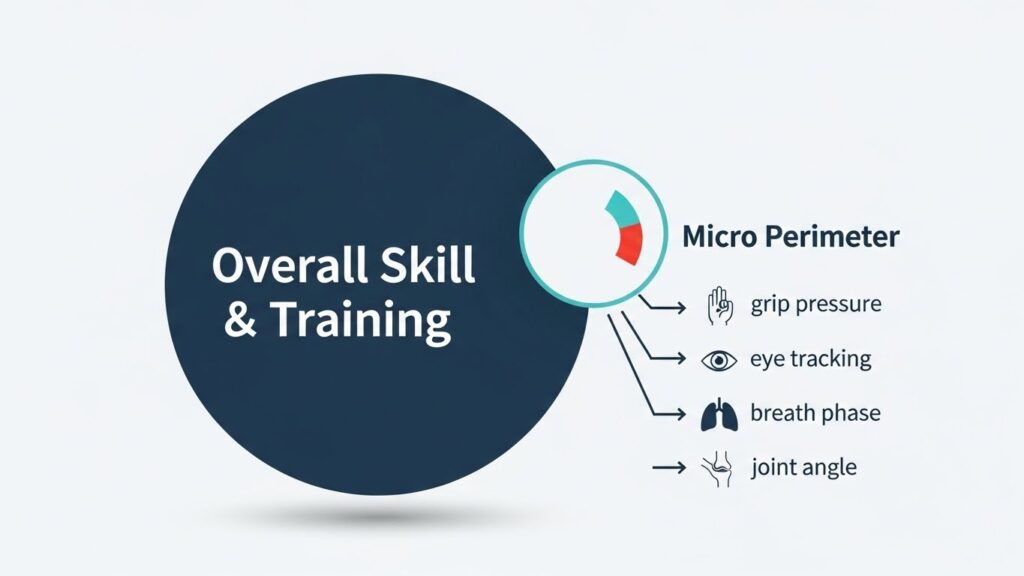
So, what exactly is the Micro Perimeter? Think of your overall performance as a shape—a circle of capability. The broad strokes of training expand the circle itself, making you fundamentally better. The Micro Perimeter, however, is the very outer edge of that circle. It is the infinitesimal boundary where your current performance makes contact with the result. A variation on this perimeter—even one measured in millimeters or milliseconds—alters the entire outcome.
In practical terms, it’s the difference between a basketball rattling in and out of the hoop. It’s the swimmer whose fingertip touches the wall 0.01 seconds sooner. It’s the golfer whose putt lips out instead of dropping. These outcomes aren’t dictated by a lack of strength or skill, but by micro-variations in execution at the critical moment. Mastering the Micro Perimeter means gaining conscious or trained control over these variations, turning near-misses into consistent successes.
The Science of the Minuscule: How Small Changes Create Big Waves
The power of the Micro Perimeter isn’t just philosophical; it’s rooted in physics, biomechanics, and neuroscience. A tiny variation in initial conditions can lead to a vastly different outcome—a principle often associated with chaos theory. In a biomechanical chain, a one-degree alteration in the angle of your ankle can cascade up through the knee, hip, and spine, changing your entire posture and power output.
Neurologically, refining the Micro Perimeter is about enhancing motor engrams—the brain’s blueprints for movement. By deliberately practicing and ingraining these micro-adjustments, you create more precise and reliable neural pathways. Furthermore, equipment engineers leverage this concept by manipulating factors like aerodynamic drag, vibrational damping, and material flex at a scale invisible to the naked eye. The cumulative effect isn’t additive; it’s often multiplicative, as each optimized variable allows the others to function more efficiently.
Micro Perimeter in Action: Real-World Examples Across Sports
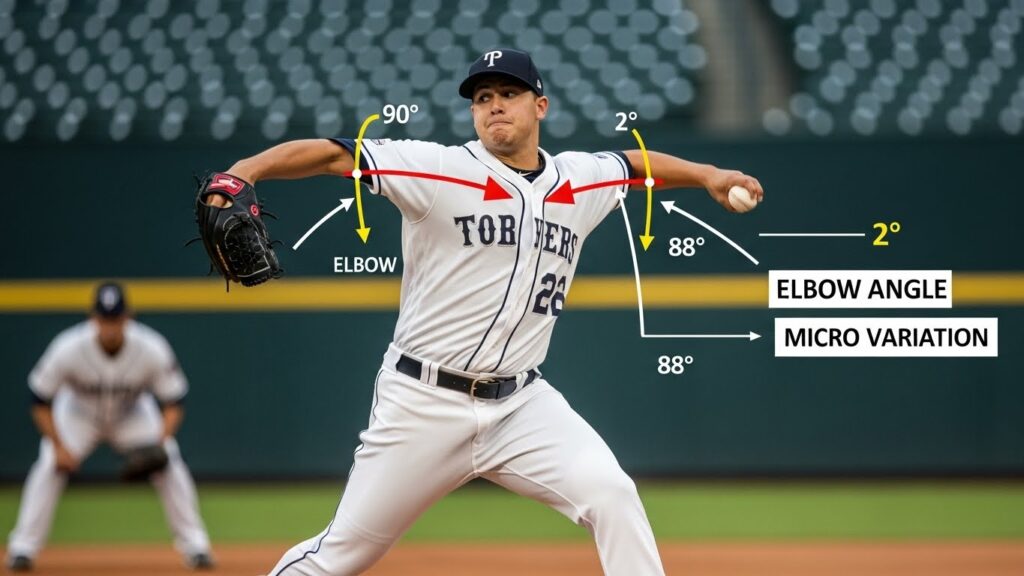
Across the sporting world, champions are built on the Micro Perimeter. In Formula 1, teams spend millions to sculpt car parts that reduce aerodynamic turbulence by fractions of a percent. The texture of a swimsuit, the placement of seams on a baseball, the dimple pattern on a golf ball—all are triumphs of micro-optimization.
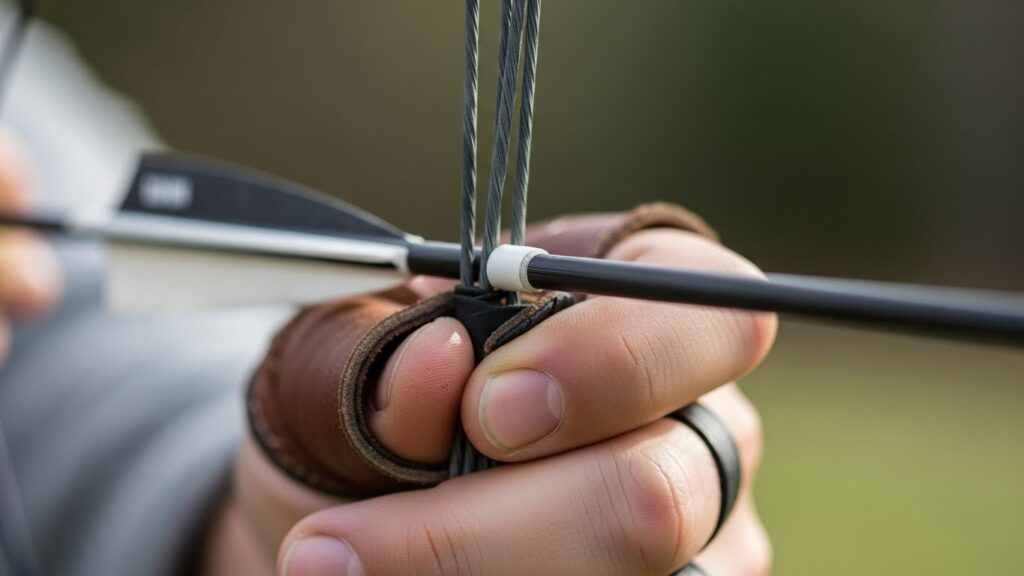
Consider a sport like archery. The archer’s skill is paramount, but the Micro Perimeter includes: the exact nock fit on the string, the consistency of the arrow spine (flex), the clearing of the fletching from the rest, and the repeatability of the release aid. Any microscopic deviation in these elements magnifies over distance, turning a bullseye into a nine. In basketball, it’s the backspin on the ball, the arch of the shot (optimally 45 degrees), and the follow-through hold. These are not gross motor skills; they are fine-tuned executions at the perimeter of the athlete’s capability.
Training the Untrainable: How to Access Your Micro Perimeter
Accessing and improving your Micro Perimeter requires a shift in training methodology. It moves away from high-volume, high-intensity work and towards deliberate, focused refinement. Here’s how:
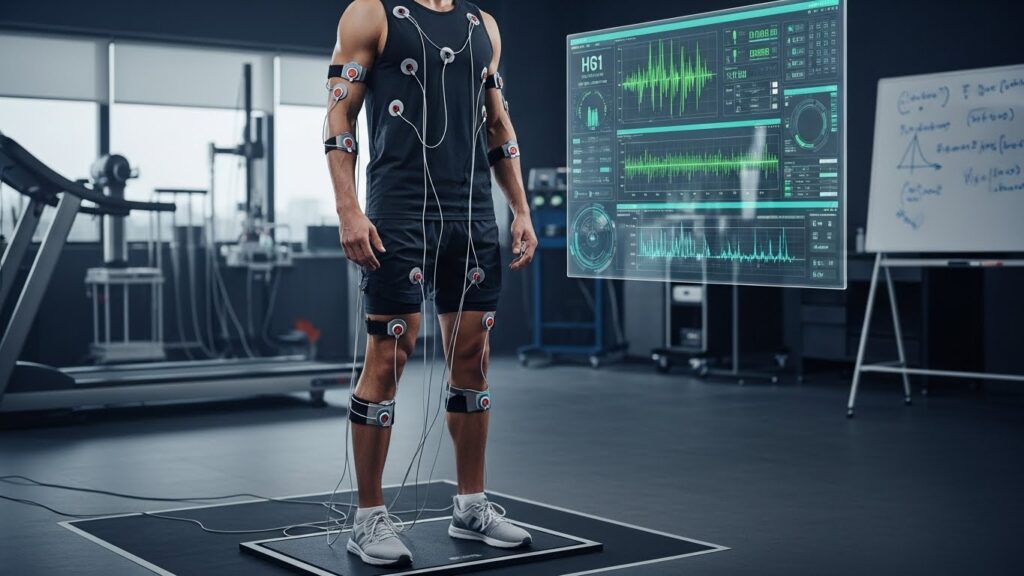
Embrace Technology & Feedback: Use high-speed cameras, motion sensors, force plates, and biometric monitors. This data provides an objective window into micro-variations you cannot feel. A coach’s eye is invaluable, but technology reveals the imperceptible.
Micro-Isolation Drills: Break down complex movements into their smallest components and drill them in isolation. For a tennis player, this could mean hitting hundreds of serves focusing only on the pronation of the forearm at the moment of contact, ignoring power and placement entirely.
Mindful Practice: Engage in slow-motion rehearsal and mental visualization. Imagine and feel the perfect micro-adjustment—the brush of the fingertips on a basketball release, the pressure of the tongue on the roof of the mouth for optimal breathing control in weightlifting.
Equipment Personalization: Move beyond standard gear. Work with technicians to customize equipment to your unique physiology and technique. This could mean custom-molded handles, laser-measured bike fittings, or shoes modified for your specific foot strike pattern.
The Mental Micro Perimeter: The Psychology of Tiny Edges
The Micro Perimeter isn’t solely physical. The mental game is composed of microscopic edges as well. The difference between confidence and doubt can be a single, intentional thought. The variation between optimal arousal and choking can be one controlled breath.
Developing your mental Micro Perimeter involves rituals and triggers. A pre-shot routine in golf is a series of micro-behaviors designed to create consistency and focus at the edge of performance. The specific word an athlete uses in self-talk—“smooth” versus “fast”—can trigger a subtly different neurological and muscular response. Mastering these mental micro-variations allows an athlete to maintain access to their full physical capability under maximum pressure, ensuring that their hard-won physical Micro Perimeter doesn’t crumble when it matters most.

Beyond Sport: The Micro Perimeter in Everyday Life and Business
While born in high-performance athletics, the concept of the Micro Perimeter is universally applicable. In business, it’s the slight tweak to a customer service script that increases satisfaction, or the optimization of a website’s loading speed by milliseconds to reduce bounce rates. In music, it’s the violinist’s infinitesimal adjustment in finger pressure to achieve perfect vibrato. In health, it’s the impact of slight changes in sleep temperature or micronutrient timing on overall well-being.
The philosophy invites us to audit our own “performance” in any field and ask: Where are the micro-variations on the edge of my execution that are holding back my results? By shifting our focus from only the big, daunting goals to the tiny, actionable edges, we make improvement a continuous and manageable process. The aggregation of these micro-wins builds momentum and leads to transformative change.

Conclusion: Mastering the Margin to Own the Result
The journey to peak performance is no longer just about pushing boundaries outward. It’s about densifying the boundary itself—fortifying and refining the Micro Perimeter until it becomes a razor-sharp edge of consistent excellence. In a world where competitors are often equally matched in strength, speed, and fundamental skill, the ultimate differentiator lies in the control of the microscopic.
Start by identifying one single element of your craft where a millimeter or a millisecond matters. Obsess over it. Measure it. Refine it. Then move to the next. This relentless pursuit of tiny edge variations is what separates the good from the great, and the great from the legendary. The Micro Perimeter is where champions are truly made, one almost-imperceptible adjustment at a time.