The Winston-Salem Shag: North Carolina Piedmont
Close your eyes and imagine the sound: the smooth, driving rhythm of beach music, the shuffle of leather soles on a wooden floor, and the easy laughter of partners moving in perfect, synchronized harmony. This isn’t just a dance; it’s a cultural heirloom, a living piece of history that pulses through the heart of North Carolina’s Piedmont region. While many associate the “Carolina Shag” with the coast, its true birthplace and spiritual home is found further inland, in the vibrant city of Winston-Salem. The Winston-Salem Shag is more than a pastime—it’s a story of community, resilience, and joy, set to a timeless soundtrack.
This dance, characterized by its smooth, gliding footwork and playful, connected partnership, evolved from a blend of jitterbug and swing in the post-World War II era. It found its perfect partner in the emerging genre of “beach music”—a soulful, rhythm-and-blues-based sound that provided the ideal 110-130 beats per minute tempo. But why Winston-Salem? How did this inland city become the crucible for a dance often linked to ocean breezes? The answer lies in the social clubs, the iconic venues, and the sheer passion of its people who nurtured and standardized the steps, ensuring the Shag would not just survive, but thrive for generations.
From the Piedmont to the Pavilions: The Origins of the Shag
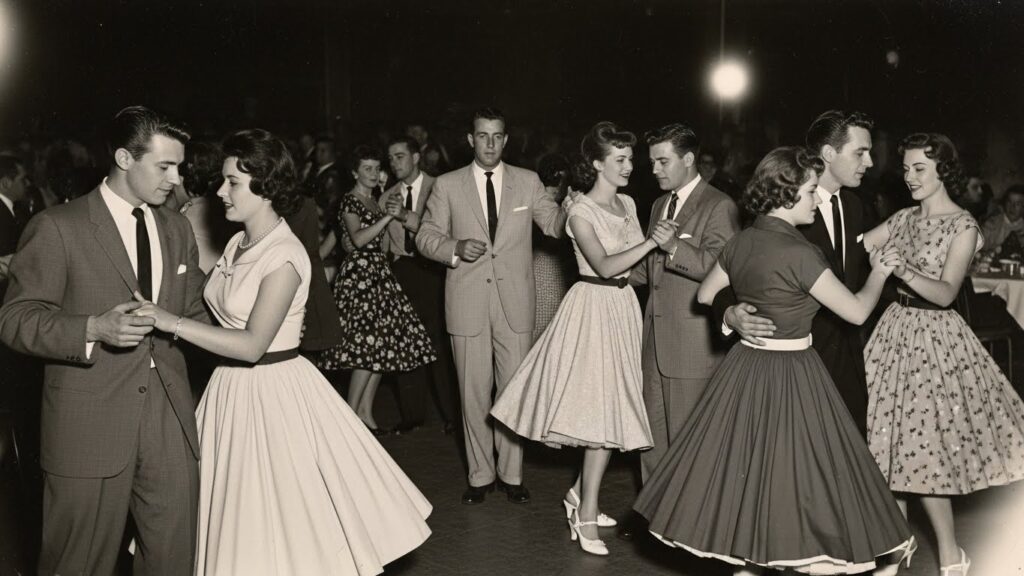
The story of the Winston-Salem Shag is inextricably linked to the social and musical landscape of the 1940s and 50s. As young soldiers returned home from war, they brought with them influences from various swing and jazz dances. In the Piedmont region’s thriving African American communities, rhythm and blues was king. White teenagers, tuning into late-night R&B radio, became captivated by the sound. To access this music and the dancing that accompanied it, they flocked to “beach clubs” on the Carolina coast, but also, crucially, to segregated African American clubs and rented halls in their own hometowns.
Winston-Salem, with its industrial base and mix of cultures, became a hotbed for this cross-cultural exchange. Legendary spots like the National Guard Armory on Liberty Street and later, Club Zinzendorf at Salem College, became the laboratories where the dance was refined. Dancers on these floors worked to adapt faster, jumpier jitterbug steps to the smoother R&B sounds, leading to the distinctive, relaxed-top, busy-feet style we know today. The dance was initially called “the dirty shag” or “the slow drag,” but as it became more polished and popular, it simply became the Shag.
The Steps That Define a Culture: Anatomy of the Winston-Salem Shag
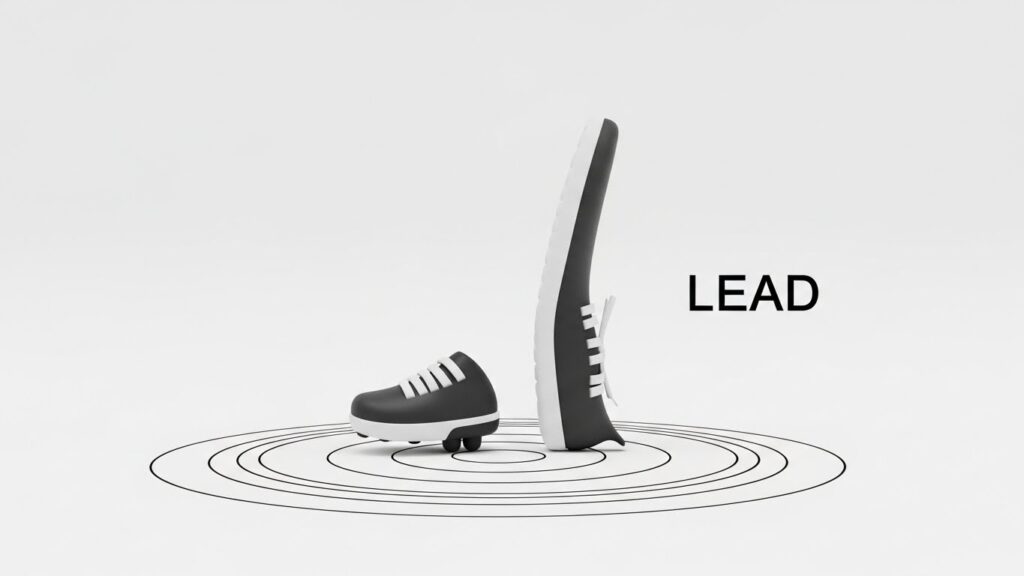
At its core, the Winston-Salem Shag is a marvel of efficiency and style. It is a 6-count, partner dance performed primarily in a closed, “chest-to-chest” position, with the follow’s head resting on the lead’s shoulder. This intimate connection allows for non-verbal communication and seamless leading and following. The magic is in the contrast: while the upper body remains remarkably calm and connected, the feet execute a rapid, rhythmic pattern of shuffles, taps, and slides.
The basic step is a simple “rock step, triple step, triple step.” But within that framework, an infinite variety of turns, spins, and wraps—like the Pivot Turn, the Around the World, and the Wind-Up—can be incorporated. The hallmark of a true Winston-Salem style is its smooth, gliding quality and precise footwork, always staying in time with the music’s strong backbeat. Unlike the more acrobatic swing dances, the Shag is danced on a small, “postage stamp” piece of floor, making it perfect for crowded clubs and pavilions.
Beach Music: The Soundtrack of a Generation
You cannot talk about the Shag without talking about beach music. This uniquely Carolina genre is the lifeblood of the dance. It’s not about surfing or summer anthems; it’s a specific, soulful sound rooted in 1950s and 60s R&B, often with a strong saxophone line and a steady, danceable beat. Artists like The Tams, Chairmen of the Board, General Johnson, and Maurice Williams & the Zodiacs provided the perfect tempo and feeling for shagging.
In Winston-Salem, radio stations and record stores played a pivotal role in spreading this music. The iconic “beach music” radio shows would broadcast the latest hits, and teenagers would rush out to buy the 45s. The connection was so profound that certain songs became forever tied to the dance—anthems like “My Girl,” “Sixty Minute Man,” and “I Love Beach Music.” This symbiotic relationship between the music and the movement cemented the Shag as a total sensory experience.
Preserving the Legacy: Shag Clubs and Community Today
The Winston-Salem Shag never died. While its peak popularity in the mainstream may have been in the 1960s, its guardians—the original “beach music” generation and their disciples—ensured its survival. Today, the dance is experiencing a remarkable renaissance. The establishment of dedicated Shag clubs, like the Central Carolina Shag Club (with a strong Winston-Salem contingent), created a formal network for social dances, lessons, and competitions.
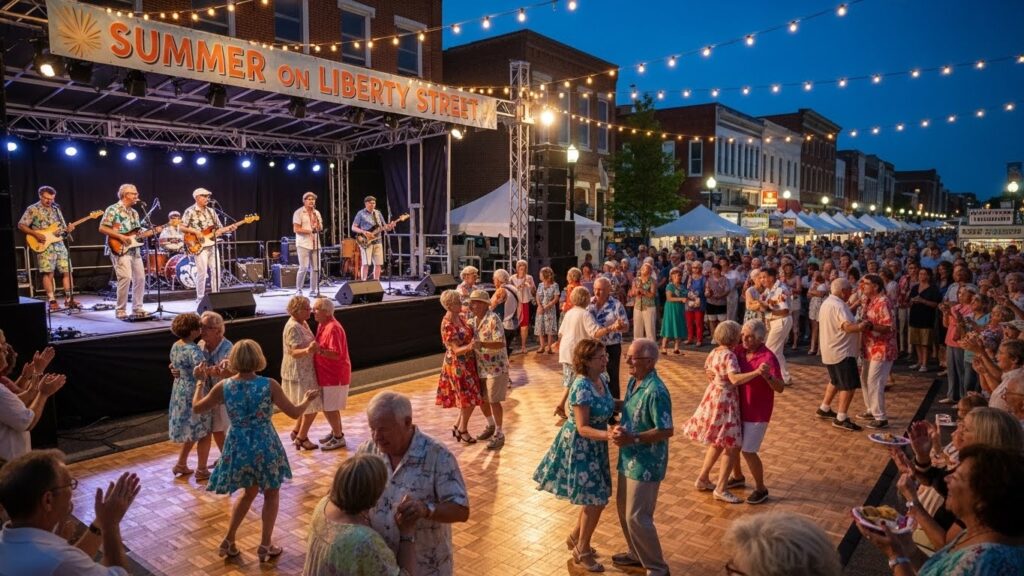
Winston-Salem itself hosts numerous events that celebrate this heritage. From the Summer on Liberty Street festival, which pays homage to the historic Armory dances, to weekly shag nights at local venues, the city actively keeps the tradition alive. Furthermore, the dance has been passed down through families; it’s not uncommon to see grandparents, parents, and teenagers all on the same floor, sharing the same steps. This intergenerational transmission is the key to the Shag’s enduring vitality.
More Than Just a Dance: The Cultural Impact
To view the Winston-Salem Shag merely as a sequence of steps is to miss its profound significance. In the mid-20th century, it provided a socially acceptable outlet for youth culture and cross-racial musical appreciation in a segregated South. The dance floors of Winston-Salem were spaces where the rules of the outside world could, for a few hours, be softened by a shared love of rhythm and movement.
Today, it remains a powerful social glue. The Shag community is known for its warmth and inclusivity. When you learn the Shag, you don’t just learn a dance; you gain a family. You learn a local history that isn’t found in all the textbooks. You become a steward of a unique American art form born from the specific soil and soul of the North Carolina Piedmont. It teaches connection, respect for a partner, and the pure joy of moving in sync with music and another person.
Your First Step onto the Floor
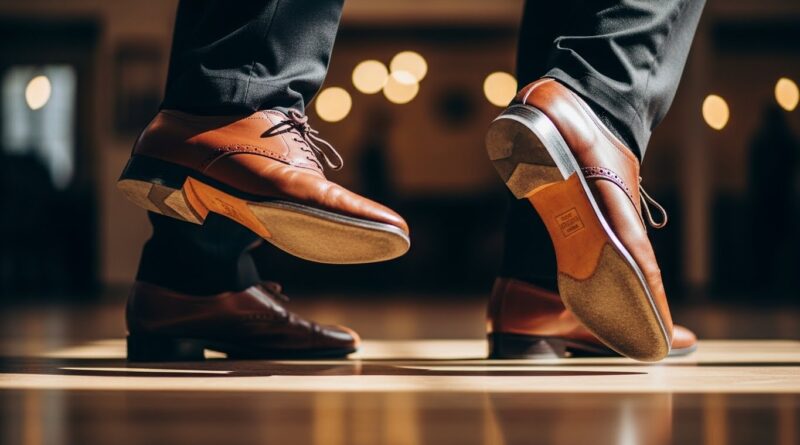
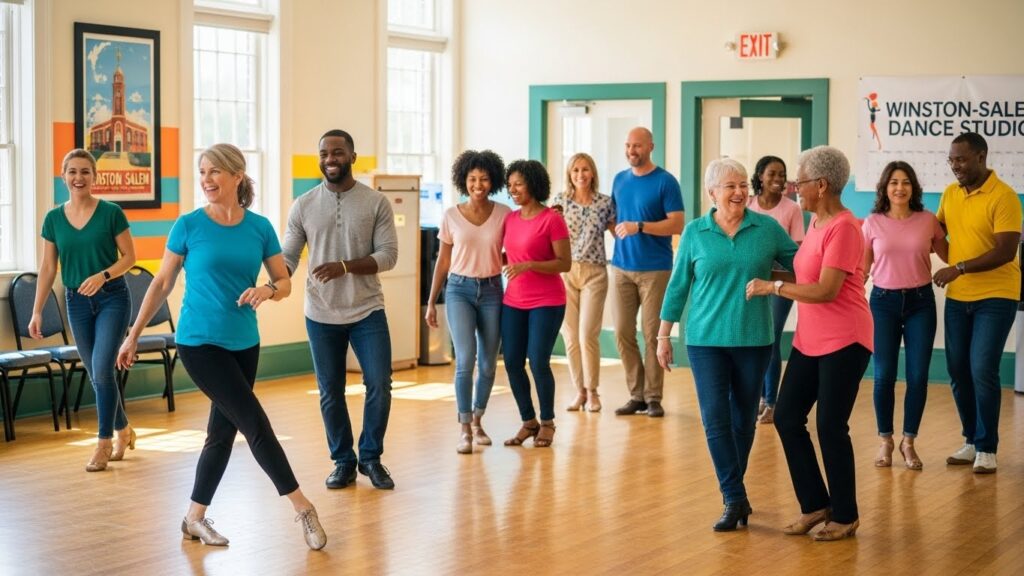
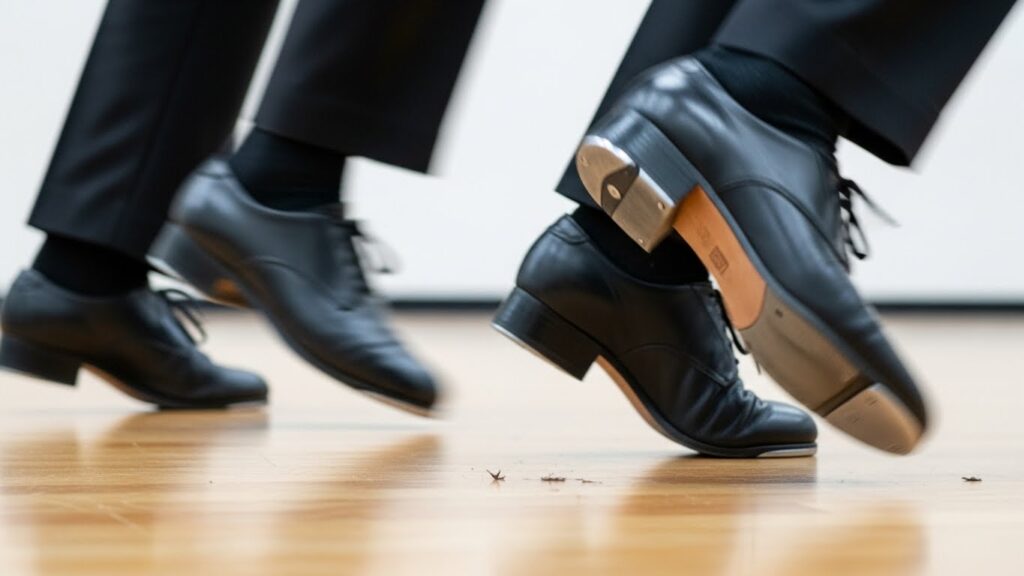
Feeling inspired to become part of this living history? The wonderful thing about the Winston-Salem Shag is that it is accessible to everyone. You don’t need a dance background, just a willingness to learn and a pair of comfortable shoes (leather soles are ideal for gliding!). The best way to start is to find a local beginner lesson. Many community centers, dance studios, and Shag clubs in the Piedmont region offer introductory classes. Instructors emphasize the basics of lead-and-follow, rhythm, and the fundamental step pattern.
Remember, the goal isn’t perfection on day one. It’s about feeling the music, connecting with a partner, and embracing the fun. As you progress, you’ll not only master turns and patterns, but you’ll also absorb the culture—the stories, the music, and the etiquette of the dance floor. You’ll be joining a lineage that stretches back to those iconic armory dances, adding your own chapter to the story of the Winston-Salem Shag.
So, find a lesson, put on some beach music, and discover for yourself why this dance, born in the heart of the Piedmont, continues to capture hearts and move feet. It’s more than a pastime; it’s North Carolina’s rhythmic heartbeat, and it’s waiting for you.