
The Irving Lob: Texas Metro Medium
In the vast, strategic landscape of tennis, where power serves and whip-like forehands grab headlines, there exists a shot of subtle genius, whispered about in clubhouse corridors and celebrated by purists. It doesn’t have a flashy name like the “tweener” or the “around-the-post.” Instead, it carries a title born from local legend and dry Texan wit: The Irving Lob, colloquially known as the “Texas Metro Medium.” This isn’t your ordinary, defensive moonball. It’s a calculated, disruptive weapon that lives in the frustrating space between a drive and a lob—a medium-paced, arcing shot designed not to win the point outright, but to dismantle an opponent’s rhythm, geometry, and sanity.

Origins: Where Hustle Meets Humidity
The lore places the birth of the Irving Lob firmly in the public park courts of Irving, Texas—a city nestled in the bustling Dallas-Fort Worth metroplex. Here, the game is played under a relentless sun, on hard courts that bake in the heat, where the ball travels faster and the air can feel thick. In these conditions, the classic, lofty lob can become a sitting duck; it hangs too long, allowing opponents to set up for an overhead smash. Conversely, a flat drive through the middle of the court is standard fare, easily handled by seasoned competitors.
The Texas Metro Medium emerged as the perfect counter to this environment and to the aggressive, power-based style prevalent in the region. It was the shot of the savvy player, the one who might not have overwhelming power but possessed a keen understanding of angles, physics, and psychology. It was less about brute force and more about imposing a specific, awkward problem upon the opponent—a problem that required constant adjustment and sapped energy both physically and mentally.

Anatomy of the Shot: Not Quite a Lob, Not Quite a Drive
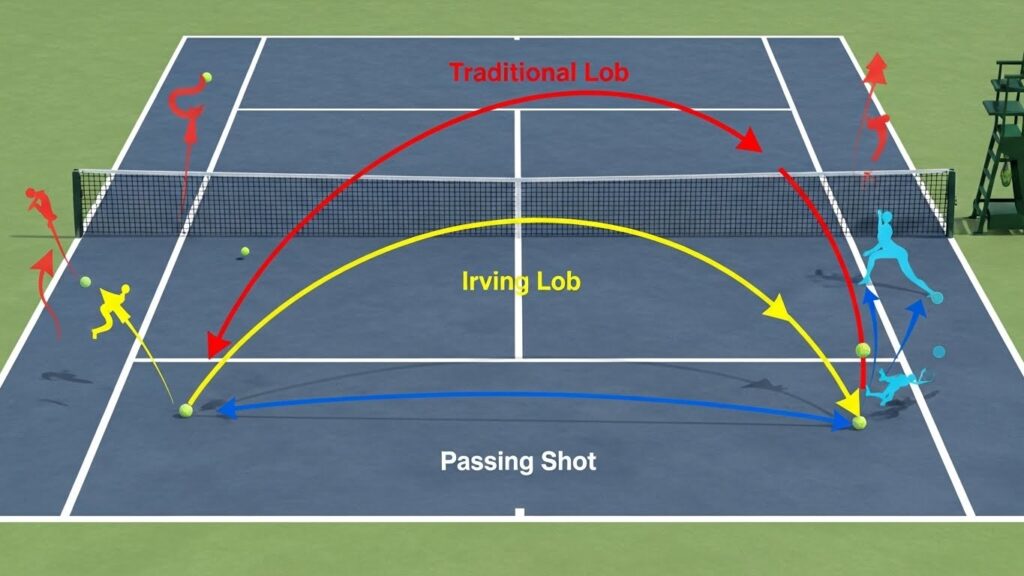
So, what exactly defines the Irving Lob? It is a masterclass in the “in-between” ball. Technically, it is struck with moderate topspin or a slight slice, sending the ball on a trajectory that peaks several feet over the opponent’s outstretched racket at the net, but lands deep in the court, near the baseline. The pace is deliberate—faster than a defensive lob but slower than a passing shot. The intent is to land the ball at the feet of an advancing net-rusher or, against a baseline player, to push them back into an uncomfortable, deep corner of the court.
The magic is in its discomfort. For the net player, it’s too high to volley comfortably and too low and deep to take as a clean overhead. They are forced to hit an awkward, retreating half-volley or a defensive overhead, often off-balance. For the baseliner, it removes them from their preferred strike zone, forcing a shot hit from well behind the baseline, usually while moving backwards. The Irving Lob resets the rally on the hitter’s terms, turning offense into a scrambled defense.
The Strategic Mindset: Winning the Mental Game
Employing the Texas Metro Medium is as much a psychological ploy as a tactical one. It communicates a specific message to the opponent: “I am in control of the tempo, not you.” Consistent, well-placed Irving Lob can breed immense frustration. Opponents used to dictating play with pace find themselves unable to generate their preferred rhythm. They start to overhit, trying to end points prematurely, which leads to errors. Or, they become hesitant, unsure whether to charge the net or hold the baseline, caught in a strategic no-man’s-land.
This shot is the great equalizer. It allows a player with less raw power to neutralize a bigger hitter. It exploits impatience and rewards consistency and court awareness. The practitioner of the Irving Lob is often a chess player, thinking two or three shots ahead, using this tool to maneuver their opponent into a vulnerable position before delivering a finishing blow—often with a surprisingly sharp angle or a sudden drop shot after pulling them deep and wide.

Mastering the Metro Medium: Technique and Timing
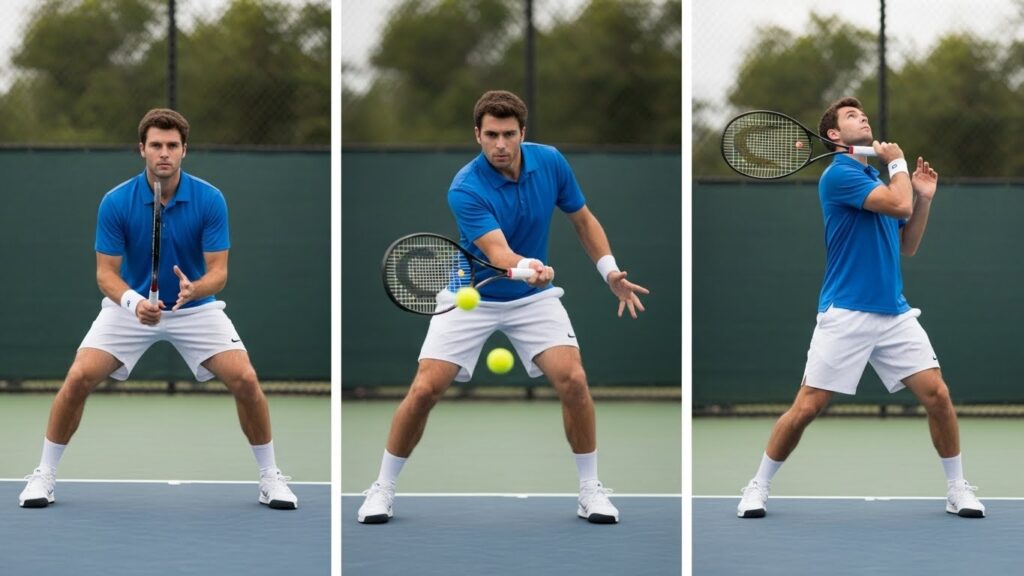
Executing the Irving Lob effectively requires a blend of disguise, touch, and precise footwork. It is not a last-ditch, desperate shot. It is a deliberate choice. The preparation often mirrors a standard groundstroke, keeping the opponent guessing until the last moment. The swing path is slightly more vertical than a drive, with a smooth, controlled follow-through. The use of the non-dominant hand for balance is crucial, as is staying low through the shot to maintain control.
Ideal situations for the Texas Metro Medium include: when an opponent is charging the net aggressively; when you are pulled wide and need to recover court position; or when you sense your opponent is off-balance or leaning in expecting a drive. The target is always depth over power. A Irving Lob that lands short is a gift; one that lands within three feet of the baseline is a weapon of mass disruption.
The Legacy and Modern Application
While its name is rooted in Texas lore, the concept of the Irving Lob is universal. You can see echoes of it in the strategic arsenals of some of the game’s greatest tacticians. Players like John McEnroe, with his devilish touch, or Novak Djokovic, with his inhuman ability to absorb pace and redirect the ball with depth, have used variations of the Metro Medium to break opponents’ rhythm. It is a testament to the shot’s enduring effectiveness that it transcends its humble, regional origins.
In today’s modern game, dominated by baseline power, the Irving Lob remains a vital, if under-celebrated, tool. It is a reminder that tennis is a multidimensional sport. Winning isn’t solely about hitting the hardest; it’s about solving the puzzle presented by the opponent across the net. The Texas Metro Medium is a clever piece of that puzzle—a shot that asks a difficult, awkward question at a moment when the opponent expects a simple, powerful statement.

Embrace the Lob: A Call for Strategic Diversity
The story of the Irving Lob, the Texas Metro Medium, is more than just a fun piece of tennis trivia. It is a celebration of court craft and strategic innovation. It encourages players at all levels to look beyond the power game and develop a complete toolbox. In an era where coaching often emphasizes technical perfection for power generation, the Irving Lob stands as a testament to the value of feel, creativity, and mental warfare.
So, the next time you’re on the court, and you feel the rally slipping into a predictable pattern of brute force, consider changing the conversation. Step a little wider, take a fraction of pace off the ball, and send up that deliberate, arcing, deeply annoying Metro Medium. Watch as your opponent scrambles, recalibrates, and questions their entire game plan. You might just find that this unassuming shot from the heart of Texas holds the key to unlocking a new, more thoughtful, and ultimately more victorious version of your game.