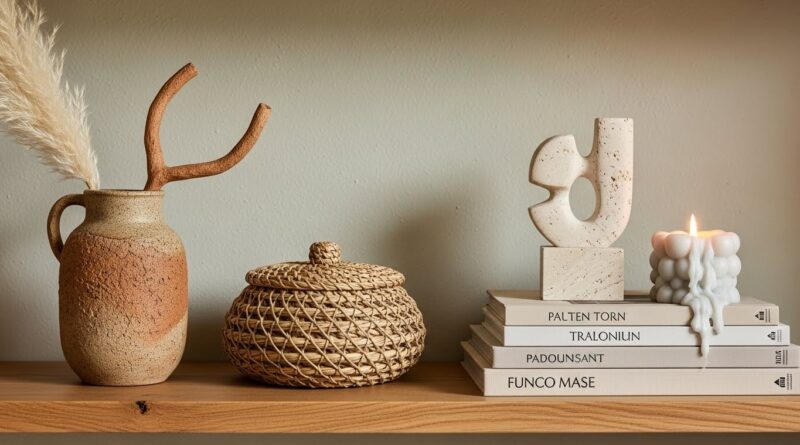
The Rise of Natural Texture Styling
In a world increasingly dominated by sleek screens and polished perfection, a powerful counter-movement is taking root in our homes. Welcome to the era of natural texture styling—a design philosophy that celebrates the raw, the organic, and the authentically imperfect. This is more than just a passing trend; it’s a profound shift towards creating spaces that feel grounded, soulful, and deeply human. Gone are the days of sterile, museum-like interiors. Today, we crave environments that tell a story, that engage our senses, and that connect us to the natural world we so often feel detached from.
From Minimalism to Maximal Sensation: The Shift in Design Priorities
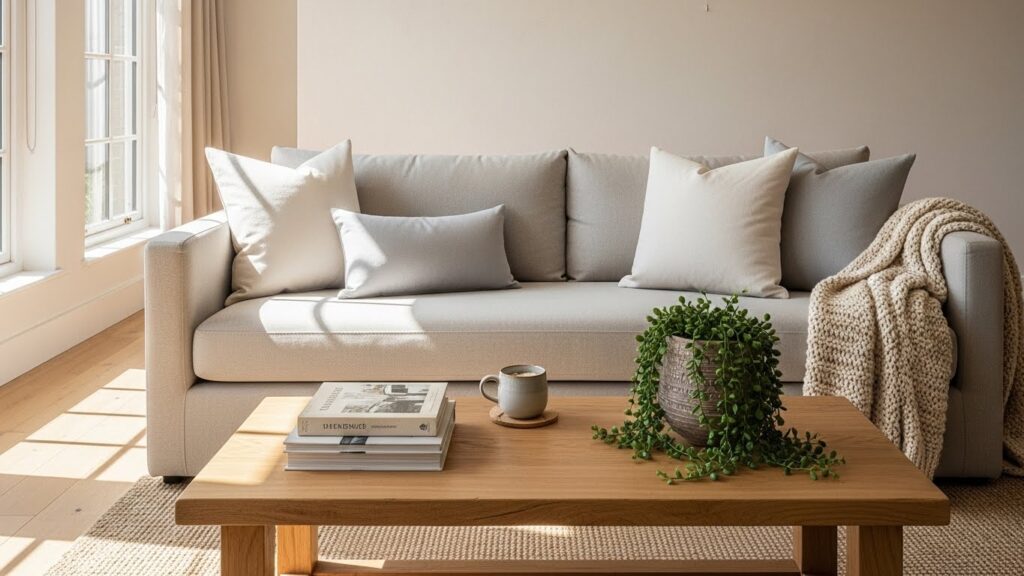
The stark, ultra-minimalist interiors that defined much of the early 21st century offered a sense of calm and control. However, for many, this aesthetic began to feel cold and impersonal. The pendulum is now swinging towards spaces that prioritize tactile experience and emotional resonance. Natural texture styling is the direct answer to this desire. It’s not about clutter or maximalist chaos, but rather about curated richness.
This shift is driven by a few key factors. After years of global uncertainty, we seek comfort and security in our homes—qualities inherently offered by natural, familiar materials. Furthermore, the growing awareness of sustainability makes us value durable, eco-friendly materials like wood, stone, wool, and clay. We are moving away from disposable, mass-produced decor and towards pieces with inherent uniqueness and a lower environmental footprint. The texture itself becomes the ornamentation, eliminating the need for excessive decoration.

The Core Elements of Natural Texture Styling
Mastering this look is about understanding the orchestra of materials. It’s a harmonious layering of different tactile notes. Here are the foundational elements defining the natural texture movement.
Organic Materials are King: This is the non-negotiable foundation. Seek out wood (especially with visible grain, knots, or live edges), stone (like travertine or limestone), linen, cotton, wool, jute, rattan, cane, clay, and plaster. Each material brings its own history and sensory quality to a space.
Embracing the “Imperfect”: Perfection is not the goal. The beauty lies in the irregularities—the crazing on a glaze, the slubbing in a linen, the variation in a hand-applied plaster, or the weathering on reclaimed timber. These “flaws” are records of life and process, adding depth and narrative.
A Neutral, Earth-Hugging Palette: Color takes a backseat to texture, but when it appears, it’s drawn from the landscape. Think warm whites, ochres, sage greens, clay terracottas, and muted browns and grays. This palette acts as a calm canvas, allowing the textural play to become the main event.
Handcrafted and Artisanal Focus: There is a pronounced appreciation for items that show the maker’s hand. A woven basket, a ceramic vase with finger marks, a forged iron handle—these pieces carry an energy that factory-made items cannot replicate. They connect us to craftsmanship and slow living.
How to Layer Textures Like a Pro
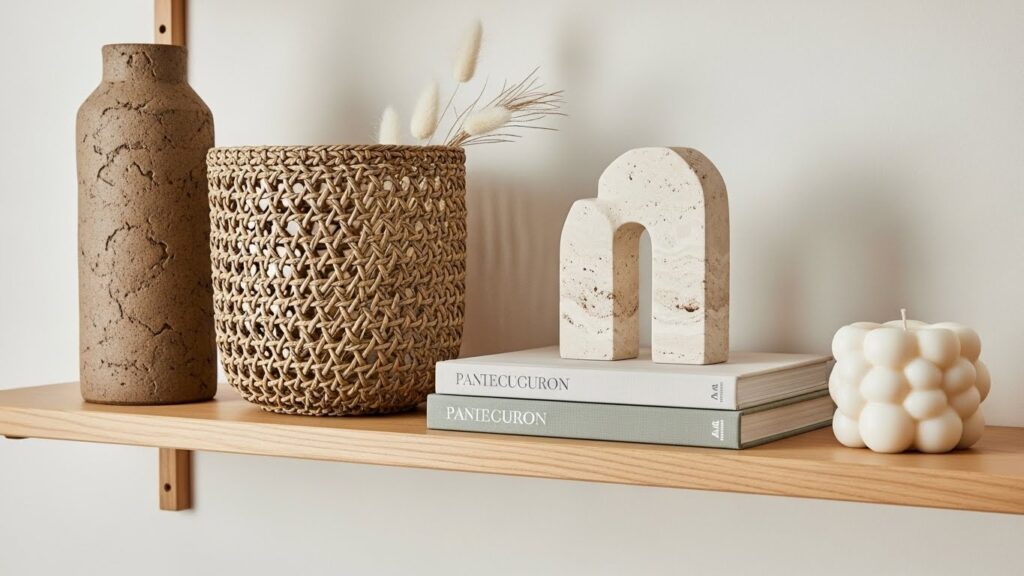
The magic happens in the mix. Layering textures prevents a space from feeling flat or one-dimensional. The goal is to create a balanced, cohesive, and inviting sensory experience.
Start with your large surfaces—the walls and floors. Consider a wall finish like limewash or clay paint for a soft, mottled effect, or expose a brick wall if you have one. For floors, wide-plank wood, natural stone tiles, or textured carpets like jute provide a great base.
Next, bring in your key furniture pieces. Pair a soft, nubby bouclé or chenille armchair with a solid, rough-edged wood table. Drape a chunky knit throw over a sleek-but-organic-shaped sofa. The contrast between soft and hard, smooth and rough, is key.
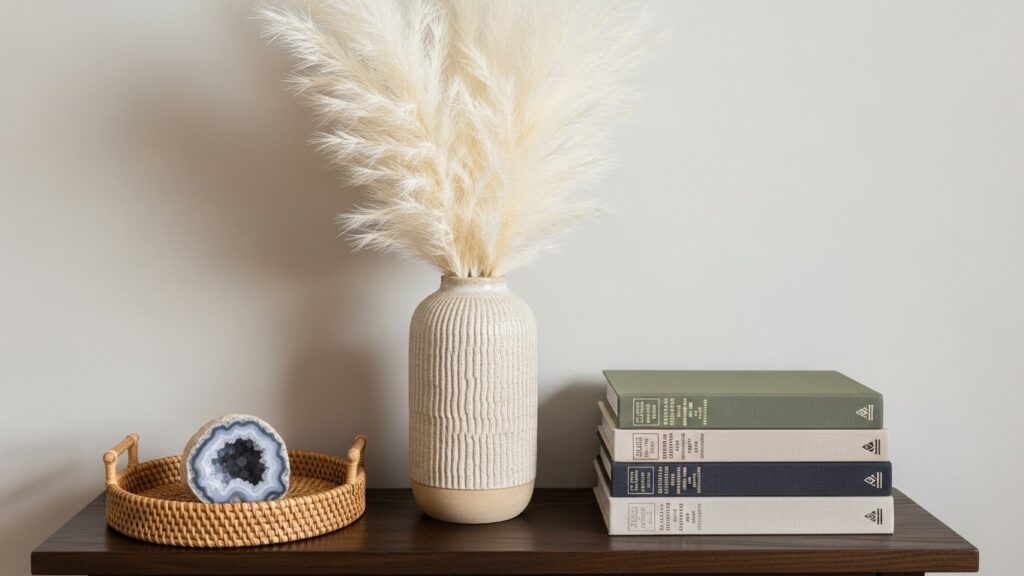
Finally, accessorize with intention. This is where you can really amplify the textural story. Add a rattan lampshade that casts beautiful light patterns, use a stone coaster, pile up some velvet and linen cushions, and include plenty of greenery—plants are the ultimate organic texture. Remember to vary the scale of textures, from the large weave of a rug to the fine grain of a wooden bowl.
The Psychological Benefits: Why We Crave Texture
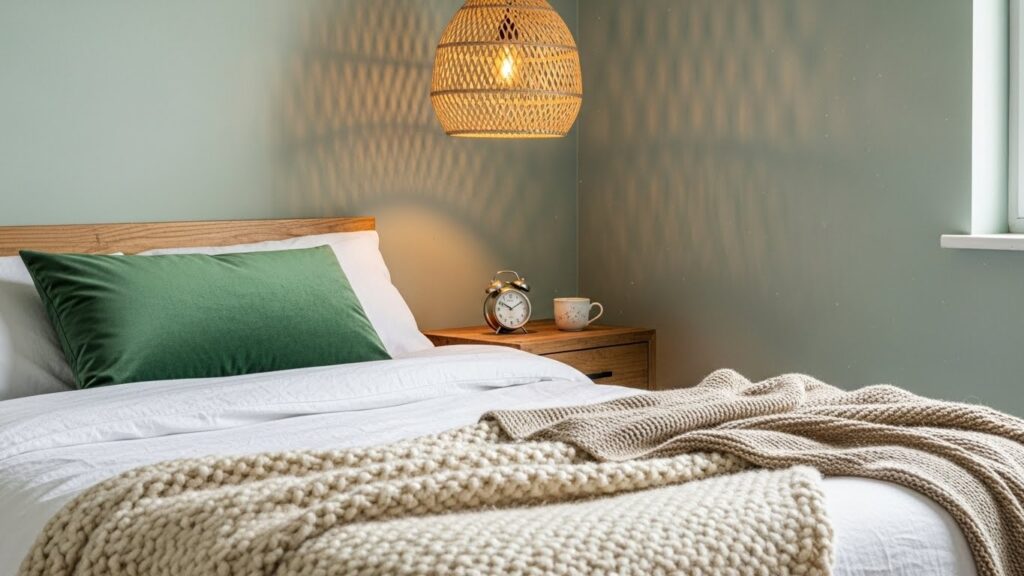
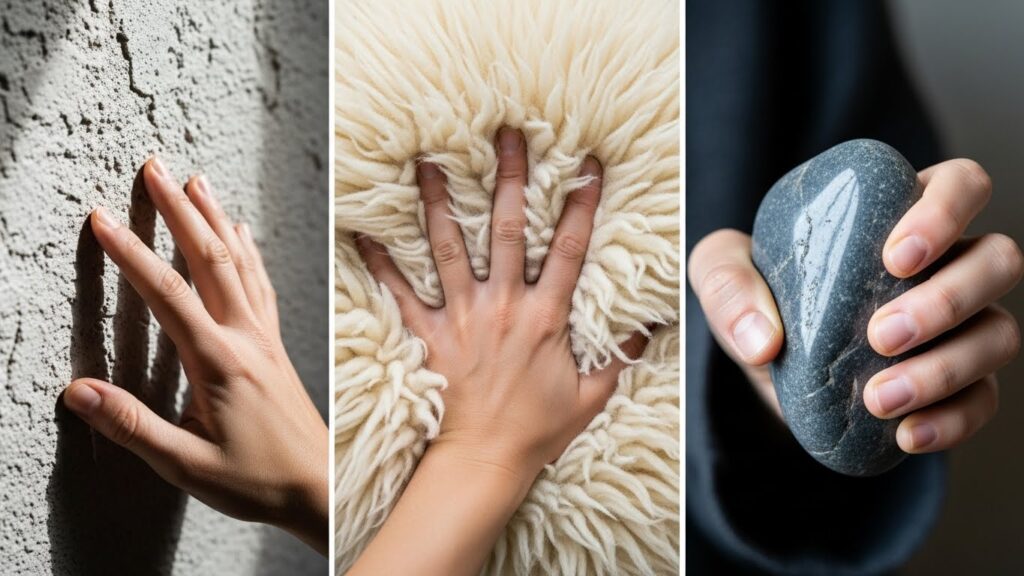
This trend is not merely aesthetic; it’s deeply psychological. Our sense of touch is fundamental to how we experience comfort and safety. A room rich in natural textures actively engages this sense, even if visually, creating a subconscious feeling of warmth and welcome.
Spaces dominated by hard, smooth, and synthetic materials can subconsciously feel stressful or cold. In contrast, natural textures have a calming, grounding effect. They can lower cortisol levels and promote a sense of well-being. They also stimulate our brains in a gentle, rewarding way, making a space feel more dynamic and interesting without being overwhelming. In essence, textured interiors don’t just look good—they feel good. They provide a necessary sanctuary from the overstimulating, digital-smooth world outside.
Bringing Natural Texture Styling into Your Home
You don’t need to renovate your entire house to embrace this style. Start small and build thoughtfully.
1. Begin with Soft Furnishings: The easiest entry point is through textiles. Swap out synthetic blankets for wool or cotton knits. Introduce linen curtains, a jute or wool rug, and cushions in a mix of fabrics like velvet, corduroy, and heavy cotton.
2. Incorporate Organic Accents: Add a few statement pieces. A large rattan pendant light, a set of hand-thrown pottery for your dining table, or a beautiful piece of driftwood as a sculptural element can transform a room’s feel.
3. Celebrate Existing Architecture: If you have wood beams, brick walls, or concrete floors, consider highlighting them rather than covering them up. Their inherent texture is a huge asset.
4. Play with Wall Finishes: If you’re painting, explore paints with subtle texture like mineral or clay-based paints. Even a matte finish, as opposed to a high-gloss one, adds a soft, tactile quality to walls.
5. The Power of Plants: Never underestimate the textural power of greenery. A fiddle leaf fig with its large, glossy leaves, a fern with its delicate fronds, or a pilea with its quirky, textured leaves—all add vital, living texture.
The Future is Tactile
The rise of natural texture styling is more than a design trend; it’s a reflection of a broader cultural desire for authenticity, sustainability, and mindful living. It represents a homecoming—a return to materials that are real, honest, and inherently beautiful in their variability. As we move forward, this emphasis on creating haptic, sensory-rich environments will only deepen.
Our homes are our sanctuaries. By inviting in the rough, the smooth, the nubby, and the grainy, we build spaces that don’t just impress the eye but nourish the soul. We create interiors that are not only visually stunning but are truly, profoundly feelable. So, take a look around your space. Where can you introduce a piece of nature’s imperfect perfection? The journey towards a more textured, and therefore more human, home starts with a single touch.