10 Hairstyles That Look Better With Movement
Have you ever noticed how some hairstyles look perfect in a salon photo but fall flat in real life? The secret ingredient they’re missing is often movement. While sleek, structured styles have their place, there’s an undeniable magic in hair that sways, bounces, and flows. Movement adds life, personality, and a touch of effortless glamour that can’t be replicated with stiff sprays and rigid lines. It’s the difference between hair that looks done and hair that looks alive.
1. The Textured, Tousled Bob
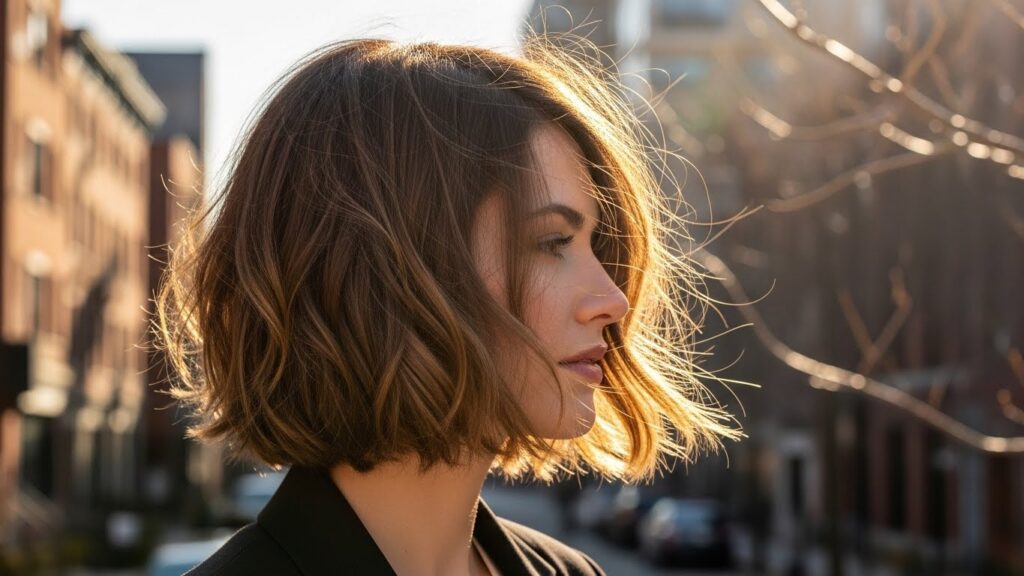
The classic bob is chic, but a bob with movement is a masterpiece. This version trades sharp, geometric lines for softly layered ends and piecey texture. The goal is to create a shape that frames the face dynamically, with strands that fall differently with every turn of the head. It’s playful, modern, and incredibly flattering. To achieve this, ask your stylist for internal layers and avoid over-thinning. A texturizing spray or sea salt mist on damp hair, scrunched and air-dried or diffused, will be your best friend.
2. Effortless Beach Waves
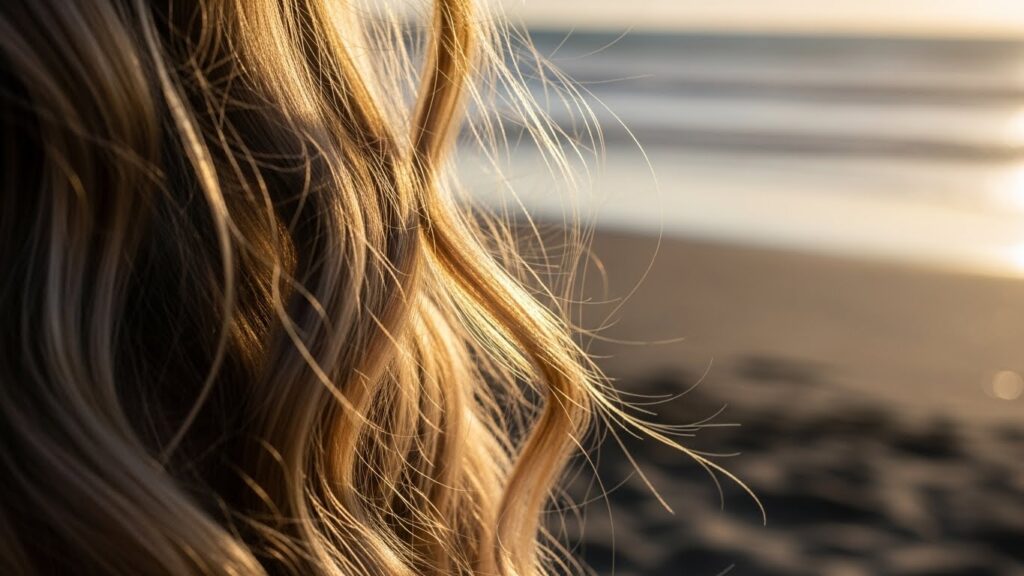
This is the quintessential hairstyle built on movement. True beach waves aren’t about uniform curls; they’re about irregular, flowing bends and twists that mimic a day spent by the ocean. The beauty lies in their imperfection and how they interact with wind and light. To avoid the “crunchy” spiral look, use a large-barrel wand or even braiding techniques on damp hair. Always break up the waves with your fingers and finish with a light, flexible hold spray to allow for natural shifting.
3. The “Undone” Updo
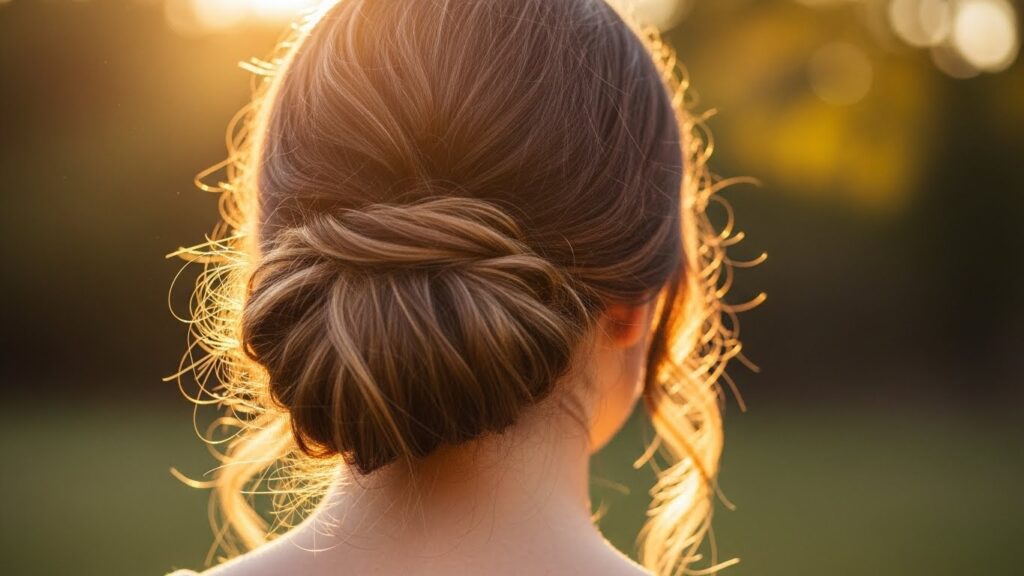
Forget the slicked-back ballet bun. The modern updo is all about strategic looseness. Whether it’s a messy bun, a half-up twist, or a Gibson tuck with escaping tendrils, the intentional “loose bits” are what make it beautiful. These elements create a soft, romantic frame around the face and neck, and they move gracefully without compromising the style’s integrity. The key is to pull out face-framing pieces and wispy hairs at the nape after you’ve secured the updo, then gently tug at the base for volume.
4. The Curtain Bangs Revival
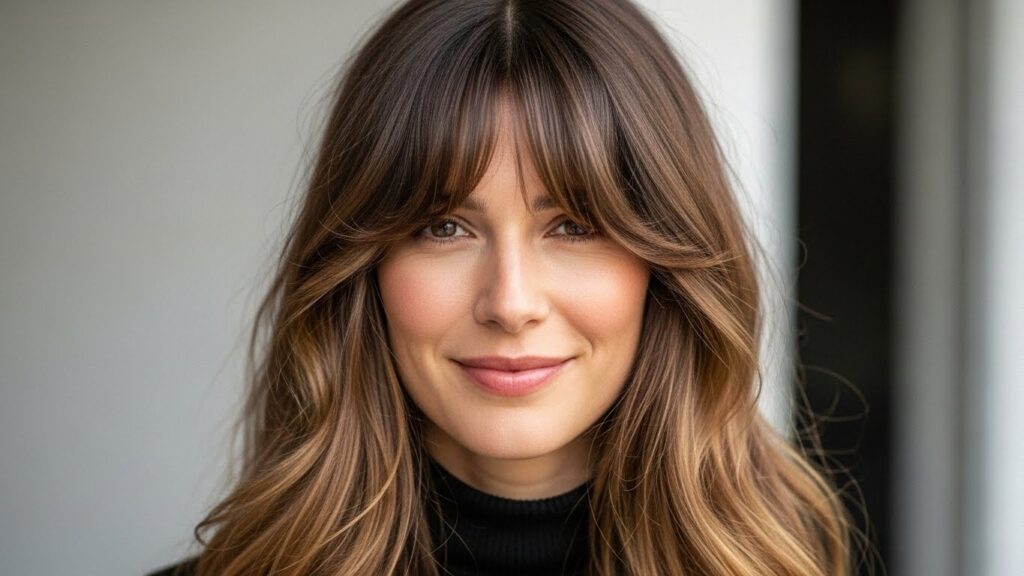
Curtain bangs are a movement-based style by design. Centered with a deep part, they are meant to gently graze the temples and cheekbones, not sit stiffly on the forehead. Their magic is in the way they swing to the side with head movement and can be easily brushed back and forth. They require a light touch with styling—a round brush blow-dry followed by a light mist, not a flat iron clamp-down. The more they blend into the rest of your hair’s flow, the better.
5. The Voluminous Shag
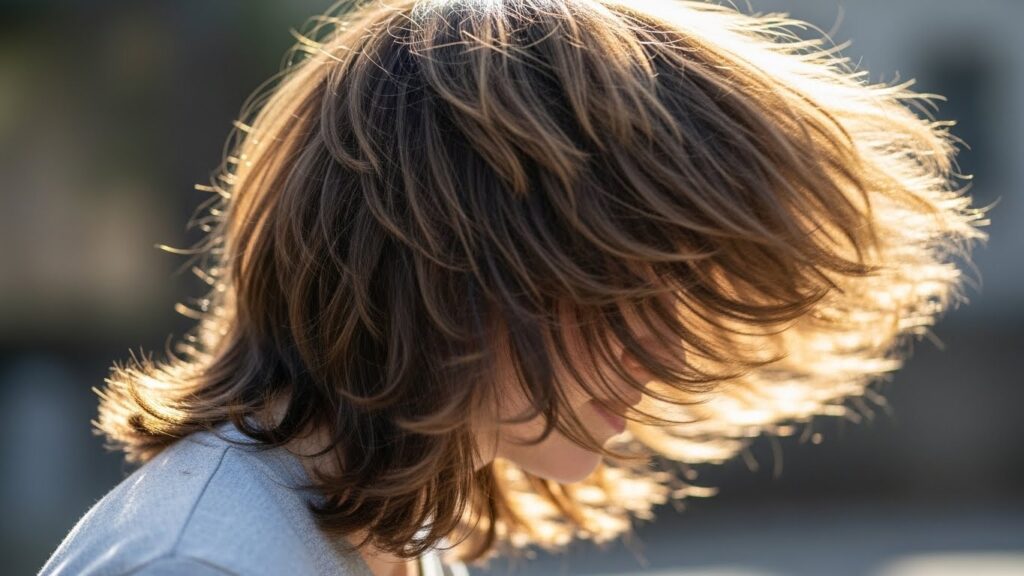
The shag haircut is the ultimate embodiment of controlled chaos and movement. With its layered, feathered ends and often fringe-accented layers, every part of this cut is designed to move independently. It creates incredible volume and texture because the layers aren’t weighed down. When you toss your head, a shag comes alive in a way a blunt cut never could. Styling involves root-lifting products and diffusing to enhance the natural separation of the layers.
6. Long Layers with Face-Framing
Long, heavy hair can sometimes look static and lifeless. The simple addition of long, sweeping layers—especially ones that frame the face—introduces instant motion. These layers lighten the hair’s weight, allowing it to bounce and swing more freely. The face-framing pieces add a dynamic element that highlights your features with movement, not just shape. A blow-dry with a round brush, curling the ends under or out alternately, enhances this flowing effect.

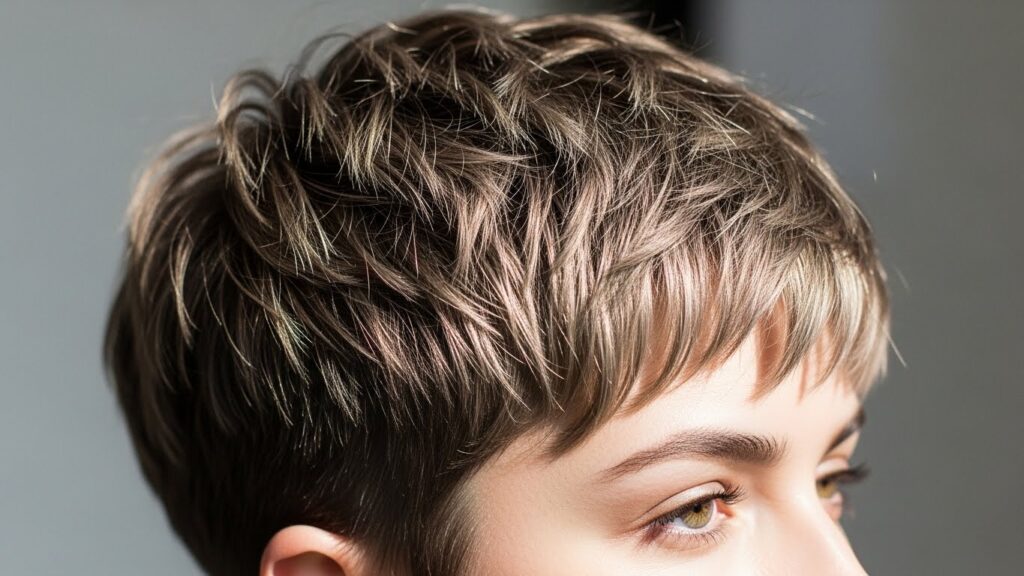
7. The Textured Pixie
Movement isn’t just for long hair. A textured pixie thrives on it. Instead of a glued-down, sleek pixie, this version uses choppy layers, piecey tops, and a tousled finish to create dimension and the illusion of motion, even on shorter strands. With a little pomade or wax rubbed between the palms and then scrunched into the ends, you can create separation and direction that seems to change with your expression. It’s a style that looks different from every angle.
8. The Modern Mullet
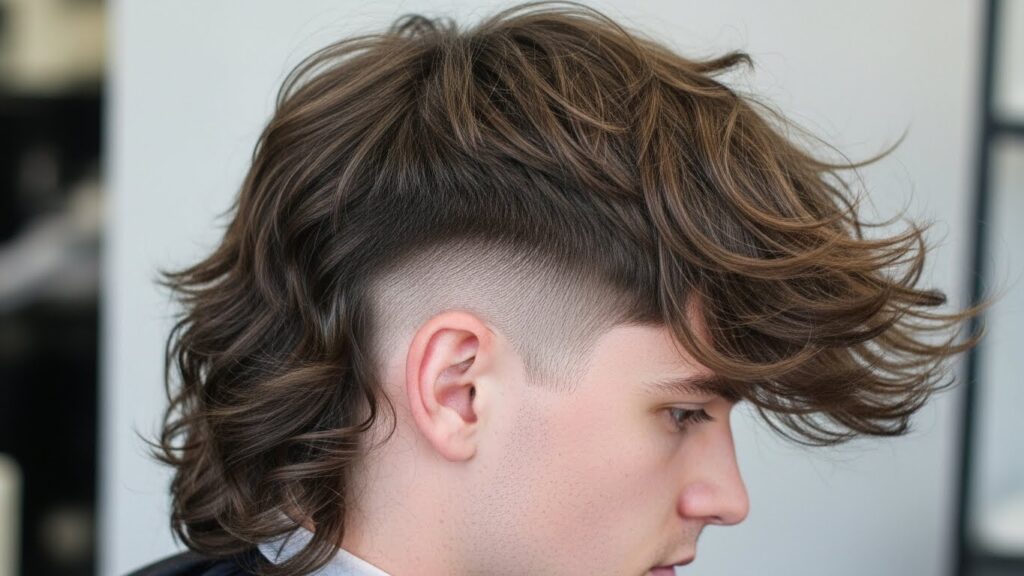
The contemporary mullet (often called the “shullet” or party-in-the-back) is a masterclass in contrasting movement. It plays with short, textured top and sides against longer, flowing back layers. The movement is most dramatic in the back, where the hair can swing, curl, or wave freely, creating a striking silhouette. This style relies on disconnected layers and is best styled with products that add grit and separation to the top, while allowing the back to remain fluid.
9. The Half-Up, Half-Down “Power” Style
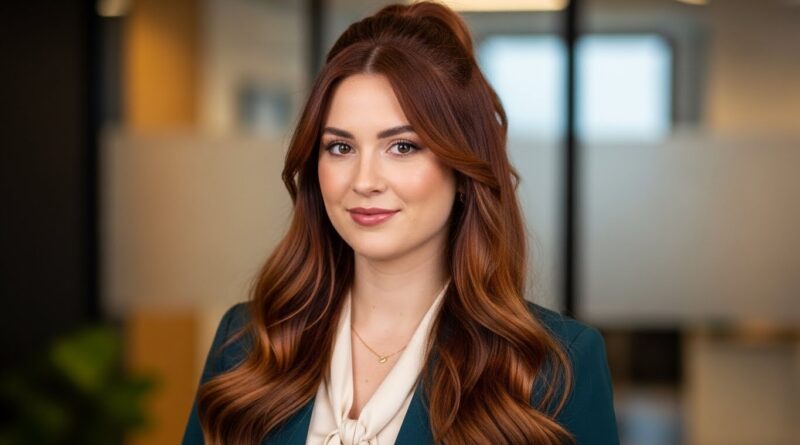
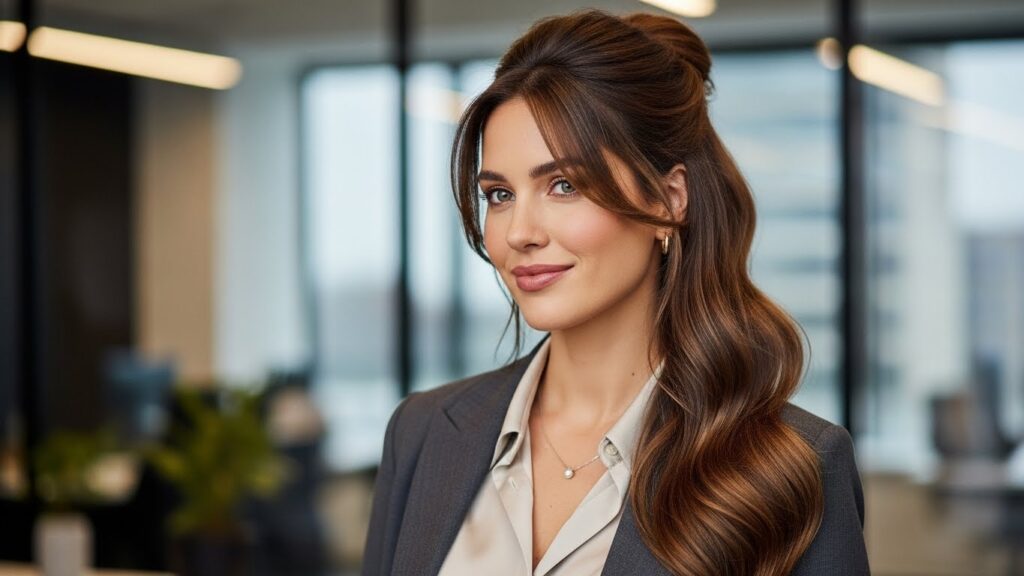
This isn’t your teenage half-up ponytail. The sophisticated version involves pulling back only the crown section, leaving the rest down, but the secret is in leaving the ponytail or clip slightly loose and allowing face-framing pieces to escape. As you move, the down portion flows, while the secured top section provides structure. The escaping pieces around the face add a softening, moving frame. It’s a powerful yet approachable look that balances control with freedom.
10. The Textured Lob (Long Bob)
The lob sits perfectly between a bob and long hair, and when infused with movement, it becomes the most versatile cut. A lob with subtle waves, bent ends, and internal layering moves with incredible grace. It’s long enough to sway but short enough to bounce back with body. The movement here often comes from styling the ends in alternating directions and using a texturizing cream to define without stiffening. It’s the epitome of casual cool.

How to Create and Maintain Movement in Your Hair
Now that you’re inspired by these styles, how do you actually achieve that coveted flow? It starts with the right cut. Ask your stylist for layers, texture, and feathered ends—these are the architectural elements of movement. Next, product choice is critical. Opt for mousses, sea salt sprays, texturizing mists, and flexible-hold hairsprays over heavy gels, waxes, or super-strong sprays.
Embrace air-drying or diffusing instead of flat-ironing every strand into submission. When you do use heat, curl hair in alternating directions or use a large barrel wand for bends, not tight curls. Finally, don’t over-brush a style meant to have movement. Use your fingers to separate and shape once the style is set. This preserves the natural separation and flow that makes these hairstyles so captivating.Hair with movement is more than just a style; it’s an attitude. It’s confident, free, and engaging. It invites the eye to follow its lines and reacts to the world around it—the breeze, the light, your energy. So, let your hair loose, embrace a little imperfection, and discover how much more beautiful your look can be when it’s allowed to live, breathe, and move.