Haircuts Designed to Move Naturally
Have you ever left the salon with a perfect haircut, only to find it falls flat, feels stiff, or loses its shape the moment you run your fingers through it? You’re not alone. For decades, hairstyling focused on control—taming, fixing, and holding hair in a precise, often static, shape. But a quiet revolution is reshaping our approach to hair. The new gold standard? Haircuts designed to move naturally.
Why Movement is the Ultimate Hair Goal
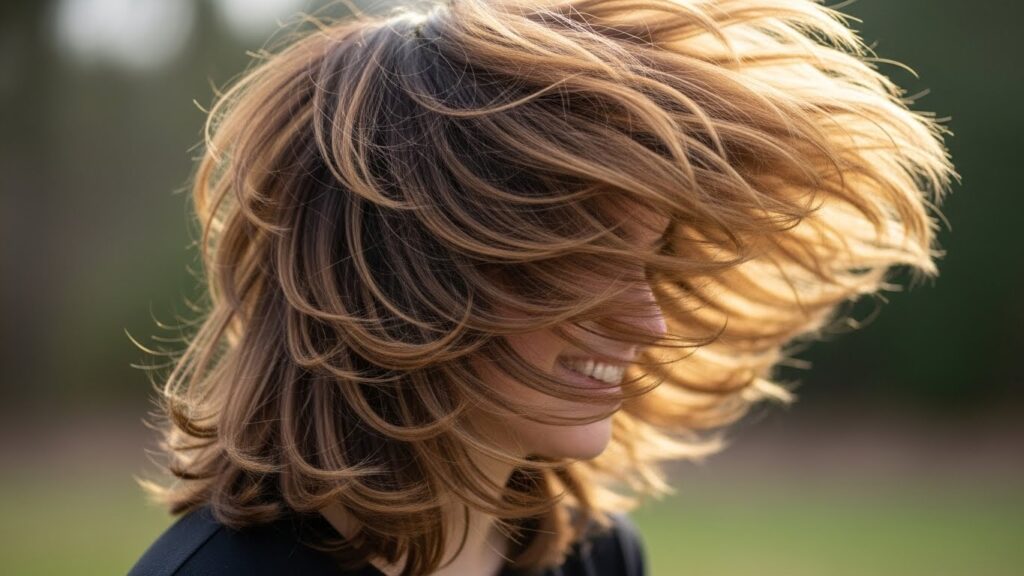
Think of your favorite hair moments. They’re rarely perfectly still. It’s the wind-swept look on a coastal walk, the bounce when you walk, the way hair falls back into place after you toss it over your shoulder. Movement equals life, energy, and authenticity. A haircut that prioritizes movement offers tangible benefits that static, helmet-like styles cannot.
First, it creates built-in volume. By strategically removing weight and creating internal space, the hair can lift at the roots and shift throughout the lengths. Second, it enhances natural texture—whether you have waves, curls, or straight hair. The cut guides the texture to express itself in the most flattering way. Finally, it offers unparalleled low-maintenance wearability. These cuts are designed to air-dry beautifully and look better as the day goes on, as natural oils and movement take over.

The Anatomy of a Movement-Focused Haircut
So, what exactly makes a haircut “move”? It’s not one single technique, but a combination of principles that expert stylists use to create flow and flexibility.
Strategic Layering: This is the cornerstone. Instead of uniform layers, a stylist will use point cutting, slicing, or notching to soften ends and create seamless transitions between lengths. Layers are often placed to frame the face and remove bulk from areas that drag hair down.
Weight Distribution: The goal is to remove weight from the right places, not all over. This might mean keeping weight at the perimeter for a shape but thinning out the interior, or leaving length but softening a thick hemline. Proper weight distribution allows sections of hair to move independently.
Texturizing Techniques: Thinning shears, razors, and slide-cutting are used judiciously to break up solid lines, encourage pieces to separate, and create a feathered, soft effect. This prevents the hair from moving as one solid, heavy block.
Personalized Shape: A moving haircut is never one-size-fits-all. It considers your hair’s growth patterns, density, and natural fall. The cut follows the direction your hair wants to go, enhancing its natural path rather than forcing it into an unnatural mold.

Top Haircuts That Celebrate Natural Movement
Ready to embrace a cut that moves? Here are the standout styles that embody this philosophy, suitable for a range of lengths and textures.
The Modern Shag: The ultimate movement haircut. With its cascading layers, curtain bangs, and heavily textured ends, the shag is all about controlled chaos. It’s designed to look perfectly imperfect, with each layer catching light and moving separately. Ideal for wavy to curly hair, but can be adapted for straight hair with softer texturizing.
The Collarbone-Length Lob with Layers: This isn’t a blunt lob. It’s a lob with long, sweeping layers starting around the jawline. It gives straight hair swing and bounce, while helping wavy hair define its pattern without becoming triangular. The length is perfect for showcasing movement with every turn of the head.
The Long-Layered Cut: Gone are the days of long, heavy hair with zero definition. The modern long cut features face-framing layers and subtle internal texturizing to remove bulk. This allows long hair to flow, wave, and braid with more volume and less drag.
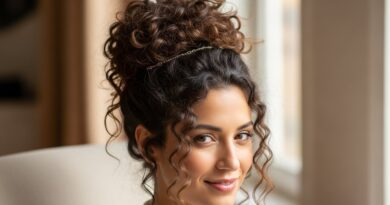
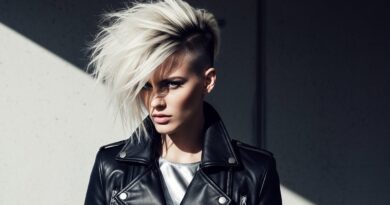
The Textured Pixie or Bob: Even short hair can have magnificent movement. A textured pixie uses choppy layers and piece-y ends to create dimension and the illusion of lift. A textured bob, often with an asymmetric or rounded line, uses internal layers to make the hair shift and change shape from different angles.
How to Talk to Your Stylist for a “Moving” Haircut
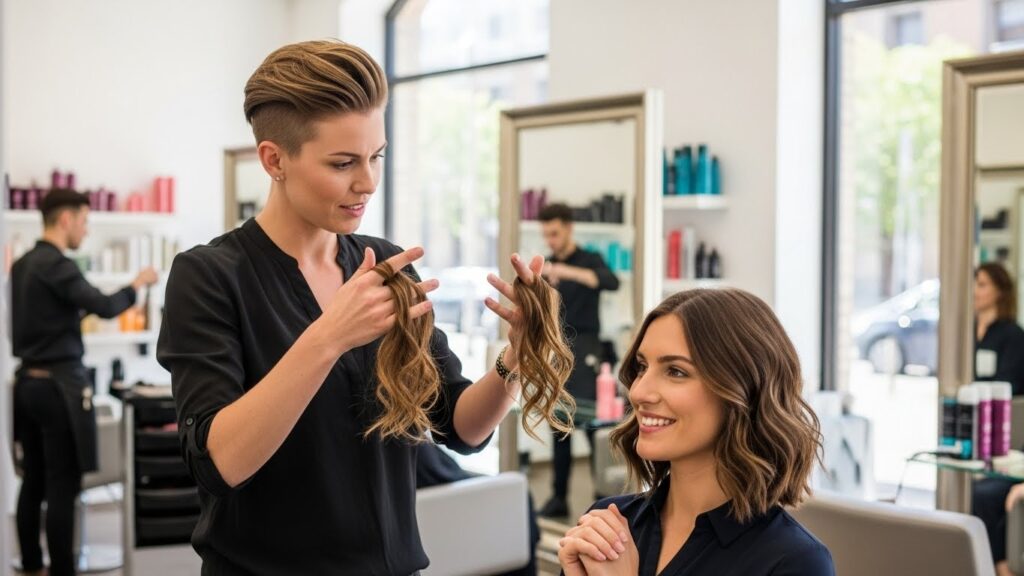
Communication is key to walking out with the cut you envision. Use these specific phrases and questions to guide the consultation.
Avoid saying just “I want layers.” Instead, say: “I want a cut where my hair moves as one piece, not in chunks.” or “My goal is for my hair to air-dry with volume and shape, without looking messy.”
Ask critical questions: “Where is the weight in my hair currently, and where can we remove it to create more movement?” and “Can you show me how the layers will fall with my natural texture?” Bring photos where the hair is in motion, not just perfectly styled. And most importantly, trust a stylist who analyzes your hair’s natural behavior before picking up the shears.
Styling for Movement: Less is More
The beauty of these cuts is that they require minimal styling. The goal is to enhance, not override, the cut’s architecture.
Start with a texturizing spray or sea salt spray on damp hair to encourage separation and wave. When blow-drying, use your fingers or a diffuser instead of a round brush for a softer finish. Scrunch your hair as it dries to activate texture. Embrace a little controlled frizz—it’s what gives hair a lived-in, moving quality.
For products, lean towards mousses, light creams, and flexible hold sprays over heavy gels, waxes, or pomades that can lock hair in place. The mantra is “touchable hair.” If it feels crunchy, you’ve used too much or the wrong product. Remember, the cut has done most of the work; your job is simply to let it shine.

Embrace the Freedom of Hair in Motion
Choosing a haircut designed to move naturally is more than a style update—it’s a shift towards embracing ease, authenticity, and the unique character of your hair. It’s a cut that works for you, not one you have to work for constantly. It celebrates good days and adapts to bad ones, always retaining its shape and spirit.
In a world that often feels rigid, let your hair be a testament to fluidity and freedom. Find a stylist who understands the craft of movement, and unlock a new level of effortless beauty. Your hair is meant to move with you through life; your haircut should be, too.