The Rise of Comfortable, Lived-In Hair
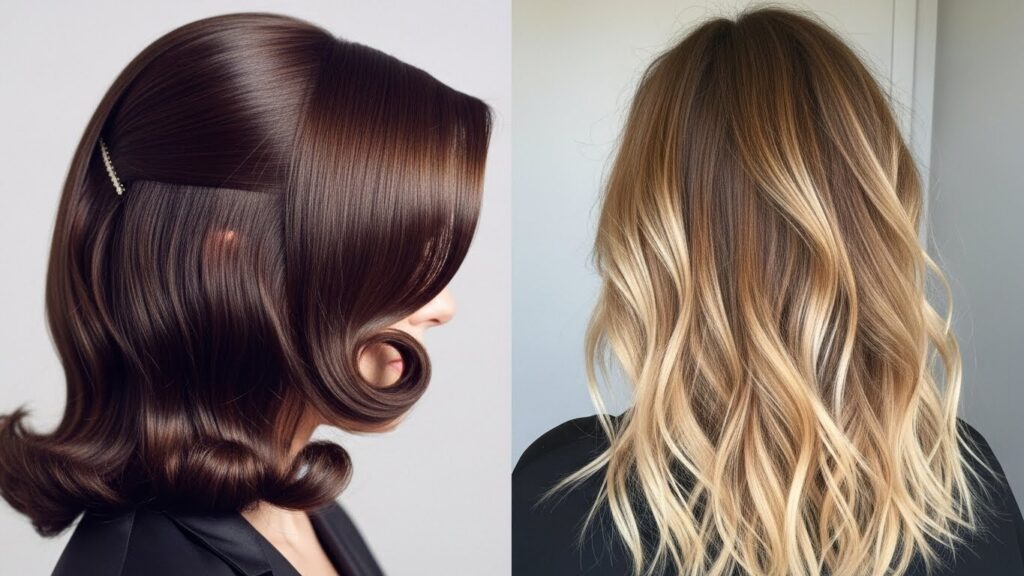
Remember the era of shellacked updos, poker-straight strands that took an hour to achieve, and color so uniform it looked painted on? For decades, the beauty ideal was synonymous with perfection—hair that looked untouched by human life, weather, or time. But a quiet revolution has been unfolding in salons and on streets worldwide. The new gold standard isn’t about looking just-stepped-out-of-the-salon; it’s about looking like you’ve been living your best life. Welcome to the era of comfortable, lived-in hair.
From Salon-Perfect to Life-Perfect: The Cultural Shift
The rise of lived-in hair is inextricably linked to broader societal changes. The age of social media, ironically often a highlight reel, has also fueled a craving for realness. We see influencers and celebrities showcasing their “bedhead” waves and root growth, making imperfection aspirational. This trend dovetails perfectly with the post-pandemic mindset, where comfort and practicality became non-negotiable. Why return to spending hours and small fortunes on upkeep when you could have hair that works with your life, not against it?
Furthermore, there’s a growing awareness of hair health. The constant bleaching, heat styling, and tight styling required for “perfect” hair often lead to damage. The lived-in approach is inherently gentler, encouraging treatments, air-drying, and techniques that prioritize the integrity of the hair shaft. It’s beauty that feels good, both physically and philosophically.
The Hallmarks of Lived-In Hair: Texture, Color, and Shape
So, what exactly defines this style? It’s a combination of specific techniques applied to cut, color, and styling that create a holistic, effortless look.
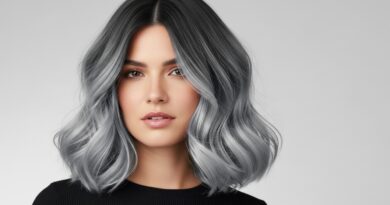
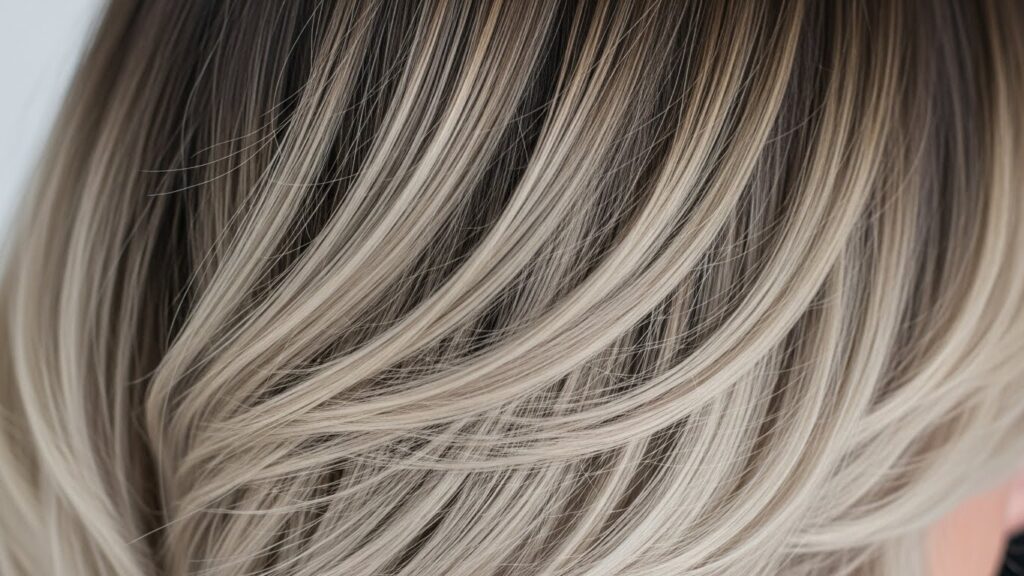
Lived-In Color: This is the cornerstone. Say goodbye to harsh lines and solid blocks of color. Techniques like balayage, babylights, and root melting are designed to mimic how hair naturally lightens in the sun. The goal is a seamless gradient from root to tip, with dimension and depth. The result? You can go 3, 4, or even 6 months between salon visits without a glaring “root line.” The grow-out phase is part of the design.
Lived-In Cuts: The cut is all about movement and softness. Razor cutting, point cutting, and shaggy layers are used to remove weight and create inherent texture. The shape is forgiving and adaptable, designed to look good whether it’s air-dried or loosely styled. Think less “geometric bob” and more “effortless lob with feathered ends.”
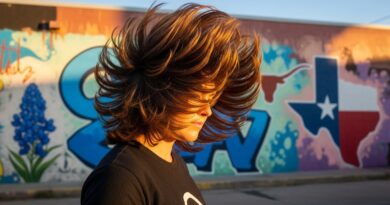
Lived-In Texture: This is where styling (or the lack thereof) comes in. The goal is to enhance your hair’s natural wave or curl pattern, not fight it. It embraces a bit of frizz, some flyaways, and that second-day volume from dry shampoo. It’s hair that looks touched, tousled, and real.
How to Achieve and Maintain the Lived-In Look
Embracing this trend starts with a conversation with your stylist. Communication is key—bring photos and ask for a cut and color that grows out beautifully. Use phrases like “soft grow-out,” “low-maintenance dimension,” and “textured, easy shape.”
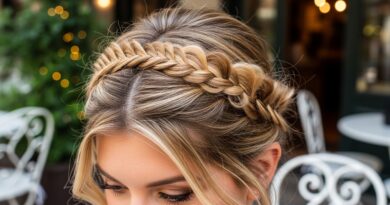
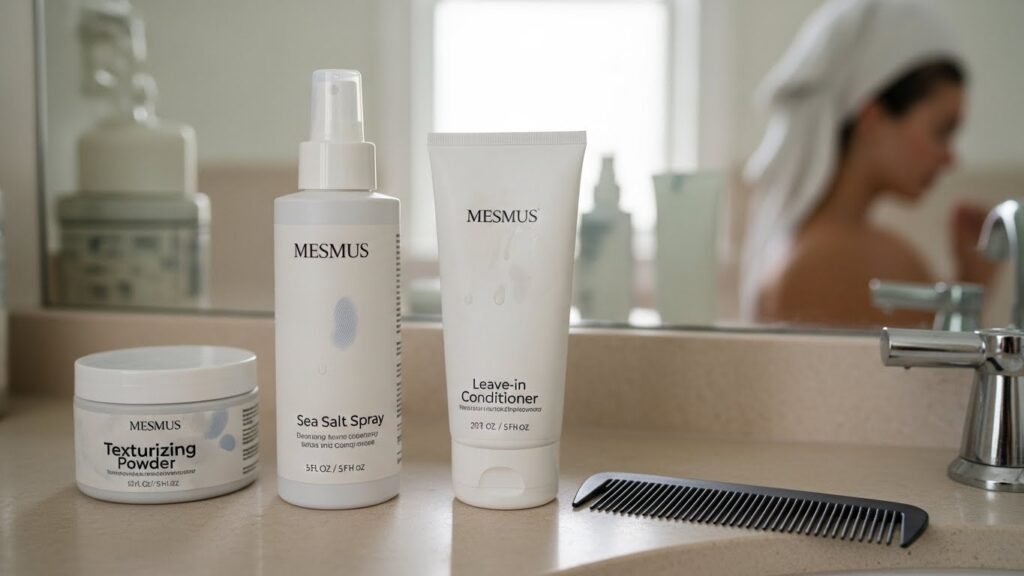
Your at-home routine undergoes a significant simplification. Embrace air-drying. Use a leave-in conditioner and a texturizing spray or mousse, scrunch your hair, and let it do its thing. On days you do use heat, opt for a large-barrel curling wand to create loose, imperfect waves, or use a flat iron to bend pieces randomly, not uniformly.
Product-wise, swap heavy, slick formulas for those that build flexible hold and separation. Sea salt sprays, texturizing powders, and dry shampoos are your new best friends. They add grit, volume, and that coveted “lived-in” feel. Most importantly, extend time between washes. Let your natural oils add to the texture and softness.
Why “Lived-In” is More Than a Trend: The Lasting Appeal
The power of the lived-in hair movement lies in its authenticity. It aligns with a modern desire for sustainability—fewer chemical processes, less heat, and less frequent salon visits mean a lower environmental footprint and less strain on your wallet. It champions individuality, working with your unique hair texture rather than forcing it into an unnatural mold.
Perhaps most profoundly, it represents a shift in mindset. It’s about reclaiming time and mental energy. It’s the understanding that you are not a mannequin for perfect hair, but a person whose style should reflect a dynamic, active life. Comfortable, lived-in hair says you’re confident, you’re at ease with yourself, and you have better things to do than fuss over a mirror for hours.

Embracing Your Own Version of Effortless
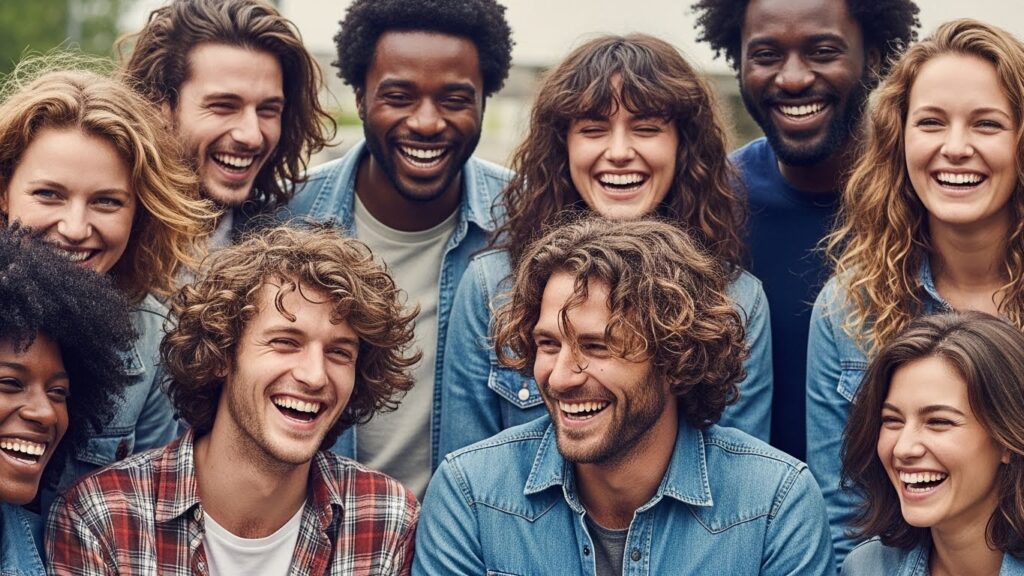
The beauty of the lived-in hair philosophy is its inclusivity. It’s not just for one hair type or color. Curly girls can enhance their natural pattern with defining creams and diffusers. Those with dark hair can play with shadow roots and rich, dimensional glosses. Short hair can be textured and piecey. It’s a customizable framework, not a rigid rulebook.
As we move forward, the definition of “good hair” continues to evolve. The rise of comfortable, lived-in hair marks a positive turn towards self-acceptance and practical beauty. It’s an invitation to let go of unattainable standards and embrace a style that lives, moves, and grows with you—literally and figuratively.
So, put down the flat iron, celebrate that day-old dry shampoo volume, and talk to your stylist about a color that lets you breathe. Your hair—and your schedule—will thank you. After all, the most attractive hair isn’t the most perfect; it’s the hair that looks like it has a story to tell.