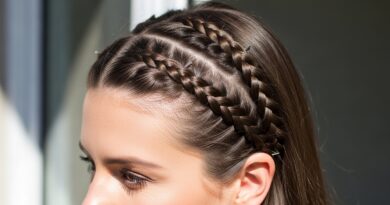
Haircuts Designed for Real Daily Routines
Let’s be honest: how many times have you left the salon feeling like a million bucks, only to face the crushing reality of your own bathroom mirror the next morning? That flawless blowout, those perfect layers, the precise texture—it all seems to vanish, replaced by a style that demands 30 minutes you simply don’t have. The problem isn’t you, and it’s not your hair. It’s the haircut itself. For too long, hairstyles have been designed for photo shoots and salon lighting, not for school runs, back-to-back meetings, gym sessions, and the desperate need for just five more minutes of sleep.

The Philosophy Behind the “Real Routine” Haircut
The core philosophy is simple: your haircut should serve your life, not the other way around. This requires a collaborative conversation with your stylist that goes beyond showing a Pinterest photo. It involves an honest audit of your weekly schedule, your actual styling habits (be truthful—do you really use that curling iron?), and your hair’s natural texture and behavior.
A haircut for real life considers growth patterns. How will this look in six weeks? Eight? It embraces natural texture—whether you have waves, curls, or pin-straight hair—working with it to minimize daily manipulation. It prioritizes shape and structure over temporary styling tricks, ensuring the cut does the heavy lifting. This approach results in a style that is forgiving, adaptable, and inherently you.
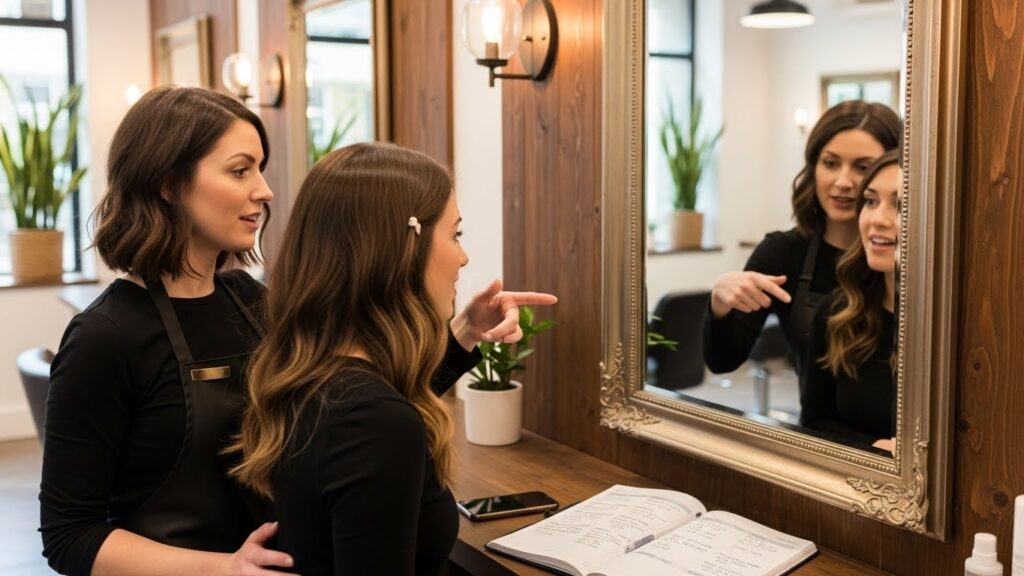
Key Characteristics of a Low-Maintenance, High-Style Cut
What should you look for? These are the hallmarks of a haircut built for endurance.
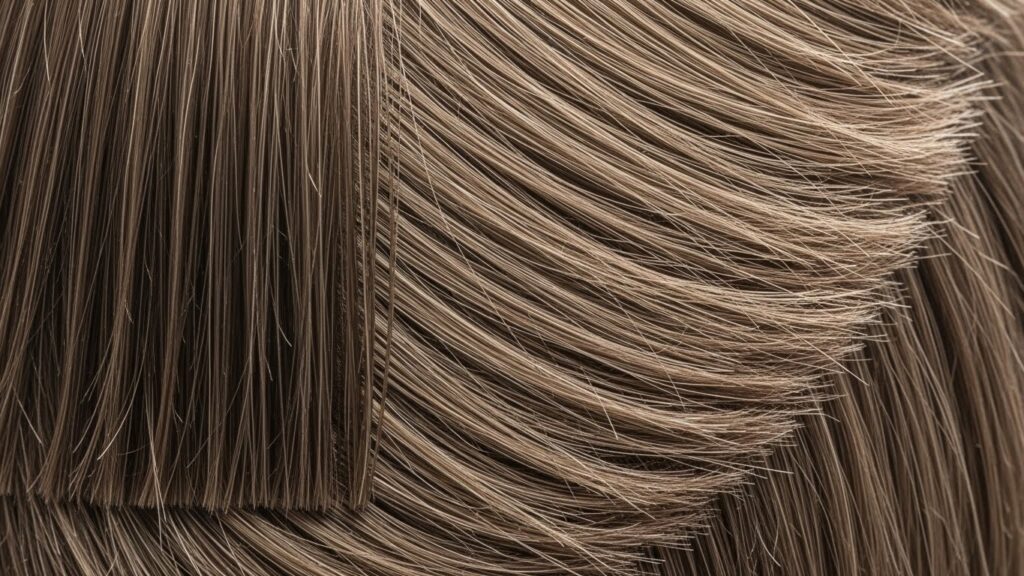
Internal Layers and Movement: Instead of heavy, uniform layers that can flip out awkwardly, ask for internal or “invisible” layers. These are cut within the hair to remove bulk and encourage natural movement without creating obvious, hard-to-manage ends. The hair falls better from day one.
Soft, Blended Ends: Whether it’s a bob or long hair, blunt, harsh lines can look severe and grow out poorly. Softly point-cut or textured ends blend seamlessly, resist splitting, and create a more lived-in, effortless look immediately after washing.
Weight Distribution: A skilled stylist knows where to place weight. The right weight gives the hair a natural swing and body as it dries, preventing flatness at the roots or a triangular shape. Proper weight distribution is the secret to a good air-dry.
Face-Framing That Works for You: Face-framing pieces shouldn’t require constant curling. They should be cut at a length and angle that naturally fall in a flattering way, whether tucked behind your ear or left out.
Top Haircut Styles for the Time-Poor Individual
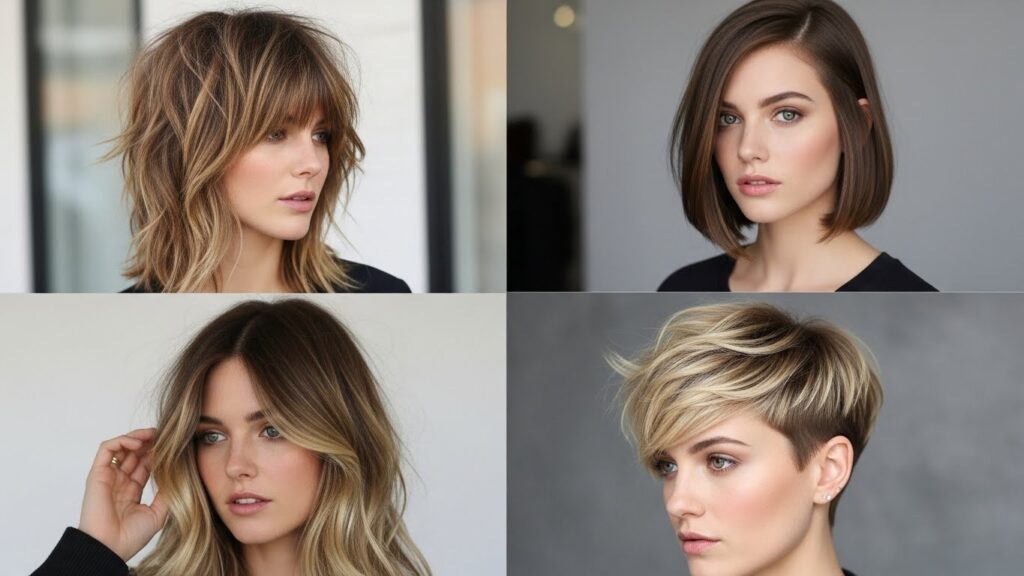
Ready for specifics? Here are champion styles known for their durability and ease.
The Modern Shag: Don’t let the 70s fool you—today’s shag is the ultimate low-maintenance hero. Its secret is in the seamless layers and heavy fringe that are cut to work together. On day one, you get rockstar volume. On day three, it’s a perfectly piecey, textured mess. It air-dries with incredible character, and the more you sleep on it, the better it often gets. It’s designed to look lived-in.
The Blunt(ish) Bob: We say “blunt-ish” because the key is a slight softening. A bob at the jawline or just above the shoulders is a classic for a reason. When cut with a hint of texture at the ends and proper internal layering, it air-dries into a sleek, chic shape. It’s one length to manage, it looks polished even when thrown up in a half-up style, and it’s incredibly versatile.
The Long-Layered “Cushion Cut”: For those who won’t part with length, this is your answer. Instead of distinct layers, think of a “cushion” of removed weight from the mid-lengths down. This preserves the appearance of length while freeing the hair to wave or curl naturally. It prevents the dreaded “triangle head,” reduces drying time, and makes braids, buns, and ponytails look fuller and more intentional.
The Textured Pixie or Crop: Short hair can be high-maintenance if it requires frequent trims and heavy product. The solution is a textured, piecey cut with a longer, versatile top. This style can be finger-combed with a bit of paste or wax, pushed in different directions, and grows out beautifully into a longer crop. It’s the ultimate wash-and-go.
The Critical Consultation: Talking to Your Stylist
Getting this cut requires clear communication. Walk into your appointment prepared.
Start by being brutally honest: “I have 10 minutes for my hair in the morning.” or “I air-dry my hair 90% of the time.” or “I need a cut that will still look good when I pull it up for the gym.” These are gold for a stylist.
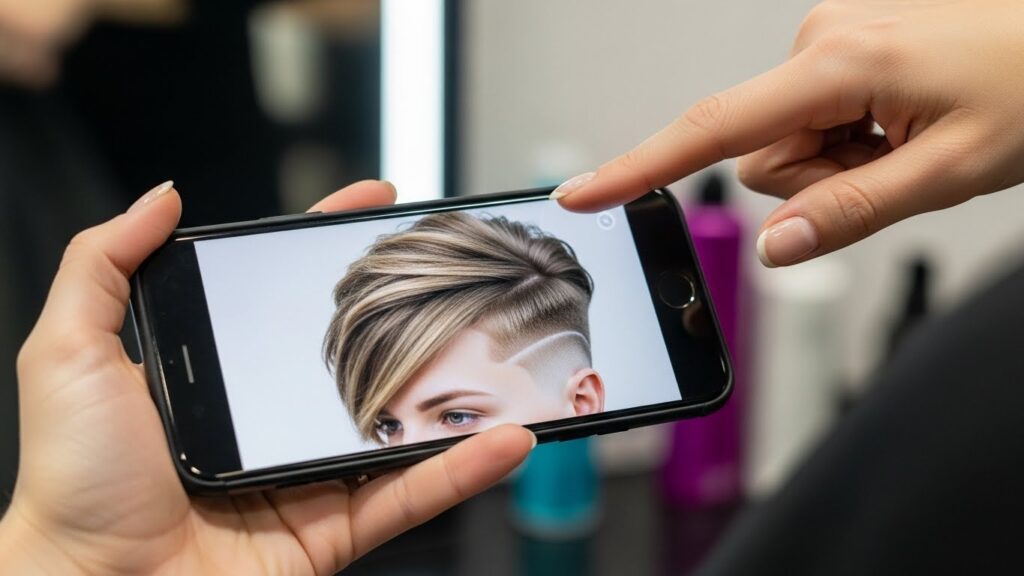
Show photos, but explain why you’re drawn to them. Is it the piecey texture? The way it moves? The softness around the face? Ask technical questions: “How will this grow out?” “What is the minimum styling required to make this look like the photo?” “Can you show me how to style it with just one product?” A great stylist will welcome this dialogue.
Mastering the 5-Minute Styling Routine
Even the best real-world haircut needs a little help. The goal is a minimalist routine that enhances what you already have.
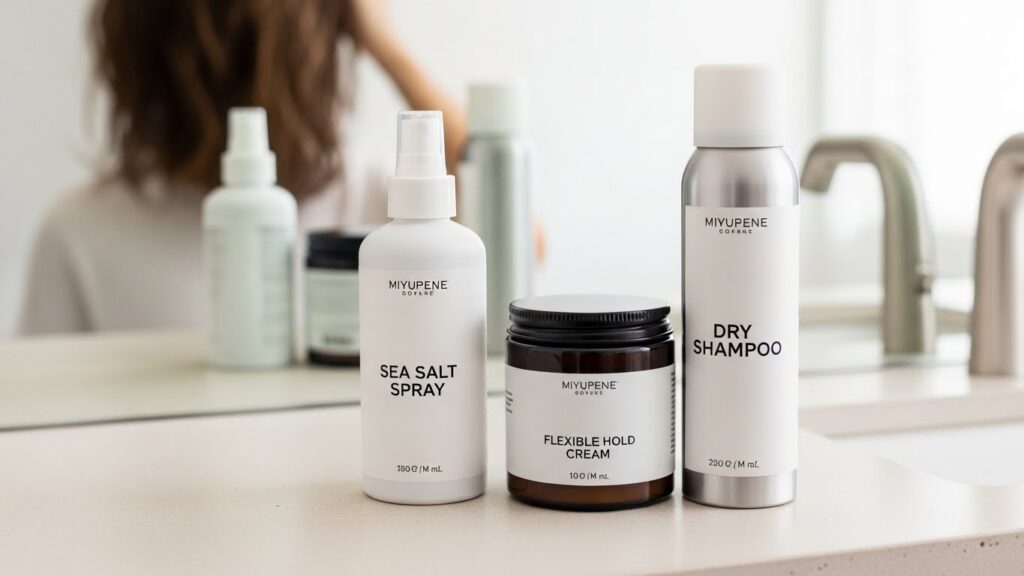
Invest in two hero products: a texturizing spray or sea salt spray for waves and volume, and a flexible hold cream or pomade for definition and frizz control. On damp hair, apply your product of choice. Scrunch your waves or rake the product through straight hair. Then, let it air-dry. Seriously. Avoid touching it. Once it’s 90% dry, you can tousle at the roots for volume or twist a few face-framing pieces.
For second-day hair, dry shampoo is your best friend. Spray it at the roots before bed to let it absorb oils overnight. In the morning, shake it out and go. The natural oils and previous day’s product will often create an even better texture.
Embracing the Grow-Out Phase
A true test of a great haircut is how it grows. Cuts designed for real routines should evolve gracefully, not go through awkward, “must-trim-immediately” phases.
Your shag will grow into a beautiful, layered lob. Your blunt-ish bob will become a chic, collarbone-length cut. The long cushion cut simply gets heavier and more mermaid-like. The key is regular, small shape-up trims every 10-12 weeks to maintain the integrity of the shape, even if you’re growing it out. This prevents split ends from traveling up and destroying your easy styling.
The ultimate goal is to feel good every single day, not just salon day. It’s about reclaiming time and confidence. It’s about a haircut that feels like a part of you—adaptable, resilient, and effortlessly stylish. So at your next appointment, champion your real life. Ask for the cut that works for your morning, your workday, your workout, and your weekend. You deserve a hairstyle that keeps up with you.