Why Natural Texture Is Being Celebrated
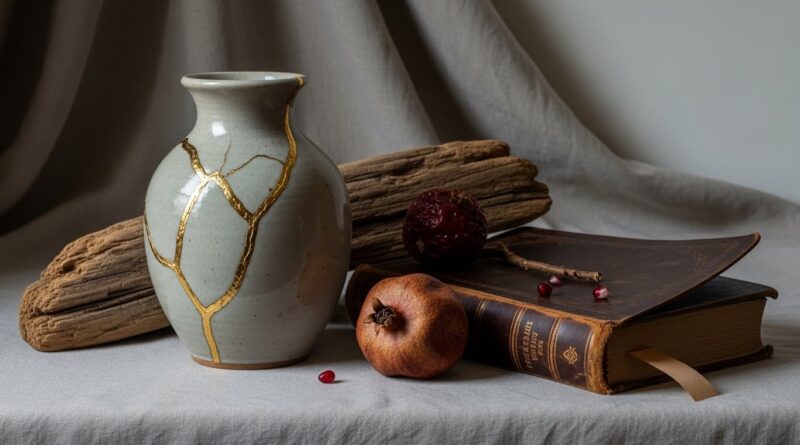
In a world that for decades chased the sleek, the polished, and the flawlessly smooth, a quiet yet powerful revolution is unfolding. We are now collectively leaning into the rough, the irregular, the authentically imperfect. From the grainy surface of handmade pottery and the rugged weave of linen to the unvarnished grain of reclaimed wood and the craggy beauty of raw stone, natural texture is being celebrated like never before. This isn’t merely a passing trend in interior design or fashion; it’s a profound cultural shift. It reflects a deeper yearning for connection—to the earth, to craftsmanship, and to a more genuine, sensory experience of the world around us. This celebration of texture marks a move away from sterile perfection and towards a richer, more human-centric aesthetic.
The Digital Fatigue: A Craving for the Tactile
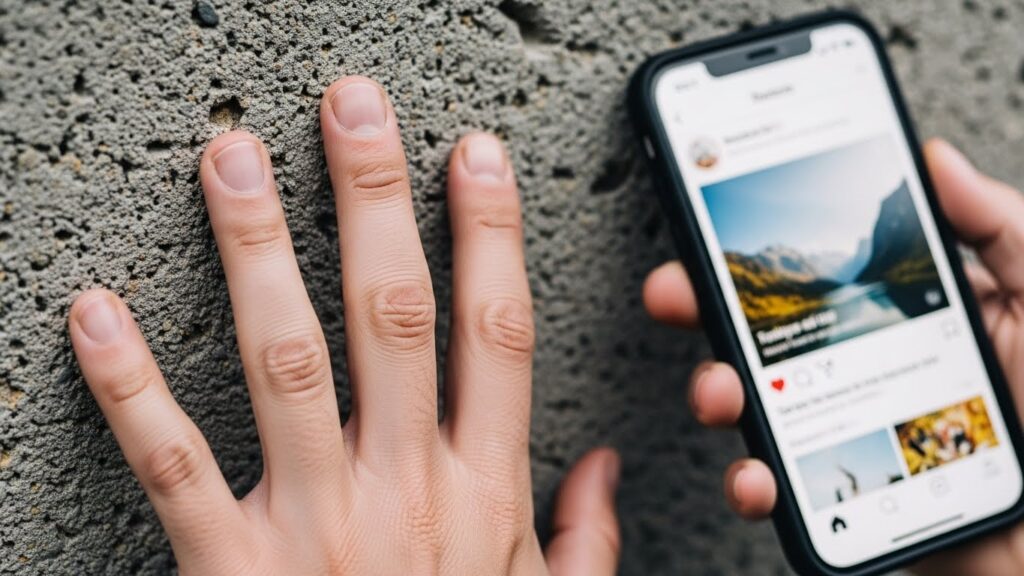
Our daily lives are increasingly spent in the intangible, pixel-perfect realm of screens. We swipe, scroll, and tap on glassy surfaces, consuming a flood of digital content that engages our eyes and minds but leaves our sense of touch utterly neglected. This digital saturation has created a kind of sensory poverty. In response, we are seeking balance through physical, tactile experiences. The deliberate choice of a rough-hewn wooden dining table, a chunky knit sweater, or a wall finished with lime wash plaster is a conscious rebellion. These textures invite us to touch, to feel the story in the material. They provide a grounding counterpoint to the virtual world, offering a sensory richness that a flat screen simply cannot replicate. They remind us that we are physical beings in a physical world.
Authenticity and the “Wabi-Sabi” Influence
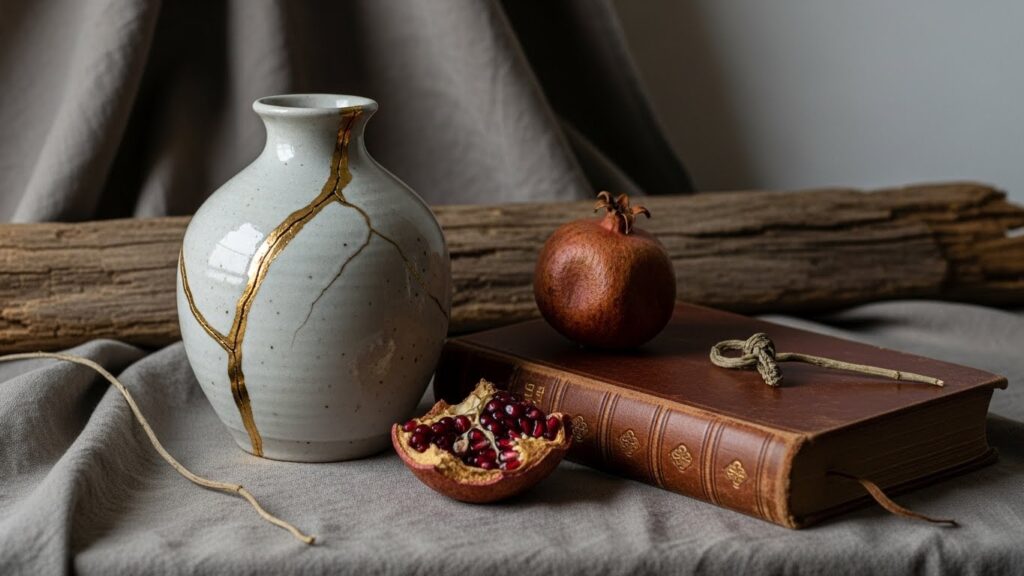
The global embrace of concepts like the Japanese philosophy of wabi-sabi has provided a foundational language for this movement. Wabi-sabi finds beauty in imperfection, impermanence, and incompleteness. It honors the cracks, the patina, the asymmetry that comes with age and honest use. This philosophy directly champions natural texture. A cracked glaze on a ceramic bowl (kintsugi), the weathering on a piece of driftwood, or the irregular slubs in a silk fabric—these are not flaws to be hidden but marks of character and history to be revered. In an age of mass-produced sameness, textures born from natural processes or handcraftsmanship signal authenticity. They tell a unique story, making our spaces and possessions feel personal and soulful, rather than generic and disposable.
Sustainability and Mindful Materialism
The celebration of natural texture is inextricably linked to the growing demand for sustainable and ethical living. Materials like raw wood, bamboo, cork, wool, and linen are not just aesthetically pleasing; they are often renewable, biodegradable, and have a lower environmental footprint than their synthetic, high-gloss counterparts. Choosing a sofa with a hemp-linen blend or flooring of reclaimed oak is a material declaration of environmental values. Furthermore, textured natural materials often age gracefully, developing a richer patina over time. This encourages a mindset of “mindful materialism”—investing in fewer, higher-quality items that are built to last and become more beautiful with use, directly opposing the fast-fashion and fast-furniture cycles that dominate consumer culture.
Biophilic Design: Reconnecting with Nature
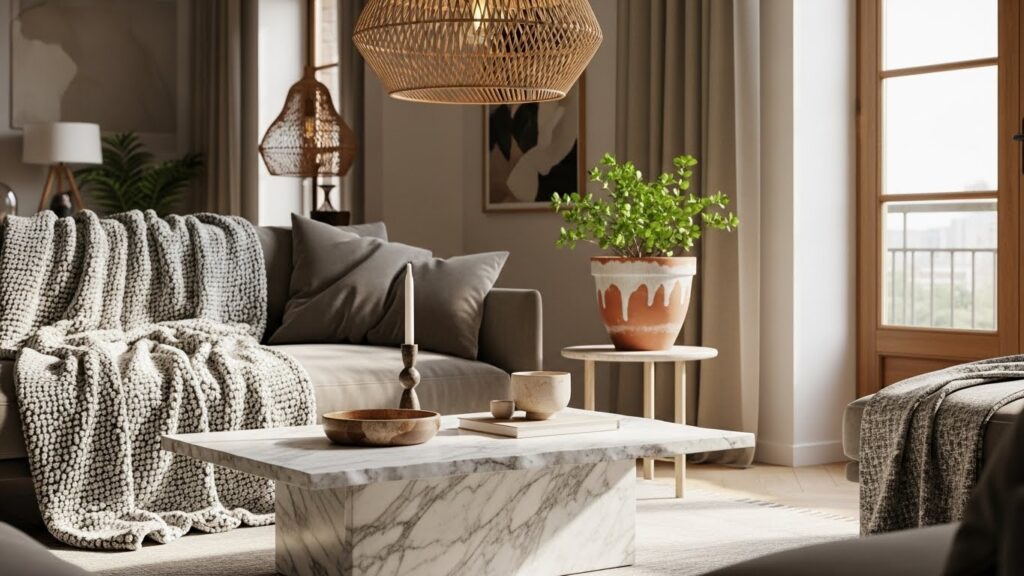
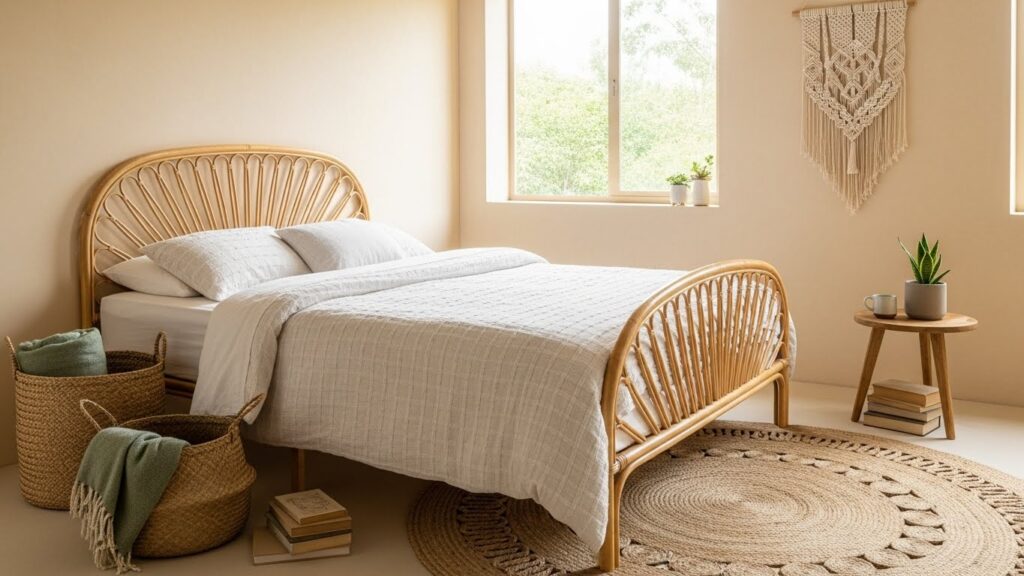
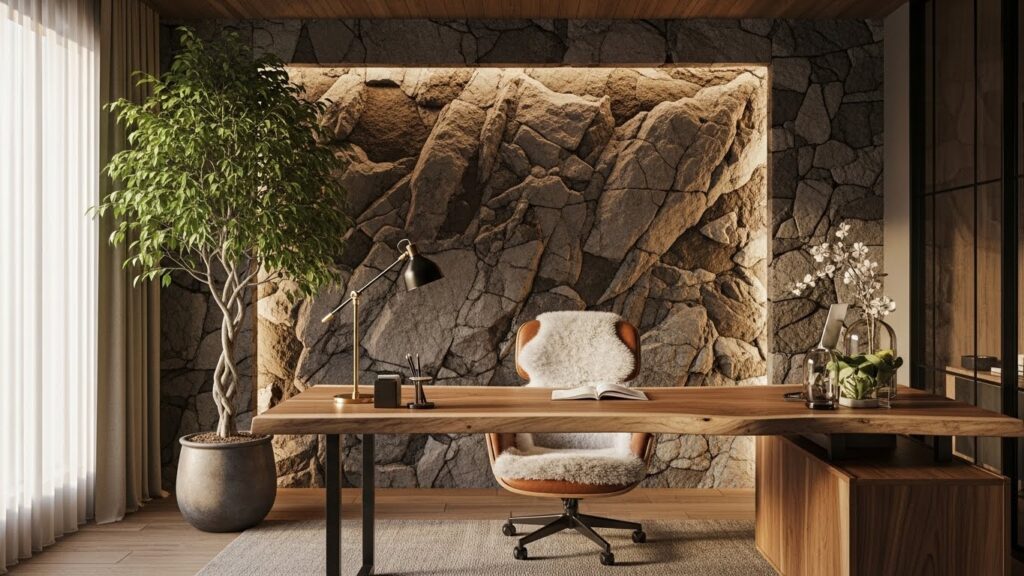
Biophilic design, the practice of integrating natural elements into our built environments to improve well-being, is a major driver of the texture trend. Studies consistently show that connection to nature reduces stress, enhances creativity, and improves cognitive function. Natural texture is a primary vehicle for this connection. It’s not just about adding plants; it’s about incorporating the very essence of nature through materials. A fluted wall that mimics tree bark, a stone vessel cool to the touch, a shaggy wool rug that feels like moss—these elements engage our innate affinity for the natural world. They create spaces that feel nurturing, calm, and alive, transforming a house into a sanctuary that supports human health on a fundamental, often subconscious, level.
The Rise of Craft and Artisanal Appreciation
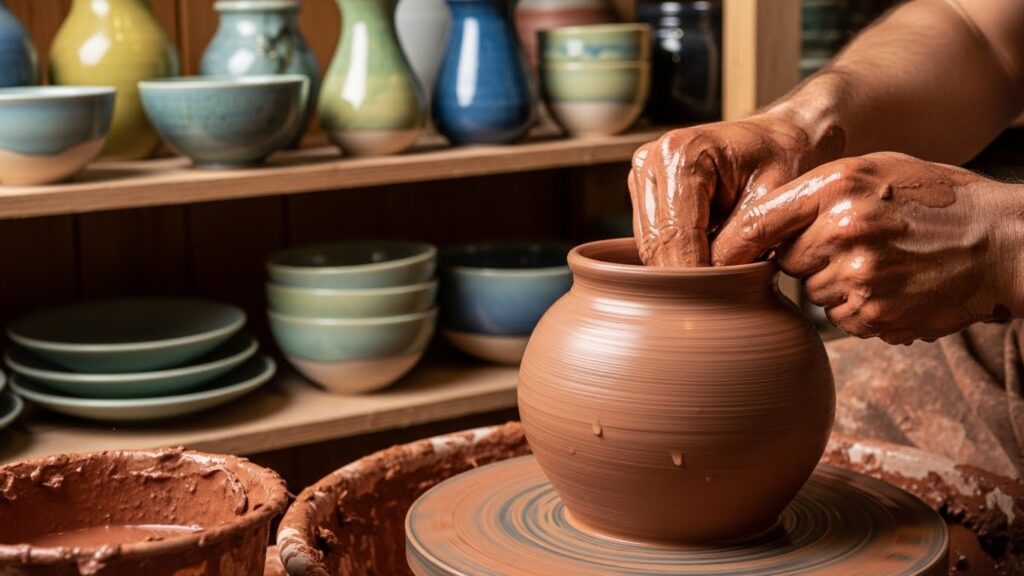
Behind every pronounced texture is often the hand of a maker. The resurgence of interest in craftsmanship and artisanal techniques has brought texture to the forefront. We value seeing the evidence of the process—the thrower’s fingers in a clay vase, the weaver’s hand in a slightly irregular textile, the carpenter’s tool marks on a beam. This texture is a tangible signature of human effort and skill. In celebrating these textures, we are not just buying an object; we are connecting with a narrative of creation. This appreciation fosters a deeper relationship with our belongings and supports smaller-scale economies and traditional crafts that might otherwise disappear, adding a layer of ethical and cultural satisfaction to the aesthetic pleasure.
How to Celebrate Natural Texture in Your Own Space
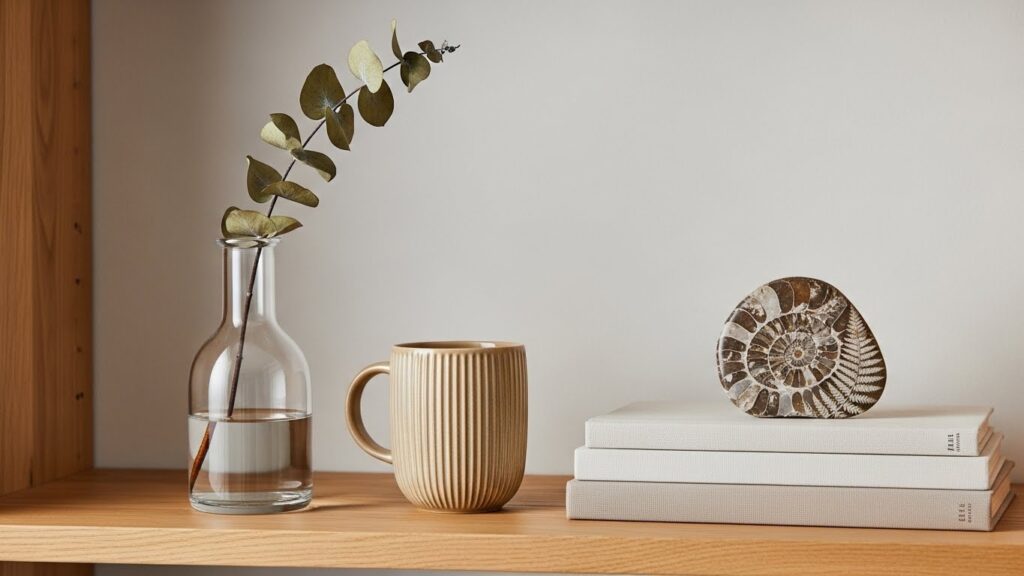
Embracing this trend is intuitive and personal. Start by introducing layers of different, complementary textures. Pair the cool smoothness of glass with the nubby warmth of bouclé fabric. Contrast a sleek metal lamp with a rough, hand-carved wooden base. In fashion, mix a crisp linen shirt with a woven raffia bag. Don’t shy away from materials that show their age or origin. Seek out pieces made from natural fibers, unfinished woods, and raw stones. Remember, the goal is not to create a rustic cabin, but to build a layered, sensory environment that feels collected, authentic, and deeply connected to the natural world. The most impactful spaces often have a dialogue between the refined and the raw.
The Future is Tactile
The celebration of natural texture is more than an aesthetic choice; it is a holistic response to the conditions of modern life. It addresses our digital fatigue, our desire for authenticity, our environmental concerns, and our innate need to connect with nature. This movement champions a slower, more considered way of living—one that engages all the senses and finds profound beauty in the honest, the imperfect, and the real. As we move forward, this tactile intelligence will likely become even more embedded in how we design our homes, choose our clothing, and shape our communities. By celebrating natural texture, we are ultimately celebrating a more human, sustainable, and deeply felt experience of the world.


