Why Hair Is Becoming More Low-Key
Remember the era of the perfect blowout? The relentless pursuit of pin-straight locks, voluminous curls that defied gravity, or color that required monthly salon visits to maintain its vibrancy? For decades, hair was a high-stakes project, a symbol of effort, status, and often, painstaking maintenance. But a quiet revolution is underway. Across social media, in workplaces, and on city streets, hair is becoming decidedly more low-key. This isn’t about neglect; it’s a profound cultural shift towards authenticity, health, and mindful living. The statement is no longer “look what I can achieve,” but rather, “look at what I have, embraced.”
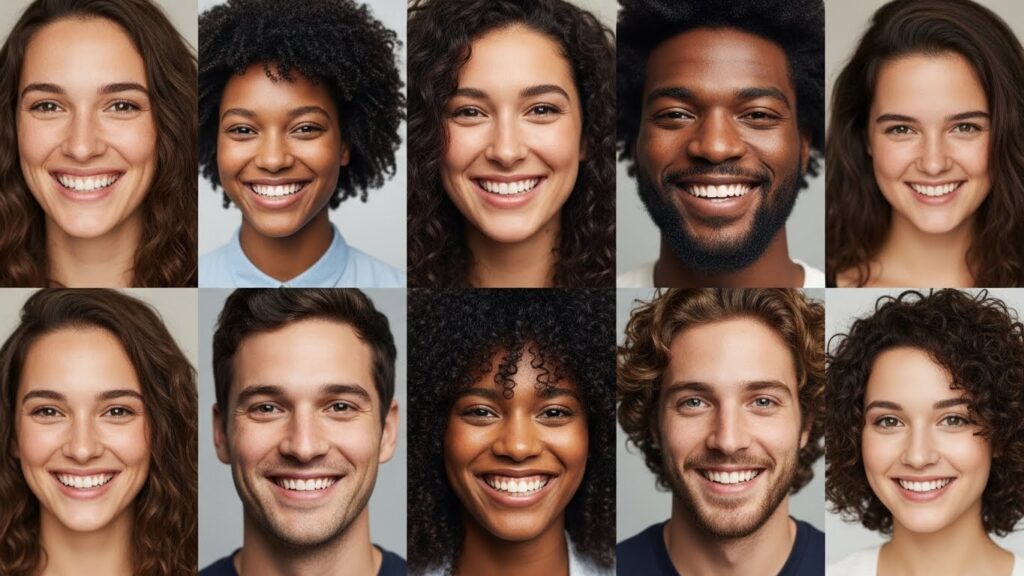
The Rise of the “Clean Girl” and “Quiet Luxury” Aesthetic
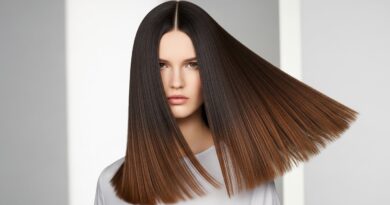
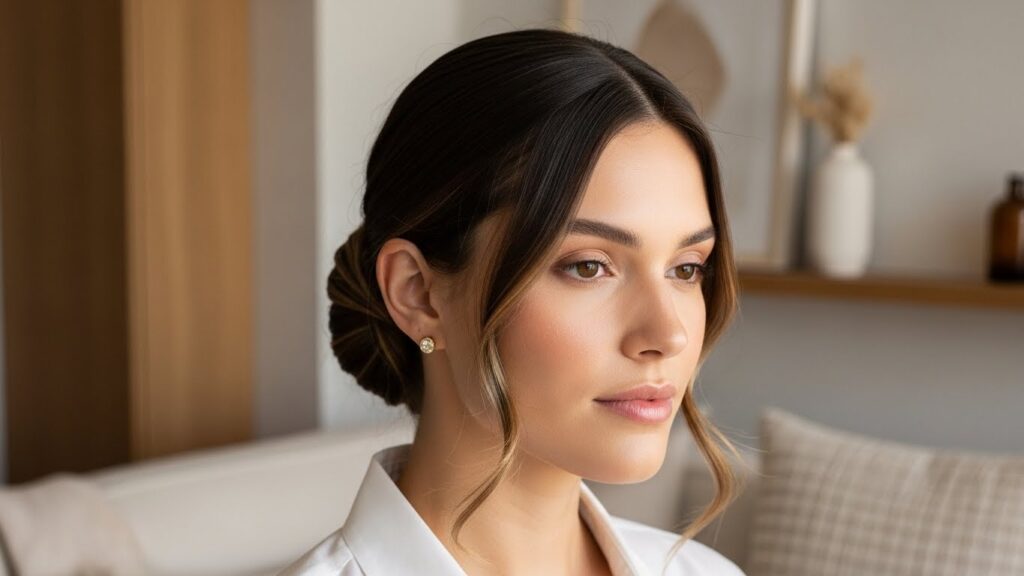
The visual trends dominating platforms like TikTok and Instagram have pivoted sharply from maximalism to minimalist elegance. The “clean girl” aesthetic, with its slicked-back buns, minimal makeup, and focus on glowing skin, inherently champions low-key hair. It suggests a life of order, health, and understated confidence. Similarly, the “quiet luxury” trend rejects loud logos and obvious displays of wealth in favor of impeccable quality and timeless simplicity. This philosophy translates directly to hair: think of a perfectly healthy, glossy bob or beautifully maintained natural curls. The luxury is in the health and cut, not in the elaborate styling.
These aesthetics signal a broader cultural value: effortless is aspirational. In a world that feels increasingly chaotic and high-pressure, a hairstyle that doesn’t require constant fuss represents a personal sanctuary of calm and control. It’s a non-verbal communication of having one’s life “together,” where time and energy are invested in well-being rather than performance.
Embracing Natural Texture: The End of the Heat War
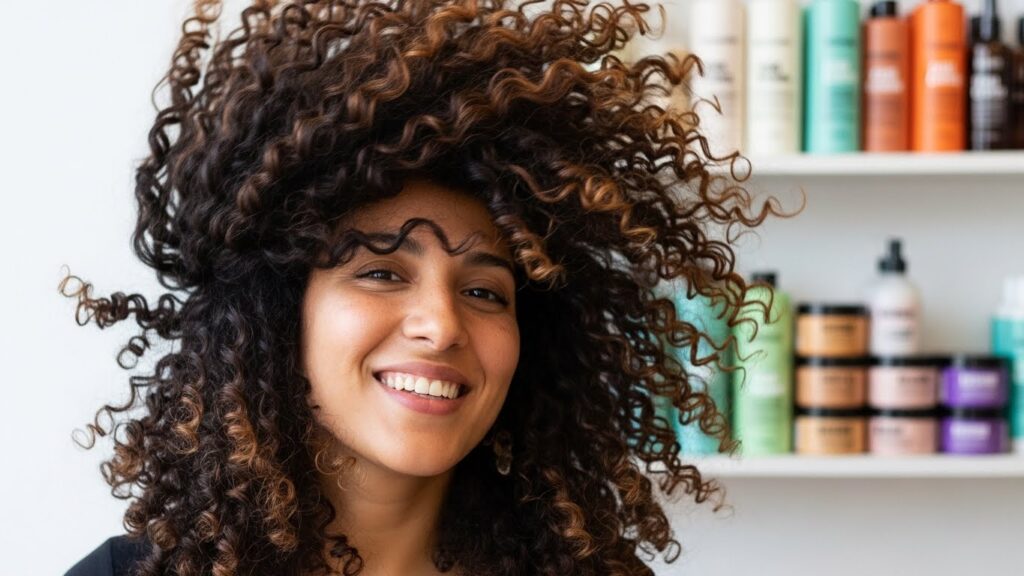
Perhaps the most significant driver of the low-key hair movement is the widespread embrace of natural texture. For years, those with curly, coily, or wavy hair felt immense pressure to straighten and tame their locks, engaging in a daily “heat war” that often led to damage. The natural hair movement, pioneered largely by Black women, laid the groundwork, championing the beauty and political power of wearing one’s hair as it grows.
This has blossomed into a mainstream celebration. People are now investing in products and cuts that enhance their natural pattern rather than fight it. The “curly girl method” and its wavy/coily cousins have dedicated online communities. This shift is liberating on multiple levels: it saves immense time and money, drastically reduces hair damage, and fosters a deeper, more positive relationship with one’s inherent identity. The goal is healthy, defined curls or waves, not a perfectly uniform style achieved with hot tools.
Wellness and Hair Health as a Priority
The global wellness boom has finally reached our scalps. Consumers are increasingly educated about the ingredients in their hair products, seeking out clean formulations free from sulfates, parabens, and silicones. There’s a growing understanding that hair health starts from within, with nutrition, hydration, and stress management playing crucial roles. This internal focus naturally leads to external simplicity.
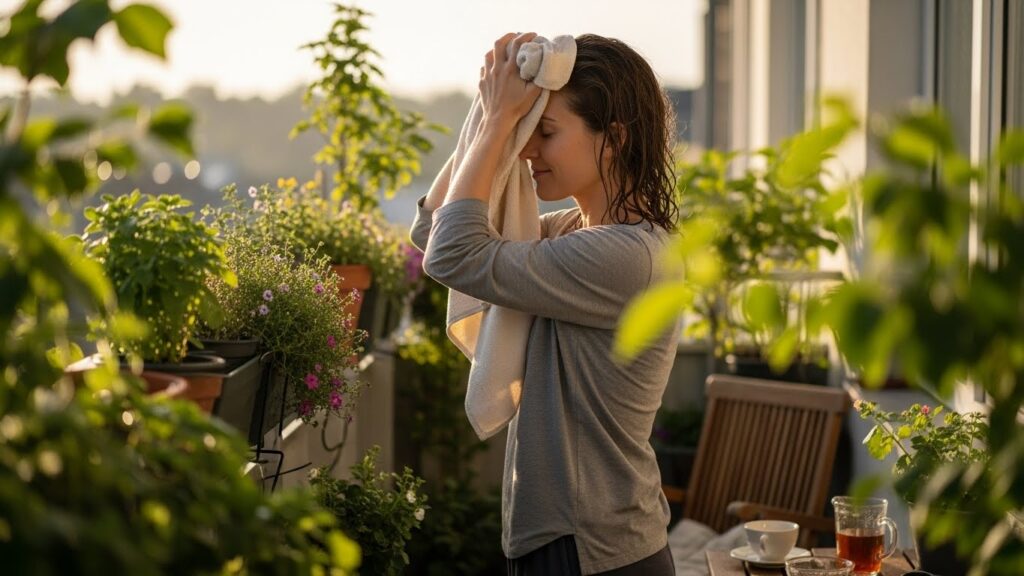
When the priority shifts to strength, shine, and scalp health, elaborate styling that requires heat, tight tension, and heavy products becomes counterproductive. The low-key hair routine often involves gentle cleansing, strategic conditioning, protective styles, and air-drying. The result is hair that may not look “done” in the traditional sense, but radiates vitality—a far more compelling beauty standard for many.

The Rejection of High-Maintenance Burnout
Let’s be honest: maintaining complex hair color or a style that fights your natural texture is exhausting. It’s a significant investment of time, money, and mental energy. In a post-pandemic world where many are reevaluating their priorities and seeking to reduce stressors, the high-maintenance hair routine is a prime candidate for simplification.
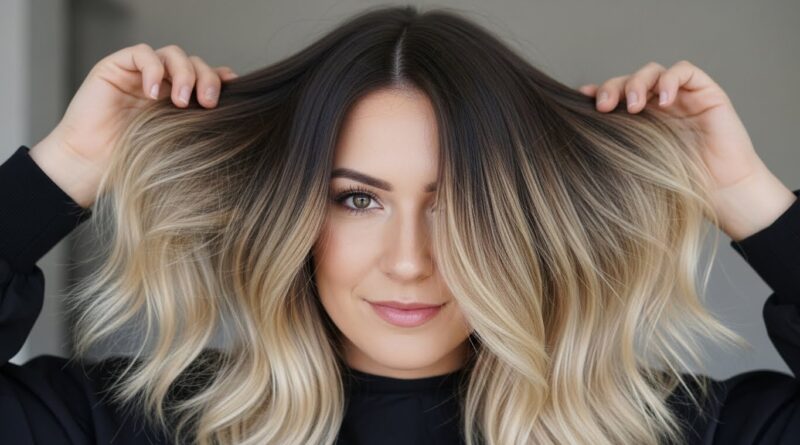
People are opting for lived-in color—balayage, root melts, and shadow roots—that grows out gracefully and requires fewer touch-ups. Cuts are becoming more shapely yet forgiving, designed to look good as they grow. This is a practical rebellion against the burnout of constant upkeep. It’s an acknowledgment that life is to be lived, not spent in a salon chair every three weeks. The freedom gained is a new form of luxury.

Economic Pragmatism and Sustainable Choices
Economic uncertainty has made many reconsider discretionary spending, and salon visits are often one of the first expenses to be scaled back. Low-key hair is, by its nature, more economical. Embracing your natural color and texture eliminates the need for frequent coloring or chemical treatments. Learning a few simple, effective styling techniques at home reduces dependency on professionals for everyday looks.
This aligns powerfully with sustainability. Less frequent washing saves water. Fewer products and tools mean less plastic waste and energy consumption. Choosing a style that grows out well reduces overall haircuts and trims. The low-key hair approach is inherently a more conscious and resource-light way of engaging with beauty, appealing to both the wallet and the eco-aware mindset.
Modern Workplace and Style Inclusivity
As workplaces become more casual and remote/hybrid models persist, the pressure to maintain a corporate “polish” defined by specific hairstyles has diminished. Video calls often show only the shoulders up, making healthy, neat hair more important than elaborate styling. Furthermore, crucial legislation like the CROWN Act in the United States is helping to dismantle discriminatory grooming policies that disproportionately affect Black people based on their natural hair.
This legal and cultural push for style inclusivity actively validates low-key, natural hair in professional settings. It reinforces that professionalism is not synonymous with straight hair or certain styles, allowing individuals to bring their authentic selves to work without compromise. This acceptance is a major accelerant for the low-key hair movement.

How to Embrace Your Own Low-Key Hair Journey
Ready to simplify? Transitioning to low-key hair is a process, not an overnight change. Start by assessing your hair’s health. A great cut from a stylist who understands your texture is the best foundation. Gradually extend the time between washes and heat styling. Explore products designed for your natural pattern. Consider protective styles that allow your hair to rest. Most importantly, shift your mindset: observe what your hair does naturally and learn to work with it, not against it.
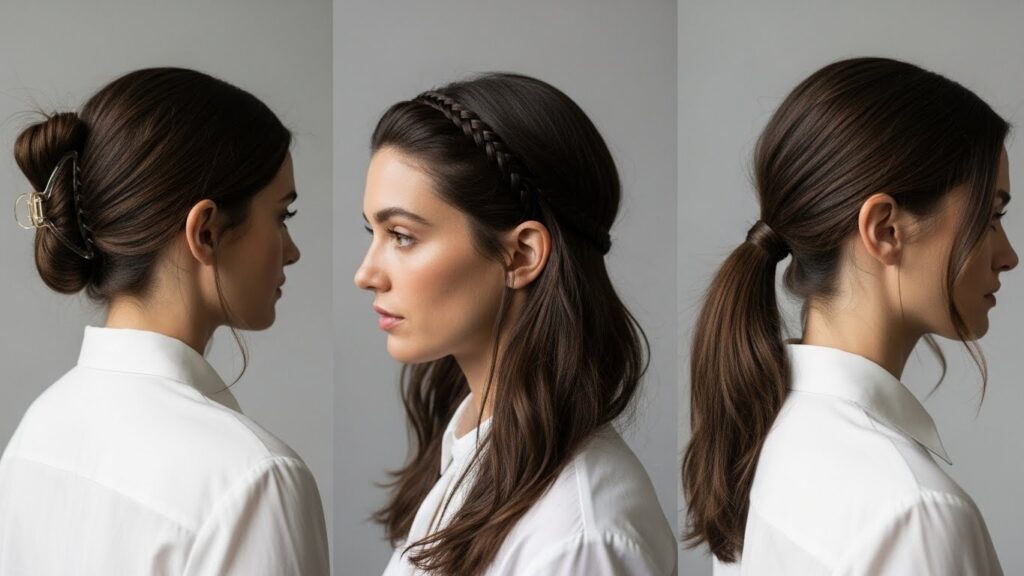
Remember, low-key doesn’t mean boring. It’s about intentional simplicity. It might be a perfectly placed hair clip, a chic headband, or the confident wear of your gray hair. The tools are minimal, but the expression is deeply personal.
Conclusion: The Power of Understatement
The move towards low-key hair is far more than a passing trend; it’s a symptom of a larger cultural evolution. We are collectively seeking authenticity over artifice, health over perfection, and freedom over constraint. Our hair, one of our most personal canvases, reflects this desire for a more grounded and sustainable way of living.
By letting go of exhausting standards and embracing what we naturally have, we’re not losing a form of expression—we’re refining it. We’re choosing to invest our energy in being, rather than merely appearing. In a noisy world, low-key hair is a quiet, powerful statement of self-acceptance. And that is truly beautiful.