Why Hair Is Moving Toward Soft Structure
For decades, the beauty ideal for hair was often synonymous with control, precision, and unwavering hold. We shellacked our styles with hairspray, wrestled curls into submission with flat irons, and chased sleek, glass-like finishes that defied humidity and movement. But a palpable shift is in the air—and on our heads. Today, the conversation is dominated by soft structure: a philosophy that celebrates movement, texture, and a more natural, lived-in aesthetic. This isn’t just a fleeting trend; it’s a fundamental movement rooted in wellness, authenticity, and modern styling technology. Let’s explore why hair is decisively moving away from harsh rigidity and embracing beautiful, soft structure.
The Cultural Shift: From Perfection to Authenticity
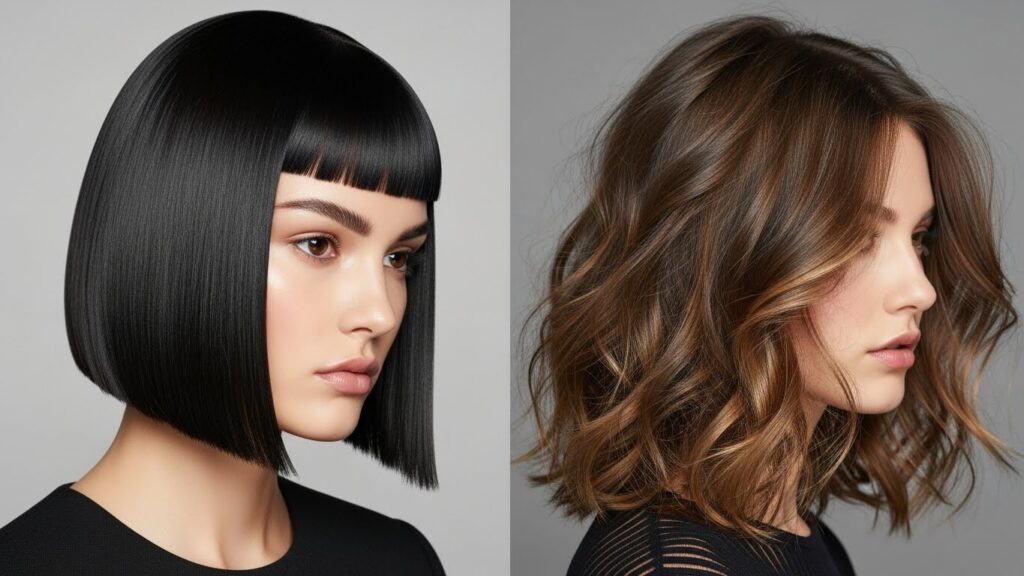
The move toward soft structure in hair mirrors a broader cultural pivot. The age of social media perfection, with its filtered faces and flawless aesthetics, is being balanced by a yearning for realness and relatability. We see this in the “clean girl” aesthetic, the embrace of skin textures, and now, in hair that looks like it hasn’t spent hours in the chair. Soft structure hair says, “I woke up like this”—it suggests a ease and confidence that feels more authentic than a stiff, helmet-like coiffure. It’s hair that moves with you, that looks touched by wind or fingers, that appears healthy and lived-in rather than artificially constructed.

The Health and Wellness Revolution
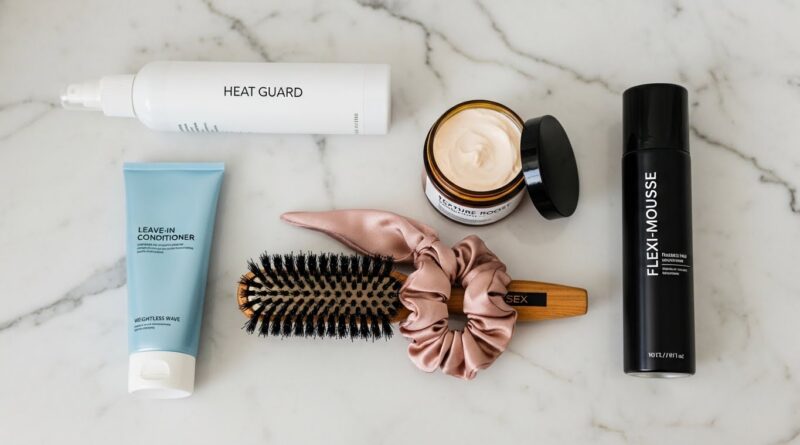
Consumers are more educated than ever about hair health. The damaging effects of high heat, chemical straightening, and heavy product buildup are well-documented. The pursuit of soft structure is inherently aligned with healthier hair practices. This style relies on enhancing your hair’s natural texture, using gentler heat settings, and favoring products that nourish—like leave-in conditioners, creams, and light mousses—over those that simply coat and constrict, like ultra-strong gels and hard-hold sprays. The goal is integrity, not just appearance. People want their hair to feel as good as it looks, prioritizing strength, shine, and elasticity over forced shape.
The Techniques Driving the Soft Structure Movement
This trend isn’t achieved by doing nothing; it’s crafted with specific, often more skillful techniques. Hairstylists are moving away from blunt, solid forms and embracing methods that create internal movement and soft edges.
Layering and Texturizing: Gone are the heavy, one-length blocks. Modern cuts use strategic, often hidden, layers to remove weight and encourage hair to fall in soft, piecey patterns. Shag cuts, soft bobs, and long layered styles are all prime examples.
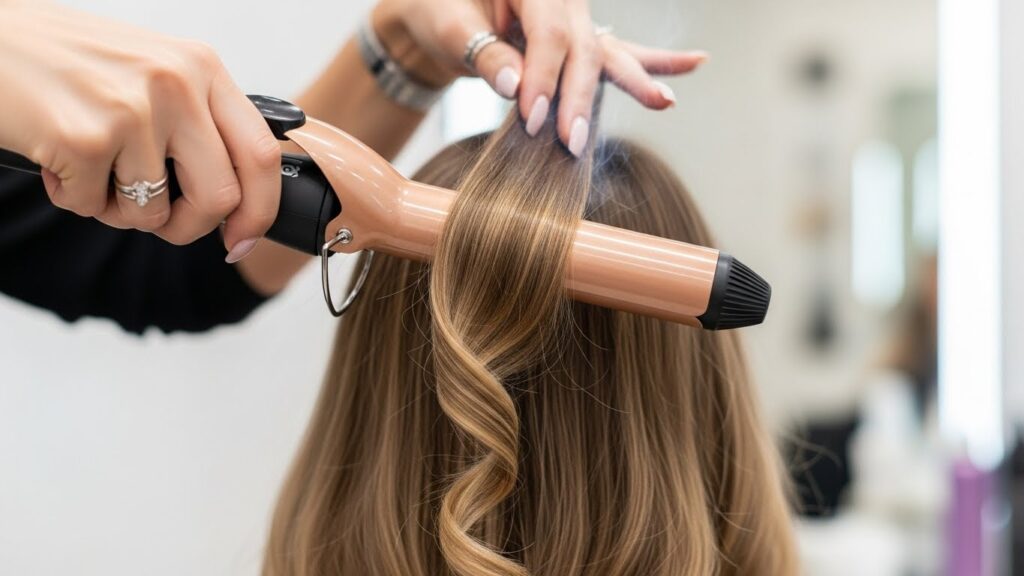
Curling and Wave Techniques: Instead of uniform, tight curls from a small-barrel iron, stylists use larger barrels, wands, or even techniques like robe tying to create soft, imperfect waves. The focus is on direction variation and S-shaped bends rather than perfect corkscrews.
Blow-Drying for Volume, Not Sleekness: The “blowout” is being redefined. Using a round brush to create root lift and body, while leaving the ends slightly textured and free, is key. The aim is volume and flow, not a plastered-down finish.
The Product Evolution: Flexibility Over Fixation
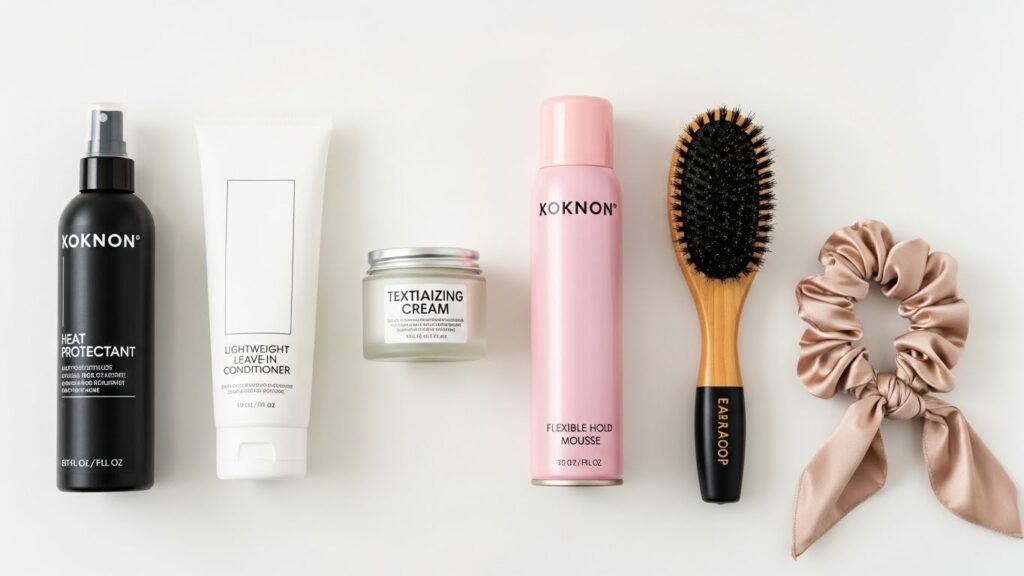
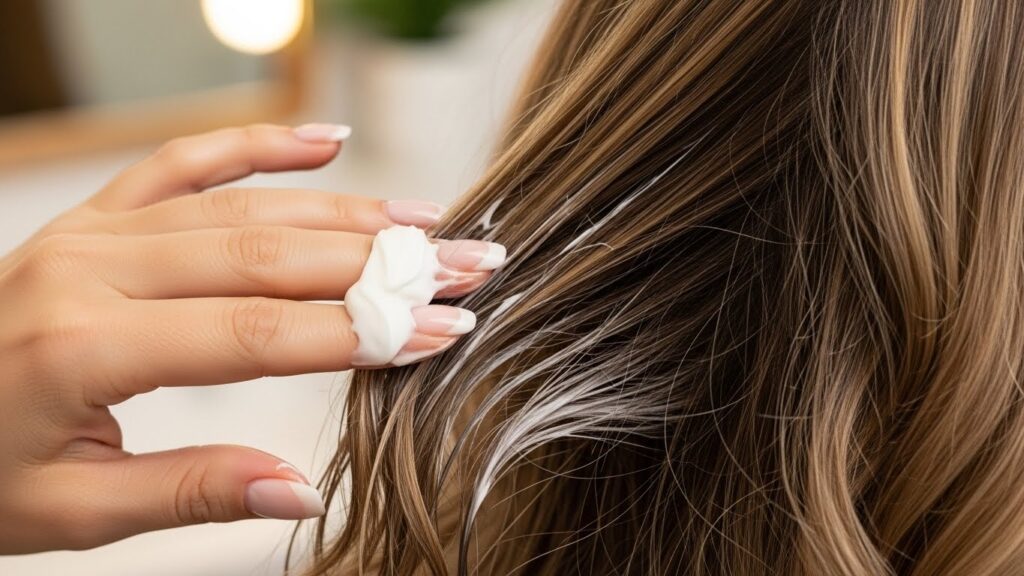
The product market has undergone a revolution to support this demand. Formulations are smarter and more sophisticated. We see a boom in texturizing sprays, flexible-hold creams, and sea salt mists that enhance natural pattern without crunch. Even hold products like mousses and gels are being reformulated for a “flexible hold” or “reworkable finish”—meaning you can run your fingers through your hair hours later without it feeling sticky or stiff. These products are designed to work with the hair’s natural movement, adding control without sacrifice.
Inclusivity and Personal Expression
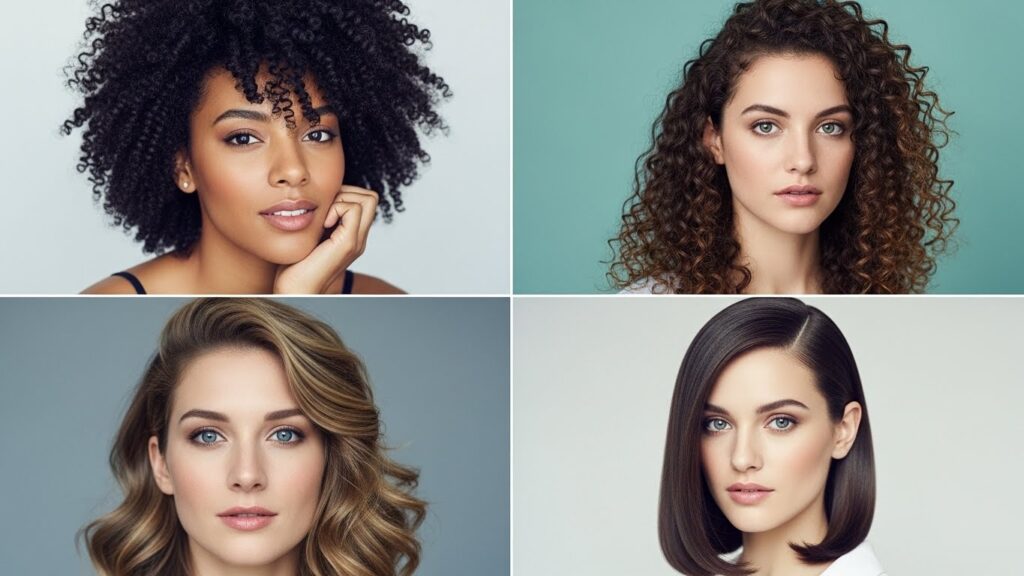
Soft structure is a uniquely inclusive trend. It works with your natural hair texture—whether it’s straight, wavy, curly, or coily—rather than trying to force it into an unnatural mold. For curly hair, it means defined but not stiff curls, achieved through hydrating, curl-clumping techniques. For straight hair, it means adding subtle body and piecey texture. This approach validates and celebrates a wider range of beauty standards, allowing for more personal expression. Your soft structure will look different from someone else’s, and that’s precisely the point.
The Practicality of Modern Life
Let’s face it: our lives are fast-paced. A style that requires constant touch-ups and fears a gust of wind is impractical. Soft structure hair is forgiving, durable, and low-maintenance. It looks good on day one, but often even better on day two or three as it settles into a more lived-in state. It transitions seamlessly from a professional daytime look to an evening out. This practicality makes it not just a stylistic choice, but a smart one for how we live now.

How to Embrace Soft Structure Hair
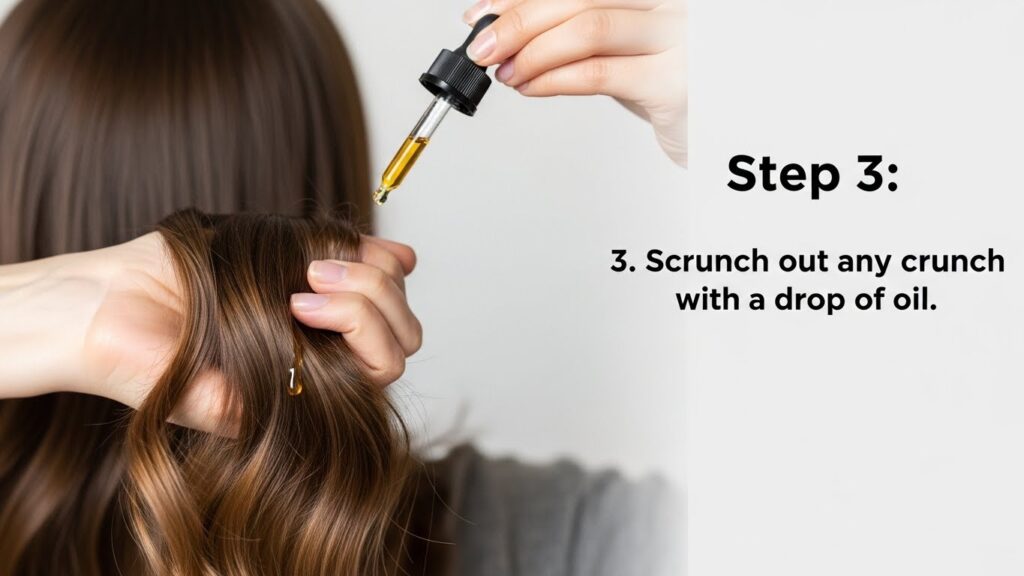
Ready to make the shift? Start with a consultation with your stylist about a cut that adds movement. Invest in products labeled “flexible hold,” “texturizing,” or “defining.” Embrace air-drying or diffusing when you can. When using heat, opt for the lowest effective temperature. Learn to scrunch, don’t slick. Remember, the goal is to enhance, not overpower. A little strategic messiness is the new polished.
The Future of Hair Is Soft
The movement toward soft structure is more than a trend; it’s a reflection of our evolving values around beauty, health, and authenticity. It represents a departure from the rigid, time-intensive ideals of the past and an embrace of a more intuitive, forgiving, and expressive approach to styling. This philosophy prioritizes the health and natural character of the hair, celebrating its unique texture and movement. As we continue to seek balance and realism in our lives, our hair is following suit—softer, more tactile, and beautifully, effortlessly real.