22 Protective Styles for Type 4 Hair That Actually Promote Growth
If you have Type 4 hair, you know the journey to length retention can feel like an uphill battle. You’re doing the deep conditioning, you’re trying to be gentle, but somehow, breakage still seems to win. The secret often isn’t just about what you put on your hair, but what you do with it. Enter: protective styling.

What Makes a Style Truly “Protective”?
Before we dive into the styles, let’s set the ground rules. A protective style must meet key criteria to earn its name. First, it must significantly reduce daily manipulation—no constant combing, brushing, or re-styling. Second, it must keep the ends of your hair tucked away and shielded from the elements like wind, dry air, and fabric friction from clothes. Third, and most critically, it must not cause tension on your hairline or scalp. If it hurts, it’s harming. Finally, it should still allow for proper hair and scalp care. You must be able to moisturize your hair and cleanse your scalp while the style is in.
The Ultimate List: 22 Growth-Promoting Styles
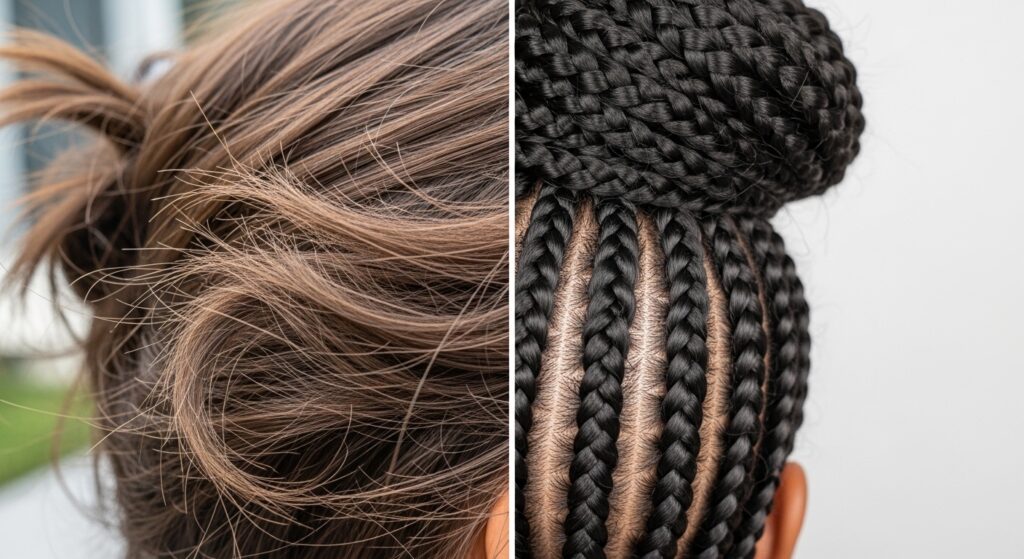
Here are 22 protective styles categorized to help you find the perfect fit for your needs, lifestyle, and hair health goals.
1. Classic & Low-Tension Braids
Braids are a cornerstone of protective styling, but technique is everything.
Box Braids (Medium to Large): Opt for a larger size to reduce weight and install them with minimal tension at the roots. Use your own hair or lightweight kanekalon/braiding hair.
Knotless Braids: The gold standard. These start with your own hair, eliminating the painful knot at the base of traditional box braids. They offer a seamless look and dramatically reduce scalp tension.
Two-Strand Flat Twists: Softer than braids, these are perfect for a stylish, low-manipulation look that’s easier on your strands. Great as a standalone style or as a base for twist-outs.
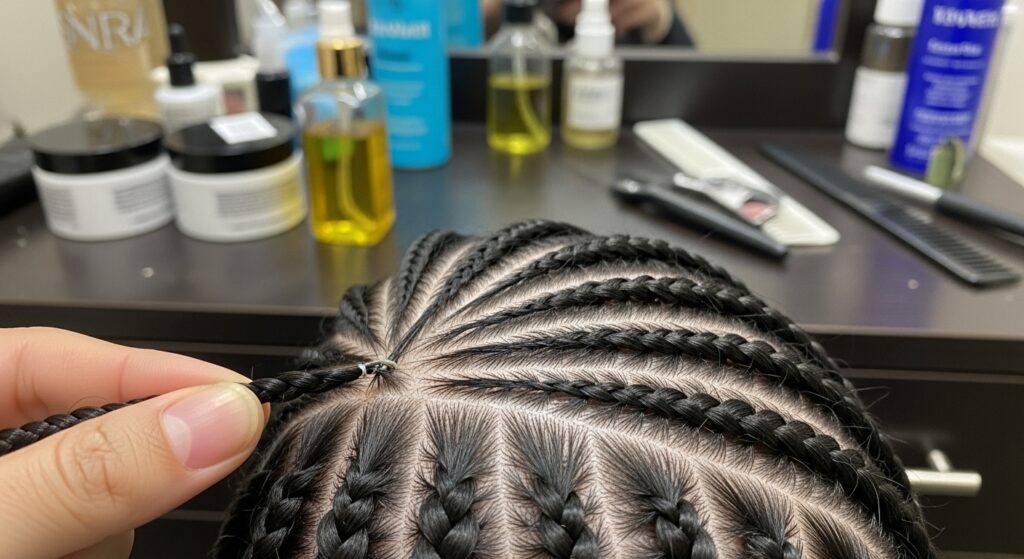
Cornrows: Keep them simple and not too tight. They lay flat, making them ideal under wigs or for extended wear. Avoid overly intricate, tight patterns that pull at the edges.
2. Twists & Loc-Inspired Styles
Twists offer a beautiful, natural texture while being exceptionally gentle.
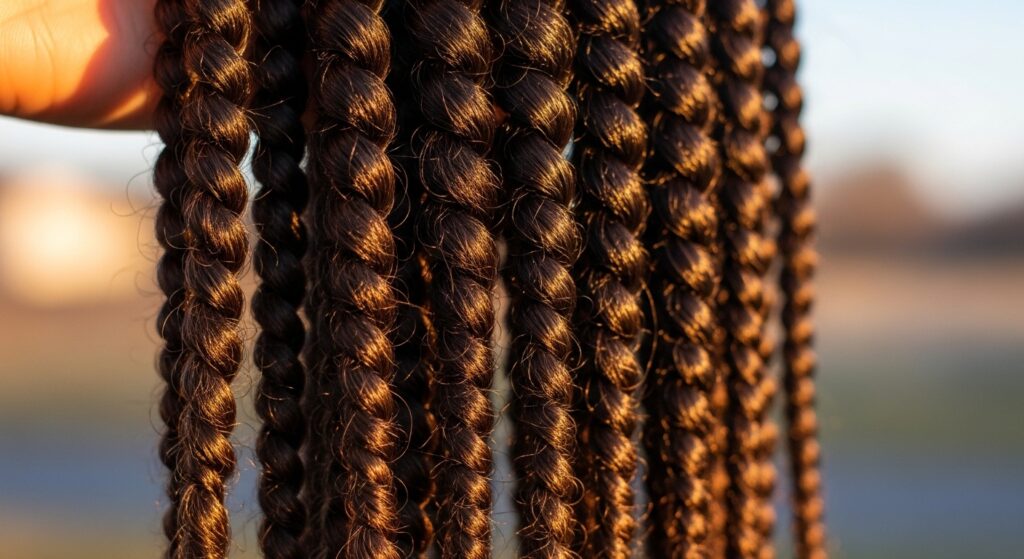
Two-Strand Twists (Mini, Medium, or Chunky): The ultimate in gentle styling. You can wear them in, take them down for a gorgeous twist-out, and re-twist with minimal breakage. Size down for longer wear, size up for a quicker install.
Twist-Outs (as a protective style): Wait, isn’t this a wash-and-go? Not exactly. A well-defined, chunky twist-out worn for 5-7 days without re-twisting daily is a low-manipulation protective state. The ends are curled and protected within the defined clumps.
Faux Locs (Soft or Yarn): These provide the beautiful, locked look without the commitment. Soft faux locs made with marley hair or yarn are lightweight and less taxing than heavy synthetic versions.
Interlocks/Faux Locs with Your Own Hair: For those with mature locs or using a loc method on loose hair, this style perfectly shields ends and requires no daily styling.
3. Elegant & Protective Updos
Using your own hair to create beautiful, tucked-away styles.
The High, Loose Puff: Using a soft, coil-friendly hair tie, gather your hair at the crown. The key is loose. This protects the ends at the back and sides while giving your scalp a break from being stretched down.
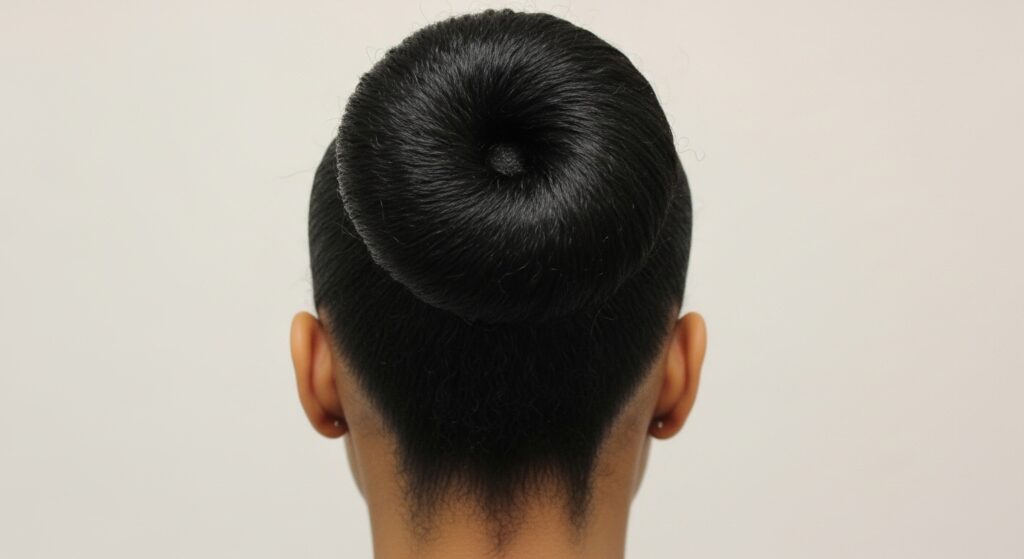
French Rolls or Tuck & Rolls: A sleek, elegant way to bundle all your hair away. Use bobby pins instead of tight elastics and ensure the roll isn’t pulling at your edges.
Bantu Knots (as a style, not just a set): These iconic knots are a stunning style on their own. They keep every single strand coiled and protected from external damage.
A Well-Secured Updo with Hair Pins: Think of styles like a log roll or a chic bun secured entirely with bobby pins or spin pins. This distributes weight evenly and avoids the tension point of a single elastic.
4. Wigs & Weaves (The Right Way)
When installed with care, these can offer unparalleled protection.
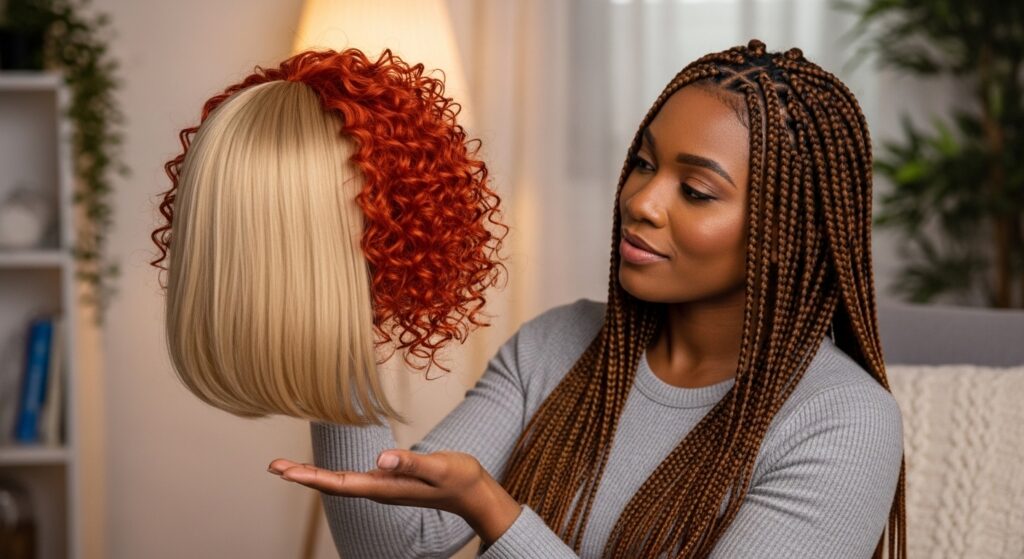
Wigs on Braided or Twisted Underneath: The ultimate in versatility and protection. You can braid or twist your hair, moisturize it thoroughly, and then cover it with a wig. This allows for daily scalp access and zero tension on your own hair.
Quick Weaves with a Breathable Cap: If you must glue, use a full cap and only glue the perimeter, leaving the majority of the cap free for airflow. Better yet, use wig tape or elastic bands for attachment.
Crochet Braids (with Loose Curly or Textured Hair): Install onto loose cornrows. Choose lightweight, textured fibers that blend with Type 4 hair. This method is fast, tension-free, and allows for easy washing underneath.
Frontal/Segmented Installations with Braids: Instead of sewing tracks onto a tight, netted braid, install them onto individual, larger cornrows. This reduces matting and tension points.
5. Creative & Accessorized Styles
Protection doesn’t have to be boring.
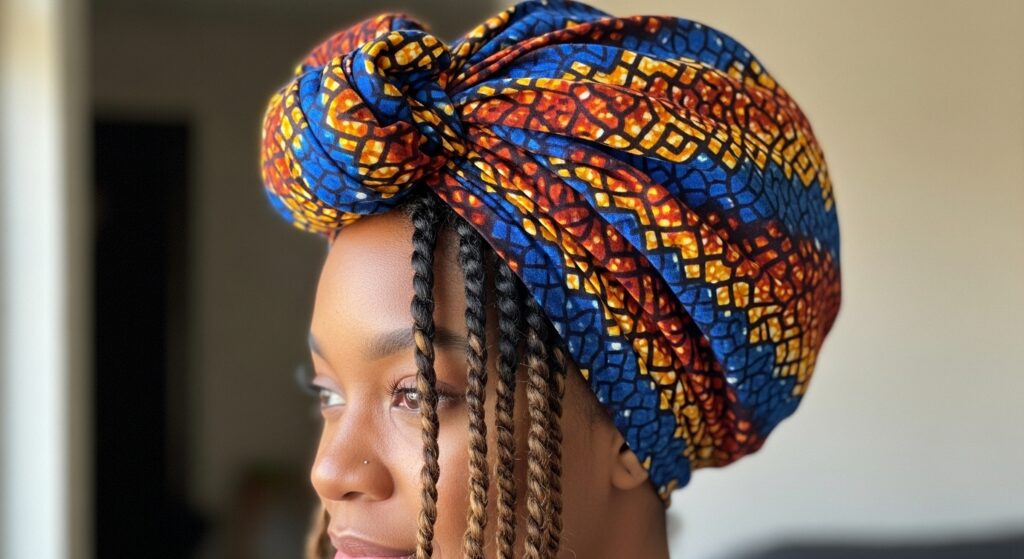
Headwraps & Turbans Over Twists/Braids: A stylish headwrap over simple two-strand twists is a double layer of protection. It shields your hair from sun, wind, and dust while looking fabulous.
Half-Up, Half-Down Protective Style: Braid or twist the top section of your hair into a crown or updo, leaving the bottom out in a defined twist-out or braid-out. This protects a significant portion while changing up your look.
Accessorized Flat Twists: Add beads, cuffs, or thread to flat twists for a personalized, festive look that keeps hair secured for weeks.
Goddess Braids with Soft Hair: Larger, intricate cornrow styles that are installed with a gentle hand. They make a statement while keeping every strand neatly contained.
6. The “Underrated but Powerful” Category
These styles are simple but incredibly effective.
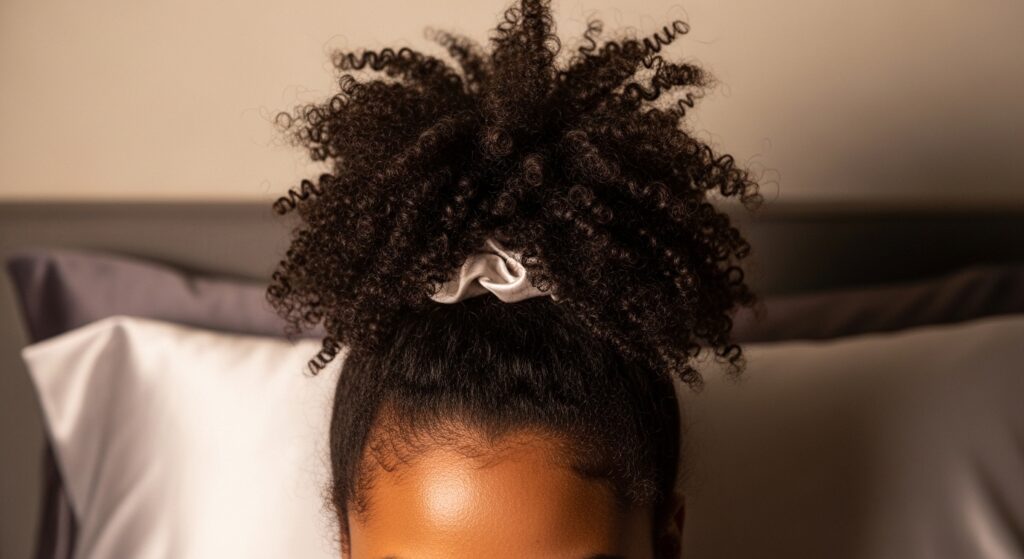
The Pineapple (for longer Type 4 hair): A high, loose gather on top of your head using a satin scrunchie before bed. This protects your ends overnight and preserves a stretched style for days.
Simple Cornrows into a Bun: Cornrow your hair back into a few large sections and tuck the ends into a soft bun. Efficient, neat, and perfect for workouts.
Bandless Ponytails Using a Scarf: Use a long satin scarf to gather your hair into a ponytail without a traditional elastic. Tie the scarf securely but gently—this distributes pressure over a wider area.
Essential Rules for Protective Styling Success
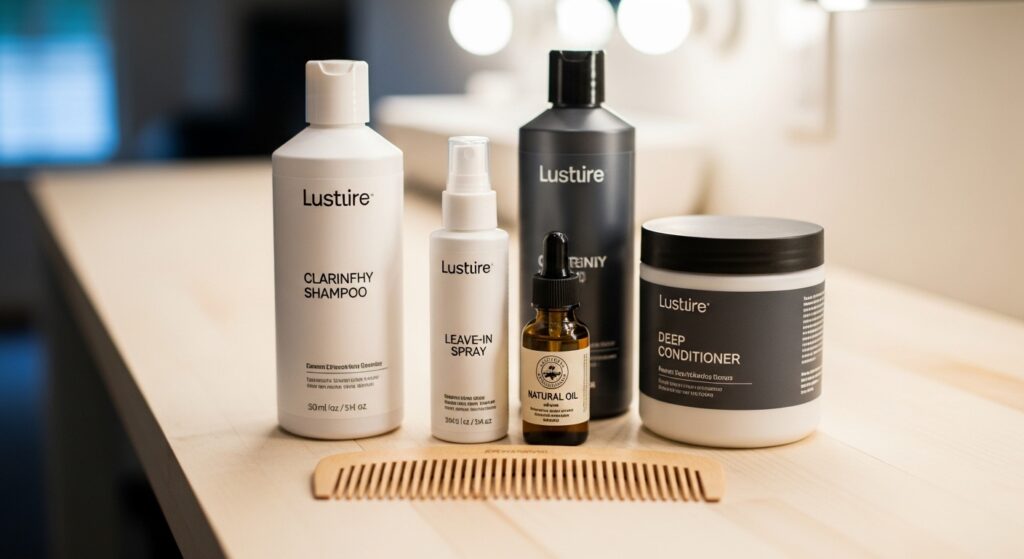
1. Prep is Non-Negotiable: Always install styles on clean, deeply conditioned, and moisturized hair. Apply a leave-in conditioner and seal with an oil or butter before styling.
2. Tension is the Enemy: If your eyes are watering or you have a headache after installation, it’s too tight. Speak up to your stylist or re-do it yourself.
3. Maintain Your Hair & Scalp: You must moisturize your hair (especially the ends) weekly with a light spray and oil your scalp as needed. Don’t let your hair dry out underneath.
4. Don’t Overstay Your Welcome: Even the best style has a lifespan. 6-8 weeks is the maximum for most braided/twisted styles. Wigs and weaves should come off every 2-3 weeks for a thorough cleanse and re-moisturizing session.
5. Always Use Satin: Sleep on a satin pillowcase or wear a satin bonnet. This reduces friction and moisture loss, making your protective style work even harder for you.
Your Growth Journey Awaits
Protective styling is a powerful tool in your Type 4 hair growth arsenal, but it’s not a magic trick. It requires consistency, proper technique, and listening to your hair. The 22 styles listed here are your blueprint. They are designed to give your hair the break it needs from daily stress, allowing it to focus its energy on growing longer and stronger.
Remember, growth happens on your scalp, but length is retained on your ends. By choosing styles that prioritize health over hype, you’re not just changing your look—you’re investing in the long-term vitality of your beautiful Type 4 hair. Start experimenting, find your favorites, and watch your hair flourish.