24 Bantu Knot Out Variations That Create Different Curl Patterns
For centuries, Bantu knots have been more than just a protective style; they are a cultural emblem and a powerful tool for creating incredible, defined curl patterns. The magic of the Bantu knot out lies in its beautiful versatility. By simply changing the size, placement, or technique of your knots, you can wake up to an entirely new head of curls, from tight, springy coils to soft, voluminous waves.
The Foundation: Mastering the Basic Bantu Knot Out
Before we explore the variations, let’s cement the basics. A successful knot out starts on damp, freshly washed, or moisturized hair. Apply a leave-in conditioner and a curl-defining cream or butter to each section. This provides hold, reduces frizz, and ensures your curls are defined and hydrated.
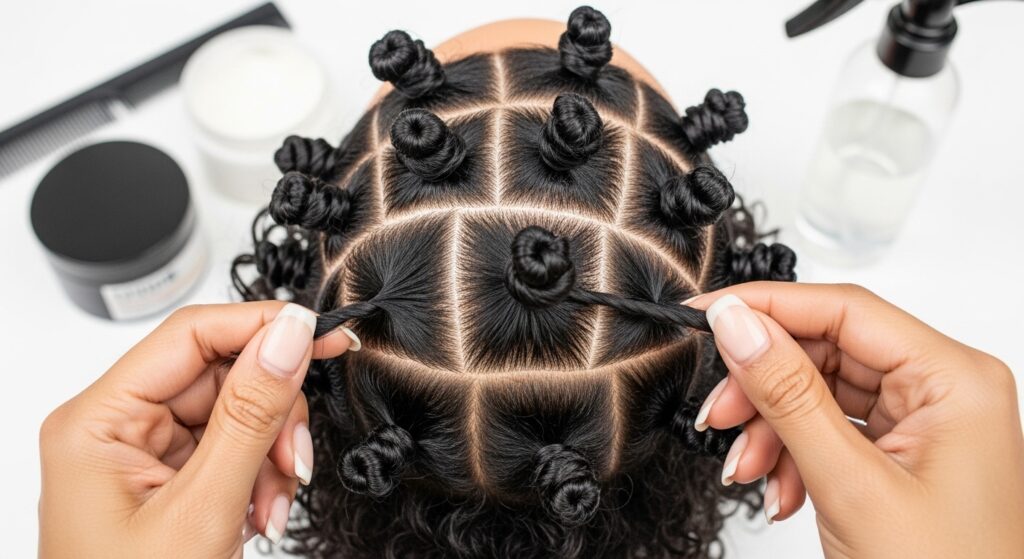
To create a basic knot, twist a section of hair tightly from root to end, then wrap the twist around its base to form a small knot. Secure the tip with a bobby pin or small hair elastic. The key is ensuring each knot is neat and tight for maximum definition. Allow your hair to dry completely—overnight is ideal—before carefully unraveling each knot and separating the curls with your fingers.
Variations by Knot Size & Sectioning
The most straightforward way to alter your curl pattern is by changing the size and number of your knots. This simple adjustment yields dramatically different results.
1. Micro Mini Knots: Create dozens of tiny, coin-sized knots all over your head. The result? A head full of tight, springy, afro-textured coils with incredible volume and definition at the roots.
2. Classic Medium Knots: The go-to size. Medium sections create well-defined, uniform spiral curls that are full of body and bounce. Perfect for an everyday defined look.
3. Jumbo Knots: Using large sections of hair for each knot creates loose, voluminous waves with a hint of a curl pattern at the ends. Ideal for a stretched, voluminous look with less density.
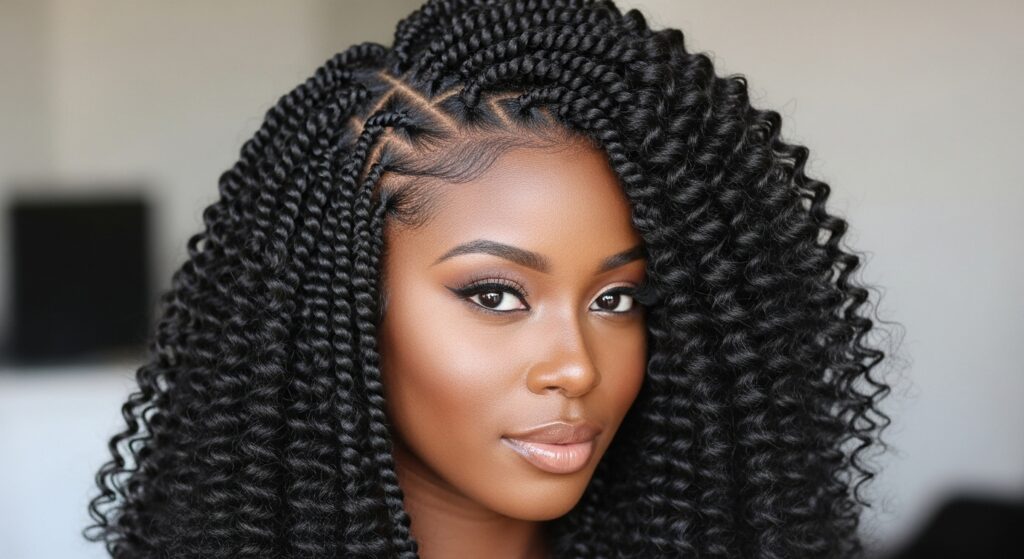
4. Two-Strand Twisted Base: Before knotting, do a two-strand twist on each section, then knot the twist. This adds an extra layer of definition, resulting in super-defined, chunky rope-like curls with minimal frizz.
5. Finger Coil Base: For ultra-defined ringlets, start by finger-coiling each section from root to tip before forming the knot. This method is fantastic for enhancing your natural curl pattern.

Variations by Placement & Direction
Where and how you place your knots on your head directly influences your final style’s shape, volume, and direction.
6. All-Back Placement: Create all knots facing the back of your head. When unraveled, this gives a sleek, swept-back curl effect with volume at the crown.
7. Radial/Crown Placement: Arrange knots in circular rows radiating from your crown. This creates a stunning sunburst pattern of curls with beautiful, uniform volume.
8. Geometric Parting: Use triangle, diamond, or square partings instead of standard squares. The geometric shapes can create intriguing, angular curl patterns and parts when styled.
9. Asymmetrical Placement: Concentrate more knots on one side of your head. When taken down, you’ll have dramatic, asymmetrical volume—perfect for a bold, fashion-forward look.
10. Forward-Facing Knots: Place all knots toward your hairline. This creates curls that cascade forward, framing your face beautifully.
11. Vertical Column Knots: Section hair into vertical columns from front to back and knot down each column. This encourages curls to fall in defined vertical stripes, elongating the face.

Creative Styling & Hybrid Variations
Push the boundaries by combining Bantu knots with other styles or getting creative with your technique.
12. Flat Twisted Base: Start with flat twists along your hairline or part, then end the rest of the hair in Bantu knots. This gives you sculpted edges combined with full, defined curls.
13. Bantu Knot-Out Puff: Leave the hair at your crown or front free in a puff while knotting the rest. Unravel the knots for a curly bottom with a sleek or textured puff on top.
14. Half-Up, Half-Knotted: Style the top half of your hair in a ponytail or bun, and put the bottom half in Bantu knots. A chic way to mix textures.
15. Braided Knots: Create a small braid at the end of each section before knotting. When unraveled, you’ll have a unique blend of braid waves and defined curls.
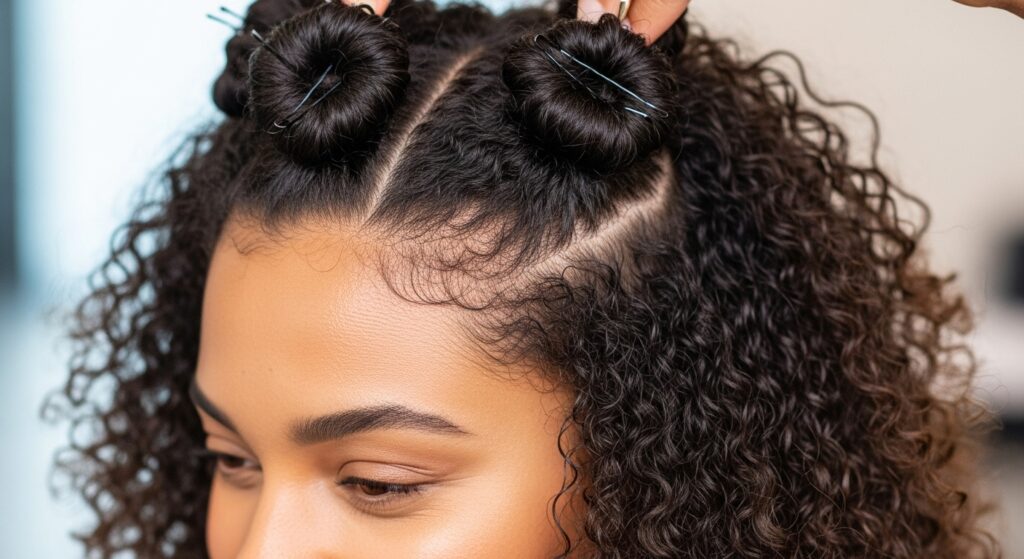
16. Double-Knot Piggies: Part hair down the middle. On each side, create two large Bantu knots (like space buns) close together. When taken down, you get a gorgeous, voluminous half-up style with cascading curls below.
Variations for Length & Hair Type
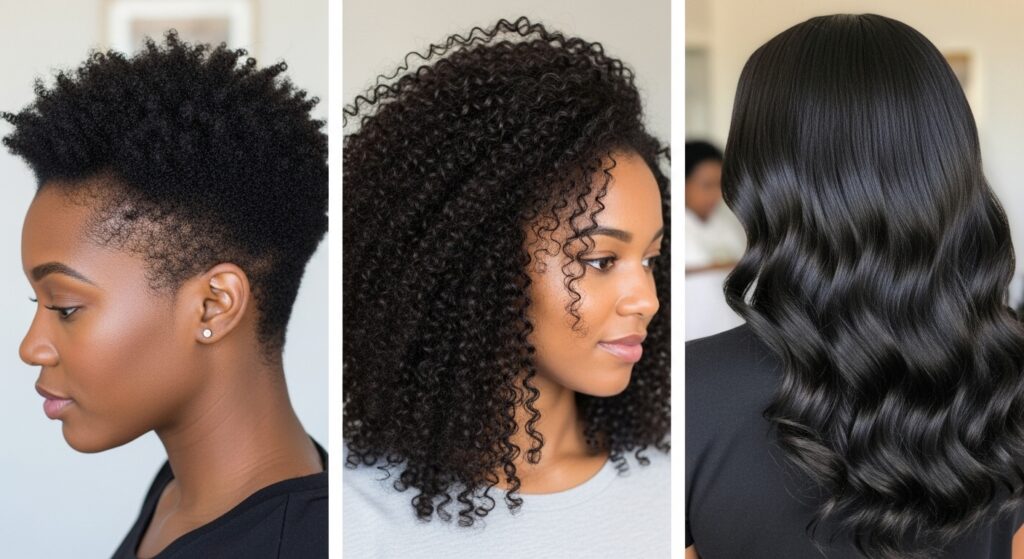
These variations cater to specific hair lengths or types, ensuring everyone can enjoy a beautiful knot out.
17. For TWA (Teeny Weeny Afro): Use micro or small knots all over. The result is an incredibly textured, full look that maximizes volume on shorter lengths.
18. For Medium-Length Hair: Opt for medium-sized knots with a two-strand twist base. This gives perfect, shoulder-grazing spiral curls with excellent hold.
19. For Long Hair: Large knots or braided bases work best to prevent excessive tangling. You’ll achieve beautiful, mermaid-like waves with defined ends.
20. For Stretched Hair: Do knots on blow-dried or stretched hair for a stretched, wavy result with reduced shrinkage and elongated curls.
21. For Low-Density Hair: Use larger sections and fewer knots to create the illusion of fuller, voluminous waves without weighing hair down.
22. For High-Density/Thick Hair: Smaller sections and more knots are your friend. This ensures even drying and defined, separated curls throughout your thick mane.
Next-Day & Accessorized Variations
Your Bantu knot out is versatile beyond day one. Refresh it or dress it up with these ideas.
23. The Knot-Out Refresh: On day two or three, lightly spritz hair with a water-and-conditioner mix. Re-twist a few random sections into larger Bantu knots for 30 minutes. Take them down to revive your curls without starting over.
24. Accessorized Knots: Before unraveling, accessorize the knots themselves! Slide colorful coil bands, metallic cuffs, or beads onto the knots. Wear them as a style, then take them down for curls with a subtle, textured memory from the accessories.
Pro Tips for the Perfect Bantu Knot Out Every Time
Dry Completely: Patience is key. Never unravel damp knots—this leads to major frizz and reduced definition. Use a hooded dryer or sit under a dryer for faster results.
Unravel with Care: Gently remove pins and uncoil each knot. Don’t pull or shake it out. Slowly separate the resulting spiral with your fingers, not a comb, to maintain definition.
Seal with Oil: Once unraveled and separated, rub a tiny amount of light oil (like jojoba or argan) between your palms and glaze over your curls. This adds shine and tames any flyaways.
Nighttime Protection: Preserve your style by pineappling your hair (a loose, high ponytail) and covering with a satin bonnet or using a satin pillowcase.
The Bantu knot out is a timeless technique that celebrates the incredible versatility of textured hair. With these 24 variations in your styling arsenal, you have a blueprint for countless curl patterns and looks. From the size of your sections to the direction of your knots, each small change unlocks a new expression of your personal style. So go ahead, experiment, mix and match these ideas, and discover the uniquely beautiful curl patterns waiting to spring from your own Bantu knots.