16 Microfiber Towel Techniques That Prevent Curl Damage
If you have curly hair, you know the post-shower moment is a critical crossroad. The wrong move can lead to a frizzy, misshapen mess, while the right technique can unlock your most defined, bouncy, and healthy curls. For years, traditional cotton towels have been the silent saboteur of curl patterns, their rough texture lifting cuticles and creating chaos. But the secret weapon for curl preservation isn’t a $50 serum—it’s a humble microfiber towel, used correctly.
Why Your Old Towel is the Enemy of Your Curls
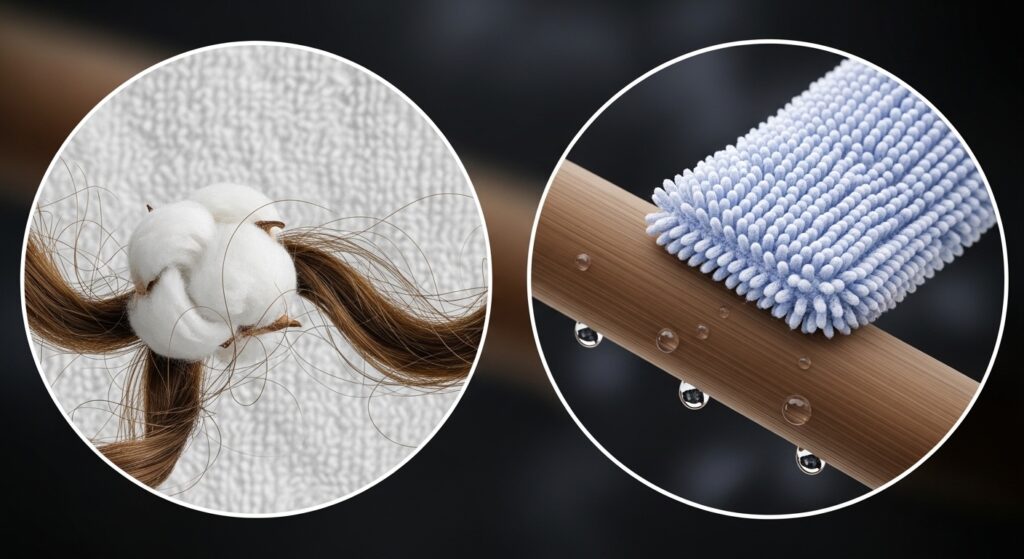
Before we master the techniques, let’s understand the “why.” Traditional terry cloth towels are made of loops that catch, pull, and rough up the hair cuticle—the outer protective layer of your strand. For curls, whose cuticles are already more raised and vulnerable, this is a disaster. It causes frizz (the lifted cuticles scatter light), breakage (the loops create tension points), and can even disrupt your natural curl pattern. A microfiber towel, with its ultra-fine, smooth fibers, absorbs water through capillary action without the abrasive friction. It’s a fundamental shift from rubbing water out to gently pulling it away.
The Foundational Techniques: First Contact Matters
What you do in the first 60 seconds after turning off the water sets the stage. These initial techniques are non-negotiable for curl health.
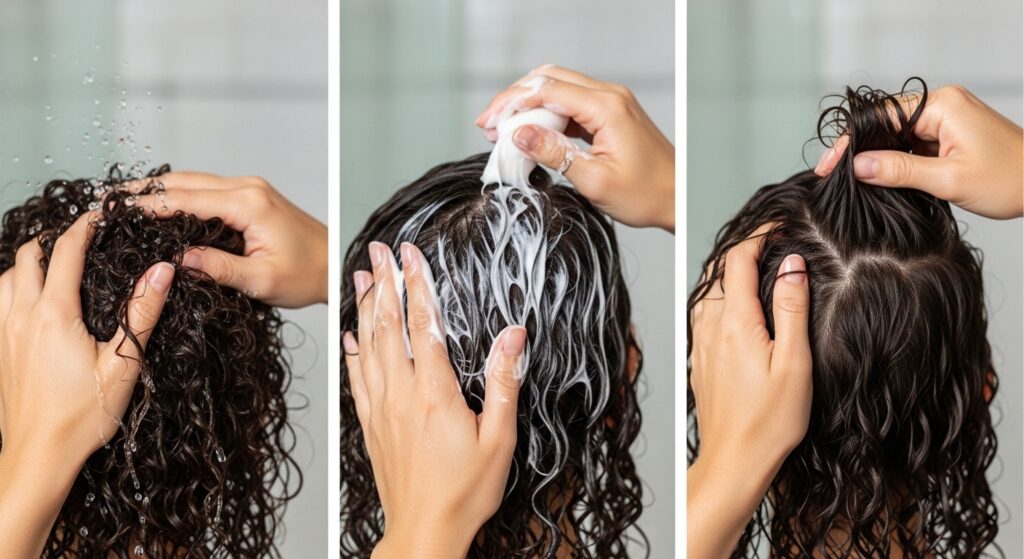
1. The Gentle Squeeze: Before even reaching for your towel, use your hands. With your head flipped over, gently squeeze excess water from your curls from roots to ends. This removes the heaviest water without any manipulation.
2. The Plop Pre-Game: Lightly smooth your favorite leave-in conditioner or curl cream over your soaking wet, squeezed hair. This ensures product distribution before drying begins, sealing in moisture.
3. The Prayer Hands Pat: Lay the microfiber towel flat over one hand. Use a prayer hands motion to gently pat sections of your hair, focusing on the roots and canopy where water pools. Never rub back and forth.
4. The Scrunch Lift: This is the core technique. Gather a section of your hair in the microfiber towel and gently scrunch upward towards your scalp. Hold for a few seconds to allow absorption. Release. Repeat section by section. This encourages curl formation while removing water.
Advanced Drying & Styling Methods
Once you’ve handled the initial drip, these methods help you style and dry further without causing damage.
5. The Micro-Plop: A lighter version of the full plop. After applying products, use your microfiber towel to scrunch your hair again, absorbing excess product and water. This enhances definition and prevents product dilution.
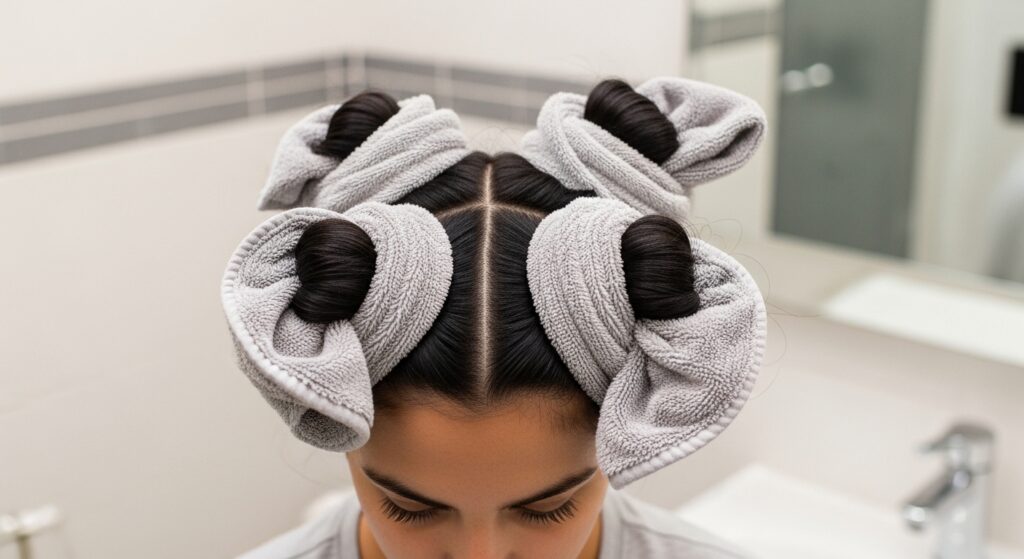
6. The Sectional Wrap: For thick, dense hair, divide hair into 4-6 sections. Wrap each section individually with a corner of the towel, scrunch, and leave wrapped for 2-3 minutes. This ensures even, thorough absorption.
7. The Root Blotter: Frizz often starts at the roots. Fold your towel into a small square and press it firmly against different sections of your scalp. This targets moisture at the root without disturbing the curl pattern.
8. The Ends-First Approach: Curls are most fragile at the ends. Start your drying process by gently wrapping and squeezing just the ends with the towel before moving up the hair shaft. This prevents split ends and breakage.
The Art of the Plop: It’s Not One-Size-Fits-All
Plopping—wrapping your entire head in the towel—is a curl community favorite, but technique is key.
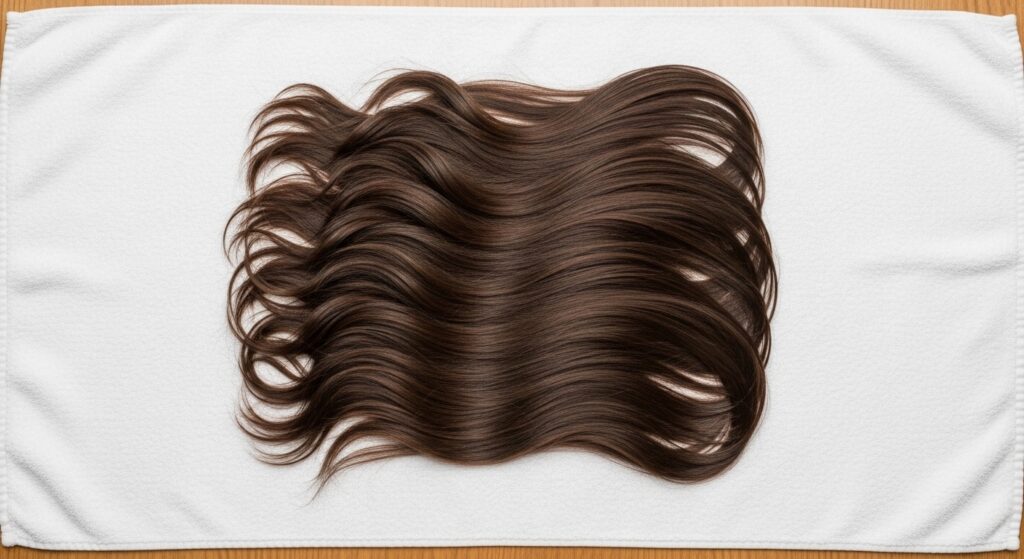
9. The Classic T-Shirt Plop (Adapted): Lay your microfiber towel flat on a surface. Flip your head over and center your hair on the towel. Fold the bottom up over your neck, then fold the sides back and twist the long tail, securing it at the nape of your neck. This uses gravity to set curls at the root.
10. The Time-Limited Plop: Never plop for hours. For most curls, 15-30 minutes is the sweet spot. Longer can cause creasing or scalp moisture issues. Set a timer!
11. The Diffuser Prep Plop: Plop for just 10 minutes before diffusing. This removes the water that would take forever to diffuse, allowing you to use less heat for a shorter time.
Protective Techniques for Night & Maintenance
Your microfiber towel isn’t just for wash day. Integrate it into your routine for ongoing protection.
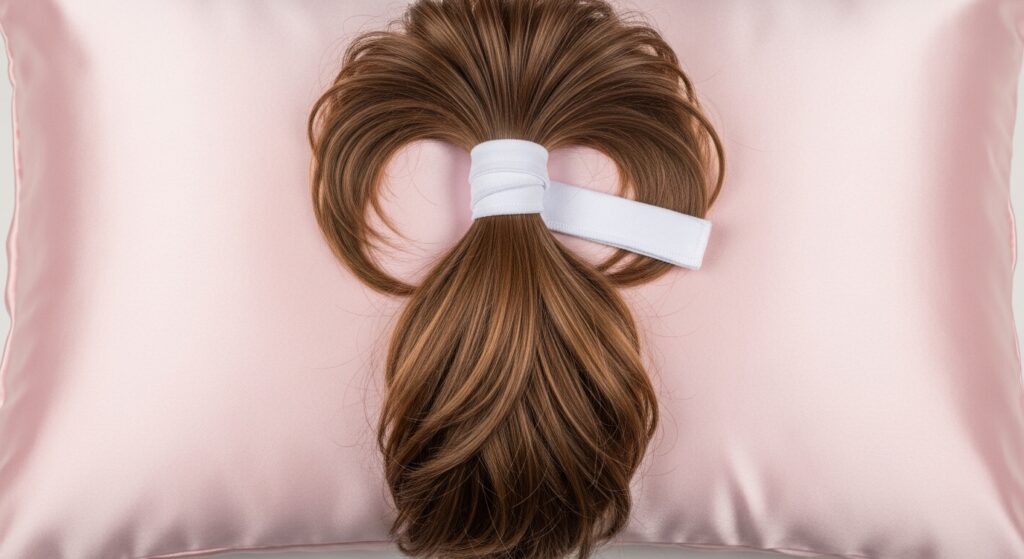
12. The Pineapple Prep: Before loosely pineappling your hair at night, gently wrap the base (the hair tie area) with a strip of microfiber towel. This reduces friction and breakage from the scrunchie.
13. The Refresh Spritz Blot: On non-wash days, when refreshing curls with a water spray, don’t let water sit. Lightly blot the dampened areas with a corner of your towel to absorb excess and reactivate product without rewetting the entire curl.
14. The Sweat Blotter (Post-Workout): After a workout, gently blot sweat from your roots and hairline with a dry microfiber towel. This prevents salt from drying on curls and causing frizz, without a full restyle.
Choosing & Caring for Your Curl’s Best Friend
The right towel and care maximize the benefits.
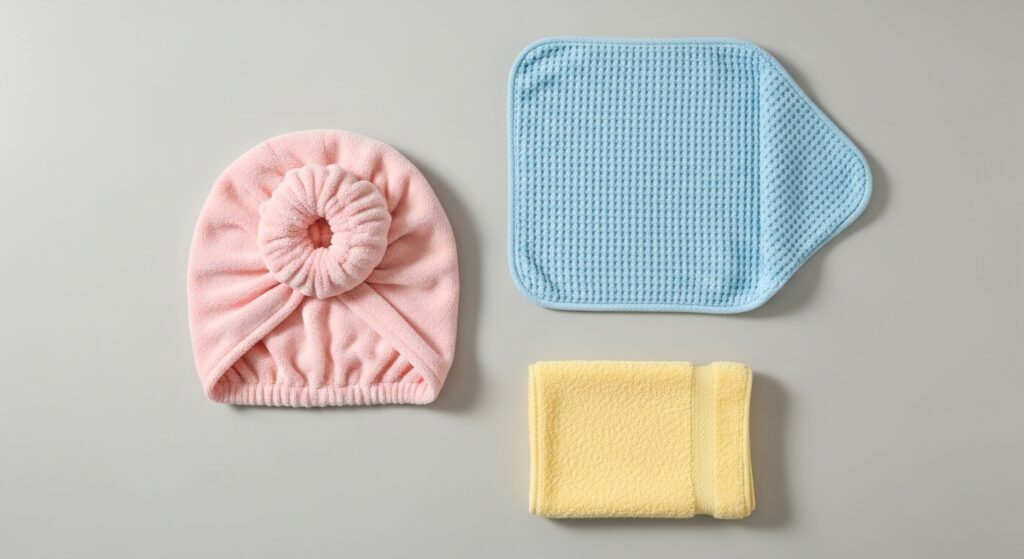
15. The Towel Selection Strategy: Not all microfiber is equal. Opt for a flat-weave or waffle-weave style over looped ones. They are smoother and less likely to catch. Size matters—a larger towel (like a turban) is versatile for plopping, while smaller hand towels are great for section work.
16. The Clean Towel Mandate: Microfiber towels trap product residue. Wash them regularly (every 2-3 uses) with a fragrance-free, gentle detergent and no fabric softener, which coats the fibers and ruins absorbency. Air dry or tumble dry low.
Embrace the Gentle Dry
Transforming your curl routine doesn’t require an arsenal of new products. Often, it’s about changing a single, fundamental habit. By adopting these 16 microfiber towel techniques, you shift your philosophy from forceful drying to respectful absorption. The results speak for themselves: less frizz, more definition, reduced breakage, and curls that spring to life with their natural pattern intact. Your microfiber towel is more than a tool; it’s the guardian of your curl health. Start with one or two techniques today, and feel the difference gentle care can make.