22 Snake Braid Techniques for a Unique, Modern Look
Forget everything you think you know about braids. In the ever-evolving world of hairstyling, the snake braid has slithered its way to the forefront as the go-to technique for a look that is both edgy and elegant. Unlike its classic three-strand cousin, the snake braid creates a captivating, three-dimensional rope-like effect that wraps and coils with stunning visual impact. It’s a versatile, modern twist that can be adapted from subtle, everyday styles to dramatic, red-carpet-worthy masterpieces.
What Exactly is a Snake Braid?
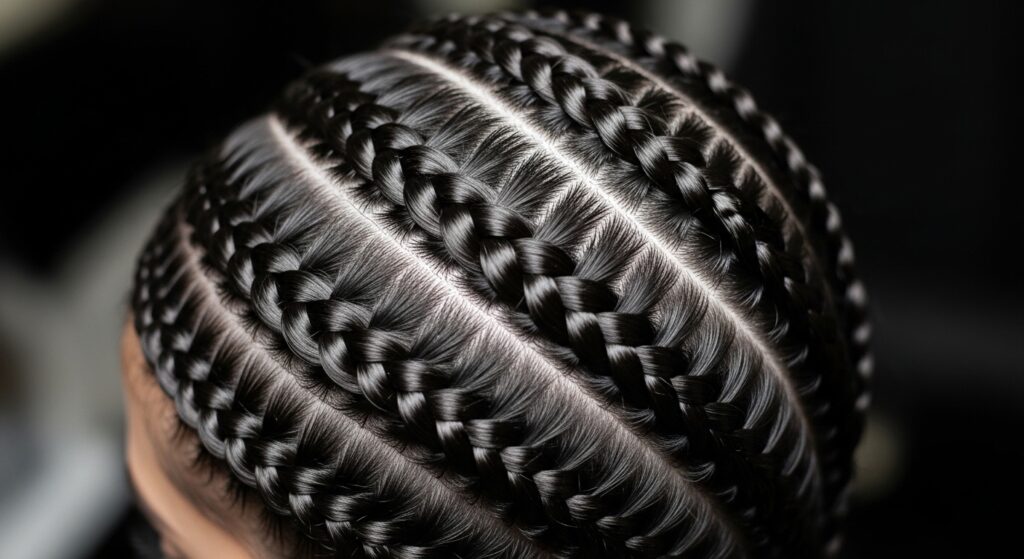
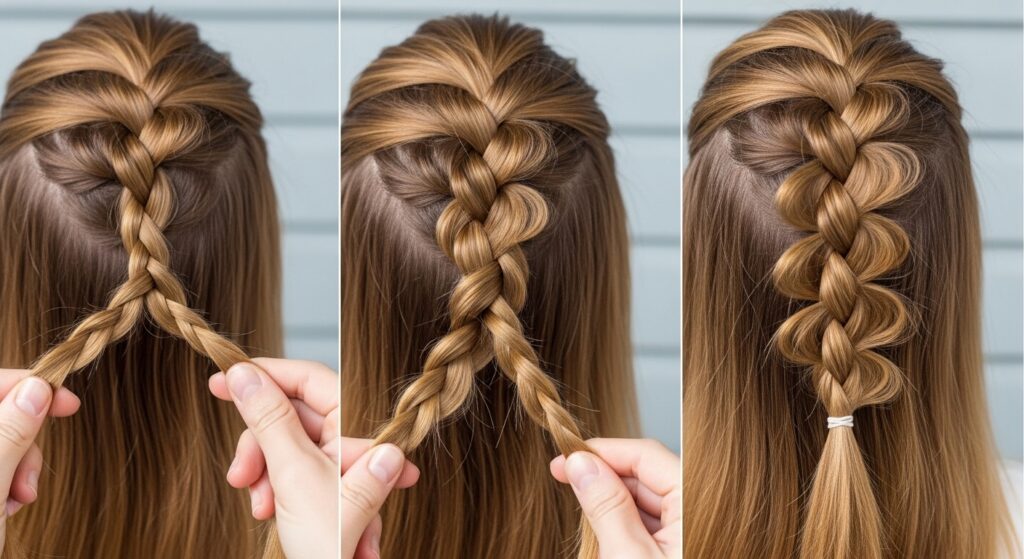
Before we delve into the techniques, let’s clarify the foundation. A snake braid, sometimes called a rope braid or twist braid, is created by twisting two sections of hair and then wrapping them around each other. The magic lies in the direction of the twist. Each section is twisted individually in one direction (say, clockwise), and then the two twisted sections are wrapped together in the opposite direction (counter-clockwise). This counter-twisting technique is what locks the braid in place, giving it that signature coiled, snake-like appearance that holds beautifully without unraveling.
Foundation Techniques: Mastering the Basics
Every masterpiece starts with a solid foundation. These core techniques are the building blocks for all the more intricate styles to follow. Practice these until the motion feels natural.
1. The Classic Two-Strand Snake Braid: This is the absolute essential. Master twisting two sections and wrapping them against their twist. Perfect for a simple, chic ponytail or a single accent braid.
2. The Invisible Start Snake Braid: Learn how to begin your braid seamlessly at the crown, hiding any parting for a “braid-from-within” illusion. This is crucial for polished, professional-looking styles.
3. The Fishtail-Snake Hybrid: Combine the texture of a fishtail with the structure of a snake braid. Take tiny pieces from the outer edges of each twisted section as you wrap, creating a intricate, detailed braid.
4. The Pull-Through Snake Braid: A fantastic, easier alternative for thick hair. Create ponytails down the length of your hair, split each in two, twist and wrap, then incorporate the next section. It creates a stunning, full look with less tension.
Elevated Everyday Styles
Incorporate snake braids into your daily routine with these wearable yet striking looks.
5. Side-Swept Snake Braid: A single, elegant snake braid swept over one shoulder. Keep it soft and loose with face-framing pieces for a romantic vibe.
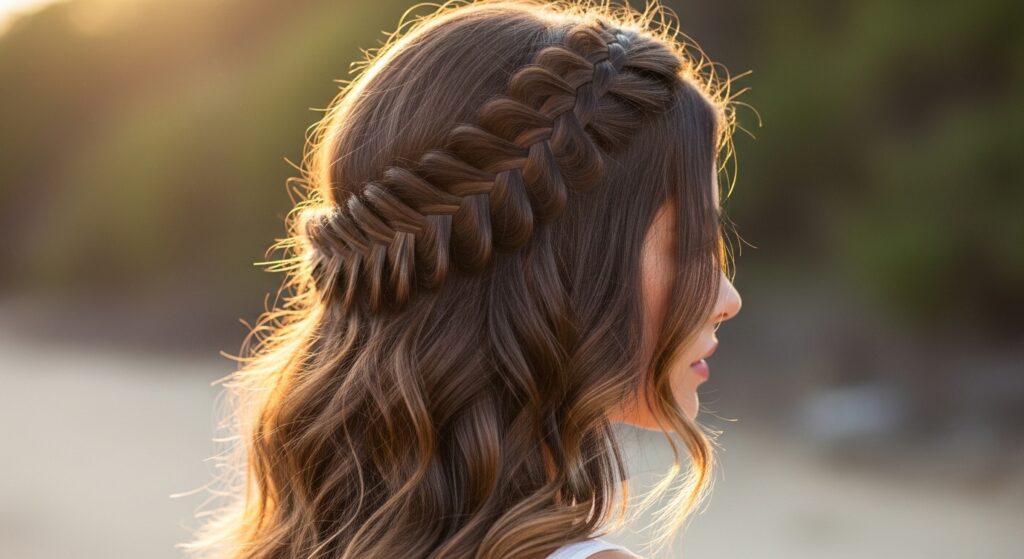
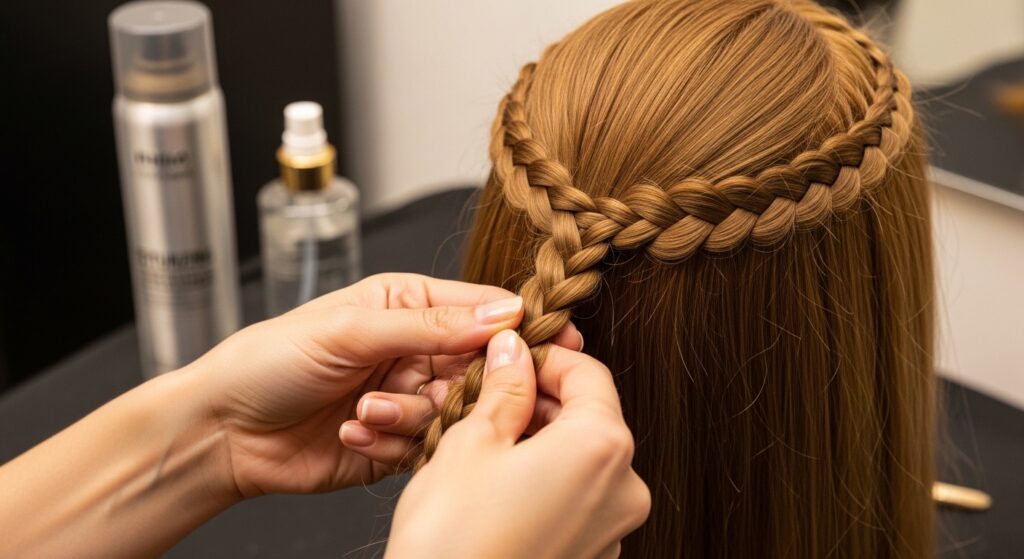
6. Snake Braid Crown: Create two snake braids starting at your temples and wrap them around your head like a regal crown. Secure at the nape for a beautiful bohemian updo.
7. Half-Up Snake Braid Ponytail: Twist and wrap a section from each temple, meeting at the back to form a unique half-up holder. This adds instant sophistication to a simple ponytail.
8. Snake Braid Headband: A thinner, more delicate version of the crown. Braid a small snake braid along your hairline and tuck it behind the opposite ear for a functional and pretty headband.
9. Low Snake Braid Bun: Create a low ponytail with a snake braid, then coil the braid into a elegant, textured bun. Perfect for the office or a wedding guest.
Intricate & Statement-Making Designs
Ready to level up? These techniques are for when you want your hair to be the center of attention.
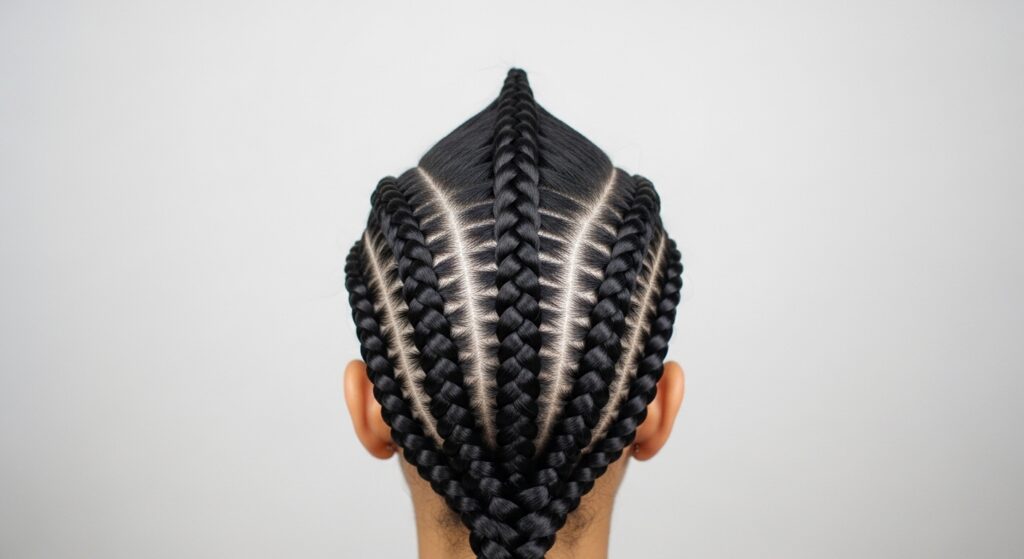
10. Double Snake Braids (Parallel): Two snake braids running parallel down the back of your head. For a modern look, start them high and keep them tight.
11. Converging Snake Braids: Start two braids at opposite sides of the nape and braid them diagonally upwards, having them meet and merge into one central braid at the crown. A true geometric showstopper.
12. Snake Braid Ladder (Dutch Style): Incorporate the snake technique into a Dutch braid. As you braid under, twist the sections before adding new hair. This creates a raised, intricate ladder effect.
13. Snake Braid Ladder (French Style): The same concept as the Dutch, but braiding over for a different texture. It creates a beautiful, embedded snake detail within a classic French braid.
14. 3D Wrapped Pony: Create a ponytail, then take a small section, snake braid it, and wrap it around the base to conceal the elastic. Repeat with multiple small braids for a stunning, textured wrap.
Creative Incorporations & Accessories
Accessorize and blend techniques to create something truly one-of-a-kind.
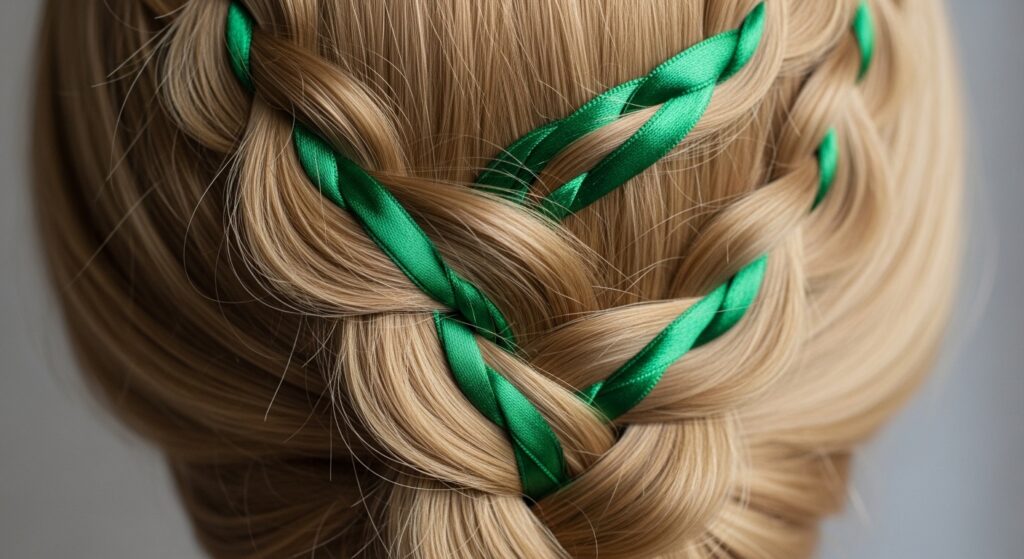
15. Ribbon-Infused Snake Braid: Incorporate a satin ribbon as one of your two strands. As you twist and wrap, the ribbon weaves in and out, adding a gorgeous pop of color and texture.
16. Snake Braid with Beaded Cuffs: After braiding, thread small beads or use pre-made beaded cuffs to clip onto the braid at intervals, creating a piece of wearable art.
17. Waterfall Snake Braid: Adapt the waterfall braid technique using snake braids. Drop sections as you go for a cascading, ethereal effect that’s perfect for special events.
18. Snake Braid Mohawk: A bold, edgy look. Create a wide, flat snake braid down the center of your head from forehead to nape, securing it closely. Leave the sides down or shaved for maximum impact.
For the Truly Adventurous
Push the boundaries of braiding with these advanced, conversation-starting styles.
19. Triple-Strand Snake Braid: An advanced challenge. Divide hair into three sections, twist each clockwise, then braid them together in a traditional 3-strand pattern but against their twist. The result is incredibly dense and striking.
20. Snake Braid Knots: Instead of one continuous braid, create a series of small, individual snake braid “knots” scattered randomly through your hair, secured with hidden pins. A playful, avant-garde look.
21. Asymmetric Snake Braid Network: Create multiple small to medium snake braids starting at different points on one side of the head, allowing them to drape and cross over to the other side in an artistic, asymmetric web.
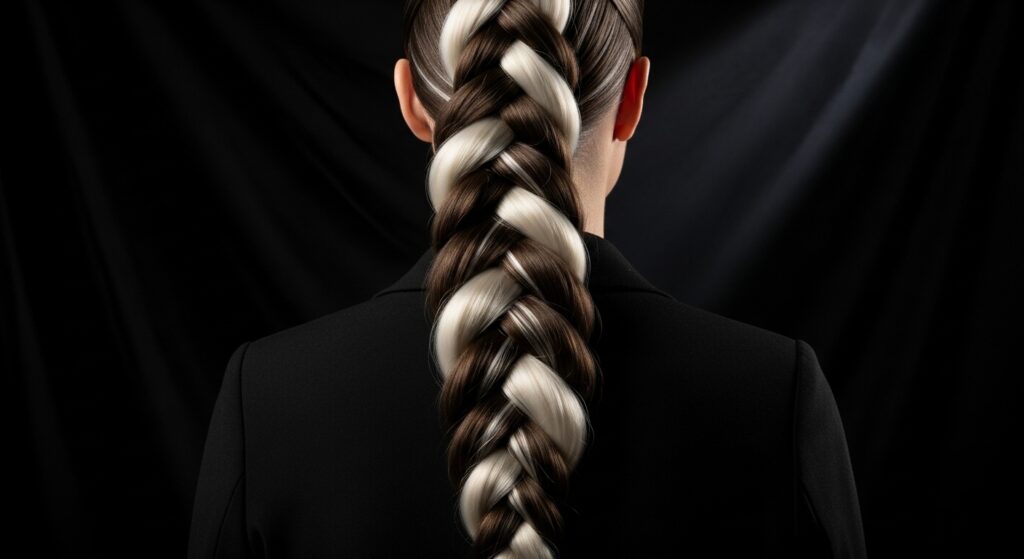
22. Double Helix Snake Braid: The pinnacle of snake braiding. Create two contrasting-colored snake braids (or use extensions) and coil them around each other to form a DNA-like double helix. This requires patience and skill but is utterly breathtaking.
Pro Tips for the Perfect Snake Braid Every Time
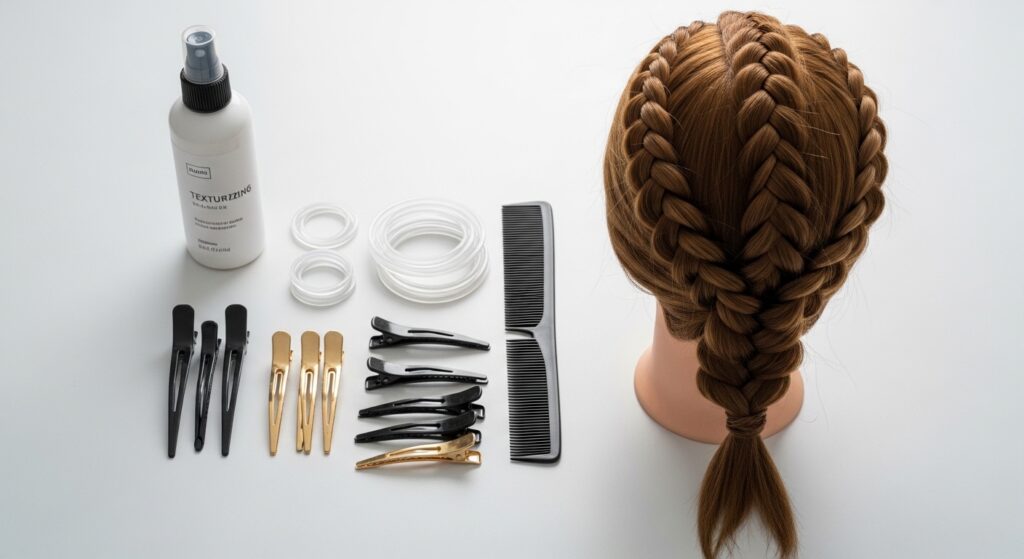
Texture is Your Friend: Slightly second- or third-day hair, or hair misted with texturizing spray, provides much better grip than freshly washed, silky hair.
Twist Tight, Wrap Snug: Ensure you twist the individual sections tightly before wrapping them together. This tension is what creates the defined, coiled structure.
Secure as You Go: For complex styles, don’t be afraid to use small, clear elastics to hold sections temporarily. You can remove them or cover them later.
Practice Makes Permanent: Start on a mannequin or a friend before attempting the more intricate styles on yourself. Muscle memory is key!
Finish with Flair: A light-hold hairspray or a dab of shine serum can accentuate the twists and keep flyaways at bay, giving you a polished finish.
Embrace Your Unique Style
The beauty of the 22 snake braid techniques we’ve explored lies in their incredible versatility and modern edge. From a quick, twisted accent to an elaborate geometric masterpiece, there is a snake braid for every skill level, hair type, and occasion. This style is more than just a trend; it’s a creative expression.
Don’t be afraid to mix, match, and modify these techniques to suit your personal aesthetic. The most unique looks often come from happy accidents and personal innovation. So grab your comb, some elastics, and start twisting. Your new signature, modern look is waiting to be discovered.
Which snake braid technique will you try first? Share your creations and tag us! Remember, the best hairstyle is the one that makes you feel confident and uniquely you.