19 Tribal Braid Patterns with Cultural Significance
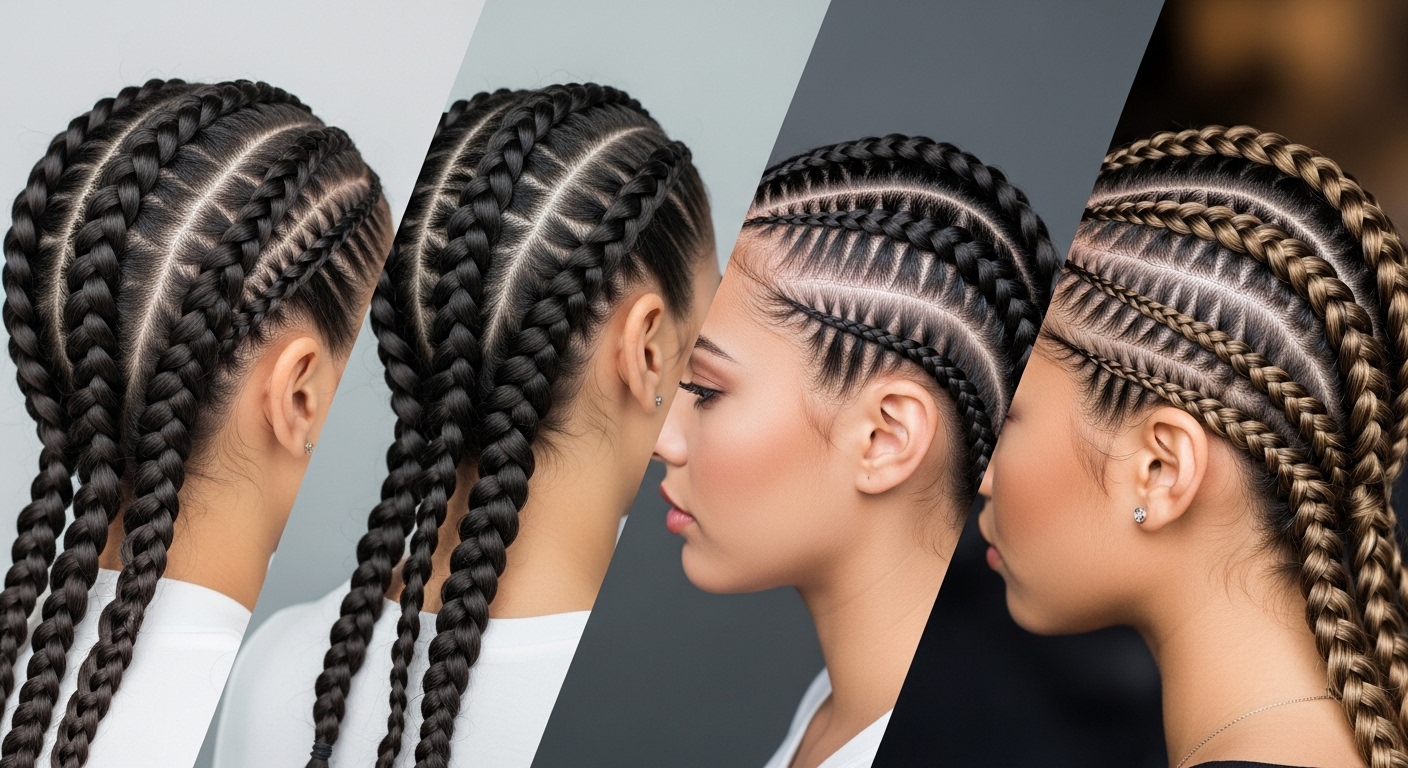
1. Fulani Braids
Originating from the Fula people across West Africa, Fulani braids are characterized by a central braided part, often accompanied by cornrows that sweep along the scalp towards the back. The signature look includes accessories like beads, cowrie shells, and metallic cuffs. Historically, the number of braids and the incorporation of family heirlooms like coins could indicate a woman’s marital status, wealth, and even her tribe.
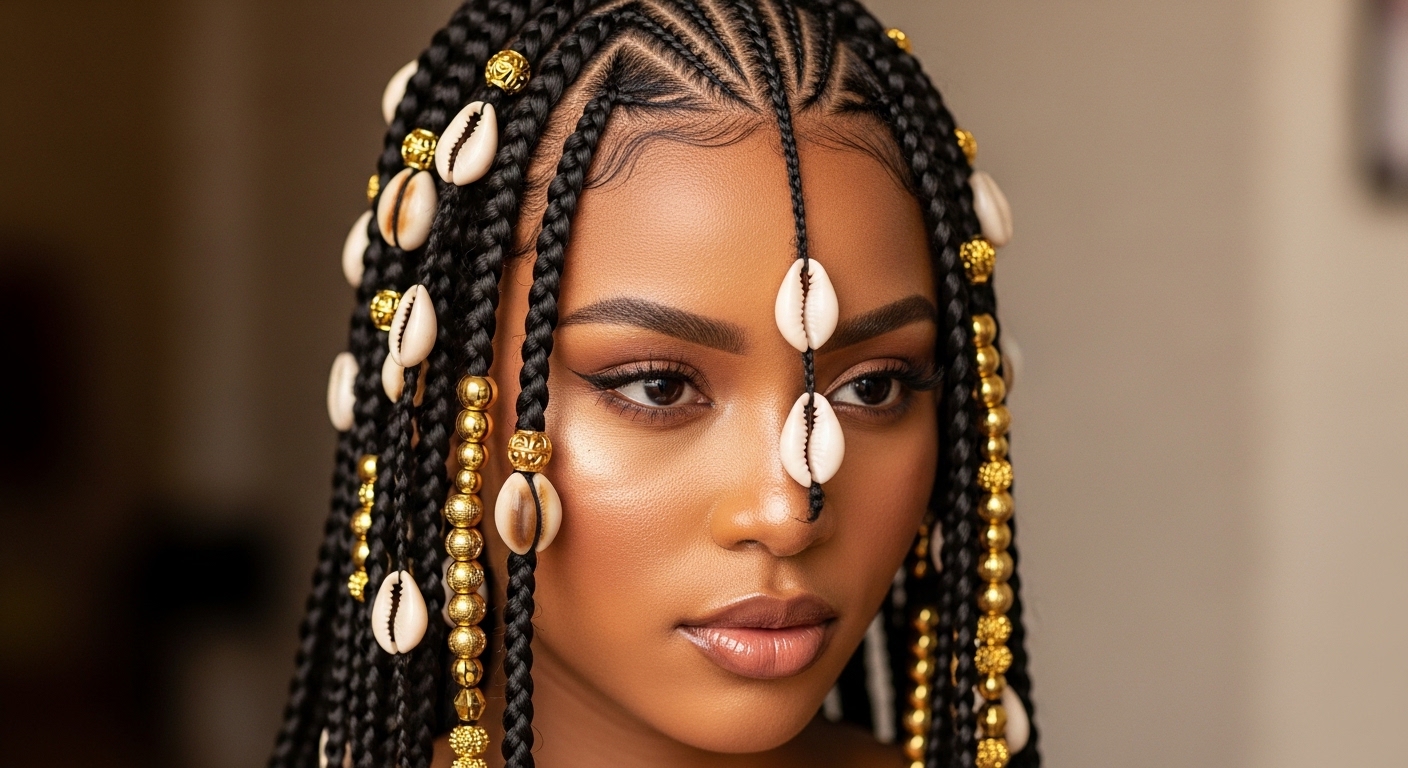
2. Ghana Braids (Banana Cornrows)
Ghana braids, sometimes called banana cornrows, are distinct for their raised, upward-curving cornrows that often originate from the hairline. This style has deep roots in Ghanaian culture, where braiding patterns have been used to signify one’s age, religion, and social rank. The intricate, often geometric designs are a testament to the skill of the braider.
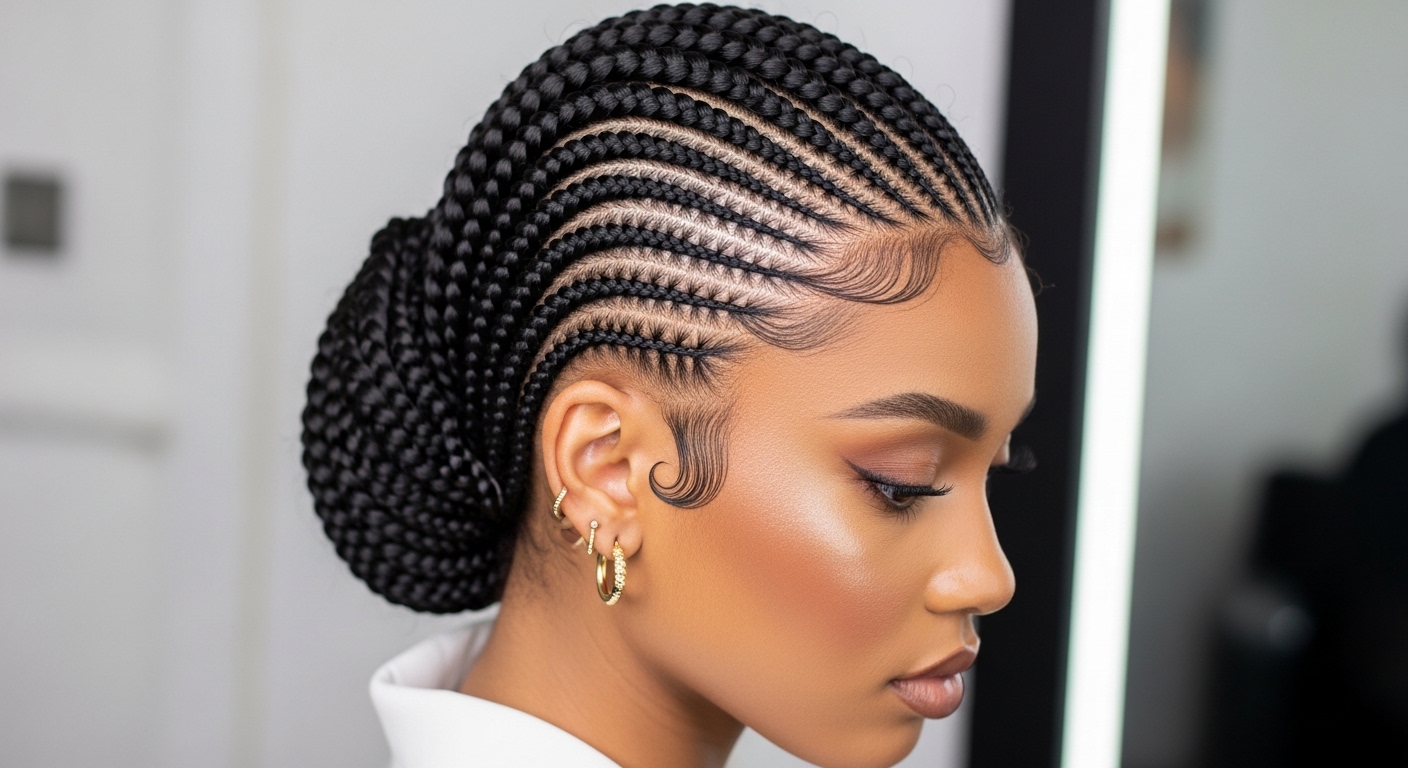
3. Zulu Knots (Isicholo)
More than just a hairstyle, the traditional Zulu headdress, or isicholo, is a symbol of respect, dignity, and marital status. Originally a woven hat worn by married women, its modern interpretation includes braided patterns that build up into a crown-like shape. Wearing this style connects one to notions of maturity, family honor, and cultural pride.
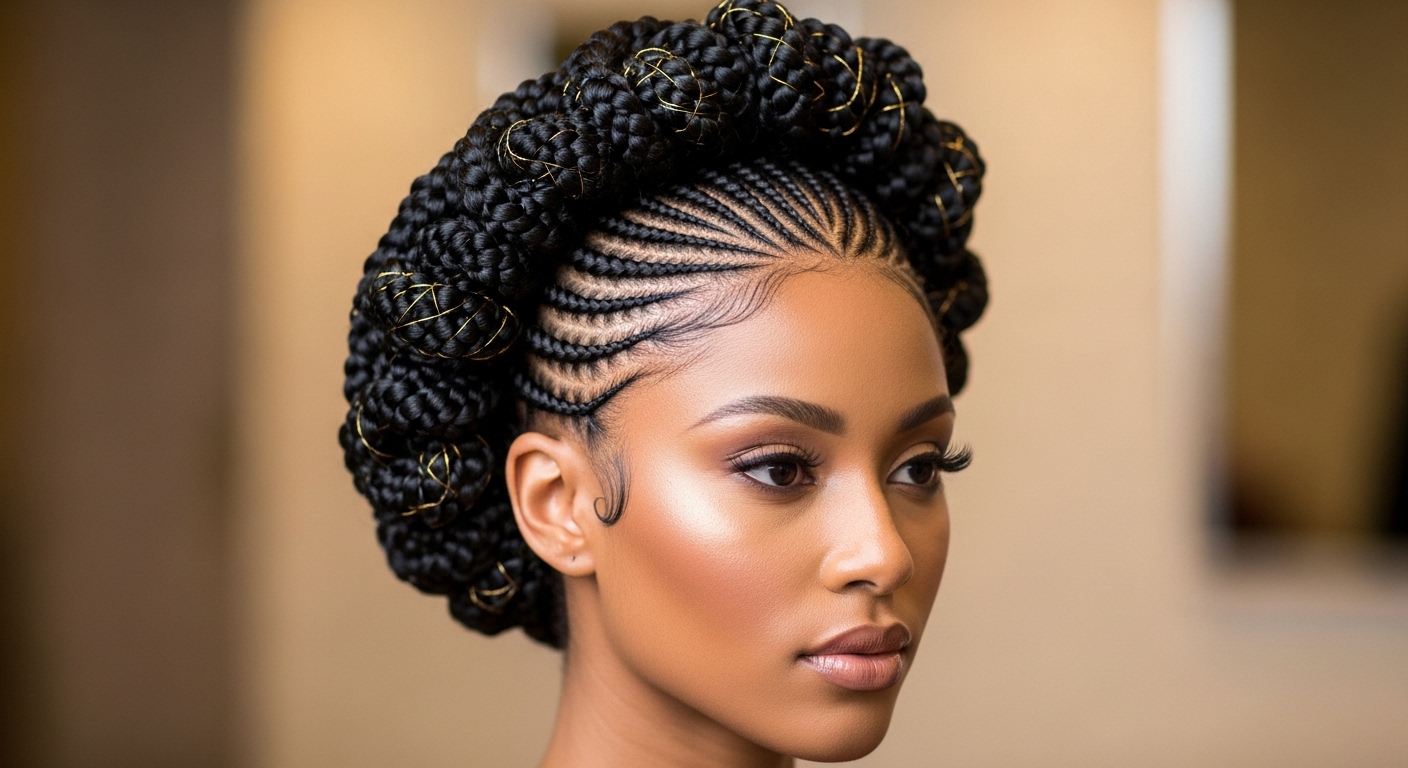
4. Himba Braids (Ondjongo)
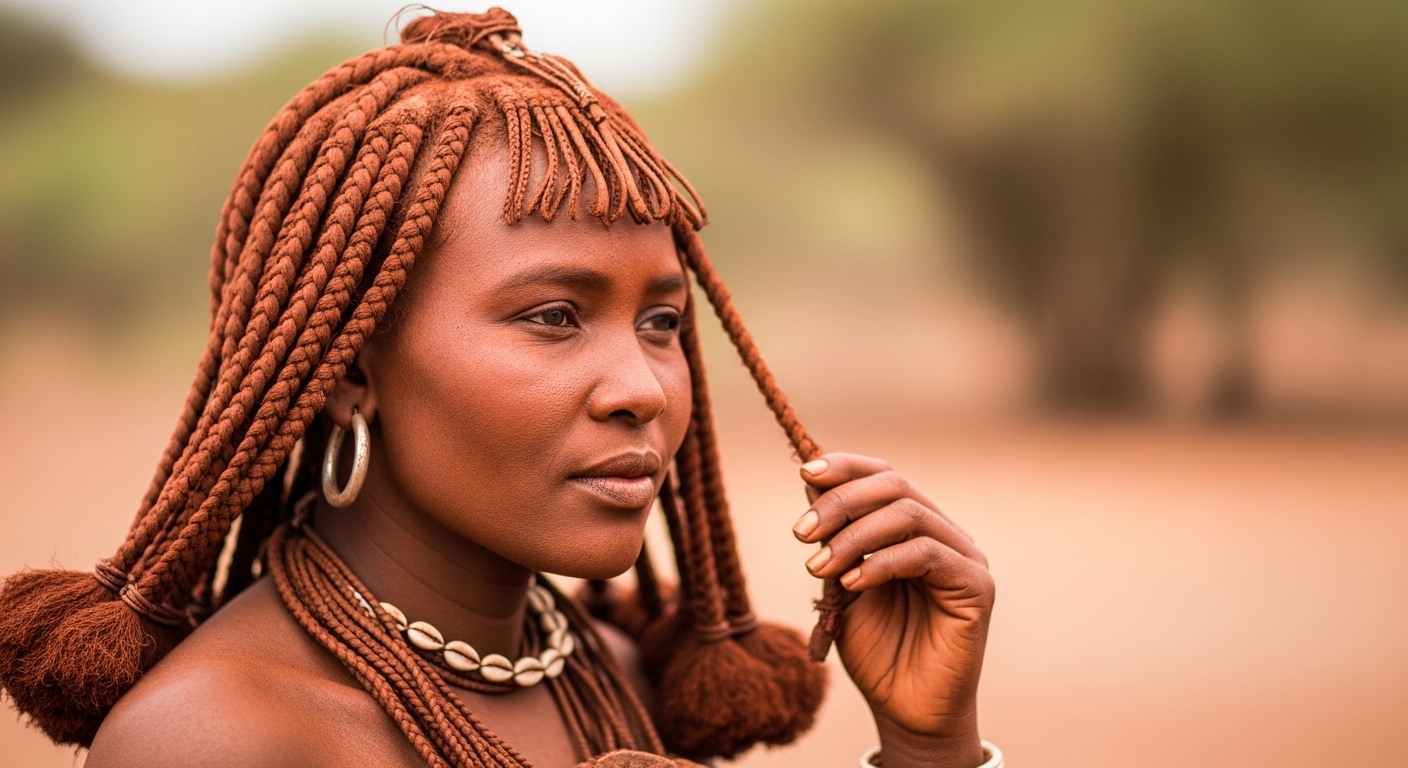
The Himba people of Namibia are known for their stunning, ochre-covered braids called ondjongo. Young girls wear two braided front-facing plaits, while women after puberty wear many braids covered in a mixture of butterfat, ochre, and herbs. This treatment protects the hair from the harsh desert sun and symbolizes earth and blood—the essence of life.
5. Box Braids
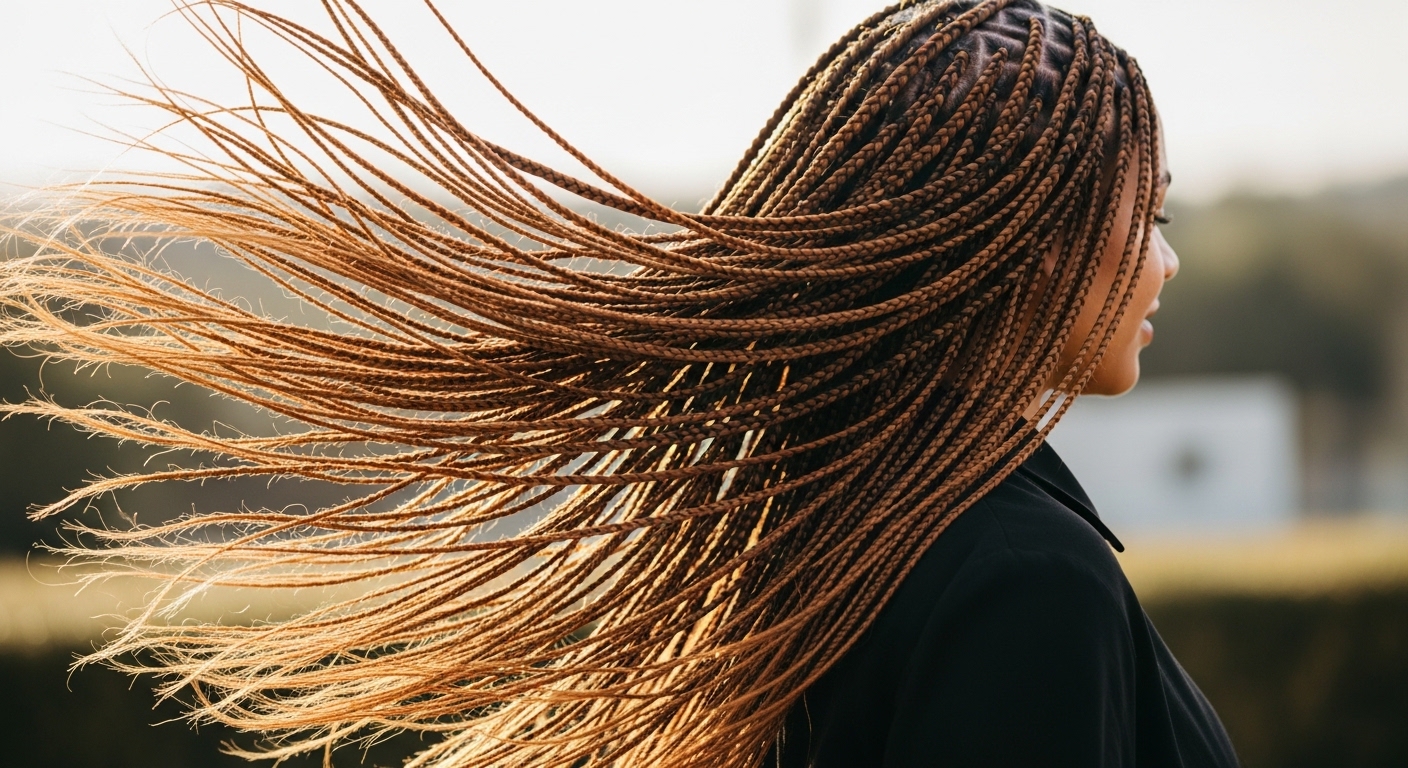
While now a global protective style, box braids have ancient origins across Africa, notably in Namibia dating back thousands of years. The sectioning of the hair into squares (boxes) before braiding is a systematic art form. In some cultures, the thickness and length of the braids could signify one’s community role or age group.
6. Cornrows (Canerows)
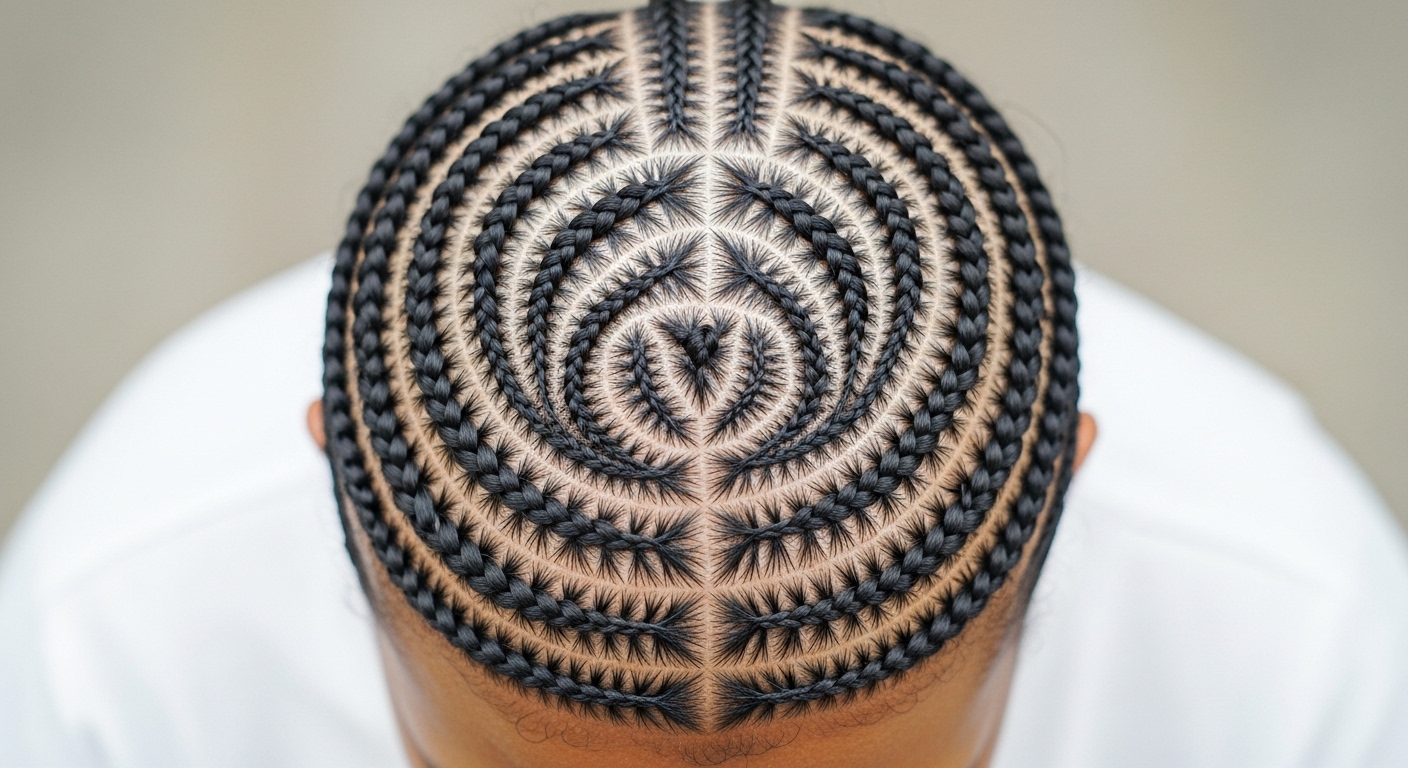
Cornrows are one of the oldest braiding techniques, with traces found in Stone Age paintings. Their true power lies in their versatility as a canvas for storytelling. Patterns could map escape routes for the enslaved, depict symbols of spirituality, or represent elements of nature. Each direction and design holds potential meaning.
7. Dreadlocks (Loc Cultures)
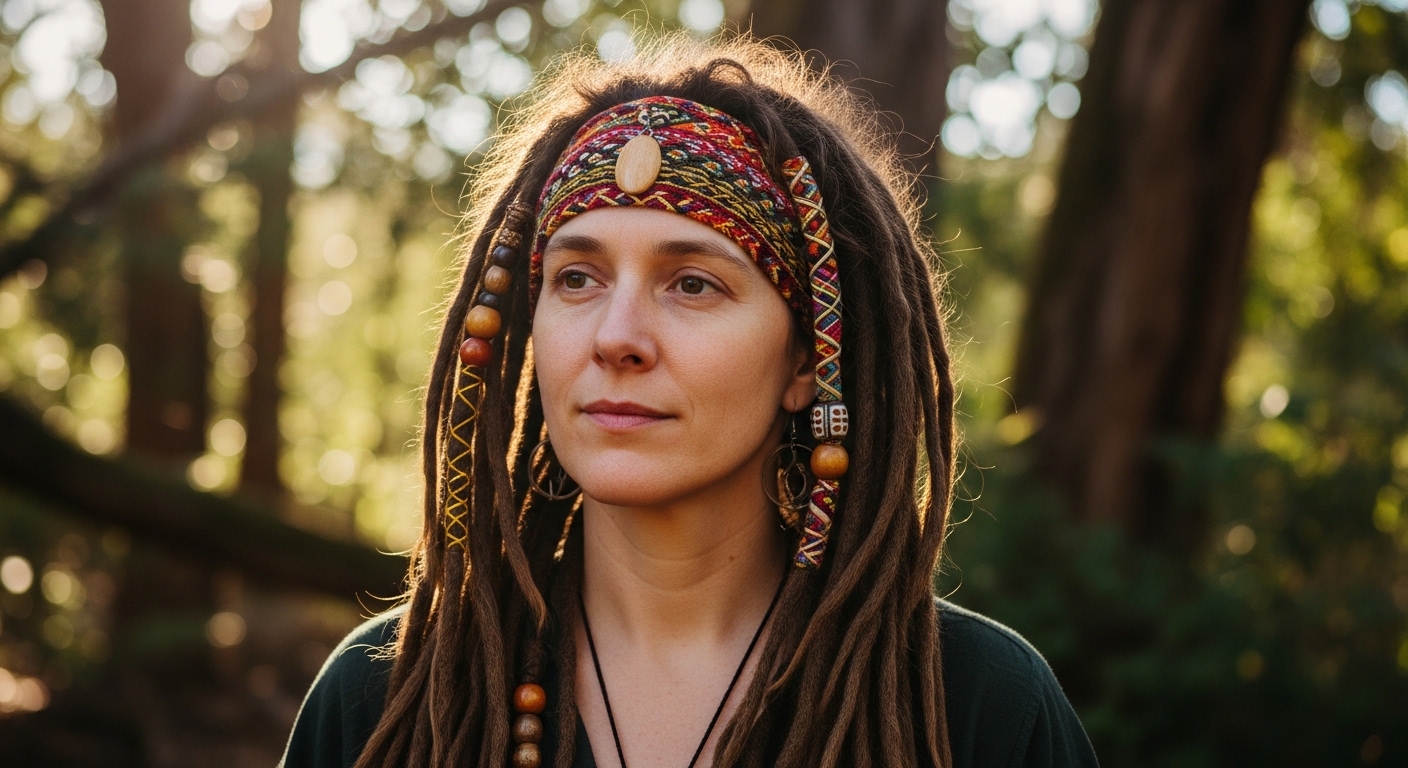
Dreadlocks hold sacred significance in multiple cultures worldwide, including among the Maasai of East Africa, the Sadhus of India, and the Nazarites in Judaism. For many African tribes, locs are a spiritual commitment, a connection to God, and a symbol of a vow not to cut one’s hair. They represent a rejection of vanity and an embrace of natural spirit.
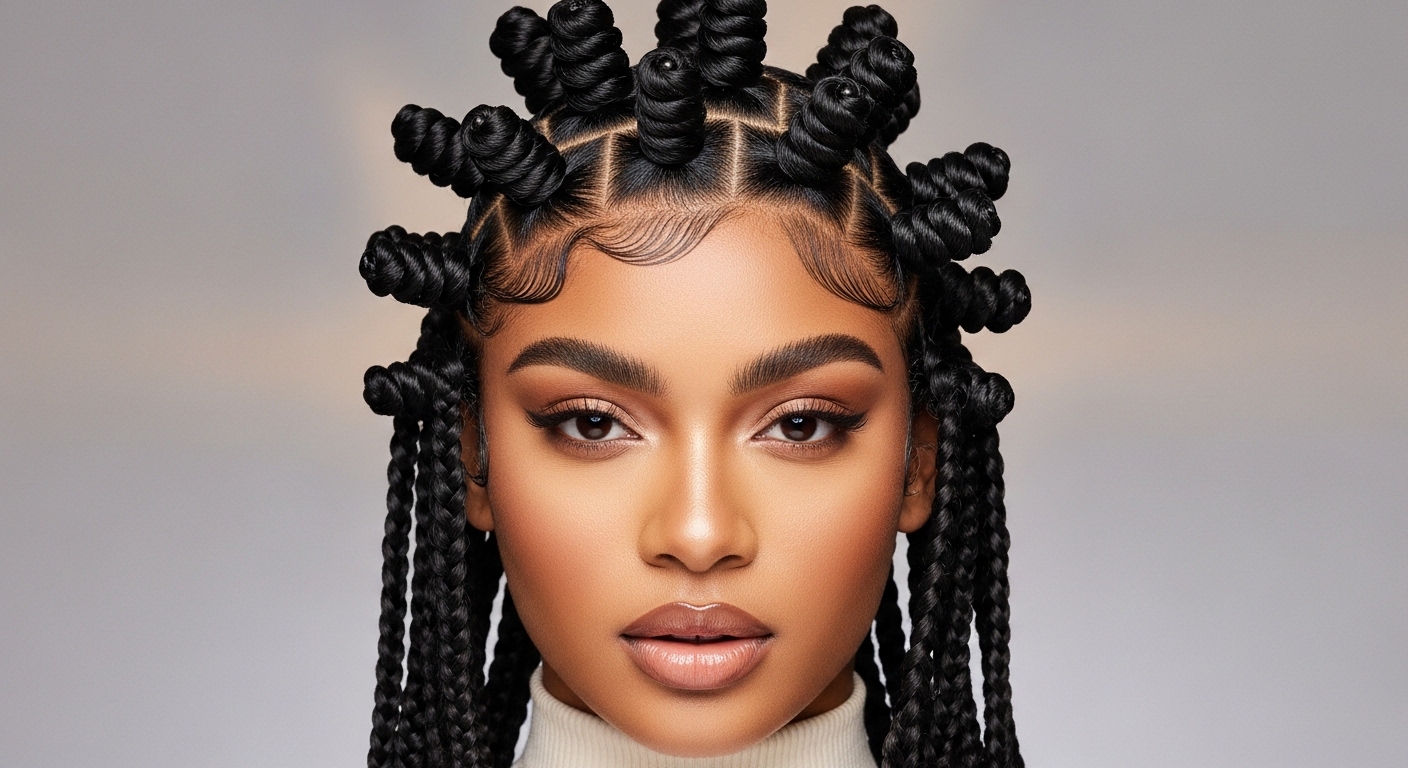
8. Bantu Knots
Named after the Bantu peoples of Central and Southern Africa, these knots are both a protective style and a cultural emblem. When worn, they are a striking style; when unraveled, they create beautiful waves. The knots are a celebration of community and shared heritage among the many Bantu-speaking ethnic groups.
9. Senegalese Twists
A close cousin to box braids, Senegalese twists are created with two strands of hair twisted together, often resulting in a smoother, rope-like appearance. Popular in West Africa, this style is prized for its elegance and low-maintenance protection. It reflects the innovative approaches to hair care and aesthetics in the region.
[Close-up detail of Senegalese twists, showing the tight, uniform twist pattern and possibly incorporating kanekalon hair for added length.]
10. Goddess Braids
Goddess braids are large, raised cornrows that are often woven into intricate, regal patterns. The name itself speaks to their significance—they are designed to evoke power, strength, and divine femininity. This style is a modern celebration of the royal and spiritual status that braided hair has historically conveyed in many African societies.
[A majestic style featuring thick, raised goddess braids woven into a crown-like halo or an elaborate updo on the crown of the head.]
11. Shuku (The Classic African Bump)
Popular across West Africa, especially in Nigeria, the shuku is a style where braids are pulled high onto the head into a bump or puff. Traditionally worn by brides and for special ceremonies, it signifies celebration and elevated beauty. It’s a foundational style that often serves as a base for elaborate headgear and adornments.
[A bride or festival-goer with a perfectly rounded shuku at the top of her head, with braids flowing down from it, possibly adorned with a hairpiece.]
12. Amasunzu (Rwanda)
The traditional Amasunzu hairstyle of Rwanda is a dramatic art form. Hair is styled into a crescent-shaped crest, often with the sides shaved. Historically, this complex style indicated social status, marital availability, and warrior prowess. Its unique shape is an unmistakable symbol of Rwandan cultural identity.
[Illustration or historical photo showing the distinct crescent-moon shape of the Amasunzu hairstyle, typically worn by Rwandan men and women in history.]
13. Nubian Twists
Inspired by the people of ancient Nubia (modern-day Sudan and Southern Egypt), Nubian twists are typically chunkier than Senegalese twists and use the person’s natural hair without extensions. This style connects the wearer to one of Africa’s oldest civilizations, representing endurance, natural beauty, and ancient pride.
[Model with full, chunky Nubian twists made from their natural hair, showcasing a voluminous and powerful afro-textured style.]
14. Ethiopian Afar Braids
Among the Afar people of Ethiopia, intricate, thin braids are common. Women often part their hair centrally and braid it into many small plaits, sometimes incorporating beads and amber. The styles can denote a woman’s age group, from adolescence to married woman, acting as a visual language within the community.
[An Afar woman with a central part and dozens of very thin braids falling on either side of her face, adorned with simple, natural beads.]
15. Maasai Beaded Braids
For the Maasai of Kenya and Tanzania, hair is a canvas for elaborate beadwork. Shaved heads for men and women are common at different life stages, but when hair is grown, it is braided and meticulously adorned with intricately beaded jewelry. The colors and patterns of the beads communicate specific meanings about one’s age, social status, and village.
[A Maasai warrior or woman with short braids heavily decorated with colorful, patterned beadwork hanging from the ends of the braids.]
16. Yoruba Shaved Patterns (Ipako Elede)
While not braids, the tradition of intricate scalp shaving among the Yoruba people of Nigeria is a crucial part of hair artistry. Called Ipako Elede, these patterns are often combined with braided styles. The shaved designs are not just decorative; they can be symbolic, representing family lineage, or simply used to enhance the beauty of the braided patterns left unshaved.
[Back of a head with a beautifully shaved geometric pattern on the nape or side, contrasting with braided hair on the top.]
17. Miao Silver Horn Braids (China)
Venturing beyond Africa, the Miao people of China have a breathtaking hair tradition. Women grow their hair exceptionally long and coil it into a large, horn-like bun on top of their head. This style is then adorned with massive, ornate silver headdresses during festivals. The braid and horn symbolize longevity, prosperity, and cultural unity.
[A Miao woman in traditional festival dress, with her hair coiled into a large “horn” bun and adorned with a towering, intricate silver headdress.]
18. Native American Braided Patterns
Across countless Native American nations, braids hold profound significance. From the simple single braid representing oneness with the spirit, to double braids symbolizing the balance of mind and body, to intricate wrapped and feathered braids for warriors, each style is imbued with meaning. Braids are seen as a physical manifestation of thought and prayer.
[A person with long, thick hair separated into two braids, wrapped with leather or fabric, and perhaps adorned with feathers or beads at the ends.]
19. Viking and Celtic Braids
Historical evidence suggests that braiding was important in Northern European cultures as well. Vikings used braids for practical and possibly status-related reasons, while Celtic tribes are known for their intricate knotwork in art, which likely translated to hair. These braids symbolized strength, community ties, and intricate storytelling through pattern, much like their African counterparts.
[A historical-inspired depiction of a Viking woman with a mix of loose hair and several functional, woven braids, perhaps tied back from the face.]
Wearing Tribal Braids with Respect and Appreciation
As these styles gain international popularity, the line between appreciation and appropriation can become blurred. Here are key ways to honor their origins: Educate yourself on the specific history of the style you choose. Credit the culture by naming it correctly (e.g., “Fulani braids,” not just “bohemian braids”). Support braiders from the culture who are the keepers of these techniques. Finally, wear the style with the dignity it deserves, understanding it is not just a trend but a legacy.
Tribal braid patterns are a profound language of beauty, identity, and resistance. Each plait is a thread in a rich historical fabric. By choosing to wear these styles, you are not just making a fashion choice—you are engaging with a living history. Let that engagement be rooted in knowledge, respect, and deep admiration for the cultures that have preserved these incredible art forms for millennia.
[A final, celebratory image showing a diverse group of people from different backgrounds smiling and showcasing a variety of the tribal braid patterns discussed, representing unity and appreciation.]