23 Rolled Updo Techniques for Vintage Glamour
There’s a certain magic in vintage hairstyles—a whisper of old Hollywood, the boldness of the Jazz Age, the sophistication of mid-century elegance. That magic often lives in the art of the roll. More than just a bun or a twist, rolled updos create the sculptural, polished, and undeniably glamorous silhouettes that define decades of beauty. Whether you’re preparing for a wedding, a themed event, or simply want to infuse your everyday look with a touch of timeless charm, mastering the rolled updo is your key.
The Foundation: Mastering the Basic Rolls
Before diving into elaborate styles, it’s crucial to understand the core rolling techniques. These are the building blocks of nearly every vintage updo.
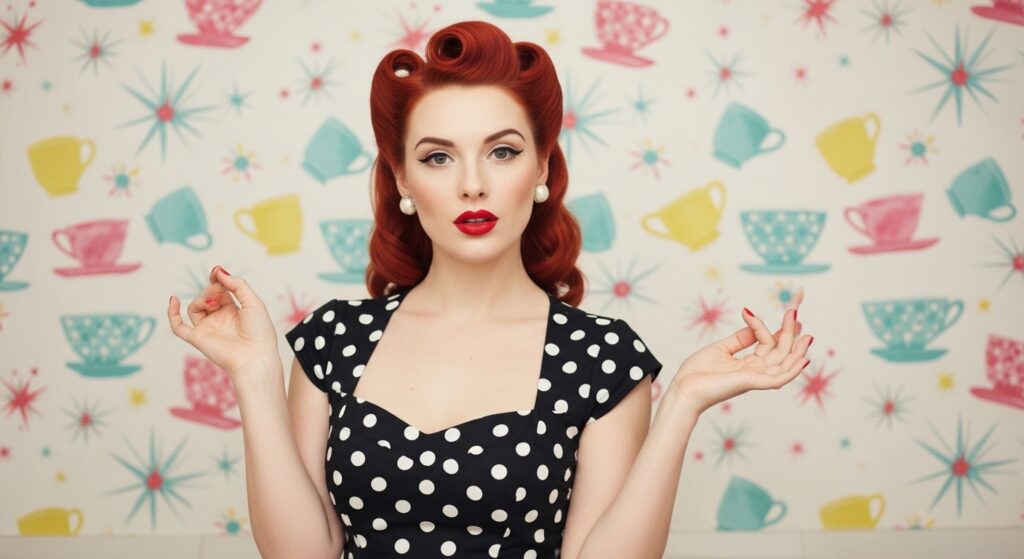
1. The Victory Roll: The quintessential 1940s roll. Create a section of hair, backcomb lightly at the base for support, then roll it forward towards your face, tucking the ends under and securing with pins. The roll stands up and away from the head.
2. The Horizontal Roll: Perfect for the nape of the neck. Take a section, roll it under itself along the hairline, creating a smooth, tubular shape that sits flat against the head.
3. The Vertical Roll: Similar to a classic French twist. Gather hair at the nape, twist it upwards, and then roll the twist into a vertical column, securing it along the center of the back of the head.
4. The Figure-8 (Infinity) Bun: A stunning 1930s technique. Create a low ponytail, split it in two, and twist each section before looping them around each other in a figure-8 pattern, pinning securely.
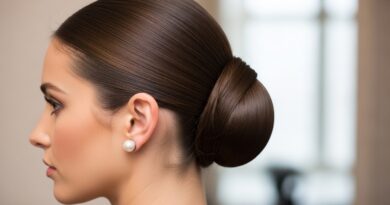
5. The Simple Rolled Chignon: Twist hair into a low knot, then roll the length of the twist under itself, forming a compact, elegant bun. Tuck ends and pin invisibly.
1920s & 1930s: The Dawn of Sculpted Glamour
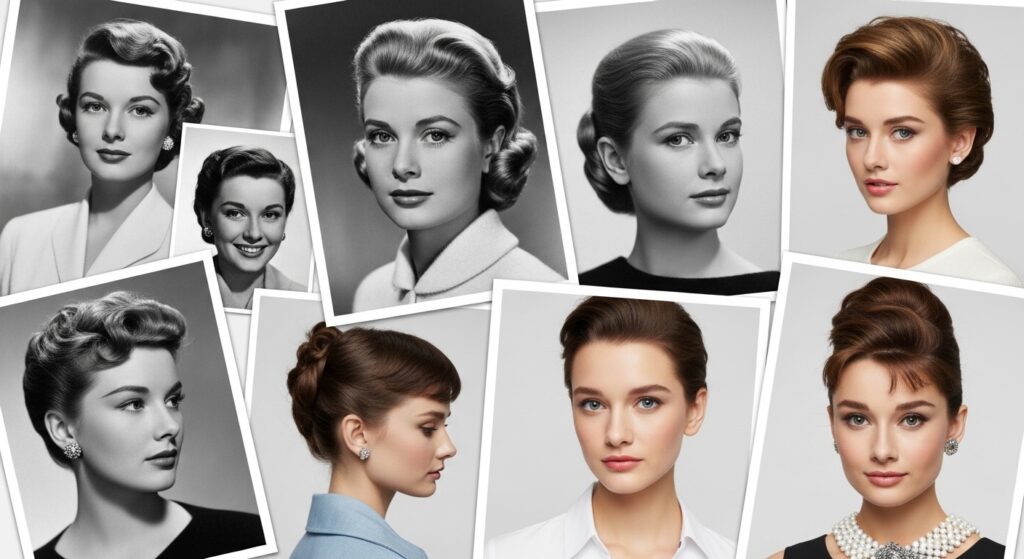
This era moved away from loose Gibson girls to sleek, head-hugging shapes and intricate waves, often accentuated with dramatic rolls.
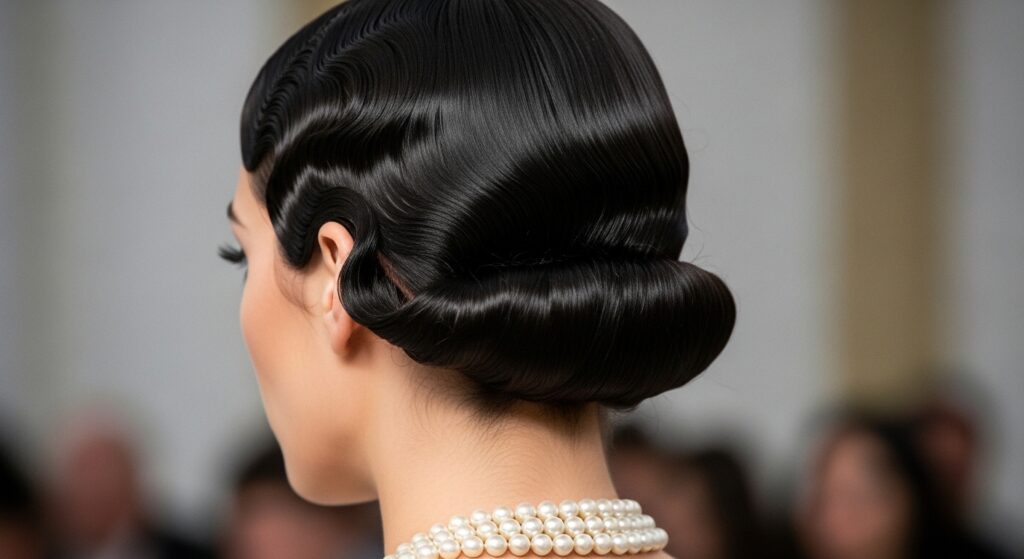
6. The Marcel Wave Roll-Under: After creating deep Marcel waves, the ends are rolled under at the nape into a tight, flat horizontal roll, creating a flawless helmet of hair.
7. The Eton Crop with Accent Roll: For shorter bobs, a single, sleek roll across the crown or above the brow adds polished detail to the androgynous cut.
8. The Side-Swept Roll with Finger Waves: Deep side-parted finger waves are swept into a large, soft roll over one ear, a signature look of the late 1920s.
9. The Double Roll Crown: Hair is parted down the middle, and each side is rolled away from the face, meeting at the center back in a symmetrical, regal style.
10. The Low Figure-8 with Hair Jewellery:
This intricate bun is adorned with a dazzling art deco hairpin or a string of pearls woven through the center of the figure-8.
1940s: Volume, Victory, and Pin-Up Flair
World War II era hairstyles were both practical and glamorous, emphasizing volume at the crown and rolls that symbolized resilience and femininity.
11. The Double Victory Roll: The iconic pin-up style. Two large, rounded rolls are placed high on either side of a center part, with the rest of the hair worn down in curls or up in a roll.
12. The Peek-a-Boo Roll: Features a deep side part with one side rolled high and back (a Victory Roll), while the other side cascades in loose curls, partially covering the eye.
13. The Rolled Pompadour: Front hair is brushed high, backcombed for volume, and rolled back over a rat or cushion, creating a dramatic, raised front.
14. The Snood Roll-Up: Hair is gathered into a low, soft roll at the nape and then tucked entirely into a decorative snood, with face-framing rolls left out.
15. The “Lamp Shade” Roll: Hair is set in large curls, then brushed out and rolled under all around the head, creating a uniform, rounded shape reminiscent of a lamp shade.
1950s: Polished Sophistication & Feminine Curves
Post-war prosperity brought highly polished, set styles. Rolls were smoother, more integrated, and exuded effortless chic.
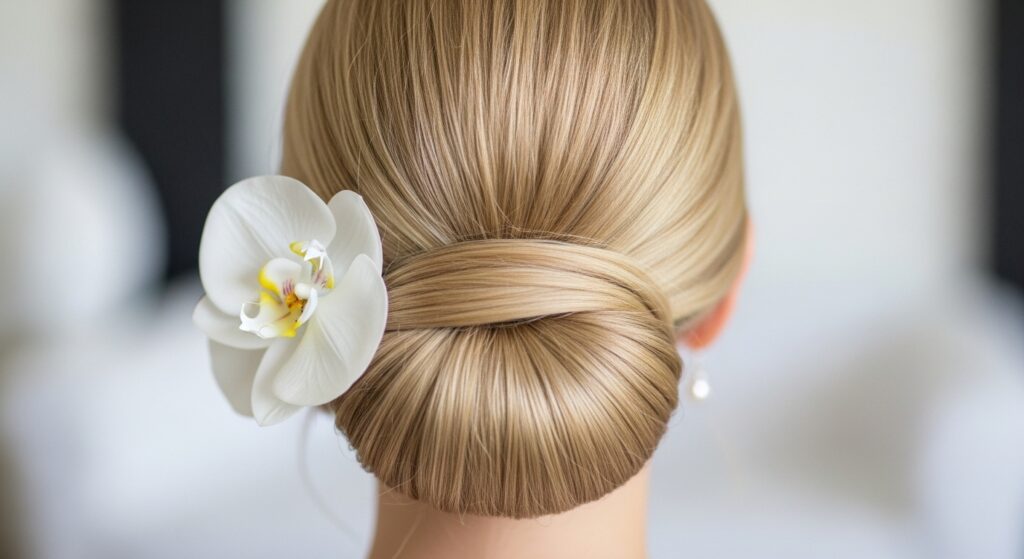
16. The Grace Kelly Chignon: A low, smooth chignon created by rolling hair under into a seamless, oval-shaped bun. Often paired with a flipped fringe or soft waves.
17. The Rolled Fringe (Bangs): Short bangs are set with rollers and brushed into a high, rounded roll that sits above the forehead.
18. The Pageboy Roll: The ends of a classic pageboy cut are turned under in one continuous, wide roll around the entire head, framing the face perfectly.
19. The Half-Up Rolled Crown: Only the top section of hair is used, brushed back and rolled into a soft, horizontal roll across the crown, leaving curls free below.
20. The Bouffant Roll-Out: Hair is backcomhed heavily at the crown, then the top layer is smoothed over and rolled back into a large, voluminous puff, often with a tail of curls at the back.
1960s: Sleek Geometry and High Drama
The sixties introduced sharper lines, higher placements, and architectural shapes, leading into the beehive but also embracing sleek rolls.
21. The French Twist with Top Roll: A high French twist is topped with a separate, smaller horizontal roll that sits like a crown at the apex of the twist.
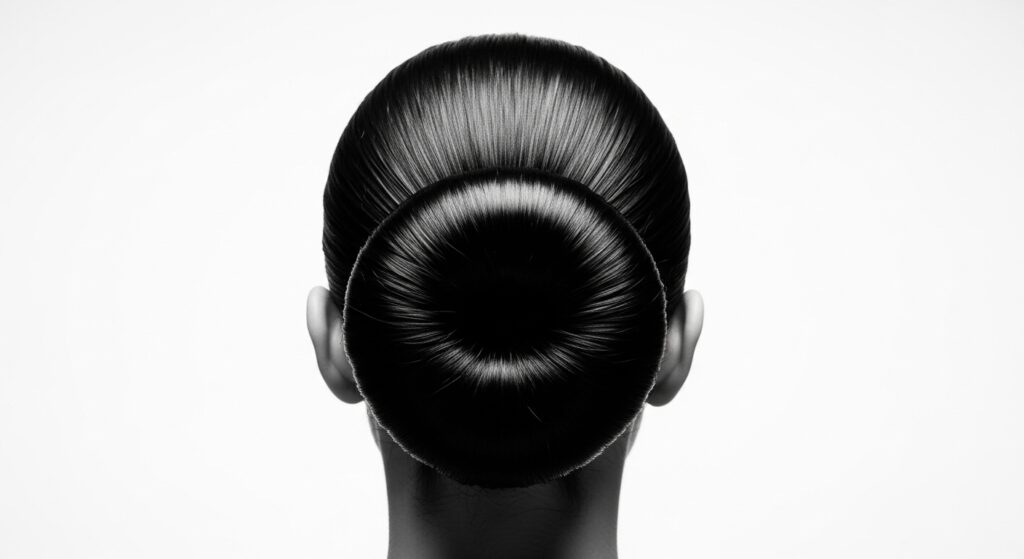
22. The Orbital Bun: A severe, center-parted style where hair is wound into a donut-shaped roll that encircles the head like a halo, often seen in space-age fashion.
23. The Mini Beehive Roll Base: Before backcombing for a beehive, the base is created by rolling the front and sides back and pinning them to create a foundational “shelf” of volume.
Pro Tips for Lasting Vintage Rolled Updos
Creating these styles authentically requires more than just technique. Preparation and product are key.
Start with Second-Day Hair: Slightly dirty hair has more texture and grip, making it easier to roll and secure.
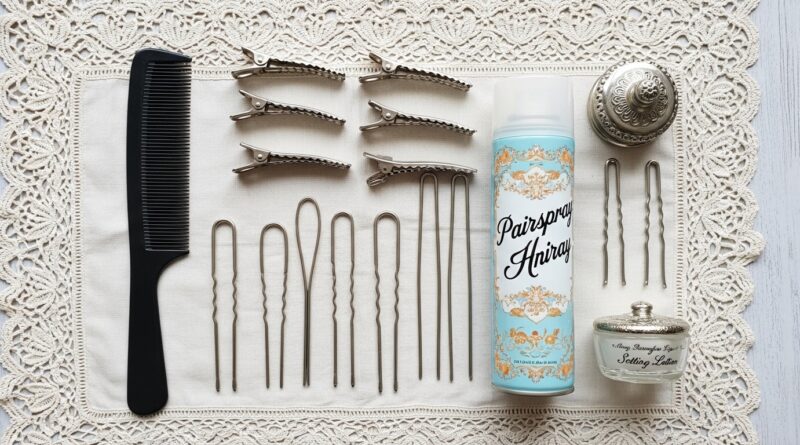
Invest in a Good Setting Lotion or Mousse: Apply to damp hair before setting with rollers. This creates memory and hold that lasts.
Backcomb (Tease) Strategically: Light backcombing at the base of a section gives your roll something to “sit” on and provides crucial volume and staying power.
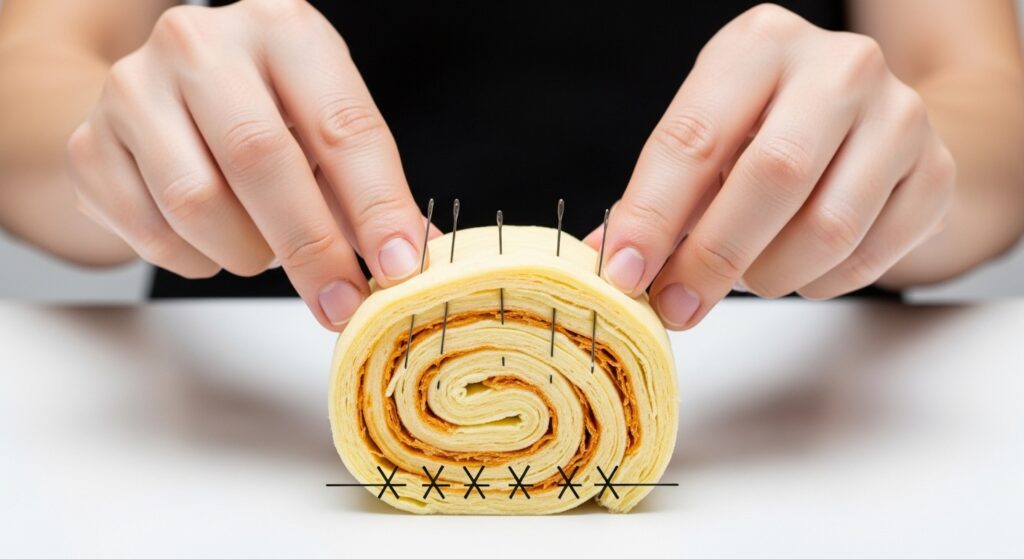
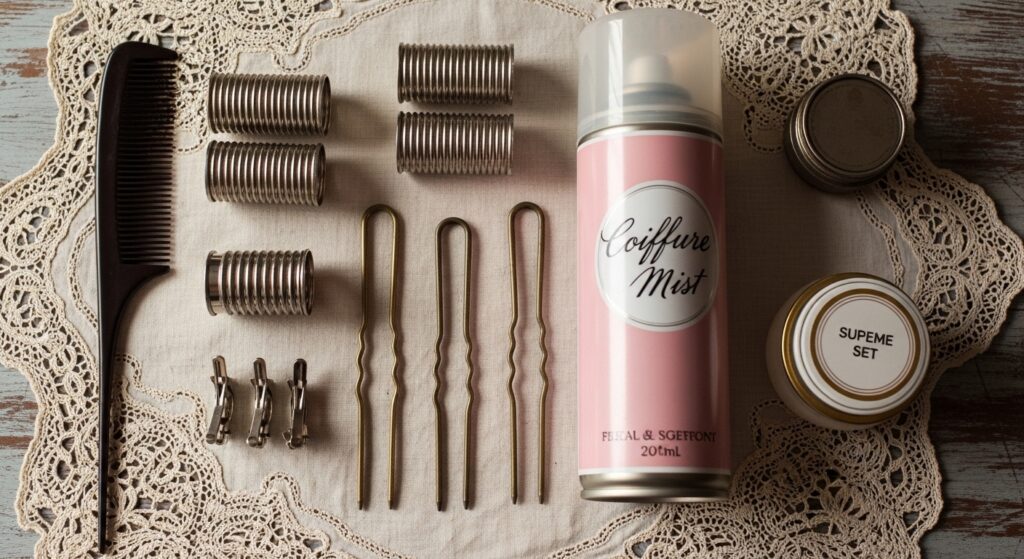
Use the Right Pins: Bobby pins are your friend, but hairpins (U-pins) are the vintage secret. They grip more hair and lie flatter. Always cross them for security.
Finish with a Strong-Hold, Flexible Hairspray: Lock in your masterpiece without creating helmet-head. A light mist over the entire style is final step.
Bringing Vintage into the Modern Day
The beauty of these 23 rolled updo techniques lies in their adaptability. You don’t need to recreate a style perfectly from 1942. Take the essence of the roll and make it your own.
Try a loose, messy Victory Roll with tendrils for a bohemian festival look. Combine a low horizontal roll with a modern, blunt haircut for striking contrast. Use the figure-8 technique on just a portion of your hair in a half-up style. Vintage hairstyles are a playground for creativity.
By mastering these foundational rolls, you equip yourself with a versatile toolkit for endless elegant styles. So, set some time aside, play some period music, and practice. Whether you achieve the polished perfection of a silver screen siren or a more relaxed, interpreted version, you’re connecting to a rich legacy of glamour—one beautiful roll at a time.