50 Edwardian Updo Methods for Historical Accuracy
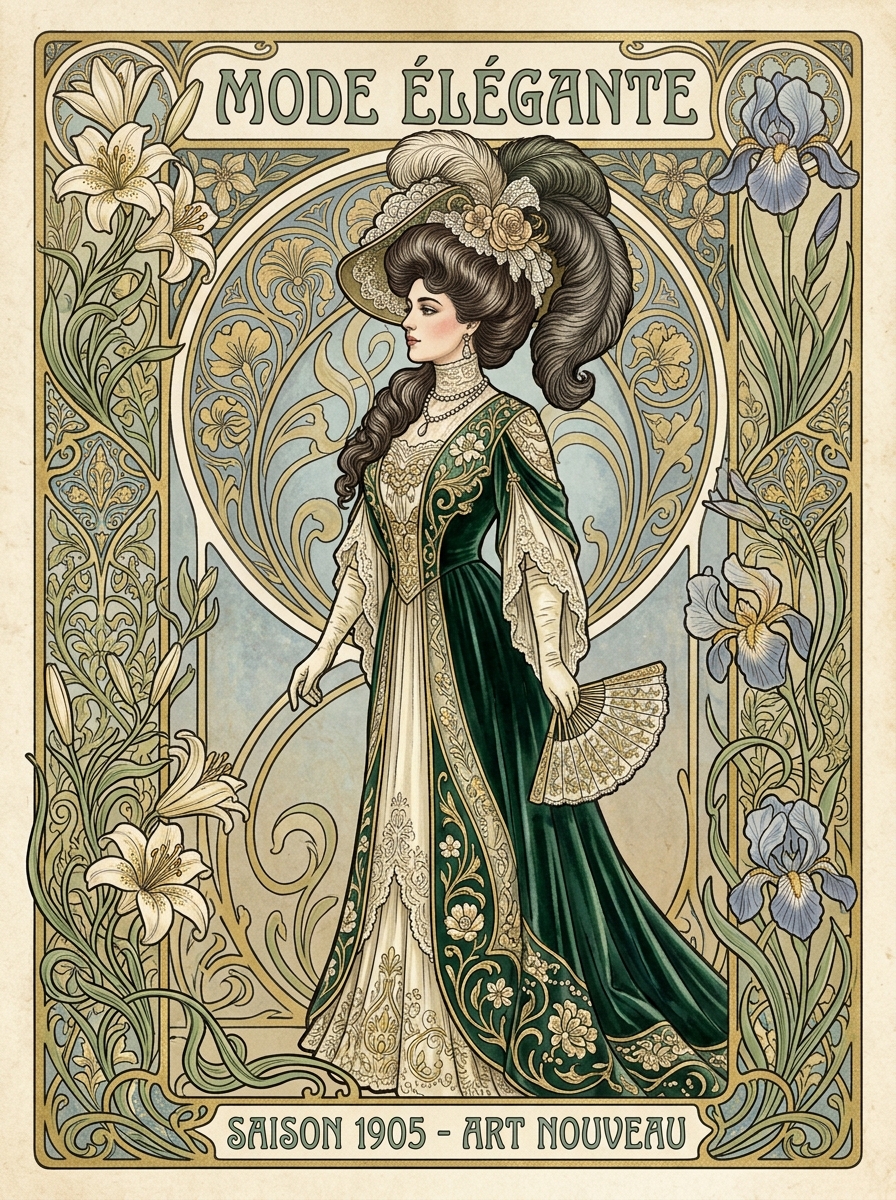
Step into the elegant world of the early 20th century, where hairstyles were a definitive symbol of grace, status, and modernity. The Edwardian era (roughly 1901–1914) marked a dramatic shift from the heavy, structured looks of the Victorian age to softer, fuller, and remarkably intricate updos that emphasized a feminine, “Gibson Girl” silhouette. For historical reenactors, theatre costumers, vintage enthusiasts, or anyone captivated by the romance of the past, achieving an authentic Edwardian updo is about more than just looking the part—it’s about connecting with the artistry and social nuances of the time.
This guide delves into historically accurate Edwardian updo methods, providing you with the knowledge to create styles that are true to the period. We’ll move beyond simple buns to explore the specific techniques, tools, and underlying structures that defined the era’s iconic looks, ensuring your hairstyle is as accurate as your costume.
The Foundation: Edwardian Hair Preparation
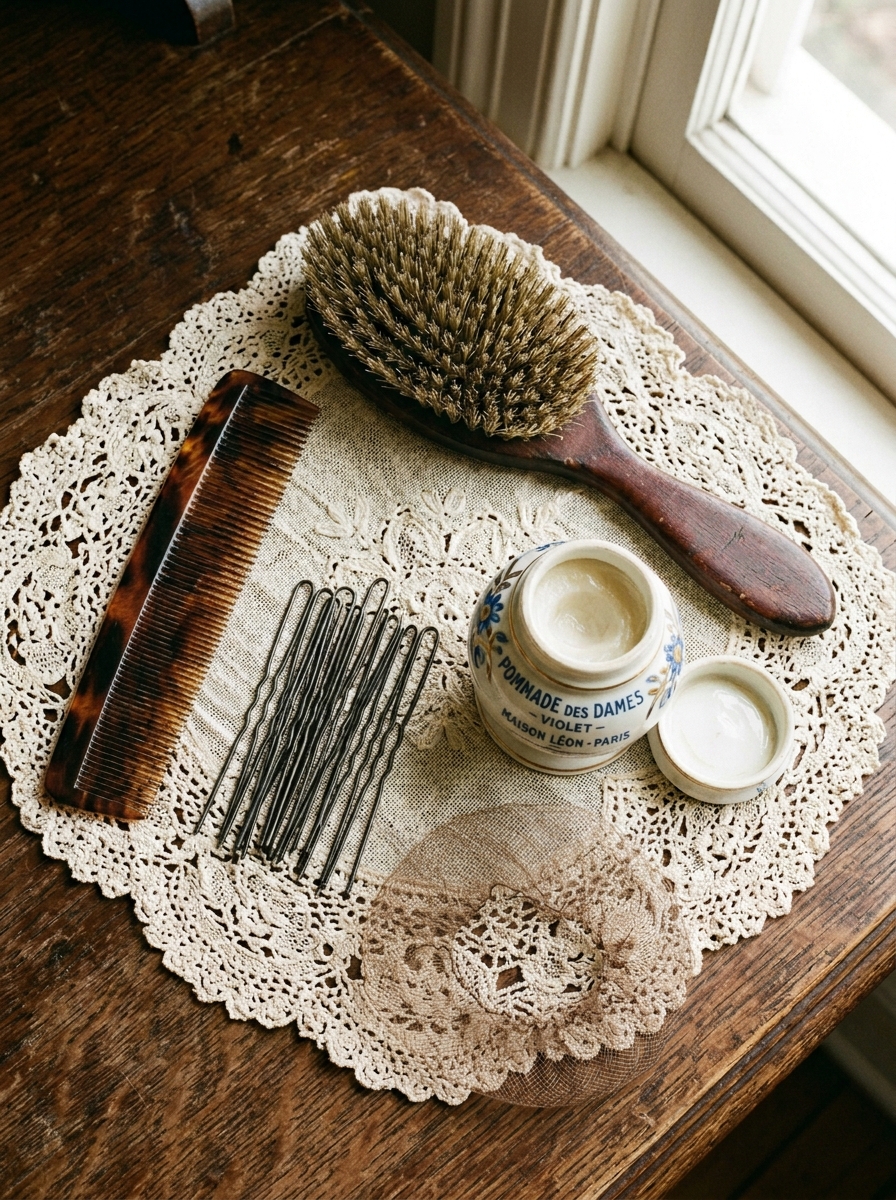
Before a single pin is placed, historical accuracy begins with preparation. Edwardian women rarely washed their hair as frequently as we do today. Instead, they relied on brushing and elaborate care routines. To achieve the authentic volume and texture, start with day-old, slightly textured hair. Backcombing (or “ratting”) was the period-correct secret to the enormous volume seen in styles like the pompadour. This was achieved using a specialized tool called a “rat” — a cushion of false hair or even saved hair from one’s own brush. Modern alternatives include hair rats made from tights or mesh, or using volumizing powders and teasing at the crown.
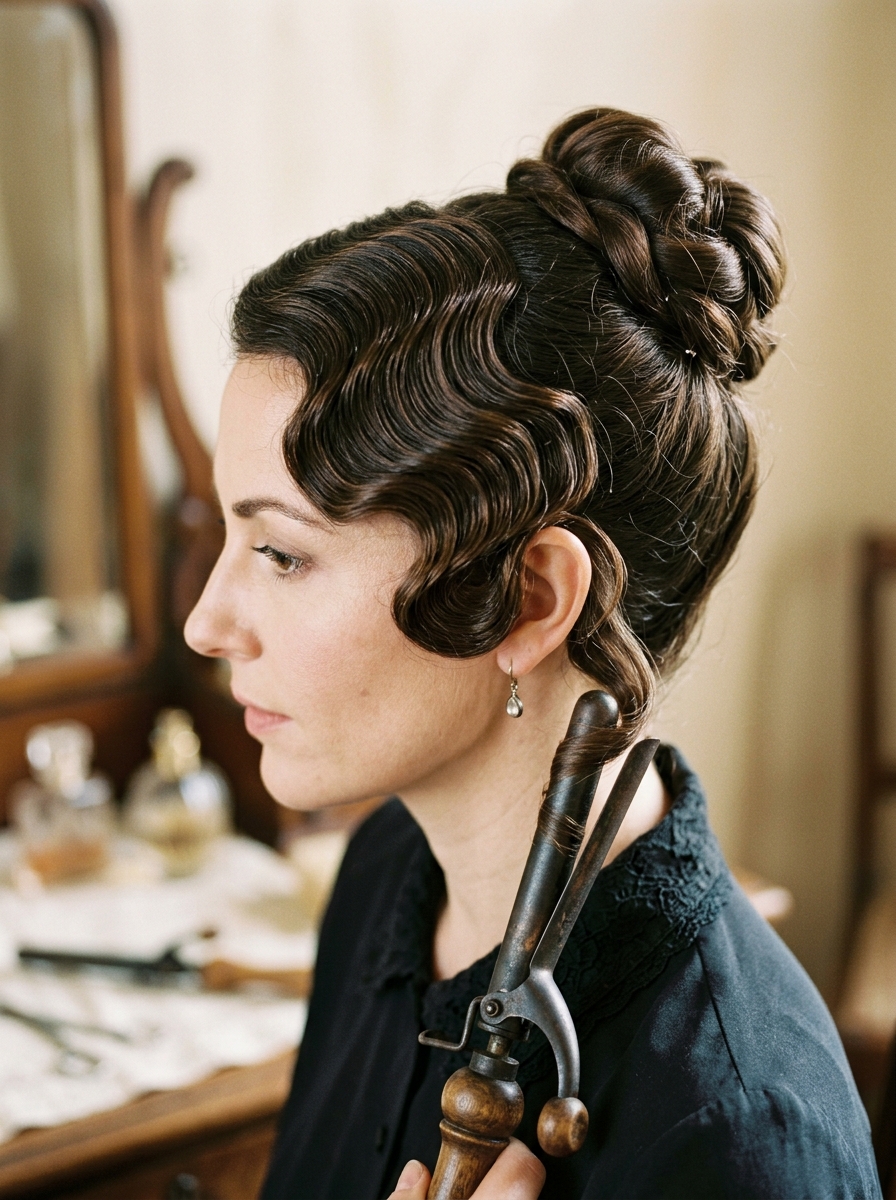
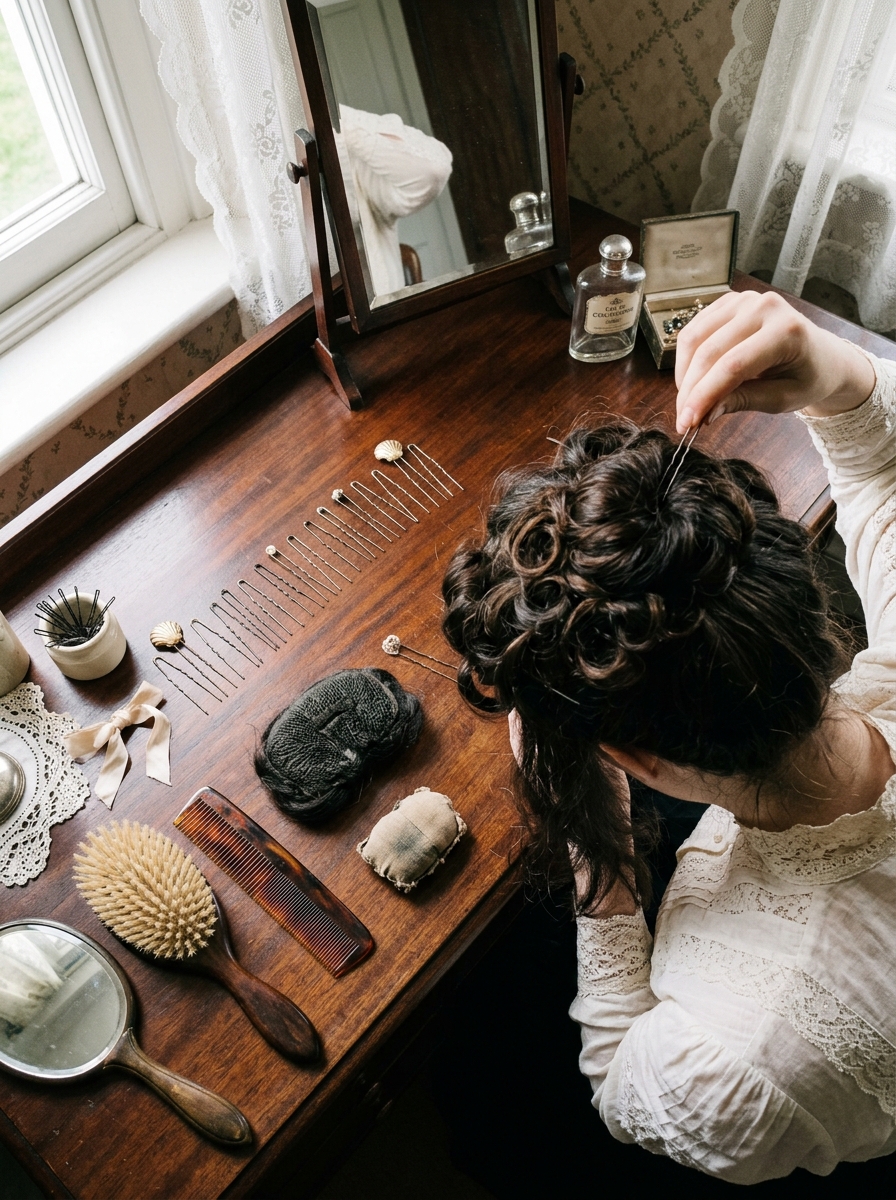
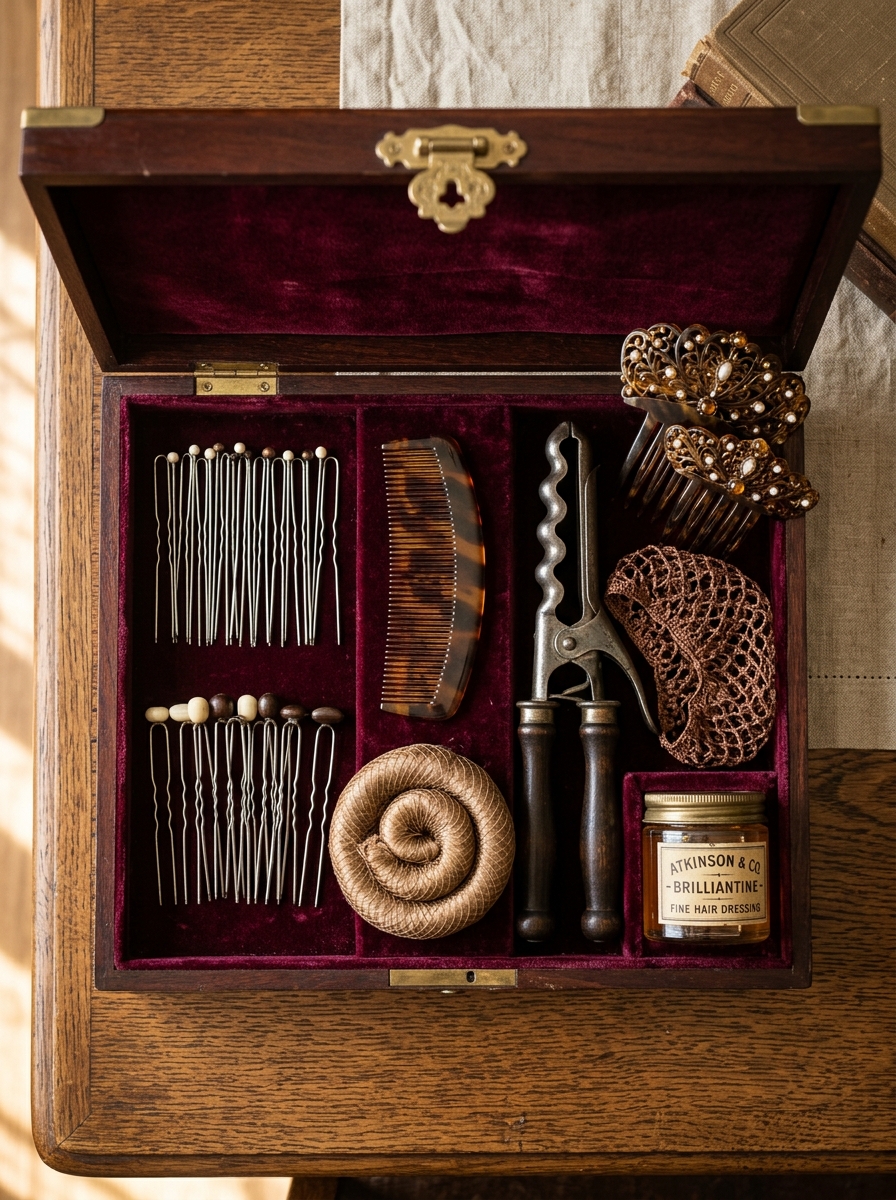
The essential tools were a fine-tooth comb, long steel hairpins (often 3–4 inches long), and invisible hairnets called “hair lace” or “invisible nets” to secure ends. Marcel irons, introduced in the 1870s, were used for creating the iconic waves, but for many, rag curls or curling irons heated on a lamp were the norm. Remember, the goal was a soft, full, and buoyant effect, not the sleek, tight styles of later decades.
The Core Updo Techniques
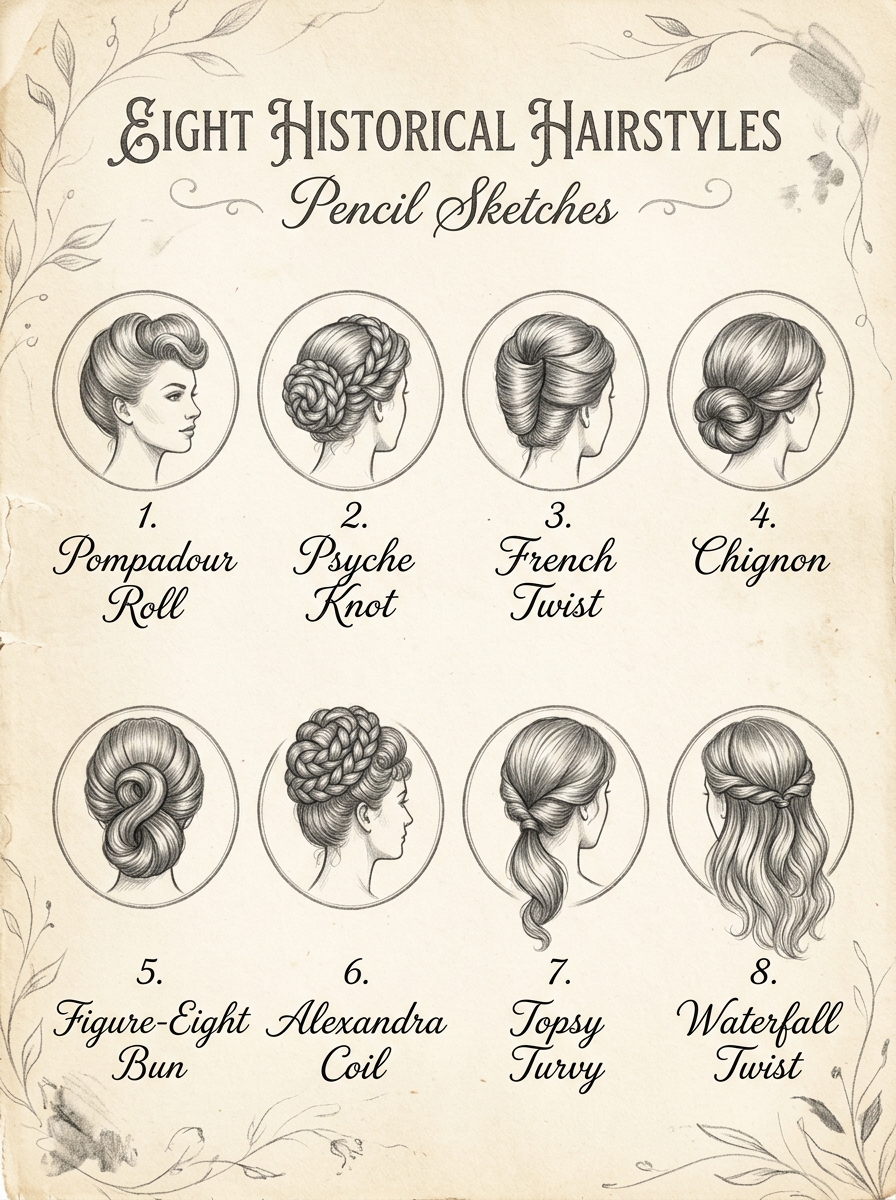
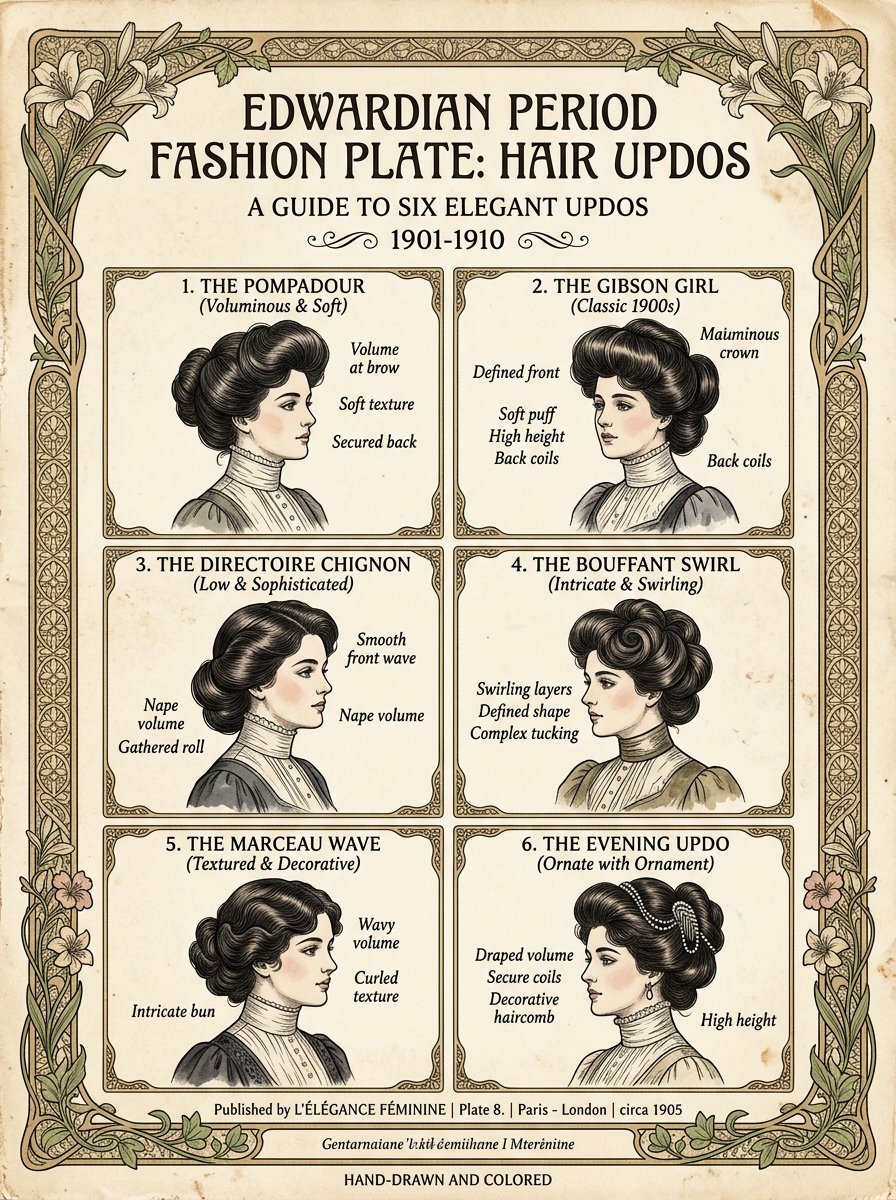
These eight methods form the building blocks of most Edwardian hairstyles. Mastering these will allow you to deconstruct and recreate even the most complex period photographs.
1. The Pompadour Roll
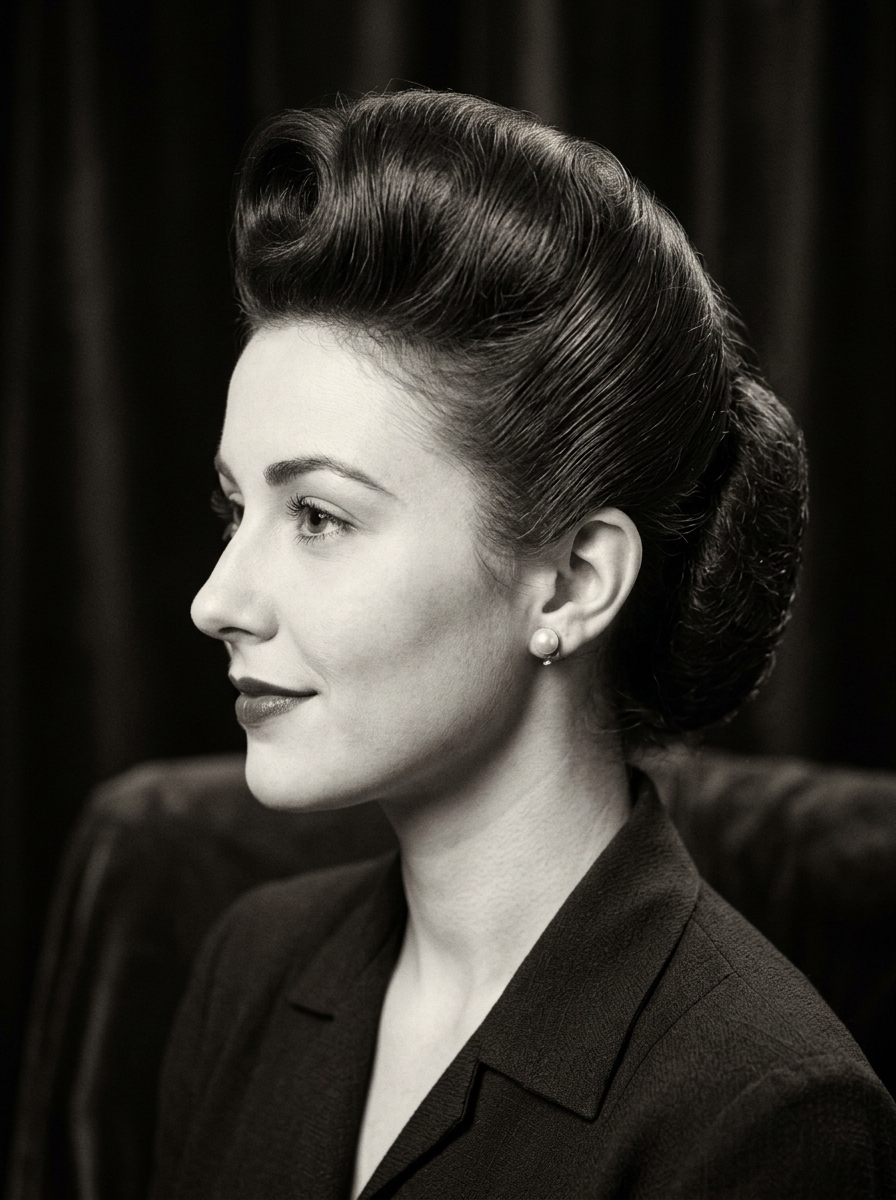
2. The Psyche Knot
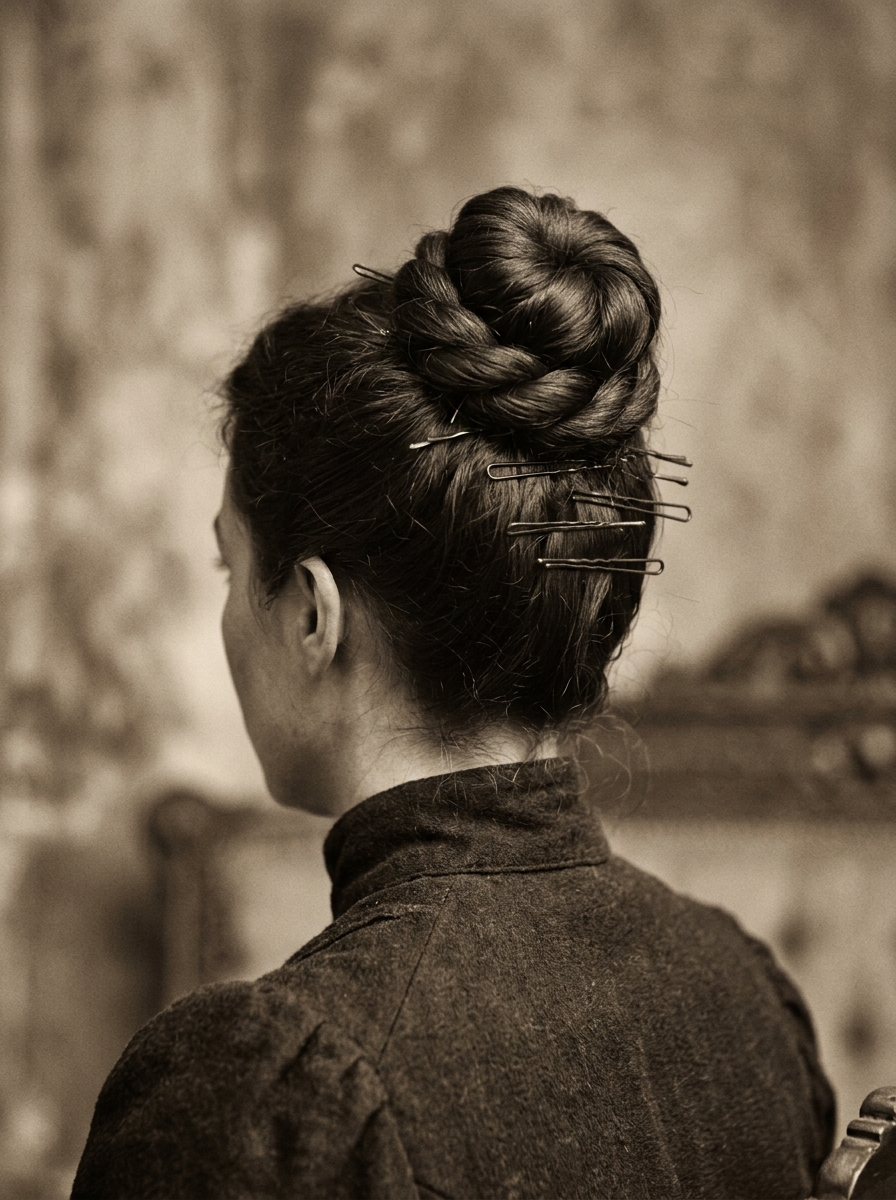
3. The French Twist (or French Roll)
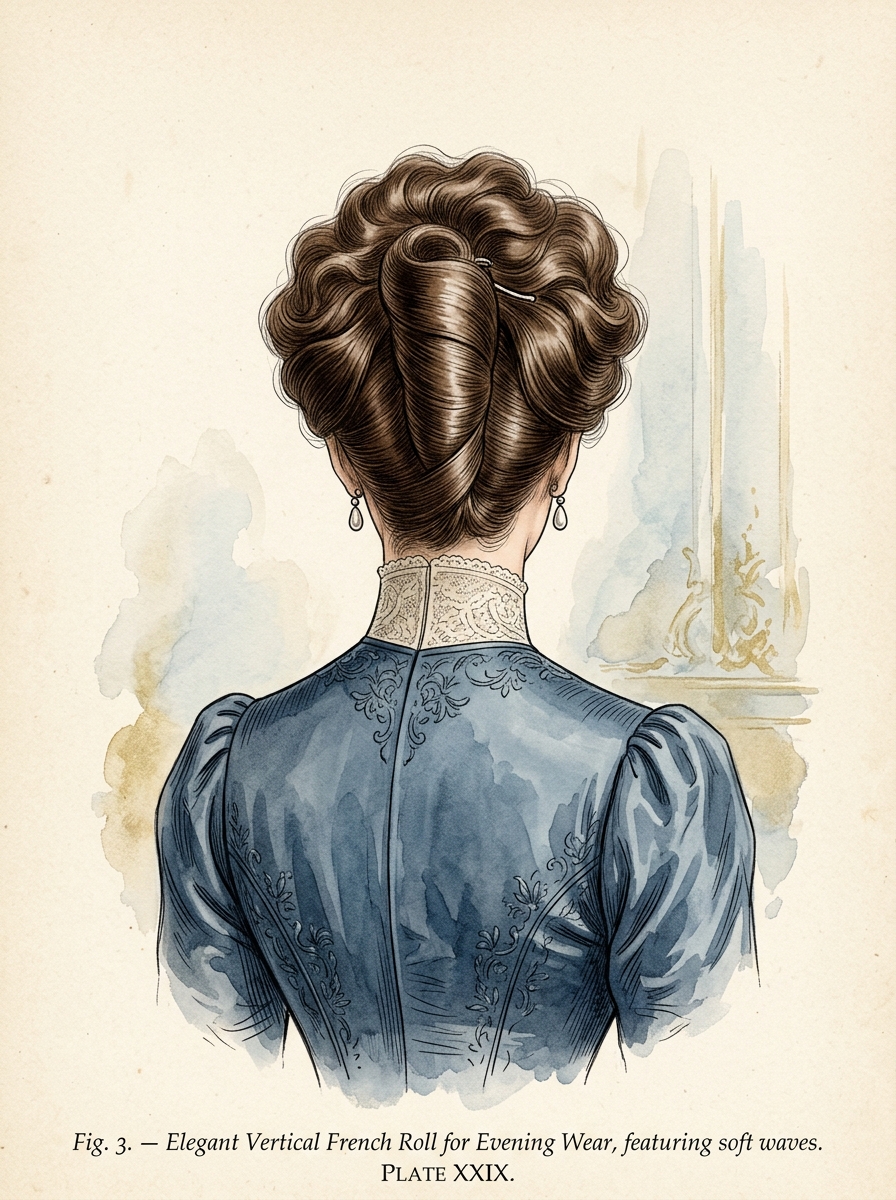
4. The Chignon
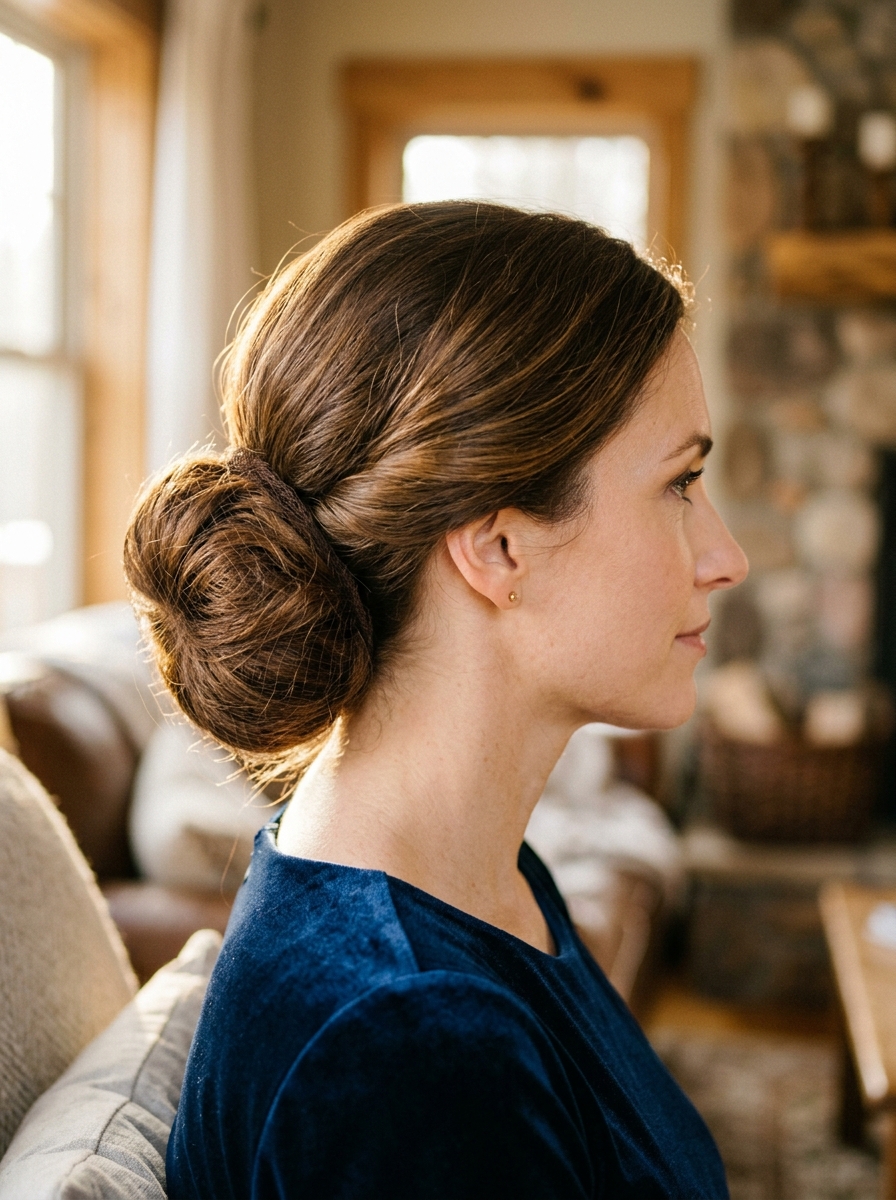
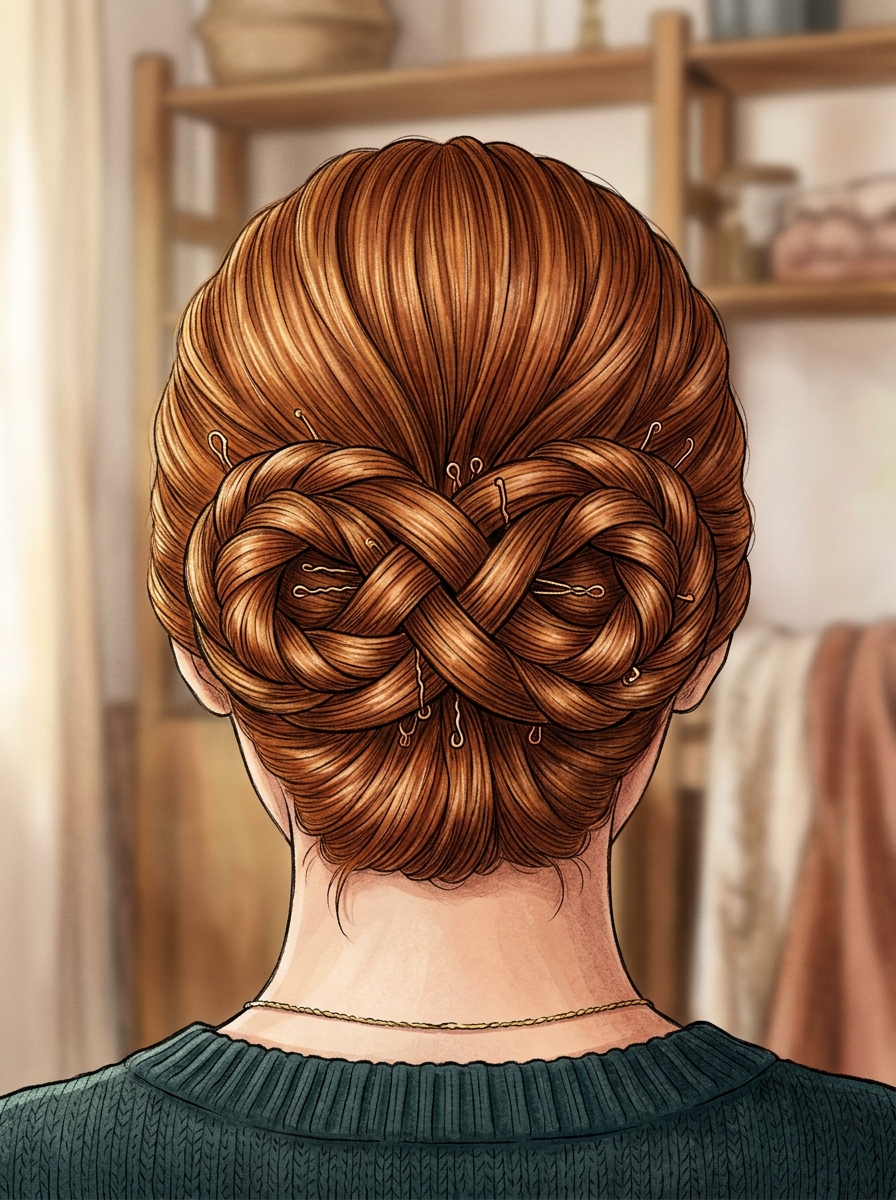
5. The Figure-Eight Bun
The Alexandra Coil
The Topsy Turvy
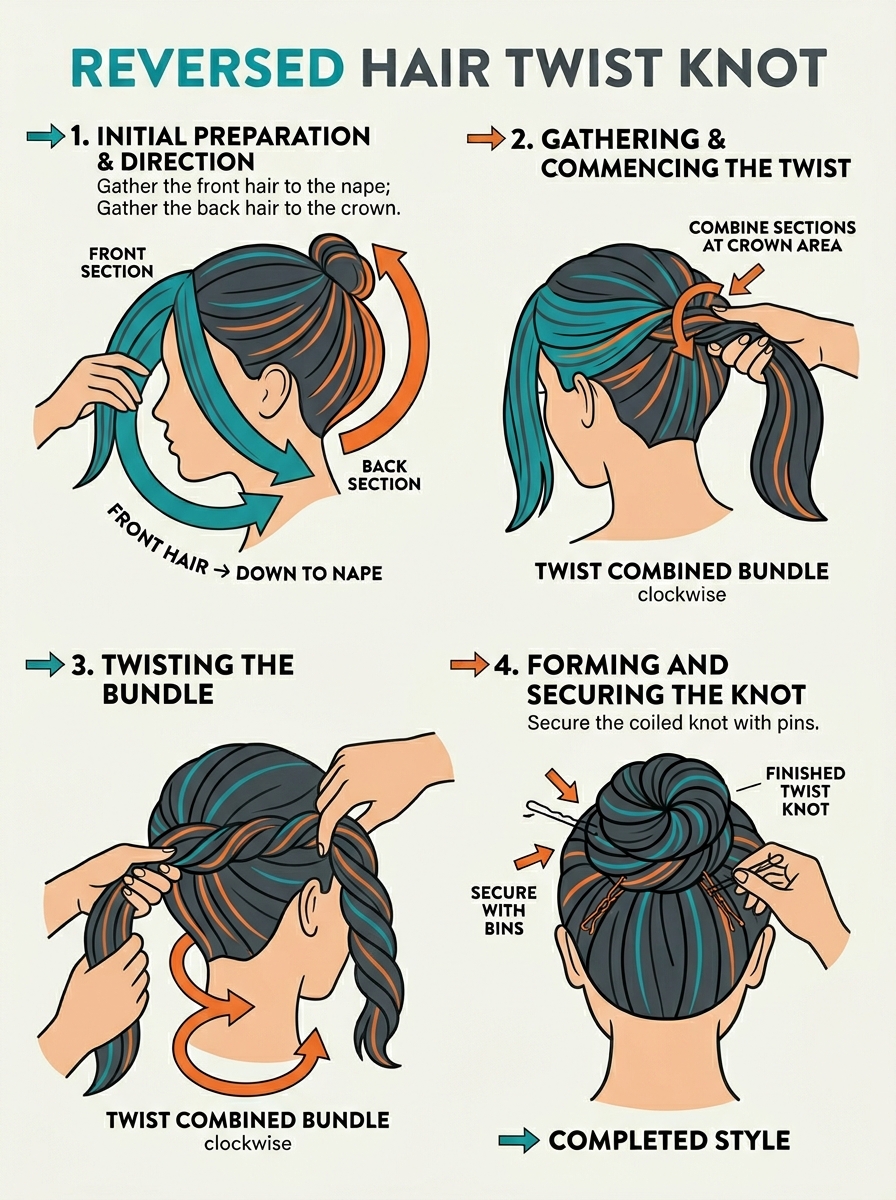
8. The Waterfall Twist
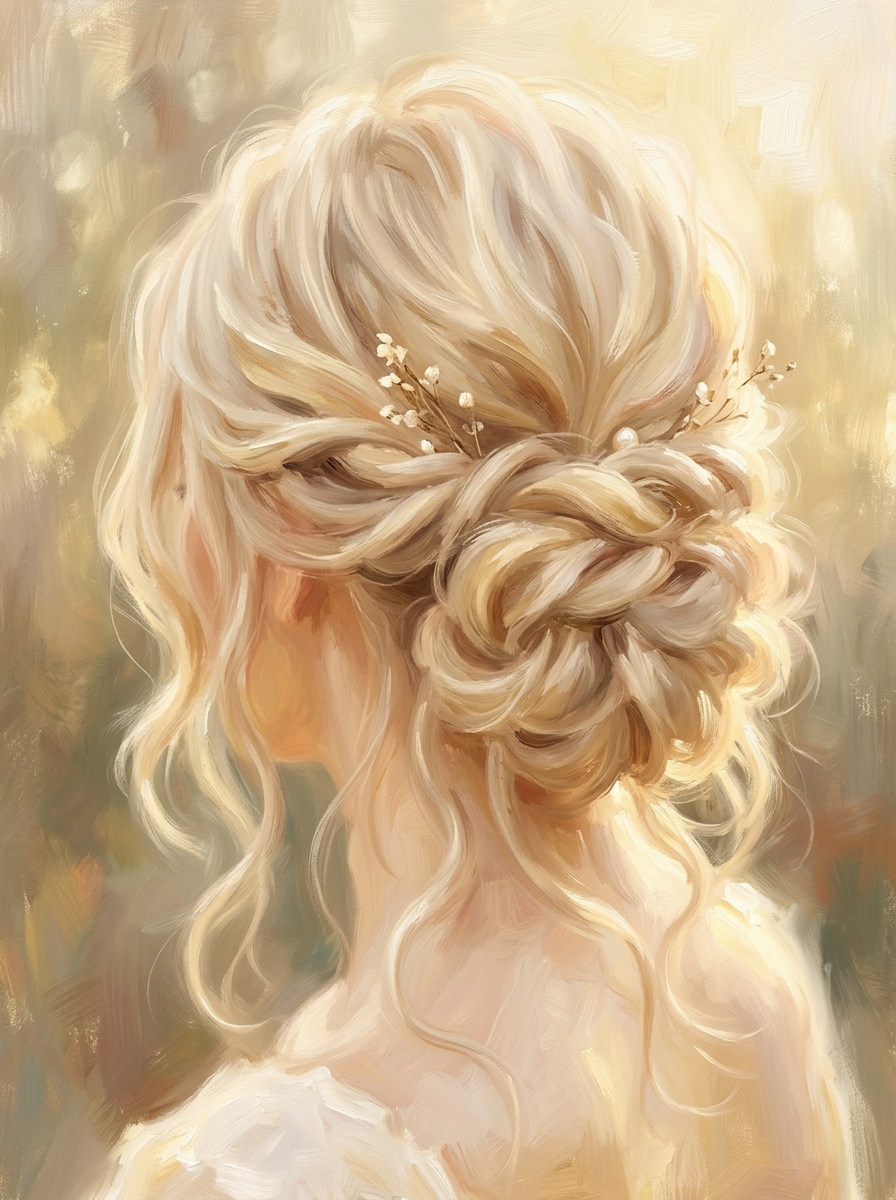
Incorporating Braids & Ornamentation
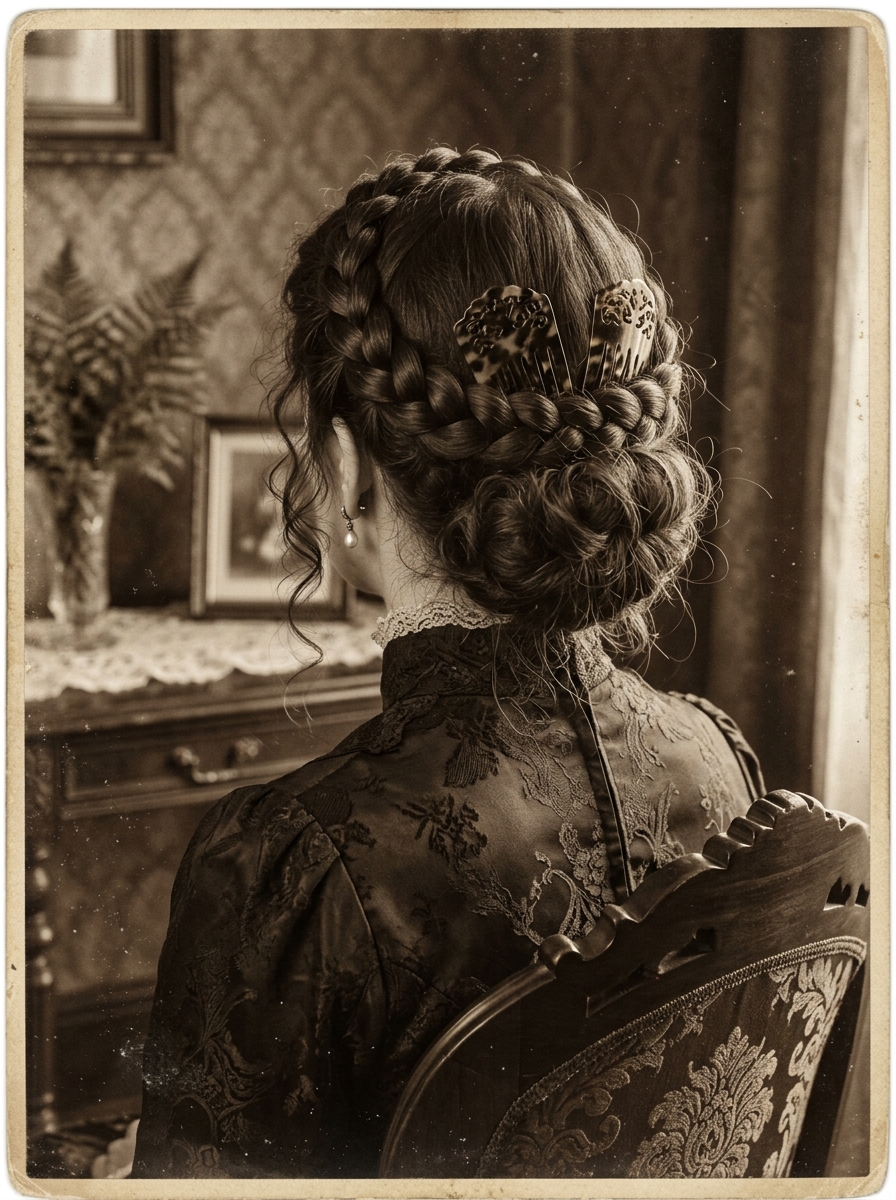
Braids were not just for practical hold; they were decorative elements that showcased skill. Ornamentation was key to moving from day to evening wear.
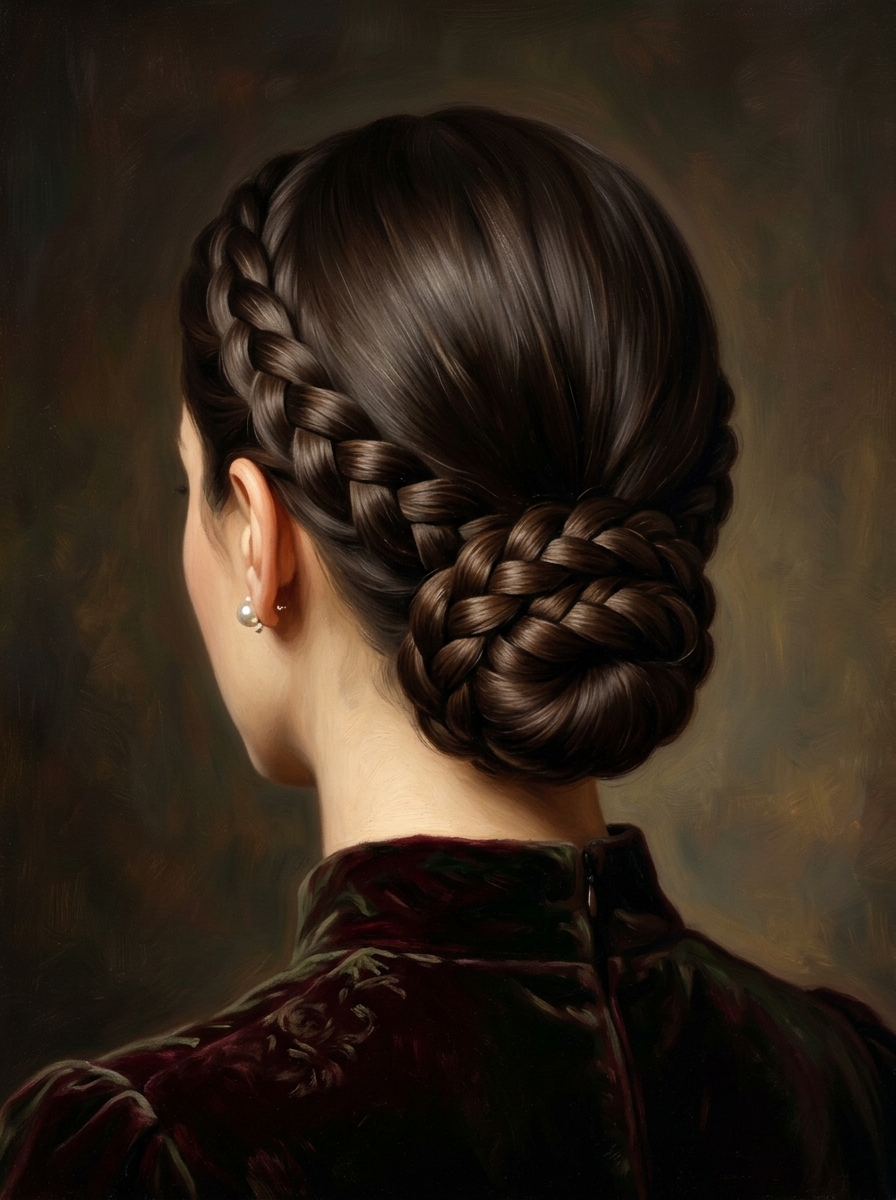
9. The Coronet Braid
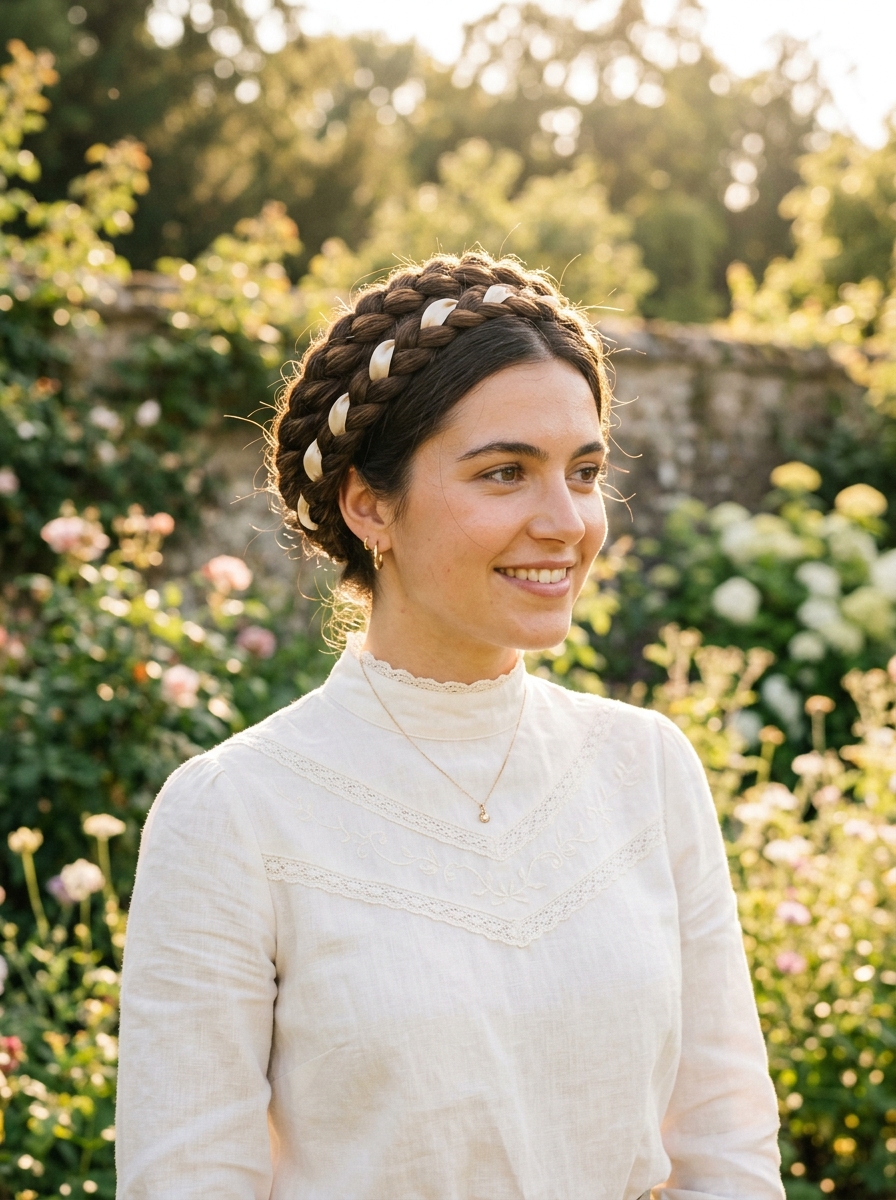
10. The Braided Pompadour
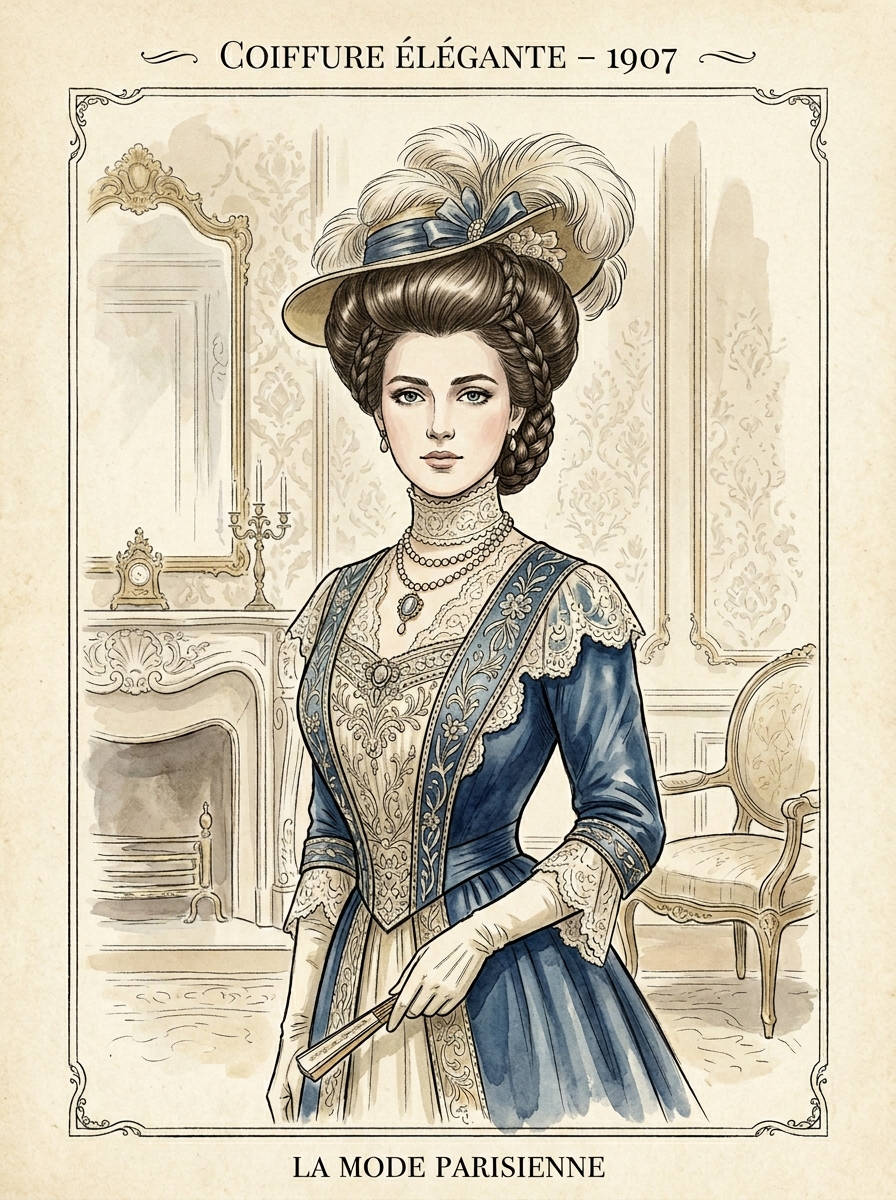
11. The Hair Bow (Pompadour Bouffant)
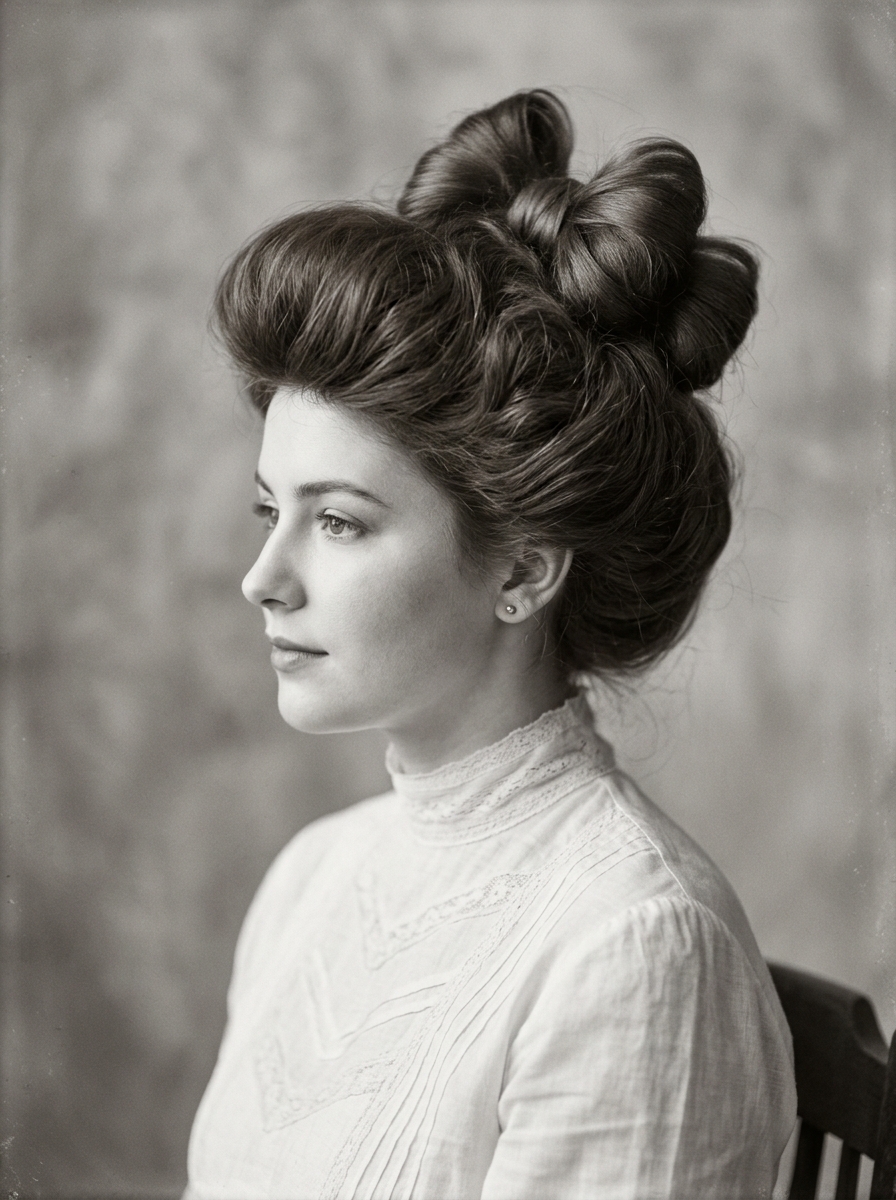
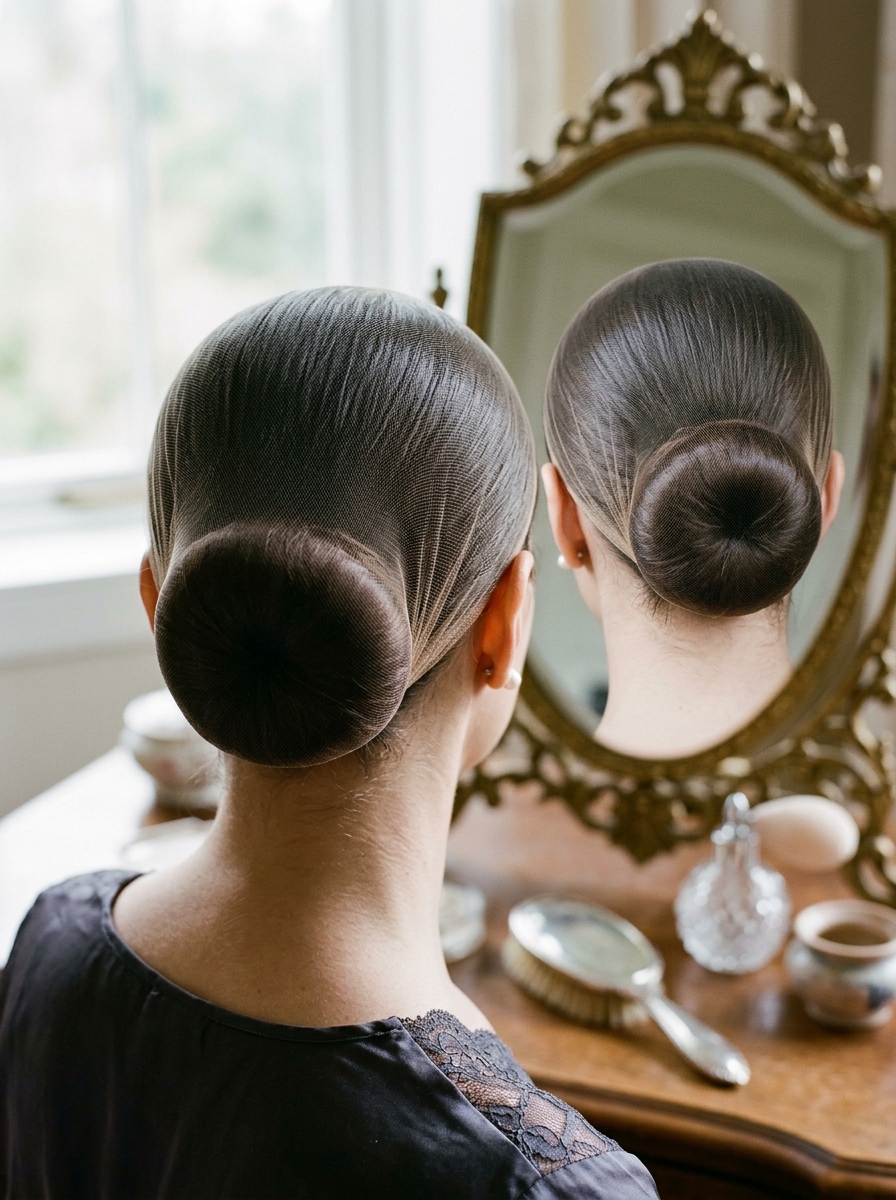
12. The Invisible Hair Net Finish
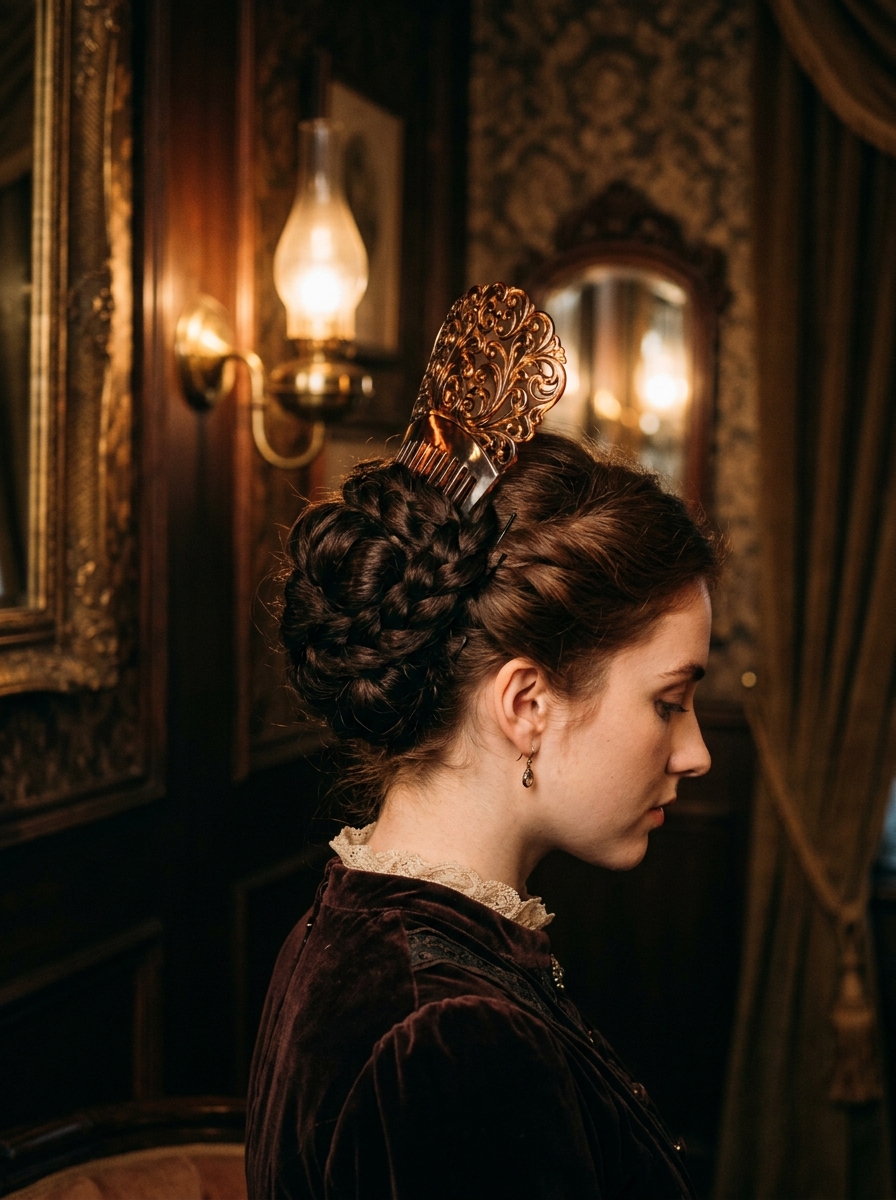
13. The Ornamental Comb Placement
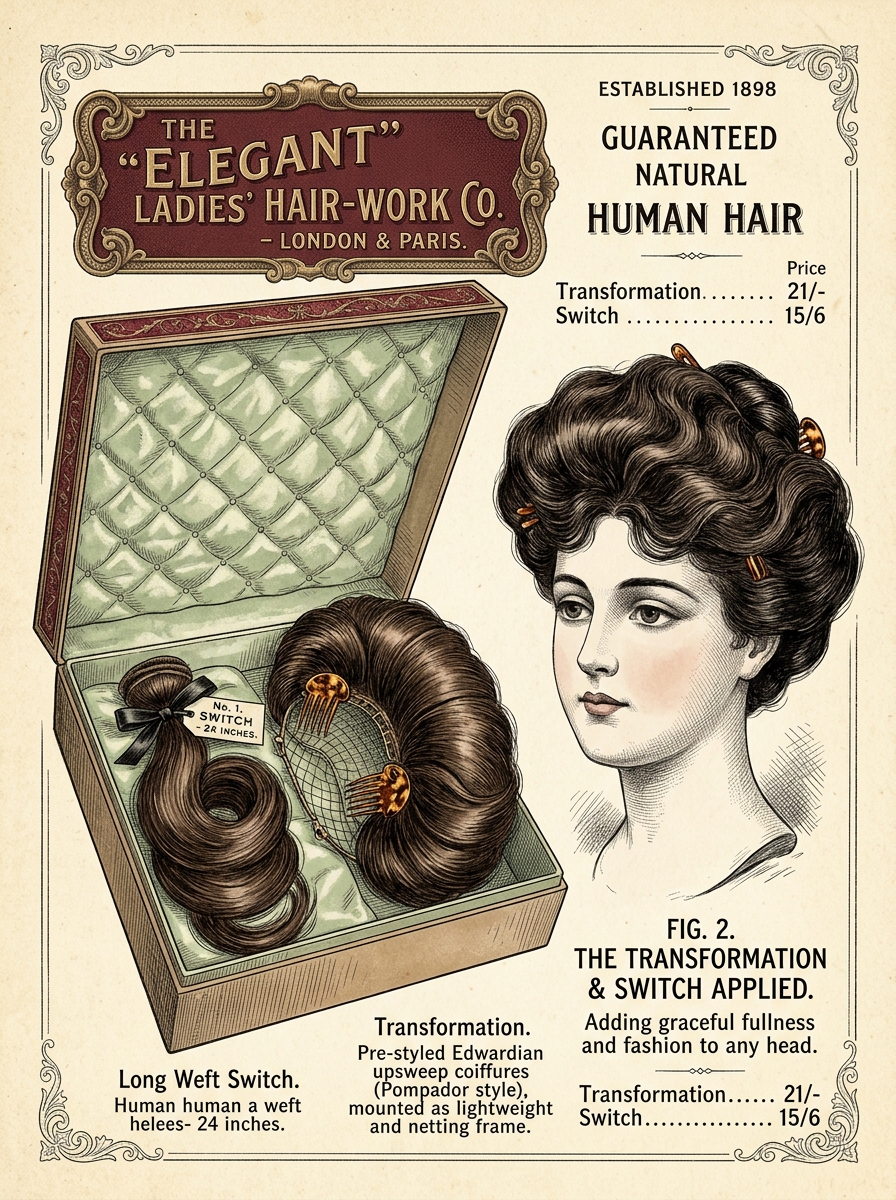
14. The Use of “Switches” and Hairpieces
Signature Edwardian Styles
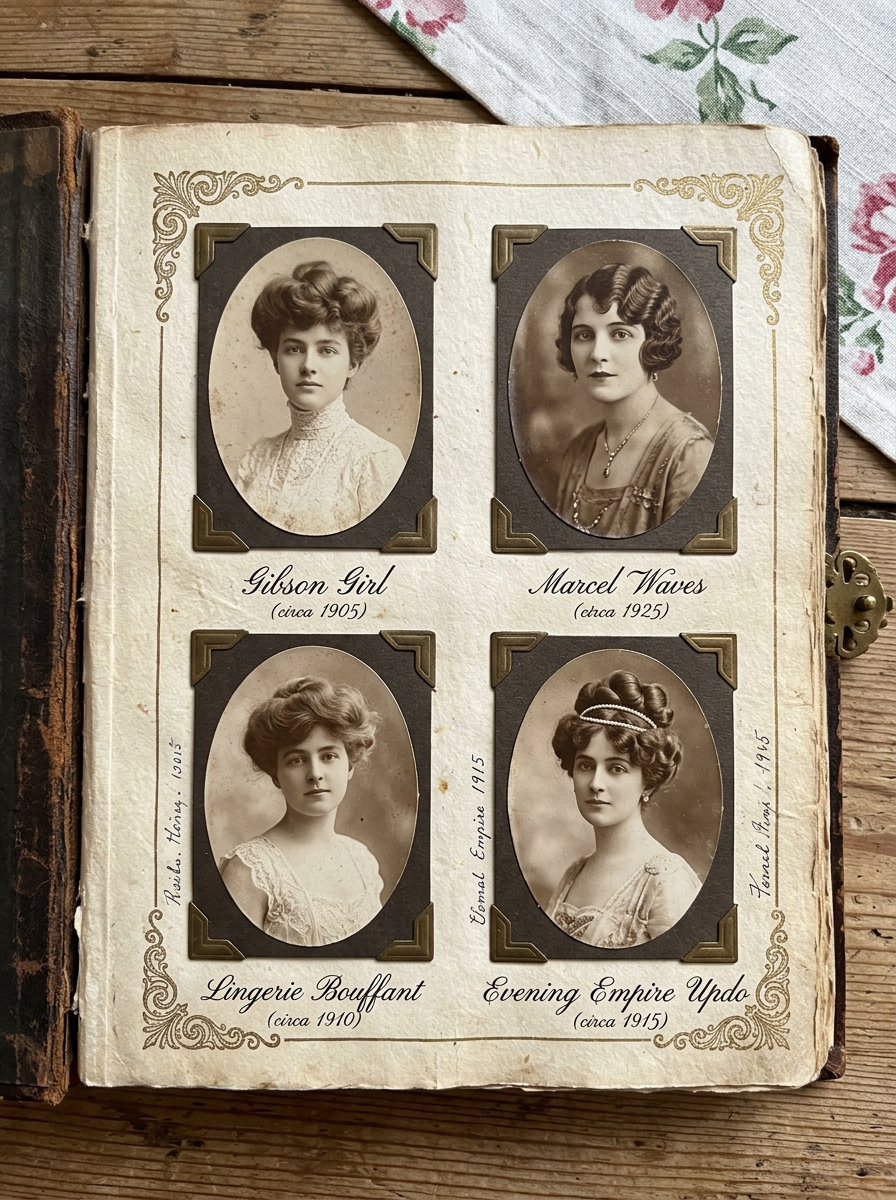
These final four methods represent complete, iconic looks that combine the core techniques and ornamentation into the hairstyles that define the era in our imaginations.
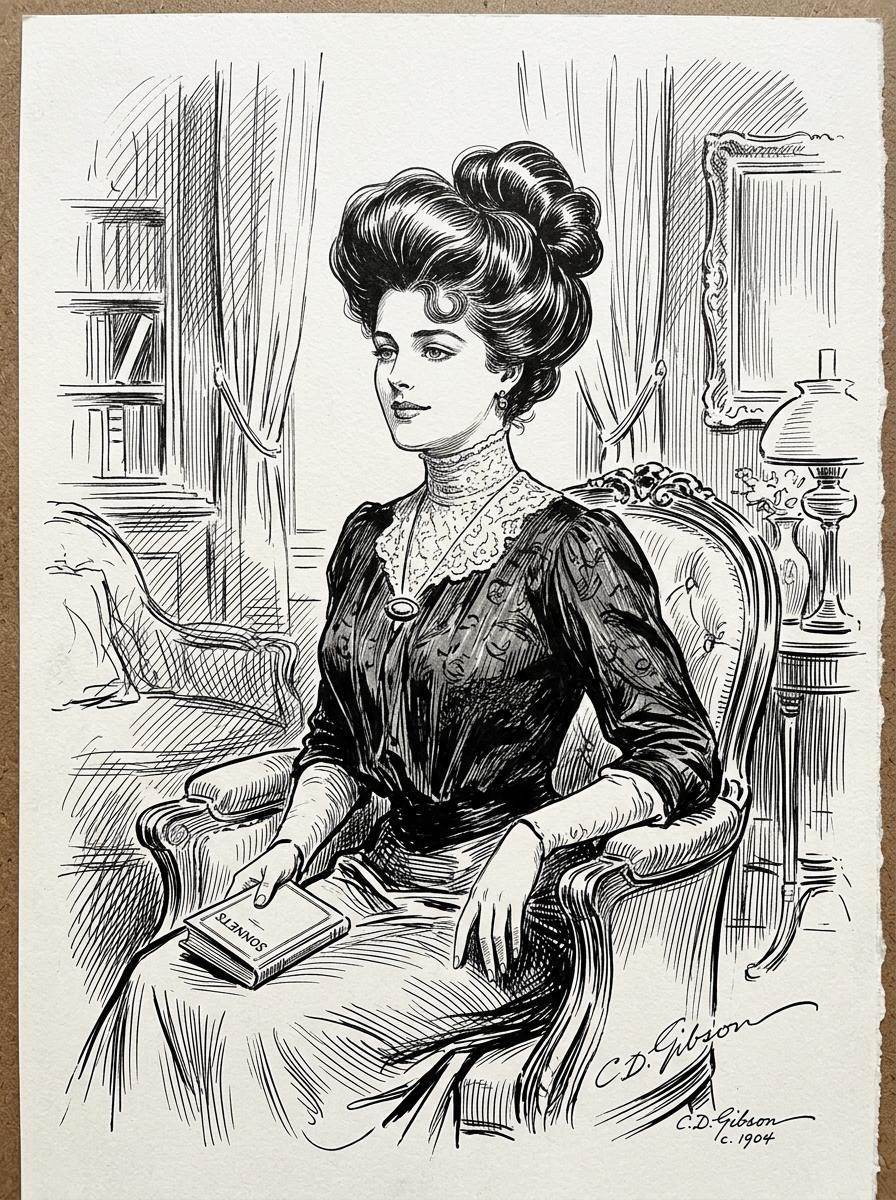
15. The Gibson Girl Updo
16. The Marcel Wave Integration
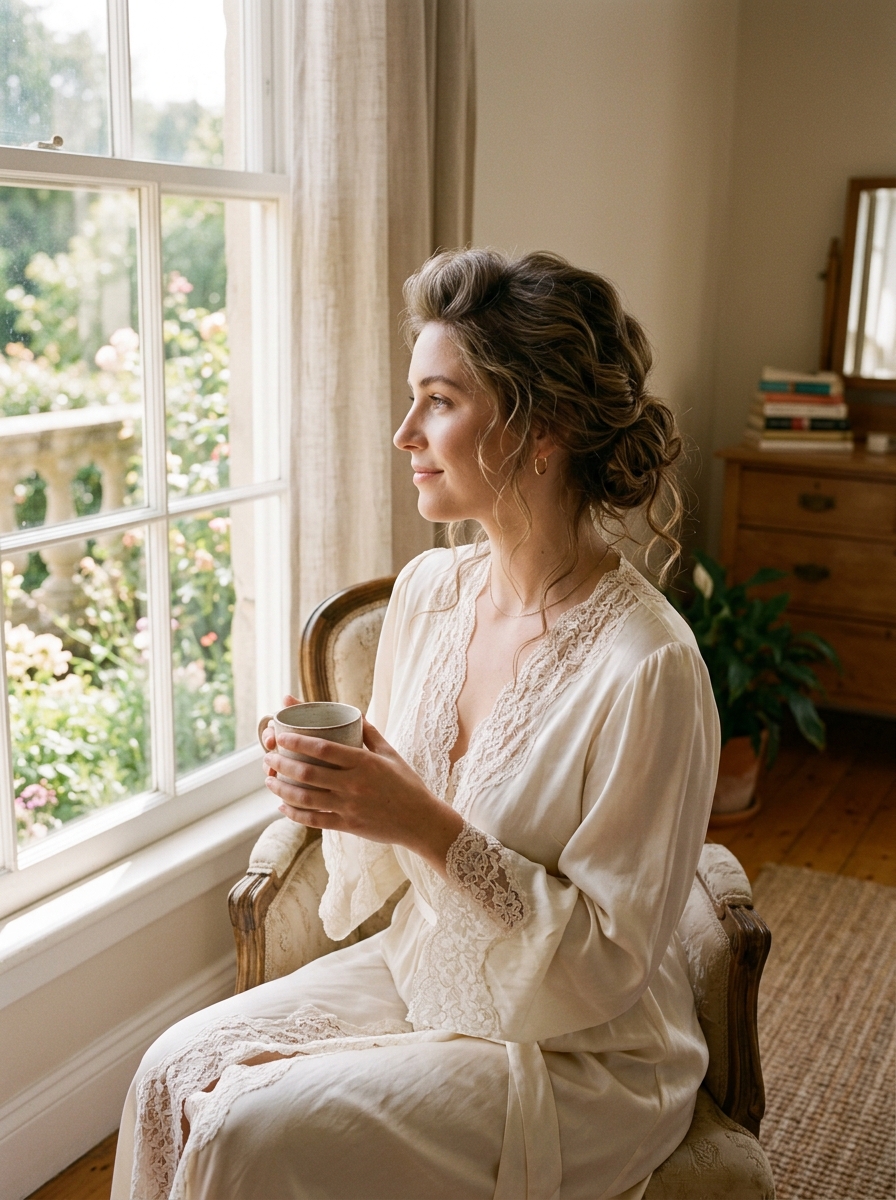
17. The “Lingerie” or Bedroom Bouffant
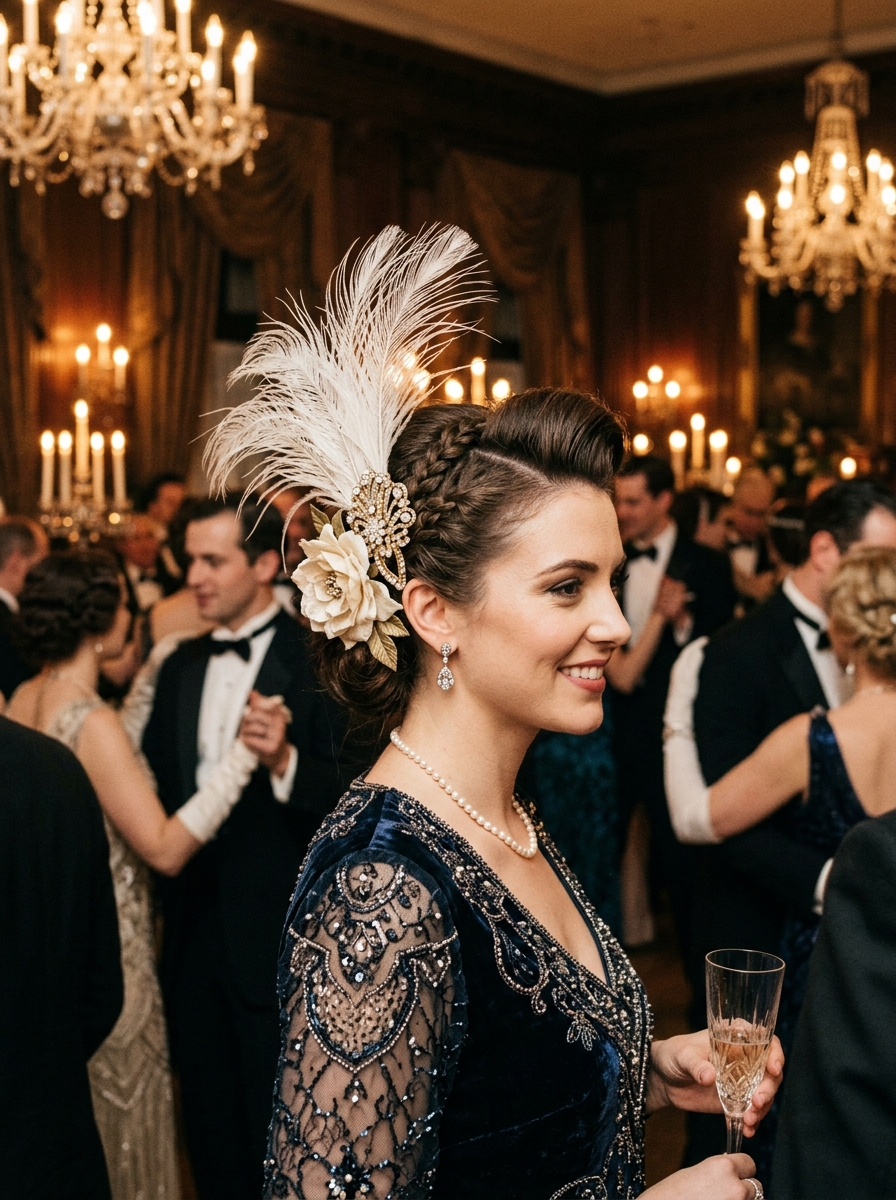
18. The Evening Empire Updo
Advanced Structural Techniques
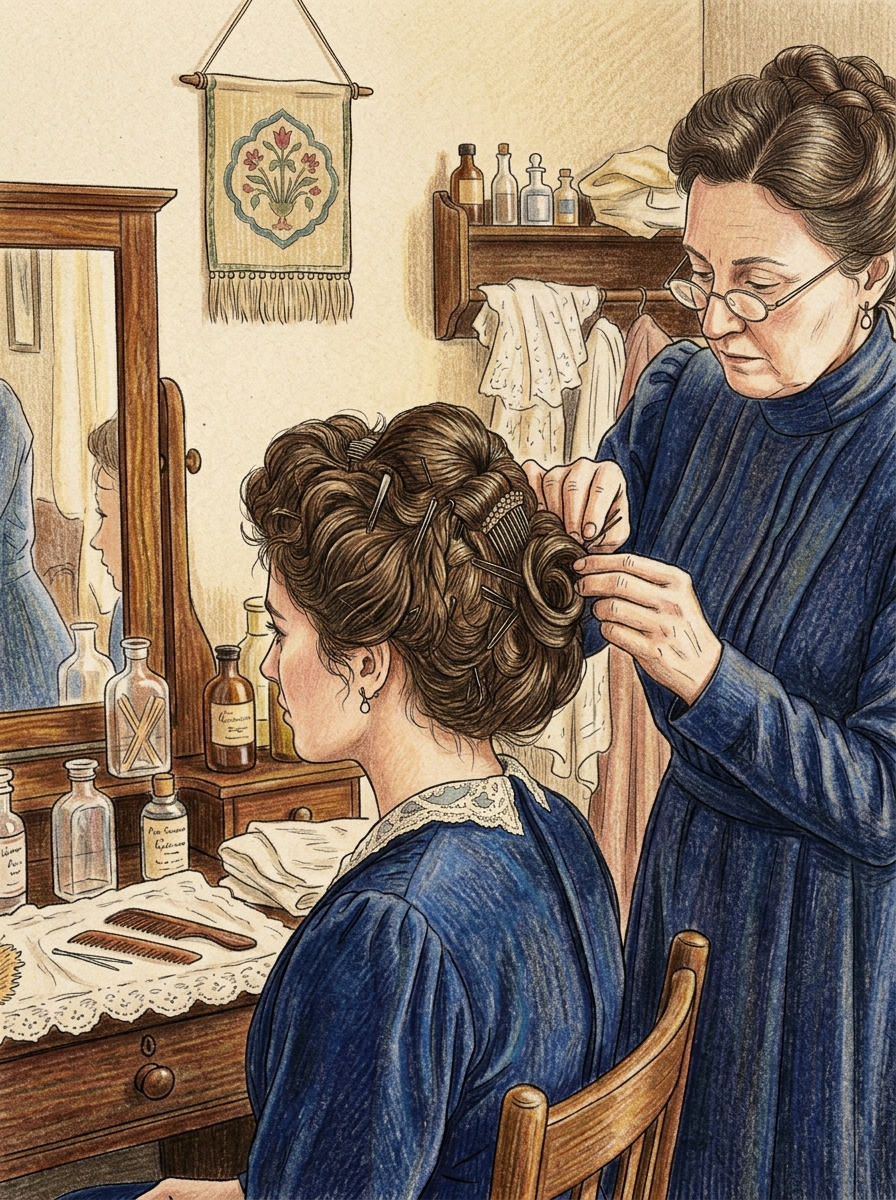
These methods go deeper into the internal architecture of Edwardian hairstyles — the invisible scaffolding that kept elaborate looks in place for hours of social activity.
19. The Pin Curl Foundation
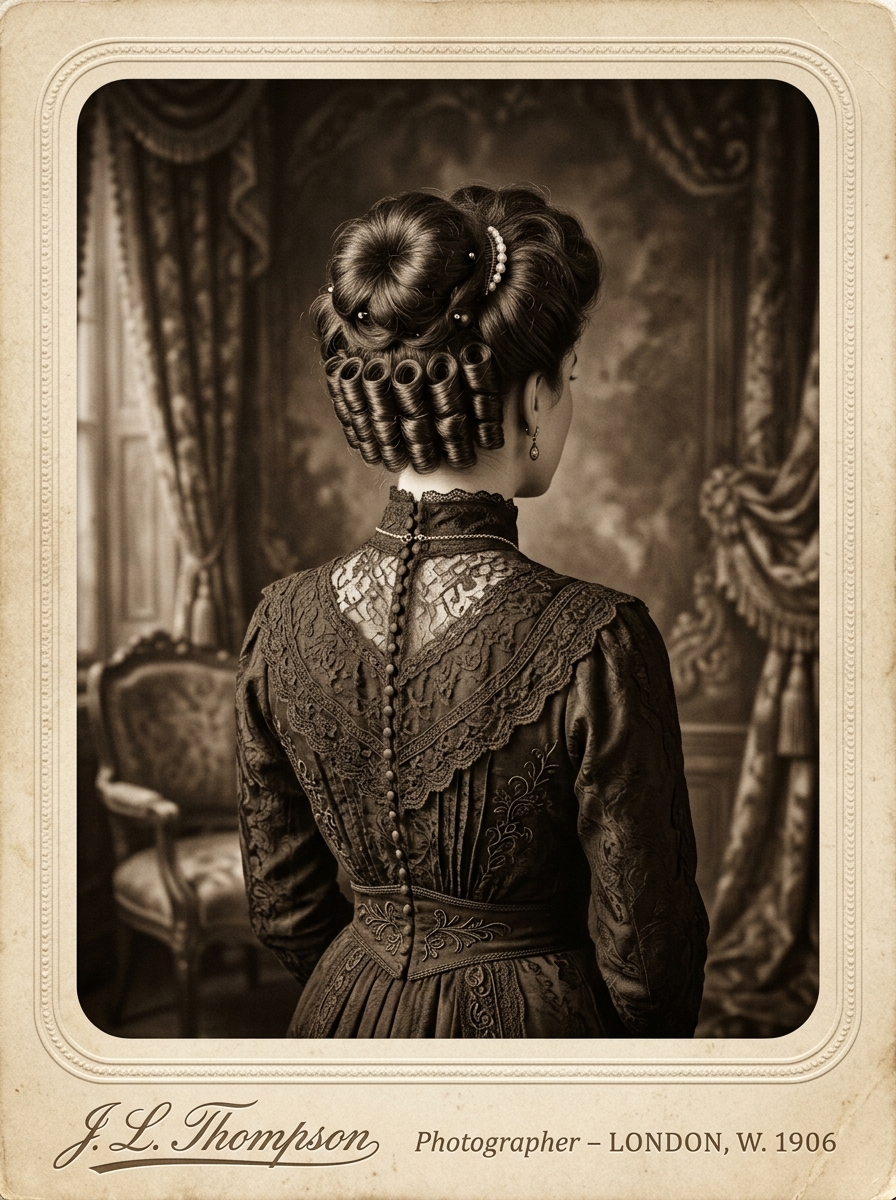
The Pin Curl Foundation uses small, flat coils of hair pinned close to the scalp to create an even, sculpted base for volume and wave patterns.
20. The Rag Curl Set
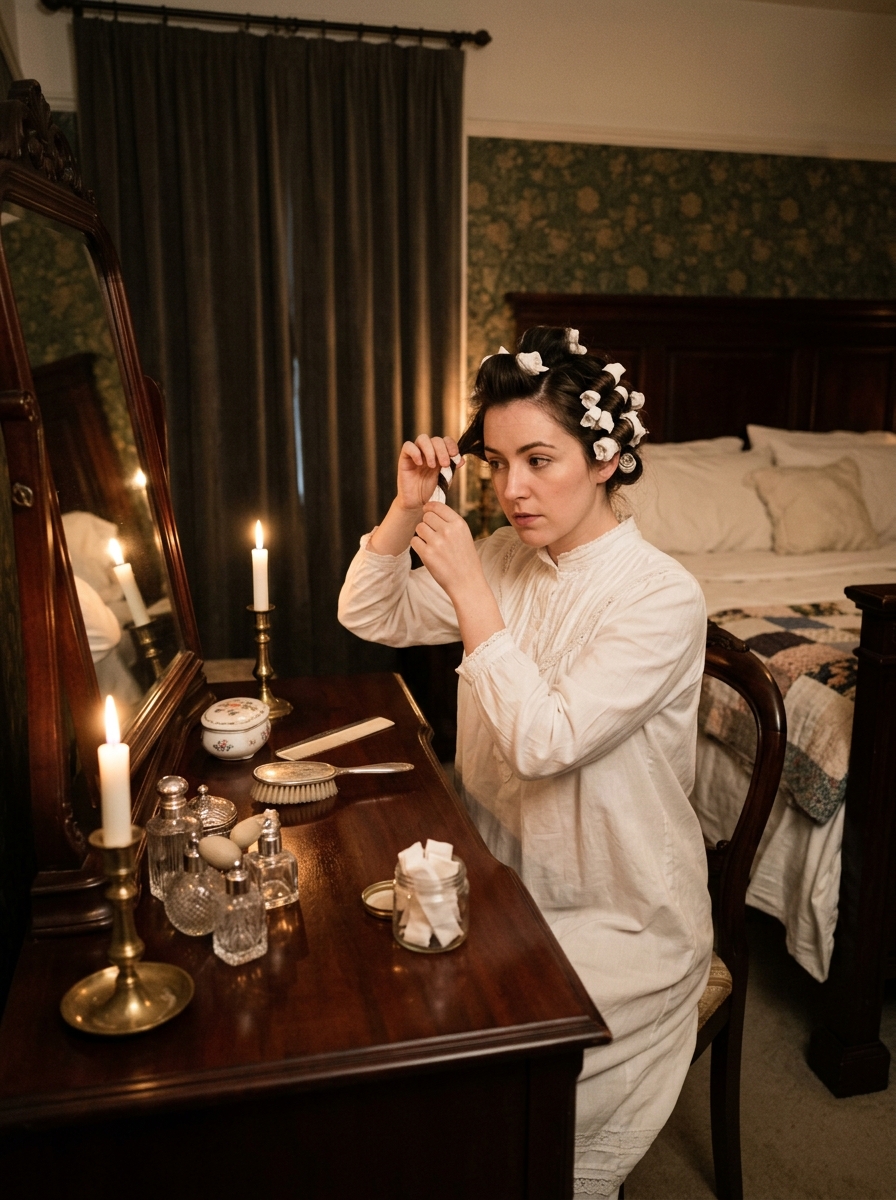
The Rag Curl Set wraps damp hair in fabric strips overnight to produce soft, bouncy, period-accurate curls without heat damage.
21. The Back-Combing Scaffold
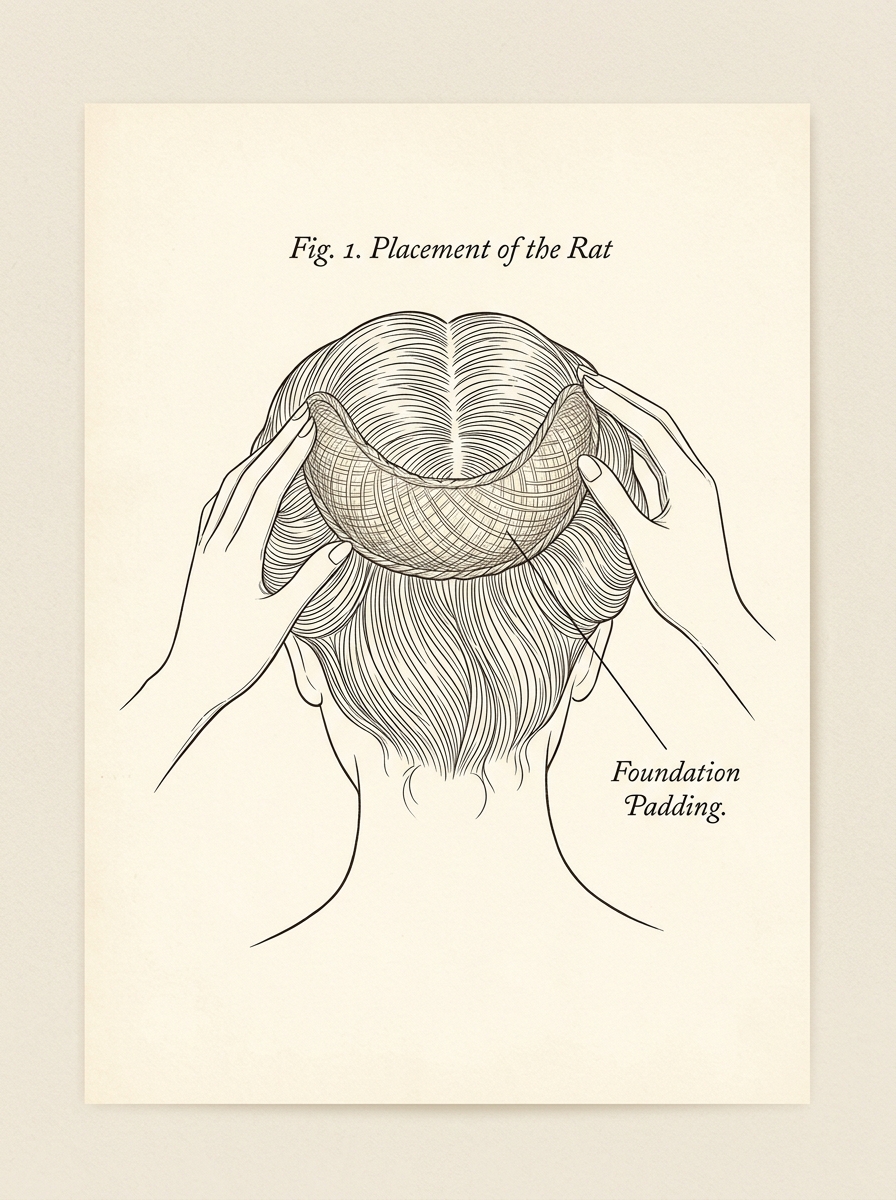
The Back-Combing Scaffold builds interior height and support by teasing the underlayers, creating a hidden framework for elaborate Edwardian silhouettes.
22. The Twist-and-Pin Loop Method
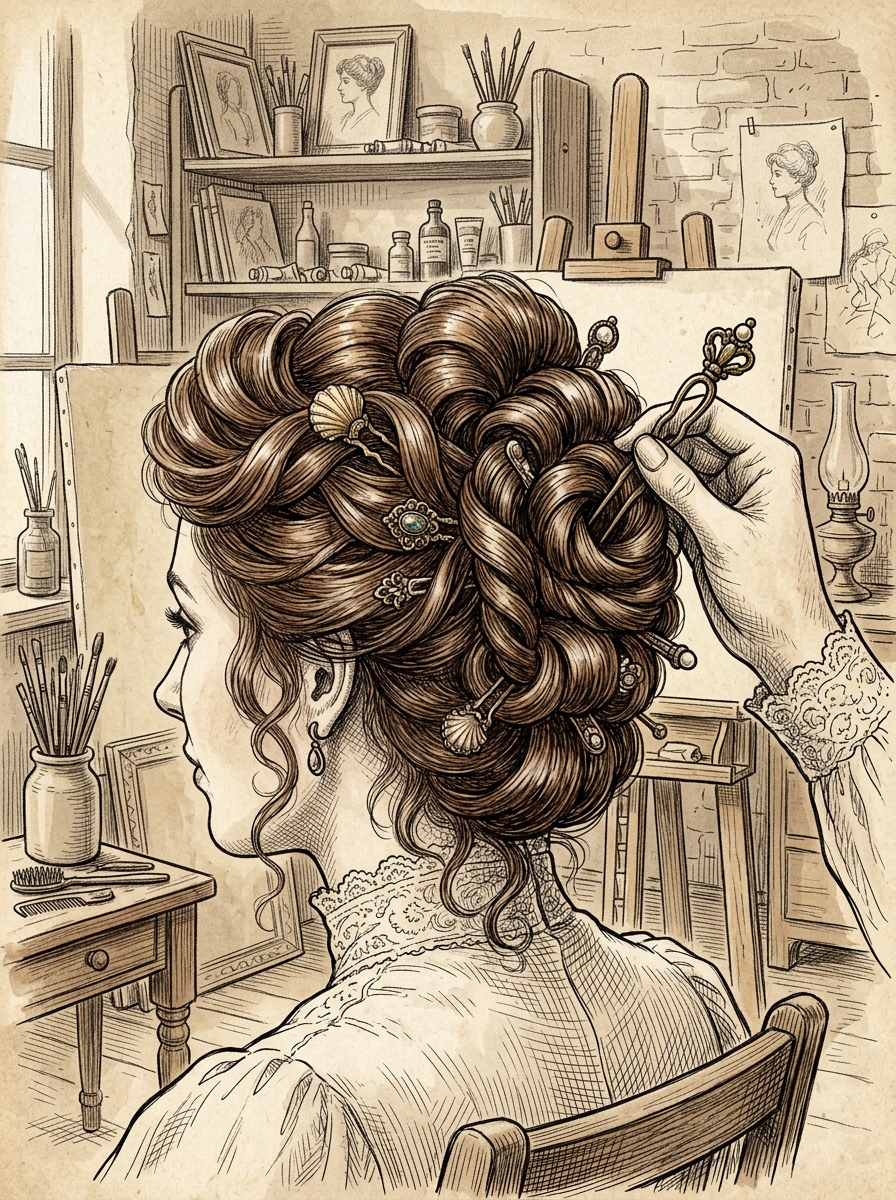
The Twist-and-Pin Loop Method sections hair into small twisted loops anchored flat to the head, offering control and lift for fuller updos.
23. The Horizontal Figure-Roll
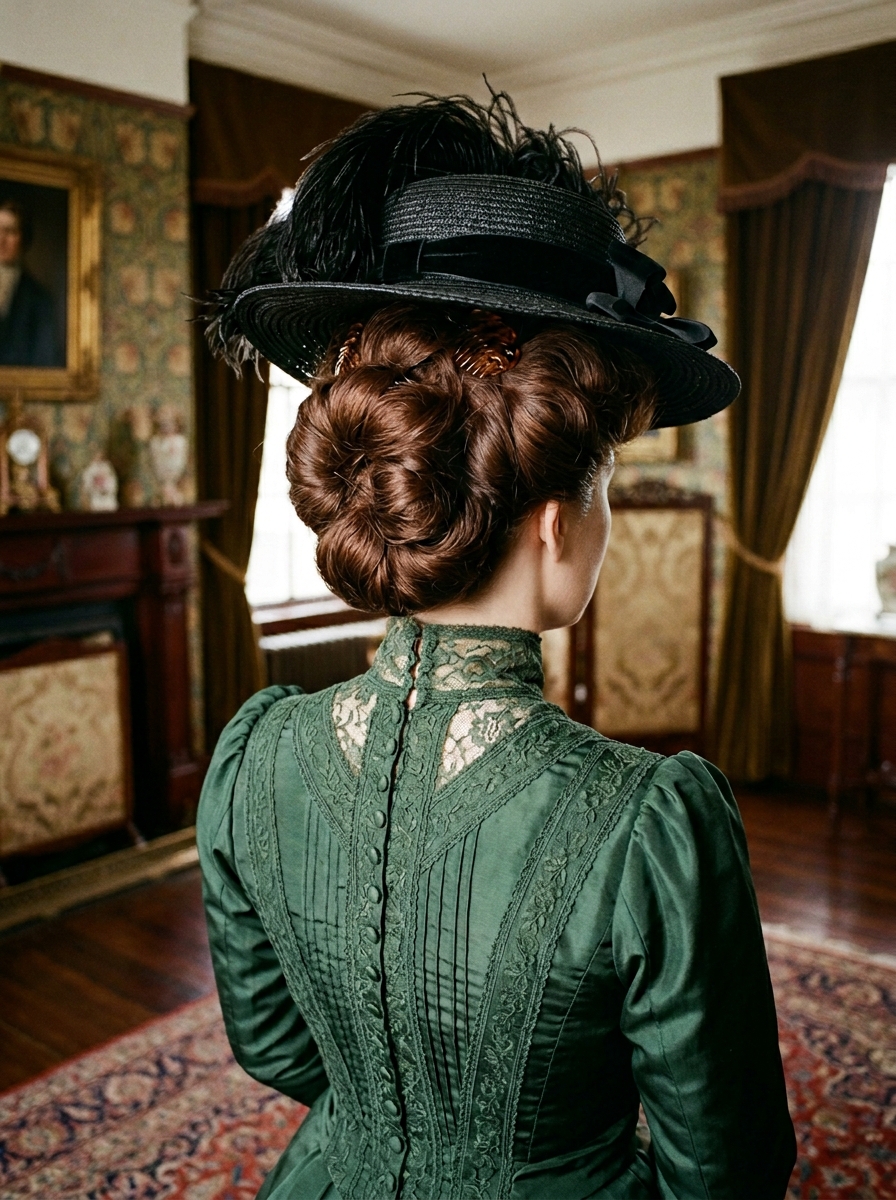
The Ornamental Comb Placement secures both function and decoration, with combs positioned to reinforce the updo’s architecture while showcasing shell, silver, or tortoiseshell designs.
24. The Double Pompadour Wave
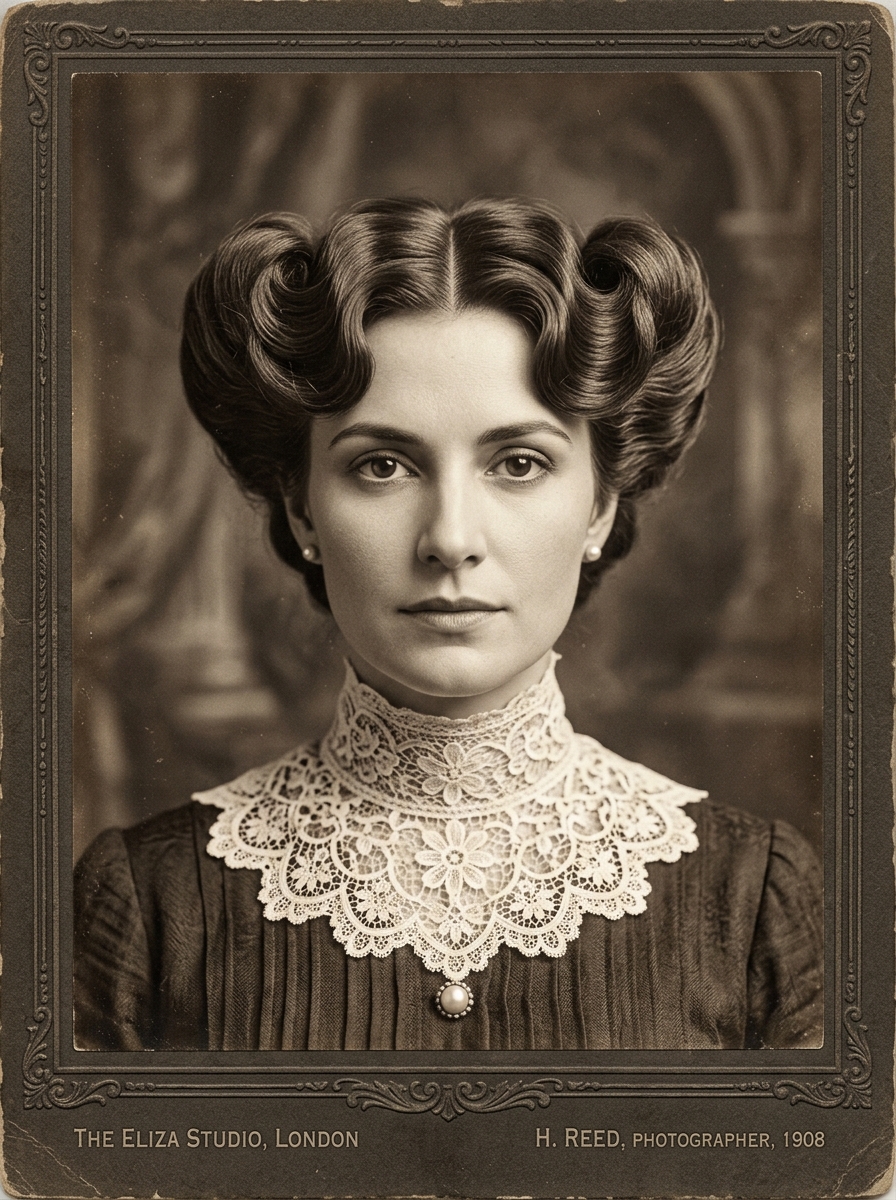
The Use of “Switches” and Hairpieces integrates pre-made hair additions to boost volume and length, essential for achieving the era’s famously abundant styles on thinner natural hair.
25. The Nape Tendril Technique
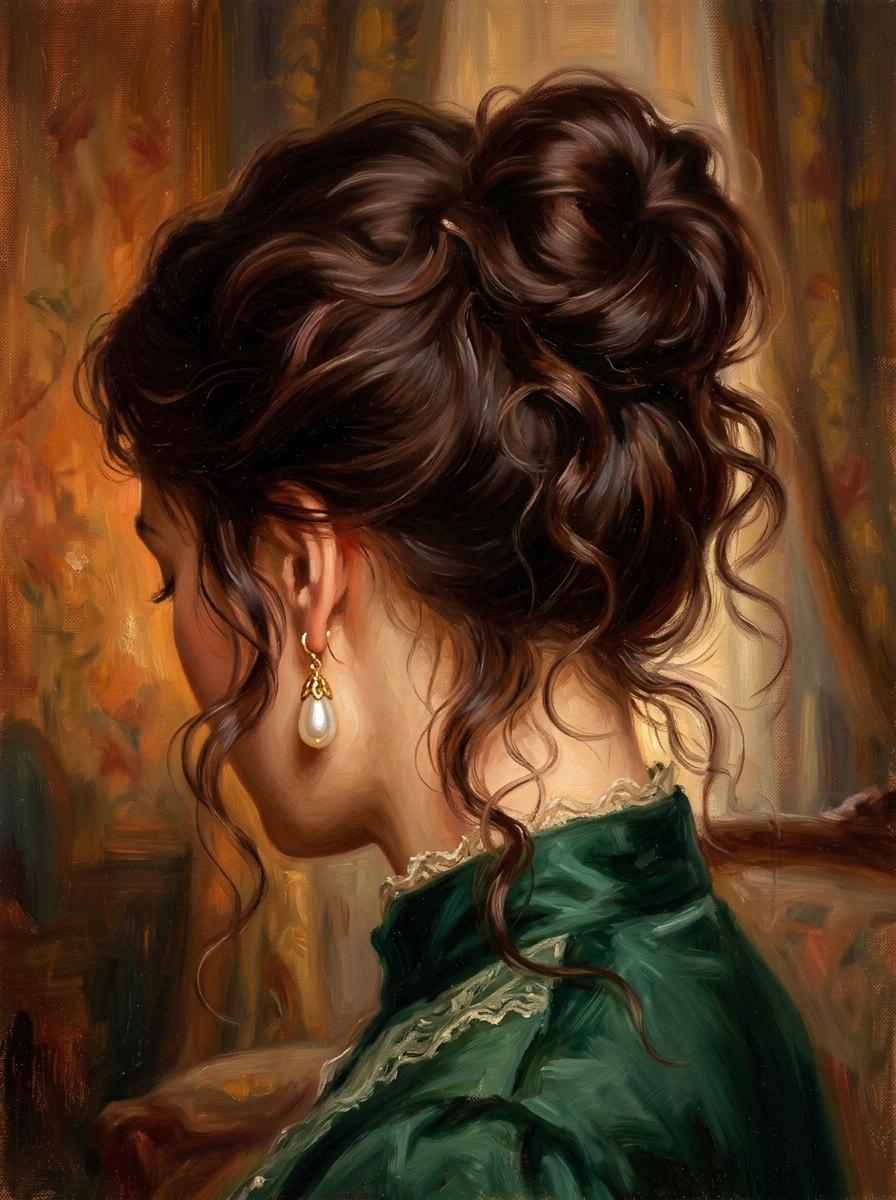
The Supper Party Half-Up Style leaves soft waves or curls flowing down the back while the crown is gently gathered and pinned, balancing elegance with a relaxed indoor social mood.
26. The Side Part Asymmetry
Regional & Class Variations
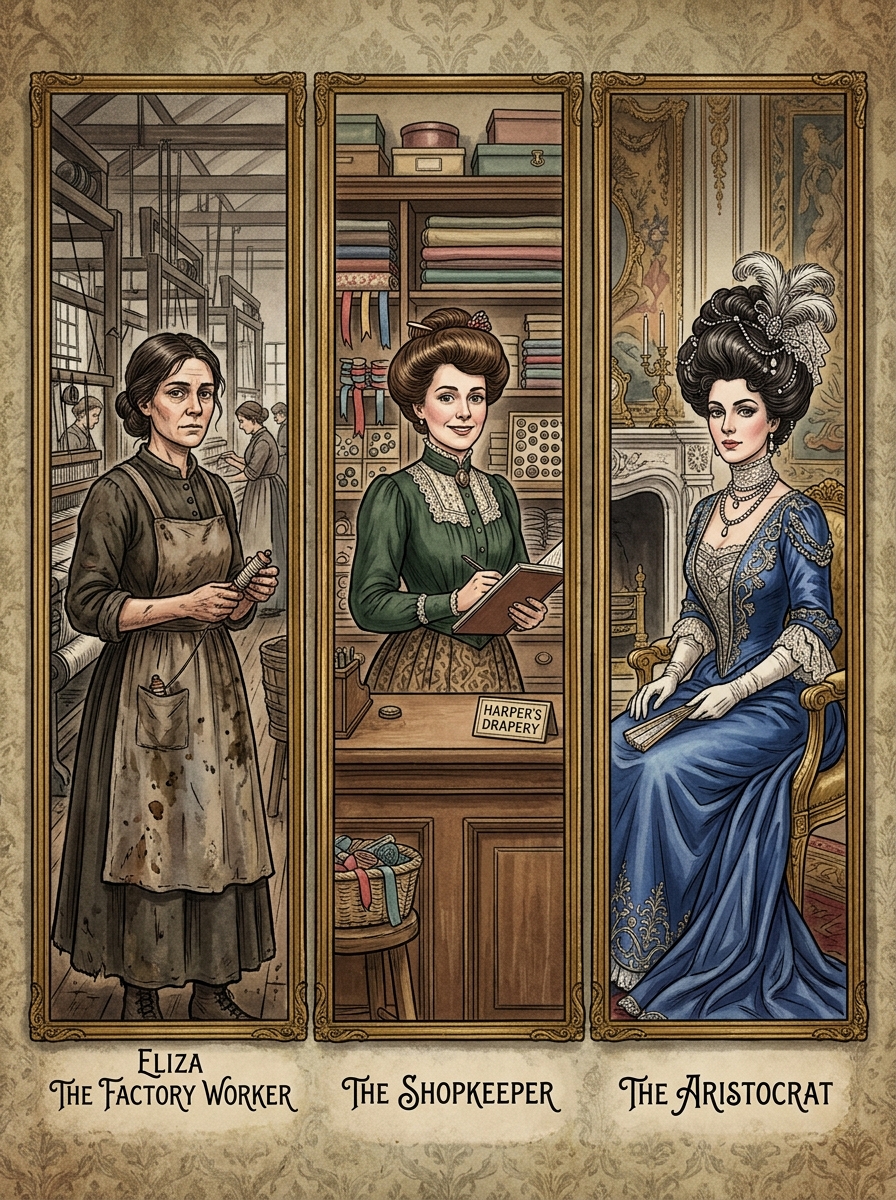
Edwardian hairstyles were not monolithic. Geography, class, and profession shaped what styles were worn and how elaborate they could be.
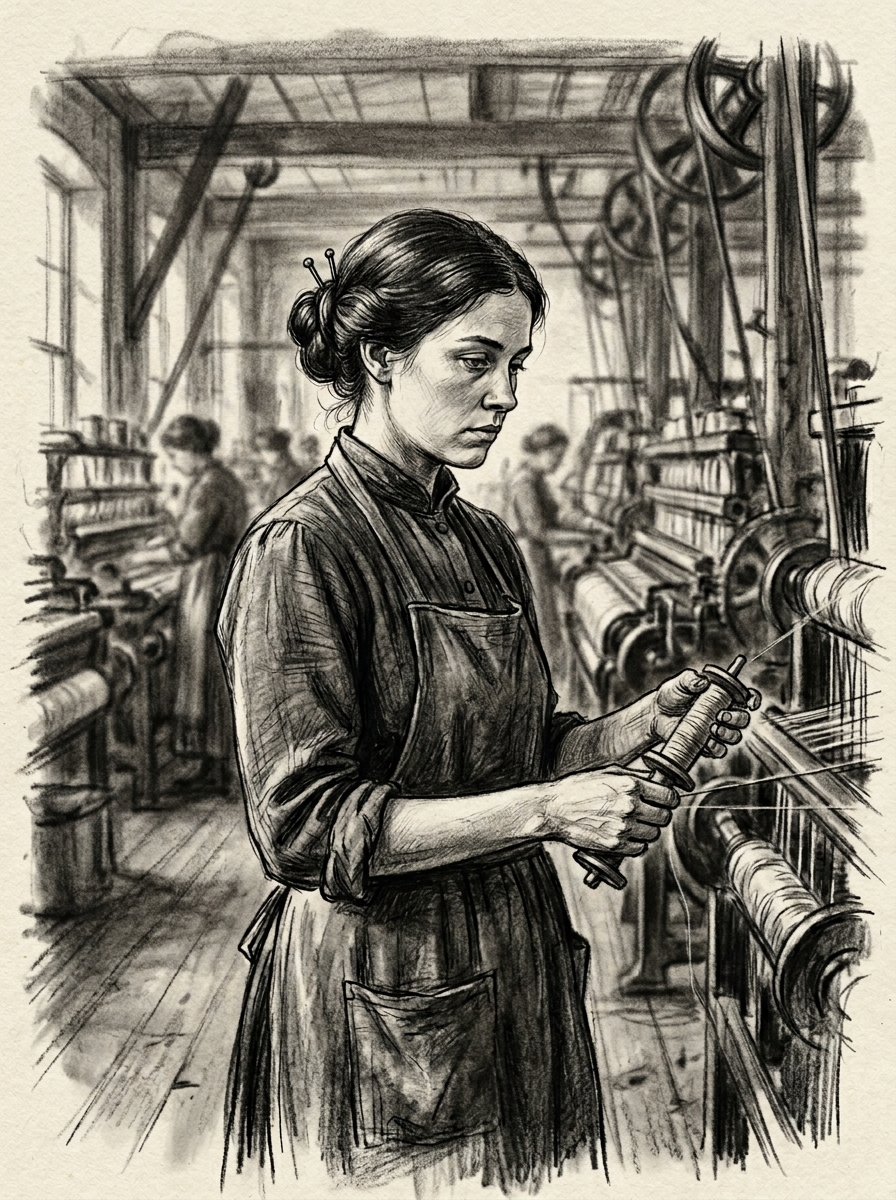
27. The Working-Class Knot
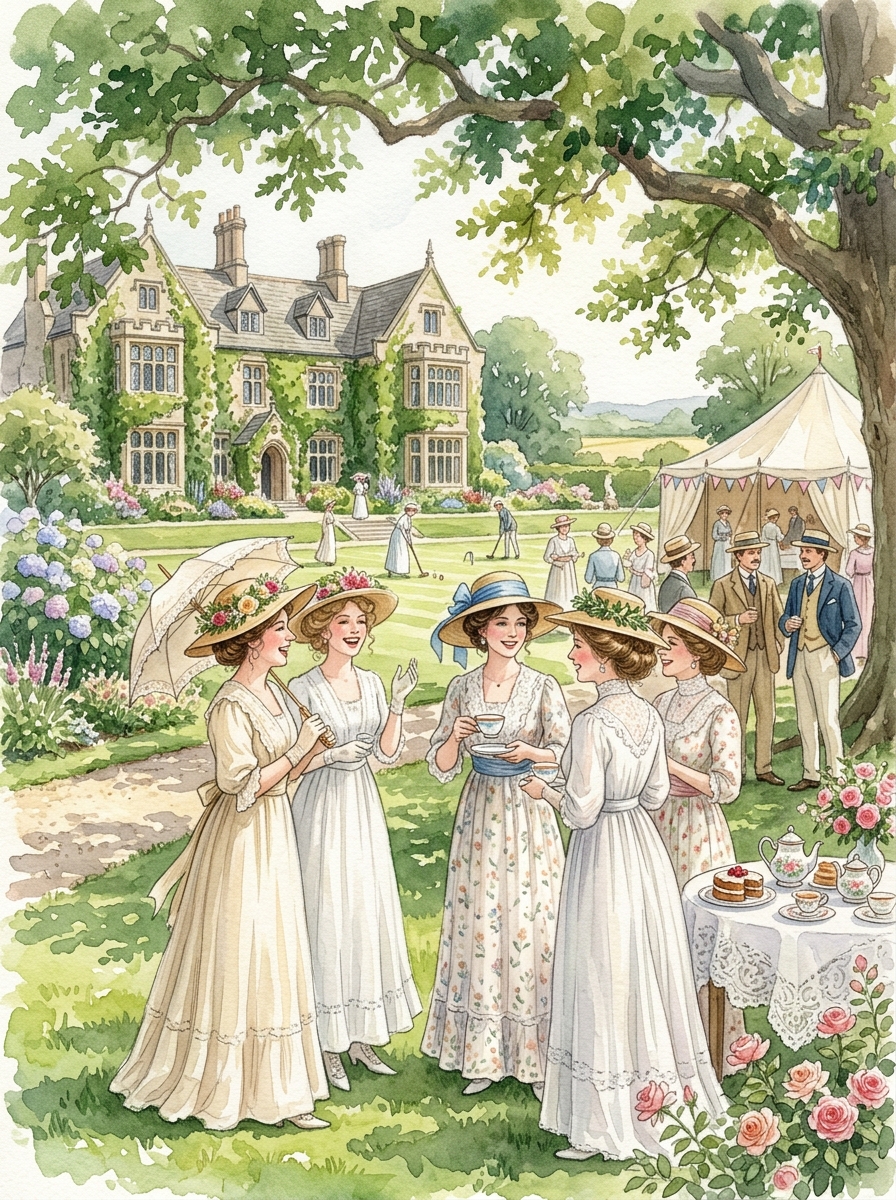
28. The Country House Style
29. The Edwardian Schoolgirl Braid
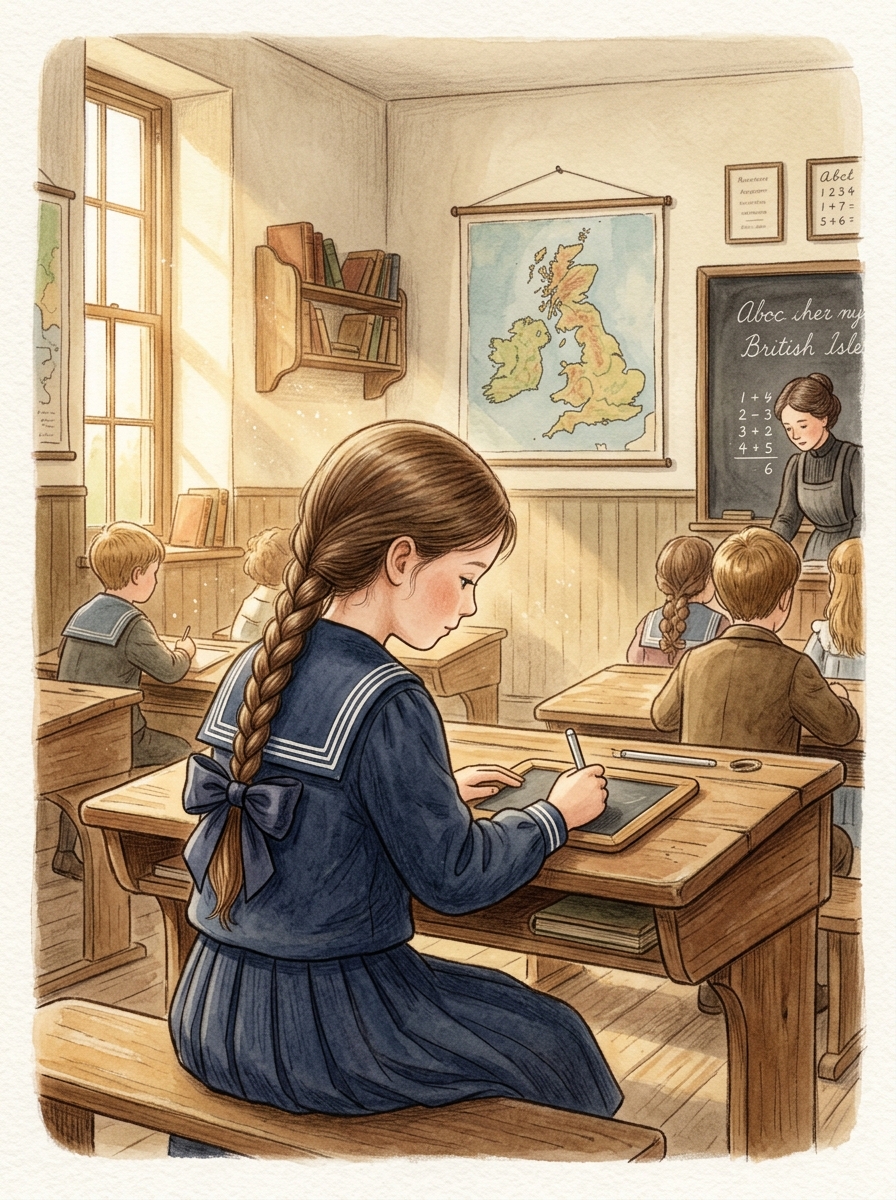
30. The Debutante’s First Updo
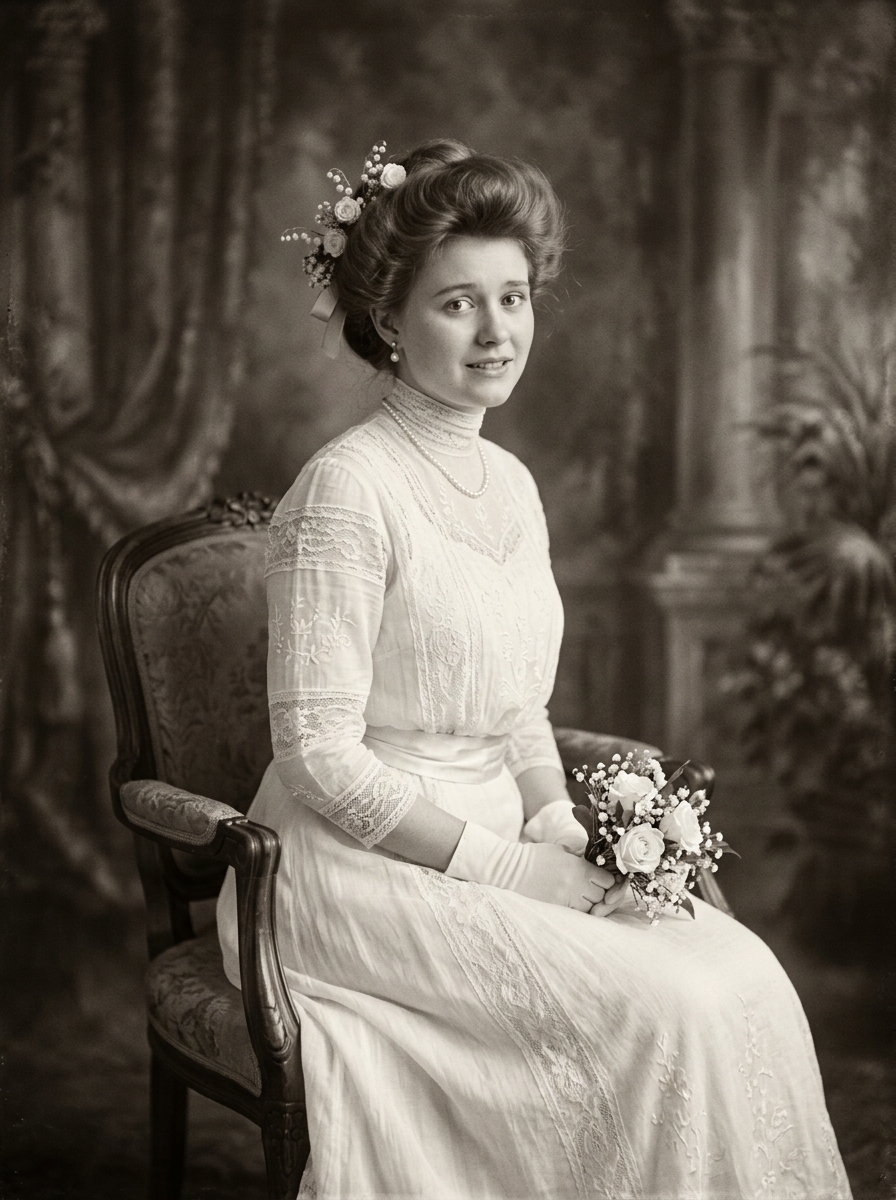
31. The Widow’s Simplified Style
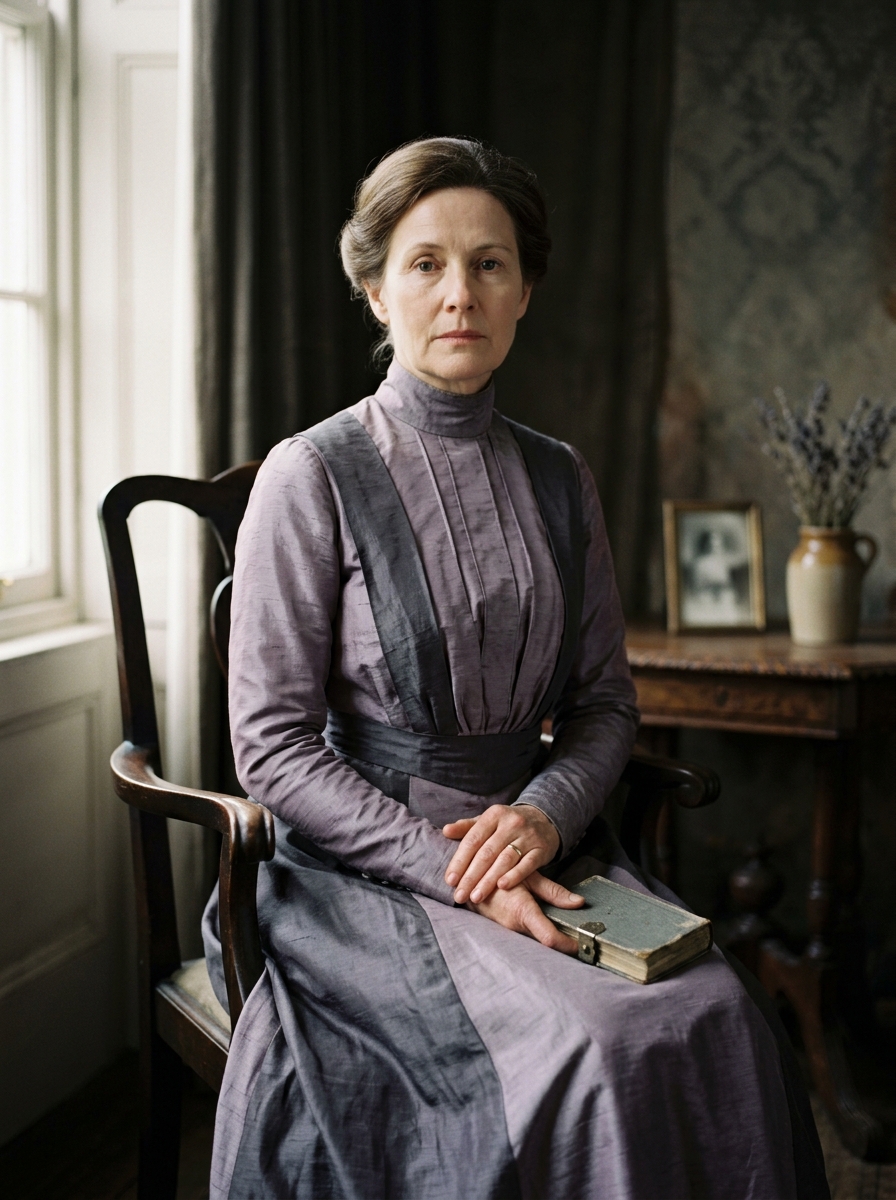
32. The Colonial and Tropical Adaptation
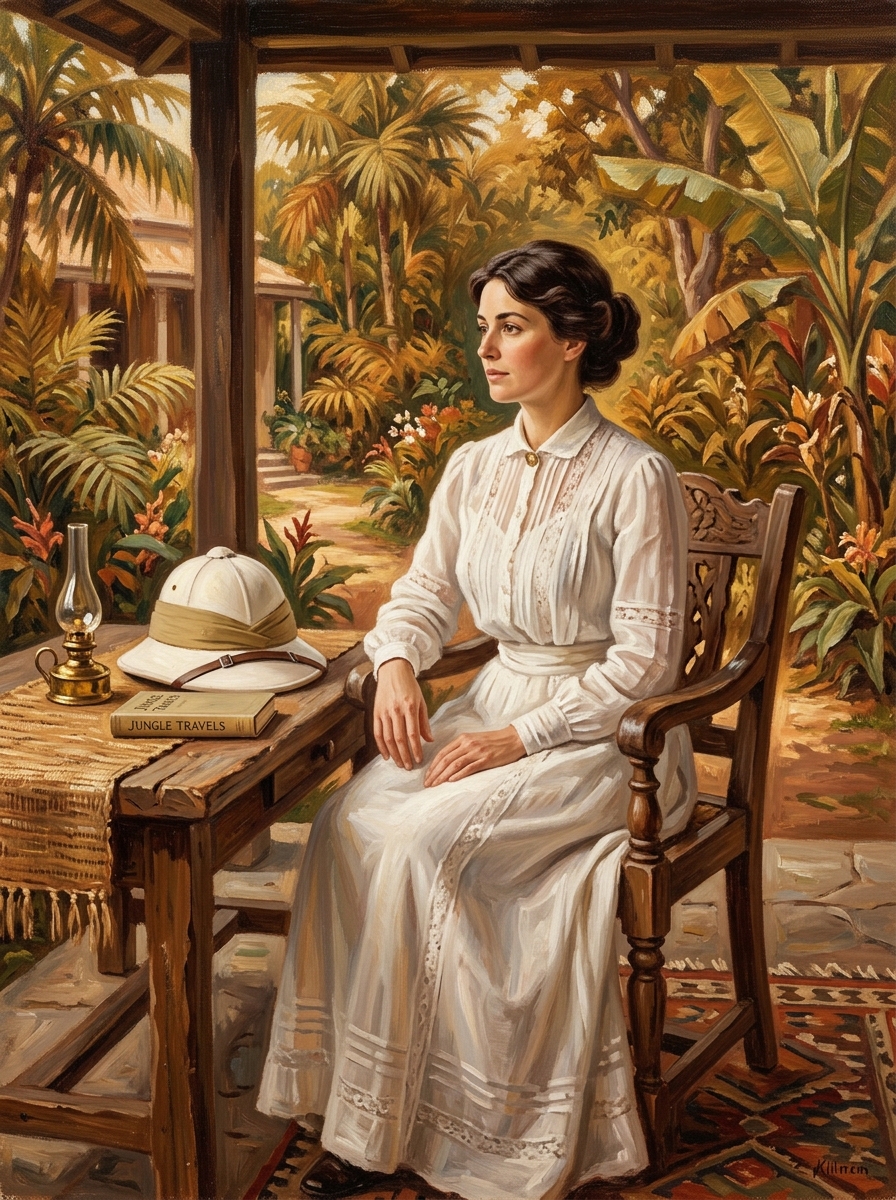
Evening & Occasion Styling
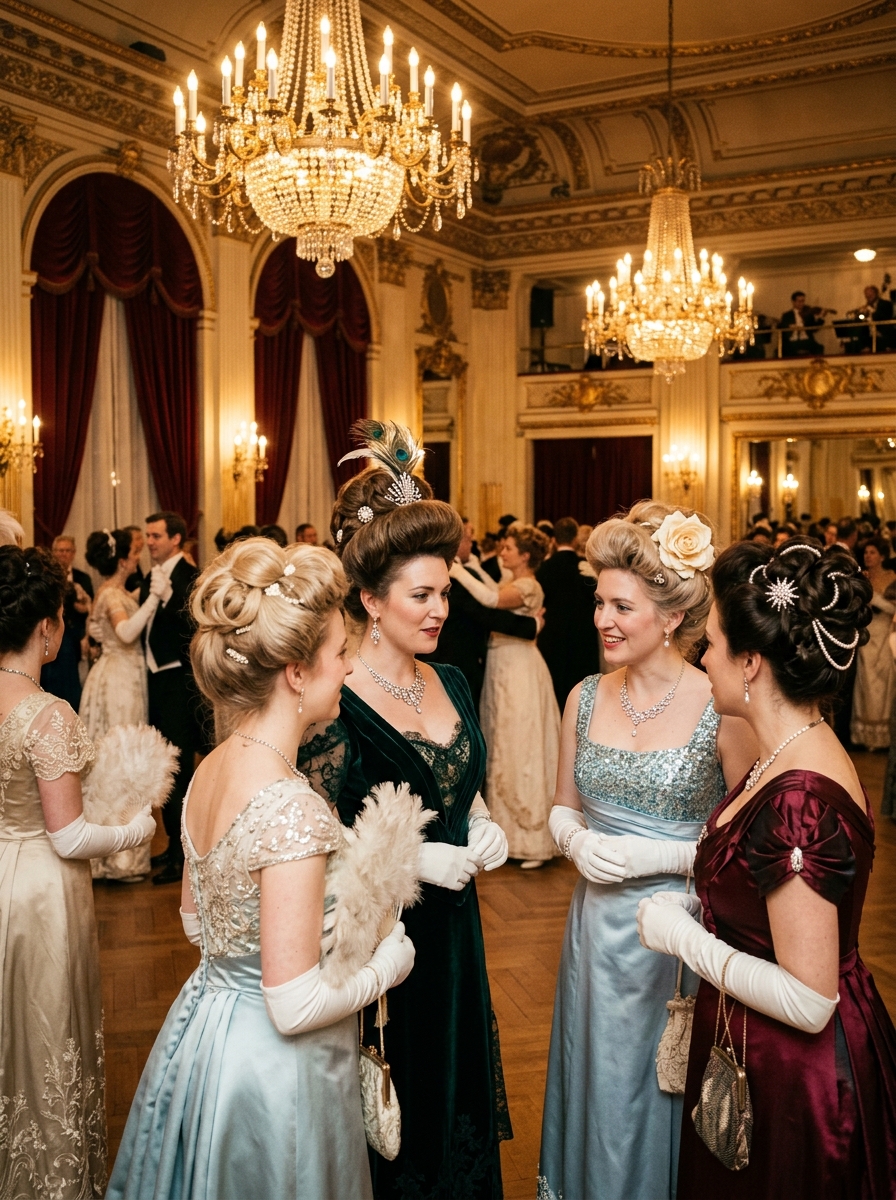
Evening occasions demanded a completely different — and considerably more dramatic — approach to hairstyling. These styles were designed to be seen across a candlelit or gaslit room.
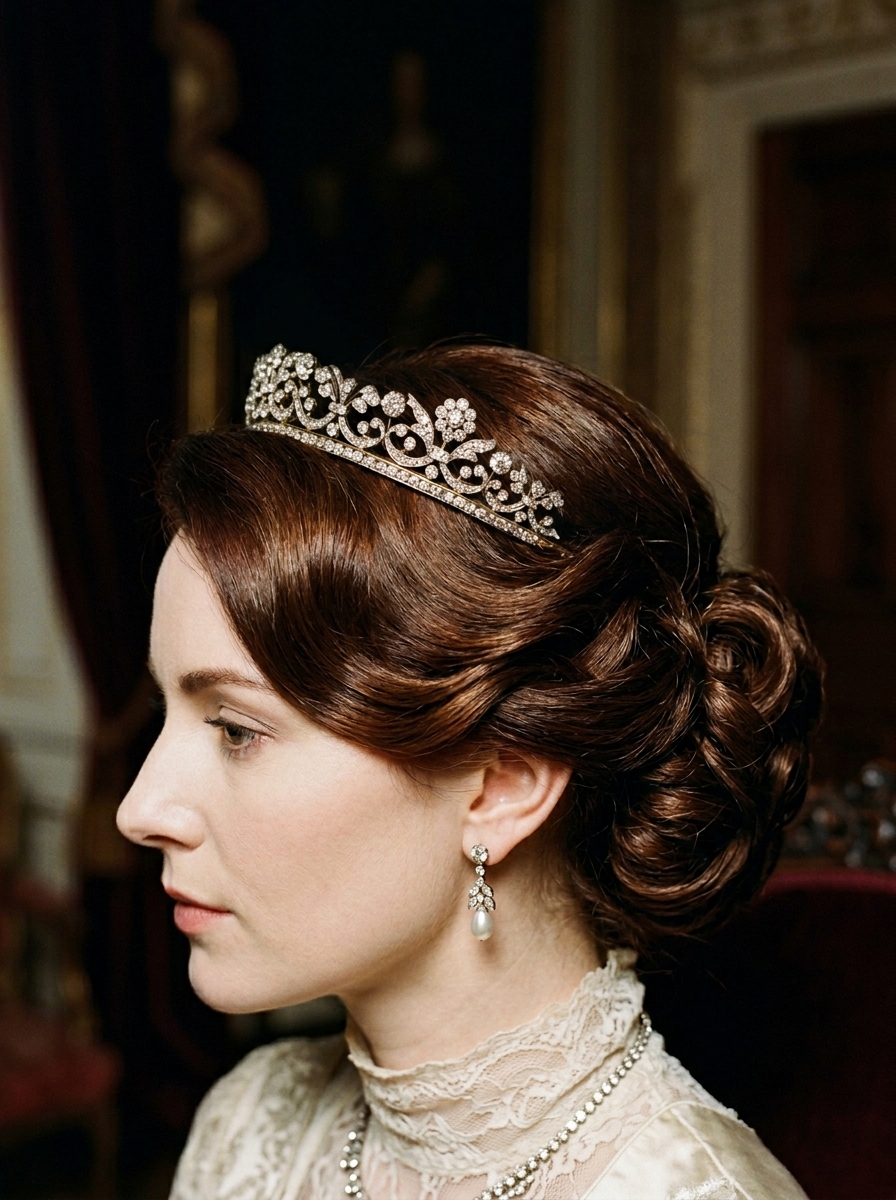
33. The Tiara Setting Updo
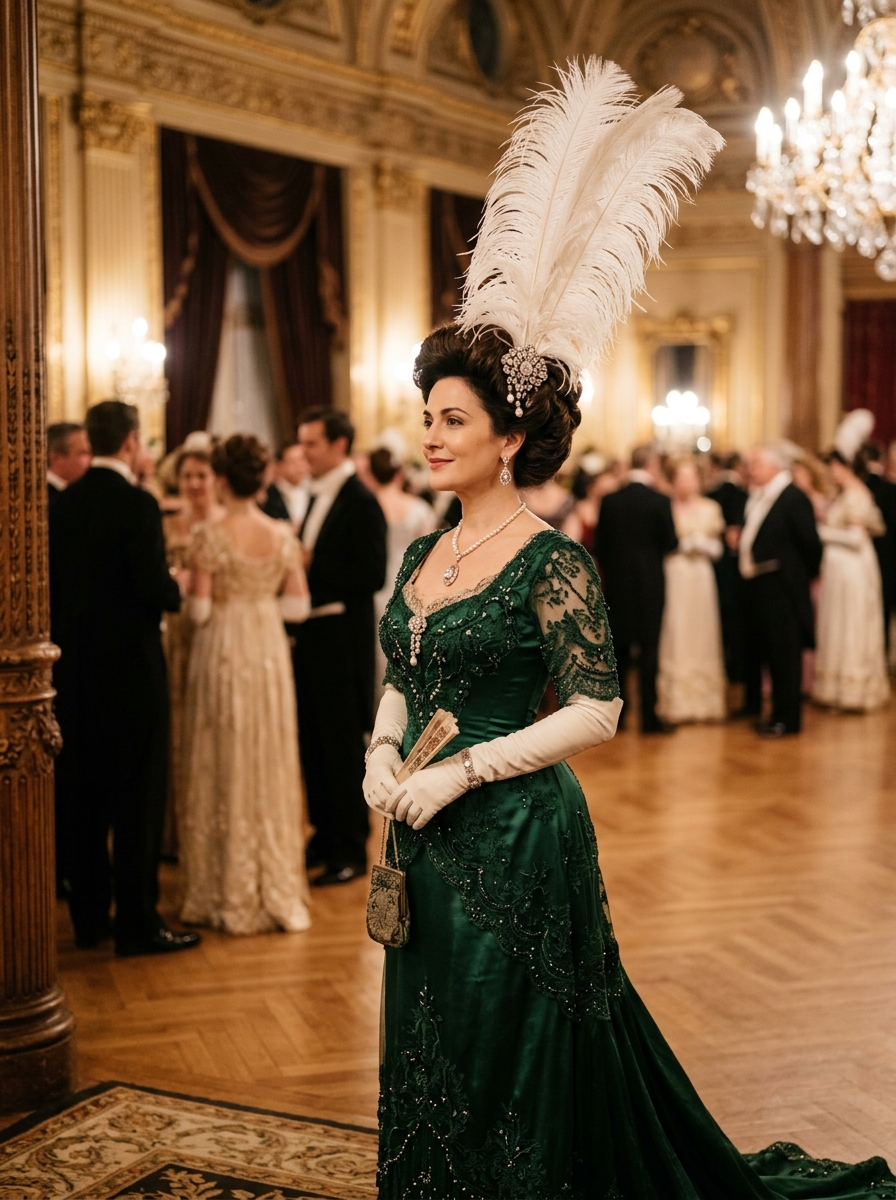
34. The Aigrette Placement Style
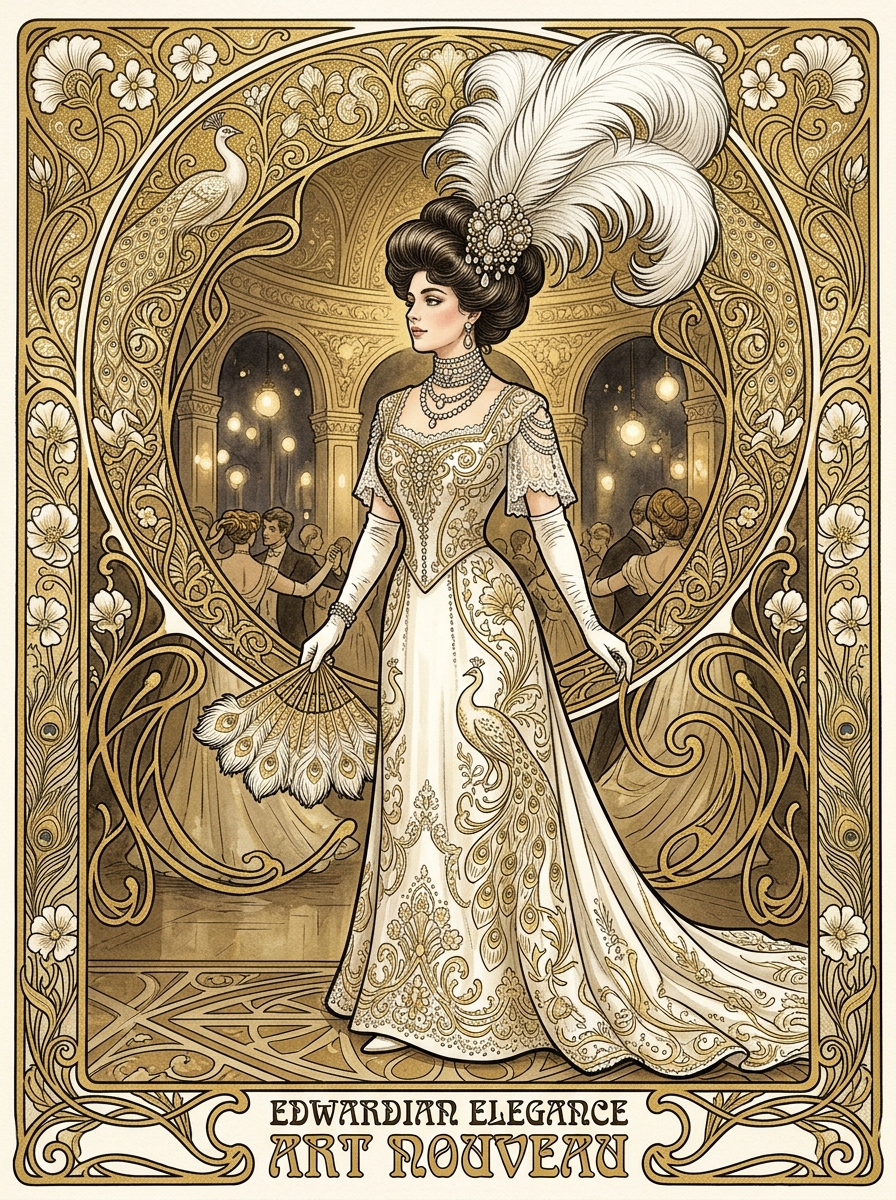
35. The Bandeau Integration
36. The Supper Party Half-Up Style
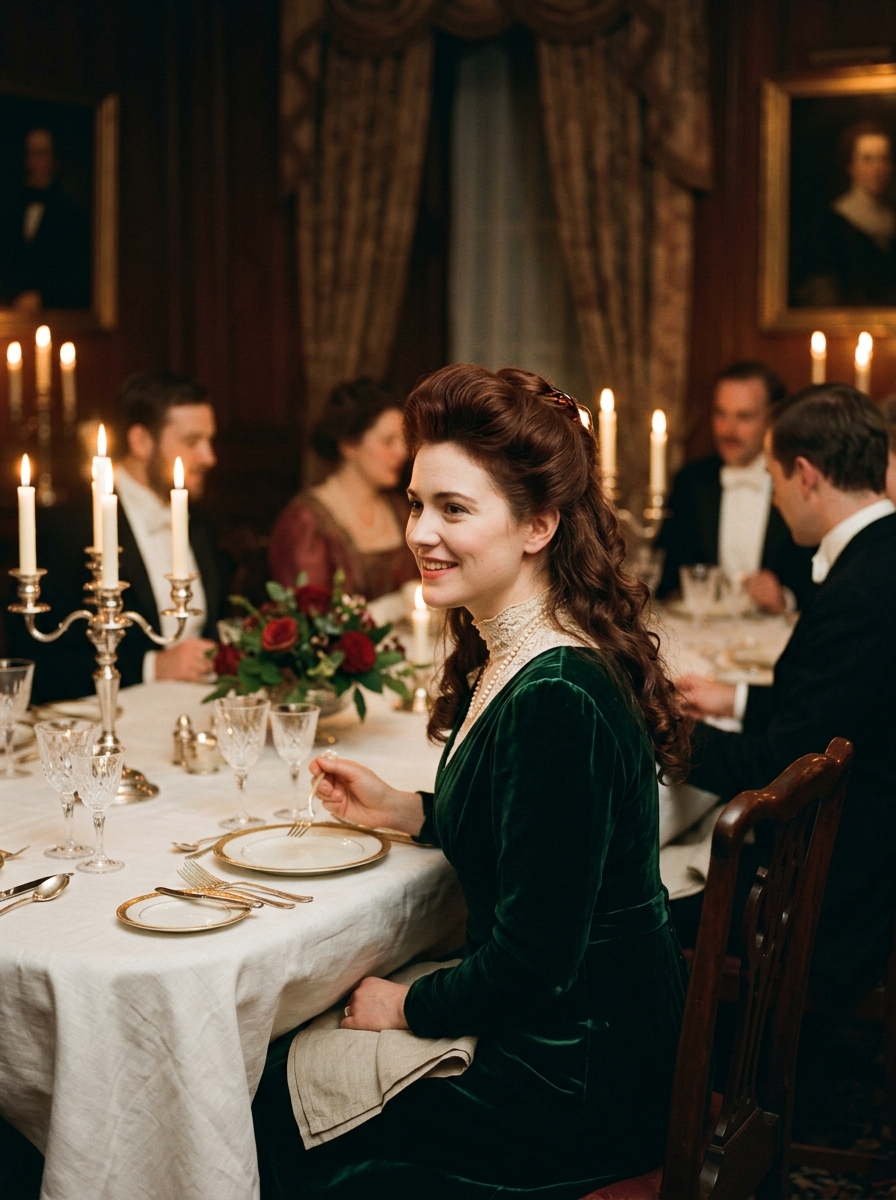
37. The Garden Party Floral Updo
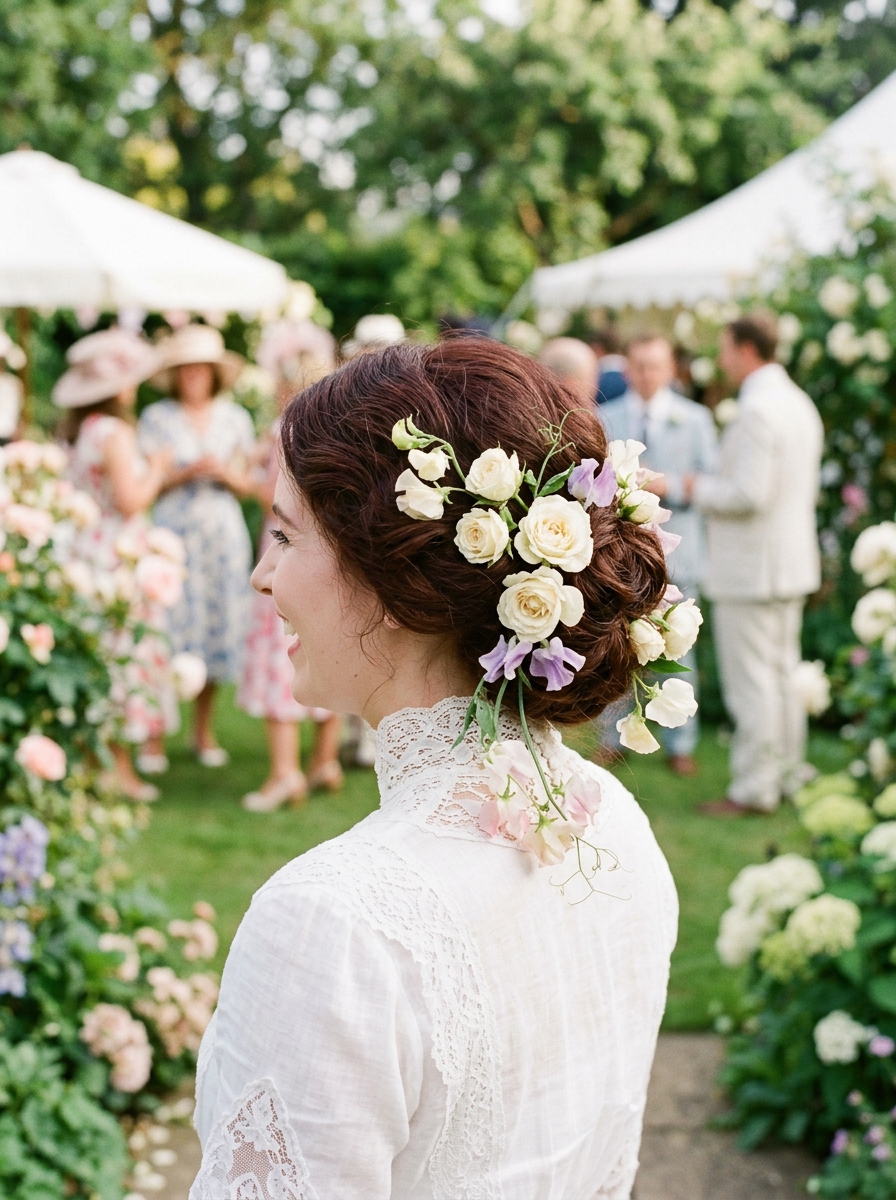
38. The Theatre and Opera Updo
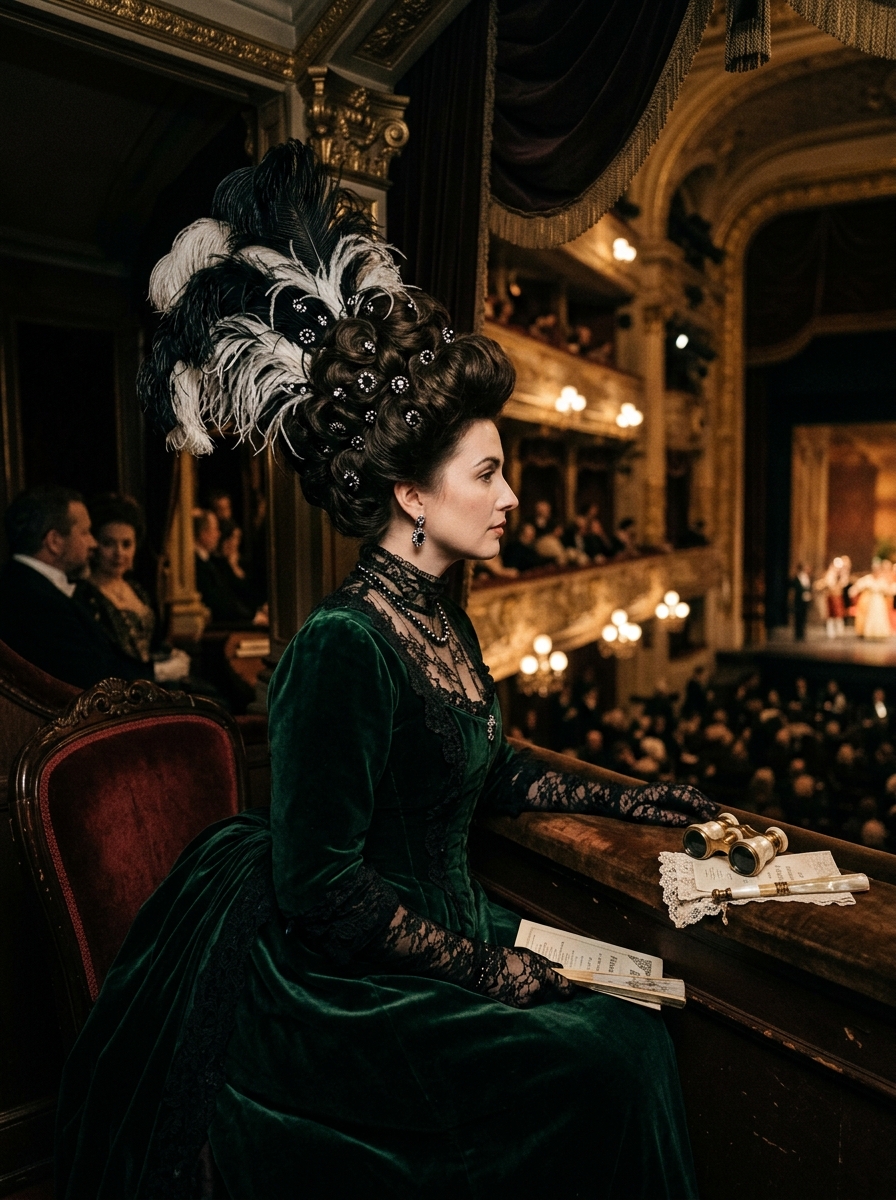
Tools, Products & Modern Substitutes
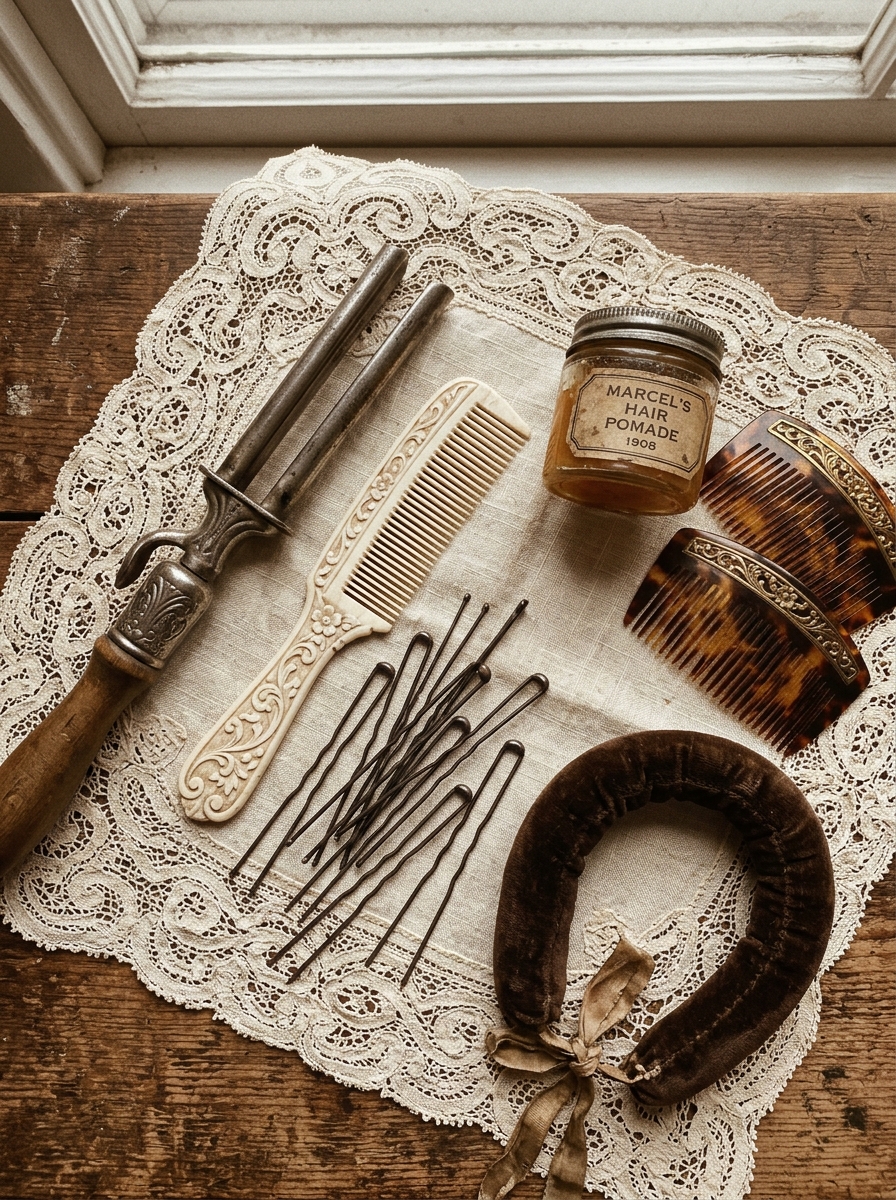
Understanding the original tools helps modern recreators find appropriate substitutes that achieve the same results.
39. The Marcel Iron and Its Modern Equivalent
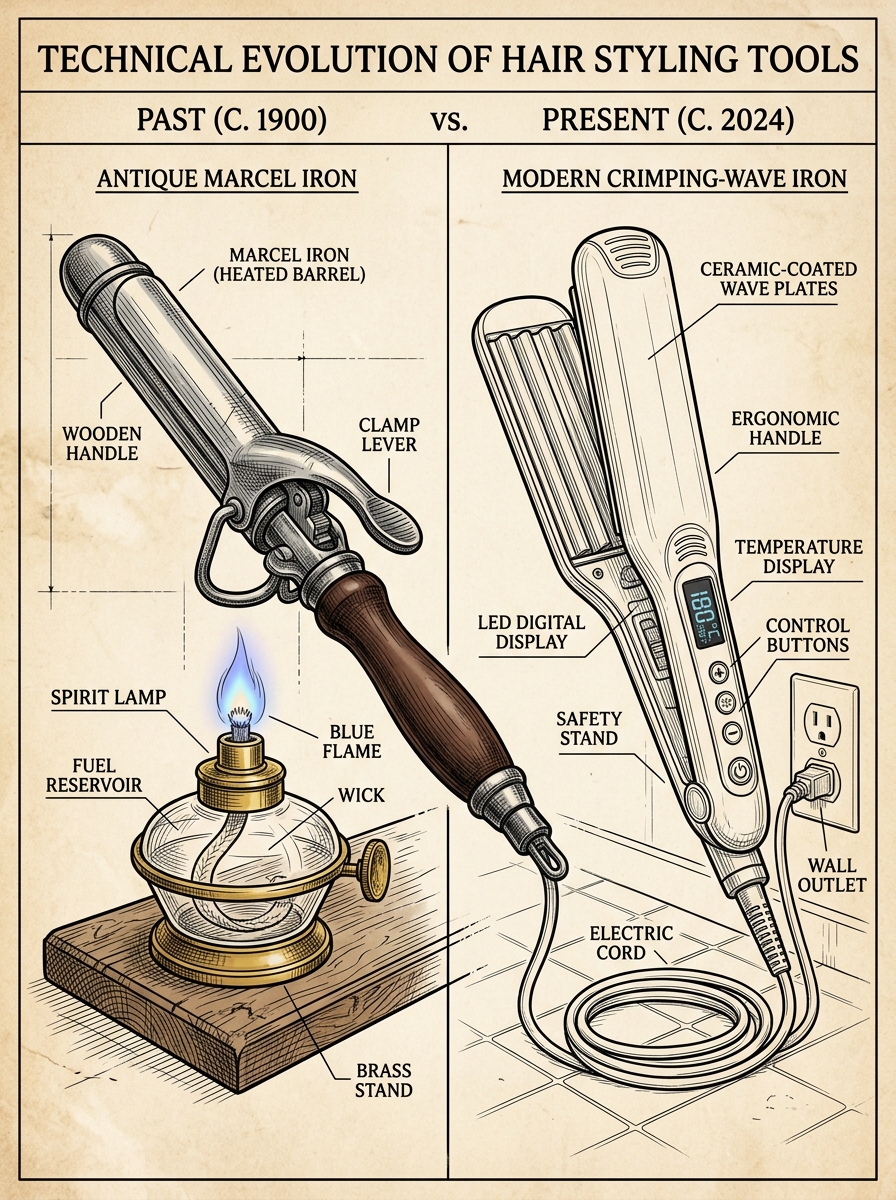
40. Period-Correct Pomades and Dressings
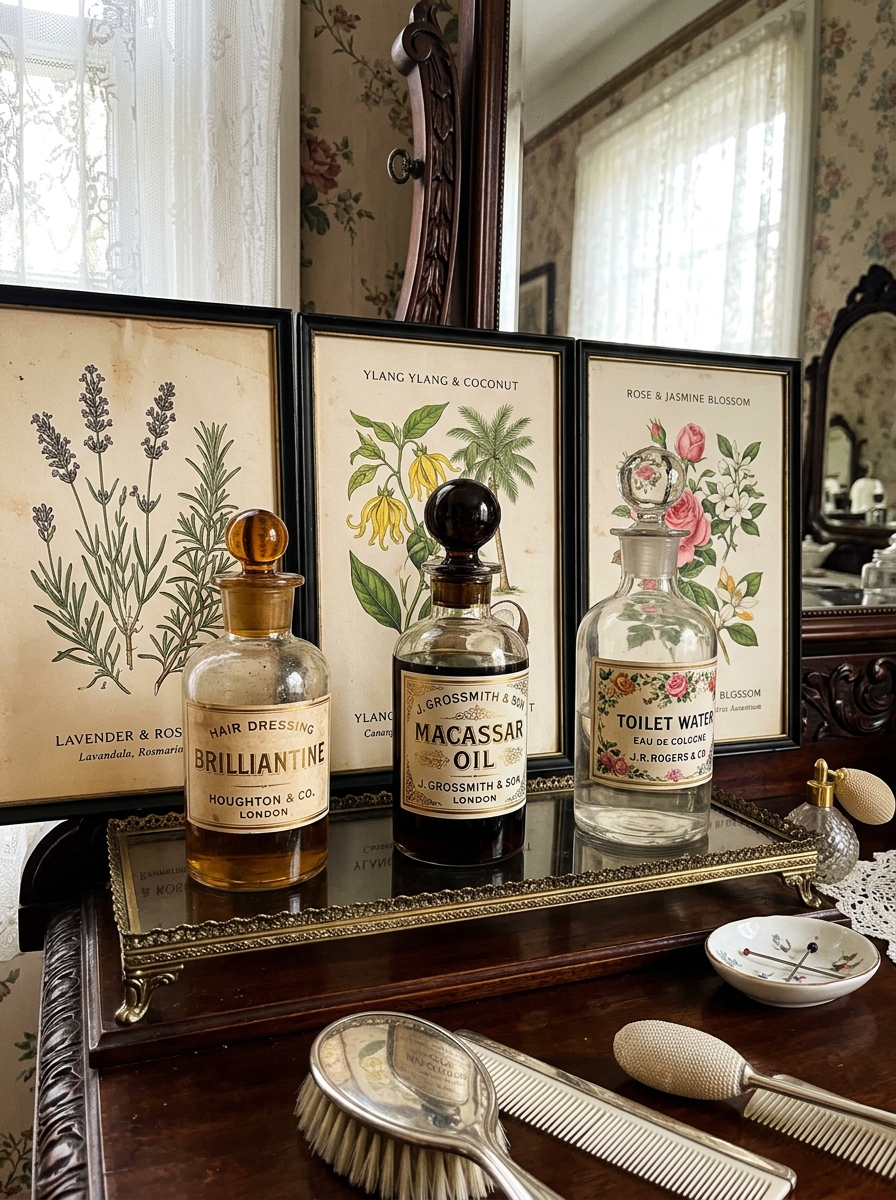
41. The Hair Rat: Construction and Use
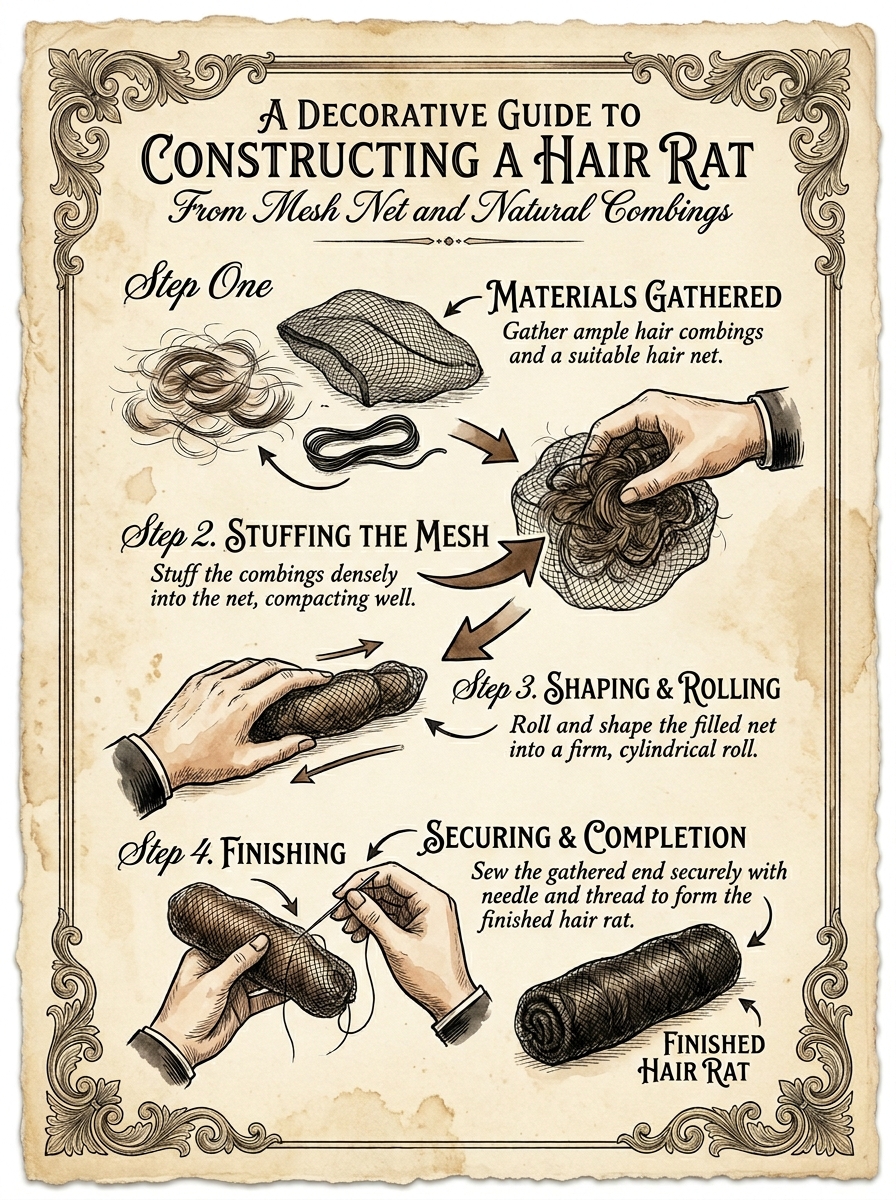
42. Hairpin Types and Their Functions
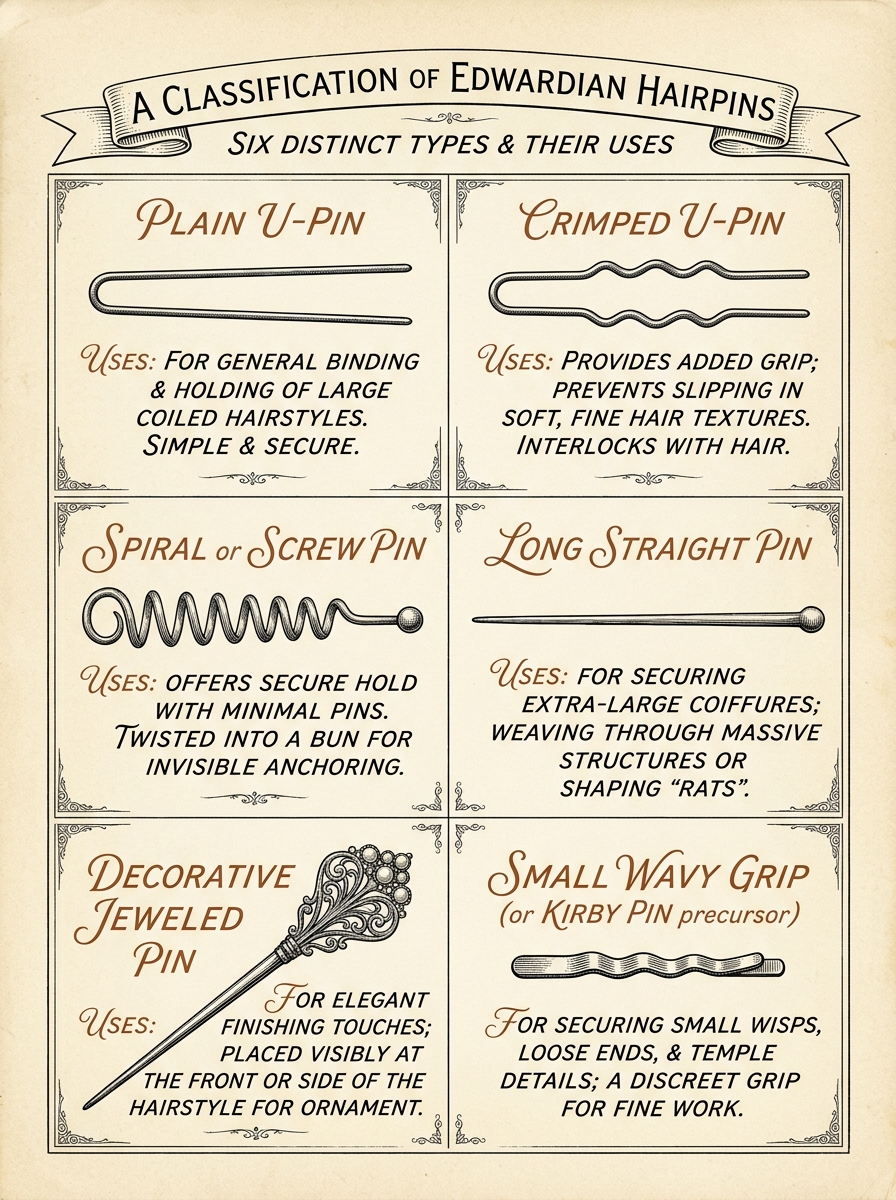
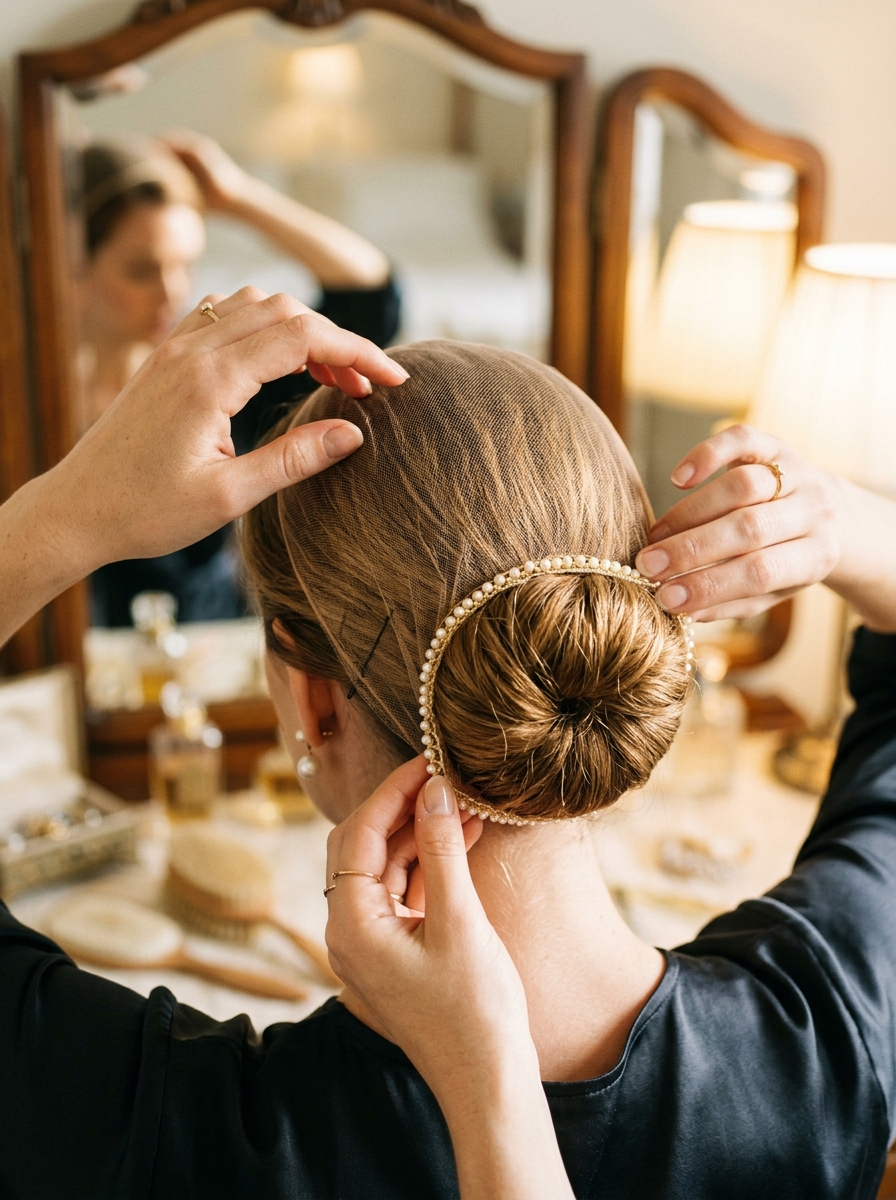
43. The Hair Net: Types and Application
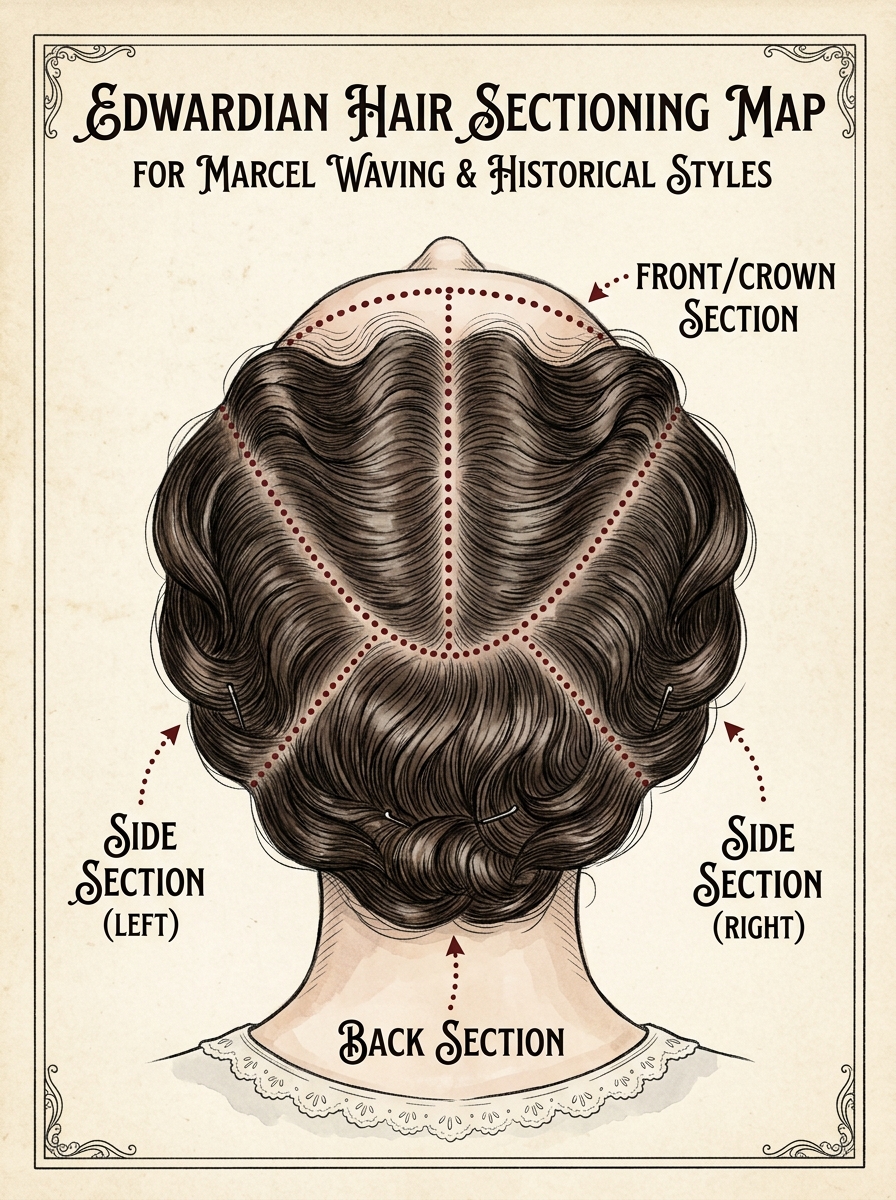
44. Period-Appropriate Sectioning Methods
Care, Maintenance & Longevity
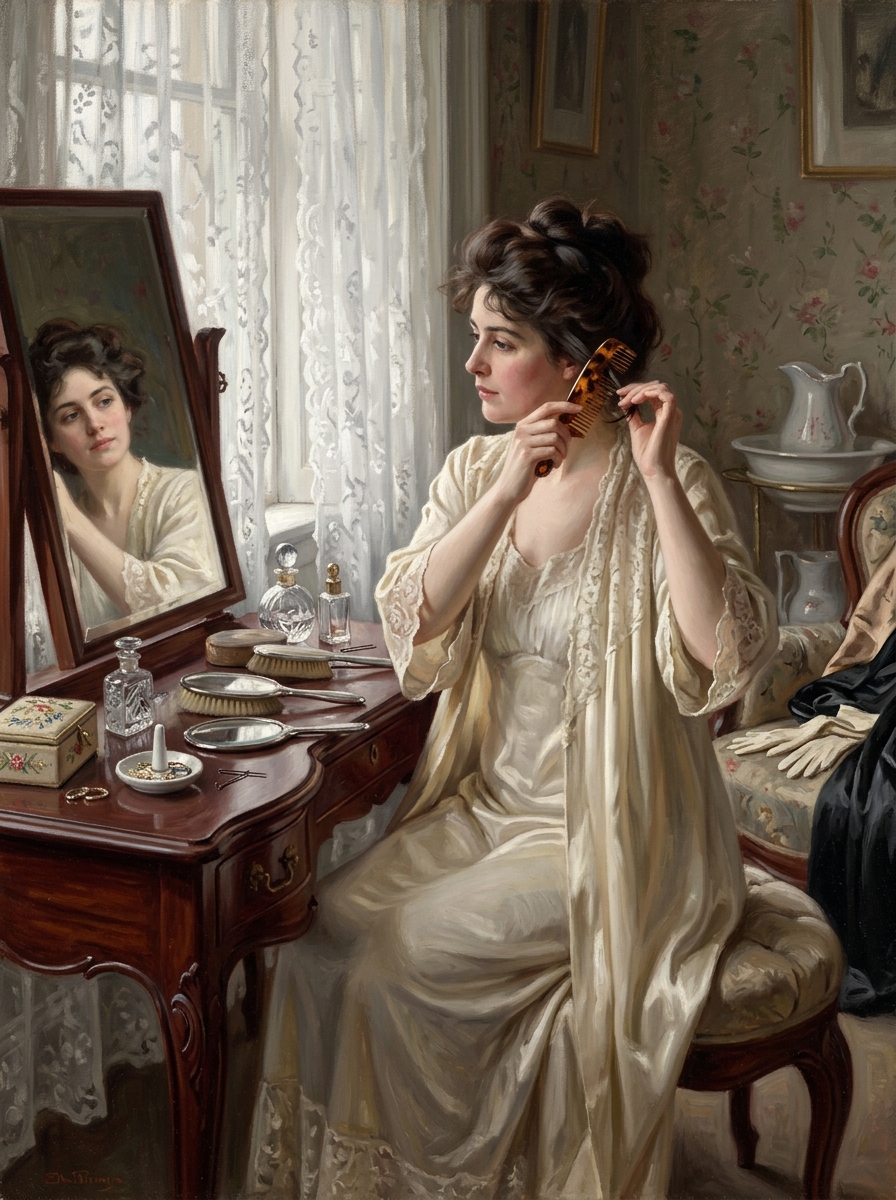
Understanding how Edwardian women maintained their styles over time adds another layer of authenticity to historical recreation.
45. Overnight Preservation Techniques
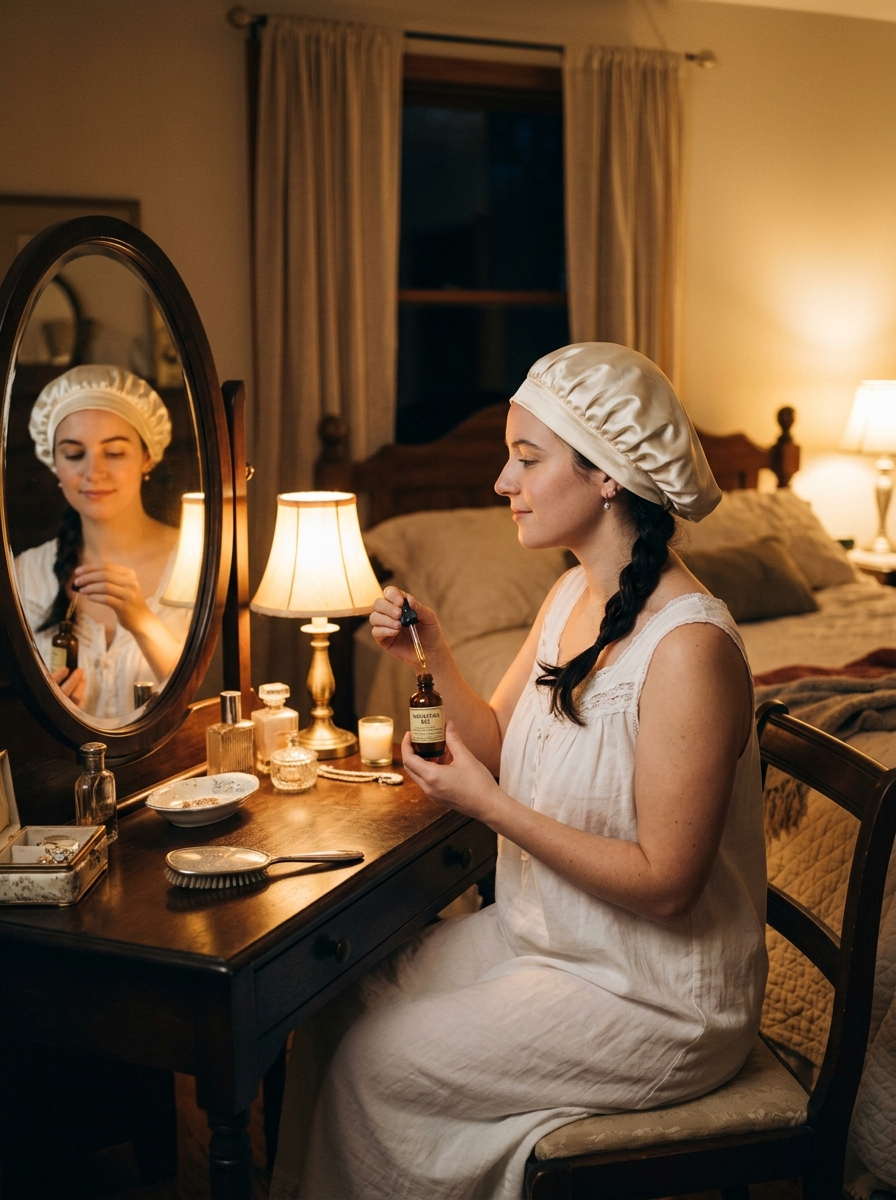
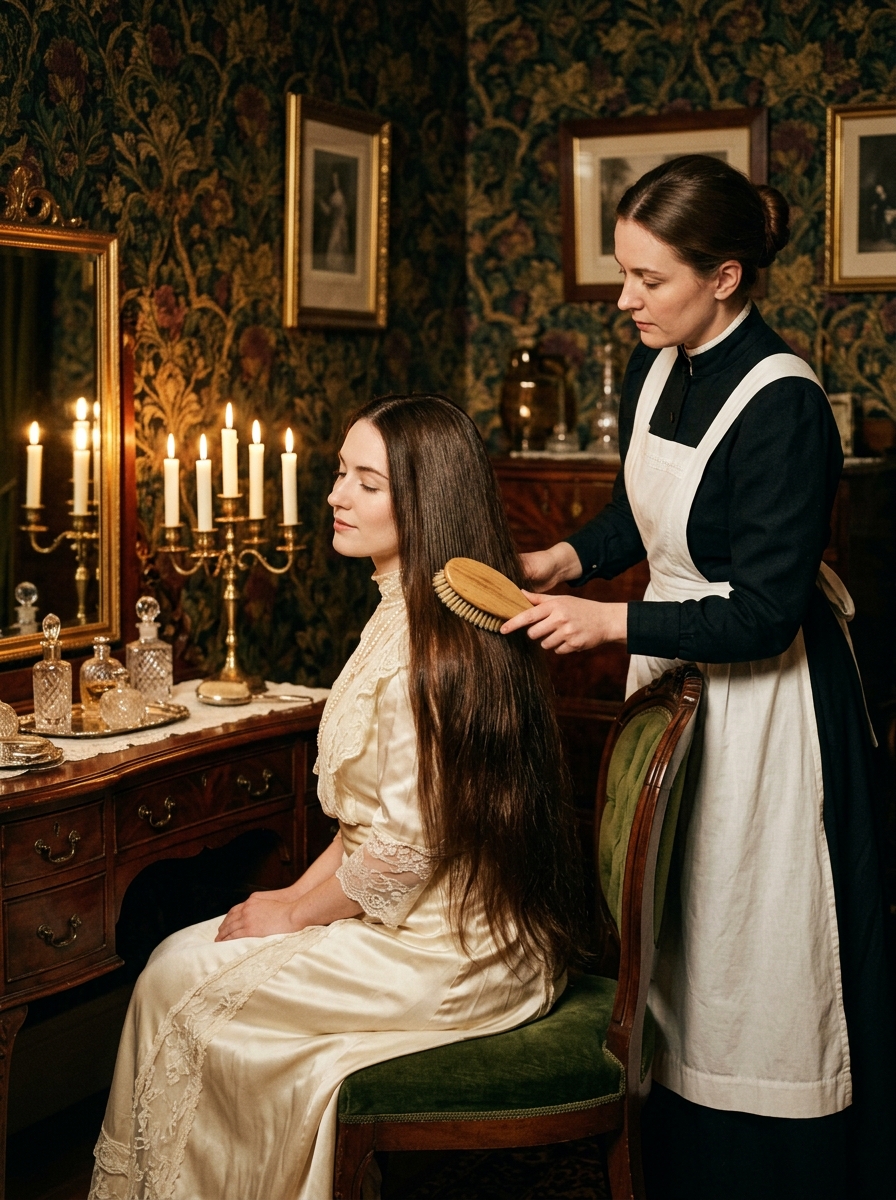
46. Weekly Hair Brushing Rituals
47. Dismantling and Resetting the Style
Achieving Authenticity
To truly honor historical accuracy, consider the context. Age, marital status, time of day, and social occasion all dictated hairstyle complexity. A young debutante would wear a softer, looser style than a married woman at a formal dinner. Daywear was simpler, often under a hat, while evening wear was elaborate and exposed.
Study period photographs, not just modern interpretations. Pay attention to the silhouette and proportion. Edwardian updos often aimed to elongate the neck and complement the popular S-bend corset posture. Practice is key — these styles were often created by ladies’ maids and require a familiarity with pinning and manipulating large amounts of hair.
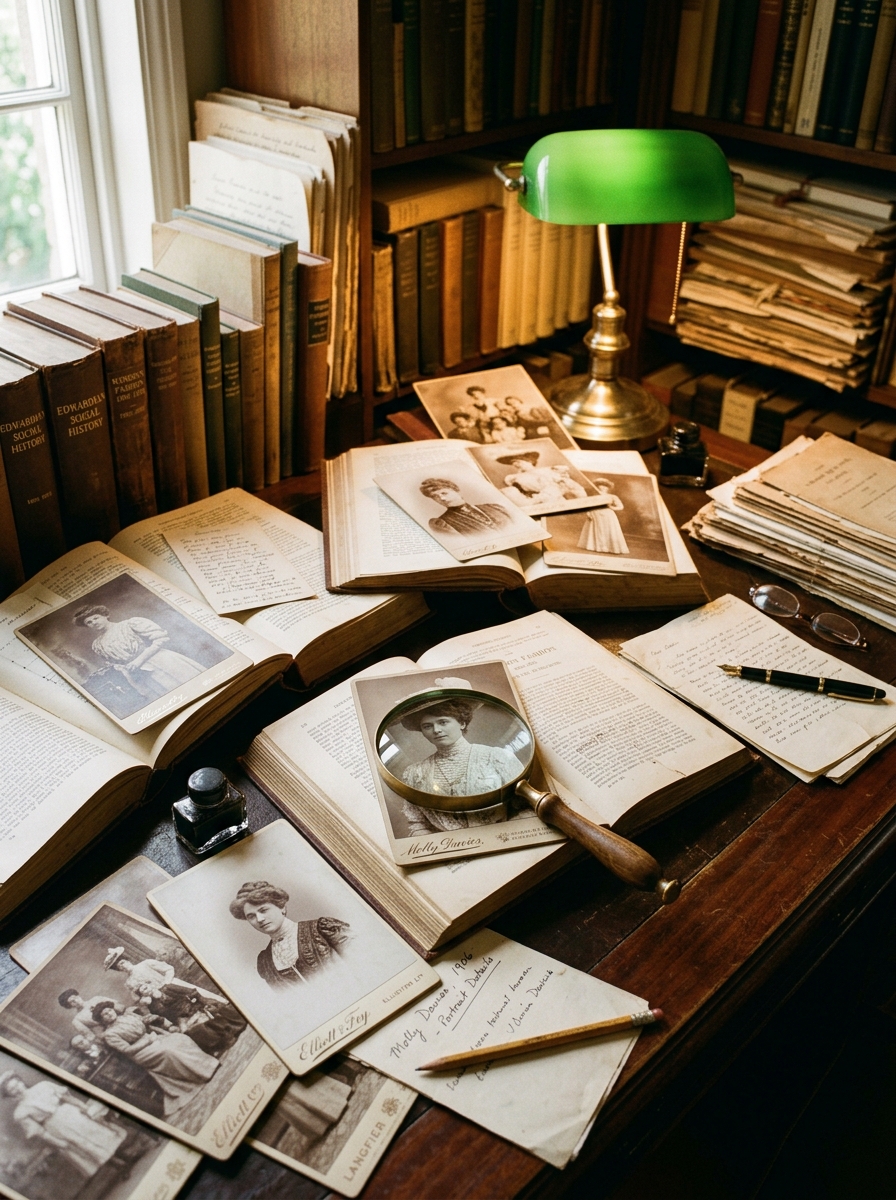
48. Sourcing Accurate Reference Material
49. Practicing with a Mannequin Head
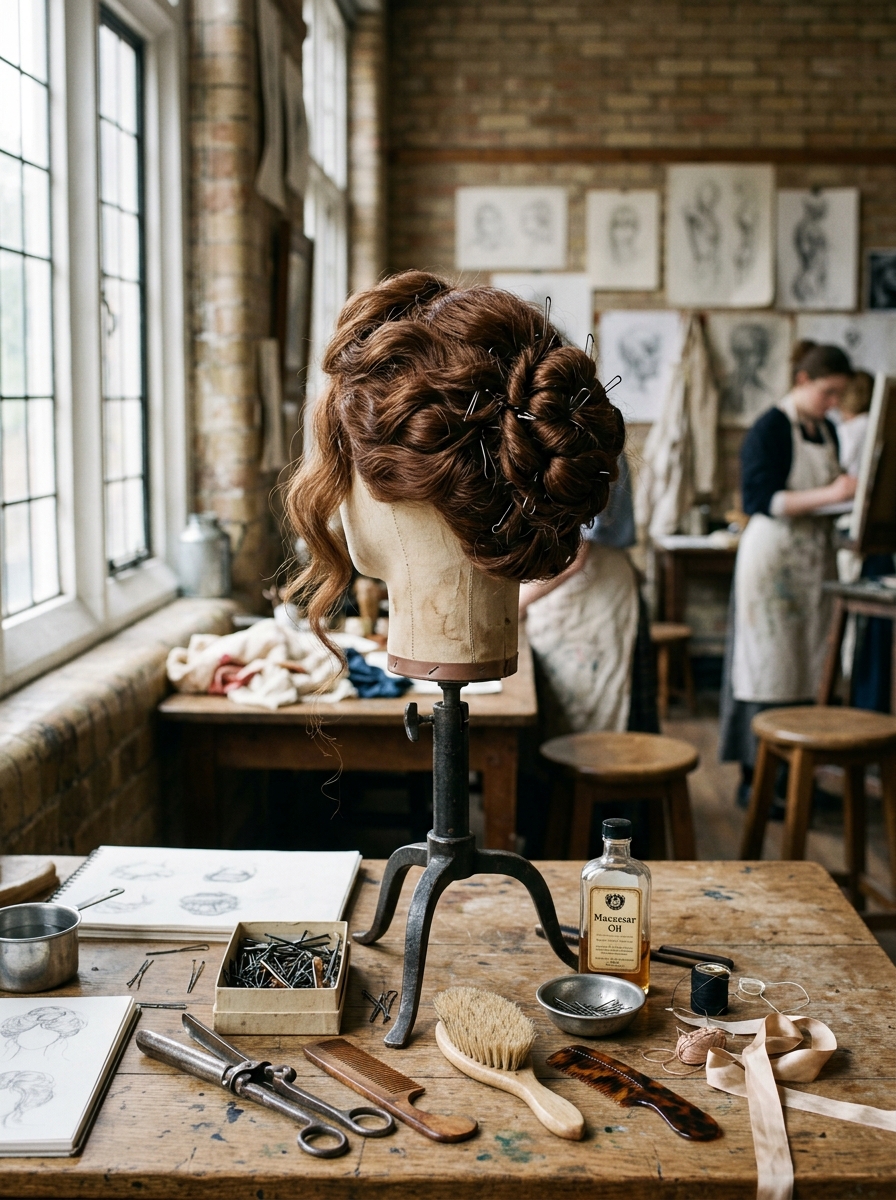
50. Building Your Complete Edwardian Hair Kit
Achieving Authenticity: Final Tips
To truly honor historical accuracy, consider the context. Age, marital status, time of day, and social occasion all dictated hairstyle complexity. A young debutante would wear a softer, looser style than a married woman at a formal dinner. Daywear was simpler, often under a hat, while evening wear was elaborate and exposed.
Study period photographs, not just modern interpretations. Pay attention to the silhouette and proportion. Edwardian updos often aimed to elongate the neck and complement the popular S-bend corset posture. Practice is key—these styles were often created by ladies’ maids and require a familiarity with pinning and manipulating large amounts of hair. Start with good foundation techniques like a secure pompadour roll and a firm chignon, then build complexity with braids and ornaments.
By understanding and practicing these 18 methods, you move beyond costume and into the realm of historical recreation. You’re not just putting hair up; you’re weaving a connection to the skilled, beauty-conscious women of the Edwardian age, one elegant updo at a time.