19 Medieval Updo Variations for Renaissance Fairs
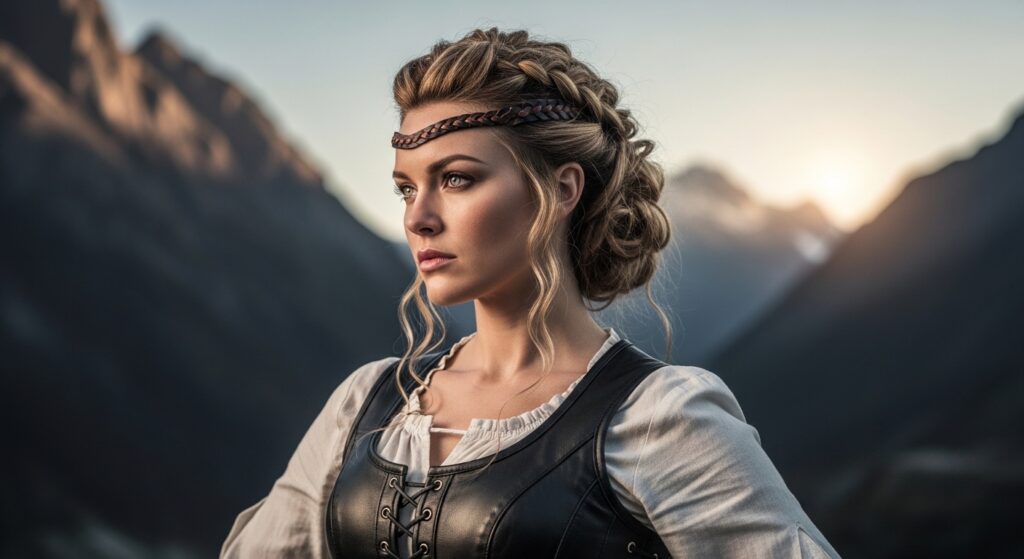
The call of the trumpet, the smell of roasted turkey legs, the clash of wooden swords—the Renaissance fair is a portal to another time. While your gown or tunic sets the stage, your hair crowns the entire ensemble. An authentic medieval updo can transform your look from casual observer to a character straight out of history. Forget the fantasy elf braids; let’s delve into the true artistry of historical hairstyles. Whether you’re a noble lady, a bustling tavern wench, or a mystical herbalist, the right updo completes your story. This guide unveils 19 stunning and achievable variations to inspire your next foray into the past.
The Foundation: Tools and Prep for Medieval Hair
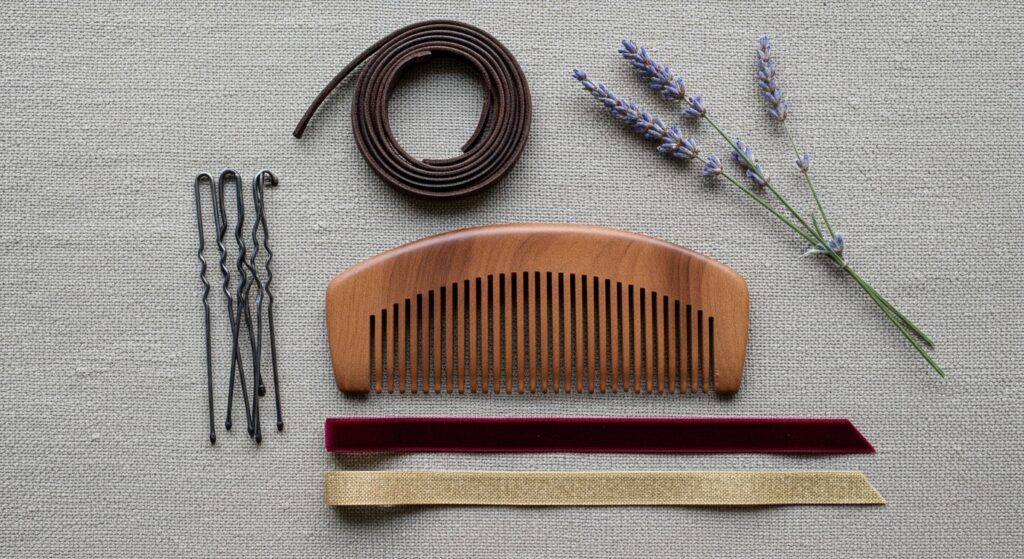
Before we journey through the styles, a knight needs their armor, and you need the right tools. Medieval hairstyling relies on technique more than product. Start with second-day hair for better grip, or use a light texturizing spray. You’ll need a sturdy comb, a multitude of hair pins (both bobby pins and U-pins), clear elastics, and hair-friendly ribbons or fabric strips. For added authenticity, consider thin strips of leather or velvet. A key tip: braid slightly damp hair for smoother, more manageable plaits that hold their shape throughout a long day of merriment.
Simple & Serf-Inspired: Everyday Medieval Updos
These styles reflect the practical, working-class women who needed their hair secured and out of the way. They are deceptively simple yet deeply evocative.
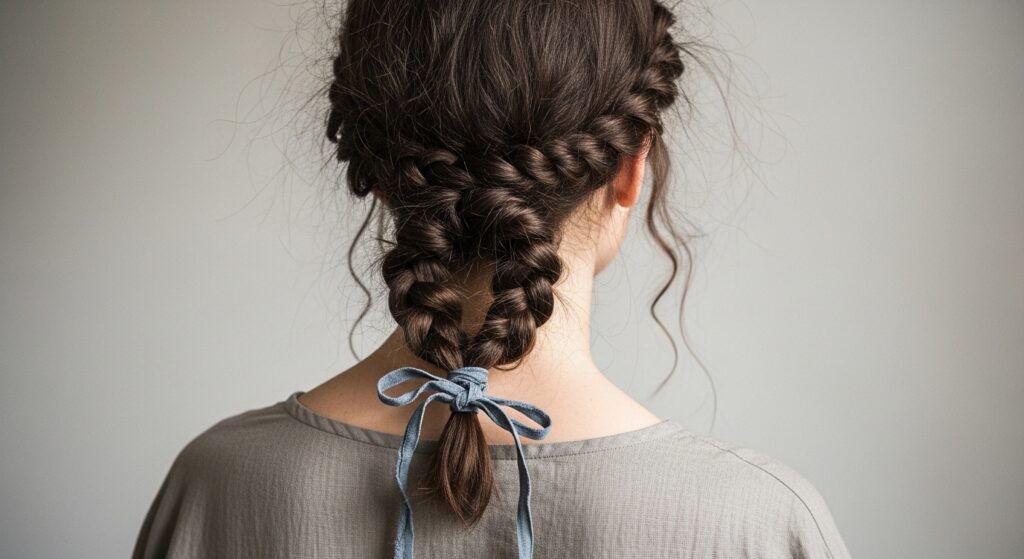
1. The Single Wrapped Braid: A classic. Create a low braid (three-strand or Dutch), then coil it at the nape of your neck, pinning it flat. Wrap a ribbon around the base to conceal pins.
2. The Double Wrapped Braids: Part hair down the middle, create two braids, and wrap them individually into buns behind each ear or cross them at the back for a woven look.
3. The Hidden Bun: Gather hair at the crown, twist, and coil into a bun, but instead of securing it tightly, gently pull sections to loosen and cover the base with a wimple or a kerchief.
4. The Half-Up Twisted Crown: Take a front section from each temple, twist them back, and cross them at the back of your head, pinning securely. Leaves the rest of the hair down but manages the face.
Noble & Elegant: Court-Worthy Medieval Updos
For those portraying nobility, hairstyles were a display of status, often involving intricate braiding and the strategic display of hair accessories.
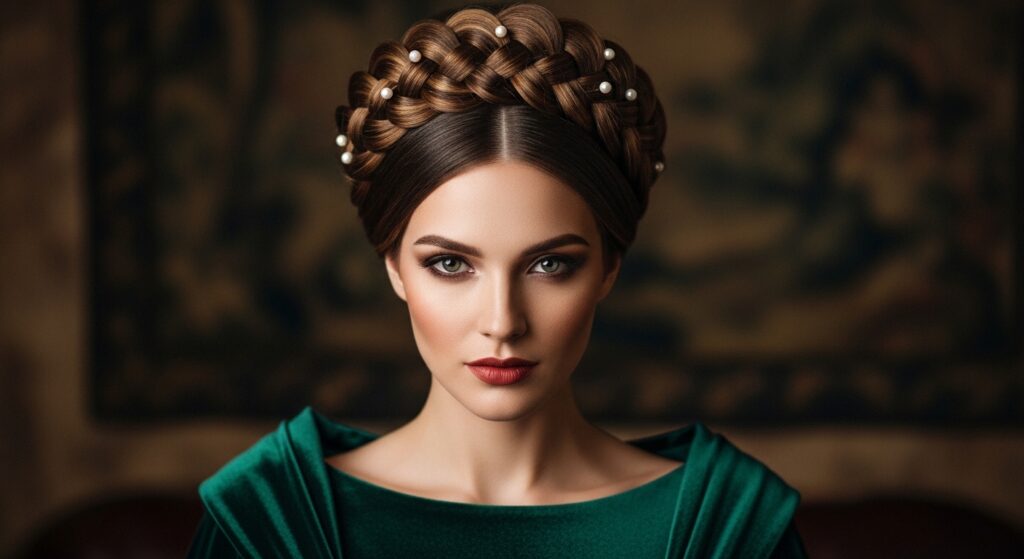
5. The Classic Crown Braid (Heidelberg Braid): The quintessential noble updo. Create a continuous Dutch braid around the circumference of your head, tucking the ends under and pinning. Appears as a crown of hair.
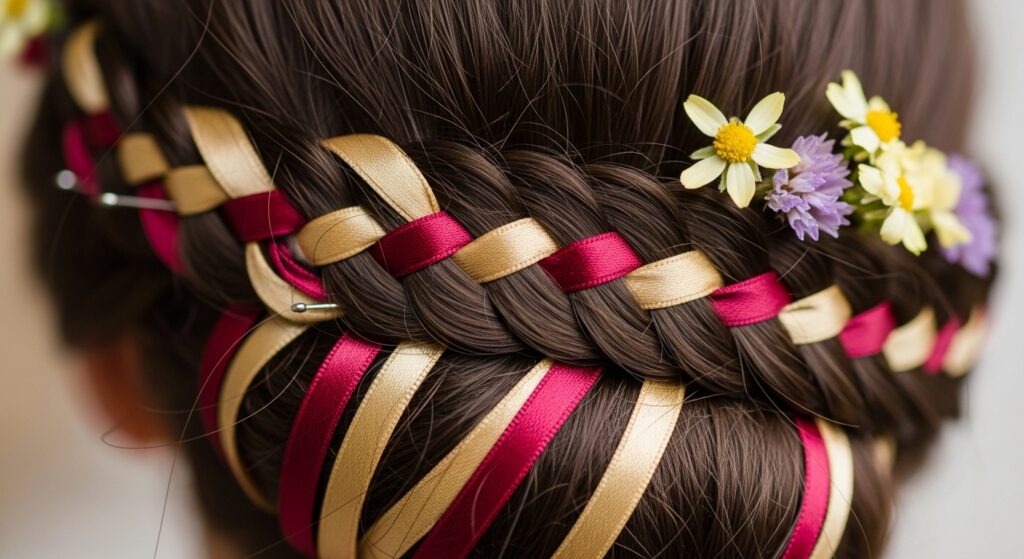
6. The Laced Braid Bun: Create a high ponytail and braid it. Wrap the braid into a bun, but before pinning, lace a ribbon through the loops of the braid for a stunning, detailed effect.
7. The Vertical French Braid into a Basket Bun: Start a French braid at the hairline, braiding vertically down the back of the head. Incorporate all hair, then coil the tail into a wide, flat bun pinned at the nape.
8. The Twin Crown Braids with Ribbons: Part hair down the middle. On each side, create a French or Dutch braid starting at the temple, braiding over the ear and towards the back. Join and pin them at the back, weaving ribbons into the braids.
9. The Regal Twist-Out: Create a low, sleek bun. Then, take several long, thin strands of hair from the bun and wrap each one around the base, pinning them under to create a woven, dimensional effect.
Braided & Intricate: Warrior Maiden & Herbalist Styles
These styles suggest a life of activity, magic, or adventure. They are complex, visually captivating, and often incorporate elements like fishtail braids or rope twists.
10. The Fishtail Crown: A softer alternative to the crown braid. Divide your hair into two sections. Fishtail braid each section, then wrap them around your head in opposite directions, pinning meticulously.
11. The Four-Strand Braid Updo: Master a four-strand braid down the back of your head. Coil the thick, intricate braid into a prominent bun at the crown, showcasing the unique pattern.
12. The Rope Twist Halo: Twist two large sections of hair until they coil on themselves. Wrap these rope twists around your head, crossing them at the back and front, securing for a textured halo.
13. The Side-Swept Cascade: French braid from one temple across the forehead to the opposite ear. Gather the remaining hair on the opposite side and twist it into a loose, low bun, allowing the braid to cascade into it.
14. The Braided Net: Create a base of several small, horizontal braids at the back of your head. Then, take the remaining loose hair and loosely twist or braid it, tucking and pinning it over the smaller braids to create a “netted” look.
Adorned & Fantastical: Adding Medieval Flair
No Renaissance fair updo is complete without adornment. These additions walk the line between historical and whimsical.
15. The Veiled Bun: A simple, low twisted bun becomes elegant when topped with a circlet and a flowing veil. Attach the veil to the circlet or pin it under the bun for a married noblewoman look.
16. The Ribbon-Woven Braid: Take two long, contrasting ribbons and treat them as the outer strands in a Dutch braid. The ribbons become integral, weaving in and out for a stunning pop of color.
17. The Floral Chaplet Updo: Create any simple updo—a crown braid or low bun—and adorn it with a fresh or silk floral chaplet. Weave in ivy, baby’s breath, or small roses for an ethereal, May Queen feel.
18. The Chain-Linked Braids: For a Viking or early medieval influence, create several tight braids. Use very small, delicate chain links (jewelry findings) to connect the ends of the braids or to pin them together artistically.
19. The Horned Bun (Butterfly Hairstyle): Part hair down the middle. On each side, create a ponytail high on the crown. Twist and loop each ponytail into a bun that sits above the ear, creating a “horned” silhouette. Cover with a decorative hair net or caul.
Tips for Long-Lasting Festival Hair
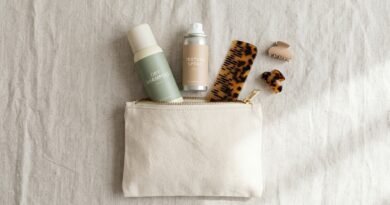
A Renaissance fair is a marathon, not a sprint. To ensure your updo survives jousting cheers and hearty dancing, follow these final tips. Pin strategically: Use more pins than you think you need, always criss-crossing them for maximum hold. Embrace texture: Slightly dirty or texturized hair holds better. A light spray of dry shampoo at the roots adds grip. Secure accessories: Attach veils, ribbons, and flowers not just to hair but also to pins or a base band. Finally, carry a small pouch with extra pins, a mini comb, and a spare ribbon—a true medieval damsel would be prepared!
With these 19 medieval updo variations, you have a treasury of inspiration for your next Renaissance fair adventure. From the simplicity of a wrapped braid to the nobility of a crown braid, each style tells its own story. Remember, historical accuracy is a wonderful guide, but personal expression is the heart of the faire. Practice, adorn, and step through the gates with confidence, knowing your hair is a perfect testament to the timeless artistry of the past.