21 Baroque Updo Techniques with Dramatic Height
Imagine a hairstyle that commands attention from across the room—a towering, intricate masterpiece that whispers of royal courts, grand ballrooms, and unapologetic glamour. This is the world of the Baroque updo, where hair transcends mere styling to become an architectural wonder. Characterized by its opulence, volume, and theatrical sense of movement, the Baroque aesthetic is making a powerful comeback, not just on runways and red carpets, but for anyone seeking to make a statement.
The Foundation: Prep Work for Sky-High Hair
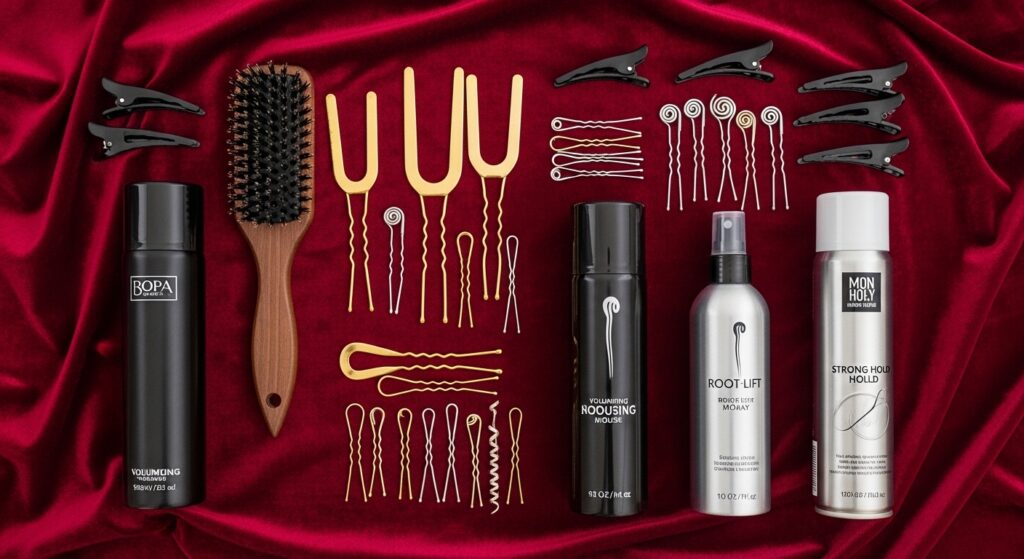
Before you begin weaving your hair into the heavens, a solid foundation is non-negotiable. Height starts at the roots, and without proper preparation, even the most skilled technique will falter. Begin with day-old hair or use a texturizing spray; the natural oils and added grit provide crucial grip. Invest in a high-quality volumizing mousse or root-lift spray, applying it directly to damp roots before blow-drying.
When drying, flip your head upside down and direct the airflow at your roots. For maximum lift, consider using velcro or magnetic rollers at the crown, allowing them to set until completely cool. This thermal setting creates lasting memory in the hair. Finally, arm yourself with the right tools: a teasing brush, strong-hold pins (spiral pins are a game-changer), a fine-tooth comb for precision, and a reliable, non-greasy hairspray.
Core Height-Building Techniques (1-7)
These fundamental methods are the building blocks for nearly every dramatic updo. Mastering them allows you to combine and innovate.
1. The Architectural Tease: This isn’t your average backcombing. Section hair horizontally at the crown. Hold a section straight up, and using a teasing brush, make small, firm strokes from the mid-shaft down to the roots. Smooth the very top layer over the teased foundation for a polished yet incredibly voluminous base.
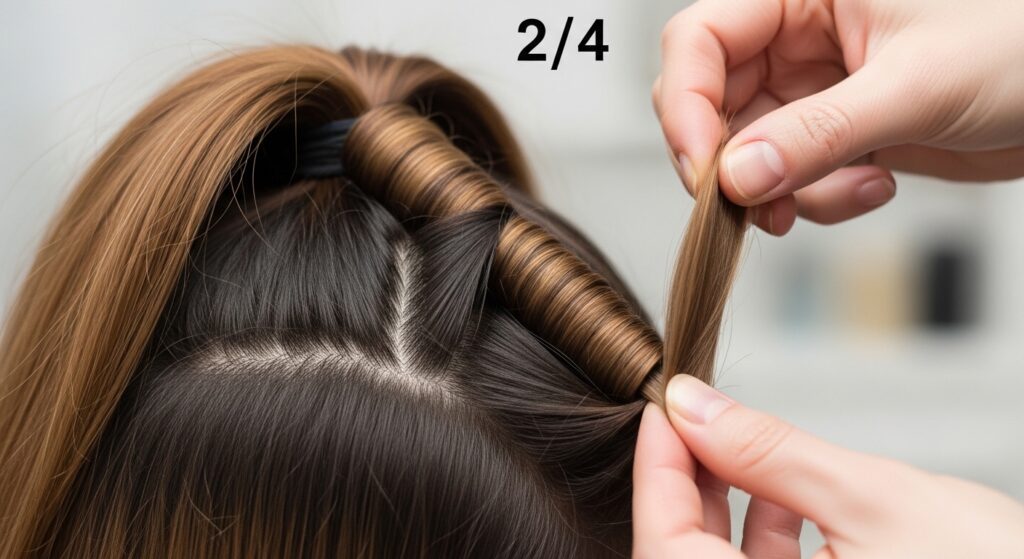
2. The Rolled Base: Create a large, high ponytail at your crown. Instead of securing it tightly, pull the hair halfway through on the last loop of the elastic, forming a loose loop. Roll this loop upward and secure it flat against the head, creating an instant, solid platform.
3. The Hair Rat or Donut: A classic theatrical trick. Use a pre-made hair donut or create a “rat” by rolling teased hair into a sausage shape. Place this volume enhancer at the crown, then sweep your hair over and around it, pinning securely underneath to conceal it.
4. The French Twist with a Lift: As you gather hair for a classic French twist, intentionally pull the sections upward as you fold them in. Secure each fold with pins placed vertically, which pushes the hair up rather than flattening it down.
5. The Pinned Bump: Also known as a “Bump-It” technique, this involves taking a top section of hair, backcombing the underside, then folding it forward and pinning it at the fold to create an instant, dramatic lift at the front.
6. The Vertical Braid Platform: Create a tight, vertical Dutch braid starting at the front hairline and going straight back over the crown. This braid acts as a raised anchor point, providing both height and a textured base to pin other elements onto.
7. The Gibson Tuck on Steroids: Perform a traditional Gibson tuck, but before tucking the ends under, insert a large, padded roller or a small cushion at the center of the roll. This inflates the tuck into a grand, rounded pouf.
Structural & Ornamental Techniques (8-14)
With your base established, these techniques add layers of complexity, texture, and the signature Baroque ornamentation.
8. The Multi-Directional Wrap: Instead of wrapping all hair in one direction, split the length into several large sections. Wrap one clockwise, another counter-clockwise, and stack them slightly offset. This creates a dynamic, multi-faceted crown.
9. The Structured Bow: Shape two large loops of hair into a dramatic bow shape at the back of the crown. Secure the centers tightly and leave the “tails” to cascade or be incorporated. This adds height with a sculptural, feminine touch.
10. The Cascading Loop: Create a high ponytail and split it in two. Twist each section, then loop them individually, pinning the ends to create two large, descending spirals that stack vertically for height and movement.
11. The Rope Twist Spire: Divide hair into two large sections from the nape up. Twist each into a tight rope twist, then twist those two ropes together around a central axis, coiling them upward into a conical, spire-like shape.
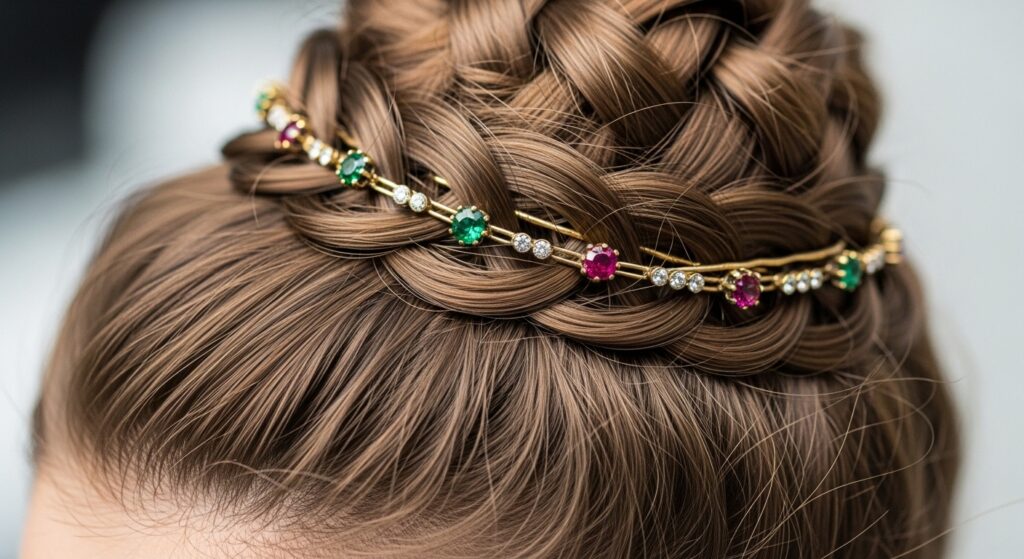
12. The Ornamental Pin Weave: Use decorative pins, pearls, or chains not just as accessories, but as structural elements. Weave them through sections of the updo to lift and secure folds in an artful, visible way.
13. The Fragment Curl Embellishment: Leave strategic strands or sections out to be curled into tight, defined ringlets. These curls are then pinned *upward* and outward from the main updo body, adding a sense of explosive height and detail.
14. The Asymmetric Pile: Direct all volume and detailing to one side of the head, building the hair upward in a sloping mountain range. This asymmetrical height is intensely modern and dramatic.
Advanced & Avant-Garde Techniques (15-21)
For the boldest looks, these techniques push boundaries, incorporating unexpected forms and extreme volume.
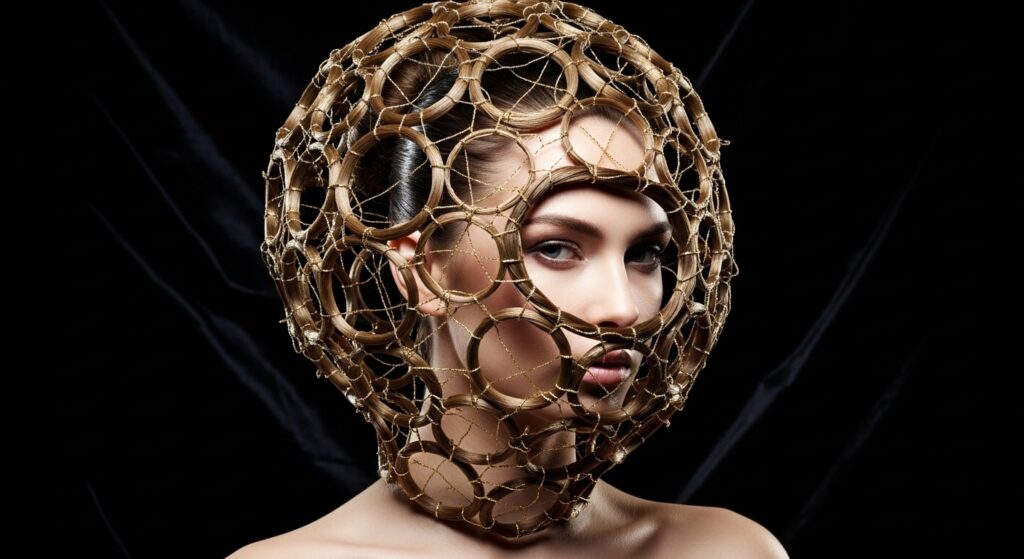
15. The Cage or Trellis: Create several large, smooth loops of hair anchored at the scalp, forming a architectural “cage.” Weave smaller strands or ribbons through this structure, creating a see-through, towering effect.
16. The Deconstructed Chignon: Instead of one neat bun, create a cluster of 3-4 smaller, textured buns or knots at the crown. Stack them at different heights and angles, leaving wispy pieces free for an intentionally undone, yet monumental, look.
17. The Hybrid Headpiece: Integrate a non-hair element as part of the structure. This could be a sculptural wire form, a folded piece of stiffened lace, or a lightweight frame around which you wrap and pin your hair.
18. The Extreme Volume Ponytail: Focus all height into a ponytail base. Use multiple hair rats stacked vertically along the ponytail’s base before securing the elastic. Then, backcomb the entire tail and smooth it over the rats, creating a colossal, high-impact silhouette.
19. The Knotted Column: Divide hair into three vertical sections from front to back. Braid or twist each, then tie them together in a large, deliberate knot at the highest point of the crown, letting the ends splay out artistically.
20. The Hair Sculpting with Gel: Using a maximum-hold styling gel or wax, sculpt sections of hair into sharp, defined points, curved wings, or geometric shapes that extend upward from the head. This is a wet-look, avant-garde approach to height.
21. The Dual-Level Masterpiece: The ultimate in Baroque drama. Create one updo at the occipital bone (standard bun position), and then a second, separate updo directly above it at the crown. Connect them with woven strands or ornamental elements, creating a staggering two-tiered effect.
Securing the Masterpiece: Tips for All-Day Hold
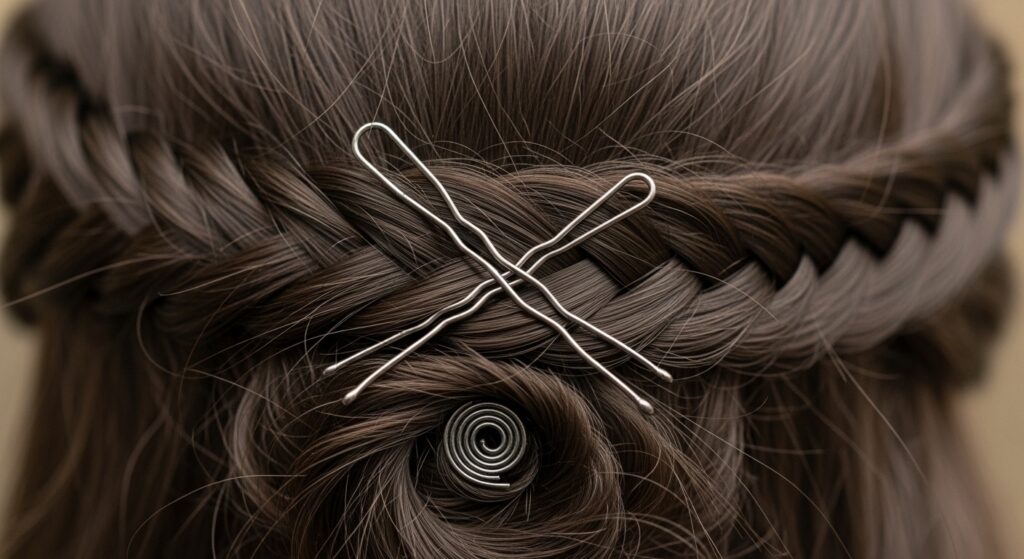
Creating such height is an achievement, but preserving it is an art. Your work isn’t done until the final pin is placed and sealed. Always cross your pins—inserting them in a criss-cross pattern locks hair in place far more securely than parallel placement. For heavy sections, use bobby pins with a strong grip and consider using two, facing opposite directions.
After pinning, apply a first light layer of hairspray. Then, using the tail of a comb or your fingers, gently adjust any slipping sections and re-pin. Finish with a final, generous mist of ultra-hold hairspray, holding the can at a distance to avoid wet spots. For extra insurance on humid days or for all-night events, a light dusting of invisible dry shampoo at the roots mid-way can absorb moisture and revive texture.
Embrace the Drama: Final Thoughts
The Baroque updo is more than a hairstyle; it is an expression of confidence, artistry, and a desire to transform the ordinary into the extraordinary. These 21 techniques are your toolkit for exploration. Start by practicing one or two foundational methods, then begin to layer and combine them. Remember, the goal is not perfection, but rather the creation of a living sculpture that reflects your personal drama.
Do not fear volume, embrace texture, and play with ornamentation. Whether you choose a single dramatic loop or a towering multi-tiered creation, each style you craft is a nod to an era of opulence, reimagined for your modern moment. So gather your pins, lift your hair, and prepare to ascend to new heights of style.