22 1920s Finger Wave Updo Methods for Flapper Vibes
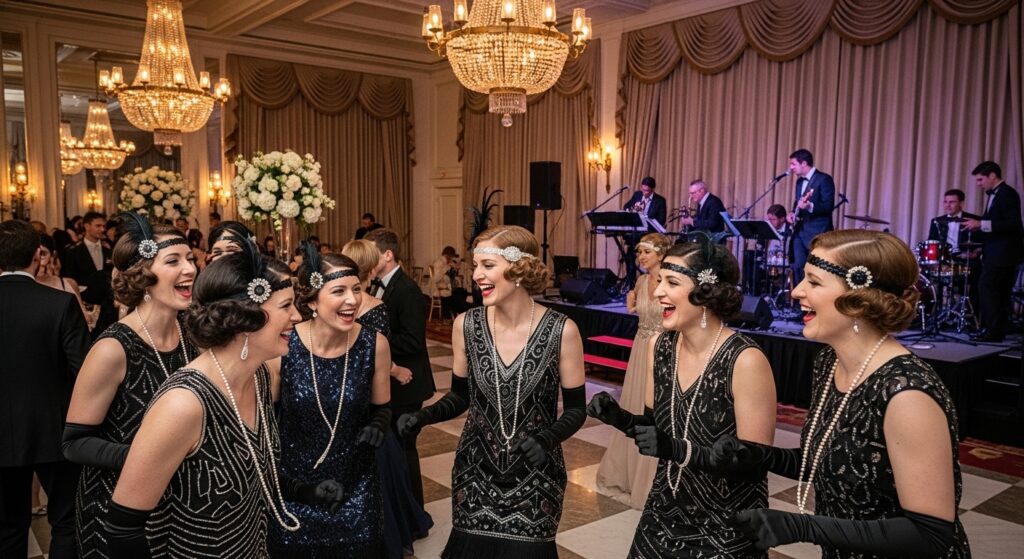
Close your eyes and imagine the roaring 1920s: the syncopated rhythm of jazz, the shimmer of sequined dresses, and the unmistakable silhouette of the flapper—a woman reborn with a bobbed haircut crowned by sculpted, liquid waves. More than just a hairstyle, the finger wave was a statement of independence and modern artistry. Today, that glamorous, rebellious spirit is calling again. Whether you have a vintage-themed event, a wedding, or simply a desire to embody that iconic elegance, mastering the finger wave updo is your ticket to time travel.
The Foundation: Tools & Prep for Authentic Waves
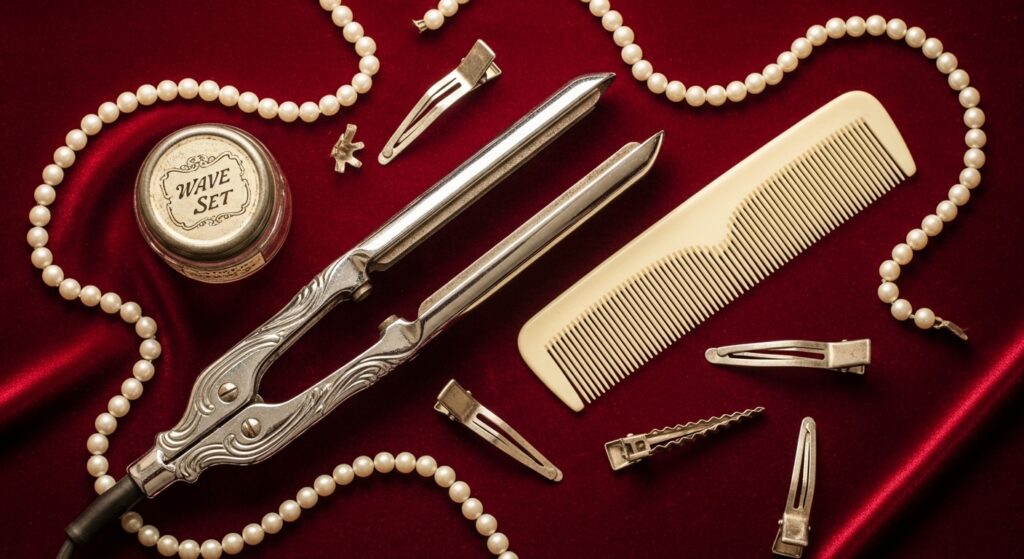
Before we journey into the 22 methods, setting the stage is crucial. The iconic finger wave wasn’t born from modern curling irons alone. Authenticity starts with the right preparation and tools. First, period-correct hair was often “marcelled” using a special heated iron with alternating convex and concave grooves, creating that uniform, deep wave pattern. While you can use a modern Marcel iron or even a flat iron with practice, the original technique relied heavily on finger setting and pin curling.
Start with day-old hair or use a light texturizing spray for better grip. Apply a strong-hold wave setting lotion or gel to damp (not soaking wet) hair. This is your architectural blueprint. You’ll need a fine-tooth comb, duckbill or flat hair clips, bobby pins, and hair nets (invisible ones are perfect). A setting spray is your final sealant. Remember, patience is a virtue the flappers had in spades when crafting their masterpieces.
Classic Marcel Wave Patterns (Methods 1-5)
The Marcel wave is the heartbeat of 1920s hair. These are the deep, precise, S-shaped waves that look like ripples on water. Here are five foundational patterns to master.
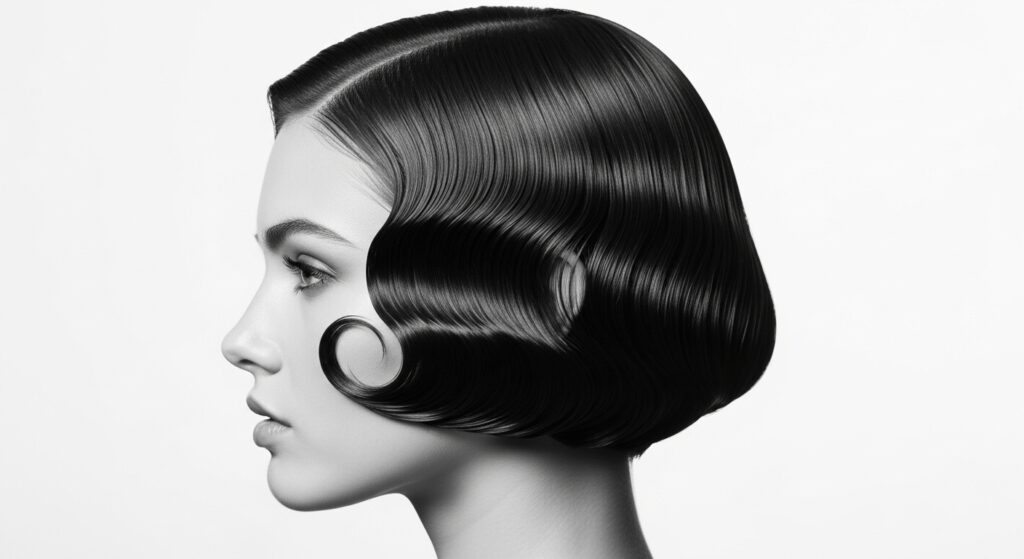
Method 1: The Side-Parted Single Wave. The quintessential flapper look. Create a deep side part. On the heavier side, using your comb and fingers, form one large, rolling “C” shape wave from temple to cheekbone, securing the crest and trough with clips as it sets.
Method 2: The Horizontal Double Wave. For shorter bobs. Create two parallel waves running horizontally across the head from ear to ear. This frames the face beautifully and works wonders with a headband.
Method 3: The Vertical Wave. A stunning, less common pattern where waves run vertically from the forehead back over the crown. It creates incredible height and drama, perfect for showcasing a glittering brooch.
Method 4: The Finger Wave Set with Pin Curls. The original technique. After applying wave set, use your index and middle fingers to form the wave shapes, pinning each section with clips or pin curls at the crests and troughs until completely dry.
Method 5: The Marcel Iron Set. For defined, long-lasting waves. Section hair and use a Marcel iron to create each alternating wave. Practice temperature control to avoid the distinctive “sizzle” mark!
Updos with a Pin Curl Base (Methods 6-12)
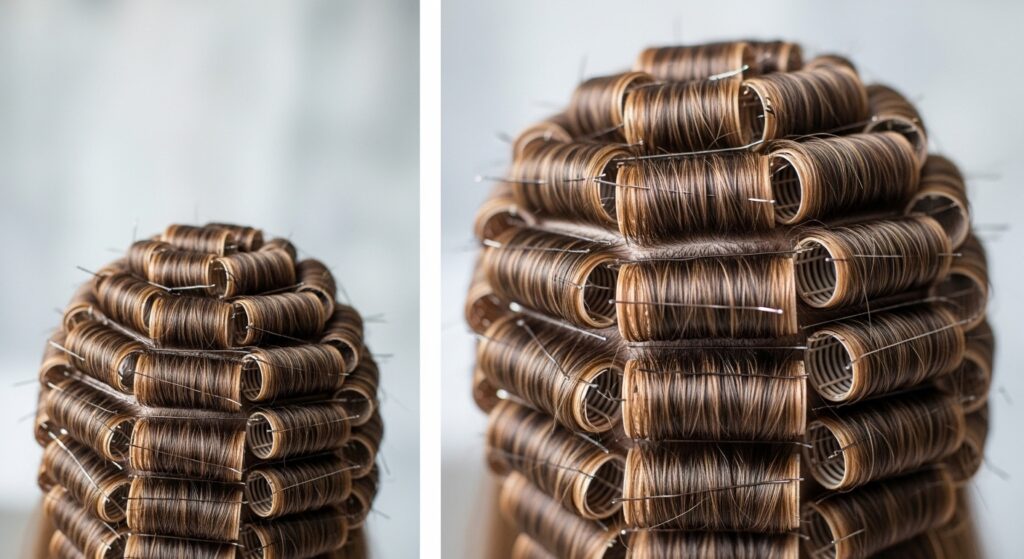
Once your waves are set, it’s time to build the updo. Pin curls were the secret scaffolding for volume and intricate shapes.
Method 6: The Classic Chignon. Sweep waved hair into a low bun at the nape. Instead of a simple twist, loop and coil the hair, tucking the ends under and securing with pins. The waves should elegantly frame the face.
Method 7: The Figure-8 Bun. Create two vertical pin curls on the crown as a base. Loop the remaining hair into a lazy figure-8 shape over them, pinning securely. This adds significant height and sophistication.
Method 8: The Kiss-Curl Updo. Frame the face with defined kiss curls (tight, flat curls) at the temples and cheeks, then gather the back into a soft, waved roll. The epitome of silver-screen glamour.
Method 9: The Barrel Roll Bun. Create large, horizontal pin curls across the back of the head. Brush them out gently and roll them into a cohesive, low horizontal barrel, securing with a hair net.
Method 10: The Crown Braid with Wave Front. Create waves on the front and sides, then gather the top section into a thin, delicate braid that circles the head like a crown, blending into the low bun at the back.
Method 11: The Twisted Rope Updo. Part hair deeply. On the heavier side, twist a section from the temple back, pinning as you go. Incorporate waves into the twist for a textured, romantic look.
Method 12: The Pin Curl Cascade. For a softer look, set the entire head in uniform pin curls. Once dry, brush out gently but leave the curls largely intact, pinning them into a loose, voluminous updo with tendrils.
Headband & Accessory Styles (Methods 13-18)
No flapper look was complete without adornment. Headbands and accessories weren’t just decorative; they often helped secure the style.
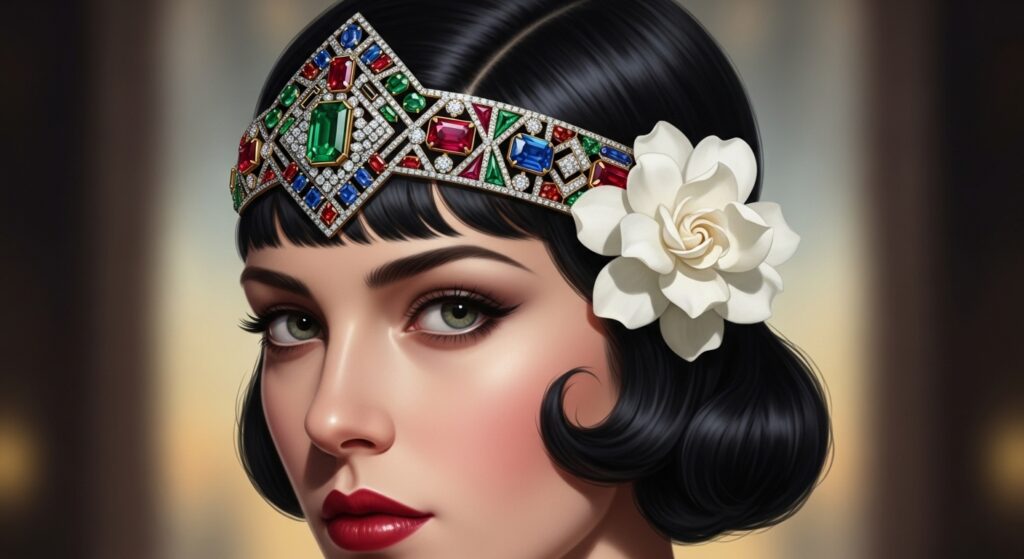
Method 13: The Beaded Headband Holder. Style loose finger waves, then place a wide, beaded or embellished headband over the head, sitting just above the eyebrows. Tuck the hair behind the ears for a classic, clean look.
Method 14: The Feather Fascinator Side Do. Sweep all waved hair to one side, pinning loosely at the ear. Affix a dramatic ostrich feather fascinator just above the pinned section for a party-ready vibe.
Method 15: The Art Deco Clip Wave. Create precise waves and gather the back into a low twist. Use two or three geometric, Art Deco-inspired hair clips to secure the twist and accent the waves at the side.
Method 16: The Silk Scarf Wrap. After setting waves, take a long, silk scarf. Tie it around the head like a headband, with the knot at the nape. Let the ends flow down with the hair or tuck them into the updo.
Method 17: The Crystal Bandeau. For a sleek, severe look, brush waves flat against the head and secure a sparkling crystal bandeau or tiara low on the forehead. This was a favorite for late-night soirees.
Method 18: The Flower Corsage Accent. Place a small cluster of silk roses or a single gardenia just above the ear on a waved bob or simple updo. This adds a touch of soft, romantic contrast to the geometric waves.
Advanced & Theatrical Looks (Methods 19-22)
For those ready to fully embrace the drama, these advanced methods are show-stoppers straight from the Ziegfeld Follies.
Method 19: The “Eton Crop” with Severe Waves. Inspired by the ultra-short cuts, this style uses strong gel and precise finger waves on very short hair, brushed sharply back and away from the face for an androgynous, powerful statement.
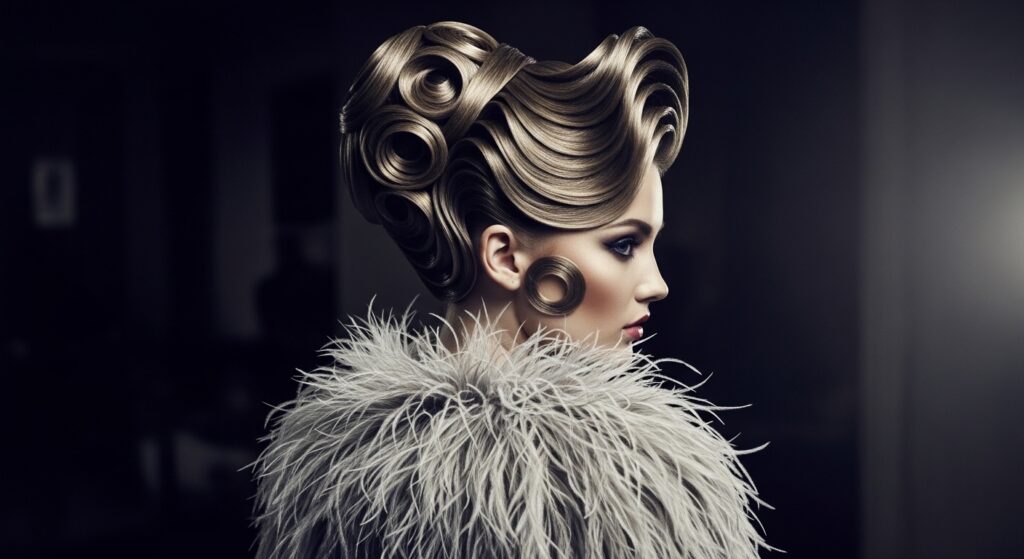
Method 20: The Multi-Tiered Wave Updo. Create waves in distinct horizontal tiers from the forehead to the nape. Each tier is pinned up separately, creating a staircase effect of waves at the back of the head.
Method 21: The Ornamental Hair Net Weave. After creating a simple waved bun, cover it with a decorative, beaded hair net. Weave strands of hair or ribbons through the netting for an exceptionally detailed, vintage-accurate finish.
Method 22: The “Waterfall” Wave with Loose Curls. A romantic variation. The top and sides are tightly waved, but the back is left in long, loose pin curls that cascade over the shoulders, blending structure with softness.
Sealing the Style: Tips for Lasting Flapper Glamour
Creating these looks is an achievement; making them last is the final act. Once your chosen updo is pinned perfectly, mist lightly with a strong-hold hairspray. For extra hold on pin curls or loose waves, use a light-hold lacquer. A tiny amount of pomade or hair wax rubbed between your fingertips can be smoothed over flyaways for a polished, period-correct shine.
Remember, the 1920s look embraced a certain sleekness and control. Don’t be afraid to re-clip a wave that’s fallen or tuck in a stray pin. The goal is intentional artistry. To truly immerse yourself, pair your updo with dark kohl eyeliner, a cupid’s bow lip, and a string of pearls. You’re not just wearing a hairstyle; you’re channeling an era of unprecedented freedom and creative expression.From the basic Marcel to the multi-tiered updo, these 22 1920s finger wave methods offer a spectrum of ways to capture the flapper spirit. It’s more than nostalgia; it’s a celebration of hair as art. So go ahead, get waving, and let your inner flapper roar.