21 Lowlights Techniques for Depth and Richness
In the world of hair color, everyone chases the sun-kissed glow of highlights. But what if the secret to truly breathtaking, multi-dimensional hair isn’t about adding more light, but about strategically weaving in shadows? Enter lowlights, the unsung hero of depth and richness. While highlights lift and brighten, lowlights deposit deeper, richer tones to create contrast, movement, and a sense of profound realism. They are the magic trick that turns flat, one-dimensional color into a living, breathing masterpiece. Whether you’re a brunette craving warmth, a blonde seeking root-smudged sophistication, or a redhead wanting fiery depth, mastering lowlights is key. This guide delves into 21 essential lowlights techniques that professional colorists use to create stunning, head-turning dimension.
Understanding the Lowlights Foundation
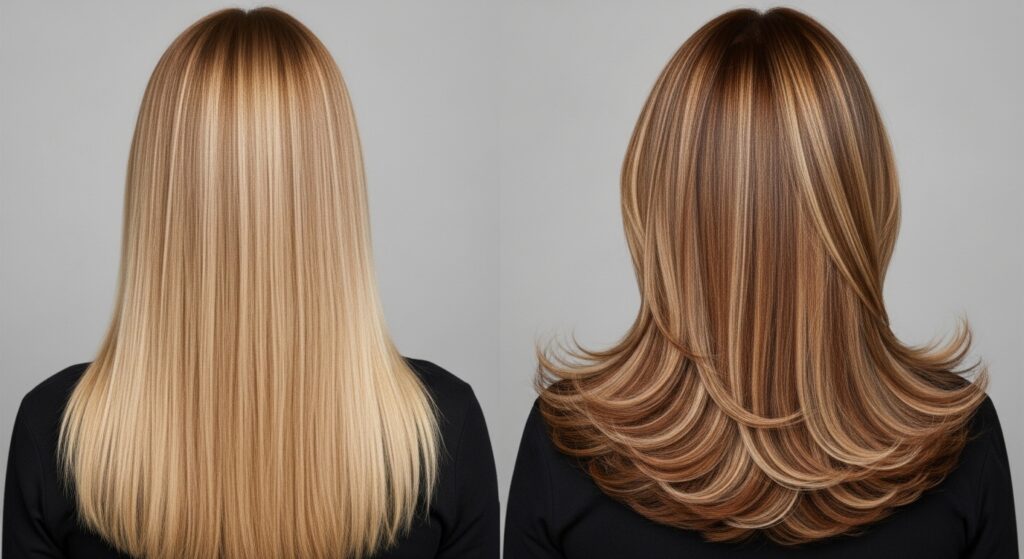
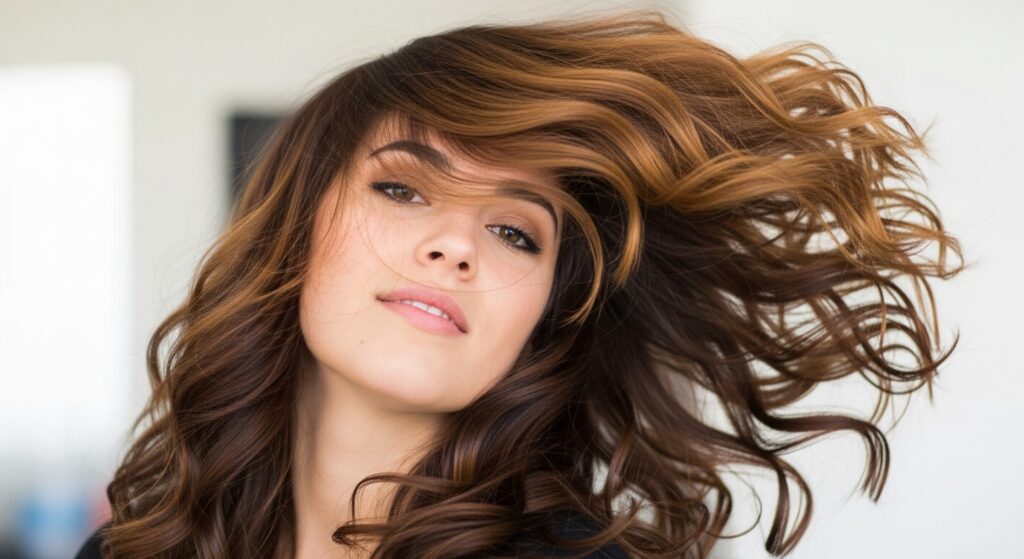
Before we dive into the techniques, let’s establish what lowlights truly are. A lowlight is a section of hair colored one to three shades darker than your base color. Unlike highlights, which require lightening, lowlights involve depositing color. This makes them a gentler, often more conditioning process. Their primary purpose is to create optical depth. By mimicking the natural shadow variations found in hair, lowlights make color look more authentic, add volume to fine hair, and can even help blend grays seamlessly. Think of them as the contour to your highlight’s highlighter.
Classic Weaving & Slicing Techniques
These foundational methods are the bread and butter of dimensional coloring, offering controlled, beautiful results.
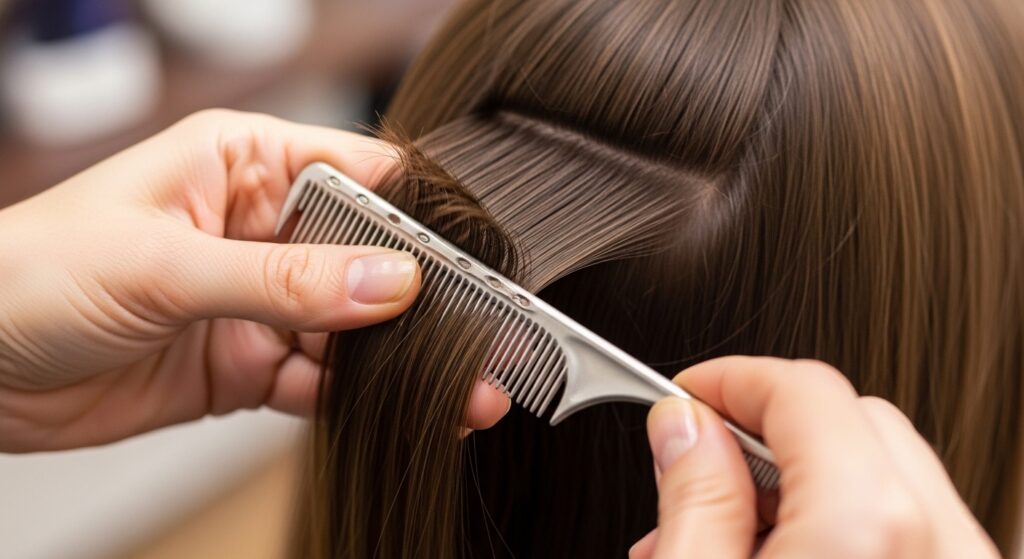
1. Traditional Weaving: Using a tail comb, the colorist “weaves” out fine, alternating sections of hair before applying the lowlight color. This creates a soft, blended, and natural effect with no harsh lines.
2. Fine Slicing: Similar to weaving but with even thinner, more precise slices of hair. This is perfect for creating subtle, painterly detail and is often used around the face for framing.
3. Chunking: The opposite of fine slicing. Larger, more defined sections are colored to create bold, statement-making ribbons of deeper color. Ideal for those who love a more dramatic contrast.
4. Panel Lowlighting: Concentrating lowlights on a specific, larger panel of hair (like the underlayer or a front section) to create a bold peek-a-boo effect or face-framing block.
Blended & Root-Focused Techniques
These methods prioritize seamless growth and a lived-in, low-maintenance elegance that clients adore.
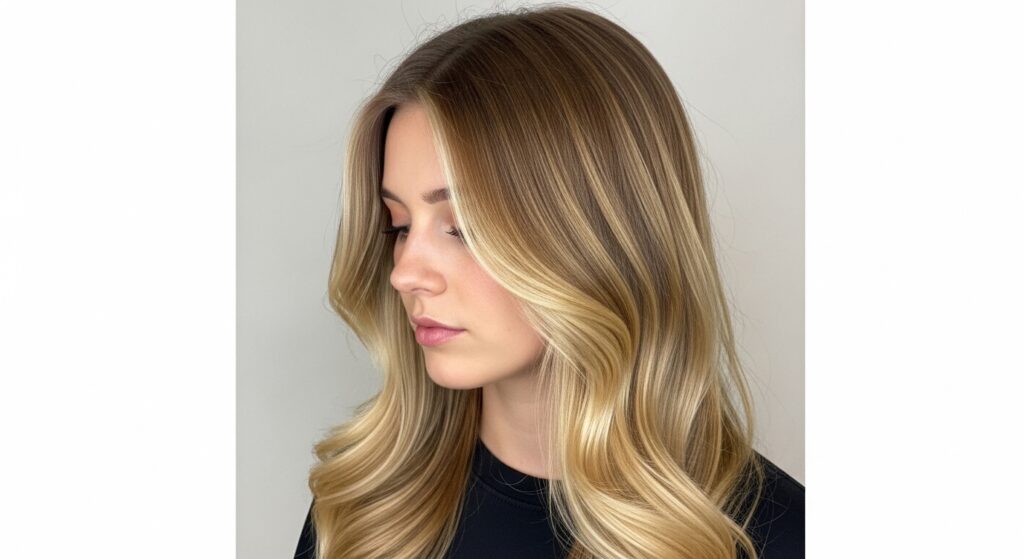
5. Root Smudging: A diffused, soft application of lowlight color directly at the root area, blurred downward to erase any harsh line of demarcation. It’s the ultimate low-maintenance color technique.
6. Root Melting: Similar to smudging but often using a shade closer to the natural root, “melting” it into the mid-lengths to create a seamless, shadowy transition from root to ends.
7. Shadow Roots: A more intentional, slightly wider band of lowlight color at the root. It creates an edgy, grounded look and makes grow-out look stylish on purpose.
8. Balayage Lowlights: Using the freehand painting technique to sweep lowlight color onto the mid-lengths and ends, creating a sun-kissed effect in reverse—like natural, shadowy depth.
Modern & Artistic Application Methods
Pushing the boundaries of traditional application, these techniques offer bespoke, artistic results.
9. Babylights with Lowlights: Combining ultra-fine highlights with equally fine lowlights. This creates an incredibly detailed, natural-looking dimension, mimicking the subtle variations in a child’s hair.
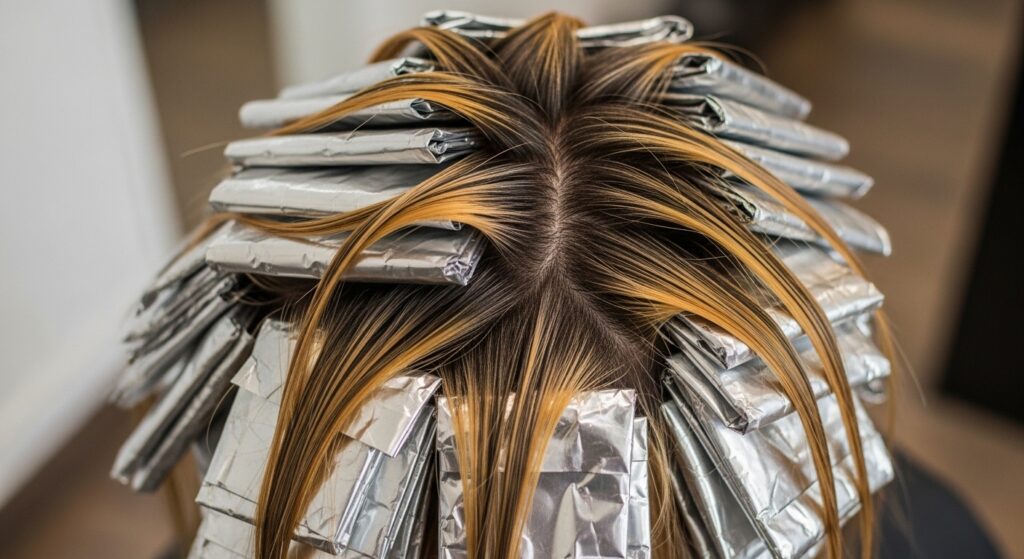
10. Foilyage: A hybrid of foils and balayage. Lowlight color is painted on in a balayage style but then wrapped in foil for more controlled lift or deposit saturation, ideal for harder-to-take shades.
11. Teasy Lights: The colorist backcombs (teases) the top section of a subsection before applying color to the smoothed-out ends. This creates a perfectly diffused, soft regrowth line that’s incredibly natural.
12. Flamboyage: Using specialty tapes or sheets to create a highlighted effect, but with lowlights. It allows for precise, geometric placement of darker tones for a modern, graphic look.
Techniques for Specific Color Goals
Lowlights are not one-size-fits-all. Use these targeted approaches to solve specific color challenges.
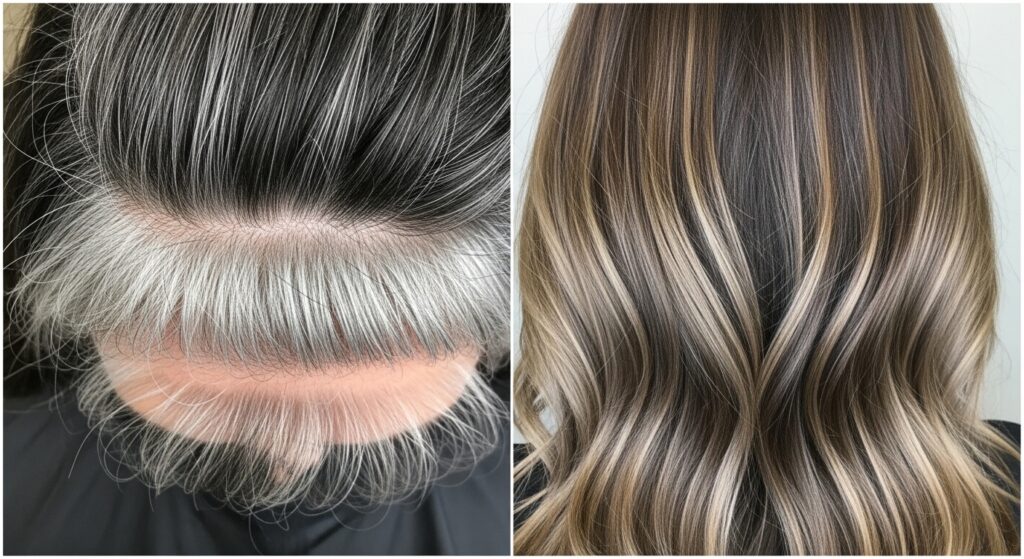
13. Gray Blending Lowlights: Using cool-toned or ash lowlights that match the natural gray’s undertone to blend and camouflage regrowth, creating a sophisticated salt-and-pepper effect.
14. Depth Restoration for Over-Lighted Hair: Strategically placing lowlights throughout hair that has become too bright or brassy to reintroduce missing depth and neutralize unwanted warmth.
15. Brunette Brightening: It sounds counterintuitive, but adding cooler, darker lowlights like mocha or espresso next to caramel highlights makes the brighter pieces pop more, creating overall luminosity.
16. Redhead Dimension: Adding auburn, chocolate, or burgundy lowlights to copper or strawberry blonde bases to prevent a flat, “all-over” red and build fiery, multi-tonal richness.
Creative Placement & Effect Techniques
For the client seeking something truly unique, these placement strategies create wow-factor dimension.
17. Money Piece Lowlights: Instead of the classic bright face-framing highlight, use a deeper, contrasting lowlight shade (like a rich chestnut on a honey base) to create a bold, framing contour.
18. Underlighting: Concentrating lowlights exclusively on the bottom layers of hair. When hair moves, it reveals surprising, subtle depth—a hidden secret of color.
19. Ribboning: Placing lowlights in horizontal, ribbon-like patterns throughout the hair. This technique catches the light in a unique way, creating bands of rich color.
20. Dimensional Ombré/Sombré: Using lowlights in the transition zone of an ombré to create a more gradual, natural fade from dark roots to lighter ends, avoiding a stark two-tone look.
21. Pixelated Lowlights: A very technical, pointillism-inspired method where tiny dots or “pixels” of lowlight color are placed throughout for an ultra-modern, speckled dimension.
Choosing Your Perfect Lowlight Technique
With 21 techniques at your disposal, the choice depends on your desired outcome, hair type, and maintenance level. For a natural, blended look, focus on weaving, slicing, and root techniques. For bold, fashion-forward style, explore chunking, paneling, or creative placement like ribboning. Always consult with a professional colorist who can assess your hair’s condition, history, and your personal aesthetic. Bring inspiration photos that showcase not just color, but the pattern of the dimension you love.
Lowlights are the definitive tool for adding sophistication, richness, and realism to hair color. They move beyond simple color application into the realm of optical artistry, playing with light and shadow to create a living canvas. By understanding and utilizing these 21 lowlights techniques, you can unlock a world of depth that makes hair look not just colored, but truly captivating. Embrace the shadow, and watch your hair color come to life with unparalleled richness.