17 Chestnut Brown Techniques with Multi-Dimensional Depth
Forget flat, one-dimensional color. The true magic of chestnut brown lies in its incredible versatility and inherent warmth, capable of transforming from a rich, earthy neutral into a luminous, complex statement. This isn’t just a shade; it’s a spectrum of possibilities, a foundation for depth and drama. Whether you’re a stylist crafting the perfect brunette, a designer seeking a cozy yet sophisticated palette, or an artist playing with light and shadow, mastering chestnut brown is an essential skill.
This guide delves into 17 specialized techniques across various disciplines to help you move beyond the basic brown. We’ll explore how to build, layer, and accentuate chestnut to create finishes that are alive with movement and rich with multi-dimensional depth. Prepare to see this classic color in a completely new light.
Hair Color Mastery: The Art of the Brunette Glow
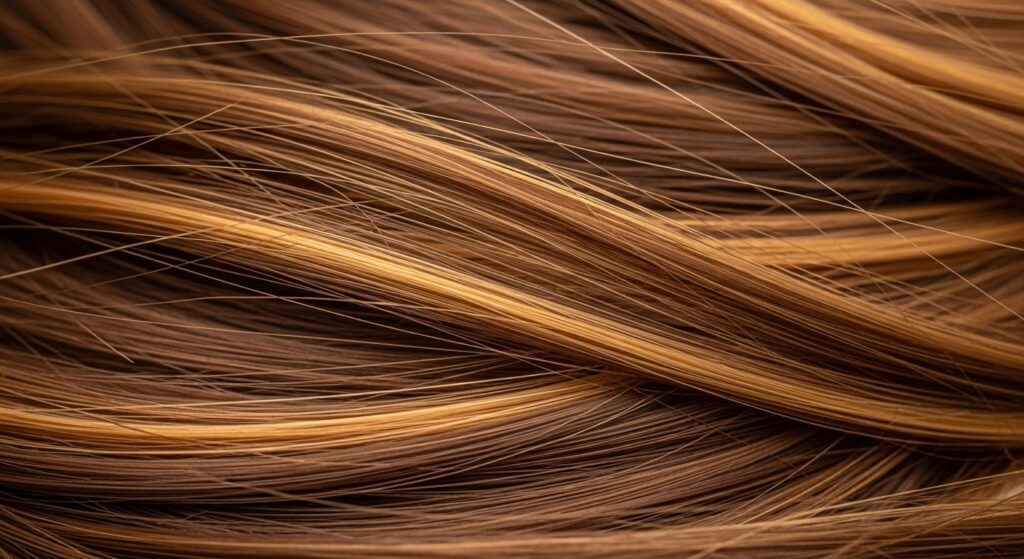
In the world of hair color, chestnut brown is the ultimate canvas. It provides a perfect mid-tone base that allows both lighter and darker accents to sing. The goal is to mimic the natural, sun-kissed variation seen in hair that hasn’t been touched by dye.
1. Balayage on a Chestnut Base
Instead of the classic blonde balayage, paint honey or caramel tones onto a chestnut base. The hand-painted technique creates a soft, natural gradient that grows out gracefully, adding immense depth and light to the mid-lengths and ends.
2. Dimensional Foilyage
A hybrid of balayage and foiling. After painting highlights, some sections are wrapped in foil to allow for more pronounced lift in select areas. This creates a spectrum of lightness within the chestnut, from subtle brightness to bold, face-framing streaks.
3. Chestnut Melt (Root Smudging)
For a low-maintenance, shadowy depth, a “melt” technique is used at the roots. A darker shade, like espresso or chocolate, is blended seamlessly into the chestnut base at the root area. This erases harsh lines, adds richness at the crown, and makes regrowth less noticeable.
4. Ribbon Highlights & Lowlights
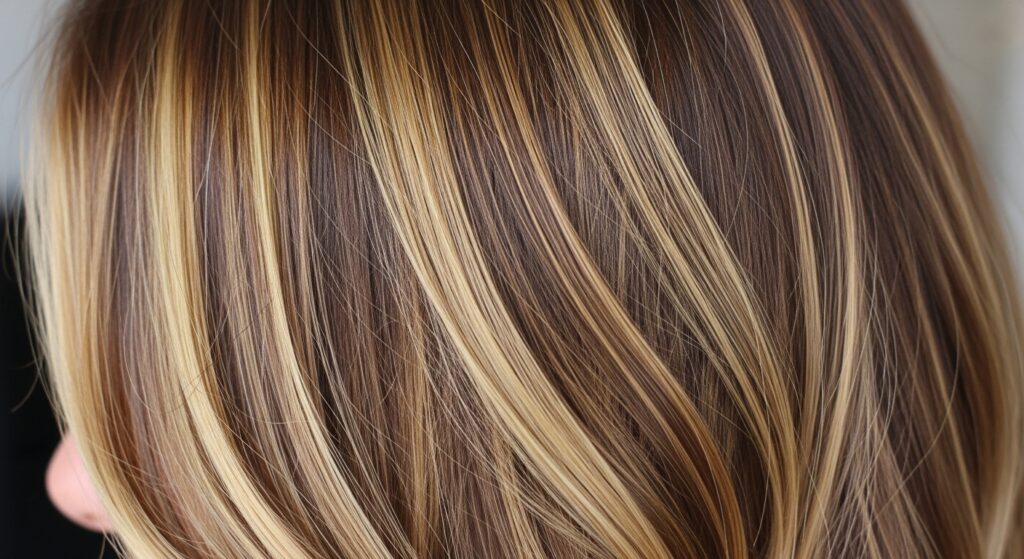
This is the classic technique for multi-dimensionality. Alternate fine ribbons of lighter golden brown (highlights) and darker cool brown (lowlights) throughout the chestnut base. The interplay of tones creates movement and body that catches the light from every angle.
5. Glossing Treatment for Depth
A clear or tinted gloss over chestnut brown hair is a game-changer. It smooths the cuticle, intensifies the existing tones, and adds incredible shine. A caramel-toned gloss will warm it up, while a neutral gloss will enhance its natural richness, making the color look freshly dyed and deeply saturated.
Interior Design & Paint: Warming Your Space
Chestnut brown in interior design evokes warmth, stability, and organic elegance. The key to avoiding a flat or dreary look is to play with texture, sheen, and complementary hues.
6. Layered Textural Walls
Use a chestnut-brown paint with a matte or chalk finish on one wall. On an adjacent wall or on trim, use the same base color but in a satin or eggshell finish. The difference in light reflection creates subtle depth and dimension, making the color feel more dynamic.
7. The Ombre Wall Effect
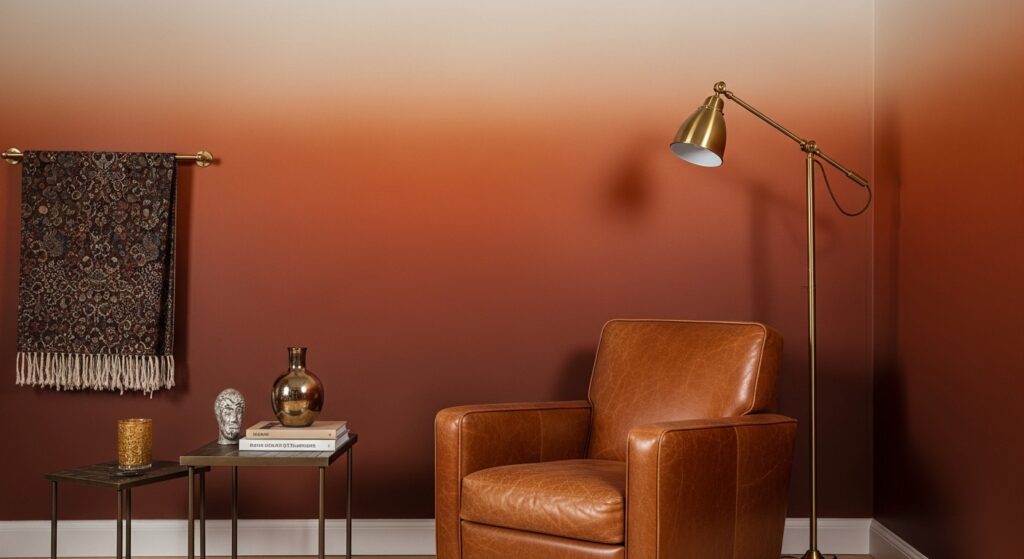
Create a stunning focal point by blending a darker chestnut at the bottom of a wall into a lighter, warmer taupe or beige at the top. This vertical gradient adds height, drama, and a custom, artistic feel to any room.
8. Wood Stain Blending
For wood floors or furniture, don’t settle for one stain. Apply a base coat of a medium chestnut stain. Once dry, lightly rub a darker walnut stain into the grooves and edges, and a lighter golden oak on the raised surfaces. This hand-rubbed technique reveals incredible grain detail and depth.
9. Metallic Accent Pairing
Chestnut brown provides a gorgeous backdrop for metallics. Brushed gold or copper accents in lighting, hardware, or decor will warm the brown and make it feel luxurious. For a cooler, more modern look, pair with aged brass or pewter.
Fashion & Makeup: Wearing the Earthy Tone
Incorporating chestnut brown into your wardrobe and beauty routine is about creating contrast and playing with light-reflective properties.
10. Fabric Mixology
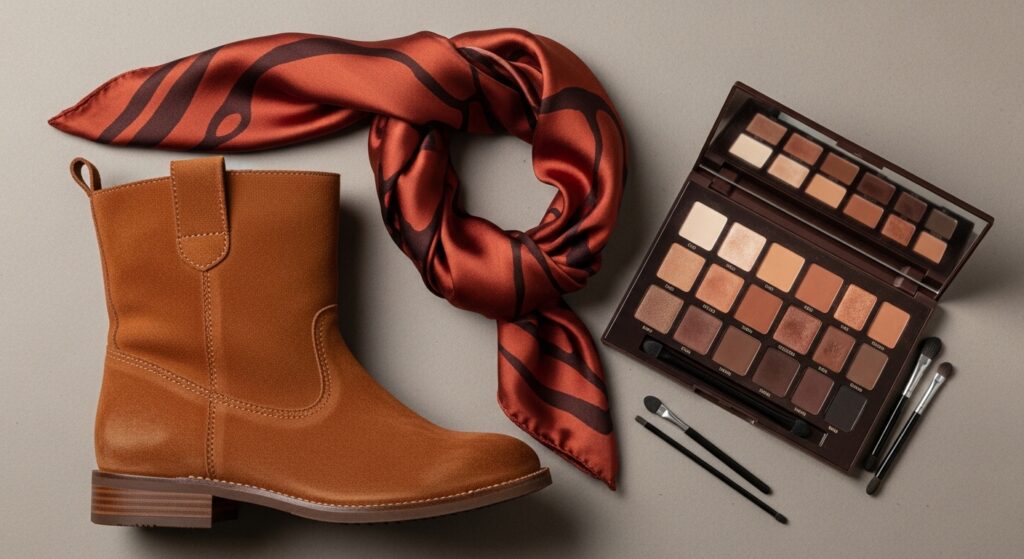
Combine different fabrics in the same chestnut family. Pair a matte suede skirt with a silk satin blouse in a similar shade. The suede absorbs light, while the silk reflects it, creating a sophisticated, multi-textural look that’s far from monotonous.
11. Monochromatic Makeup with Dimension
Create a stunning eye look using a chestnut brown eyeshadow palette. Use a matte, medium chestnut in the crease for depth. Pat a shimmering, lighter bronze on the lid to catch the light. Finally, line the eyes with a deep, espresso brown for definition. This three-tone technique adds serious dimension to the eyes.
12. Leather & Shearling Combination
A chestnut brown leather jacket gains incredible depth when paired with shearling or faux fur trim in a slightly contrasting tone (like camel or taupe). The combination of the hard, shiny leather and the soft, matte shearling creates a tactile and visual feast.
Artistic & Digital Applications
For artists and designers, chestnut brown is a vital tool for creating realism, warmth, and shadow.
13. Glazing in Painting
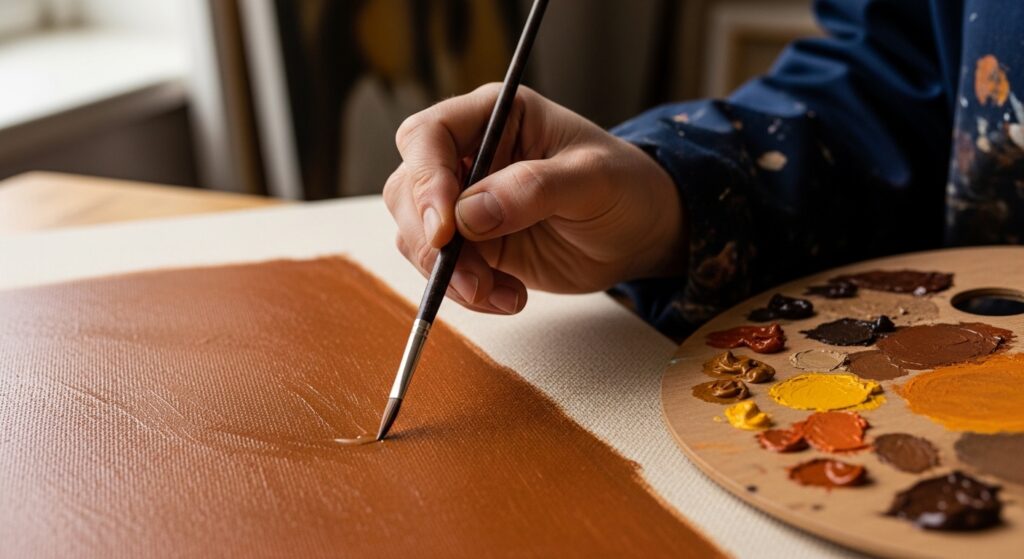
In oil or acrylic painting, build up chestnut tones through glazing. Apply thin, transparent layers of color over one another. A base of burnt sienna, followed by a glaze of transparent brown oxide, and finally a touch of alizarin crimson in shadow areas, will create a brown that has unparalleled luminosity and depth, as light travels through the layers and reflects back.
14. Colored Pencil Layering
To avoid a waxy, flat look, layer multiple brown pencils. Start with a light tan, add a layer of golden brown, then use a sharp chestnut pencil for detail and an indigo or dark purple in the deepest shadows. This method creates a rich, complex color that feels alive.
15. Digital Shading with Overlay Layers
In digital art, create a base chestnut color. Then, on a new layer set to “Overlay” or “Soft Light,” paint with a soft brush using a warm orange on areas you want to highlight and a cool blue-grey in shadow areas. This non-destructive technique adds instant, controllable dimension.
The Finishing Touches: Universal Techniques
These final two techniques are about the power of context and contrast, applicable to any field.
16. Strategic Light Placement
Depth is nothing without light. In interiors, use directional lighting (like a picture light or angled track light) to graze across a chestnut brown textured wall or a piece of furniture. The raking light will exaggerate every texture, creating long shadows and bright highlights that define the multi-dimensional quality of the surface.
17. The Power of the Complementary Pop
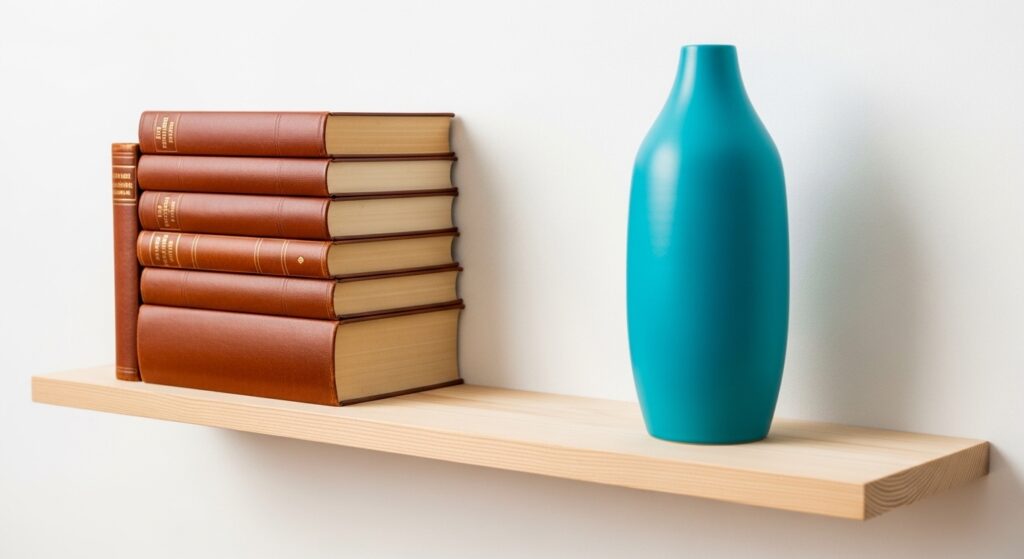
Make your chestnut brown look richer and deeper by placing it next to its complementary color: shades of blue. A chestnut brown sofa against teal blue walls, a chestnut leather bag with navy clothing, or a chestnut wood table with cobalt blue ceramics. The contrast makes the warmth of the brown “pop” and appear more vibrant and defined.
Embracing the Depth of Chestnut Brown
As we’ve explored, chestnut brown is far from a simple, flat color. It is a chameleonic medium for creativity. Its beauty is unlocked not by using it alone, but by understanding how to build, layer, and contrast it. From the delicate ribbons of color in a hairstyle to the bold complementary clash in a living room, the journey to multi-dimensional depth is about intentional variation.
We encourage you to take these 17 techniques as a starting point. Experiment, mix disciplines, and observe how light interacts with this wonderfully warm and earthy tone. Whether you’re holding a brush, a dye bottle, or a fabric swatch, remember that the goal is to create a story—a visual narrative where light and shadow play across a rich chestnut canvas, revealing new details with every glance. That is the true power of depth.