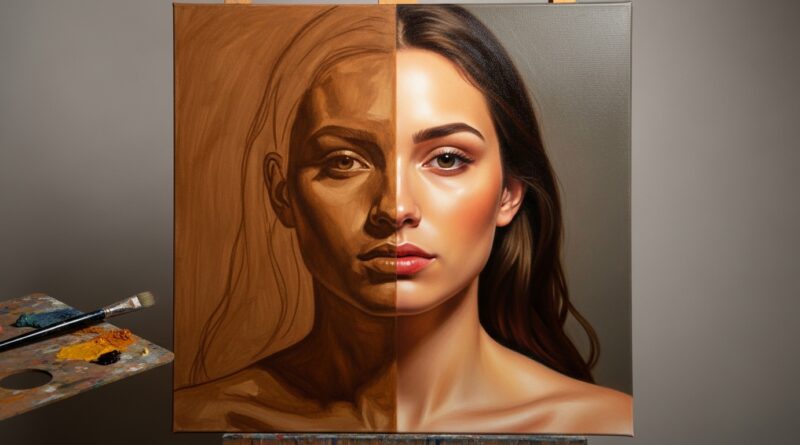
17 Brush Stroke Placement Ideas for Modern Dimension
In the world of painting, the magic often lies not just in the color or the stroke itself, but in where you choose to place it. Thoughtful brush stroke placement is the secret language of dimension, guiding the viewer’s eye and creating a palpable sense of space, texture, and energy on a flat surface. Moving beyond simple technique, strategic placement is what transforms a competent painting into a captivating, modern masterpiece.
1. The Directional Flow: Leading the Eye
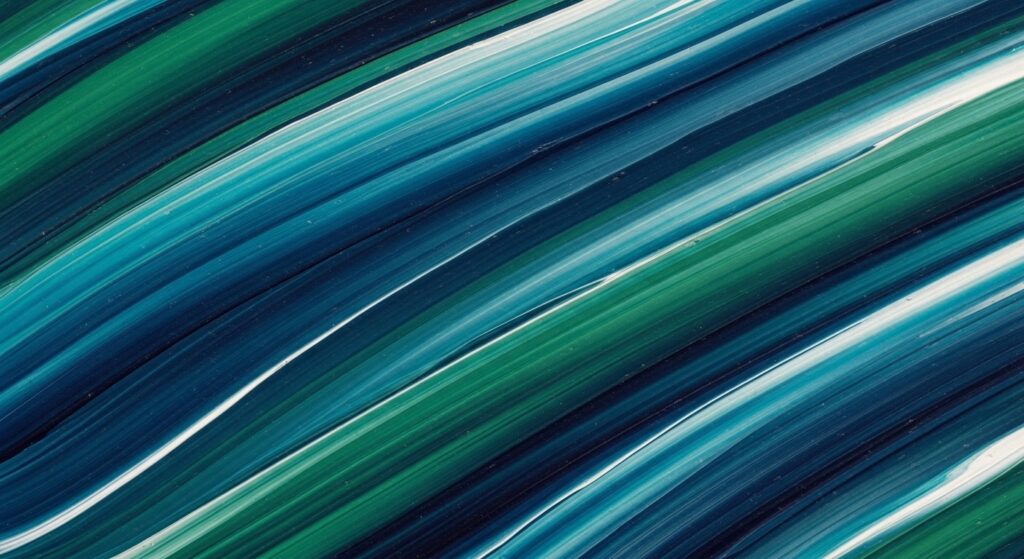
Use deliberate, directional strokes to create invisible pathways across your canvas. Imagine painting a windswept field; instead of random dabs of green, use longer, horizontal strokes that all lean in one direction. This not only suggests wind but also guides the viewer’s gaze on a deliberate journey through your composition. Apply this to water, hair, or architectural elements to imply motion and establish a rhythmic flow.
2. Edgework for Definition and Softness
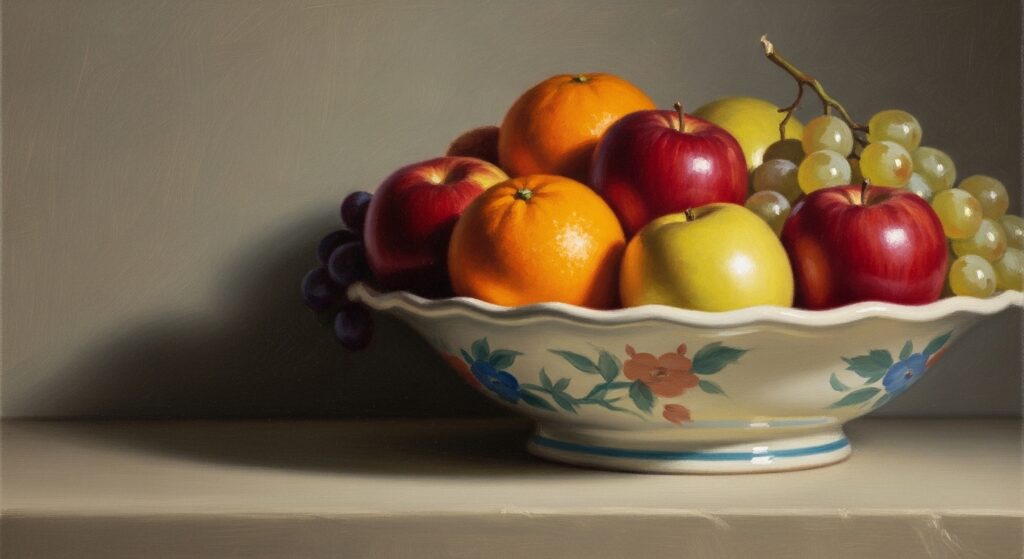
Modern dimension thrives on the interplay between hard and soft edges. Place crisp, definitive strokes along key structural lines—the sharp rim of a vase, a rooftop against the sky. Then, intentionally soften adjacent strokes where forms recede or blend, like where a cheek curves into shadow. This controlled variation in edge quality creates immediate spatial hierarchy, making some elements pop forward and others sink back.
3. Clustering for Visual Weight
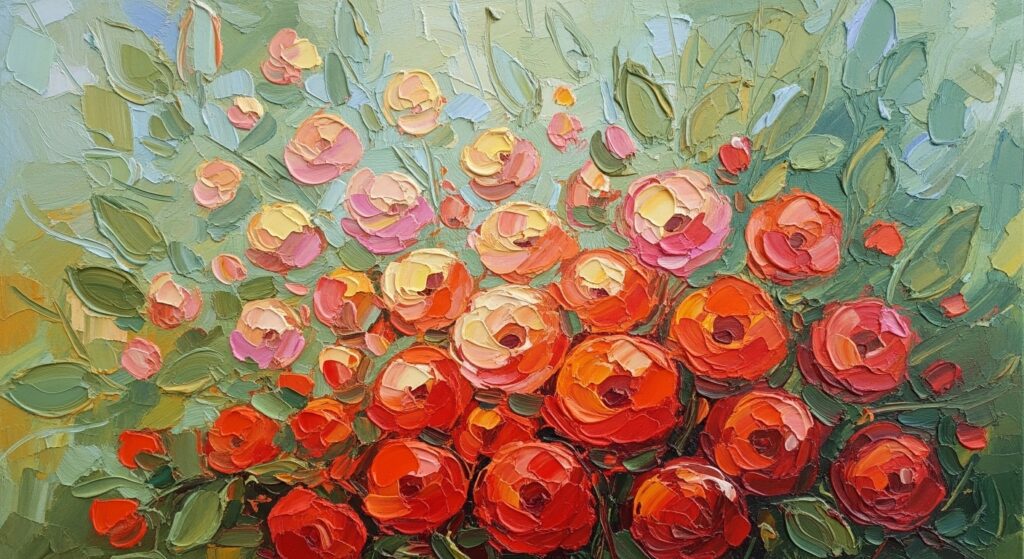
Group your brush strokes into dense clusters or “nodes” of activity. In an abstract piece, a tight cluster of impasto strokes in one corner creates a focal point of heavy texture and visual weight. In a landscape, cluster detailed strokes (like leaves or rocks) in the foreground, and use more sparse, generalized strokes for the background. This clustering naturally mimics how our eyes focus, enhancing depth perception.
4. Isolated Strokes for Emphasis
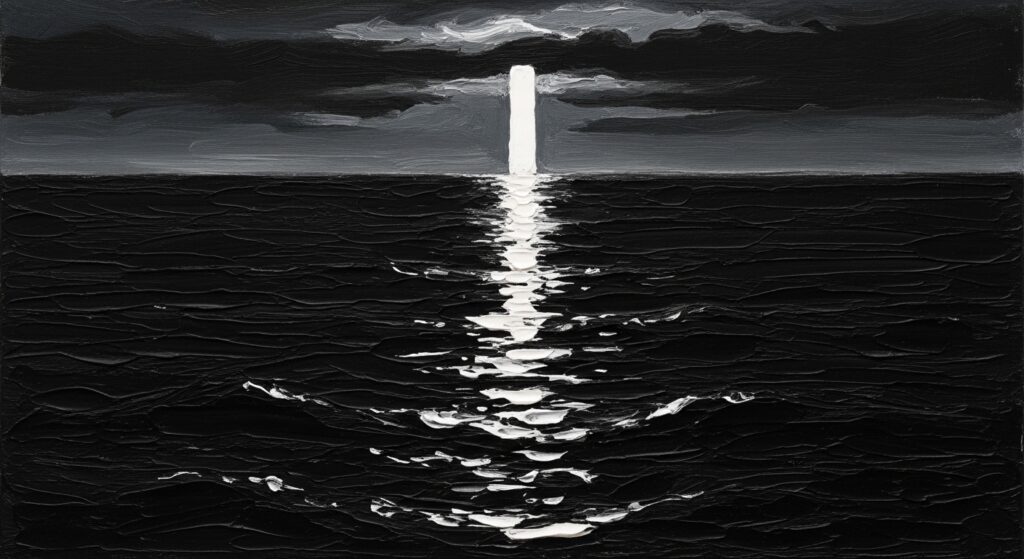
The power of a single, isolated stroke is profound. One bold, unexpected mark placed on an otherwise calm area can act as a dynamic accent. Think of a single, sharp stroke of pure white on a dark, blended background to suggest a distant star or a highlight on an eye. This creates dimension through stark contrast and deliberate focus, pulling that specific point forward in space.
5. Layering for Atmospheric Depth
Build your painting in transparent or semi-transparent layers, letting underlying strokes peek through. Place energetic, colorful strokes in your first layer. As you add subsequent layers, use softer, perhaps cooler or less saturated strokes, allowing the underlayers to show in broken passages. This creates a luminous, complex depth that flat, opaque painting cannot achieve, perfect for modern landscapes or expressive portraits.
6. Negative Space Activation
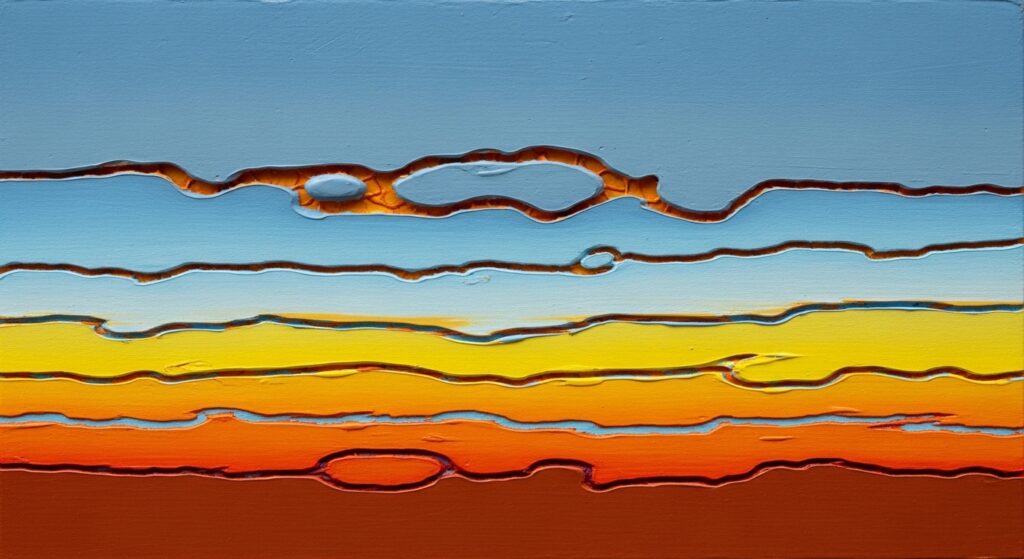
Don’t just paint the object; paint around it. Use strokes that define the subject by shaping the negative space. For example, when painting a tree, use the sky color to carve out the intricate shapes of the branches with deliberate strokes. This shifts your placement strategy to the spaces between, creating a more sophisticated and dimensionally locked-in subject.
7. Cross-Contouring for Form
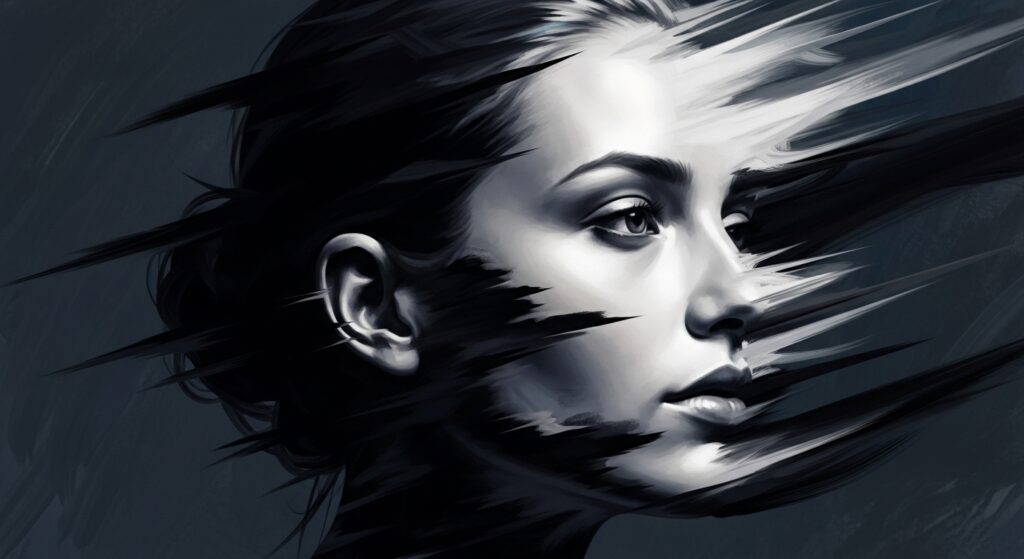
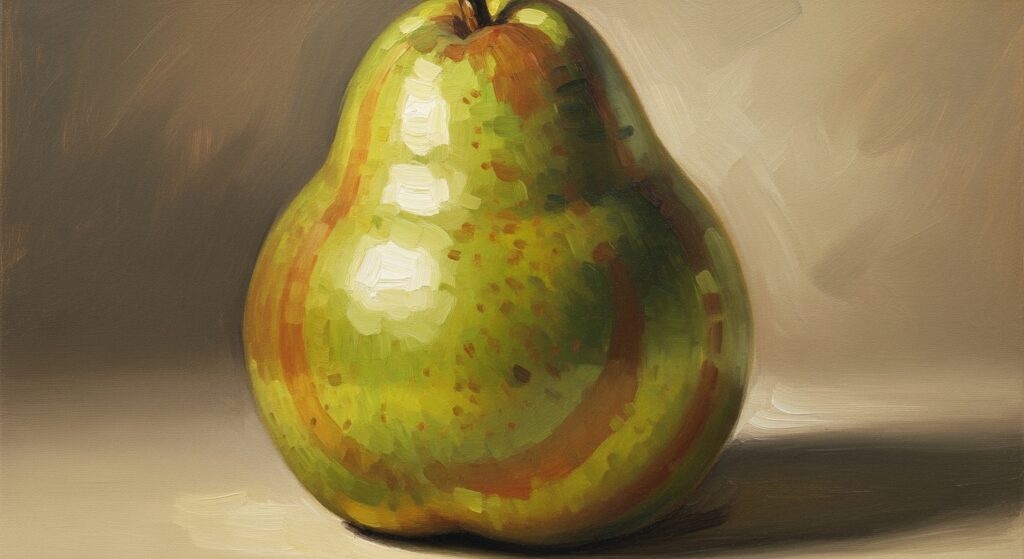
Borrow from drawing techniques and place your strokes along the imagined cross-contours of a form. When painting an apple, instead of smooth blends, use curved strokes that wrap around its shape. This explicitly describes volume and three-dimensional form, making objects feel solid and tangible. It’s a fantastic way to add structural dimension to both representational and abstract work.
8. Gradient Placement for Transitions
Create seamless dimension by placing strokes in a gradient sequence. Transition from warm to cool colors, dark to light values, or saturated to muted tones using strokes that gradually change in property. This is ideal for painting skies, smooth surfaces, or subtle shadows, where a hard edge would break the dimensional illusion.

9. Scumbling for Textural Mystery
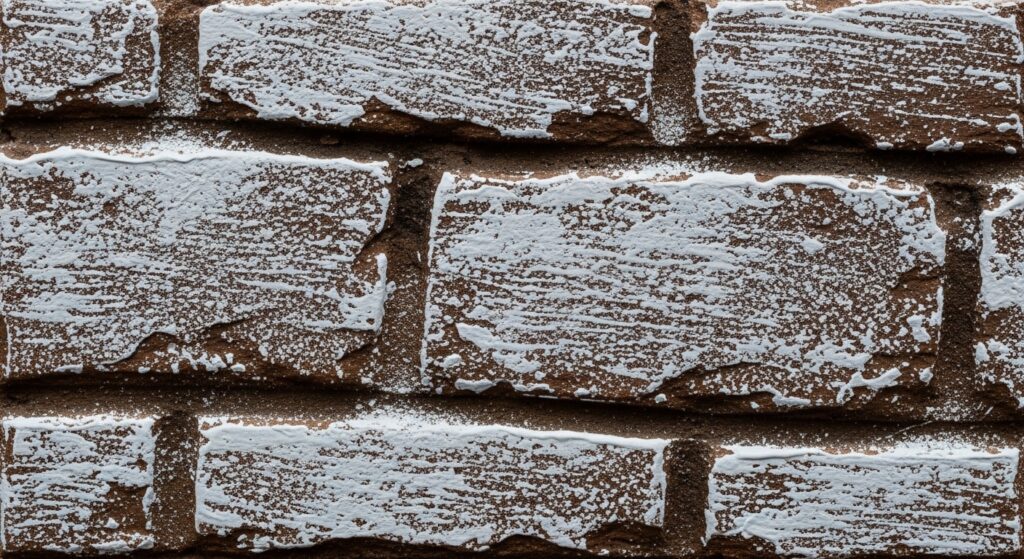
Place a broken, dry-brush layer (scumble) over a dry, underlying color. Drag a barely-loaded brush lightly across the surface, allowing the base layer to show through in a speckled, textured effect. This is perfect for adding dimensional texture to surfaces like old walls, stone, skin, or distant foliage. It creates a complex optical mix that feels deep and tactile.
10. Impasto Pockets for Tactile Dimension
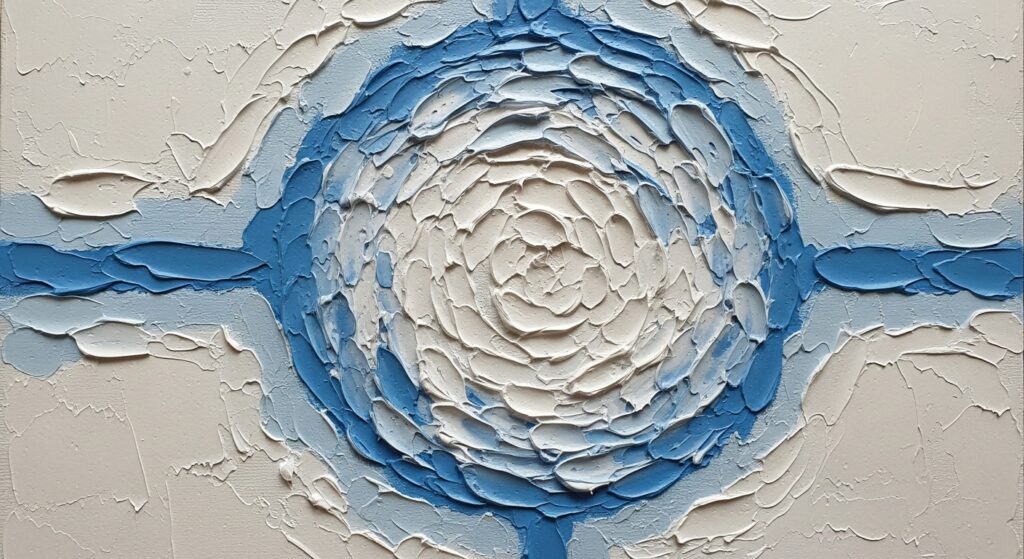
Use a palette knife or heavy brush to place thick, buttery paint (impasto) in specific, raised pockets. Reserve this for areas you want to bring physically forward off the canvas: sunlight hitting a wave crest, the center of a flower, or jewelry on a portrait. The real shadow cast by the thick paint interacts with changing light, adding a dynamic, modern sculptural element.
11. Lost-and-Found Edges with Stroke Variation
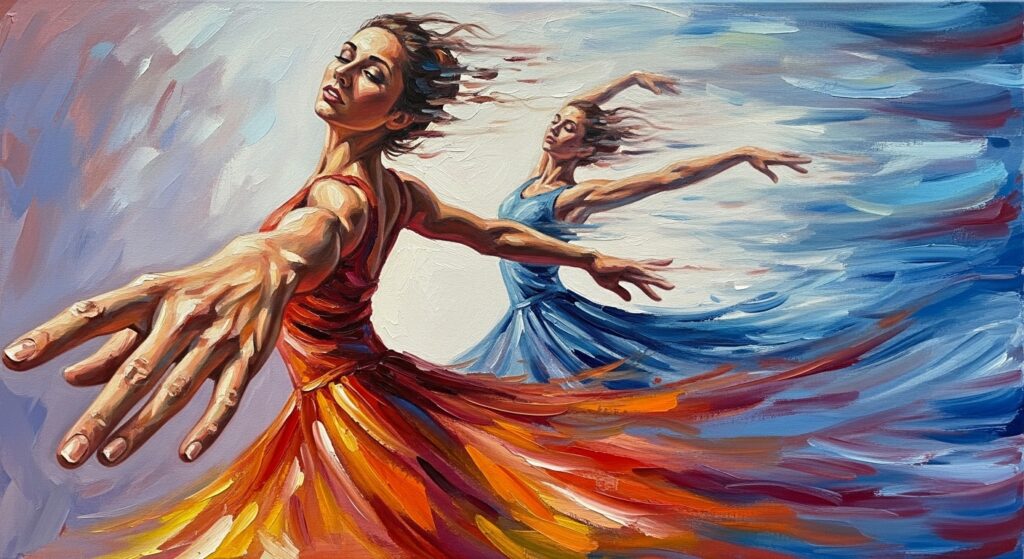
Create intrigue and depth by letting some edges dissolve. Place a stroke that clearly defines a shape, then let the next stroke be more vague, allowing the form to merge with the background. This “lost-and-found” edge technique, achieved through strategic stroke placement, forces the viewer’s eye to complete the form, creating engaging depth and movement.
12. Radial Placement for Energy
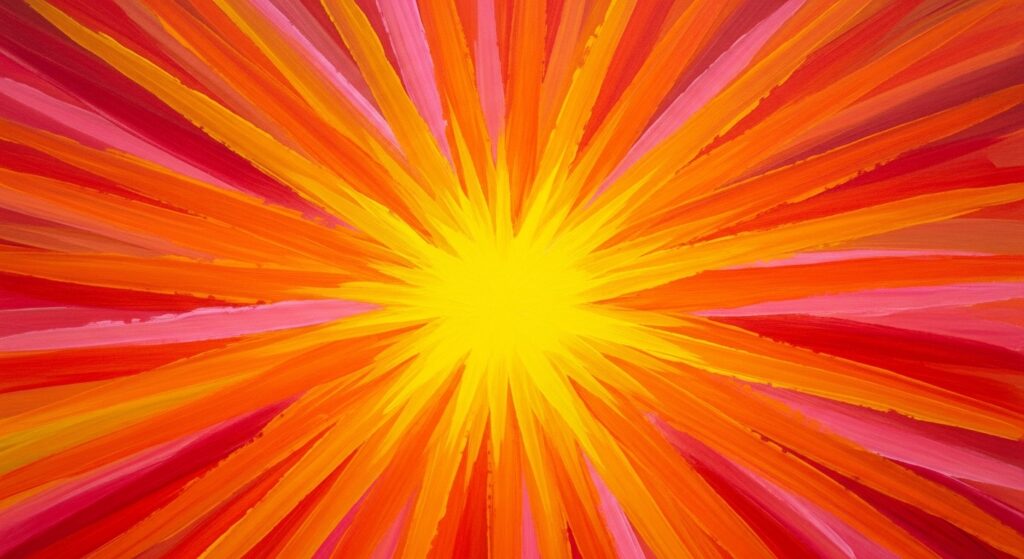
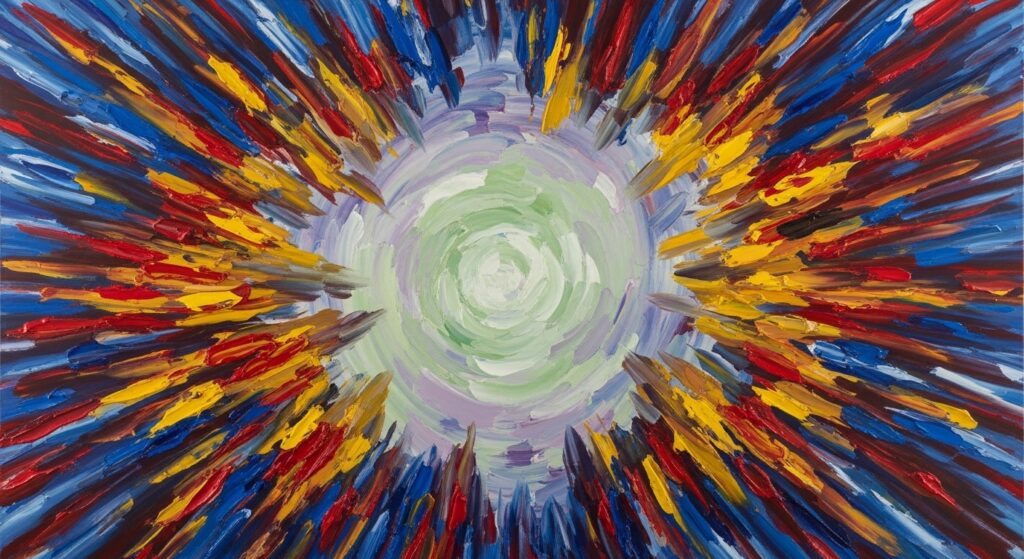
Arrange strokes in a radial pattern, emanating from a central point. This could be the sun, a streetlamp, or an abstract focal point. The strokes act like rays, creating a powerful sense of explosive energy or radiating light. This placement naturally creates dimension by suggesting outward movement from a deep source point within the picture plane.
13. Stippling for Optical Mixing and Depth
Place countless small dots or dabs of pure color close together. From a distance, the eye optically mixes them to perceive a new color and form. This pointillist technique, when used in specific areas (like a field of flowers or dappled light), creates a shimmering, vibrant depth that feels alive with light and air.
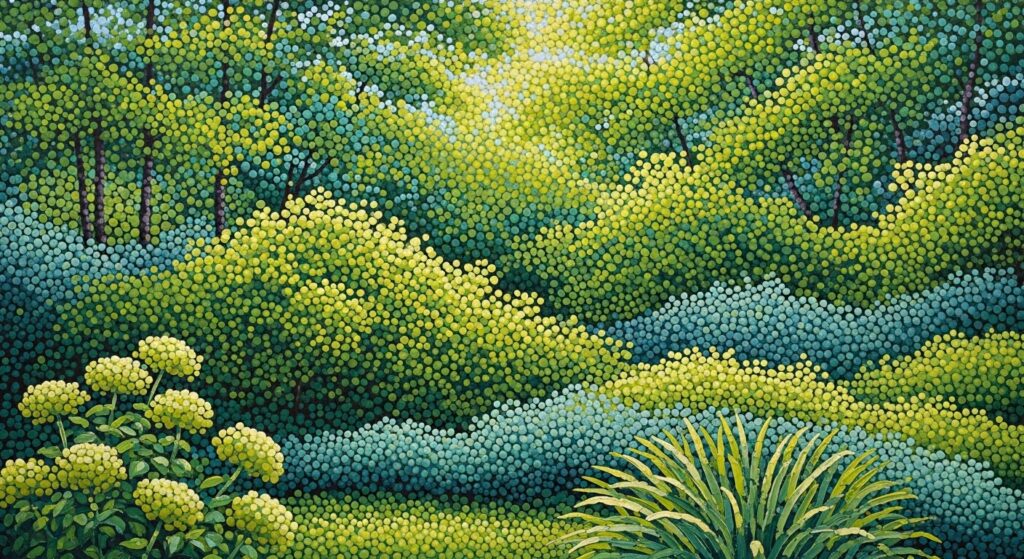
14. Calligraphic Lines for Dynamic Accents
Incorporate single, fluid, calligraphic lines with the edge of your brush or a liner tool. Place these swift, confident strokes to suggest delicate grasses, hair strands, electrical wires, or abstract gestures. These linear elements cut through space and add a layer of graphic dimension, contrasting beautifully with broader, painterly areas.
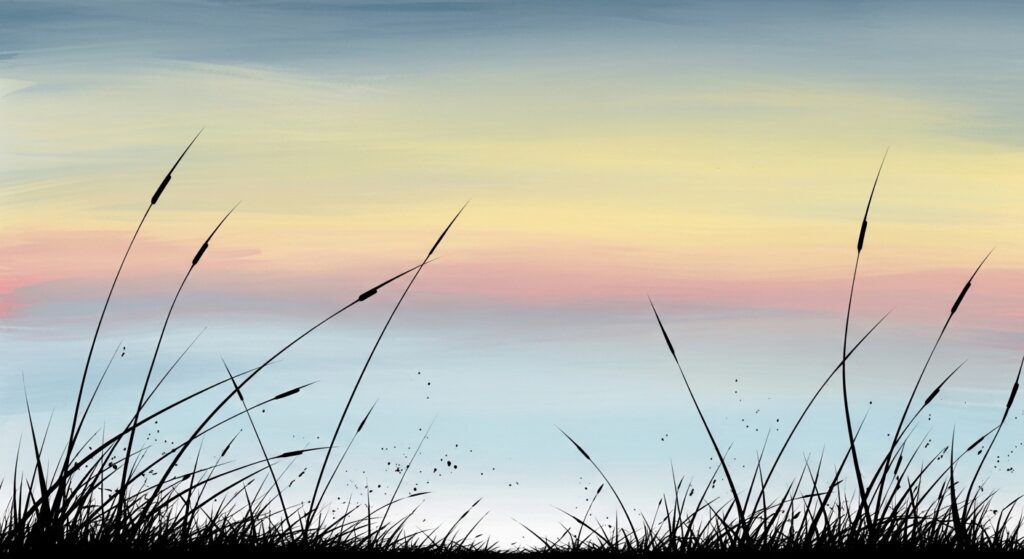
15. Underpainting as a Dimensional Map
Your very first layer of strokes should be a strategic placement for dimension. Use a complementary color or a tonal grisaille to map out lights and darks with bold strokes. As you paint over it, allow this underpainting to show through in shadow areas. This creates a color harmony and depth structure that unifies the entire painting.
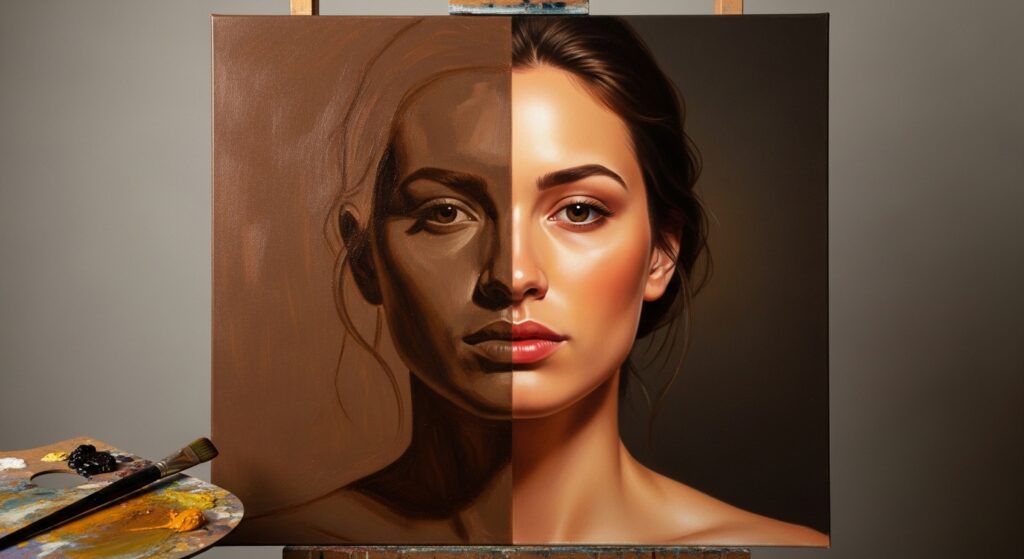
16. Sgraffito for Revealing Layers
After placing a wet top layer, use the wrong end of your brush or a tool to scratch through it, revealing the color beneath. Place these scratched lines to suggest highlights on water, texture on bark, or fine details. This technique adds a crisp, linear dimension and a surprise element of the hidden layer below, emphasizing the painting’s history and depth.
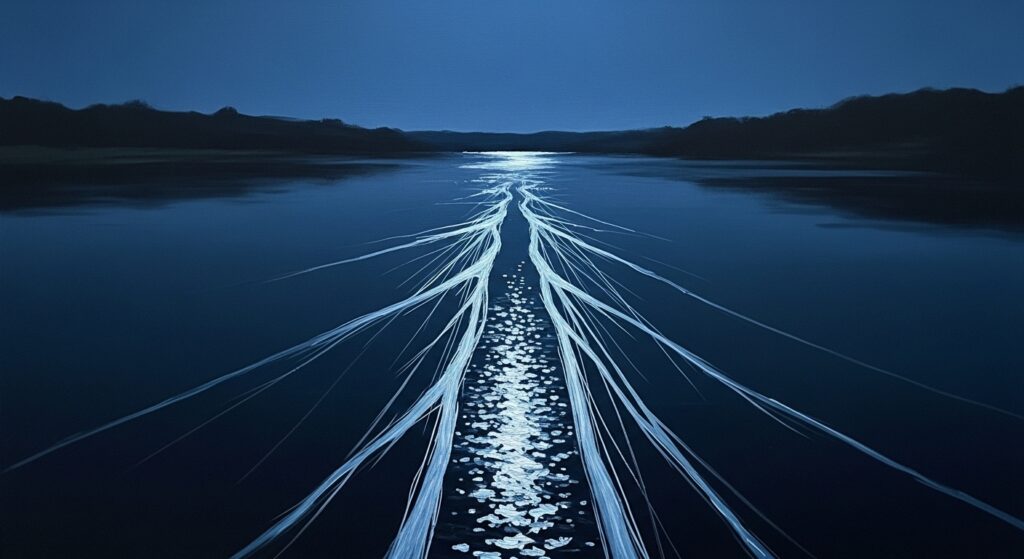
17. Frame-Conscious Strokes
Be mindful of your canvas edges. Place strokes in a way that either pushes outward against the frame or pulls inward from it. For example, directional strokes that point just past the edge can make the painting feel larger than it is. Conversely, a stroke that starts thick at the edge and tapers inward can act like a visual arrow, guiding the viewer into the heart of the composition and enhancing perceived depth.
Bringing It All Together
Mastering modern dimension is about becoming a strategic director of paint. It’s the conscious decision of where to be bold and where to be subtle, where to add texture and where to leave it smooth. These 17 brush stroke placement ideas are not rigid rules, but a palette of possibilities. Experiment by combining them. Use directional flow with clustering, or impasto pockets with lost-and-found edges.
The most compelling modern paintings often use a symphony of these techniques. Start by choosing one or two ideas that resonate with your current work and practice them deliberately. As you do, you’ll develop an intuitive sense for placement, and your paintings will naturally gain that captivating, multi-dimensional quality that stops viewers in their tracks. Now, take these ideas, load your brush, and place your next stroke with intention.