20 Wide-Tooth Comb Techniques for Gentle Detangling
If you’ve ever winced while pulling a brush through a knot or felt the heartbreaking snap of a strand, you know that detangling can feel like a battlefield. For those with curly, coily, thick, or simply fragile hair, the wrong technique can lead to unnecessary breakage, frustration, and stunted growth. But what if your detangling session could be transformed from a chore into a therapeutic ritual that leaves your hair smoother, stronger, and more lustrous?
Pre-Detangling Prep: The Foundational Techniques
Success begins before the comb even touches your hair. These preparatory steps set the stage for a seamless process.
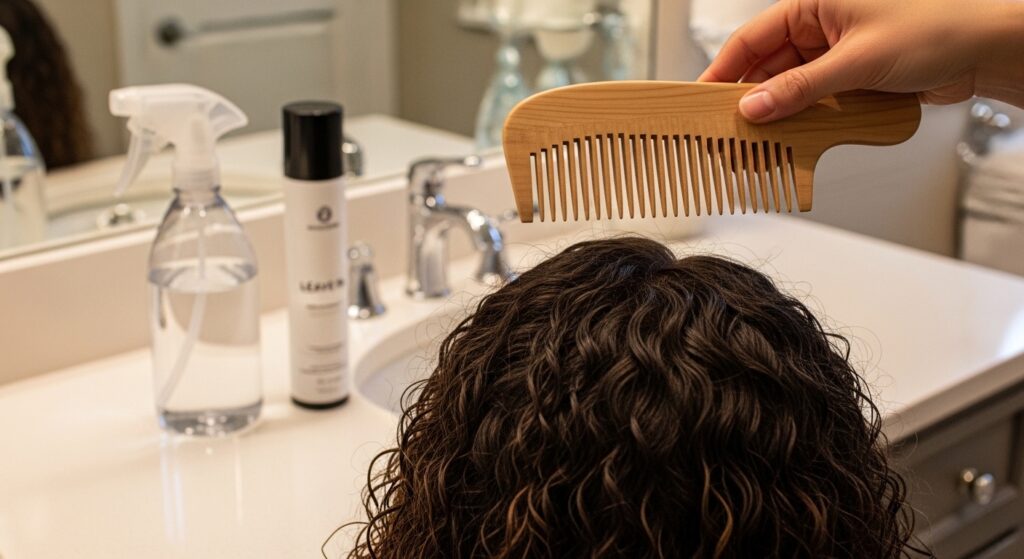
1. The Saturated Section Technique: Never detangle dry hair. Always ensure your hair is sufficiently dampened with water or a water-based detangling spray. Hair is more elastic and less prone to breakage when wet, allowing the comb to slide through with ease.
2. The Slip & Glide Application: Apply a generous amount of a slippery conditioner, detangling cream, or oil to your damp hair. Focus on the mid-lengths and ends, where tangles are most fierce. The product creates a lubricated surface, reducing friction dramatically.
3. The Finger-First Foray: Before introducing your comb, use your fingers to gently separate the largest knots. Start at the ends and work upward. This initial pass removes the biggest snags and prevents your comb from getting stuck and yanking.
4. The Strategic Sectioning Method: Divide and conquer! Use hair clips to separate your hair into four to six manageable sections. Working on one small section at a time ensures you give each tangle focused attention and prevents you from missing spots.
Mastering the Combing Motion: Core Techniques
This is where technique truly matters. How you hold and move the comb makes all the difference.
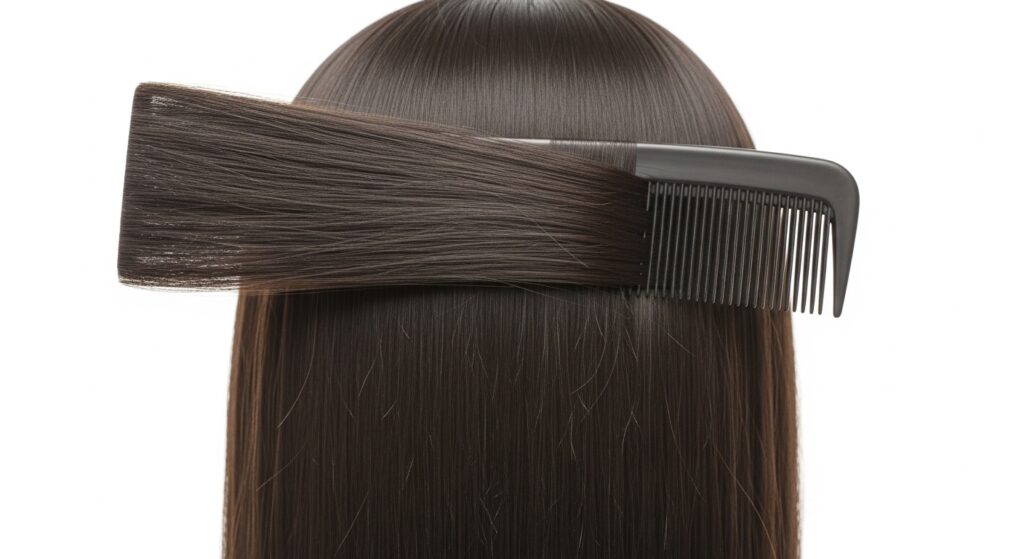
5. The End-to-End Elevation: Always, always start at the ends. Hold the hair just above the section you’re combing to provide tension and prevent pulling on the scalp. Gently comb out the very tips, then move an inch up, detangle that portion, and repeat until you reach the roots.
6. The Perpendicular Approach: Hold the comb so its teeth are perpendicular to the hair shaft as you start to glide through. This allows the teeth to encounter the tangle head-on and gently separate it, rather than pushing it down the hair shaft and tightening it.
7. The Short Stroke Strategy: Use short, gentle strokes. Don’t try to force the comb through a large section in one long pull. Small, patient strokes are far more effective and less traumatic for the hair cuticle.
8. The Wiggling Wonder: If you meet resistance, don’t pull. Instead, gently wiggle the comb horizontally within the tangle. This subtle back-and-forth motion helps to loosen the knot’s grip without force.
9. The Two-Handed Tension Technique: Use one hand to hold the hair taut midway down the section you’re working on. This provides stability and ensures the detangling force isn’t transferred to your scalp, which can be painful and lead to root damage.
Advanced Maneuvers for Stubborn Tangles
For those particularly stubborn snarls, you need a specialized game plan.
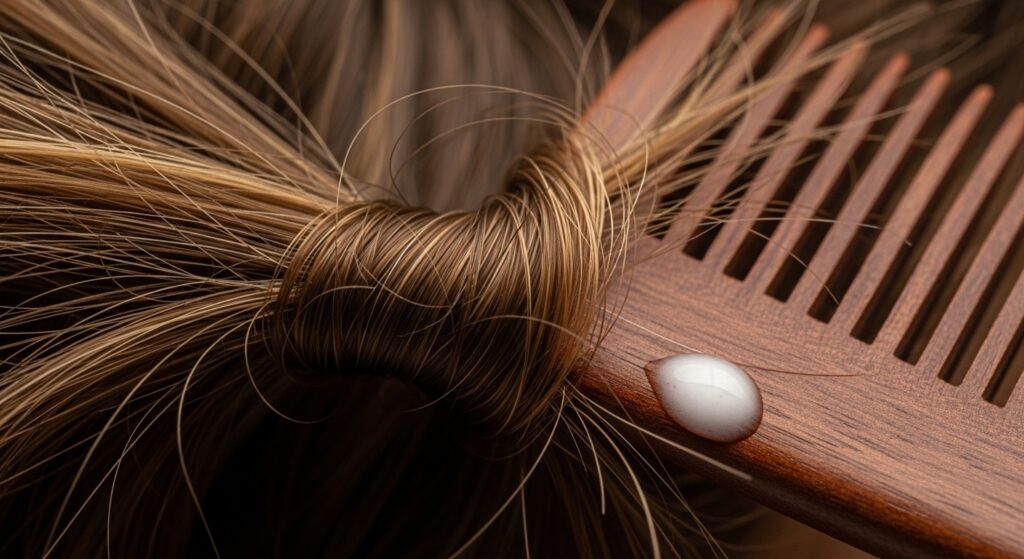
10. The Pinpoint Precision Method: Isolate the single stubborn knot. Apply a tiny extra drop of conditioner directly to it. Use the very tip of a single comb tooth to carefully pick and loosen the knot’s center before attempting to comb through.
11. The Hold & Comb Maneuver: For a dense knot, hold the entire section of hair firmly above the knot with one hand. With the other, use the wide-tooth comb to only detangle the knot itself. This confines the tension to a small area.
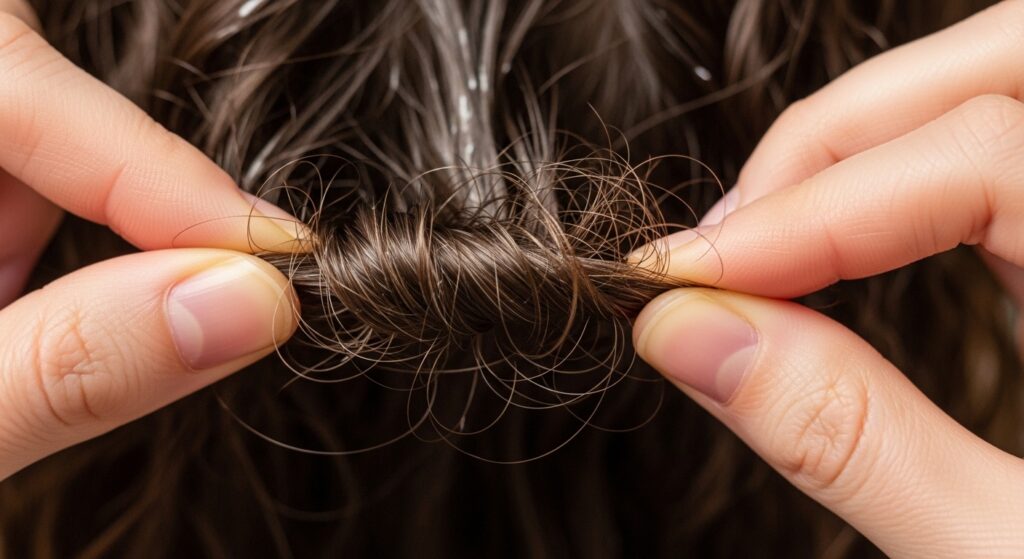
12. The Twirl & Release: Sometimes, tangles form a spiral. Gently twirl the wide-tooth comb in the opposite direction of the tangle’s twist while applying slight upward pressure. This can unravel it like a thread.
13. The Steam & Soothe (Pre-Shower): For chronically tangled hair, apply a pre-shampoo treatment or oil and put on a plastic cap for 20-30 minutes before showering. The body heat creates a gentle steaming effect that softens hair and makes detangling a breeze.
Techniques for Specific Hair Types & Scenarios
Tailor your approach to your unique hair texture and situation.
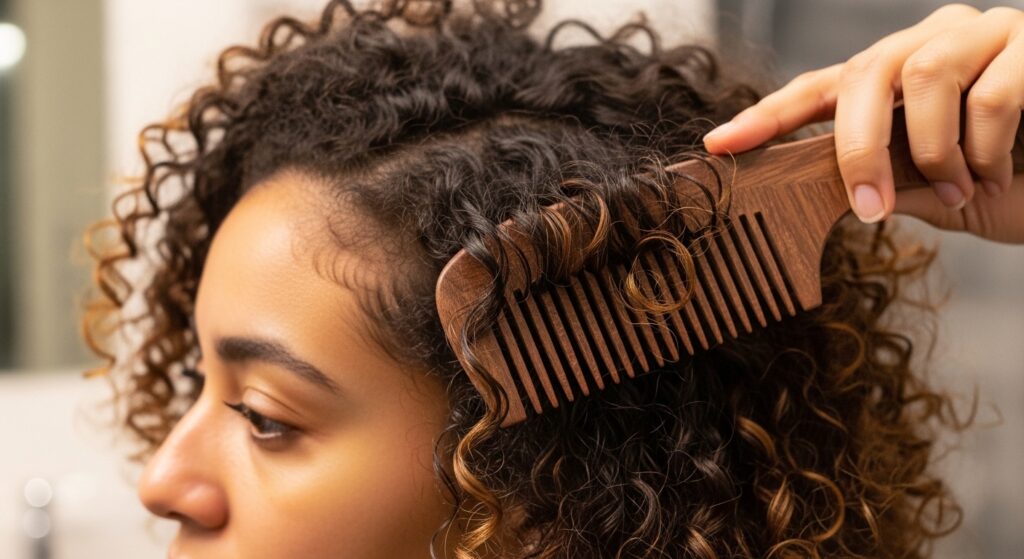
14. The Curl-Clumping Caress (For Curly Hair): After detangling a section, use the comb to gently shape and define your natural curl clumps. Run the comb through the section one final time, then scrunch lightly to encourage beautiful, separated curl formation.
15. The Soak & Stroke (For Thick, Long Hair): Detangle in the shower while your hair is saturated with conditioner. The constant stream of water provides extra slip, and you can rinse away the shed hair as you go.
16. The Dry Detangling Delicacy (For Very Fragile Hair): If your hair breaks even when wet, try dry detangling with extreme care. Use a light oil mist, work in tiny sections, and use the End-to-End Elevation technique with even more patience. This is best for minor maintenance between washes.
17. The Braid & Bed Method (For Nighttime): Before bed, lightly mist your hair with a leave-in conditioner and use your wide-tooth comb to gently detangle and then braid it. This prevents new tangles from forming overnight and gives you a beautiful wave in the morning.
Post-Detangling & Comb Care
The ritual isn’t over once the tangles are gone. Proper finishing and tool care are essential.
18. The Final Rinse Check: After you’ve combed through all sections and applied your final rinse-out conditioner, give your hair one last, gentle pass with the wide-tooth comb under the shower stream. This ensures even product distribution and removes any last stray shed hairs.
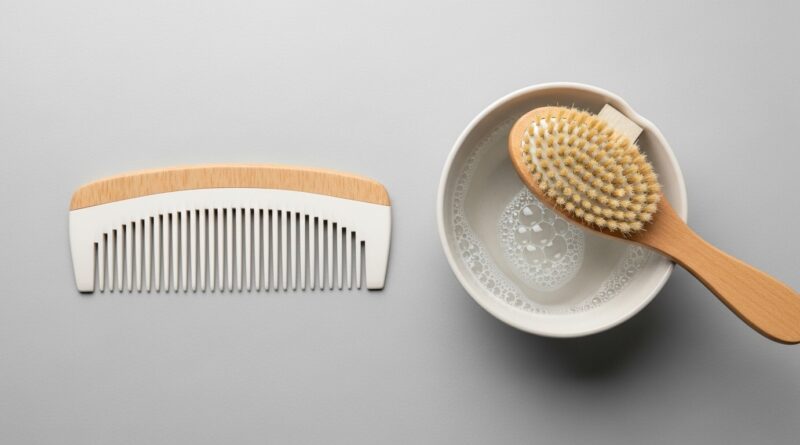
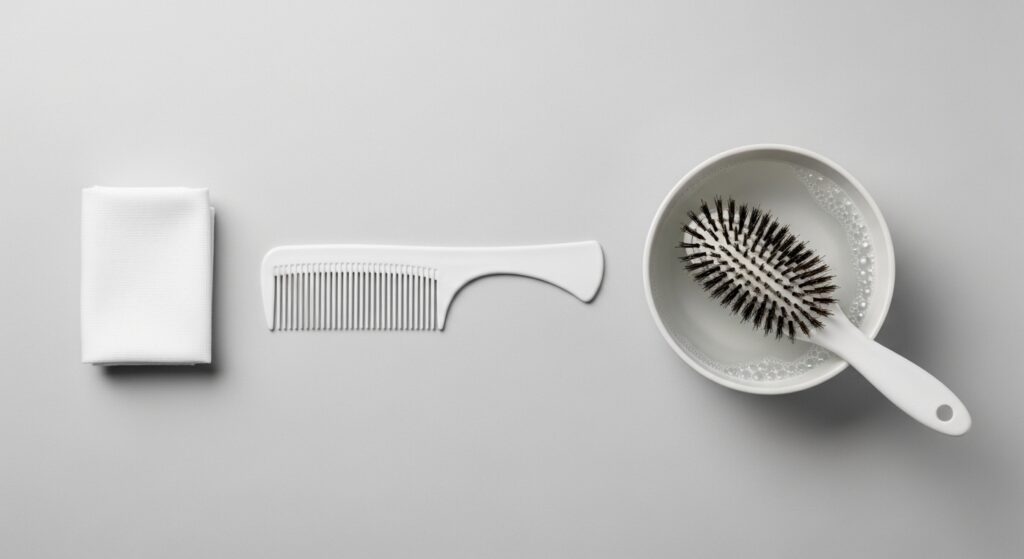
19. The Comb Cleanse Ritual: Your comb collects product and hair. After each use, remove trapped hair and soak the comb in warm water with a bit of shampoo or clarifying solution weekly. A clean comb is a more effective and hygienic comb.
20. The Seamless Search: Invest in a quality comb. Look for a wide-tooth comb with seamless, polished teeth (often labeled “no-snag”). Wooden or horn combs have natural texture that reduces static. A poorly made comb with rough seams will catch and tear your hair, undoing all your gentle work.
Embrace the Ritual
Detangling with a wide-tooth comb is not just a step in your routine; it’s an act of care. By adopting these 20 techniques, you shift from fighting your hair to understanding and nurturing it. You’ll notice less hair in your comb, more shine on your head, and a newfound enjoyment in the process. Remember, patience is not just a virtue in detangling—it’s the most powerful product in your arsenal. So, pick up your wide-tooth comb, approach your hair with kindness, and transform your detangling session into a gentle, effective ritual that your hair will thank you for.
Your Turn: Which of these techniques are you excited to try? Do you have a gentle detangling tip of your own? Your journey to tangle-free, healthy hair starts with the first gentle stroke.