21 Theater Performance Hairstyles for Actors
In the world of theater, every detail contributes to the story. While costumes and sets often steal the spotlight, an actor’s hairstyle is a silent yet powerful narrator. It whispers era, shouts status, and reveals personality before a single line is delivered. More than just aesthetics, theater performance hairstyles must be durable, repeatable, and visible from the back row. Whether you’re a seasoned actor, a budding hair designer, or a director planning your next production, this guide explores 21 essential hairstyles that marry character with the practical demands of the stage.
The Foundation: Why Stage Hair is Different
Before we dive into our list, it’s crucial to understand the unique demands of theater hair design. Unlike film or everyday wear, a stage hairstyle must withstand quick changes, intense lighting, vigorous movement, and the scrutiny of an audience dozens of feet away. It must be architecturally sound, often involving copious pins, nets, and hairspray. The goal is a style that not only looks the part but also performs flawlessly for the entire run of the show, from dress rehearsal to closing night.
Classic & Timeless Updos
These styles are the workhorses of theater, offering neatness, elevation, and a period-agnostic or classic feel.
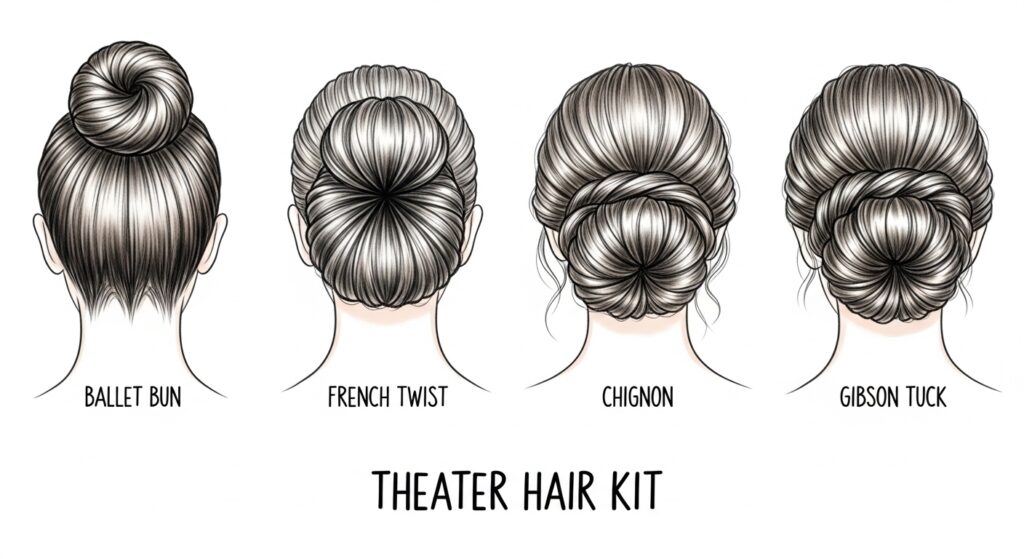
1. The Secure Bun: The quintessential base. A low, middle, or high bun anchored at the nape, crown, or top of the head. Ideal for chefs, soldiers, ballet dancers, or any character requiring practicality.
2. French Twist: Elegant and sophisticated. Perfect for mid-20th century characters, royalty, or corporate figures. It frames the face beautifully and looks polished from all angles.
3. Chignon: A softer, often looser-looking bun at the nape of the neck. Excellent for period dramas (Victorian, Edwardian), romantic leads, or artists.
4. Gibson Tuck: A classic vintage style where the hair is rolled upward from the neck. A staple for Edwardian-era plays or any production set in the early 1900s.
Braids for Storytelling & Durability
Braids are not only visually interesting but also exceptionally secure, making them perfect for high-movement roles.
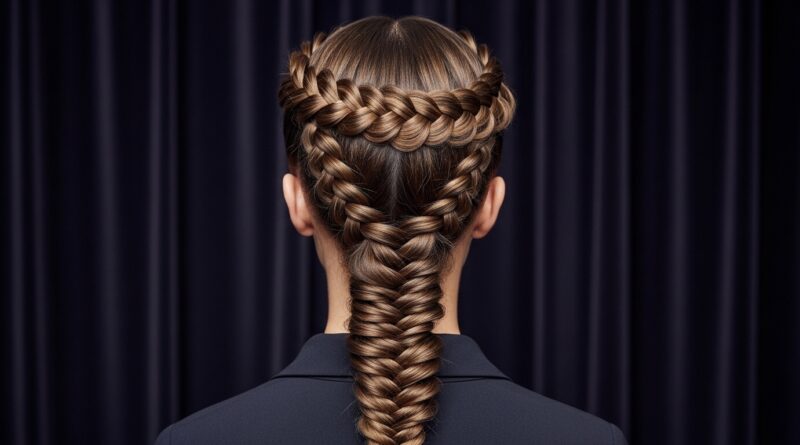
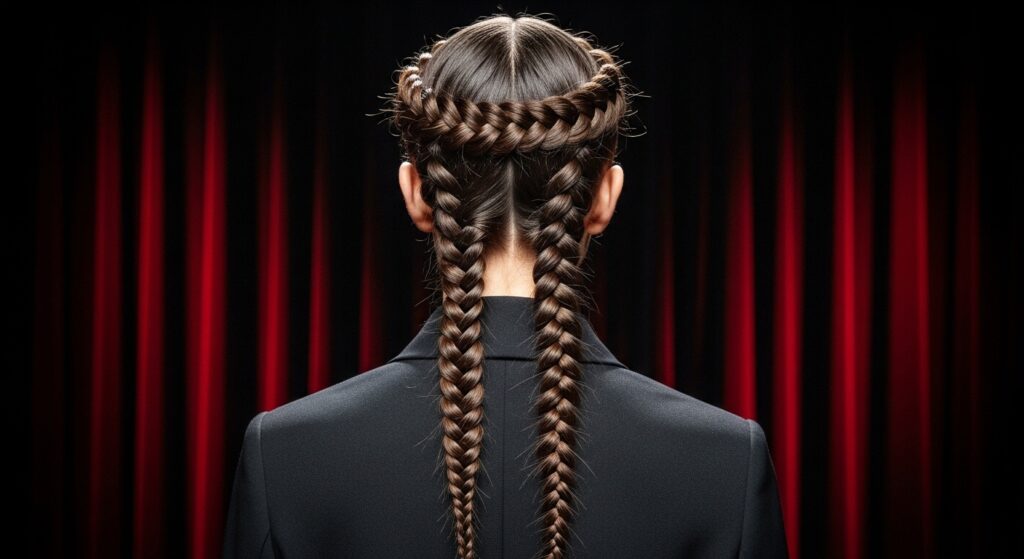
5. Single Crown Braid: Hair is braided and wrapped around the head like a crown. Evokes innocence, rustic life, fantasy maidens, or pre-Raphaelite characters.
6. Double Dutch Braids: Two tight, raised braids starting from the front hairline. Suggests athleticism, youth, a warrior aesthetic (like a Viking), or a no-nonsense attitude.
7. Fishtail Braid: A intricate, beautiful braid that reads as bohemian, ethereal, or romantic. Excellent for fantasy genres or modern plays with a whimsical character.
8. Halo Braid: Similar to the crown braid but often thicker and encircling the entire head. Creates an angelic, otherworldly, or pure visual statement.
9. Braided Bun: Combines the security of a braid with the neatness of a bun. The braid is wrapped into a bun, adding texture and interest. Perfect for historical figures or characters with a meticulous nature.
Period & Historical Hairstyles
Accuracy here aids immensely in audience belief. These styles often require padding, rats, and wigs.
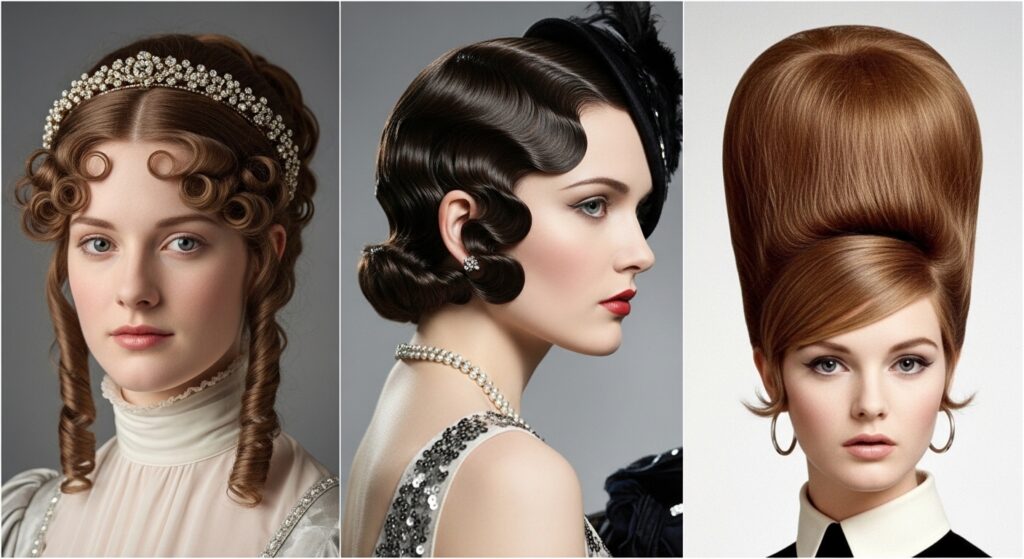
10. Regency Ringlets: Inspired by the early 1800s. Characterized by center-parted hair with tight, symmetrical curls around the face and a short bun at the back. Essential for Jane Austen adaptations.
11. Victorian Updo with Curls: Involves volume at the crown, a intricate knot or bun, and cascading curls or tendrils at the nape and sides. Speaks to romance and repression.
12. 1920s Finger Wave Bob: Sharp, sleek waves molded to the head. The epitome of flapper-era glamour and rebellion. Requires strong gel and precise setting.
13. 1940s Victory Rolls: Rolled sections of hair, often above the ears, paired with waves. Represents wartime resilience and retro glamour.
14. 1960s Beehive: Extreme height and volume. Perfect for comedies, musicals like “Hairspray,” or plays emphasizing social exaggeration.
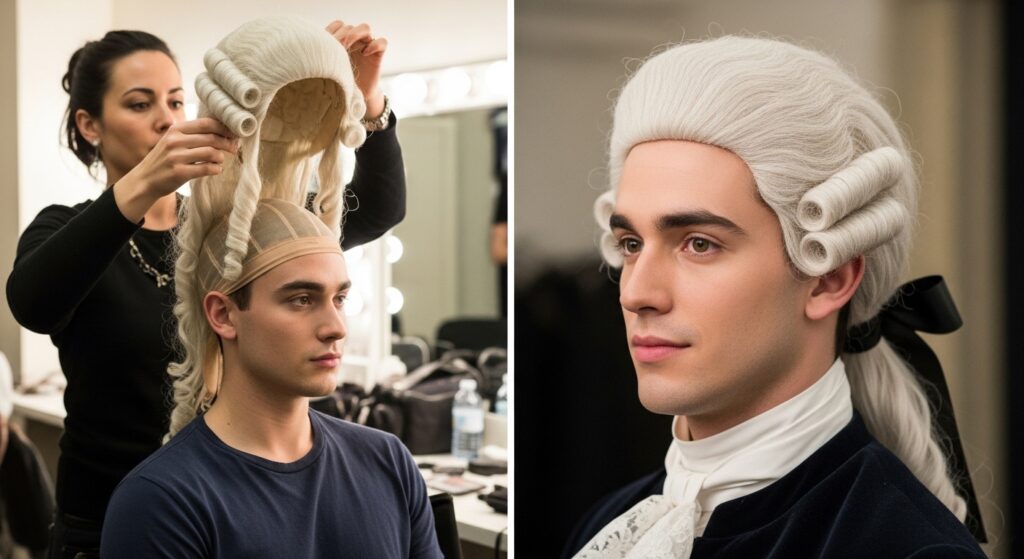
15. Powdered Wig (Georgian/18th Century): The ultimate symbol of aristocracy, courts, and the Enlightenment era. Almost always a specialized wig, often white or pastel-colored.
Modern & Character-Driven Styles
These looks define a character instantly and work for contemporary or abstract settings.
16. The “Messy” Bun (Intentional): Looks artfully disheveled but is firmly pinned. For the busy mom, the stressed academic, the artist in their studio.
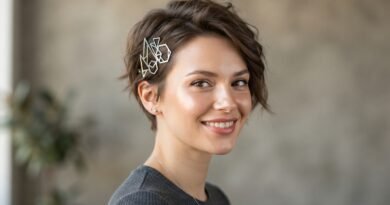
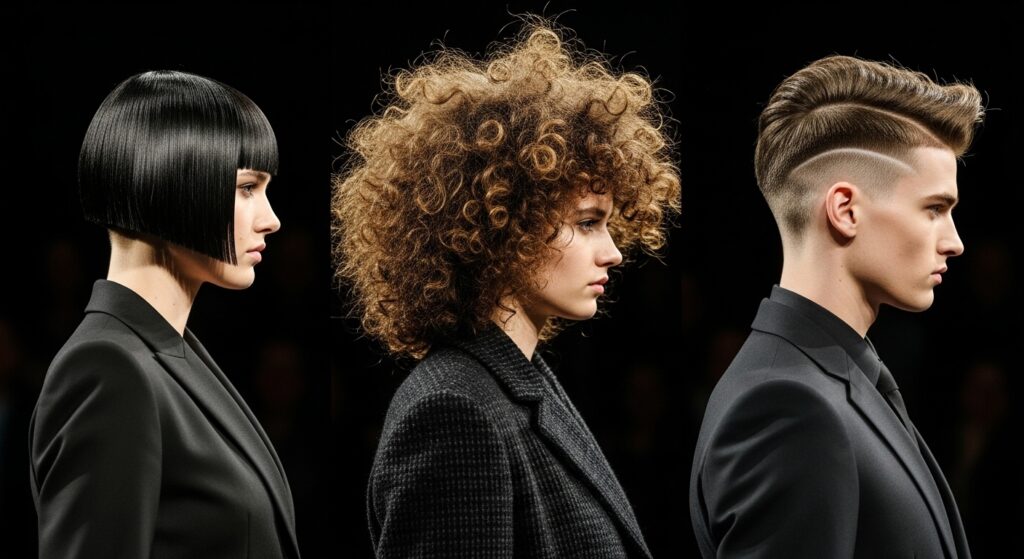
17. Asymmetrical Undercut (or Shaved Side): A powerful choice signaling rebellion, non-conformity, or a punk aesthetic. Often achieved with a clip-in piece or a committed actor.
18. Sleek, Straight Hair: Can read as corporate, severe, futuristic, or sinister depending on the cut and styling. Requires a flawless finish to read from afar.
19. Wild, Textured Curls: Amplified natural curls or a perm. Suggests untamed nature, creativity, chaos, or a free spirit. Needs product to maintain definition under lights.
20. High Ponytail: Not just for dancers. A slick, high ponytail reads as athletic, efficient, futuristic, or authoritarian.
The Practical Power of Wigs & Extensions
21. The Character Wig: This is less a single style and more an essential tool. A quality lace-front wig allows for radical transformation, color change, and historical accuracy without damaging an actor’s hair. From long, flowing locks to bright, unnatural colors, wigs offer limitless possibilities and consistency.
Final Curtain Call: Tips for Theater-Ready Hair
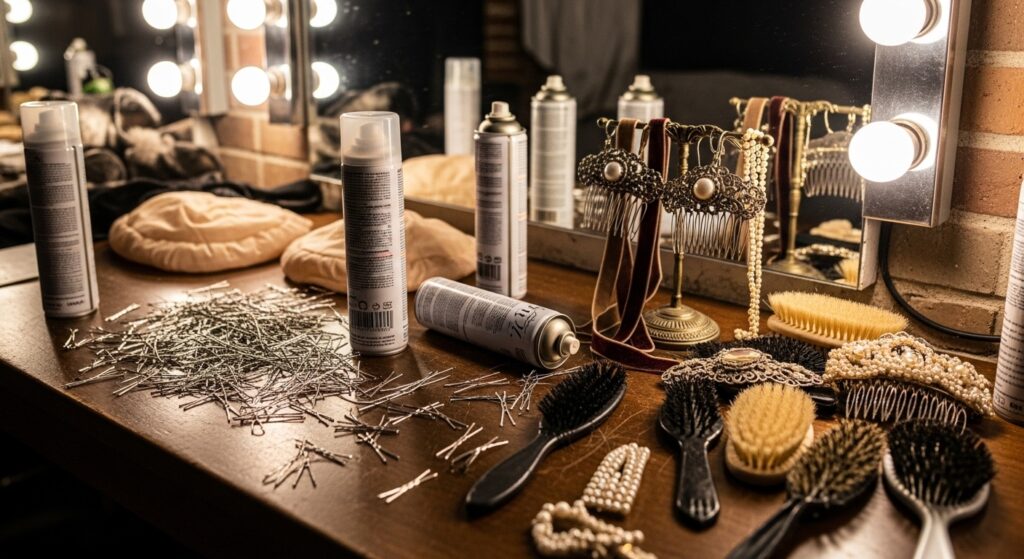
Creating these theater performance hairstyles requires more than skill; it requires strategy. Always start with second-day hair or use texturizing spray—clean hair is often too slippery. Invest in professional-grade pins, strong-hold hairspray, and a fine-tooth comb. For complex period styles, don’t shy away from hairpieces, rats, or padding to build volume. Most importantly, conduct a “wig check” or hair rehearsal under full lights to ensure the style reads clearly and holds up during the most vigorous scene.
Your hair is a cornerstone of your character. By choosing and executing the right theater performance hairstyle, you solidify your transformation and tell a richer, more visual story. Now, break a leg—and may your pins hold fast!