Am I the Jerk for Not Letting My Fiancée Wear Her Deceased Mother’s Wedding Dress at Our Wedding?
Weddings are meant to celebrate love, unity, and a future built together. But when family traditions and personal emotions collide, even the happiest plans can take a sharp turn. In this AITAH story from Reddit, one soon-to-be groom found himself at odds with his fiancée over a deeply emotional topic: her desire to wear her late mother’s wedding dress.
What began as a heartfelt tribute quickly spiraled into conflict, raising questions about boundaries, compromise, and whether honoring the past should ever come at the expense of the present.
The Conflict: A Dress, a Memory, and a Hard Decision
The Original Poster (OP) explained that he and his fiancée have been planning their wedding for months, and while most things were going smoothly, one issue caused major tension: the dress.
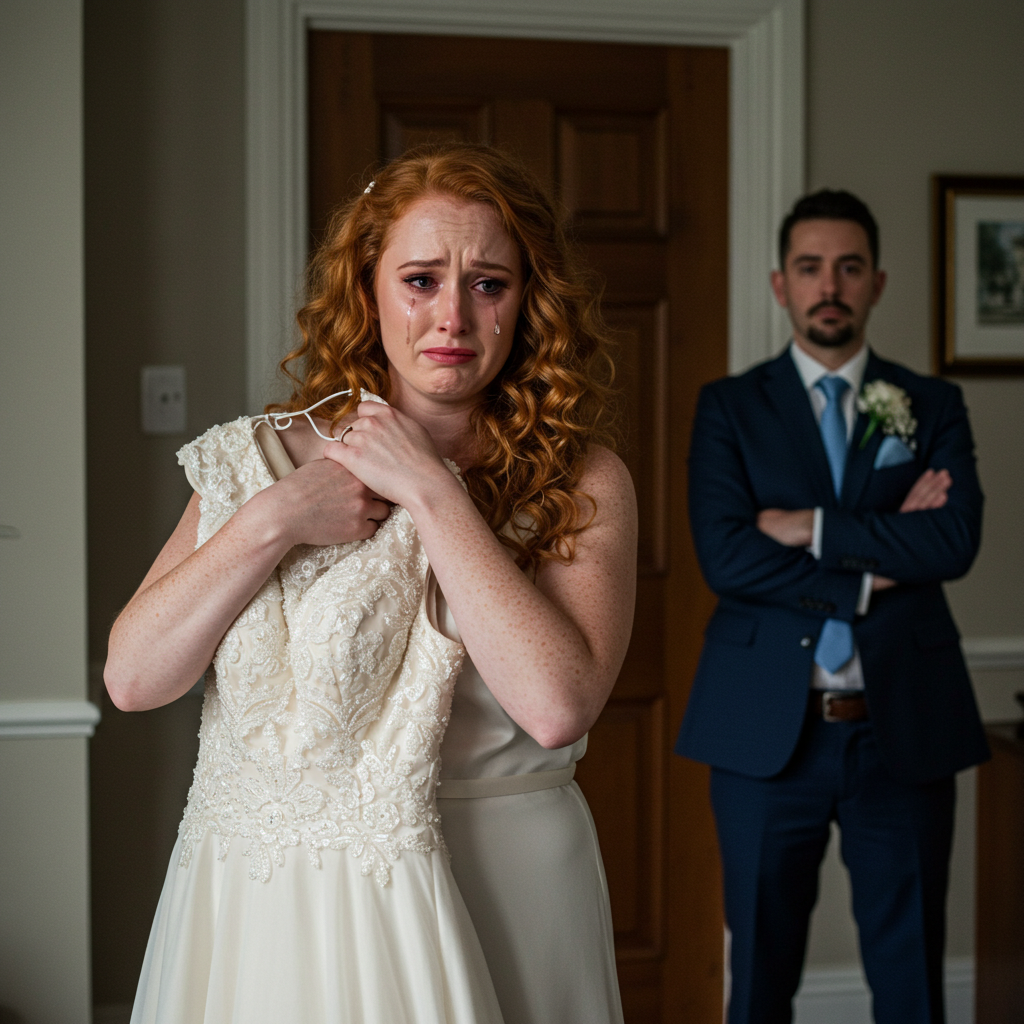
OP’s fiancée wanted to wear her late mother’s wedding dress—an heirloom she’d kept preserved since her mother’s passing. To her, it was a way of keeping her mother close during one of the most important days of her life.
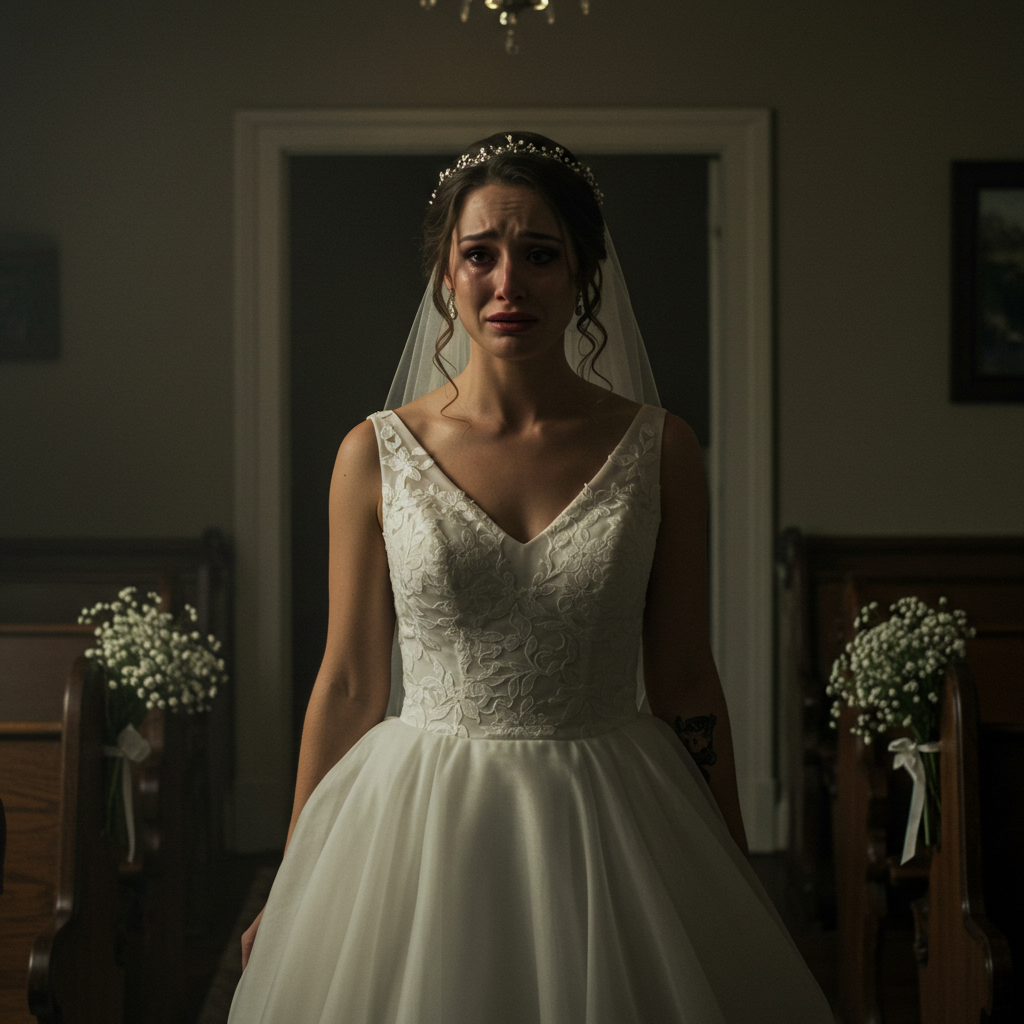
The problem? The dress wasn’t in great shape. It had yellowed, was several sizes too large, and—according to OP—didn’t match the overall theme or aesthetic of the wedding. When he gently suggested that she either get a modern version made or wear it at the reception instead, she was devastated. She accused him of disrespecting her mother’s memory.
Now OP is wondering: Am I the jerk for not wanting my fiancée to wear her deceased mother’s wedding dress at our ceremony?
For many brides, the wedding dress is more than a garment—it’s a symbol of love, legacy, and identity. In this case, OP’s fiancée saw her mother’s gown as a connection to the woman who wouldn’t be there to witness her big day.
OP, however, saw the dress as a logistical and stylistic challenge. It didn’t fit. It clashed with their carefully curated décor. And it didn’t reflect the image they had agreed upon for their joint celebration.
So, where should the line be drawn between honoring personal traditions and respecting mutual decisions?
Some readers sided with the fiancée, arguing that OP should have made an exception for something so emotionally significant. Others said he wasn’t wrong to want a say in their wedding’s look, especially since the dress didn’t align with the agreed theme.
This scenario shows just how quickly emotional attachments can cloud judgment, and how hard it is to balance shared planning with personal grief.
Communication Breakdown: Could This Have Been Avoided?
One major point of contention in the Reddit thread was how OP communicated his concerns. Some readers said that if he had approached the subject more gently—or earlier in the process—his fiancée might have been more open to compromise.
Saying, “That dress won’t work for our theme,” can sound harsh. But framing it as, “Let’s find a way to honor your mother that fits both our visions,” changes everything.
Weddings often stir up deep emotions, especially for those who have lost loved ones. OP may have underestimated just how tied to grief his fiancée’s attachment to the dress was. For her, this wasn’t just about fashion—it was about presence, memory, and mourning.
In situations like this, empathy is crucial. Validating your partner’s feelings—even when you disagree—is the first step toward resolution.
While honoring grief is important, so is setting mutual expectations. OP wasn’t saying “no” to honoring her mother—he just wanted to find a way that felt right to both of them. In relationships, especially during high-stress events like weddings, compromise isn’t optional—it’s essential.
Weddings aren’t just about one person—they’re a joint event built on mutual dreams, expectations, and compromises. While OP may have fumbled the delivery, his concerns weren’t unreasonable. Likewise, his fiancée’s desire to honor her mother wasn’t selfish—it was human.
The key takeaway? Intent matters. Communication matters more.
Whether you’re planning a wedding or navigating any major life event, remember: love isn’t just about saying “yes” to everything. It’s about working through the “maybe” and “not quite” moments—together.