Reveal 22 Protective Palm Roll Locs Growing Lengths Confidently
Hey friend. Let’s talk about the real, unspoken goal of having locs: getting that incredible, healthy length. It feels like a secret club, right? We all want those beautiful, long, confident locs, but the journey can feel slow and sometimes frustrating.
I get it. I’ve been there, watching my growth stall and wondering what I was doing wrong. That’s why I’m so excited to share this with you today. It’s not another complicated, ten-step routine.
This is about one simple, game-changing technique that changed everything for my hair: the protective palm roll. It’s the key I was missing, and over the last few years, it’s helped me confidently reveal 22 inches of healthy, strong locs.
Stick with me, and I’ll show you exactly how this gentle method protects your new growth, minimizes breakage, and sets you up for serious length retention. Let’s dive in.
What Is The Protective Palm Roll, Really?
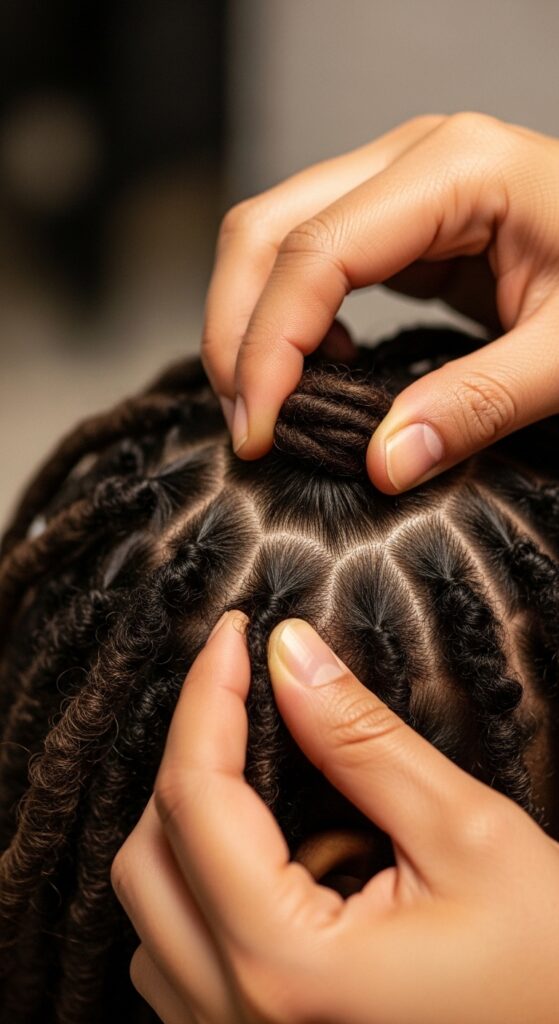
Forget the tight, stressful twisting you might be imagining. The protective palm roll is a gentle maintenance method. You simply apply a tiny bit of light product (or none!) between your palms and roll the new growth section of your loc.
This smooths the frizzy new hair and encourages it to knit into the existing loc without pulling or stressing the root. The goal isn’t to make it super tight, but to guide it neatly. Think of it as coaxing your hair, not forcing it.
It’s this low-tension approach that makes all the difference for long-term health. You’re working with your hair’s natural pattern, which prevents thinning and breakage at the weakest point—where your new growth meets your mature loc.
Why This Method Is A Length-Game Changer
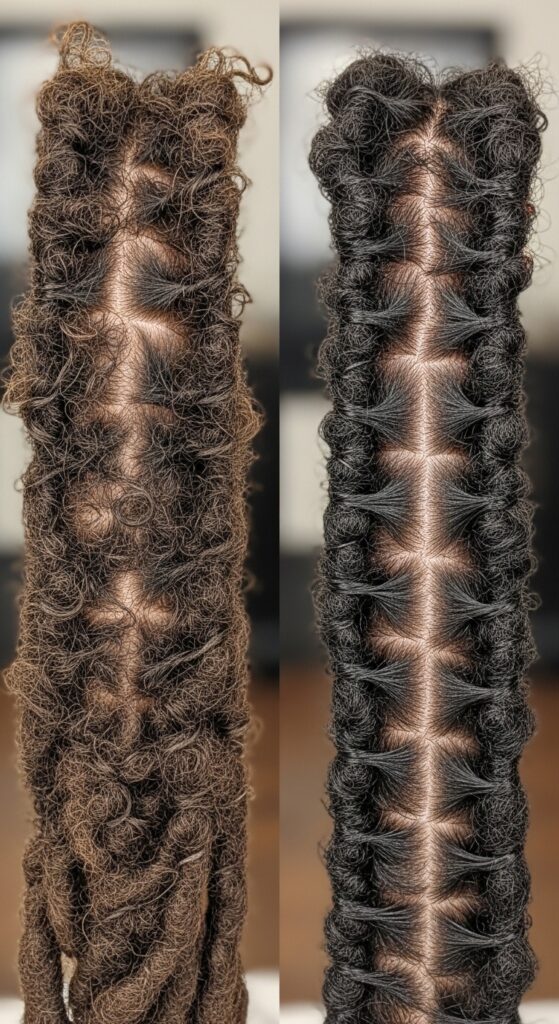
Length isn’t just about growth; it’s about retention. Our hair grows every day, but if the new, fragile hair at the root breaks off, we never see that length. The palm roll is a shield for that delicate area.
By keeping the new growth neat and integrated, it drastically reduces snagging, tangling, and friction. This means less daily damage. Less damage means more of the hair you grow actually stays on your head.
It’s the simplest form of protective styling. While everyone’s chasing the latest 2026 hairstyles, you’re mastering the foundational technique that makes any style possible because you have the length and health to support it.
The Exact Tools You Actually Need
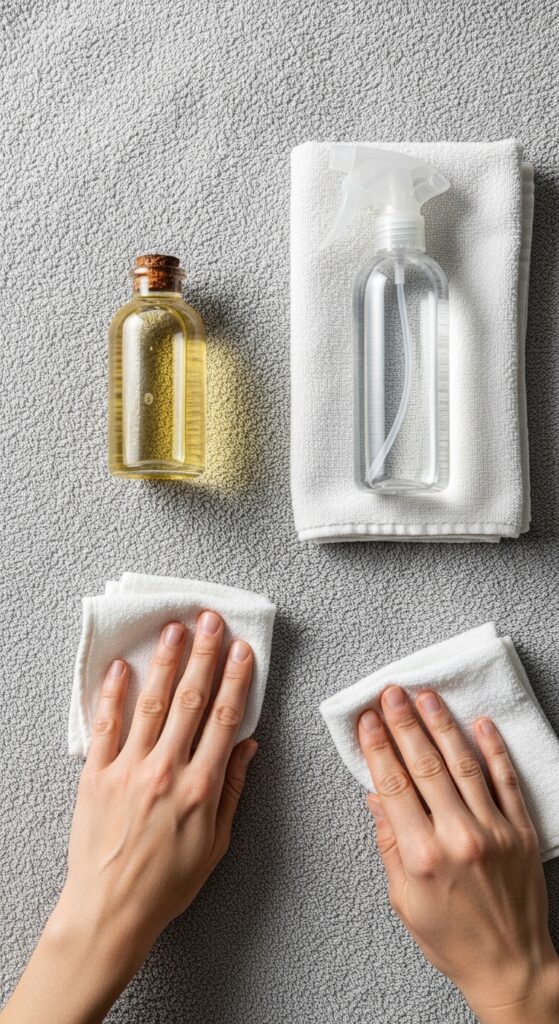
You don’t need a salon full of products. In fact, less is more here. Overloading your locs with heavy products can cause buildup and actually hinder growth. Your core toolkit is simple.
- Your Hands: Your most important tool. Clean, product-free hands to start.
- A Light Oil or Moisturizer: Think jojoba, almond, or a dedicated light loc spray. One drop per loc is often enough.
- Water in a Spray Bottle: A light mist can provide the perfect amount of light moisture for rolling.
- A Clean Cloth: To wipe excess product from your palms.
That’s it. Fancy tools can come later. Master the technique with these basics first.
Step-By-Step: Your First Perfect Palm Roll
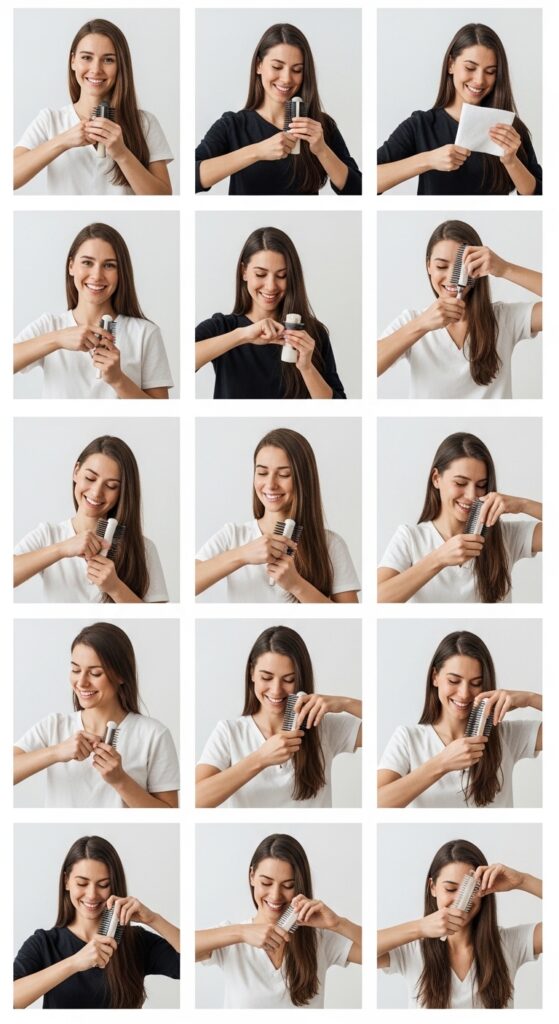
Let’s break it down into a no-stress routine. Do this on dry or slightly damp hair, never soaking wet. Start with one loc at the back where you can practice.
- Apply a tiny, pea-sized amount of your chosen product between your palms and rub them together.
- Lightly mist the section of new growth on the loc you’re working on.
- Place the new growth between your palms and roll back and forth gently, applying very light pressure. Move down just an inch or two.
- Repeat down the length of the new growth only, not the entire mature loc.
Feel for smoothness, not tightness. If it feels tense, you’re pressing too hard. It should feel secure but comfortable.
How Often Should You Be Doing This?

Frequency is key. This isn’t a daily routine. Over-manipulation is just as bad as neglect. Your schedule should sync with your hair’s growth cycle and your lifestyle.
For most people, a light palm roll every 4-6 weeks is perfect. This coincides with your typical retwist schedule but is much gentler. If your new growth is particularly fuzzy or you’re very active, you might do a quick, light roll on just the perimeter every 2 weeks.
Listen to your hair. If your scalp feels sore or your locs feel thin at the base, you’re doing it too often. The goal is low-maintenance growth, not constant fussing.
Biggest Mistake: Over-Twisting The Root
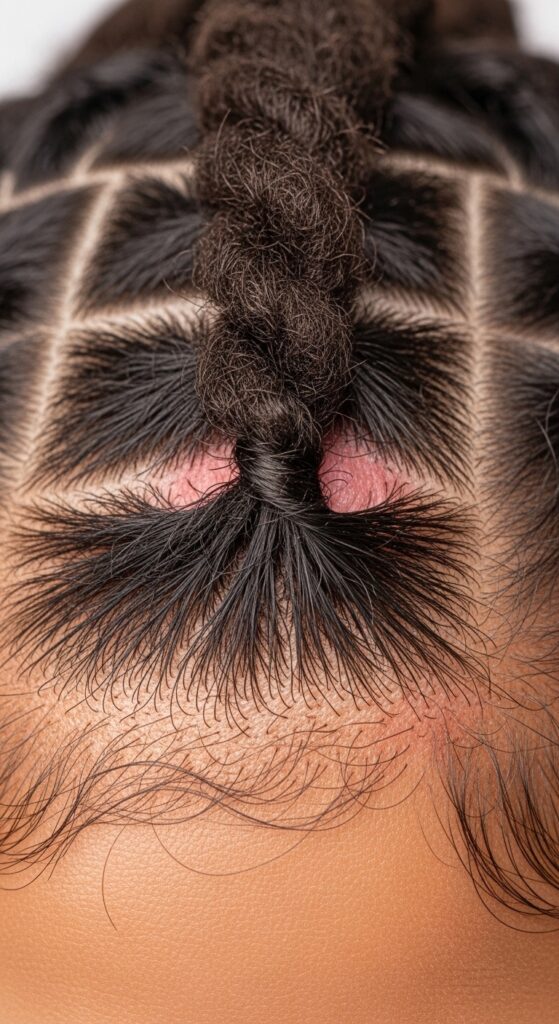
This is the number one error that stalls growth. The protective palm roll happens mainly between your palms, not at the root. When you focus all the pressure right at the scalp, you’re putting stress on the hair follicle.
This constant tension can lead to traction alopecia—permanent hair loss. It also causes thinning at the base of your locs, making them weak and prone to breaking off. That’s the opposite of what we want.
Keep the motion focused on the new growth shaft, not the point of origin. Your scalp should not move with the roll. If it does, lighten up your pressure immediately.
Matching Your Roll To Your Loc Size
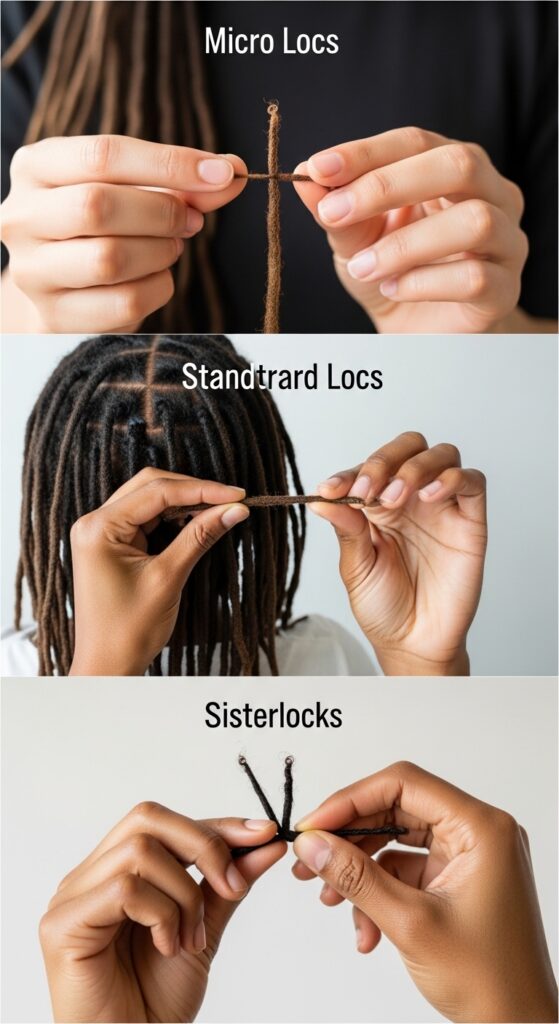
Technique adjusts slightly based on your loc diameter. The principle is the same, but your hand placement and pressure will change. It’s all about proportion.
For micro locs or sisterlocks, use just your fingertips to roll. The pressure is almost negligible. For standard-sized locs, the full palm roll as described is perfect. For thicker, congoloc-style locs, you might use both hands to cup and roll the new growth section.
The constant is the gentle guidance. Never force a thick loc to roll as tightly as a thin one. Let the size of your loc dictate the size of your hand motion.
The Moisture Balance For Strong Growth
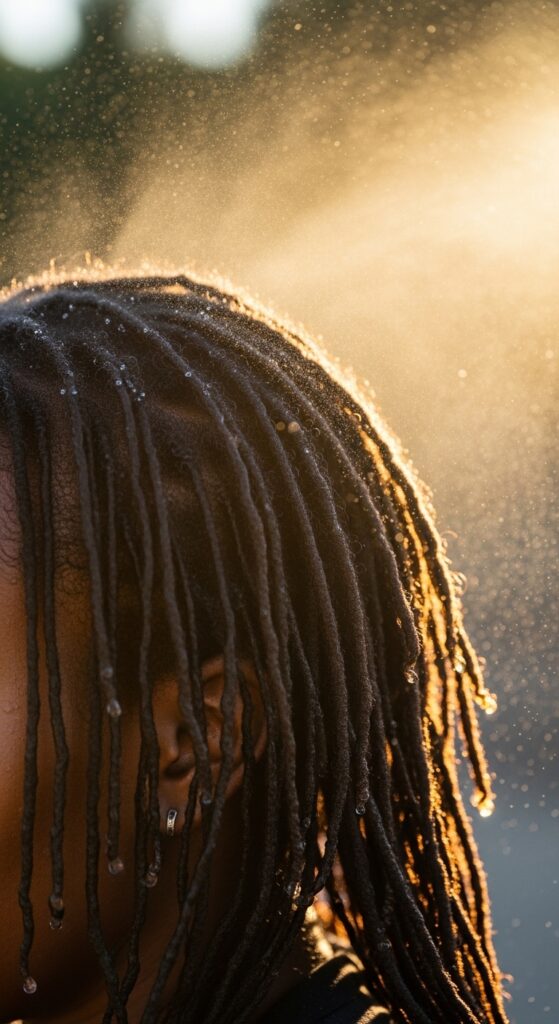
Dry hair breaks. Period. But over-moisturized hair can be weak and cause mold or mildew within the loc. Finding the sweet spot is crucial for the palm roll to work effectively and for growth to thrive.
Your new growth needs the most moisture because it’s the most vulnerable. A light, water-based spray followed by a sealing oil is the classic combo. The palm roll helps distribute that moisture evenly along the new growth section.
Signs you’re balanced: your new growth feels supple, not brittle or greasy. Your locs have a slight sheen and flexibility. If they feel like straw, add more water. If they feel gummy or sticky, clarify and use less product.
When To Skip The Product Entirely
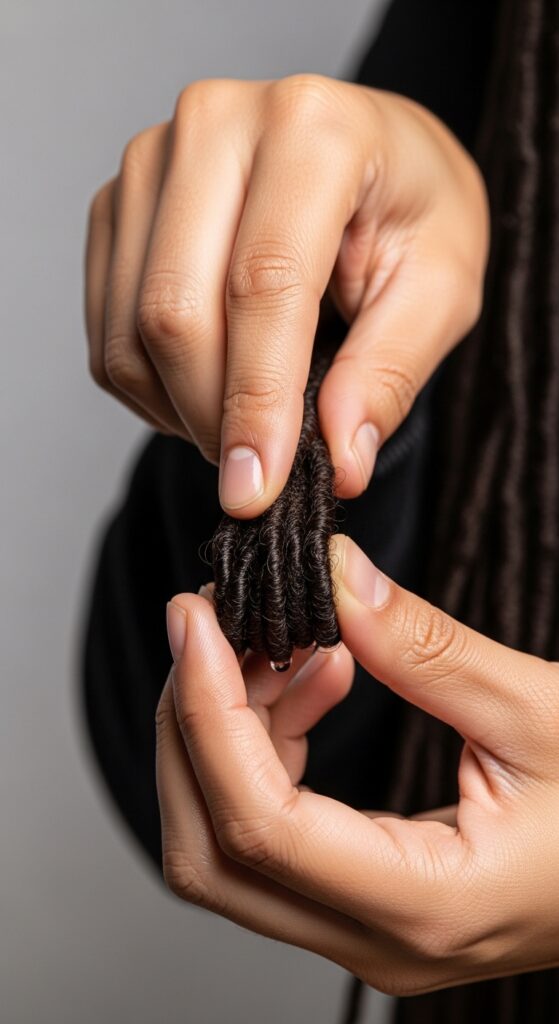
Yes, sometimes the best product is no product. If your hair tends to build up residue quickly, or if you’re in a humid climate, a water-only palm roll can be your best friend. It provides the guidance without any added weight or stickiness.
This is also a great technique for a mid-week refresh. If your new growth is looking a little wild but you’re not due for full maintenance, a quick spritz of water and a gentle roll can tidy things up without adding any product at all.
It teaches you to rely on technique over product. Your hands and a little water are incredibly powerful tools. Master this, and you’ll save money and keep your locs lighter and healthier.
Protective Styling Beyond The Roll
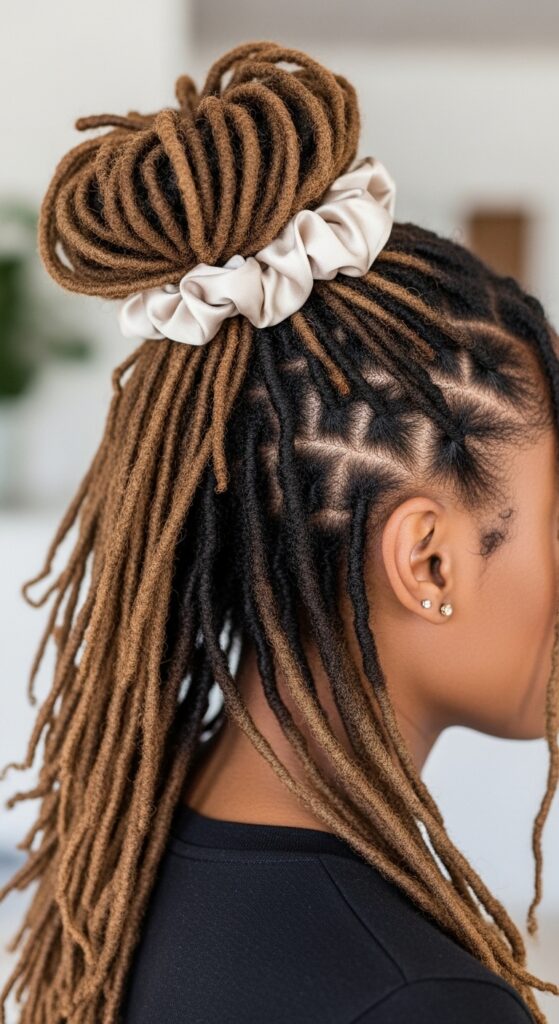
The palm roll sets the foundation, but how you wear your hair daily protects your ends. Your ends are the oldest, most fragile part of your hair. Keeping them tucked away in loose styles prevents splitting and breakage.
Think loose buns with silk scrunchies, low ponytails, or simple braids. The key is to avoid constant tension on the same spots. Rotate your styles. At night, always use a silk or satin bonnet or pillowcase to prevent friction.
This daily care, combined with your gentle maintenance, is the one-two punch for unstoppable growth. It’s the quiet luxury of hair care—simple, consistent, and highly effective.
What “Growth” Actually Looks And Feels Like
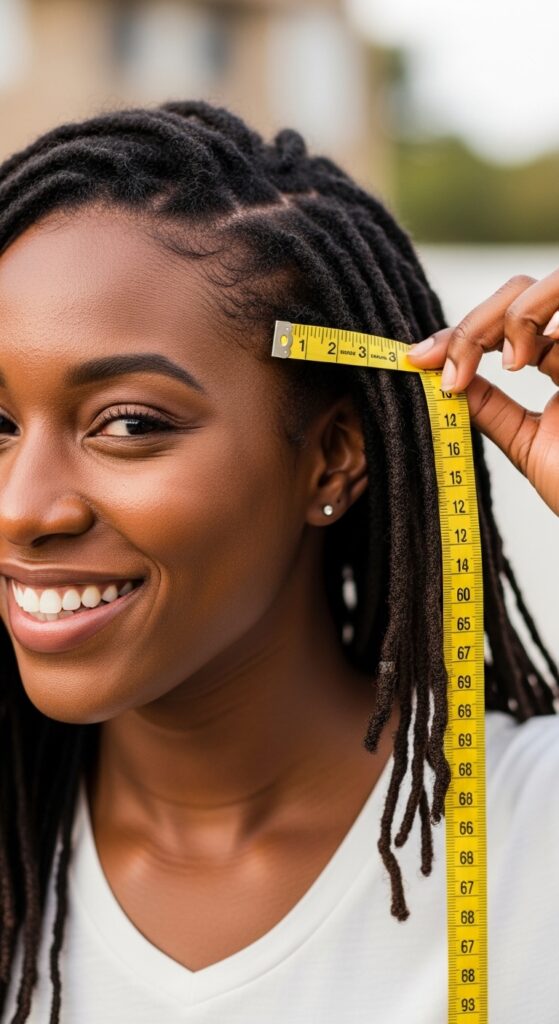
Growth isn’t always dramatic. It’s the small wins. It’s noticing that your ponytail is thicker. It’s feeling the added weight and swing when you move your head. It’s seeing less scalp at your part because the base of your locs is thicker and stronger.
With consistent palm rolling, you’ll first notice improved thickness at the roots and a smoother transition from new growth to mature loc. This is the health that leads to visible length. The actual inches will follow.
Measure progress by how your hair feels, not just the number on the tape. Strength, flexibility, and a lack of breakage are the true markers of success.
Trimming? Yes, It’s Still Important
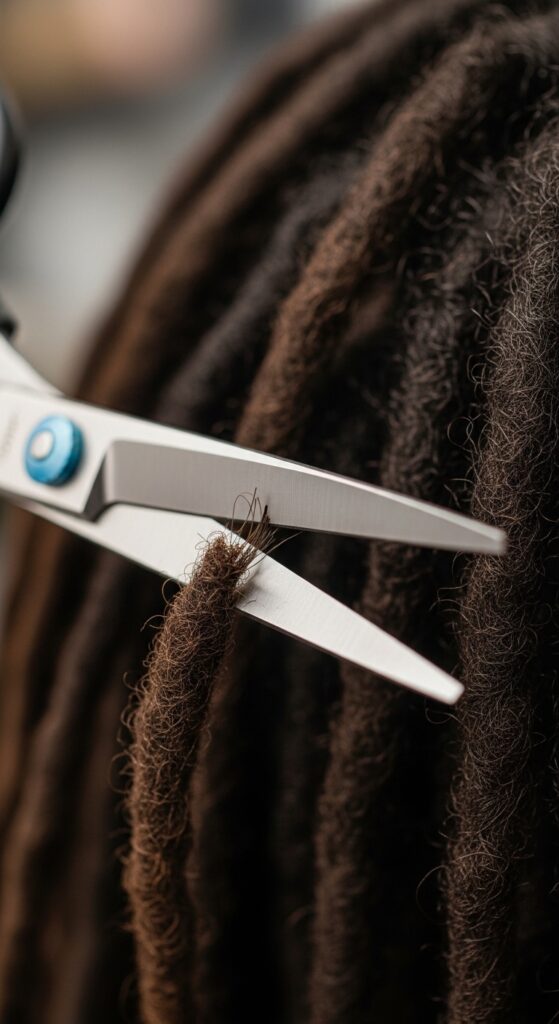
Even with perfect care, ends can thin or split over years of wear. A tiny, careful trim can be the final step for length retention. We’re not cutting inches, we’re “dusting” the very tips to remove any damaged ends that could travel up the loc.
Do this only when needed—maybe once a year—and only if you see fraying. A healthy loc end should be a clean, blunt tip. If it’s wispy or unraveling, a precise snip can prevent further damage and keep your length solid.
Always cut less than you think you need. You can always trim more later. This preserves every hard-earned inch of your growth journey.
Your Scalp Health Is The True Foundation
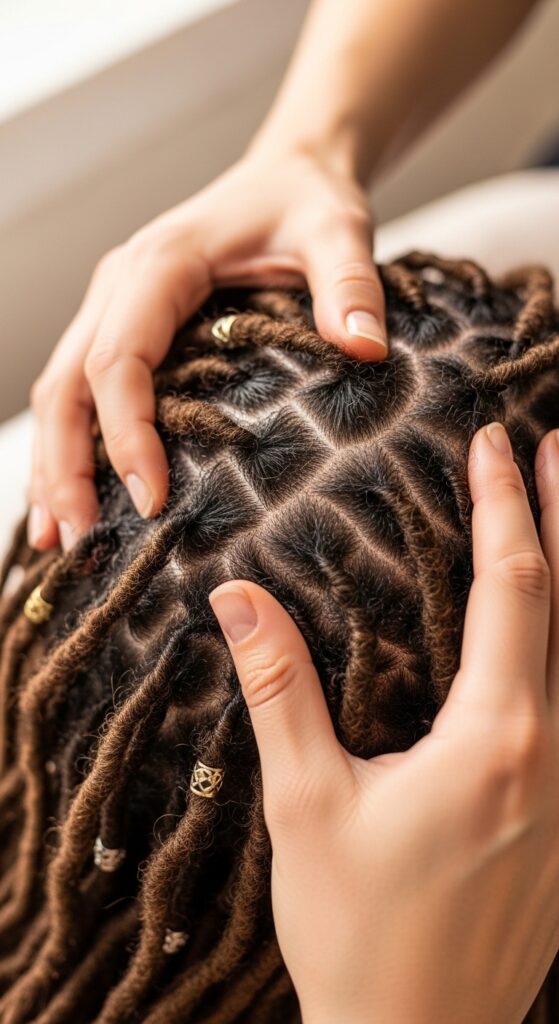
Healthy hair grows from a healthy scalp. The palm roll doesn’t replace scalp care. In fact, it relies on it. A clean, stimulated, and nourished scalp produces the best possible hair.
Incorporate weekly scalp massages with your oil of choice. This increases blood flow, which brings nutrients to the follicle. Keep your scalp clean by washing regularly—yes, you can and should wash your locs!
A clean scalp prevents clogged follicles, which can stunt growth. Think of your scalp as the soil for your hair garden. The palm roll tends to the plant, but the soil needs its own care.
Inspiration: Length Goals & Styling Freedom
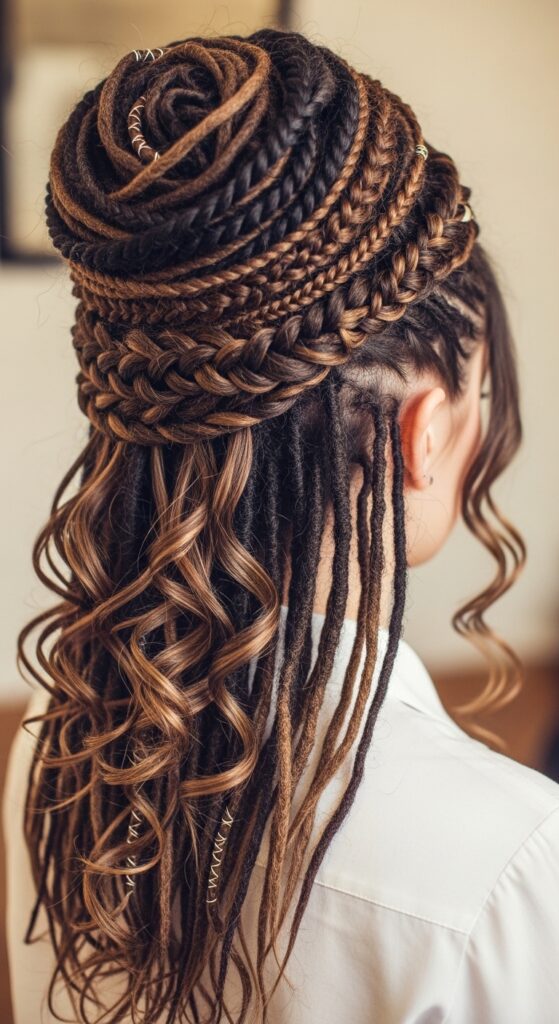
This is why we do the work. Imagine the styles you can create with strong, lengthy locs. The versatility is incredible. You’re not limited by breakage or thin ends.
You can play with trends because you have the canvas. Want to try face-framing pieces inspired by the hime cut? Or a dramatic, asymmetrical lob shape with your locs? With length and health, you can adapt any look, from old money hair elegance to romantic goth hairstyles.
Your hair becomes a true expression of your style, not a limitation. The protective palm roll is the maintenance secret that gives you that ultimate freedom.
Debunking The “Just Leave It Alone” Myth

“Just leave it alone” is great advice in spirit—it warns against over-manipulation. But taken literally, it can lead to massive tangling at the root, which creates matting and can actually pull hair out from the scalp.
A completely neglected new growth can become one big, painful knot. The protective palm roll is the happy medium. It’s the *minimal* intervention needed to guide your hair into a healthy pattern.
It’s not about constant fussing; it’s about strategic, gentle care. Think of it as a periodic check-in with your hair, not a daily chore. It’s leaving it alone *intelligently*.
How This Fits With 2026 Hair Trends

Trends come and go. Glitchy glam hair, vampire haircuts, and sharp bobs are fun. But the underlying trend for 2026 and beyond is *hair health*. It’s the “skinification” of hair care—focusing on the foundation.
The protective palm roll is the ultimate trend-aligned technique because it prioritizes the integrity of your hair. No matter what style is in, healthy, strong, lengthy hair will always be the best starting point.
When your hair is fundamentally healthy, you can interpret any trend with confidence. You’re not following trends; you’re letting them serve your already-amazing hair.
Dealing With The Awkward Growth Phases
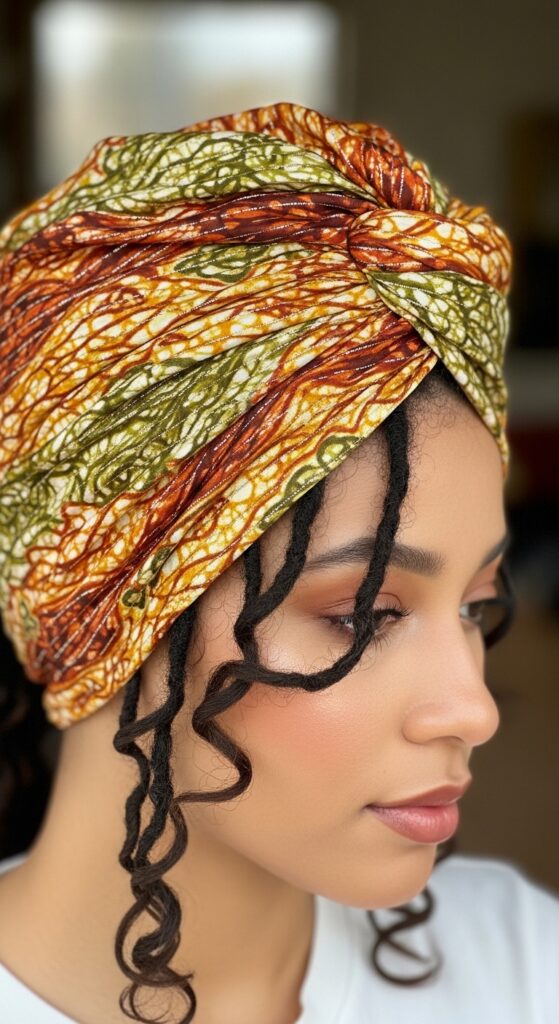
Every length journey has phases where your hair just doesn’t want to cooperate. Maybe your new growth is extra frizzy, or your locs are at a stubborn shoulder length. This is normal!
This is where accessories and styling are your allies. Beautiful scarves, headbands, or a few well-placed clips can make any phase feel intentional and chic. It’s not hiding; it’s styling through the process.
Trust that your consistent, gentle palm rolling is working beneath the surface. The awkward phase is a sign of transition and growth. Style it with patience and know the length you want is coming.
Creating Your Personal Maintenance Calendar
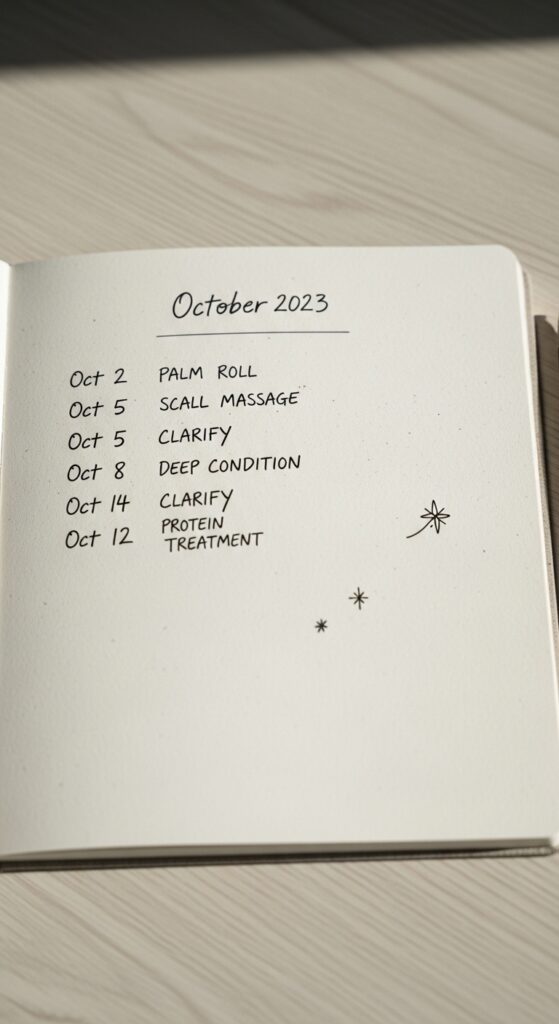
Don’t leave it to memory. Create a simple, flexible schedule that works for you. Note the date of your last palm roll session. Mark your next planned one 4-6 weeks out.
Include other care tasks too, like clarifying washes or deep conditioning. This isn’t to make it rigid, but to prevent the “oh no, it’s been 4 months!” panic. A calendar creates consistency, and consistency creates results.
Keep it simple. Use your phone’s calendar or a pretty planner. Seeing your commitment on paper (or screen) helps you stay accountable to your hair goals.
The Confidence That Comes With Healthy Hair

This is the intangible result. When you know your hair is strong, when you feel it thriving, it changes how you carry yourself. You spend less time worrying about breakage or bad hair days and more time just enjoying your hair.
The confidence isn’t just in the length; it’s in the knowledge. You know you’re caring for your hair in the best possible way. That assurance translates into every area of your life.
Your hair becomes a source of pride and power, not anxiety. That’s the ultimate goal of any hair journey—to feel good in your own skin (and on your own head!).
My Final Pep Talk For You
If you take one thing from this, let it be this: be patient and kind to your