Styles 26 Chameleon Color Shifts Reactive to Temperature Changes
Okay, let’s talk about the future. We’ve seen trends come and go, but what if your hair could literally change with your mood, your environment, or even the weather? That’s not sci-fi anymore. It’s the next big thing.
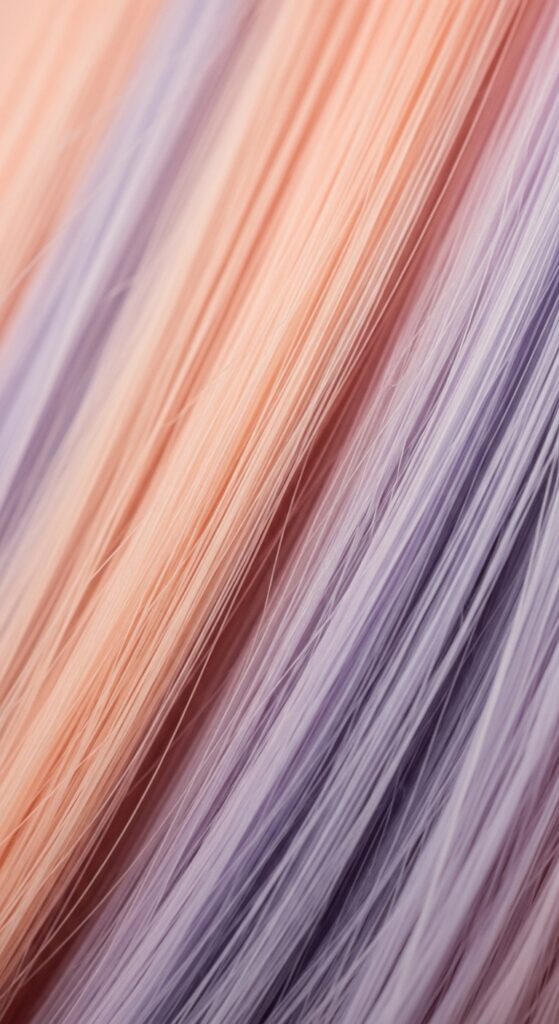
I’m talking about chameleon color shifts. These are reactive dyes that change hue based on temperature. Walk into a warm room, and your tips blush pink. Step outside into the cold, and they shift to a cool lavender. It’s magic, but real.
This is going to be huge for 2026 hairstyles. It adds a layer of personal, living art to any cut. And the best part? It’s surprisingly wearable. You can integrate this tech into the most classic, quiet luxury bob or the edgiest romantic goth hairstyles.
Let’s break down everything you need to know, from the science to the styles that will make this trend work for you. Get ready to have the most interactive hair on the block.
What Are Chameleon Color Shifts?
At its core, this is a special type of dye. It contains micro-pigments that are sensitive to temperature changes. Think of it like a mood ring, but for your hair. The shift is subtle and beautiful, not a dramatic cartoon change.
The science is pretty cool. The pigments react to the heat from your scalp, the air around you, or even your fingertips touching your hair. This creates a beautiful, flowing color movement that’s unique to you all day long.
The Science Behind the Magic
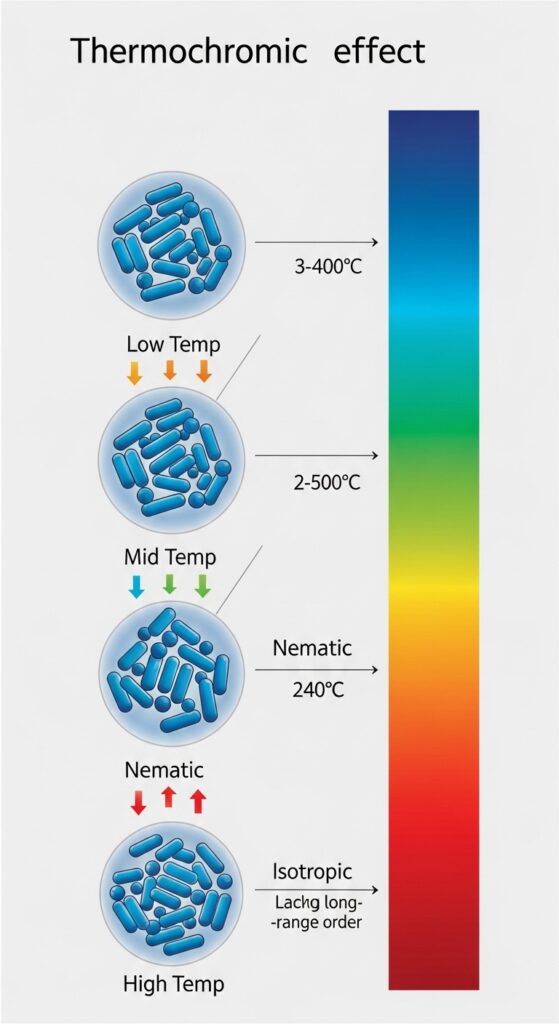
Don’t worry, I won’t get too textbook. These reactive dyes use something called thermochromic crystals. When they’re cold, they reflect one color of light. When warm, they reflect another. It’s that simple.
For hair, these crystals are safely suspended in a high-quality dye formula. The activation range is set to be around body temperature, so your hair is always reacting. The color shift usually cycles between two complementary shades, like blue to purple or bronze to gold.
Why This is the Ultimate 2026 Trend
2026 hairstyles are all about personal expression and intelligent beauty. It’s not just about a static look anymore. It’s about hair that interacts with your life. This technology delivers that in the most poetic way.
It also fits the “quiet luxury” vibe but with a twist. From afar, it looks like a stunning, complex color. Up close, people notice the gentle shift. It’s a conversation starter that feels luxurious and incredibly modern.
Starting Simple: The Quiet Luxury Bob
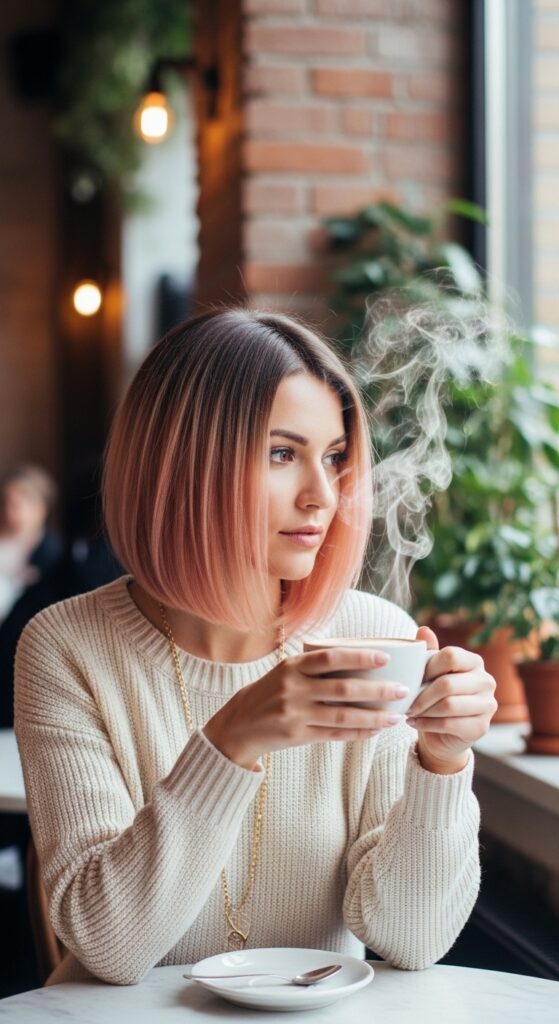
If you want to dip your toes in, this is the cut. A sharp, clean quiet luxury bob is the perfect canvas. The color shift acts as a moving highlight, adding incredible depth without any harsh lines.
Imagine a rich chocolate base that reveals hints of burgundy when you’re warm. Or a platinum bob that takes on a holographic, icy blue sheen in cooler temperatures. It’s elegance, upgraded.
Edgy & Cool: The Asymmetrical Lob
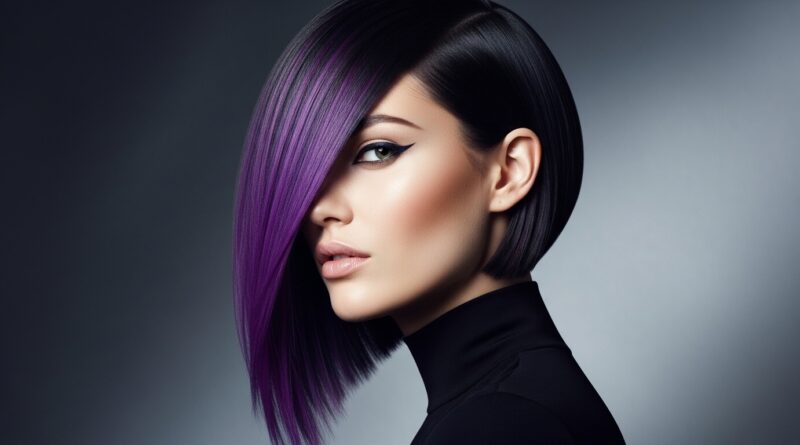
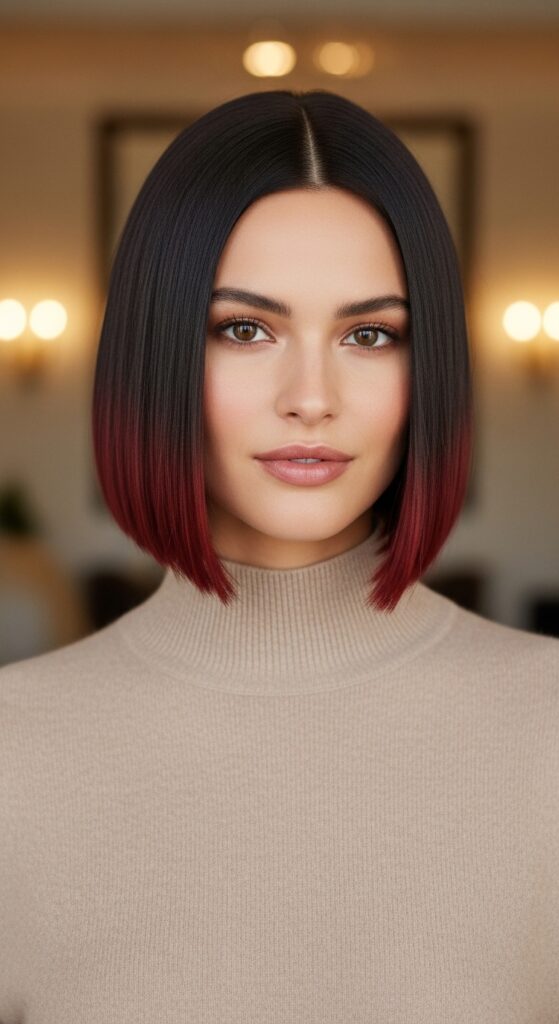
For more drama, pair the tech with an asymmetrical lob. The longer, angled lines give the color more room to play and create a stunning visual effect as the colors travel down the length.
This is where you can play with higher contrast shifts. Think a deep black base that shifts to a blood red or a royal purple, perfect for bridging romantic goth hairstyles with futuristic glam.
Romantic Goth Gets a Tech Upgrade
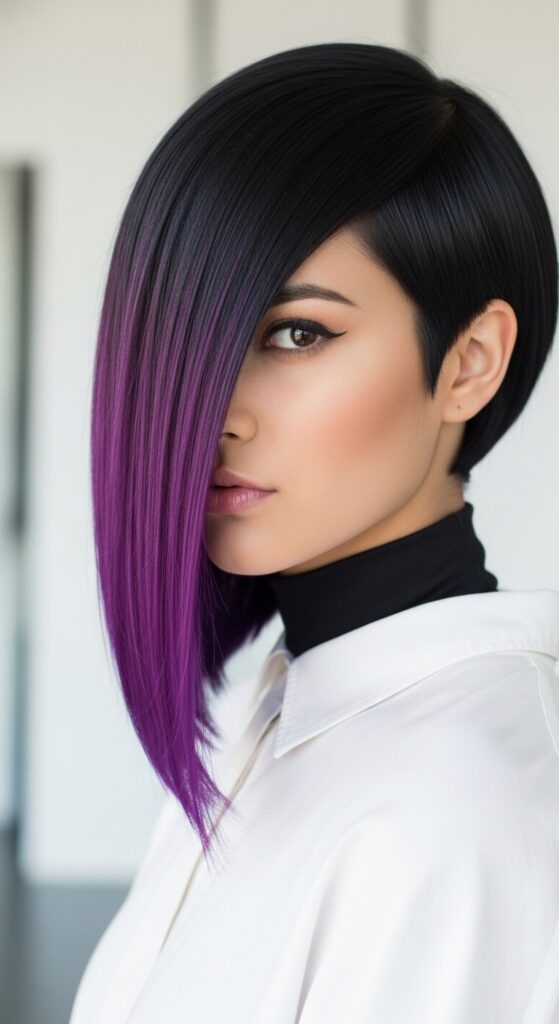
Speaking of romantic goth hairstyles, this is a match made in heaven. The ethereal, moody aesthetic is amplified when your dark waves or intricate braids have a hidden, shifting color.
Picture a classic vampire haircut with deep layers. In the cold, it’s a solid raven. Under warm lights, a hidden spectrum of emerald or plum emerges from the shadows. It’s deeply poetic.
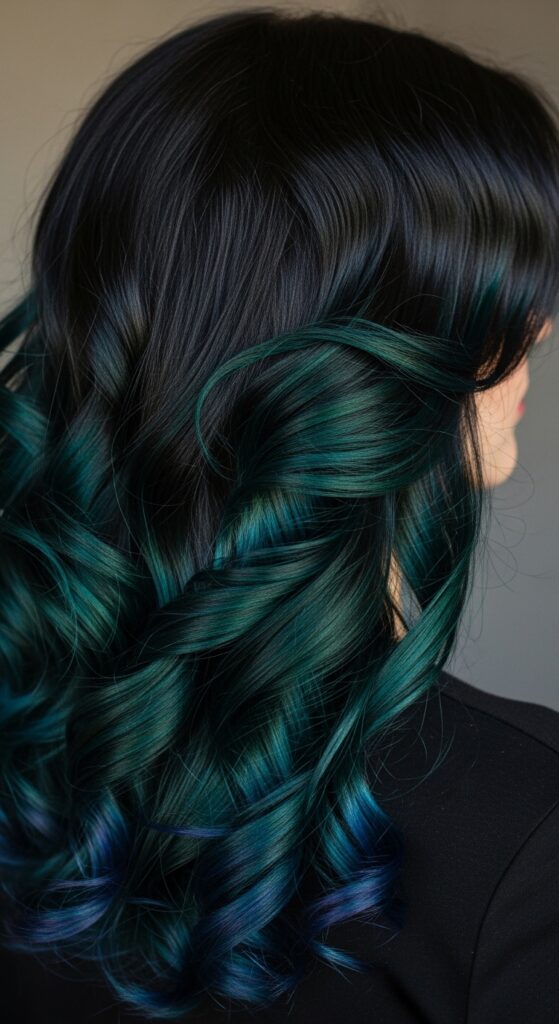
The Ultimate Vampire Haircut Effect
The vampire haircut—with its heavy fringe and face-framing layers—is ideal for this. The fringe itself can react to the heat of your forehead, creating a personal halo of color that frames your face.
Go for a stark black to crimson shift for a classic vampiric look, or try black to a silvery-blue for a more frostbitten, elegant creature-of-the-night vibe. It’s transformative.
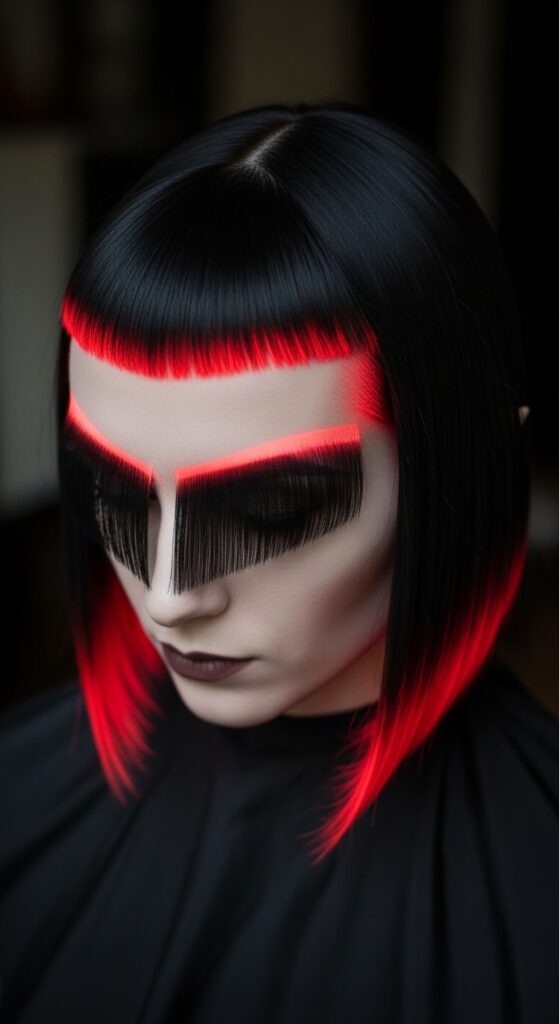
Soft & Dreamy: The Hime Cut
The hime cut, with its straight-across fringe and long sidelocks, offers defined sections that can be treated differently. Maybe just the blunt ends of your sidelocks react, or your full fringe changes.
This allows for a really playful, anime-inspired look. A neutral brown base can have tips that shift to pastel pink or blue, making the classic hime cut feel utterly fresh and futuristic.
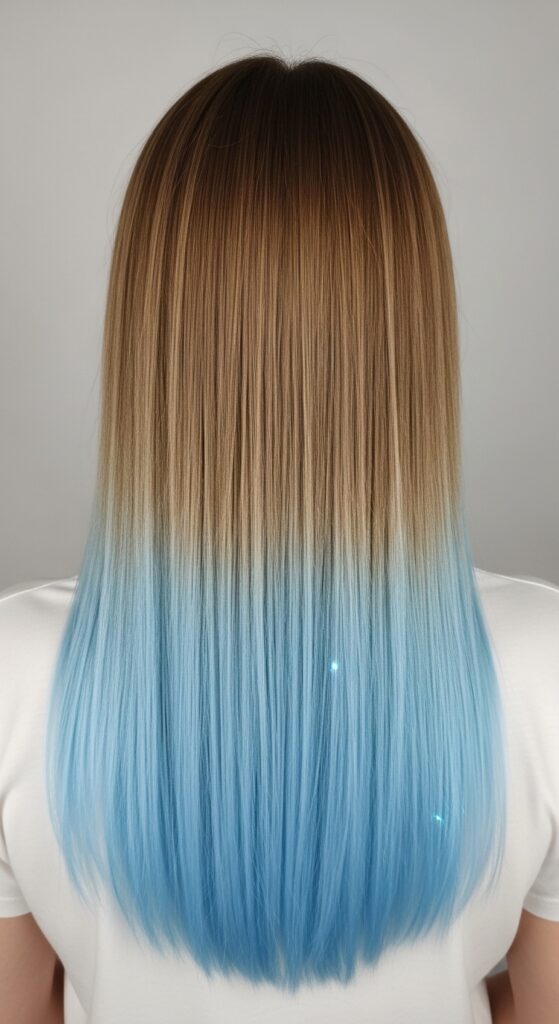
Creating “Glitchy Glam Hair”
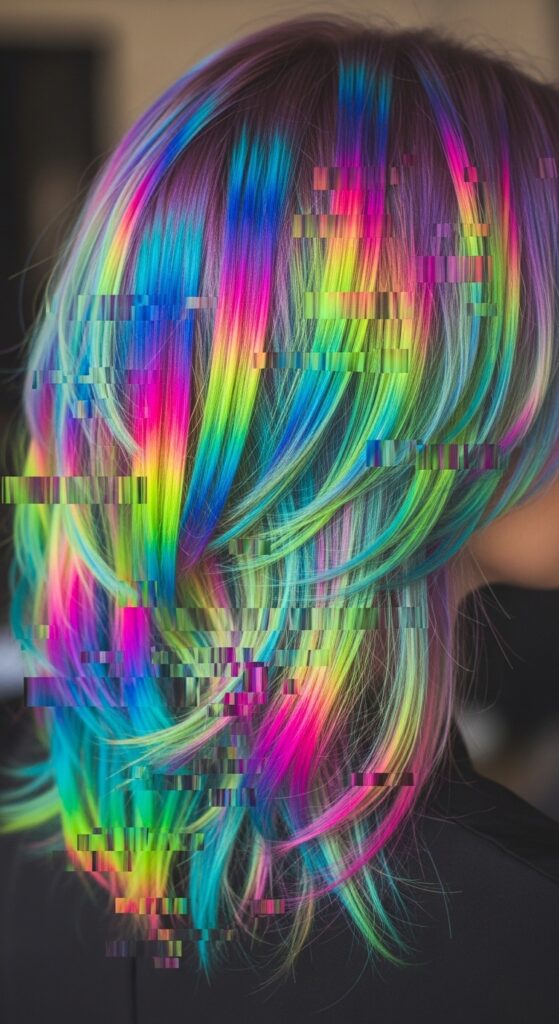
This trend is the definition of glitchy glam hair. That digital, almost-error aesthetic where colors seem to bleed and shift unexpectedly. With reactive dye, you achieve that organically.
Ask your colorist for a patchwork application. Some sections react, some don’t. Combine it with a textured, piece-y cut. The result is hair that looks like a beautiful, living glitch in the best way.
Old Money Hair with a Secret
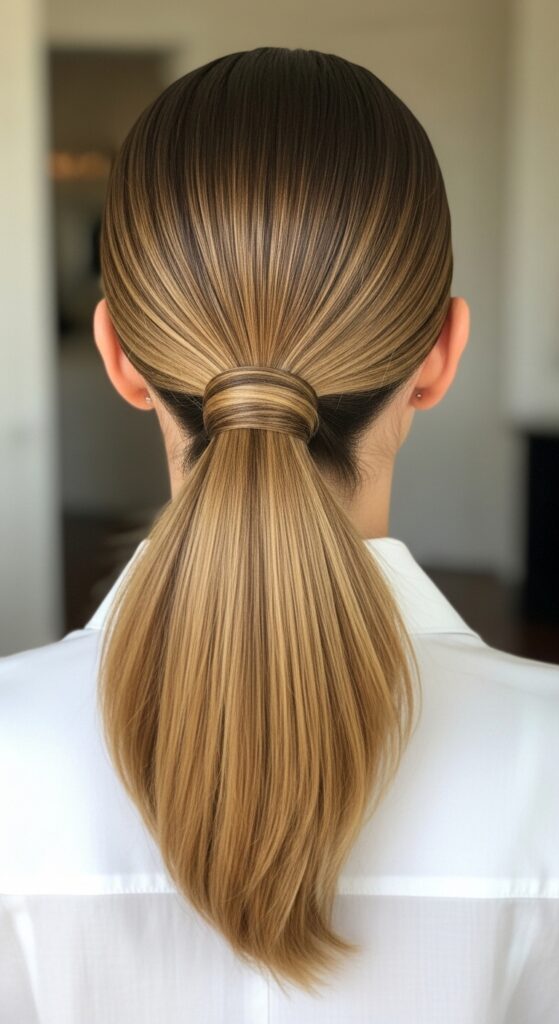
Old money hair is all about looking effortlessly rich and timeless. Now imagine that with a secret. A perfectly highlighted, sun-kissed balayage that, when you’re flushed from tennis or a warm fire, glows with a gentle peach shift.
It’s the ultimate in低调的奢华 (understated luxury). Only those close enough will notice the magical detail, making it feel incredibly special and personal.
How the Application Process Works
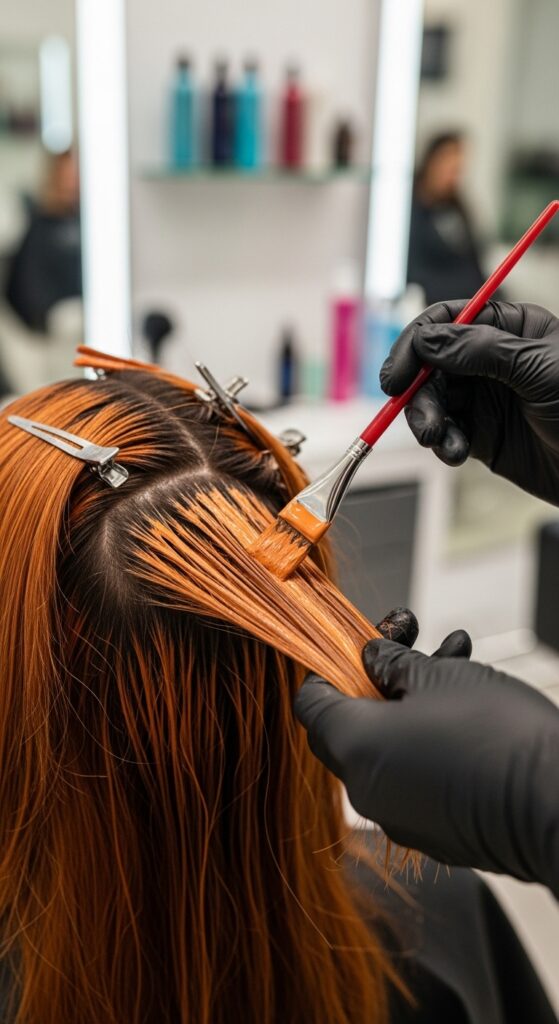
This isn’t a box dye job. You need a pro. The reactive color is usually applied over a lightened base for the most vivid shift. Your colorist will pre-lighten your hair to the desired level first.
Then, the thermochromic dye is carefully painted on. The process is similar to a traditional color or balayage, but requires precise mixing and timing to ensure the reactive properties are activated correctly.
Commitment Level & Upkeep
Let’s be practical. This is a high-maintenance color, but maybe less than you think. The reactive effect itself lasts 4-6 weeks, fading to the base color. You’ll need touch-ups for the vibrancy.
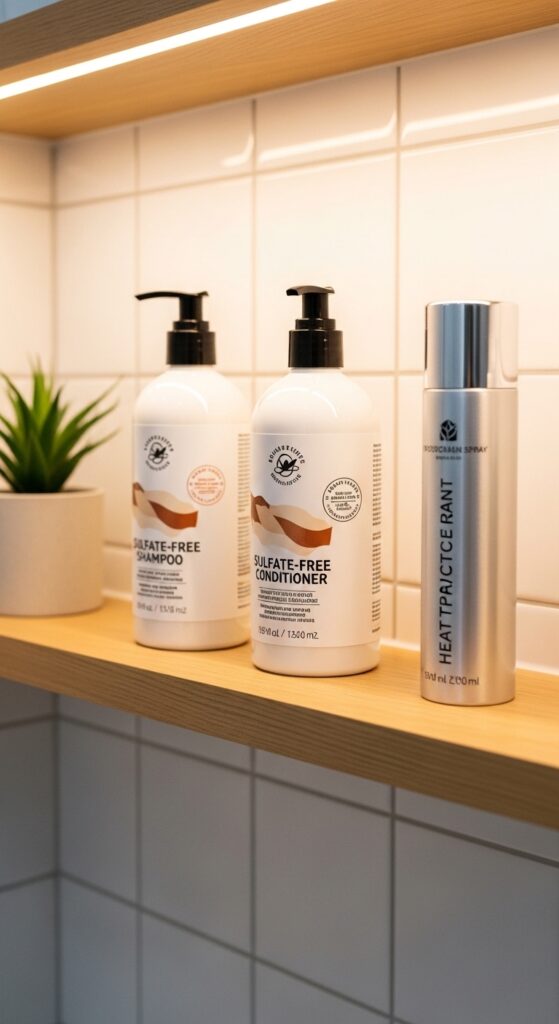
- Use sulfate-free, color-safe shampoo.
- Wash with cooler water to prolong shifts.
- Avoid excessive heat styling directly on the reactive sections.
- Use UV-protectant products, as sun can degrade the effect.
Can You Do It on Dark Hair?
Yes, but with a caveat. For the shift to be visible, the hair receiving the reactive dye needs to be lightened. This means on dark hair, you’re looking at a highlighted or balayage effect with the reactive color on those lighter pieces.
The result can be incredibly striking—like embers glowing in dark hair or hidden jewels. It requires more lightening upfront, so a consultation with a skilled colorist is non-negotiable.
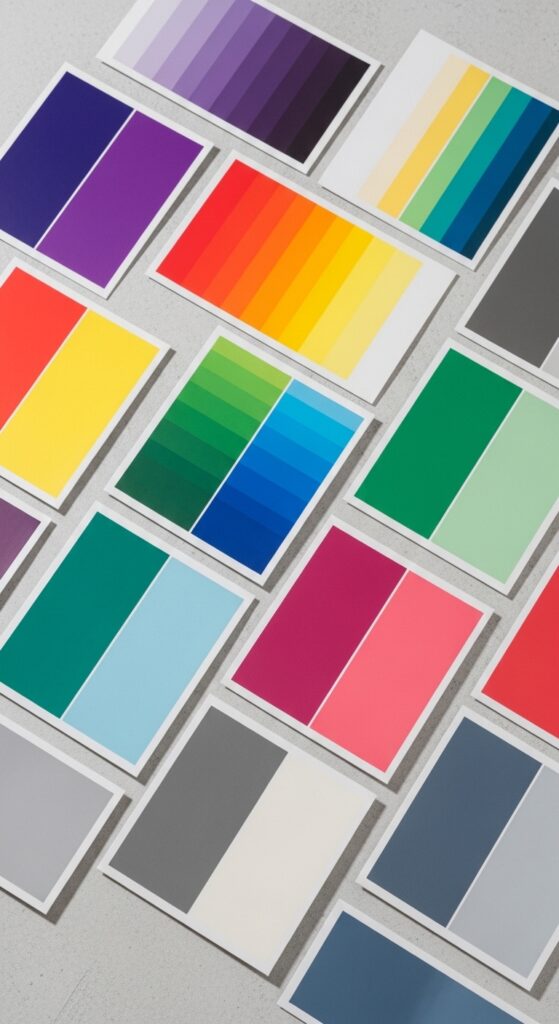
Choosing Your Color Shift Palette
This is the fun part. Most systems offer preset shift pairs. Popular ones for 2026 include:
- Slate Grey to Misty Pink
- Midnight Blue to Lavender
- Forest Green to Gold
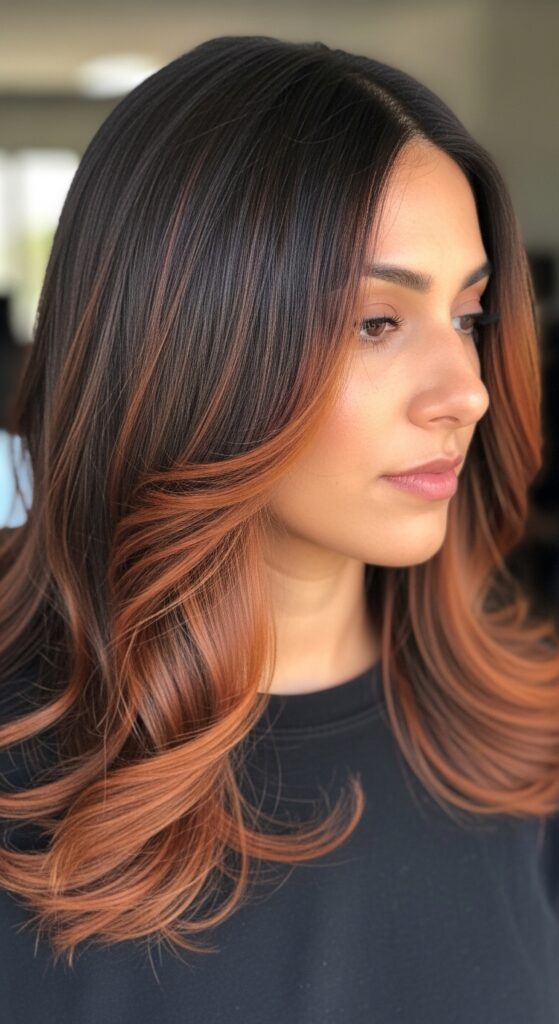
- Chocolate Brown to Burnt Orange
- Platinum to Holographic Silver/Blue
Styling to Maximize the Effect
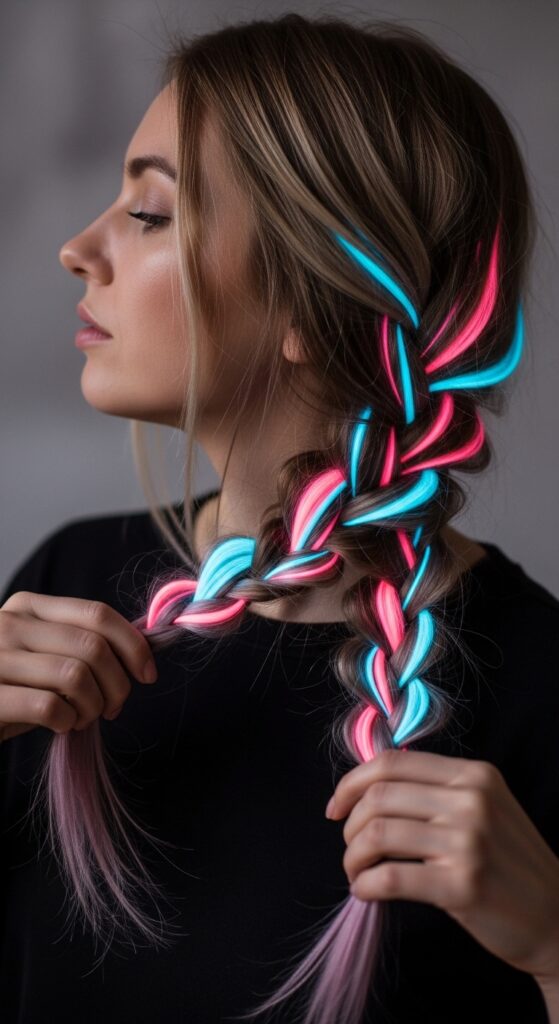
Styling can enhance the magic. Updos that expose the nape of your neck (where it’s warmer) will show one color, while down and loose styles show another. Braids create amazing color patterns.
Use your hands! Running your fingers through your hair transfers heat, creating little ripples of color change. It’s an interactive style in the truest sense.
Heat Tools: Friend or Foe?
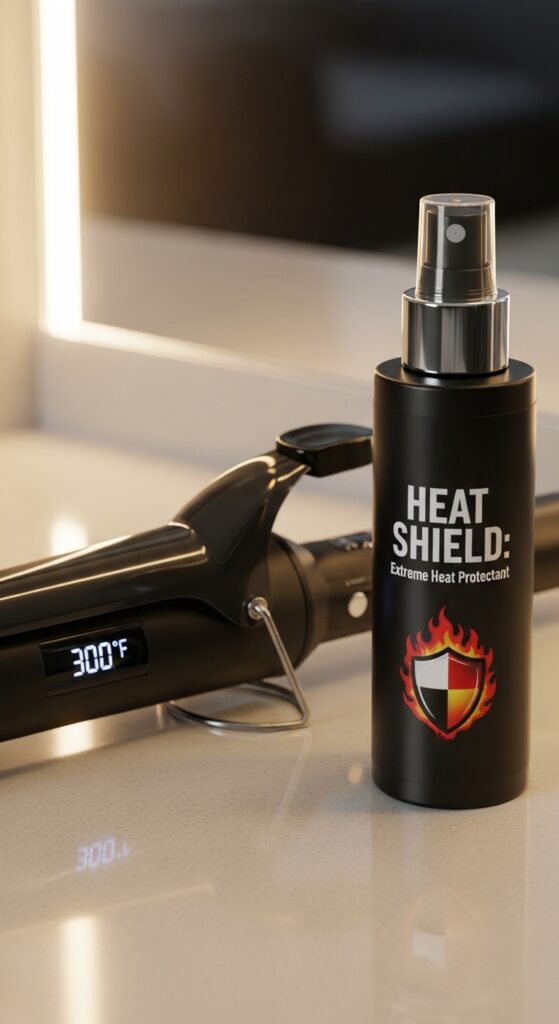
Be cautious. Direct, high heat from curling irons or straighteners can temporarily “override” the shift or even damage the reactive pigments if you’re not careful.
Always use a heat protectant. Try to style on a lower heat setting, or embrace air-drying and heatless curls to let the temperature color do all the talking.
The Emotional Appeal: Hair That Matches Your Mood
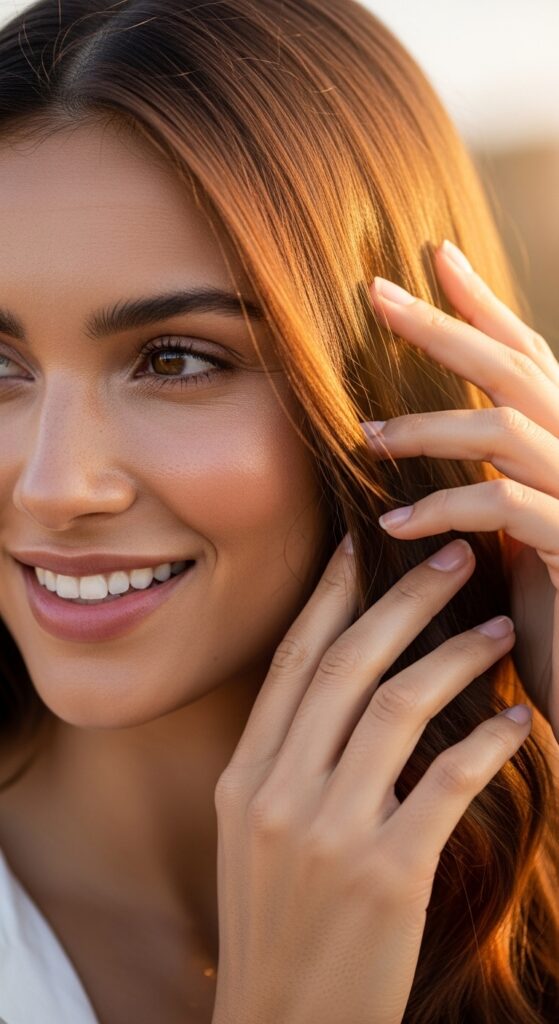
This is the real selling point for me. Feeling cool and calm? Your hair shows cooler tones. Flushed and energetic? It warms up. It’s a beautiful, non-verbal form of self-expression.
It makes your hair feel like a living part of you, not just an accessory. In a world of static looks, having hair that responds to your environment is uniquely personal.
Finding a Colorist Who Can Do It
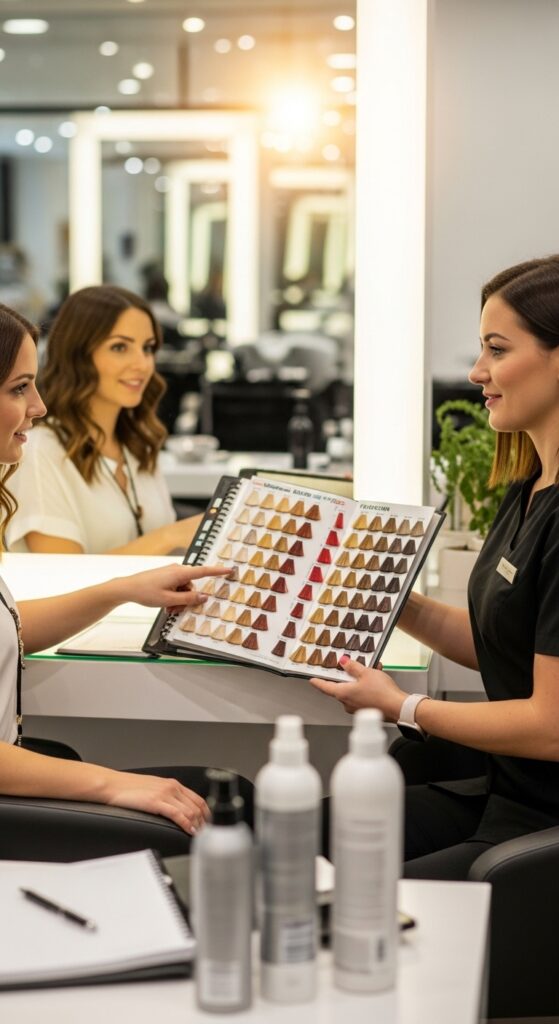
Not every salon offers this yet. Do your research. Look for stylists who specialize in vivid colors, fashion colors, or corrective color. They’re most likely to be early adopters of this technology.
Check Instagram hashtags like #thermochromichair or #chameleonhair. Always book a consultation first to see swatches and discuss the process, cost, and upkeep.
Budgeting for the Change
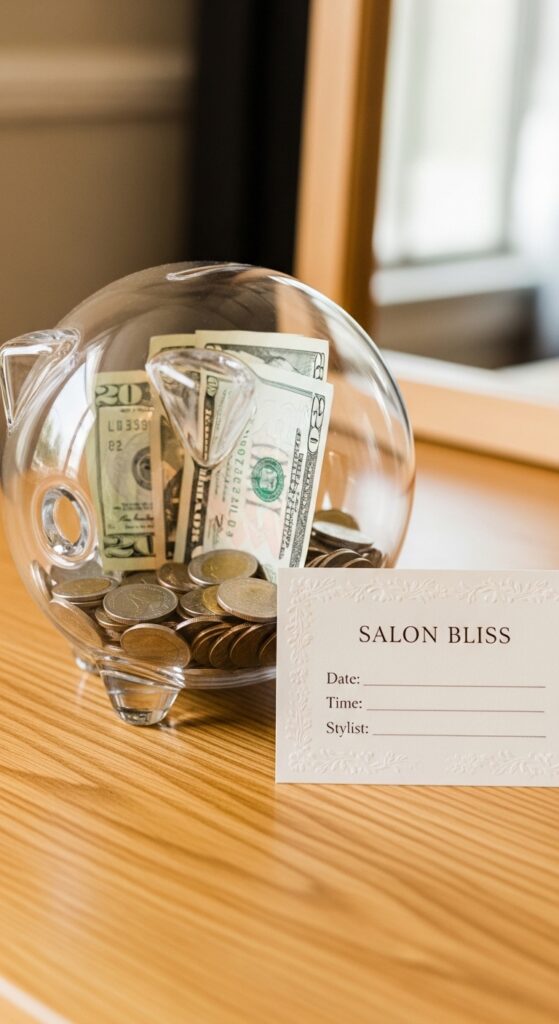
Let’s be real: this is an investment. Initial application can range from $300 to $600+, depending on your hair length, the amount of lightening needed, and your stylist’s expertise.
Factor in the cost of upkeep appointments every 4-8 weeks and the specialized aftercare products. It’s a commitment, but for the right person, it’s worth every penny for the experience.
My Personal Favorite Combo
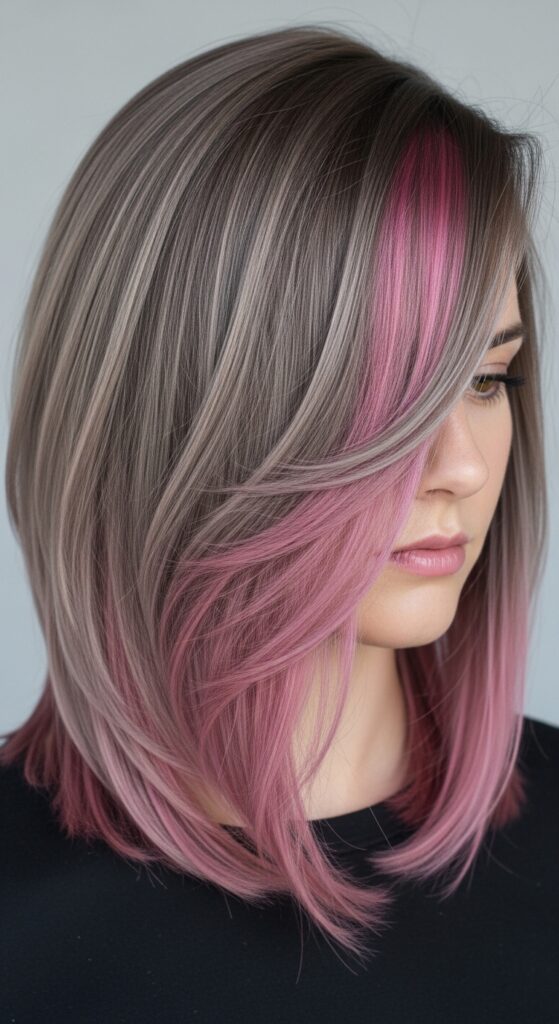
If I were to do it tomorrow? I’d go for an asymmetrical lob with a deep, cool taupe base. I’d have the reactive color applied as a heavy highlight, shifting to a rosy, dusty mauve.
It gives me that glitchy glam hair edge with a touch of romantic goth. It’s wearable for everyday but has that amazing interactive element that just feels so 2026.
Your First Appointment Checklist
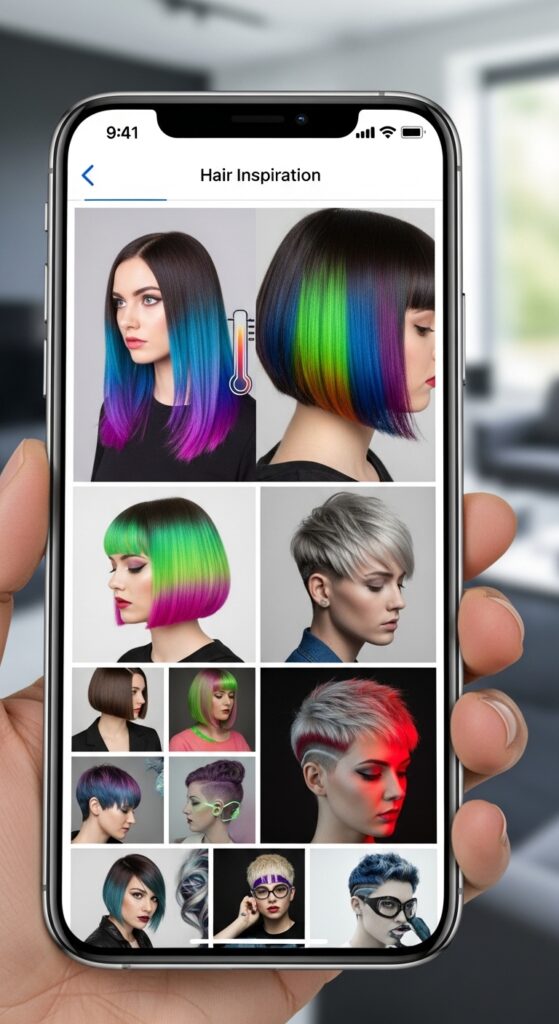
Be prepared to get the best results. Bring inspiration photos of both the cut and the color shift you want. Come with clean, dry hair. Be ready to talk about your hair history.
- Research and save 3-5 clear photos.
- Write down your questions about upkeep.
- Be honest about your styling habits.
- Set aside at least 4 hours for the appointment.
The Future of Hair Color Is Here
Chameleon colors are just the beginning. This technology opens the door to hair that reacts to sunlight, humidity, or even your heartbeat. We’re moving into an era of truly responsive beauty.
It might feel like a big leap now, but so did balayage ten years ago. This is the next step in making our personal style as dynamic as we are.
So, there you have it. The future of hair isn’t just a new cut or a single shade. It’s a living, breathing, changing part of your expression. It’s hair that has a secret conversation with the world around you.
Whether you’re drawn to the idea of a quiet luxury bob with a hidden warmth or a full romantic goth transformation that shifts with your mood, the option is now on the table. It’s exciting, it’s personal, and it’s incredibly cool.
I’d love to know—does the idea of interactive color thrill you or feel like too much? Would you try it on just your ends first or go all in? Let me know in the comments! And if you’re already dreaming up your color shift, save this post to Pinterest to show your colorist exactly what you want.