Gracefully 20 Graduated Lace Adjustments Custom Fitting Every Occasion
Okay, let’s talk about something we’ve all been through. You find a stunning hairstyle photo—maybe it’s a perfect quiet luxury bob or a dramatic vampire haircut. You show it to your stylist, they work their magic, and it looks… almost right. But something’s off. It doesn’t quite fit your face shape or your vibe.
That “something” is often the graduation and the lace. These are the secret levers stylists adjust to make a cut truly yours. It sounds technical, but I promise it’s simple.
Think of this as your backstage pass. I’m breaking down exactly how to ask for those adjustments, so you walk out with a cut that feels custom-fitted for your life, from boardroom to date night. Let’s get you from “almost” to “absolutely.”
What Is Graduation, Anyway?
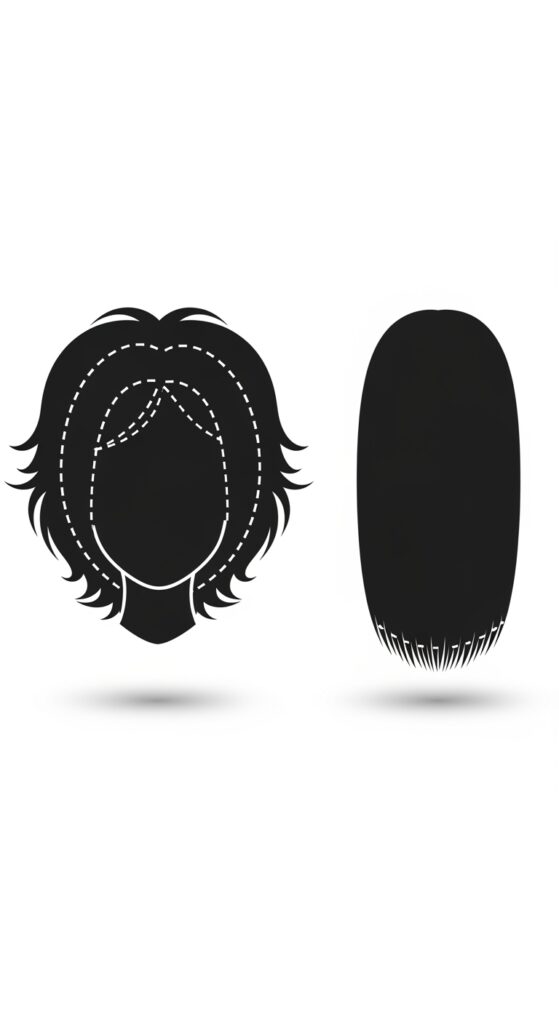
Graduation is all about creating weight and shape within the hair. It’s how your stylist builds the interior structure of your cut. More graduation means more layers and movement, built from the inside.
Less graduation creates a stronger, heavier line—think of that classic, blunt bob. It’s the foundation. Getting this right is what makes a style feel modern and personal, rather than just a shape stuck on your head.
And What’s “The Lace”?
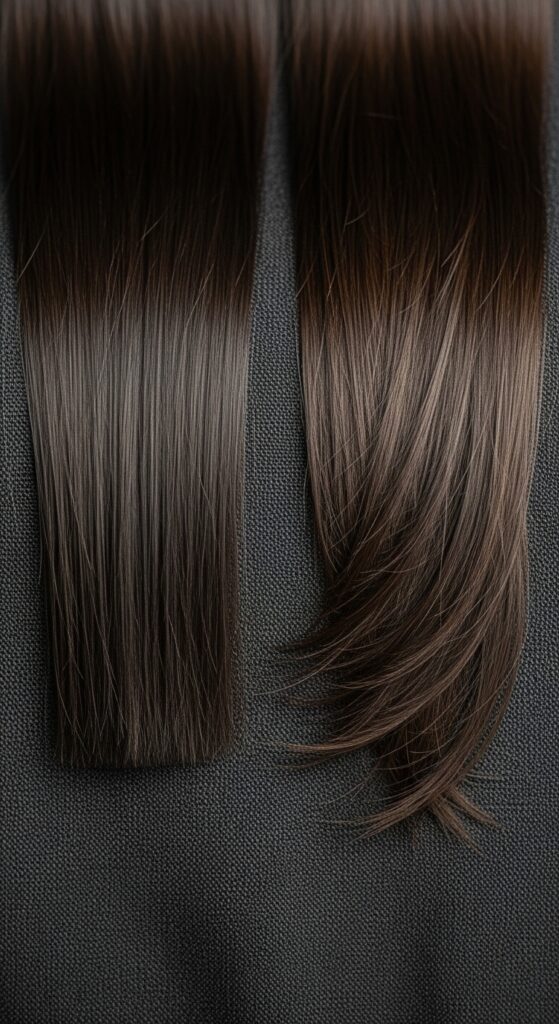
No, not the fabric! In hairstyling, “the lace” refers to the very ends of your hair—the perimeter line that frames your face and neck. It’s the finishing touch you see first.
Adjusting the lace means tweaking how that perimeter falls: is it razor-sharp and blunt? Soft and textured? Wispy and broken? This is where a cut gets its final character and polish.
The Golden Rule: Communicate With Pictures
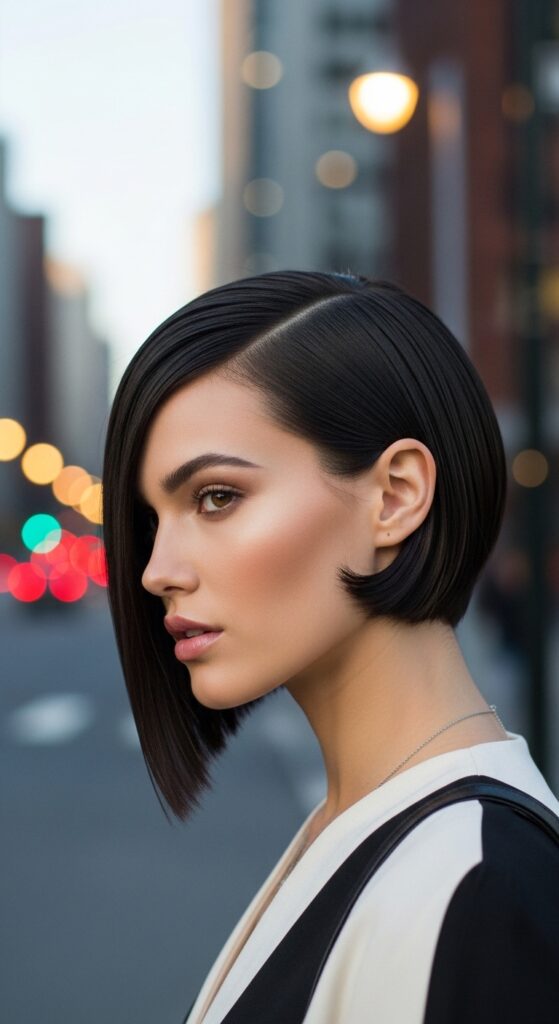
Never just say the name of a cut. “I want a lob” means a thousand different things. Instead, bring 2-3 photos. Point to what you love in each one. Is it the graduation (the interior volume)? Or the lace (the wispy ends)?
Say, “I love the interior layers from this picture, but the cleaner, longer perimeter from this one.” This gives your stylist a crystal-clear map to follow for your custom blend.

For The “Old Money Hair” Look
This timeless, polished aesthetic is all about precision and health. The goal is hair that looks naturally fantastic, not overly styled. The graduation is usually minimal to maintain a solid, luxurious weight.
The lace is key: ask for a “clean, blunt perimeter with just the very slightest point-cutting to remove rigidity.” This prevents a harsh, helmet-like line and adds a whisper of softness.

Adjusting The Quiet Luxury Bob
This cut is the star of understated elegance. To nail it, focus on balance. The graduation should be subtle, creating a gentle inward curve (convex) that hugs the head without flipping out.
For the lace, request “soft, melted ends—no hard lines.” The transition from the interior to the ends should be seamless. This makes it look expensive and effortless, a true 2026 hairstyles contender.

Mastering The Asymmetrical Lob
The asymmetrical lob is a playful, modern twist. The graduation here often needs to be heavier on the longer side to balance the dramatic length difference and prevent the shorter side from poofing.
The lace should be distinct on each side: perhaps cleaner on the longer side and more textured or chiseled at the shorter back. This intentional contrast is what makes the cut so dynamic.
Adding Romantic Goth Flair
Think Victorian romance meets edge. For romantic goth hairstyles, graduation creates the volume for soft curls or dramatic waves, often built from the mid-lengths down.
The lace is deliberately imperfect. Ask for “deeply point-cut or notched ends” to create a frayed, velvety texture. This makes curls look more atmospheric and less bouncy-perfect.
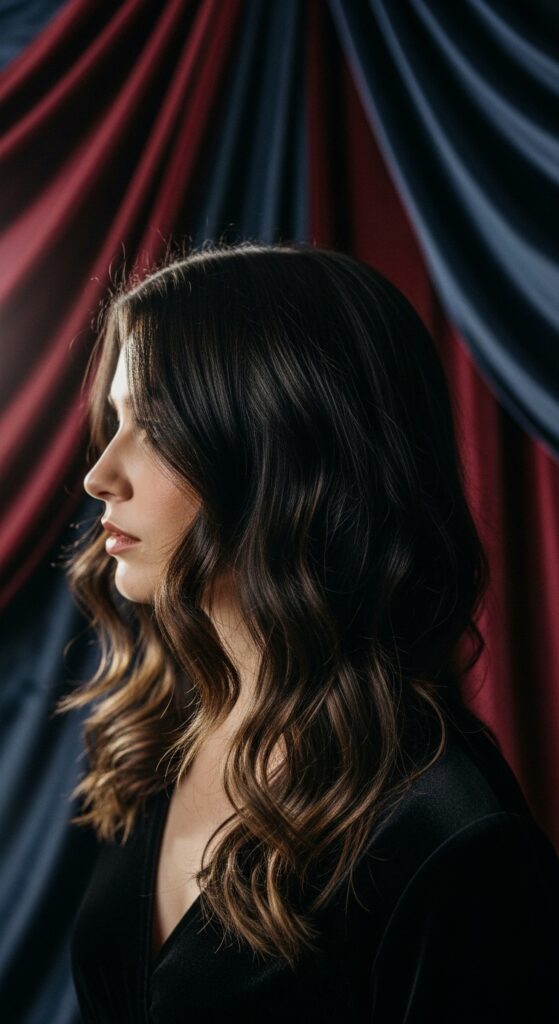
The Vampire Haircut Breakdown
This is all about sharp, dramatic shapes with a touch of decay. Heavy, internal graduation creates the extreme shaggy layers and volume on top, tapering down.
The lace is shattered. Be clear: you want “highly textured, fragmented ends” with lots of slicing. This creates that iconic, “just-awoken-after-centuries” texture that’s so key to the look.

Customizing The Hime Cut
The iconic Japanese hime cut features a strong, straight-across fringe and dramatic, blunt cheek-length sidelocks. The graduation is minimal in these front sections to keep them graphic.
The lace on the sidelocks must be absolutely blunt and sharp. For the back hair (often long), you can choose a blunt or softer lace depending on whether you want a more traditional or blended look.

Experimenting With Glitchy Glam Hair
Glitchy glam hair is playful, digital-age beauty. It mixes textures and finishes. Graduation might be uneven—some sections heavily layered, others left solid.
The lace treatment is mixed, too. Combine blunt-cut pieces with deeply razored or even undercut sections. It’s about intentional disruption, like a stylish error in the matrix.

For Fine, Thin Hair
The goal is to create the illusion of fullness without sacrificing length. Opt for light, interior graduation to remove weight and allow hair to lift. Avoid over-layering.
Keep the lace very soft and wispy. A blunt cut can look too heavy and sparse. Ask for “feathery, diffused ends” to blend layers seamlessly and add movement.
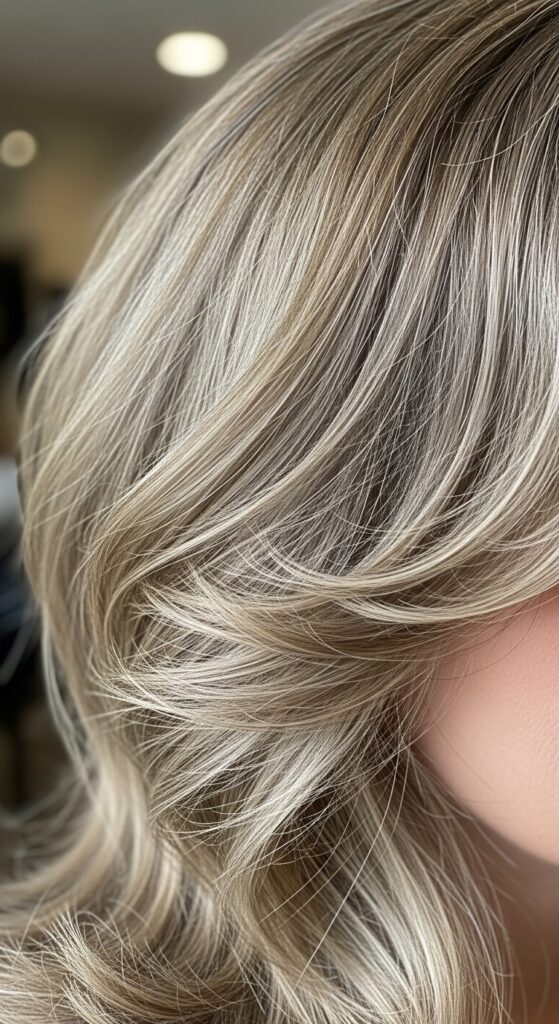
For Thick, Heavy Hair
You need weight removal and control. Significant interior graduation is your friend to remove bulk and shape the hair from within, preventing a triangular shape.
The lace can be stronger. A blunt or softly blunt perimeter helps anchor the style. You can also ask for light texturizing just at the ends to soften the line without adding bulk back.
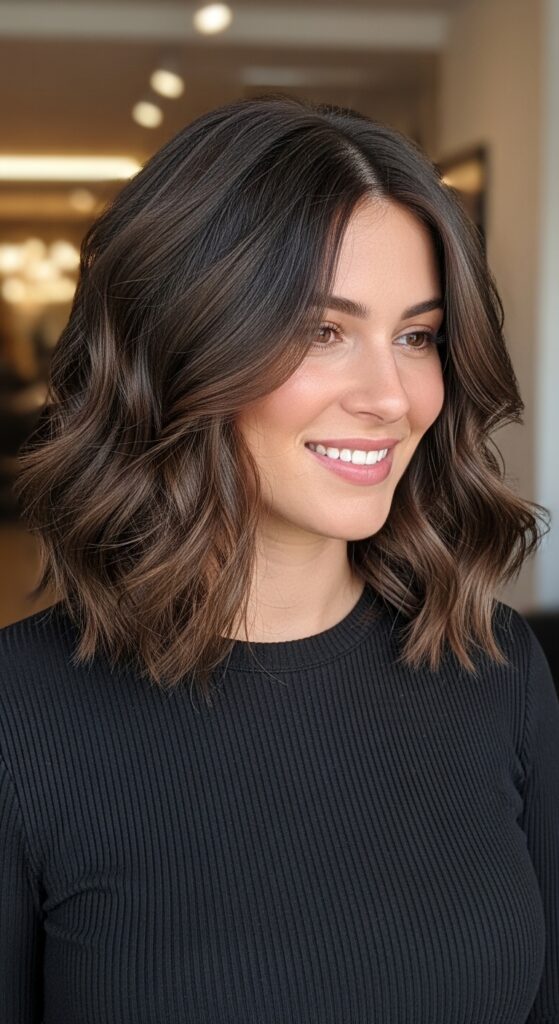
For Curly & Coily Hair Textures
Graduation must work with your curl pattern, not against it. Often, this means longer layers to maintain shape and prevent frizz. DevaCut or curl-by-curl techniques are ideal.
The lace is about shaping the silhouette. Stylists often “shape the ends” by cutting curl clumps at different lengths to form a beautiful, rounded shape that enhances your natural pattern.
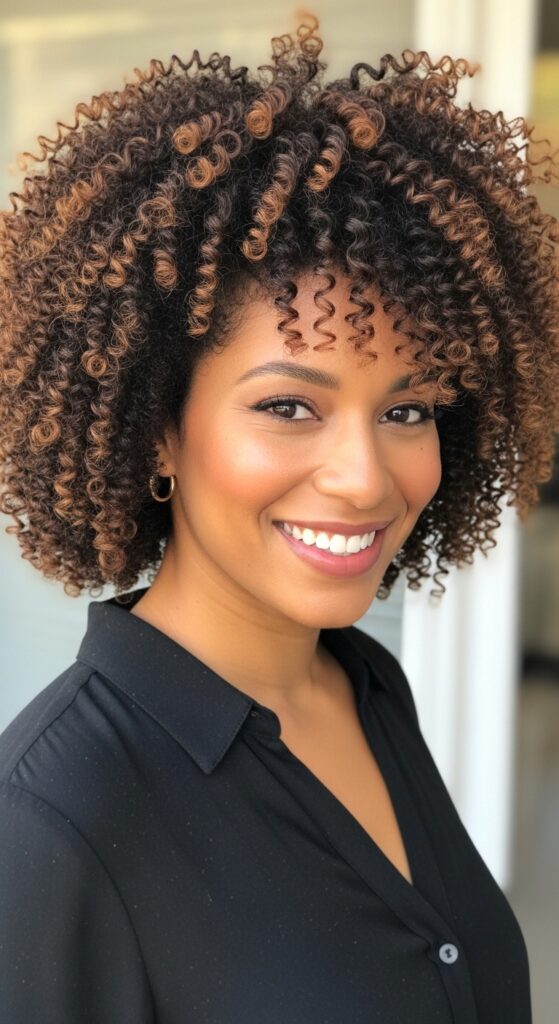
For Wavy Hair
Wavy hair needs liberation. The right graduation helps enhance the wave pattern by removing weight that pulls waves straight. Layers are cut where the wave naturally bends.
The lace should be textured to allow waves to form all the way to the ends. Avoid a thick, blunt line that can make ends look weighed down and straight.

The “Grow-Out” Adjustment
Growing out a cut is the ultimate test. To make it graceful, ask your stylist to add light graduation in the awkward, mid-length zones to blend the old shape into the new length.
Focus the lace trim only on the very ends to maintain health, while they reshape the perimeter to guide your hair into its next phase. This is a strategic trim, not a full cut.
From Day to Night: Quick Changes
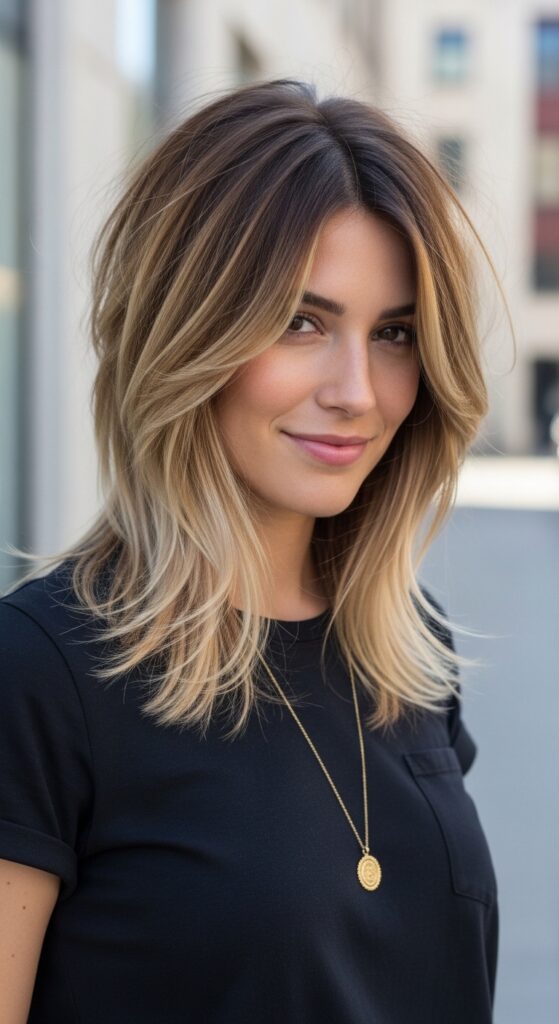
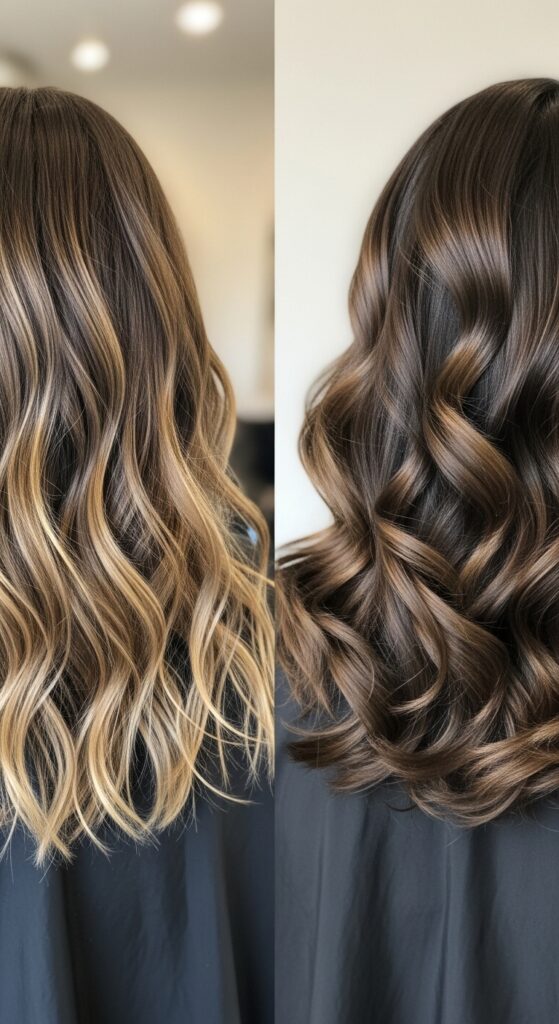
A great cut does the work for you. For day, your graduated layers should provide natural air-dried movement. A well-adjusted lace frames your face perfectly without product.
For night, that same graduation is the base for hot tool volume. Those textured ends hold curls better. Just add a shine serum to the lace for instant polish.
For The Professional Workplace
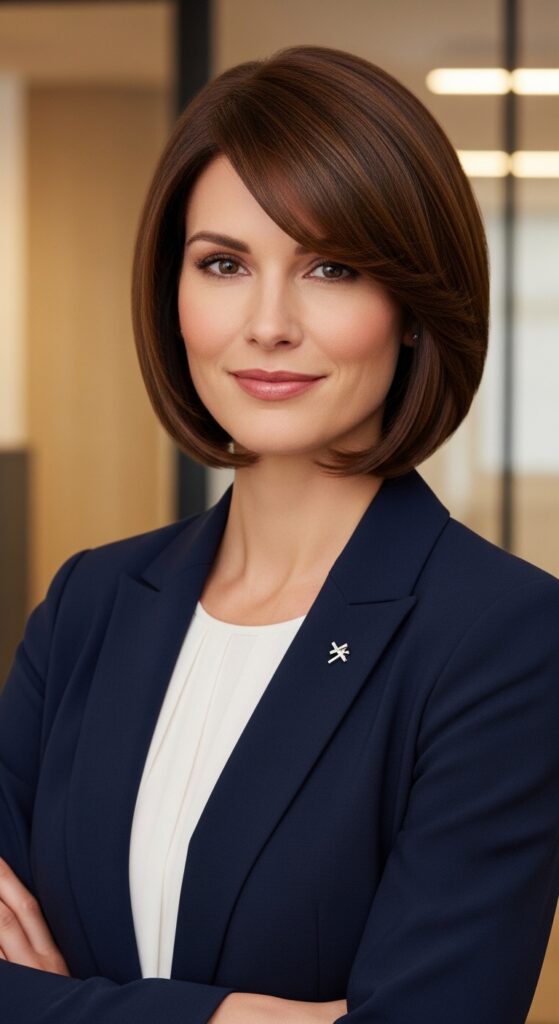
You need polished but not stiff. Opt for a cut with clean, internal graduation that creates shape without obvious layers. Think of the interior architecture of a good suit.
The lace should be neat and intentional—a clean line or a softly broken line that looks tidy when pulled back. It says you’re put-together without trying too hard.
For Weekend & Casual Vibes
This is where texture shines. Ask for more pronounced graduation to create natural, piece-y separation for that “I woke up like this” look, even if you didn’t.
The lace can be more playful. Request “chipped” or “notched” ends for a lived-in, effortless texture that looks great with hats, air-drying, and messy buns.

Your Pre-Appointment Checklist
Do this before you go:
- Gather 3 reference photos.
- Identify what you like in each (color? graduation? lace?).
- Note what you DIDN’T like about your last cut.
- Wash and style your hair as you normally do so your stylist sees the real you.
Walking in prepared is the biggest gift you can give yourself and your stylist for a perfect result.

Phrases To Use With Your Stylist
Use their language for clarity:
- “Can we add interior graduation for more movement?”
- “I’d like a softer lace, maybe with some point cutting.”
- “Let’s keep the graduation minimal but texturize just the ends.”
- “Can we focus the weight removal here, but keep the length here?”
This professional phrasing gets you exactly what you want.
Maintaining Your Custom Cut
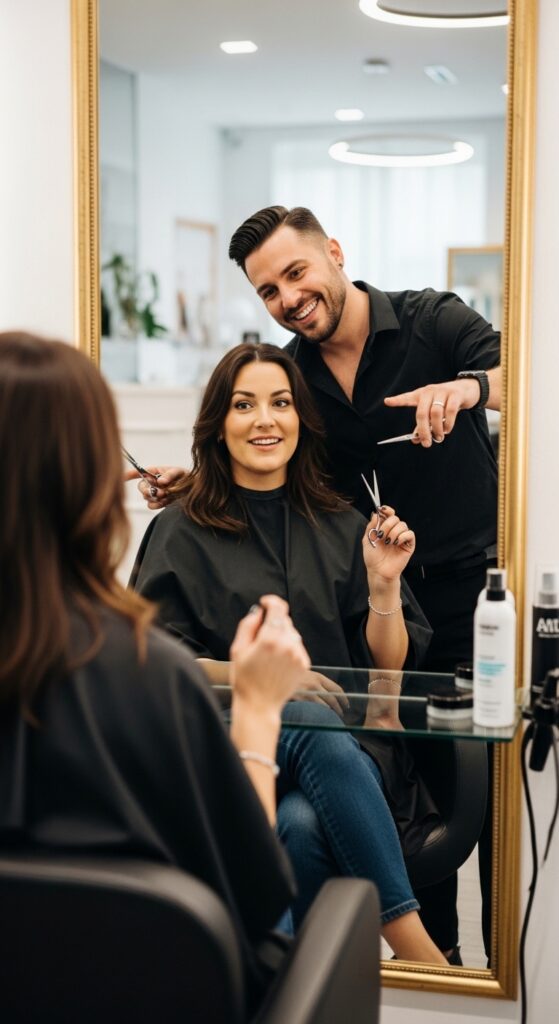
A perfect cut needs upkeep. Schedule a trim before it looks “bad”—usually every 8-12 weeks. This maintains the lace’s shape and the graduation’s integrity.
Use products that enhance your cut’s intention: smoothing for blunt laces, texturizing for shattered ones. A good stylist will recommend what works for your new structure.

When To Find A New Stylist
If you consistently leave feeling unheard or like your adjustments are ignored, it might be time. A great stylist listens, explains why something will or won’t work, and collaborates.
You deserve to feel excited and confident in your stylist’s chair. This relationship is a partnership in your self-expression. Don’t settle for less.
So there you have it—your decoder ring for the stylist’s chair. It’s not about being difficult; it’s about being a collaborator in your own look. When you understand the simple mechanics of graduation and lace, you unlock the ability to tailor any trend to your unique bone structure, hair texture, and daily life.
That’s the real secret to hair that feels like “you” on your very best day. It turns a good haircut into a great one, and a great haircut into a signature style. You’ve got all the tools now.
Save this post to Pinterest to keep your visual guide handy for your next appointment! And tell me in the comments—what’s the next haircut you’re dreaming of trying? I love hearing your plans.