
How to Restore Overprocessed Hair After Too Many Bleaching Sessions Without Cutting Everything
Hey friend, I know the feeling. You looked in the mirror after another bleach session and your hair finally said “enough.” It’s gummy when wet, snaps when dry, and the thought of cutting it all off makes you want to cry. I’ve been there. The good news? You can restore overprocessed hair without losing all your length. This post walks you through the exact steps I used to bring ultra-bleached hair back from the brink—no dramatic chop required. We’ll cover the easiest fixes, the best styling tricks, and the trendy cuts that hide damage while you heal. Give me ten minutes, and you’ll have a plan that actually feels doable.
First, Accept Where Your Hair Is Right Now
Stop fighting the reality of your hair. Bleaching strips the cuticle and exposes the cortex. That leads to breakage, less elasticity, and that straw-like texture. It’s not in your head.
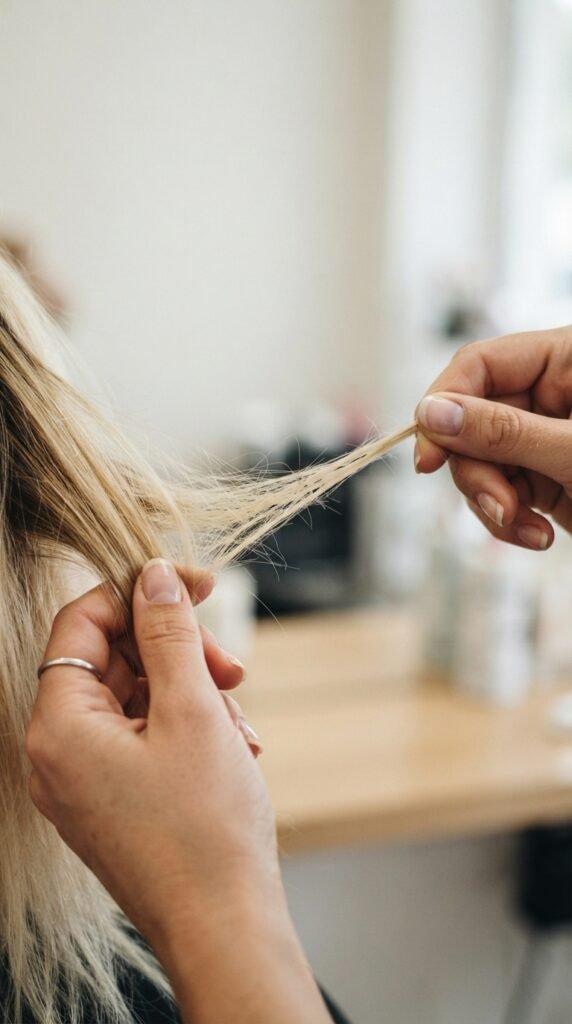
- Gently stretch a wet strand. If it snaps without bouncing back, it’s damaged.
- If it feels mushy when wet, skip any more chemical treatments for now.
This isn’t about giving up. It’s about starting from a truthful place. Only then can you actually restore what’s left.

Get Honest About the Damage (Breakage vs. Elasticity)
Not all damage is the same. Breakage means your hair snaps off mid-shaft, usually from too much pulling or heat. Elasticity issues mean hair stretches and doesn’t return to its original shape, which happens after heavy bleaching.
- If your hair snaps easily, focus on gentle handling and protein.
- If it stretches and feels gummy, your bonds are weakened—bond builders are your answer.
Knowing which one you have makes every other step easier. You’ll stop wasting money on products that don’t target your actual problem.
Protein vs. Moisture: The Hair Diet That Works
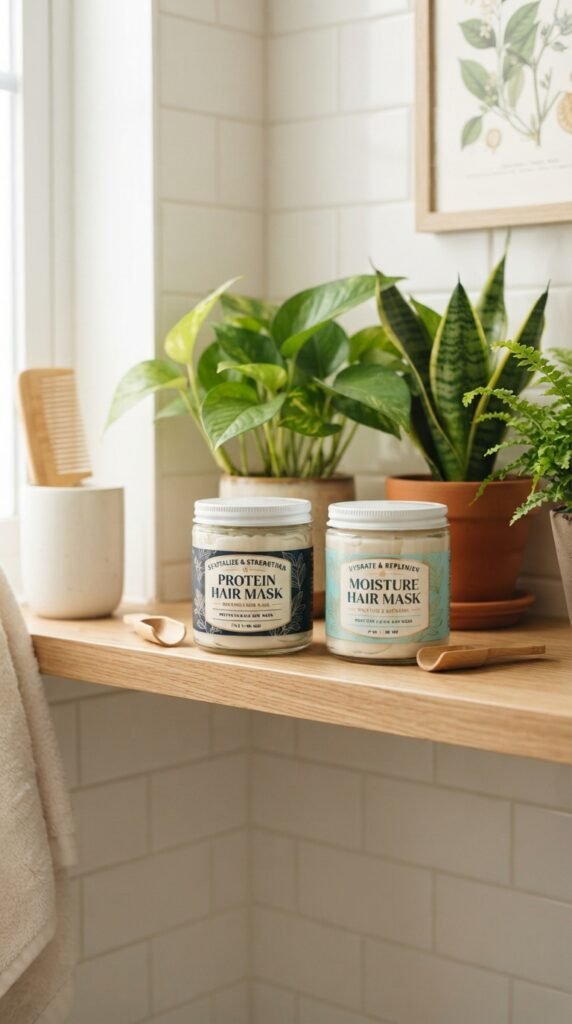
Overprocessed hair needs both, but not at the same time. Too much protein makes hair stiff and brittle. Too much moisture makes it limp and mushy. The goal is a balance.
- Use a protein treatment once a week if hair stretches a lot.
- Use a deep moisture mask on the other days, especially after protein.
- Look for products with hydrolyzed keratin or silk amino acids.
This simple rhythm rebuilds strength while keeping your hair soft. You’ll notice a difference within two or three washes.
Mini Trims Are Your Best Friend (Not a Full Chop)
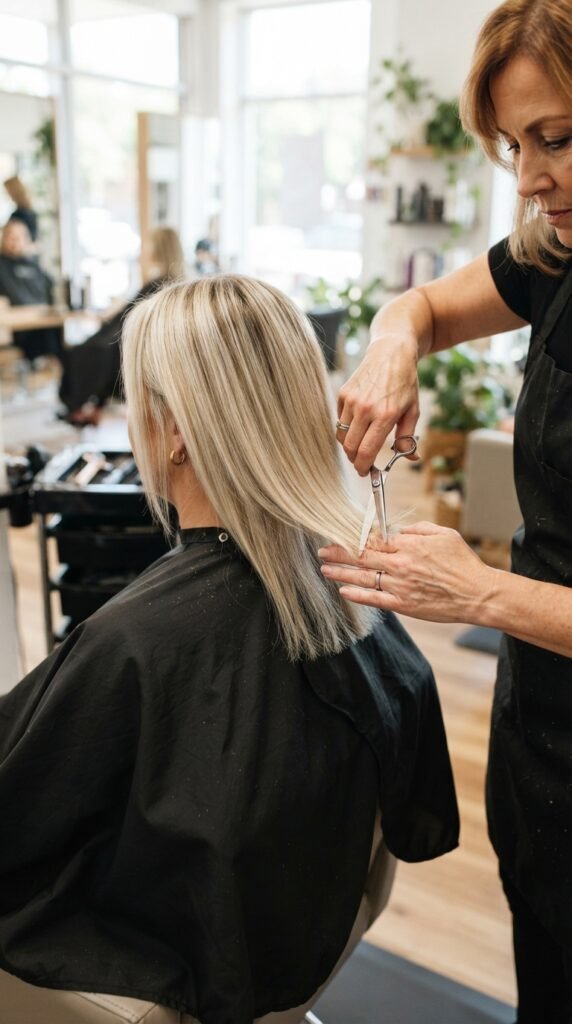
You don’t need to cut everything off. But you do need to remove split ends that travel up the shaft. Think of it as damage control, not a haircut.
- Ask for a “dusting” or a trim of just the ends.
- Schedule a trim every 6–8 weeks to keep splits from climbing.
- Avoid getting too much taken off at once, even if your stylist suggests it.
Mini trims give your hair a healthier look without sacrificing length. Over time, you’ll gain more length than if you waited and chopped off a huge chunk later.
Invest in a Bond Builder (Olaplex, K18, etc.)
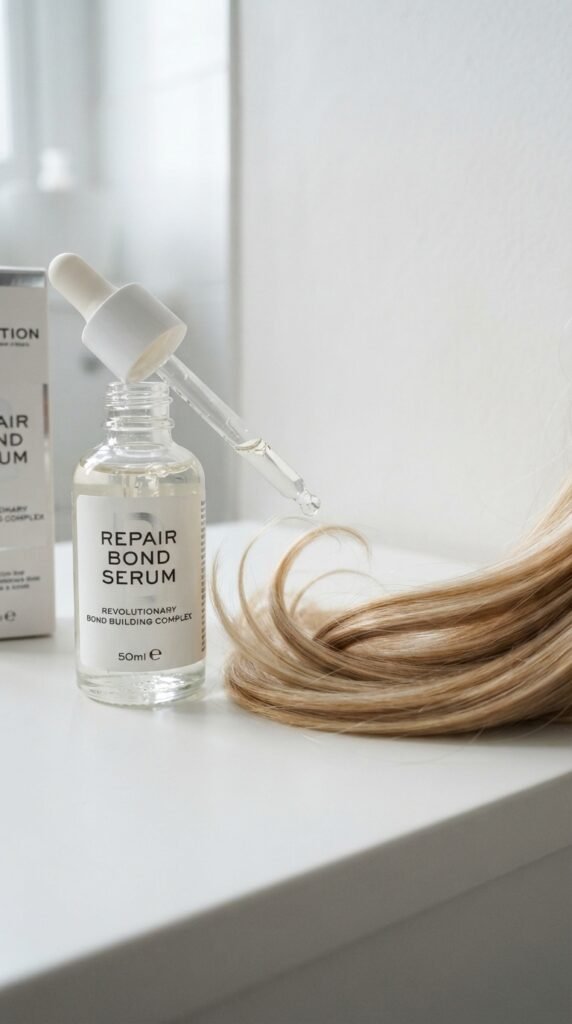
This is your strongest ally. Bond builders reconnect broken disulfide bonds inside the hair, not just coat the outside. They’re made for overprocessed hair.
- Use a bond building treatment at home once a week.
- Follow the instructions exactly—time matters.
- If you still see a stylist, ask about a bond-building additive during your next color.
It won’t happen overnight, but after a month, your hair will feel stronger and look less frizzy. This is the closest thing to a miracle fix for bleached strands.
Wash Less, but Smarter
Washing your hair too often strips the little bit of moisture you have left. Overprocessed hair already loses water faster, so you need to protect it.
- Shampoo only 2–3 times a week, or use a co-wash in between.
- Always use lukewarm water, not hot.
- Apply conditioner from mid-length to ends, then rinse with cool water.
Less washing also means your natural oils get time to travel down the strands. That’s free, natural protection you didn’t have to buy.

Cold Water Rinses Actually Help
That cool final rinse isn’t just a trend. Cold water flattens the raised cuticle, which locks in moisture and adds shine. It helps your hair feel smoother right away.
- After conditioning, turn the water to cool for 15–20 seconds.
- Don’t use freezing cold—just a noticeable coolness.
- Finish your shower with a gentle squeeze in a microfiber towel.
It’s the easiest habit on this list. You’ll see less frizz and better reflection almost instantly.

Deep Condition Like It’s Your Job
Overprocessed hair is thirsty, and regular conditioner won’t cut it. A good deep conditioning mask adds back moisture and softens the rough cuticle.
- Choose a mask with shea butter, argan oil, or ceramides.
- Leave it on for at least 15 minutes, or wrap your hair in a warm towel.
- Use it once or twice a week, depending on how dry your hair feels.
Don’t rub the product into the rest of your hair like a crazy person. Focus on the middle to the ends, where damage is worst. This keeps your hair flexible enough to survive the grow-out.

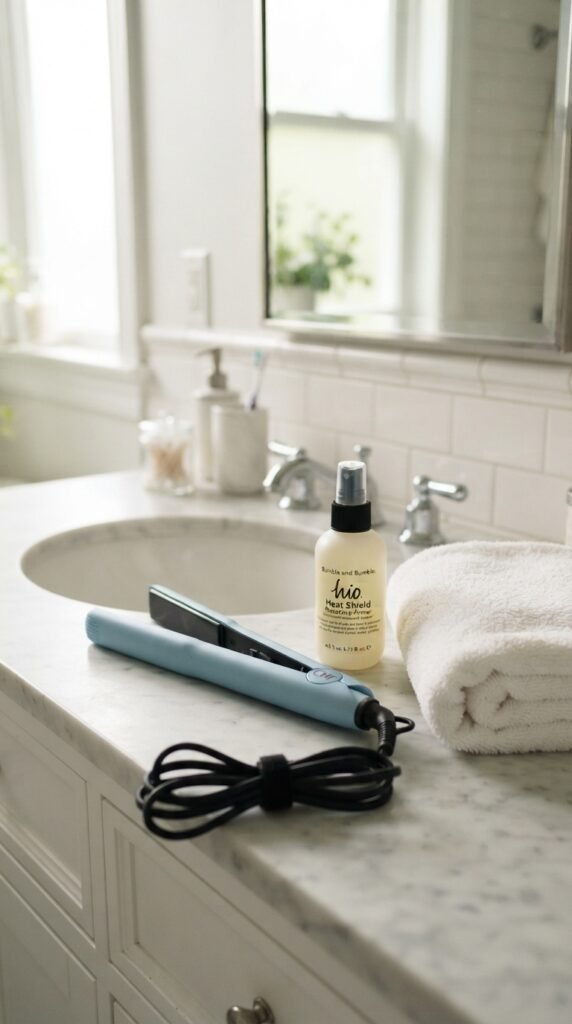
Stop Heat Styling for a Little While
Heat is the enemy of already fragile hair. It literally boils moisture out of the cuticle. Every extra pass with a flat iron makes it worse.
- Air dry as much as possible, especially after a deep conditioner.
- If you must blow dry, use a low heat setting and a heat protectant.
- Try “no-heat” curls with braids or flexi rods for texture.
This might feel uncomfortable at first, but your hair will recover faster. When you do use heat, limit it to the roots or fringe only.
Protective Styles That Look Amazing (Hello, Hime Cut)
You can hide damage while giving your hair a break. Protective styles tuck away fragile ends and prevent friction. And they don’t have to be boring.
- Try a low sleek ponytail or a loose claw clip twist.
- Sleep with your hair in a loose braid to prevent tangles.
- The hime cut is a great 2026-friendly face-framing trend because shorter front pieces hide damage while longer back grows out.
The hime cut also removes the most broken, see-through ends at the front without sacrificing overall length. It looks deliberate, not damaged.

The “Old Money Hair” Approach to Growing Out Damage
Old money hair is about subtle, expensive-looking shine and healthy movement. That doesn’t mean you need a big cut—it means you focus on making what you have look polished.
- Use a gloss or toning treatment to keep color looking rich.
- Add a lightweight shine oil to the ends, but only a drop.
- Keep your base color dimension—no more streaky bleach patches.
Your hair doesn’t have to be long to look wealthy. When it looks smooth and gathered, people will notice the style, not the damage.

The Quiet Luxury Bob: A Chic Way to Save Length
If your ends are too far gone to save, a quiet luxury bob is the perfect compromise. It’s a chin-length cut with minimal layers, built for sophistication and easy care.
- It removes the most damaged section while keeping your overall visual weight.
- It looks incredible with a center part and no heat styling.
- A bob actually makes overprocessed hair look fuller because you lose the thin, stringy ends.
It’s one of the strongest 2026 hairstyles because it works on every texture. You’ll feel lighter, and your hair will thank you.

Romantic Goth Hairstyles for Darker, Healthier-Looking Hair
If you’re tired of brassy blonde, consider a darker, richer color. Romantic goth hairstyles lean into deep shades like espresso, wine, and coal black.
- Going darker helps disguise split ends and gives strands more visual density.
- Add face-framing pieces with soft curls for that dark romantic vibe.
- Try a half-up style with a satin ribbon or velvet claw clip.
Darker hair absorbs light rather than reflecting damage. That means your hair instantly looks shinier while it heals. It’s basically a cheat code.

Glitchy Glam Hair: Own the Weird Texture
Remember glitchy glam hair from the runways? That purposely messy, almost pixelated look is perfect for overprocessed hair. Frizz becomes fashion.
- Use a crimper on small sections for intentional zig-zag texture.
- Or just scrunch in some salt spray and let your hair air dry.
- Pair it with statement earrings to distract from any unevenness.
The key is confidence. When you treat the texture as a choice, no one sees damage—they see style.

The Asymmetrical Lob: A Stylish Middle Ground
An asymmetrical lob gives you the freedom to keep some length while removing the worst damage on one side. It’s an edgy, modern look that takes the focus off the ends.
- The angled cut makes your hair look fuller even when it’s thin.
- It works with both straight and wavy textures.
- Ask for shorter in the back, slightly longer in the front.
This cut is low commitment but high payoff. You’ll walk out of the salon with something that looks intentionally fresh, not like you’re “growing out a disaster.”

The Vampire Haircut: Grown-Out Layers That Work
The vampire haircut pushes all your layers to the front, creating a sharp frame around your face. It’s perfect for overprocessed hair because it removes the oldest, weakest ends while keeping the back longer.
- It adds an immediate edge to your grow-out.
- The front layers hide any frizzy halo around your face.
- You can style it with a little mousse for definition.
If you want a dramatic yet wearable change that doesn’t sacrifice all length, this is your sign to try it.

Sleep on Silk or Satin (Yes, It’s a Game Changer)
Cotton pillowcases rub against your hair and cause friction, which equals breakage and frizz. Silk and satin let your hair glide, so it wakes up less tangled and less damaged.
- Buy a silk pillowcase or a satin hair bonnet.
- Pineapple your hair in a loose high ponytail if it’s curly or wavy.
- You can also wrap your hair in a silk scarf for extra protection.
This tiny swap takes less than five minutes but works overnight. In two weeks, your hair will feel noticeably smoother.

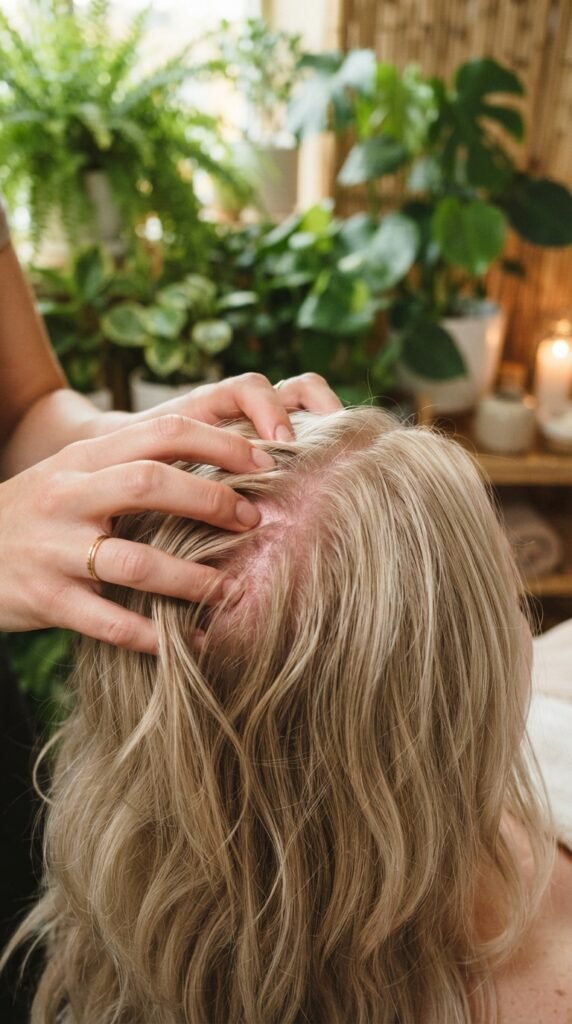
Scalp Care Matters More Than You Think
Your hair grows from your scalp, so if your scalp is stressed or clogged, new growth will be weaker. Overprocessing can affect your scalp too, especially if you’ve had bleaching mishaps.
- Do a gentle scalp massage with your fingertips to boost circulation.
- Use a pH-balanced scalp scrub once a week to remove buildup.
- Don’t scratch it with nails. Be kind to your roots.
Healthy scalp = healthier new growth. You’ll literally see the difference coming in at your roots within a few weeks.
Eat and Drink Your Way to Better Hair
Beautiful hair starts on the inside. Overprocessed hair is already fragile, so you need to give your body the vitamins to build stronger strands.
- Eat eggs, salmon, and almonds for biotin, omega-3s, and zinc.
- Drink enough water—dehydrated hair breaks faster.
- Consider a collagen or multivitamin supplement if you’re lacking.
It’s not a quick fix, but within a month you’ll see smoother, less brittle growth. Your hair grows about half an inch a month, so make it count.

When to See a Pro (and How to Ask for a 2026-Friendly Grow-Out)
If your hair is matting, snapping off in chunks, or feels like cotton, it’s time for a professional assessment. A good stylist can help you navigate the best cut for your damage level.
- Ask specifically for a “damage assessment” before any cutting.
- Request a “dusting” or “u-cut” to remove ends while keeping length.
- Mention you’re going for a 2026-friendly grow-out—many stylists know the trends like old money hair and quiet luxury bob.
A professional can also recommend bond treatments and custom styling. Sometimes one appointment saves you months of mistakes.
Friend, restoring overprocessed hair is a slow and steady process. You won’t get it back overnight, but every little choice adds up. The mini trims, the bond builders, the silk pillowcase—they’re all tiny votes for a healthier head of hair.
You don’t have to cut everything off. You just have to be patient and a little kinder to yourself. Your hair has been through a lot, but it’s not done yet. Now save this post to Pinterest so you have it for your next wash day. And tell me—what’s your go-to trick for damaged hair? I’d love to hear in the comments below.