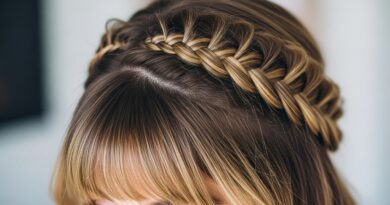
How to Prevent Split Ends Without Sacrificing Your Favorite Long Hair Length
Let’s be real for a second: there are few things more frustrating than looking at your ends and seeing that telltale fray. You’ve worked so hard to grow your hair out, and the last thing you want to hear is that you need to chop it all off to fix it. The good news? You absolutely don’t have to sacrifice your length to have healthy ends. I’ve been there—stuck between wanting mermaid-length hair and avoiding the scissors—and I’ve learned a few game-changing tricks that actually work. It’s all about being smart with your routine, not drastic with your cuts. So, grab your favorite hair tie, and let’s get your ends looking as good as the rest of your strands, without losing a single inch of that gorgeous length you love.
Why Do Split Ends Actually Happen?
Before we fix anything, we need to understand the enemy. Split ends happen when the protective outer layer of your hair, the cuticle, gets damaged and wears away. Once that protective layer is gone, the inner cortex is exposed, and your hair starts to fray and split. It’s basically your hair waving a little white flag saying, “I’m tired!”
Common culprits include friction from your pillowcase, over-brushing, harsh shampoos, and heat styling without protection. The good news is that even though you can’t “repair” a split end once it’s there, you can absolutely prevent new ones from forming and seal the ones you have temporarily. Think of it like putting a band-aid on a small cut—you’re giving your hair time to thrive without letting the damage get worse.

The “Search and Destroy” Method Everyone Misses
You don’t need a full chop to get rid of splits. The “search and destroy” method is a lifesaver for length retention. This is exactly what it sounds like: you search your hair for individual split ends and snip them off yourself, right above the damage, leaving your overall length completely intact. It’s precise, satisfying, and incredibly effective.
Here is how to do it right:
- Use hair-cutting shears, not craft scissors (blunt scissors cause more damage).
- Take small sections of hair and twist them—damaged ends will pop out.
- Snip vertically into the damaged end instead of straight across to create a softer edge.
- Focus only on the damaged portion, usually the bottom 1-2 inches.
- Do this once every 3-4 weeks to keep things fresh.

Why Your Pillowcase Is Sabotaging Your Strands
I know we all love a fresh, crisp cotton pillowcase, but it might be the reason you are dealing with so much fraying. Cotton is highly absorbent and creates friction. As you toss and turn at night, your hair rubs against that rough cotton weave, causing cuticle damage. Switching your pillowcase is the easiest, most passive thing you can do for your hair growth journey.
Look for a satin or silk pillowcase instead. It feels luxurious, and actually reduces friction dramatically. If you want to go the extra mile, tie your hair up into a loose “pineapple” bun on the very top of your head. It keeps the ends from rubbing against anything while you sleep. I promise you will see a huge difference in your texture by morning.

Heat Styling Without the Damage
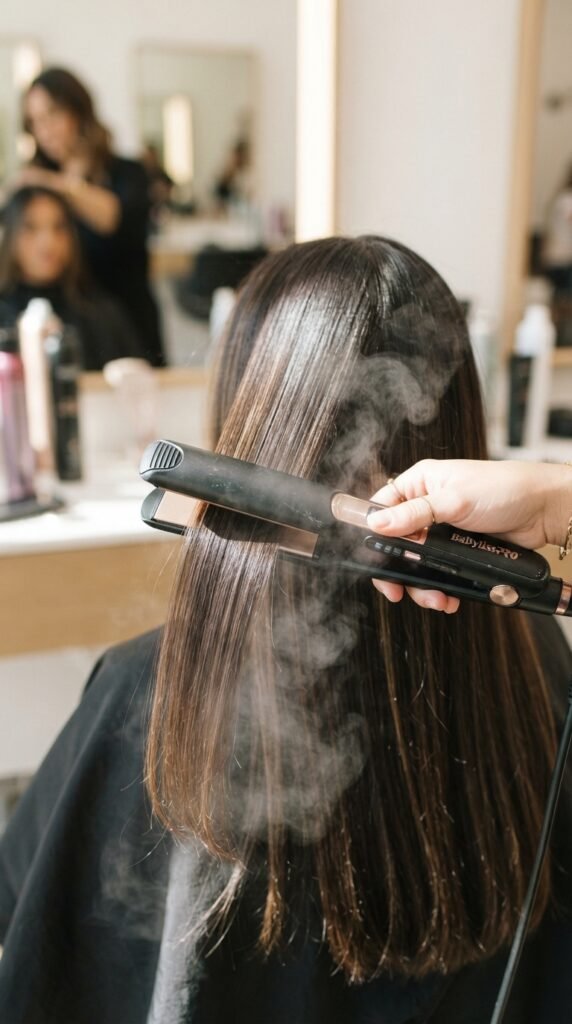
Let’s be honest, we are all going to use a curling iron or a straightener sometimes. Whether you are trying out the trending romantic goth hairstyles or just doing your weekly blowout, you need to protect those ends. The biggest mistake I see is using a high heat setting “to make it faster.” High heat literally boils the moisture out of your hair, leaving it brittle.
Here is how to style safely:
- Always apply a heat protectant from mid-length to ends.
- Turn the heat down to 300-350°F for fine hair, or 350-400°F for thicker hair.
- Invest in a heat styling tool with a “smart sensor” that monitors temperature.
- Never let the plates touch the same section of hair twice in a row.
- Let your hair cool completely before brushing or touching it.
The Magic of “Old Money” Hair Maintenance
You’ve probably seen the old money hair trend taking over social feeds. It’s all about looking effortlessly expensive, glossy, and healthy—rather than tricky and styled. For those with long hair, this trend is perfect because it prioritizes healthy lengths over aggressive cuts. The secret isn’t a product; it’s consistency.
To get that “old money” shine on long lengths, you need to focus on the condition of your ends. Instead of reaching for heavy oils that weigh your hair down, use a lightweight serum that smooths the cuticle and reflects light. Also, avoid the 2026 hairstyles that involve heavy layers on the ends if you are prone to splits. Keep the hemline blunt or softly rounded to prevent fraying where the hair is thinnest.

Is Your Brush Causing the Breakage?
We often blame our hair products, but the real villain is usually the brush we use. If you are yanking a paddle brush through tangles, you are literally stretching and snapping your hair strands. This mechanical stress is a major cause of breakage, especially at the ends where the hair is weakest. You need to be gentler with your strands.
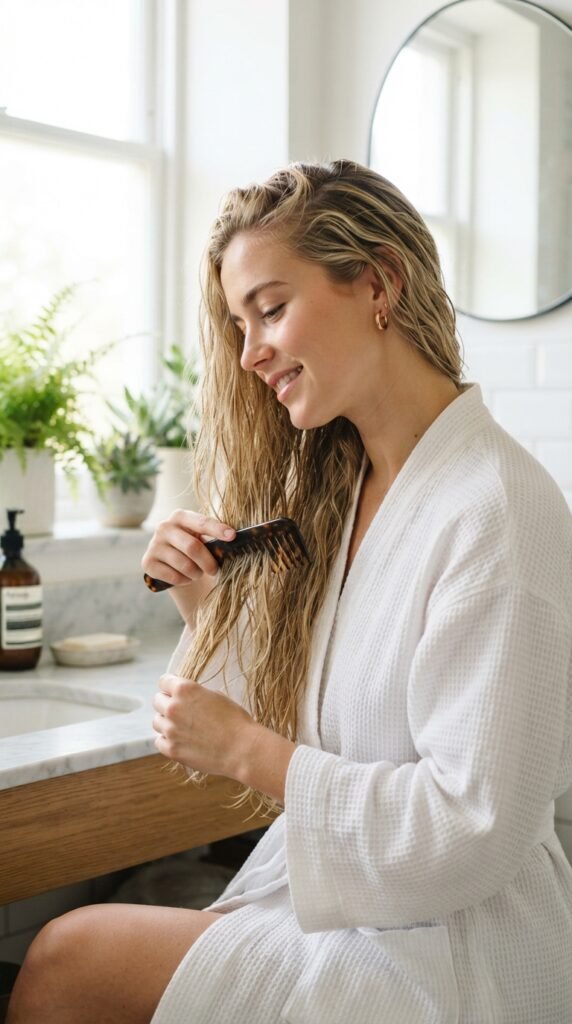
Switch to a boar-bristle brush or a wide-tooth comb. Boar bristles are amazing because they distribute your scalp’s natural oils down to the ends, acting as a natural conditioner. When brushing, start from the bottom, detangle the worst of it, and work your way up. Never, ever brush wet hair without a wide-tooth comb—it stretches way too easily and snaps.
Wash Day Secrets for Length Retention
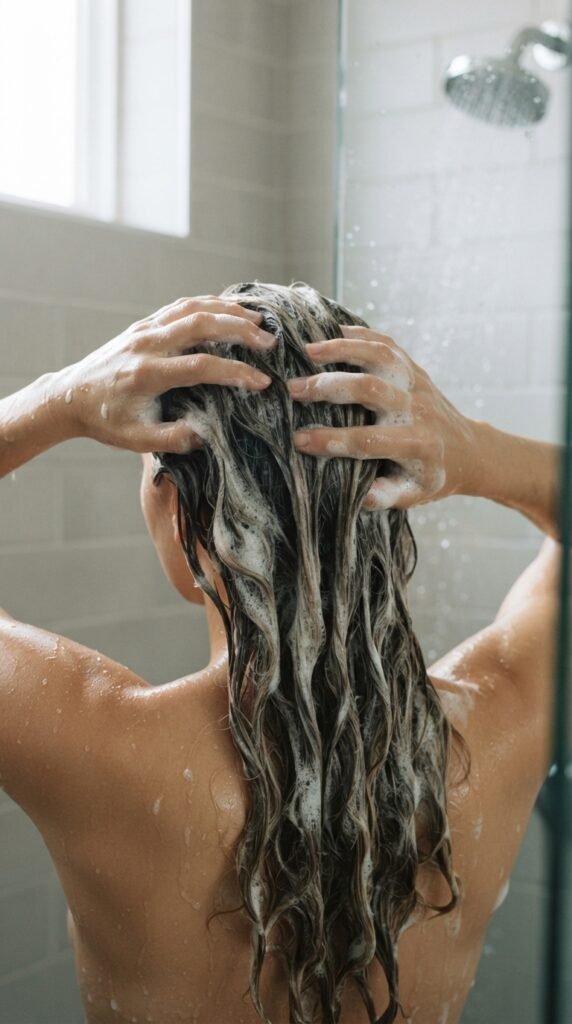
Sulfates are aggressively stripping your hair, plain and simple. They are detergents that foam up nicely but leave your ends crunchy and dehydrated. For length retention, you want a gentler formula that won’t wash away all your natural oils. Your hair needs those oils to lubricate the ends and stop them from snapping off.
Try alternating with a co-wash (conditioner-only wash) if your hair isn’t super oily. On days you do use shampoo, focus the lather on your scalp, and let the suds rinse through the ends gently. I also love a pre-shampoo oil treatment on the ends an hour before a wash—it protects the lengths from swelling up in the water and losing elasticity. It’s a game changer.
The Life-Changing Habit of “Rinsing” With Cold Air
When you step out of that steamy shower, your cuticles are lifted and soft. The pores in your hair are open, making them susceptible to frizz and breakage. A blast of cold water isn’t just a spa treatment; it closes the cuticle down flat. Closed cuticles mean happier, stronger ends that don’t catch on everything.
You don’t need to suffer through a freezing cold shower. Just at the very end, flip your head forward and run cold water over the lengths for five seconds. The cooler temperature seals the outer layer, preventing split ends and locking in moisture. It also gives you an instant boost of shine that nothing else can replicate. Do this every time, and you will notice the difference quickly.

What Are Face-Framing Layers Doing to Your Ends?
If you’ve been eyeing those gorgeous 2026 hairstyles like the hime cut or long face-framing layers, listen up! While layers can give your hair movement and shape, you need to be careful. The ends of your face-framing pieces are often exposed to more friction (think scarves, jackets, and your chin) making them split faster and look scraggly.
This doesn’t mean you can’t have those styles, but it does mean extra care is needed. Apply a tiny drop of lightweight oil specifically to those shorter, front pieces daily to lubricate them. Be diligent with your search-and-destroy method on those specific strands. If you’re growing them out, tuck them behind your ears instead of letting them fly free to reduce friction.

Skip This If You Have a Vampire Haircut
Speaking of trendy cuts, the vampire haircut is a huge trend that involves highly textured, wispy layers—perfect for a dramatic lifestyle. But if you want to keep length, this style might be tricky. This cut relies on removal and texture to shape, which can make your hair look thinner at the bottom and expose weaker ends over time. It gives a grungy, grunge vibe that you might be drawn to in your heart, but your lengths might suffer.
If you love romantic goth hairstyles or the vampire vibe but want length, ask your stylist to “point cut” the ends instead of using a razor. Razors can shred the cuticle layer and cause immediate splits that travel up the hair shaft. Point cutting into the ends removes weight and creates that vampy texture while keeping the ends sealed and healthy.

Restore Gloss With the Right Oil
Let’s talk about oils. Many of us are scared of them because we think they will weigh our hair down. But the right oil on the ends is non-negotiable for preventing splits. Oils act as a barrier between your hair and the elements (humidity, sun, wind, your coat collar) that cause daily wear and tear. Oiling your ends keeps them moisturized and pliable.
Here’s the secret: don’t rub the oil into your hair. Instead, do the “press” method.
- Warm 2-3 drops between your palms.
- Press your palms into the ends of your hair.
- Repeat until the oil is distributed.
- Never rub your hands up and down the hair shaft, as this causes friction.
Argan oil and jojoba are the best for sealing the cuticle without a greasy finish.

The Protective Style That Isn’t Boring
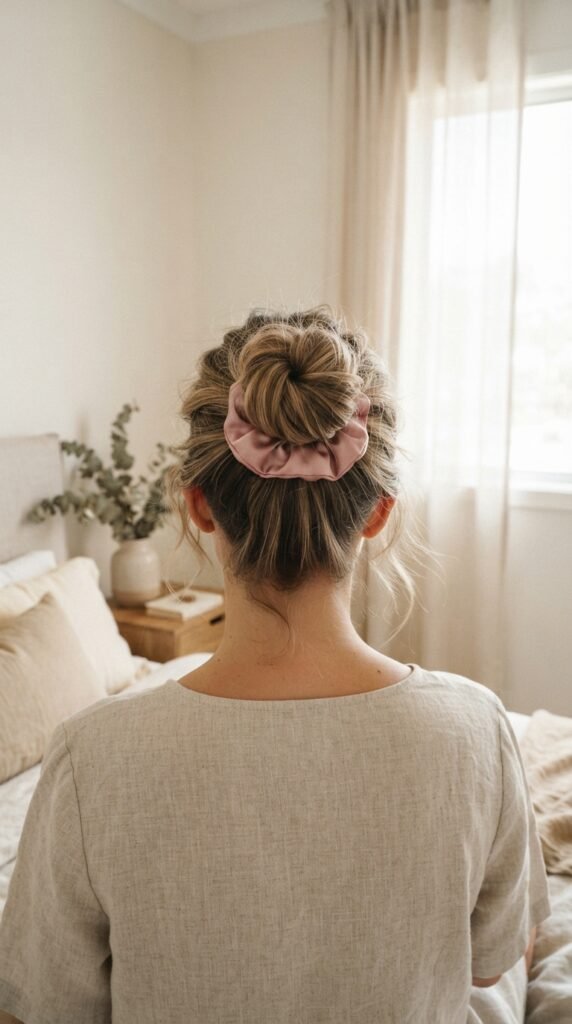
Gathering your hair into a high, sleek pony? Great. But are you using a snaggy elastic? That tiny piece of fabric can pull and break your strands more than you realize. When securing a ponytail or a bun, switch to silk scrunchies or spiral hair ties. They don’t create that “kink” or grip around your ends that causes splits.
Try the “bun trick” to protect your hair while letting it dry. When your hair is 80% dry, put it into a loose bun at the nape of your neck with a silky scrunchie. Let it air dry the rest of the way. You’ll wake up with soft waves and hair that was kept safe from rubbing against your clothes. This is a gentle dry method that prevents friction-induced splits better than a blow dryer.
Why You Should Ditch the Towel for a T-Shirt
This is the trick that changed my hair care game completely. That big, fluffy terry cloth towel you use after the shower is damaging your ends! The thick loops in towels create friction and roughness, rubbing against the wet hair cuticle which is especially fragile. Wet hair expands and is at its most vulnerable state, so rough handling leads to immediate breaks.
Instead, go grab an old, clean cotton t-shirt. Here is how you do it:
- Wrap your hair loosely in the soft shirt.
- Press to squeeze water out, do not scrunch.
- Let it sit for 10 minutes before applying products.
- It helps reduce frizz and keeps that cuticle smooth and flat.

Is Your Water Making Your Hair Fray?
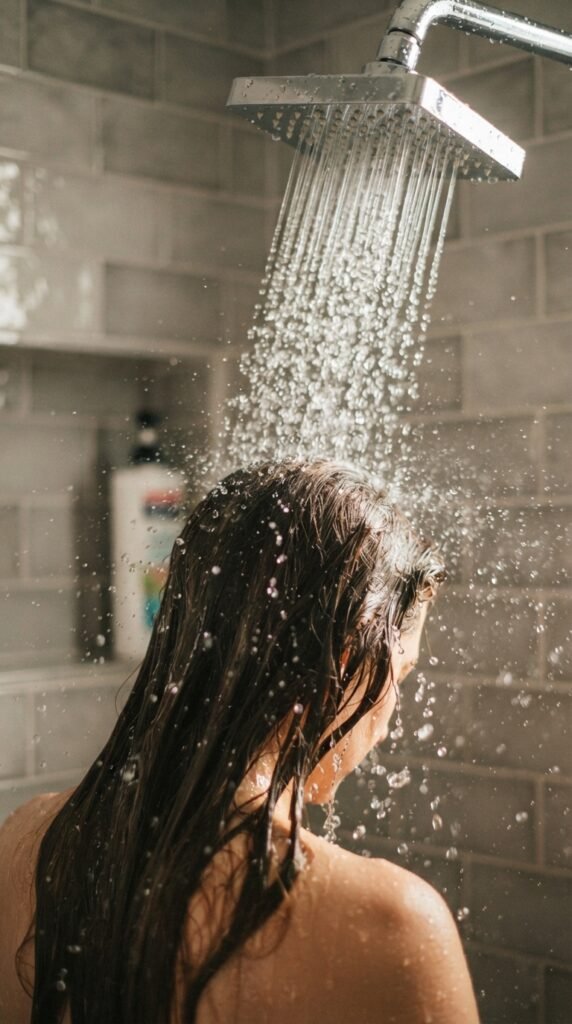
We usually think about what we put on our hair, not what we wash it with. Hard water is a massive factor in hair breakage that many people overlook. Hard water contains minerals like calcium and magnesium that build up on your hair. This build-up makes the hair stiff, tangly, and brittle, eventually leading to split ends.
If you see white residue on your showerhead or your hair feels stiff after shampoo, it might be hard water. Installing a shower head filter is an affordable, easy fix. Also, do a “clarifying rinse” once a month with a diluted apple cider vinegar solution to dissolve mineral build-up. This keeps your hair smooth so the ends don’t snap when you brush.
The Glitchy Glam Hair Trend You Might Be Doing Wrong
Have you seen the glitchy glam hair trend? It’s all about metallic, holographic pieces or silver dusted ends. It looks super cool, but any color processing—especially bleaching—will absolutely compromise your ends. If you love this look, you need to prioritize your hair’s structural integrity even more. Bleach lifts the cuticle to deposit color, which can lead to severe porosity and split ends.
Don’t be scared, just be smart. Always take a bond builder (like Olaplex) to your hair during the color service. And avoid hitting the very ends with the lightener—stop a half-inch short of the ends. The toning process will blend it without soaking up all that chemical strength. Protect your length from the chemical process itself.

Are You Cutting Too Much Off “to Clean It Up”?
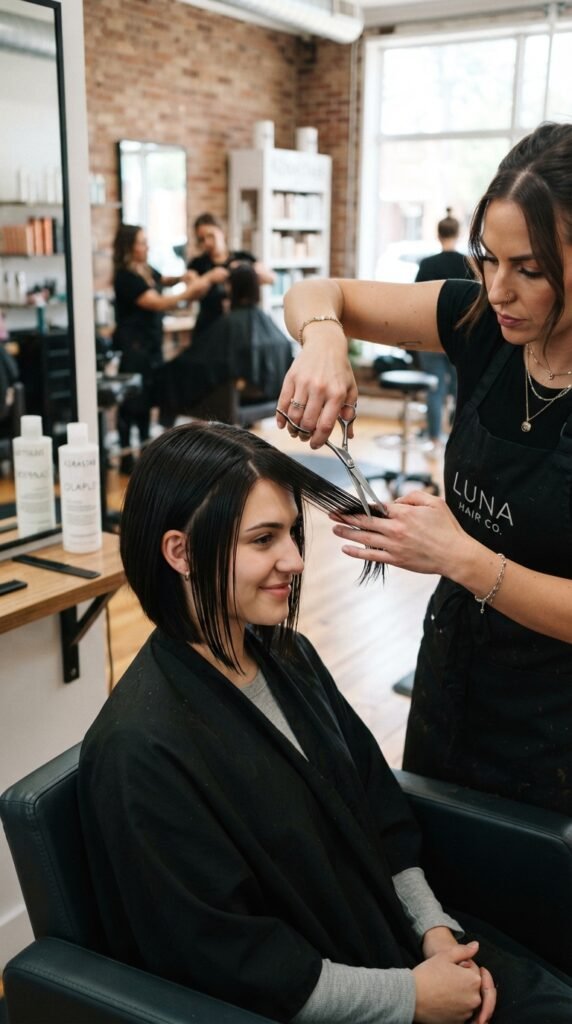
If you are trimming your hair every 6 weeks just to “keep up appearances,” you might be working against your goals. Hair only grows about half an inch a month. If you are trimming half an inch every six weeks, you are literally cutting off all your new growth! This is why hair never gets longer. The hair is growing, but the scissors are erasing the work.
Stretch your trims out to every 10-12 weeks. In between those longer intervals, rely on the search-and-destroy method to keep splits at bay. If you are trying to grow to mermaid lengths, you often need to put the scissors down and focus on daily preservation instead. You can have fantastic ends without constantly sitting in the salon chair.
How to Blow Dry Like a Professional
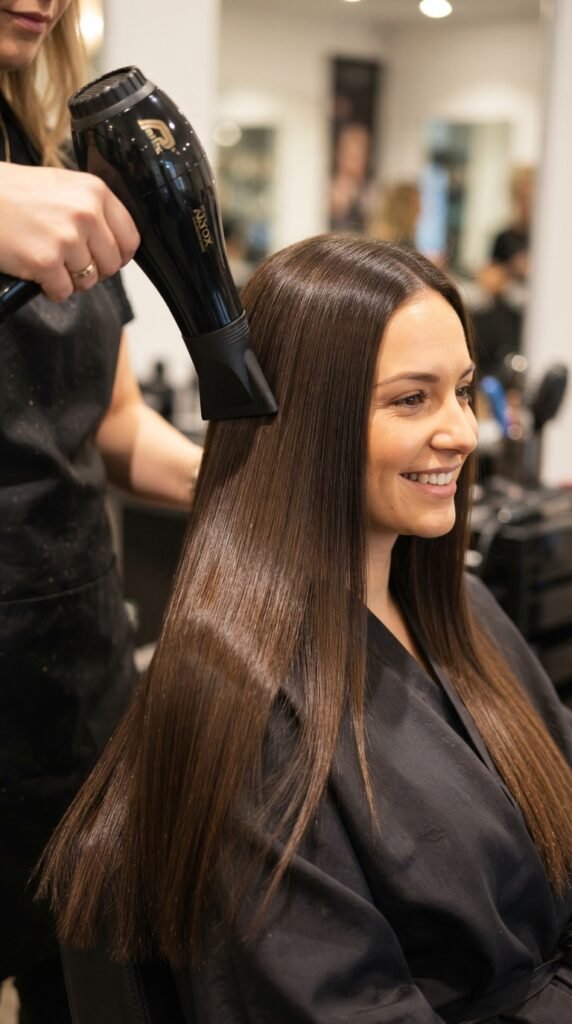
Rubbing your hair with a towel and letting it air dry seems safe, but air drying actually leaves the cuticles open longer while they swell and bend. While air drying is great for some, it can cause mechanical stress on heavy, long hair. To protect long lengths, a professional blow dry is often the actual “protective style” for the week.
Here is the secret: Don’t drag the dryer down the full length repeatedly. Set the dryer speed to low heat and use your hand to feather-flick the hair while moving downward, following the direction of the cuticle. Always finish with a cold shot of air to seal the cuticle flat. You aren’t creating curl, just sealing the strand to lock in strength.
Stop Wearing Tight Styles on Slippery Hair
Slicked-back buns and tight braids are trendy (and very 2026 hairstyles coded), but they can cause traction alopecia and breakage along the hairline. However, they also affect your ends. When you pull long hair tightly into a sleek pony, the ends are stretched taut and rub against each other. This constant tension and friction cause the ends to splinter and dry.
On days you want that sleek look, fake the slicked-back effect with gel instead of hair ties. If you do use a tie, use a loop system: pull the hair through a tie halfway so the ends fold over and are tucked into their own loop. This protects them from the open air and friction. It’s a stylist trick to reduce split ends.
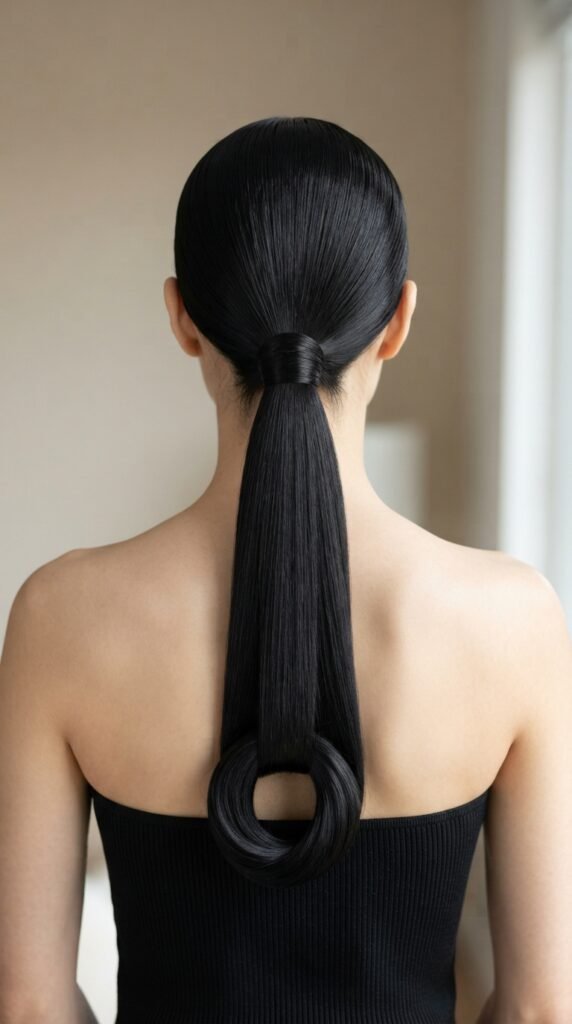
The Quick Fix: Gloss Treatment for Instant Protection
Sometimes you need a shot of pure armor for your strands. A hair gloss doesn’t change your color or damage you; in fact, it coats the hair shaft, seals down the cuticle, and instantly repairs the look of split ends. It makes your hair slippery so it rubs against things less. Less friction means fewer splits! This is the best instant gratification for length retention.
You can do this at home in 10 minutes once a week. Glosses fill in the gaps along the cuticle with a temporary polymer coat. It smooths everything down and prevents snagging. Look for a glycerin-based gloss rather than silicone if you want to keep moisture. Your ends will look like glass and last until your next shower.

When It Comes to Your Ends, Less Is More
I see so many people piling on leave-in conditioners, argan oil, vitamin E, serums, and creams all at once. When you overload hair, it becomes stiff and greasy, and it actually attracts dirt and dust to it. Those particles grind against your ends as you hair sways, causing micro-abrasions that lead to splits. You need to slim down your routine.
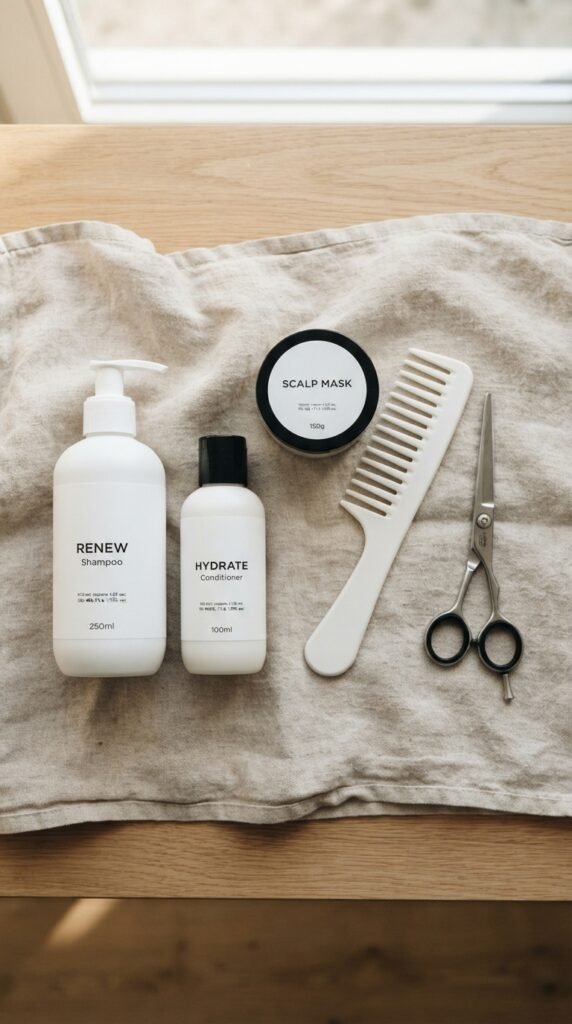
Choose two products max: a liquid leave-in and a sealing oil. That is plenty. Apply them while hair is damp. If hair feels dry later, use a tiny bit of water on your hands to reactivate the products rather than adding more. Let your natural hair oil do the heavy lifting as it travels down the shaft. Healthy ends thrive in simplicity.
Can Diet Actually Strengthen Your Ends?
Hair grows from the root, so if you want healthy ends eventually, you need to feed the follicle. Sure, your ends are dead (they don’t have blood supply), but they are protected by the keratin that was formed at the root. If you are deficient in protein, iron, or vitamin C, your hair will grow in weak, and those weak strands will inevitably split at the ends faster.
So, don’t just buy expensive products—eat for your hair. Focus on getting enough lean protein (eggs, chicken, beans) and iron-rich greens. Vitamin C helps your body absorb iron, so pair those leafy greens with citrus. Water is also essential; dehydrated hair is brittle hair. Drink that water and your ends will thank you.

The Final Note on Long, Healthy Hair
Keeping your length doesn’t mean being chained to a strict, boring routine. It just means being consistent with the small things that protect your strands. It’s about listening to your hair and knowing when it’s screaming for help vs. when it’s just having a bad hair day. Your hair will thank you with a gorgeous, silky hemline that doesn’t snag or fray.
You really can have that beautiful long hair you see in your dreams. It just requires you to ditch the tight ties, switch to the soft pillowcase, and be brave enough to leave the scissors in the drawer for a little while. Growing long hair is a marathon, not a sprint. Enjoy the process and love the length in between.
I hope these tips help you on your long-hair journey! I know how tempting the quick chop can feel, but with a little bit of care, you can absolutely keep the length. Remember, healthy long hair is always in style, no matter the trend. Keep those ends protected and let that gorgeous hair flow.
Save this post to Pinterest so you can come back to these tips when you are ready to style those flawless lengths. And tell me in the comments below: what’s your #1 struggle with keeping your long hair healthy? Is it breakage, dryness, or something else? I would love to hear all about it and help you out!