
How to Repair Heat Damage Without Chopping Off Your Length
Let’s be real: heat damage feels like a betrayal. You spent months styling, and now your ends look dry, see-through, and honestly a little sad. It’s frustrating, I know. And the only advice everyone gives? Chop it all off. But no, we are not doing that today.
I’ve been there. I panicked, googled everything, and found a way to bring my lengths back to life without losing them. This is not another lecture. It takes patience and a few smart changes, but you can absolutely repair the look and feel of heat-damaged hair while keeping your length.
In this post, I’m sharing my favorite SOS routine, styling tricks, and 2026-inspired haircut ideas that hide damage while you heal. You’ll leave with a simple plan and zero scissors required. Let’s fix this together.
Why You Don’t Need the Scissors (Yet)
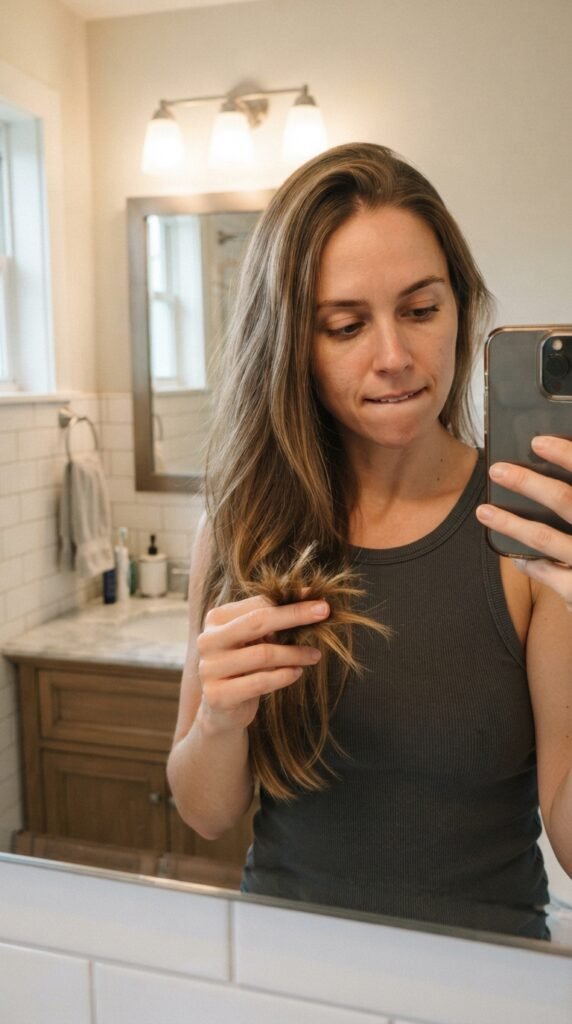
Your hair isn’t broken beyond repair. Heat damage mostly affects the outer cuticle. That means with the right care, you can smooth those rough edges and keep your length. The ends might not be perfect, but they can look healthy enough to keep growing.
Here’s what helps:
- Stop the heat habit for a little while
- Use bond-building treatments
- Seal with oils after every wash
- Add a face-framing trim to refresh the shape
Your hair will still feel different from virgin hair, but it won’t look damaged. And honestly, everyone’s hair has some history. You can absolutely repair the appearance and strength of your hair without losing inches.
What Heat Damage Actually Looks Like

Before you fix heat damage, you need to know you’re dealing with it. Heat damage shows up as:
- Dry, rough ends that feel like straw
- Frizz that won’t calm down
- Hair that snaps when you brush
- A see-through look at your tips
- Curls that fall flat or won’t form
The good news? It’s not always permanent. The cortex is usually still intact unless you’ve seriously overdone it. That means with moisture and protein, your hair can bounce back. Even if it feels bad right now, your length is still worth saving.
Take a photo in natural light now. In a few weeks, you’ll want proof of how far you’ve come.
The First Step: A Good Trim, Not a Chop
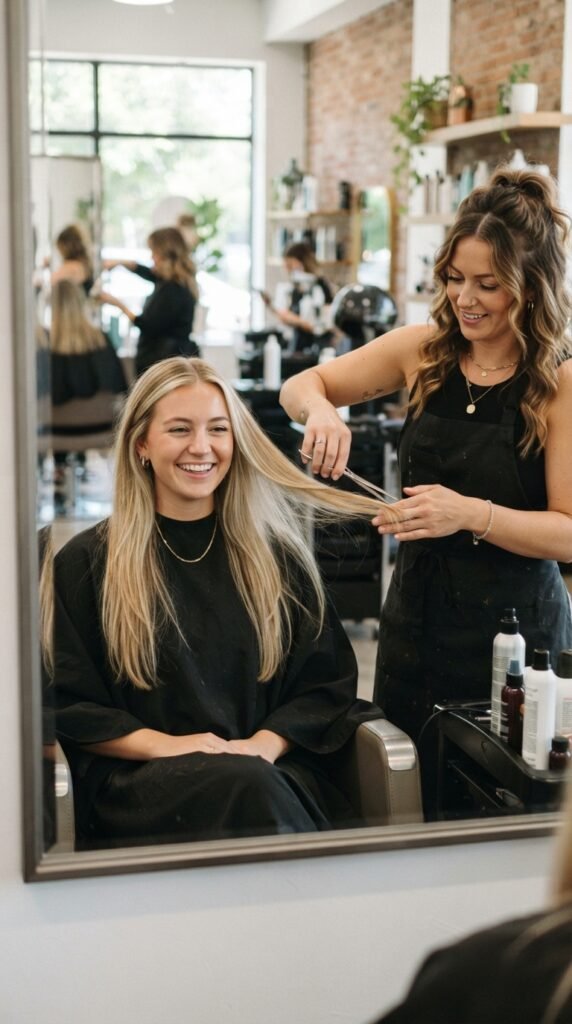
Here’s the thing: a trim is not a chop. You can remove the thinnest, roughest quarter inch and honestly lose nothing. That instantly makes your ends look thicker and healthier. It also stops damage from traveling up the hair shaft.
Ask your stylist for:
- A dusting, not a full cut
- A U-shape or rounded hemline to hide thinness
- Face-framing layers for a fresh feel
This is the first secret to keeping length. Once the dead tips are gone, every product you use actually works better. You’ll feel lighter, your hair will move better, and you won’t feel like you sacrificed your progress.
How to Check Your Hair’s Porosity Fast

Porosity is how well your hair absorbs and keeps moisture. Heat damage often makes hair more porous, which means it soaks up water quickly but loses it fast too. Here’s a quick test:
Take one clean strand and drop it in a glass of room-temperature water.
- Sinks slowly: low porosity, needs lighter moisture
- Sinks halfway: normal, just balance protein and moisture
- Sinks fast: high porosity, needs heavy conditioners and sealing oils
Why does this matter? The 2026 hairstyles trend is all about healthy shine. You can’t get that shine if your hair won’t hold hydration. Once you know your porosity, you can choose the right products and stop wasting money on things that don’t work.
The Best Bond-Building Products Right Now
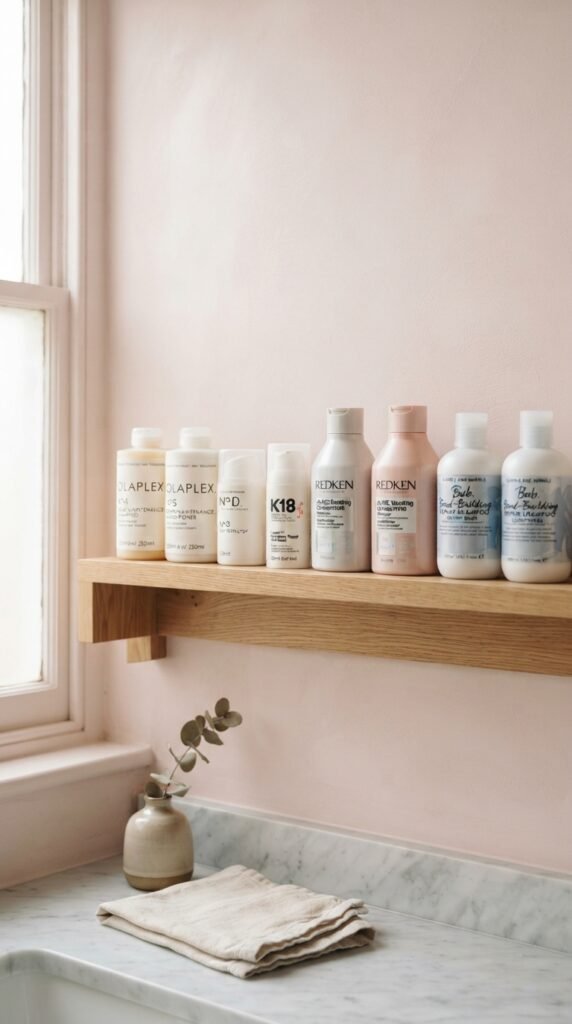
Bond repair is a buzzword, but it actually helps. These products rebuild broken links inside your hair strand. That means less breakage and stronger length, without cutting. Look for ingredients like:
- Bond repair complexes
- Ceramides
- Amino acids
- Hydrolyzed proteins
Use a bond treatment once a week for a month. Leave it on five to ten minutes longer than the bottle says if that’s safe for the product. Consistency matters more than the price.
I also love a mirror treatment with a little protein. It smooths the cuticle and preps your hair for styling. This step alone has saved my length more than anything else.
Wash Day Routine for Damaged Hair

Your wash routine can make or break damaged hair. You don’t need to wash less, you just need to wash smarter. Start by brushing your hair before it gets wet. That prevents tangles that cause breakage.
Then follow this simple order:
- Shampoo with a sulfate-free formula, only at the roots
- Condition the lengths and ends heavily
- Let it sit for three to five minutes
- Rinse with cool water to seal the cuticle
If your hair is very dry, skip the second shampoo. And always squeeze out excess water gently with a cotton T-shirt. Never rub your hair with a towel. That alone will save you so much frizz and snapping.
Deep Condition Like a Pro (Without the Steam)

Deep conditioning is your best friend, but you don’t need a salon steamer. You can get amazing results at home. All you need is a good mask, a shower cap, and a warm towel.
Here’s how:
- Apply your mask from mid-length to ends
- Comb it through with your fingers
- Put on a shower cap
- Wrap a warm towel around it for 15–20 minutes
Your body heat opens the cuticle so the treatment goes deeper. Then rinse with cool water. Do this once a week for a month and you will see a big difference. Your ends will feel softer and look less see-through. Plus, it feels like a little self-care date.
Skip Heat for Two Weeks: The Reset

I know. Not using heat sounds hard. But a two-week reset is the fastest way to repair heat damage without scissors. Your hair needs a break to rebuild its strength. You’ll also learn to love your natural texture, which is honestly freeing.
During those two weeks:
- Use braids, twists, or buns for waves
- Try a silk scarf overnight for a smooth finish
- Use a wide-tooth comb, never a brush
- Let your hair air dry when you can
It won’t be perfect every day, and that’s okay. A little texture looks intentional. And when you do go back to heat, your hair will thank you by holding the style better.
Heatless Waves That Look Like 2026 Hairstyles

The good news? Heatless waves are actually trending in 2026 hairstyles. You don’t need hot tools to get that smooth, effortless look. Everyone from old money hair lovers to romantic goth hair fans is using flexi rods, braids, and silk wraps.
Try this quick method:
- Dampen hair slightly
- Apply a small amount of styling foam
- Braid or twist into two to four sections
- Sleep on it, then shake it out in the morning
You’ll wake up with soft, bouncy waves and zero damage. The best part? You won’t have to touch a flat iron. And if you wear your hair in a sleek bun during the day, the waves will be even more mature by night.
The Old Money Hair Trick: Low Heat, High Shine

Old money hair is everywhere in 2026, and it’s all about looking effortlessly polished. That means smooth, glossy strands without obvious curling or frying. The secret is low heat and high shine.
Here’s how to get it:
- Use a heat tool only on low or medium
- Always use a heat protectant spray
- Finish with shine drops on the ends
- Brush through with a boar-bristle brush
Keep the ends moving with a little argan or silicone-based oil. You’re not trying to straighten every strand into oblivion. Just smooth the cuticle enough that light bounces off. This gentle approach helps repair heat damage while keeping your length beautiful.
How to Style a Quiet Luxury Bob While Repairing

Maybe you already have a bob or are thinking about one. A quiet luxury bob is the perfect haircut for damaged hair because it’s sharp, neat, and hides frazzled ends. But you don’t have to chop your whole length into a bob. You can fake it.
Tuck your longer hair behind the ears and create clean lines. Use a little texture spray for that sturdy, expensive feeling. Or twist the front pieces and pin them back for a softer bob illusion.
The key is less movement, more structure. That helps your hair look intentional instead of damaged. And if you love the look, later you can always graduate to an actual bob once your hair is healthier.
Romantic Goth Hairstyles for Damaged Strands

Romantic goth hairstyles are having a major moment. They’re dark, moody, and surprisingly perfect for hiding heat damage. Loose, lived-in waves and braids make dry ends blend right in.
Try these styles:
- Low bun with face-framing tendrils
- Loose braid wrapped with a velvet ribbon
- Side-swept waves with a dark claw clip
- Half-up style with little twisted details
These looks work because they don’t rely on perfect, smooth hair. They lean into texture and drama. So while you’re repairing your length, you can still look completely stylish. Plus, dark accessories draw the eye away from split ends and remind everyone you’re intentional about your look.
The Vampire Haircut Mashup: Face-Framing Only

Are you seeing vampire haircut content yet? It’s a sharp, fang-inspired face-framing layer around the cheekbones. The best part? You can get this effect without losing length. It’s a small, strategic change.
Ask your stylist for:
- Short, soft layers around the front
- Long layers through the back
- No chopping on the main length
The face-framing pieces cut off some of your most heat-damaged hair, while the rest stays safe. It gives you instant freshness and a cool, edgy vibe. You get the feeling of a new haircut and the function of a repair treatment at the same time.
Hime Cut Layers: Cut in the Damage, Keep Length

The hime cut is another style that works with the “cut in the damage” trick. It has straight, blunt bangs with longer side panels, while the back stays long. That means you can remove damaged bits around your face without touching your actual length.
Here’s why it’s perfect:
- You only cut around the face, not the back
- The blunt pieces look intentionally sharp
- Damaged ends at the sides are gone
- The long back can keep growing and healing
This style also pairs well with the growing soft, playful hair trend. It feels fresh and definitely not damaged. And if you love bangs, this is a beautiful way to refresh without sacrificing your length.
Asymmetrical Lob: The Illusion of Healthy Ends

An asymmetrical lob is all about the angles. The shorter front and longer back create movement that makes any damage look like a style choice. Even if your hair is medium-length and damaged, you can still pull this off without going too short.
The key? Ask for a slight diagonal line:
- Shorter in the front
- Longer in the back
- Soft layers to hide uneven ends
This shape draws the eye to the cut, not the dryness. It also helps distribute hair weight so your ends don’t feel heavy and stringy. You leave the salon looking editorial and fresh, with your length still mostly intact.
Glitchy Glam Hair: Hiding Split Ends with Texture
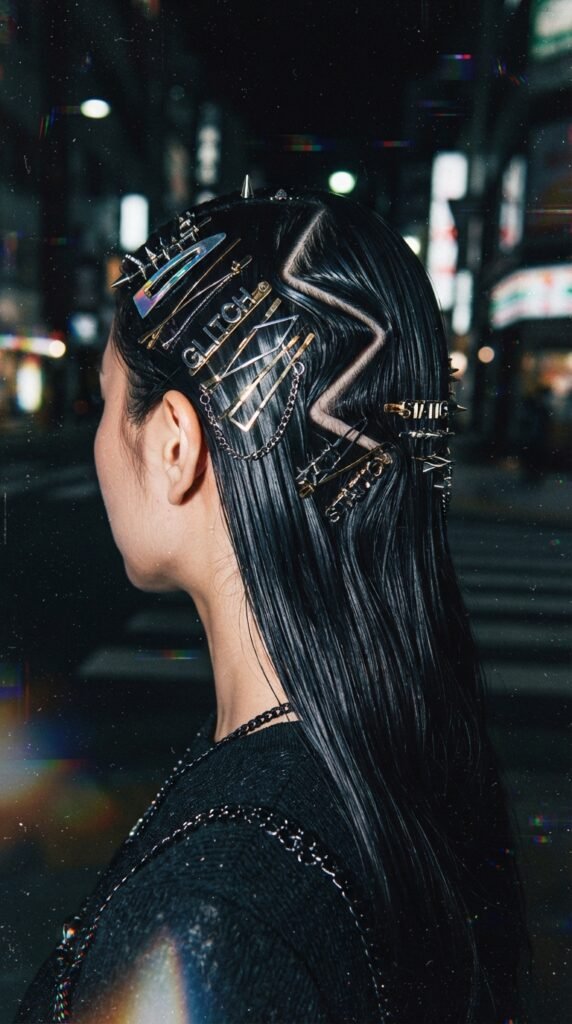
Glitchy glam hair might be the most fun way to hide damage. It’s all about tiny imperfections, sharp parts, and futuristic accessories. Think metallic clips, zigzag parts, and slicked pieces. This style is huge for photoshoots and festivals.
Here’s how to get the look:
- Create a zigzag part with a tail comb
- Clip small silver or pearl pieces along the part
- Add a little gel to the front section for a slicked finish
- Keep the lengths free so they look textured, not damaged
If your ends are thin, the texture and accessories distract from them. You’re not hiding damage, you’re making it part of the look. It’s confident, quirky, and honestly so easy to do at home.
Protein vs Moisture: Balance Explained Simply
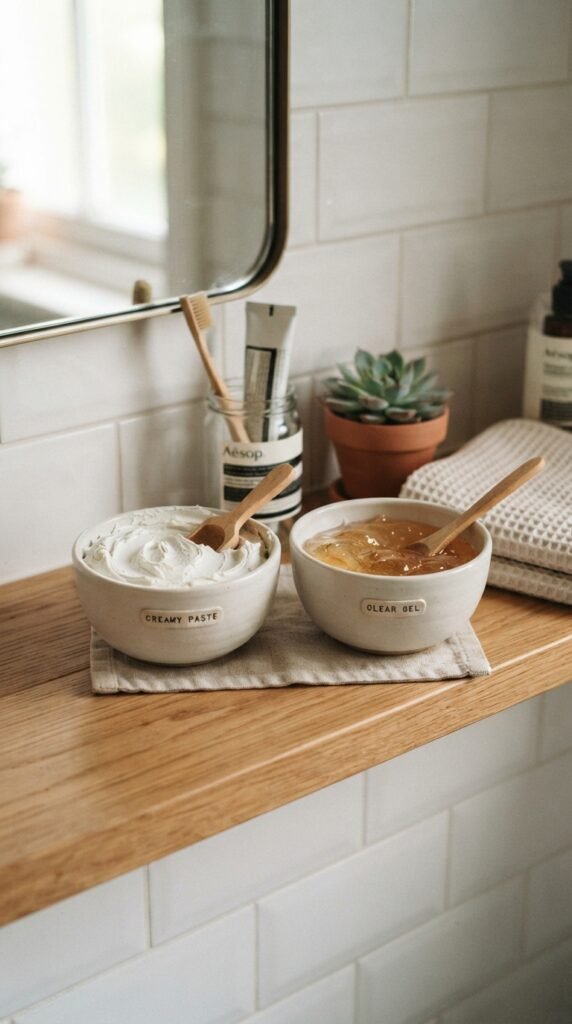
Damaged hair needs two things: protein to rebuild the strand and moisture to keep it soft. The tricky part is balance. Too much protein makes hair hard and brittle. Too much moisture leaves it mushy and stretchy.
Here’s a simple routine:
- Protein treatment every two weeks
- Moisture mask every week
- Daily leave-in conditioner
- If hair feels stiff, lay off protein
- If hair feels stringy, add a little protein
You’ll learn what your hair likes by touch. When it feels soft but strong, you’re exactly where you need to be. This balance is what actually repairs length. It’s also why your straight hair or curls will bounce back over time.
Nighttime Habits That Prevent Breakage

Did you know most heat damage breakage happens at night? While you sleep, your hair rubs against cotton pillowcases and creates friction. That can cause more splits and snapping, even after you start repairing it.
Easy fixes:
- Swap cotton for a silk or satin pillowcase
- Braid hair loosely before bed
- Never sleep with wet hair
- Use a silk scarf or bonnet for extra protection
These little changes take two minutes but they make a big difference. You wake up with smoother, less tangled hair. No twists or braids in the morning means less brushing, which means fewer broken strands. Your future length will thank you.
The Best Oils for Damaged Hair (And How to Use Them)

Oils don’t add moisture, but they lock it in. That’s why they’re so important for damaged ends. Even the best conditioner won’t keep your hair soft all day if you don’t seal the cuticle with an oil.
Here’s what works:
- Argan oil: light, great for daily ends
- Camellia oil: high shine, perfect for old money hair
- Chia oil: helps with elasticity
- Squalane: light and fantastic for low porosity
Put two to three drops in your palms, rub together, and press it gently into your ends after styling or before bed. Don’t apply too much, start small. Your length will look smoother and feel stronger, and you won’t lose any inches.
When You Can Use Heat Again (Safely)
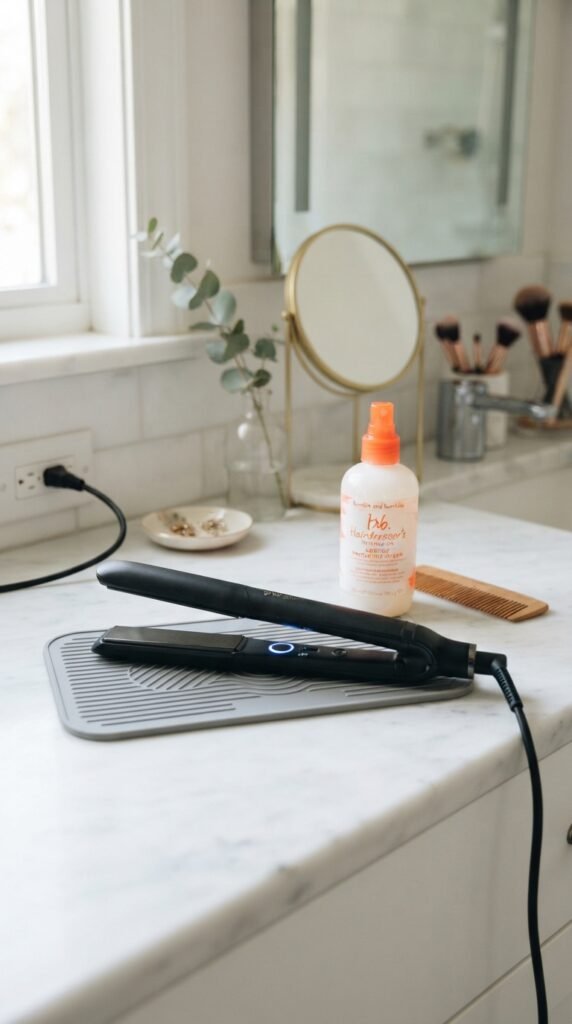
After two to four weeks of repair, you might want to style with heat again. And you can, just safely. Here’s how to avoid re-damaging your new progress:
Wait until your hair feels strong and less stretchy. Then:
- Use a heat tool only two or three days a week
- Set the temp below 300°F, around 150°C
- Always spray on a heat protectant
- Stop if you smell that hot hair smell
Also let your heat tool glide quickly, and don’t clamp down hard. The goal is to smooth, not to cook. If you follow this, your hair can continue to grow length while keeping a healthy look.
Your Repair Timeline: What to Expect
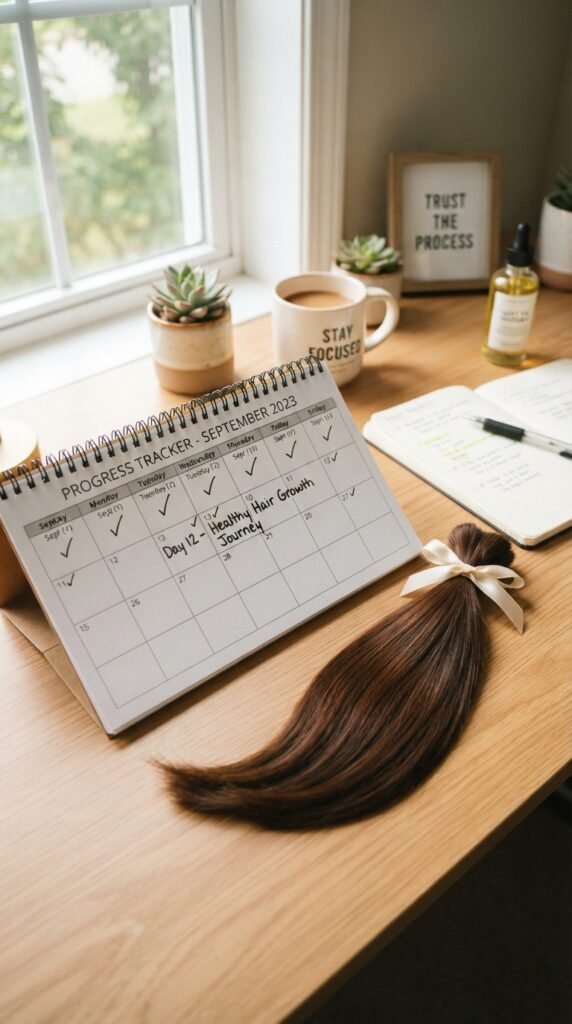
Repair isn’t overnight. But with the right routine, you’ll notice changes fast. After the first week: smoother surface, less frizz. After two weeks: easier detangling and better shine. After a month: your ends look thicker and your hair falls better.
Don’t expect new hair growth to fix everything overnight. The new growth is healthy from the start. It just needs time to catch up. Your old damaged ends will gradually be trimmed away through regular dustings, and you’ll keep the length you love.
Take progress pictures every week. You’ll see your hair is healing. Remember, you’re not waiting for perfection, just a better, softer version of your hair.
A Few Loving Thoughts Before You Go
Repairing heat damage without chopping off your length is absolutely possible. It just takes a little patience, the right products, and a few styling tricks. You don’t need to start over. You just need to give your hair a little extra love.
I hope this guide makes you feel less alone and more in control. Your hair is not ruined. It’s just asking for a reset. And you can totally give it that while keeping the length you worked so hard to grow.
Save this post to Pinterest so you can find it later. Also, tell me in the comments: what’s your biggest struggle with heat-damaged hair? I read every single one and I’m here for you.